

Do figure out how the sun travels around your garden
Understanding your aspect and where the sunny spots are throughout the day will help you select the plants that enjoy your garden the most.
Do create balanced views and vistas in the garden
These should be visible from various windows and doors from inside the house. Site a bench, gate, tree or large pot as a focal point at the end of the garden’s longest axis.
Don’t forget to light the garden
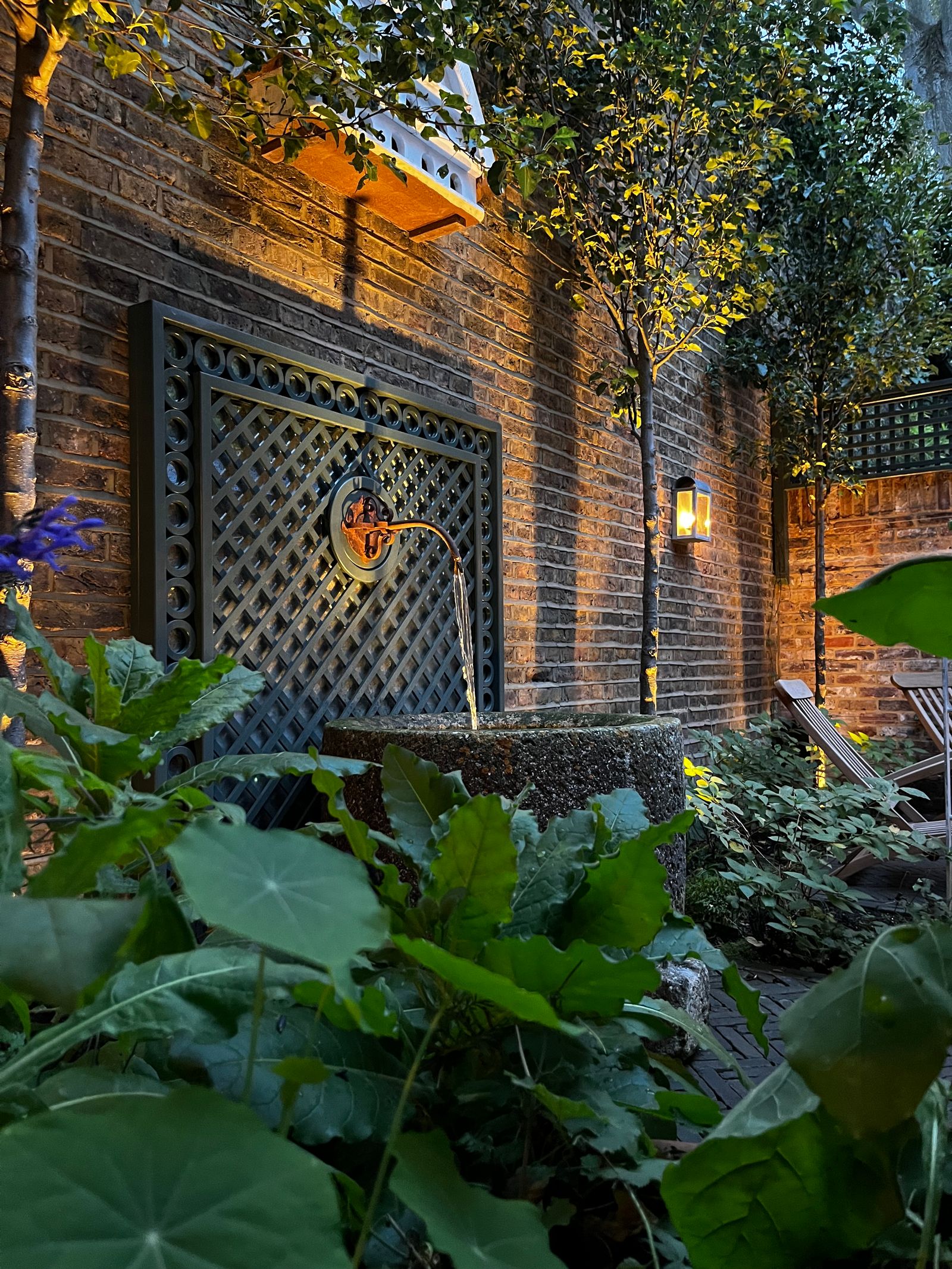
The winter is long and dark and good garden lighting adds such a lot; it helps us get through these testing months.
Do create interest closer to the house
Place a garden table full of pots with seasonal blooms near the house. I have one outside my kitchen window, which helps to relieve the tedious domestic chore of washing up.
Don’t forget to use the diagonal line when setting out significant garden features
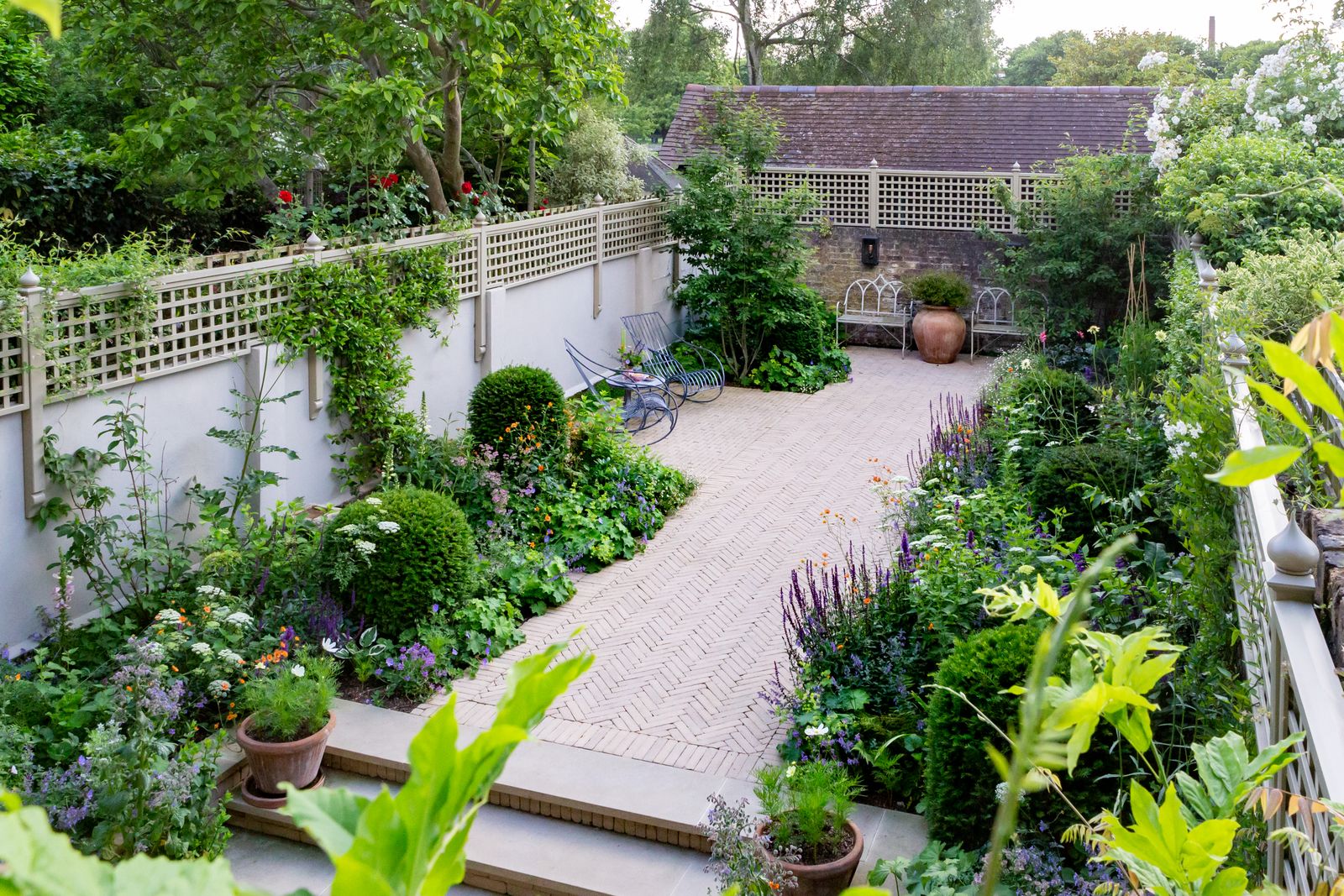
It is often forgotten and in smaller gardens it might be your longest sight-line. An asymmetrically placed grouping of garden elements can help to create a less obvious but hugely pleasing atmosphere.
Do be brave and size up
Choose one or two oversized elements for your garden – this is particularly important in a small space. One large pot can magically elevate the tiniest space, creating a real sense of drama.
Don’t be too fastidious about having all materials, pots, and furniture matching
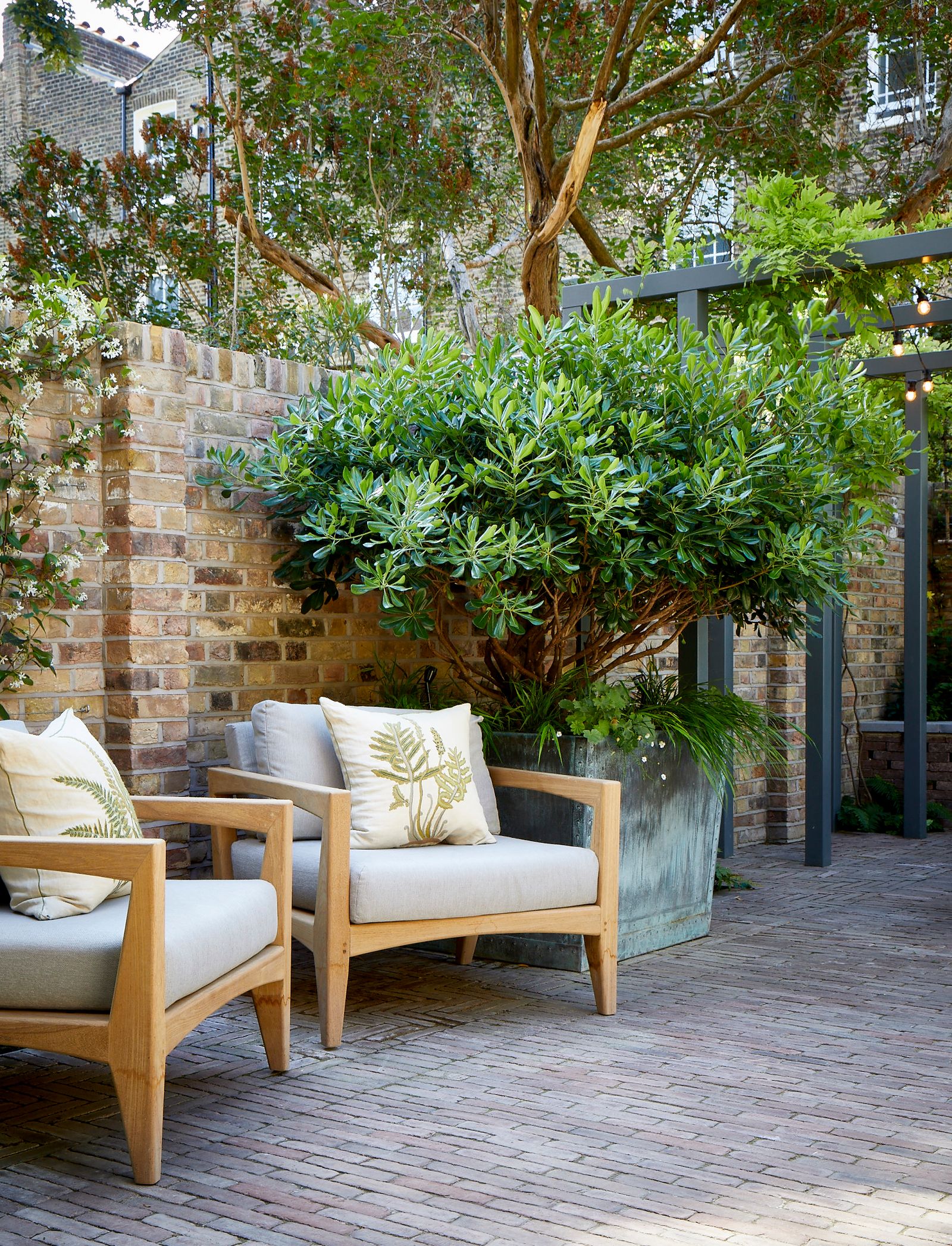
Everything should tone beautifully and relate to the architectural building materials, but it should not necessarily all be by the same maker, fabricator, or supplier. I think it is lovely to see the odd old pot or antique garden table mixed in with a few new ones, terracotta mixed with copper and so on. I would, however, suggest that you limit variety to no more than three different materials/finishes.
Do include structural shrubs, trees and topiary
These will create critical vertical emphasis, winter interest, and solid blocks of form, colour and texture. A wilder tangle of planting can emerge in and around these more formal elements to create drama with seasonal explosions of flower and foliage.
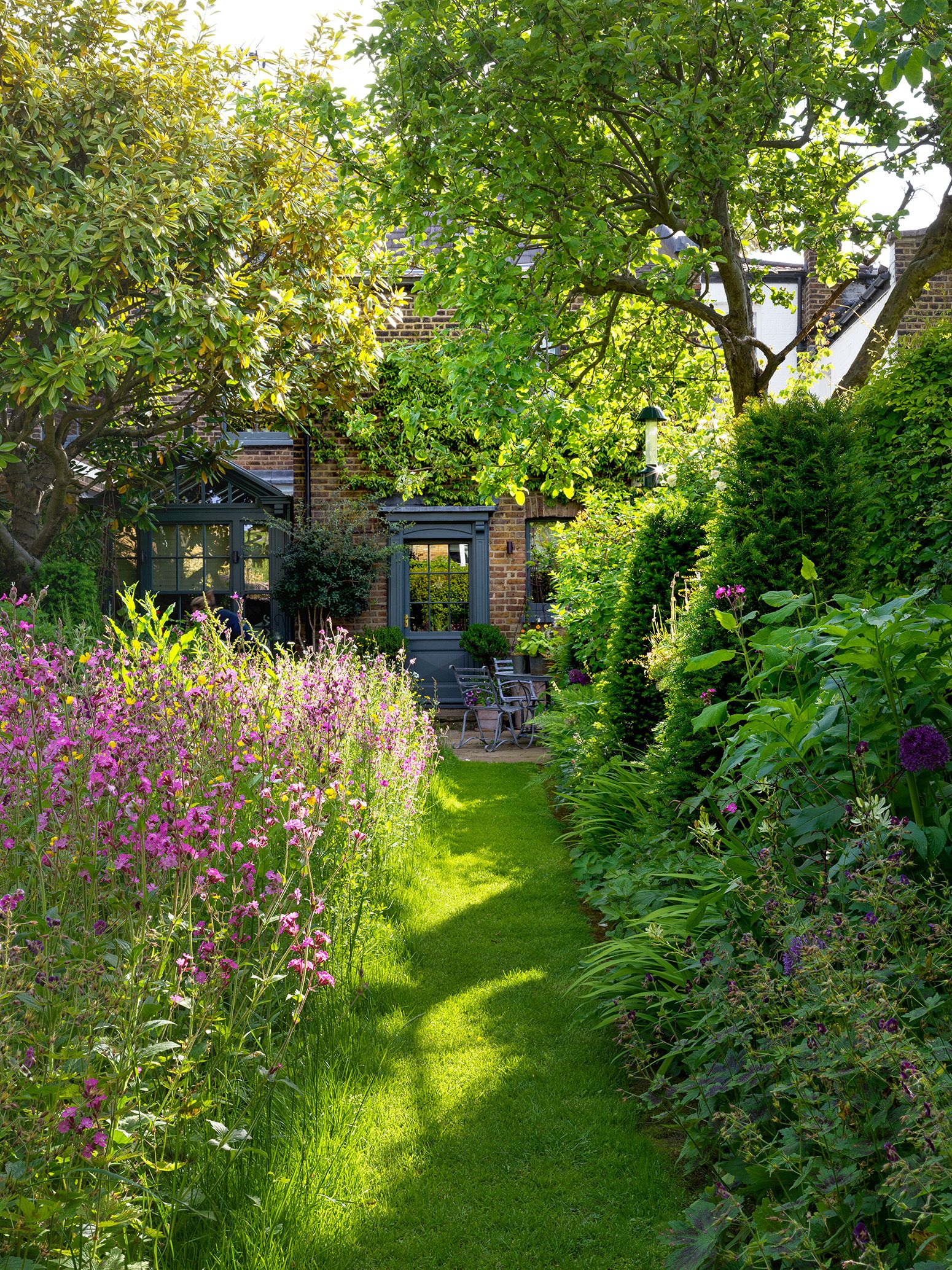
Do always plant with the pollinators in mind
Provide year-round nectar and pollen rich plants that the bees, butterflies and the other bugs can enjoy for as many months as possible. Early spring bulbs like muscari and crocus offer a terrific start for the bumble bees who emerge from hibernation as early as February.
Don’t tidy up your garden between late autumn and early spring
Leave the leaves, grasses and perennials in place to provide a much needed habitat for wildlife and insects over the winter.
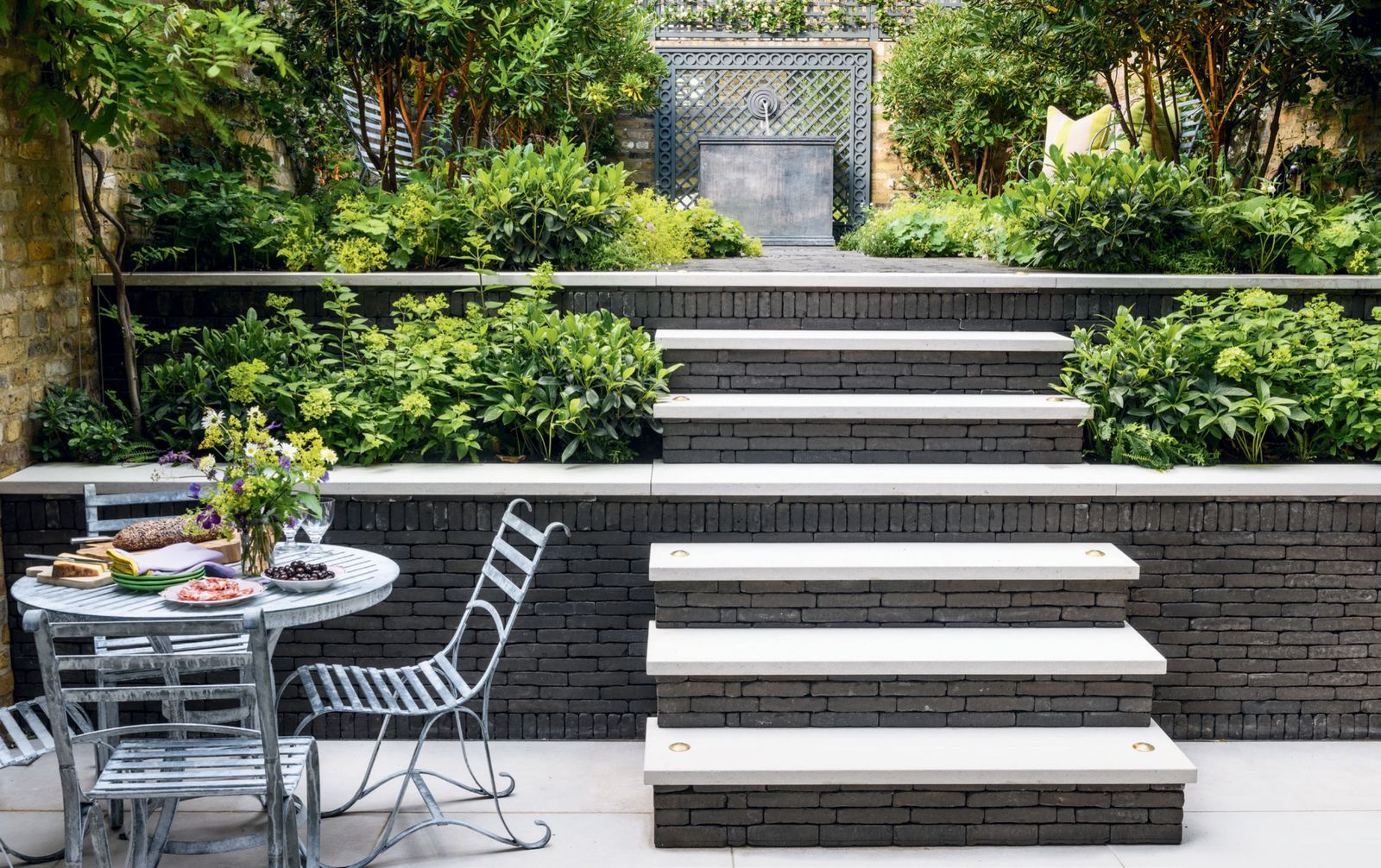
Do borrow the views from your neighbours…
… particularly in a city garden. It is lovely to see a rhythm of planting from one garden to the next. A little ribbon of blossoming trees that dance along from garden to garden can create a broader, more elevated sense of space, blurring any boundaries.
Do create different areas in the garden for entertaining and dining
A well placed table in the morning sun or a a comfortable bench piled high with cushions under the shade of a tree are always welcome, and will help to draw you and your family into the garden.


