
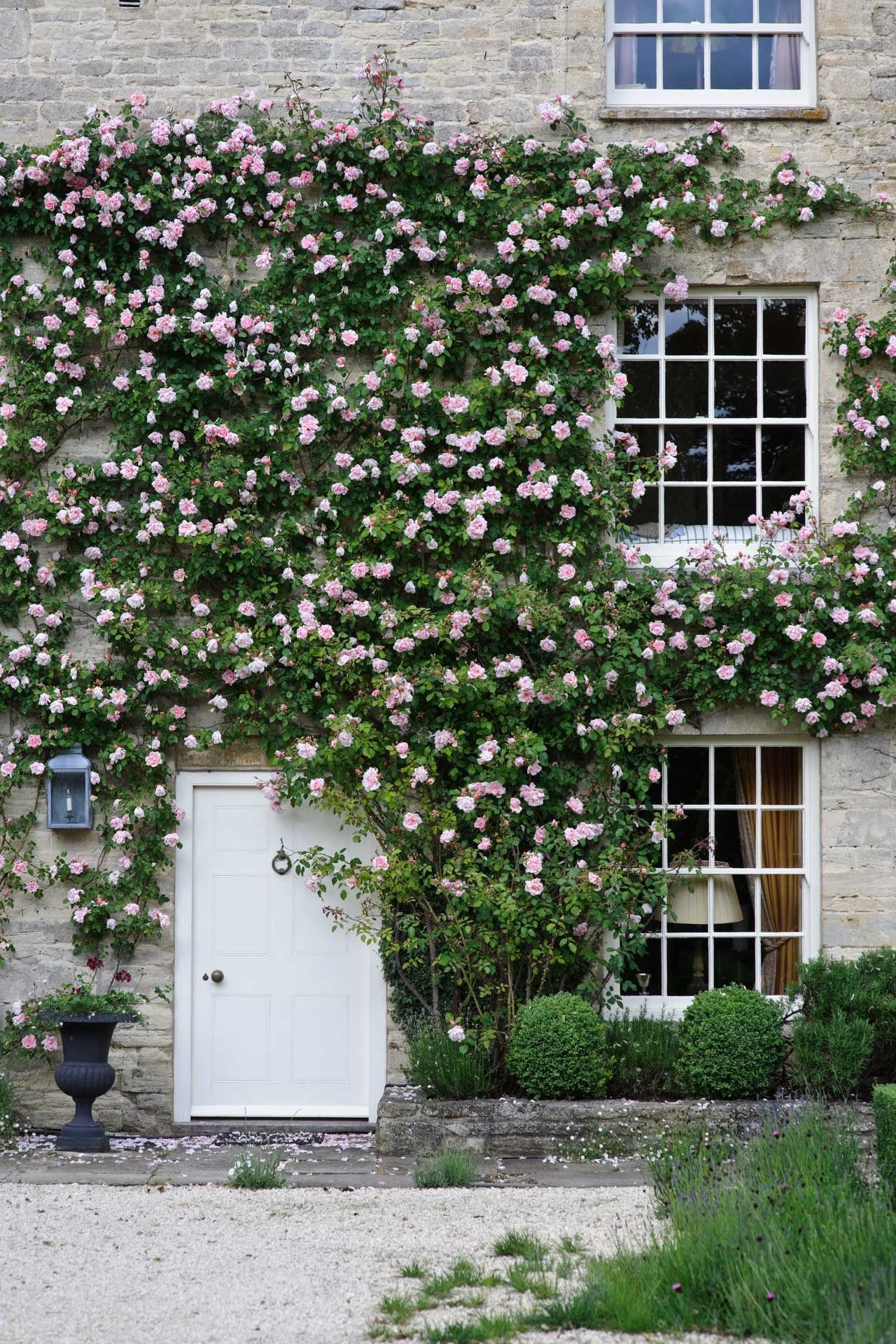
Climbers are an essential plant for most gardens. Scrap that, every garden. Not only do they take up very little floor space, but they can help soften walls, add vertical interest and – if you choose well – offer refuge and food for wildlife, year round.
What climbing plants add to a garden design
“Not many garden schemes are complete without a climbing plant or two, I think of them as stage dressing” explains garden designer Bob Richmond-Watson. “When used in the right place they complete the scene, usually without dominating it. I will use them in one of four ways; as a visual break, as a screen, as a frame or as a backdrop.”
“The beauty with climbers is that they come in so many shapes and sizes but have the real benefit of being able to work in any garden” adds garden designer Oliver Burgess, “from the biggest country estate to the smallest of inner-city balconies.”
How to use climbers in a small garden
“Climbers are fantastic as garden screens and to add privacy in an attractive way” Oliver continues. “By extending the height of a boundary fence with trellis or wires you can then cover and conceal with the right climber.” For those who live in a city, or for whom space is at a premium, they also are a good alternative to other boundary options like a hedge, says Bob. “In smaller spaces I use them on a trellis framework as screening – when a hedge would take up too much precious real estate.”
“Another wonderful aspect of climbers is that they offer fantastic vertical interest in the garden but without hogging the rest of the flower bed” says Oliver. “Generally, they have a very small footprint and so leave plenty of space in the flower bed to add further colour and structure with smaller flowering perennials, shrubs and ferns. Most plants grow in a domed shape or with a uniformed diameter whereas the climber goes straight up without crowding and so is perfect for those looking to maximise their growing space,” he concludes.
How to use climbers in a larger garden
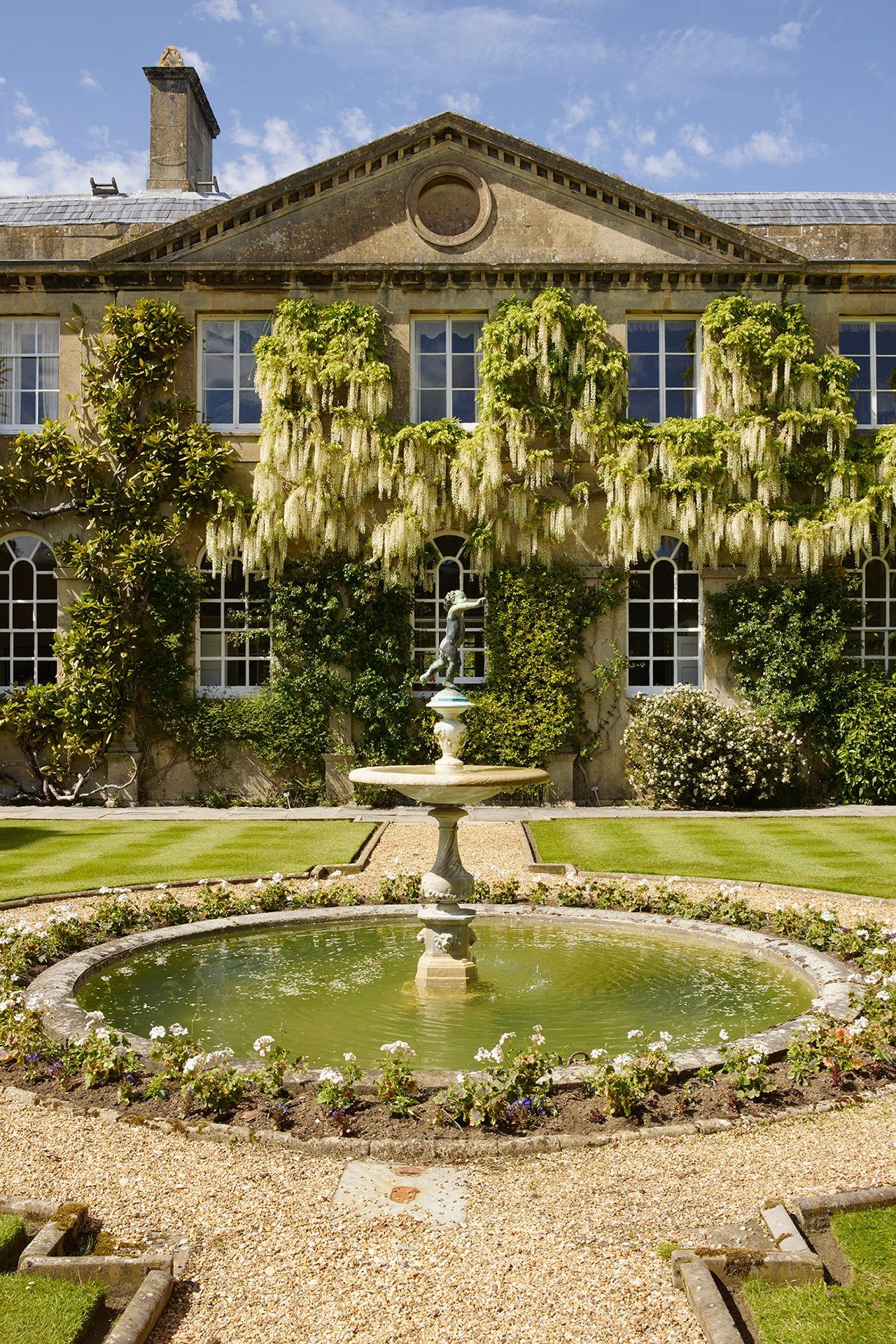
“When you have large expanses of hard landscaping, a vigorous climber can soon help to break it up with some much needed greenery and life” says Bob. “In more open gardens I will use them to frame a scene; think wisteria twining around windows or a rose framing a view through an arch. Climbers are also brilliant at creating that soft backdrop in front of which you can have sculpture, specimen planting or just a simple sheet of water which reflects the climber behind.”
How to choose a climbing plant
“As with all plants, it remains about the right plant in the right place but because there is such a variety there is always a climber that will fit,” says Oliver. “Whether it is a small delicate climber for a pot on the balcony or patio to a huge rambling, climbing rose shooting up a large tree or covering an unsightly wall or fence in a shady part of the garden.”
“Getting the right climber for the right space is key” agrees Bob. “As they are usually planted on a wall, aspect is everything, then it’s down to thinking about where it will be viewed from and how close people can get to it; if it’s for a back drop then a simple curtain of green leaves such as Hedera Helix may work, but if you are regularly passing close by, then a variegated one such as Hedera Helix ‘Glacier’ may provide something more interesting. If you are going to walk under it or past it, use scented climbers such as roses and honeysuckles so you can be enveloped in their fragrance. A favourite rose of mine is repeat flowering David Austin’s Rosa Crown Princess Margaret – it has a strong fruity scent and blush flowers that fade so beautifully.”
The designer’s top climbing plants and where to use them
For shade:
Here, Bob recommends the subtle pink and vigorous grower Rosa ‘James Galway’ alongside the delicate creamy flowers of honeysuckle Lonicera periclymenum ‘Sweet Sue’.
For south-facing walls:
As well as colour combinations, think about flower shapes and foliage. For a south-facing wall, Bob recommends contrasting the water-lily like flower heads of Rosa ‘The Generous Gardener’ with the longer, elegant petals of Clematis macropetala ‘Markham’s Pink’.
For north-facing walls:
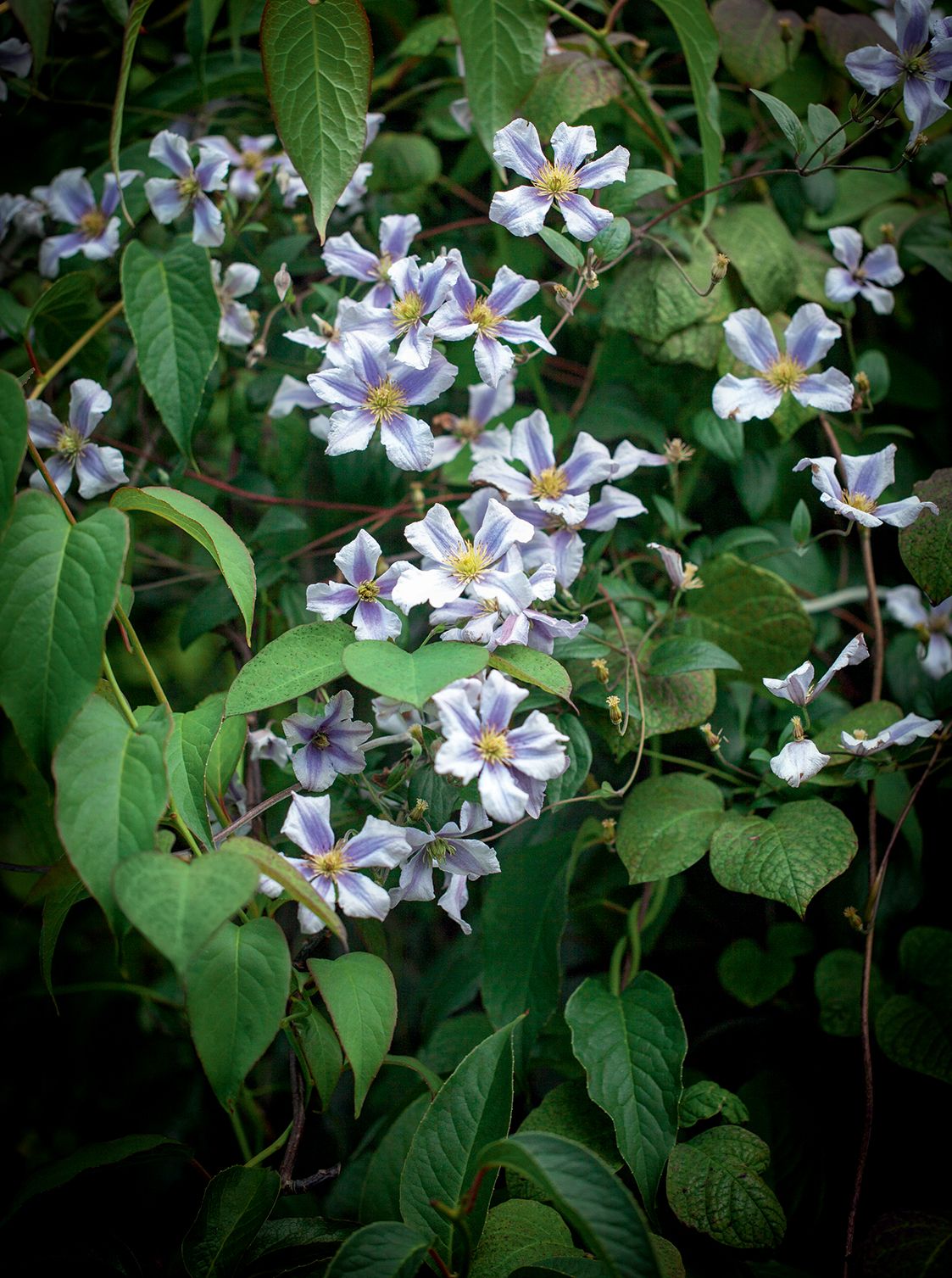
There are plenty of options for a north-facing wall too, including roses. Rosa ‘James Galway and Clematis ‘General Sikorski’ make a winning combination, suggests Bob, as does Rosa ‘The Lady of the Lake’ and Clematis cirrhosa ‘Freckles’.
For evergreen interest:
Trachelospermum Jasminoides or Star Jasmine is a brilliant example and although found in many gardens, it is popular for a reason. It is easy to grow, offers huge coverage and wonderful afternoon and evening scent so is perfect to surround an eating area or fire pit space. If you were to grow it alongside Clematis urophylla ‘Winter Beauty’, which flowers between December and February, it is possible to have scent and colour along a wall all through the winter months, as well as through the summer.
As a defensive measure:
Climbers can provide an attractive defensive barrier on the boundary. For example, the many forms of Pyracantha have vicious thorns along their stems and so, although they offer a challenge when it comes to pruning, they will stop any intruder trying to scale the wall they occupy. With bright red, orange or yellow berries offering colour and food for wildlife, along with an abundance of white flowers with a sweet scent in summer I can’t think of a more charming way to keep people at bay.
For autumn colour:
Hydrangea anomala subsp. petiolaris or Virginia creeper which turns a brilliant red colour in autumn.
For gardens with less light:
The lesser used but very lovely Pileostegia viburnoides which works in any light level and has sprays of frothy white flowers.
For wildlife:
One of our favourites is a white passion flower Passiflora 'Snow Queen'. We were delighted to visit a client's garden recently and see it covered in not only lots of bees but also lovely orange fruits after only being planted last summer! Ivy is also a classic and great for wildlife.
For fruit:
We’ve just planted up a job using hardy kiwi 'Actinidia arguta'. I love the shape of their leaves and after a few years you will be rewarded with kiwi fruit – delicious and a good way to reduce your carbon footprint not shipping in fruit from overseas.
@tabijgee_gardendesign | www.tjg-gardens.com
More great garden stories from House & Garden
- Receive the latest House & Garden newsletter in your inbox
- How to design an English country garden
- The nine garden design apps you need to know
- Smart ideas for small gardens
- What to plant when – gardening calendar inspiration and imagery


