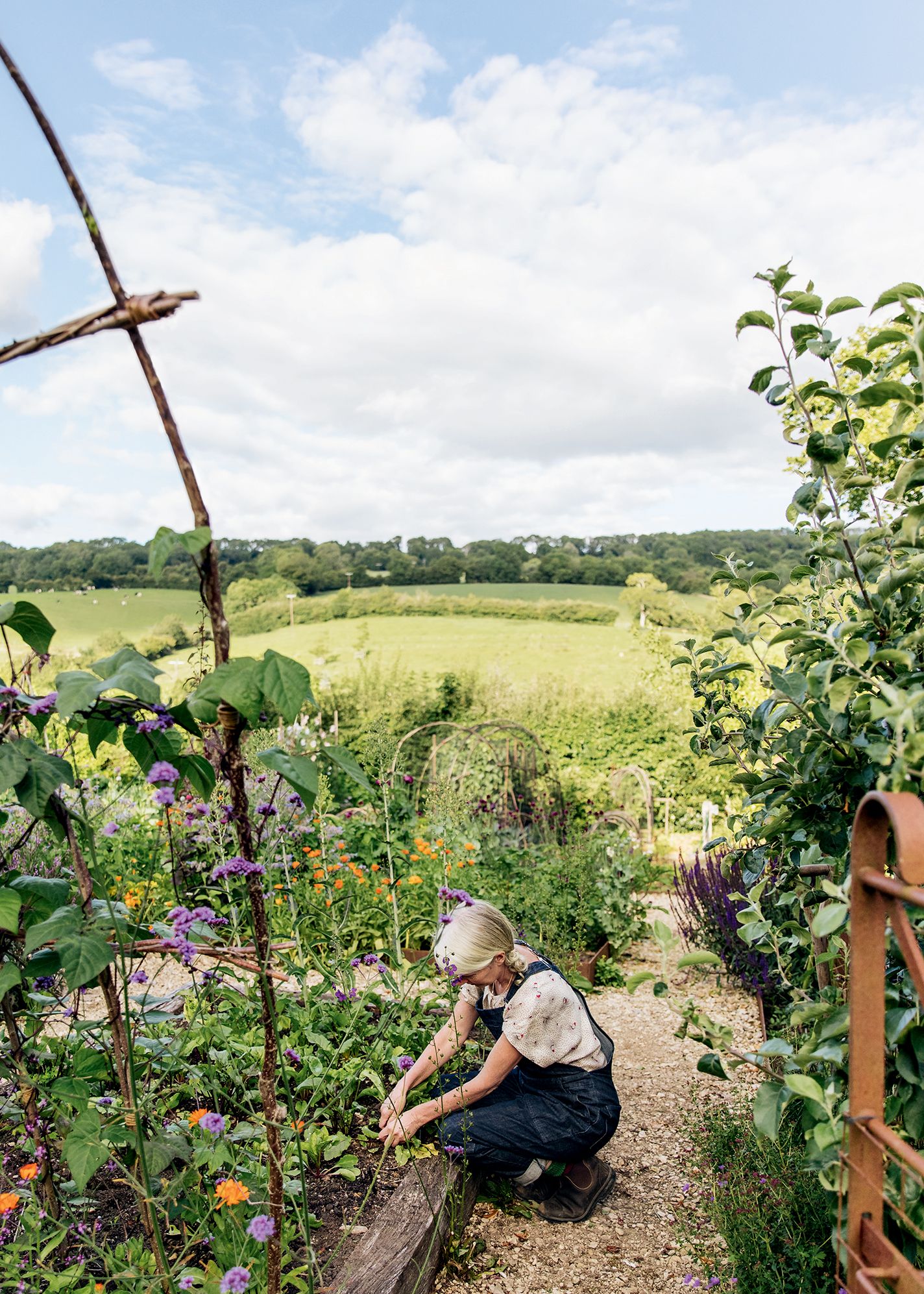
There are silver linings to some of the more depressing truths of today's society. One is that more of us are having a go at growing our own plants for food - something that has, in part, sprung from the cost of living crisis. There are estimates that this could save some families up to £2000 per year. But as anyone who has spent any time doing work in the garden, it's an activity that's also good for one's mental health: it is so satisfying to cultivate and nurture something that will in turn nourish you and your loved ones. One side effect of global warming (it would be too glib to call it a silver lining) is that there is an increasing number of formerly ‘exotic’ fruits and vegetables that you can reliably grow in the UK. Today, growers are having real success with sunflowers, sweet potatoes, water melons and walnuts. That'll make your garden, allotment or pot a bit more interesting, and help save a few pennies too. We checked in with two experts to find out what fruit, veg and herbs they recommend trying out: our resident Garden Editor Clare Foster and House & Garden's Rising Star (Garden Design) Harry Holding. Over to them!
Fruit
I think this is a must-have fruit tree, and it's drought tolerant which is important these days. Whilst you don't want to eat them raw, quince fruit (Cydonia oblonga ‘Vranja’) can make delicious jellies, jams and preserves. Beyond being edible, it has wonderful qualities with a strong form and large, beautiful flowers in spring. (Harry Holding)
Tip from the RHS: Grow in a warm, sheltered spot as flowers are susceptible to frost and warm conditions are needed for the fruit to ripen well. Tolerant to a wide range of soil, but will do best where soil is deep and moisture retentive, so long as it is not prone to water-logging.
Try our favourite quince recipes next
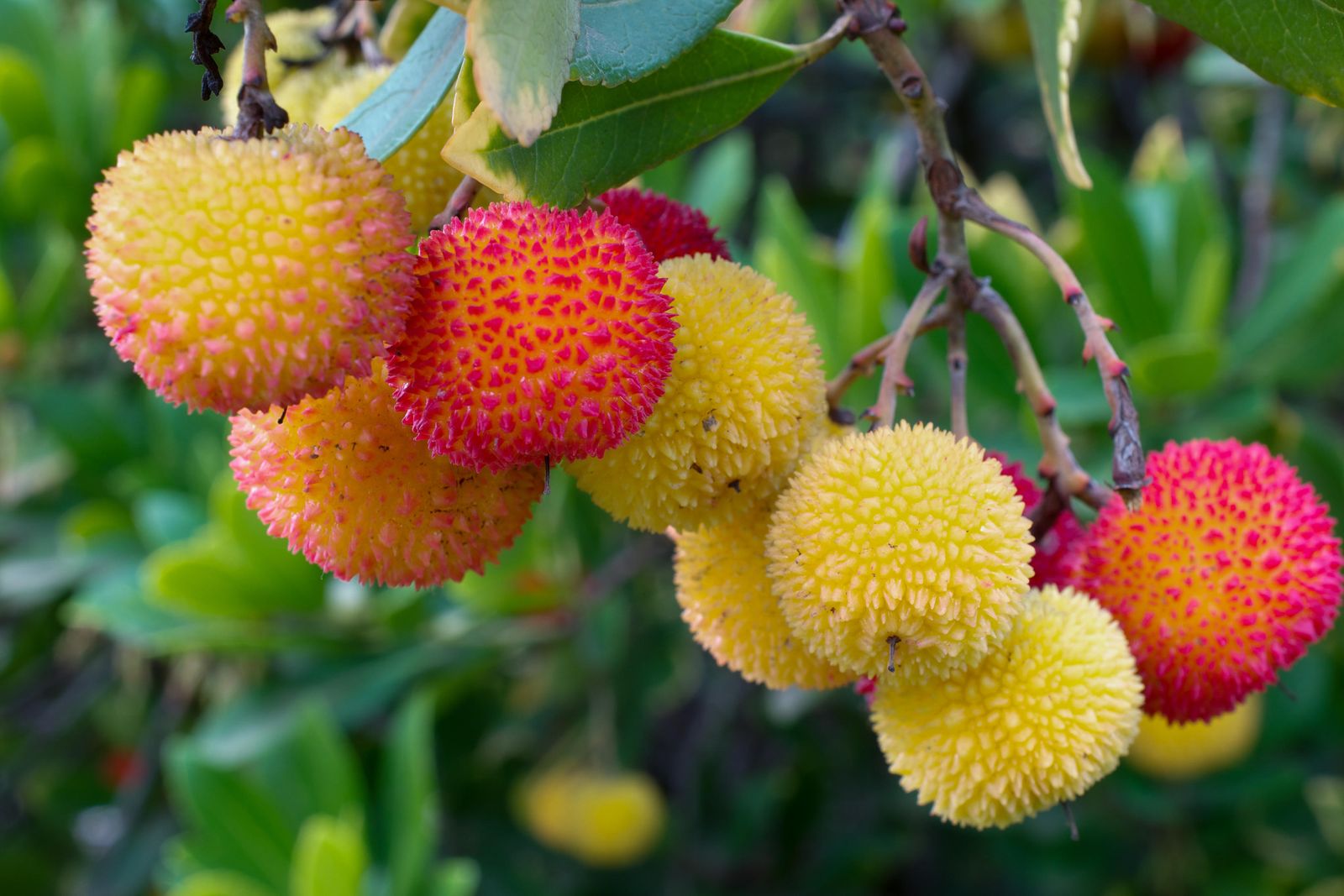
Arbutus unedo is an unusual fruit tree, with its architectural, multi-stem form and stunning red-ish bark. Its vibrant fruits in autumn stand out against the evergreen canopy and its drought-tolerant, tough qualities make it a great tree for coastal, exposed locations. (HH)
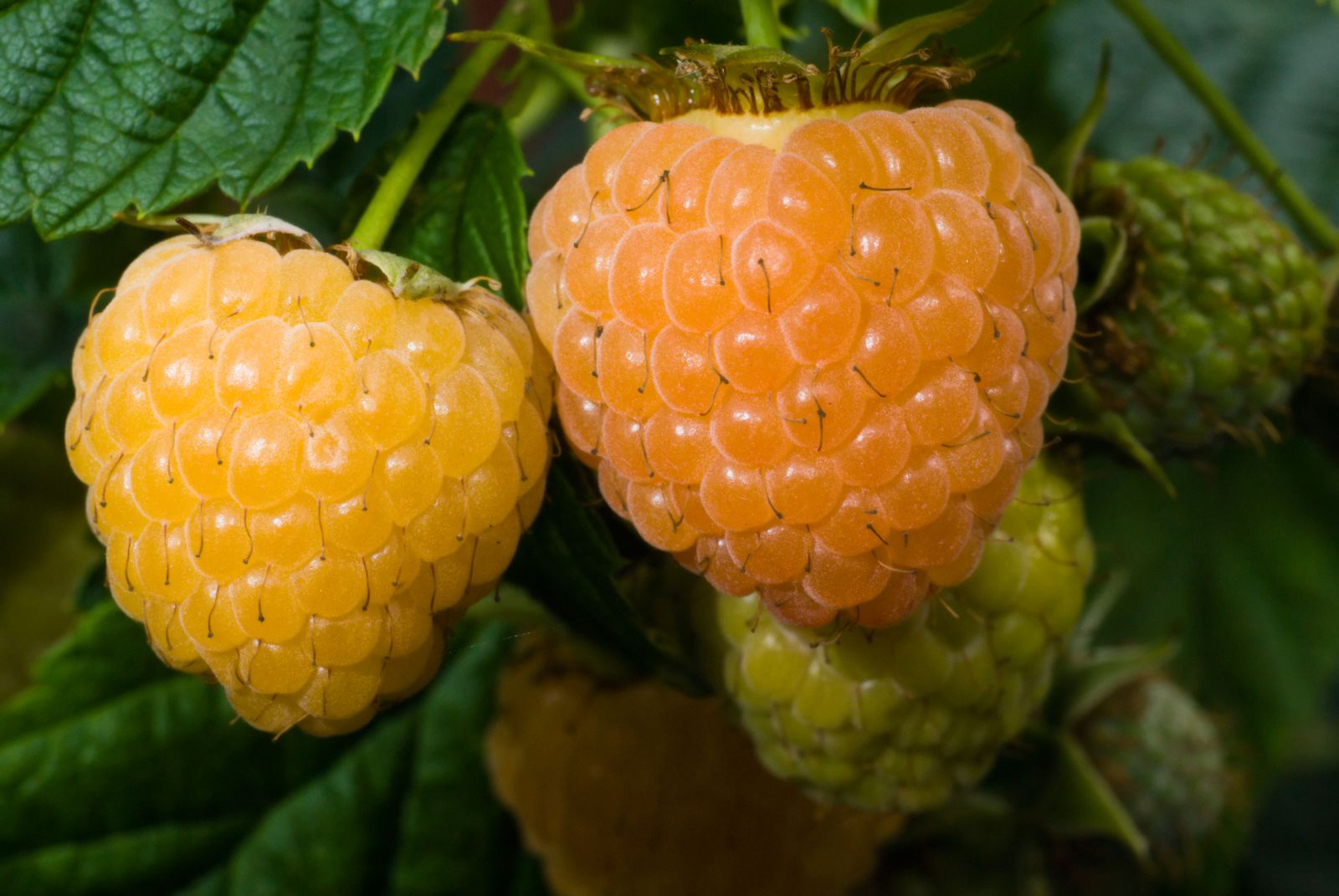
Raspberries are a mainstay in my garden, grown along the boundary of my vegetable plot. I grow autumn raspberries which are easier than summer-fruiting varieties for two reasons. The first is that they have an easy pruning regime: simply cut them back down to about 20cm from the ground. The second reason is that you don't have to protect them from the birds, because they tend to forage out in the countryside at this time of year. Plant raspberry canes in autumn to crop the following year. (Clare Foster)

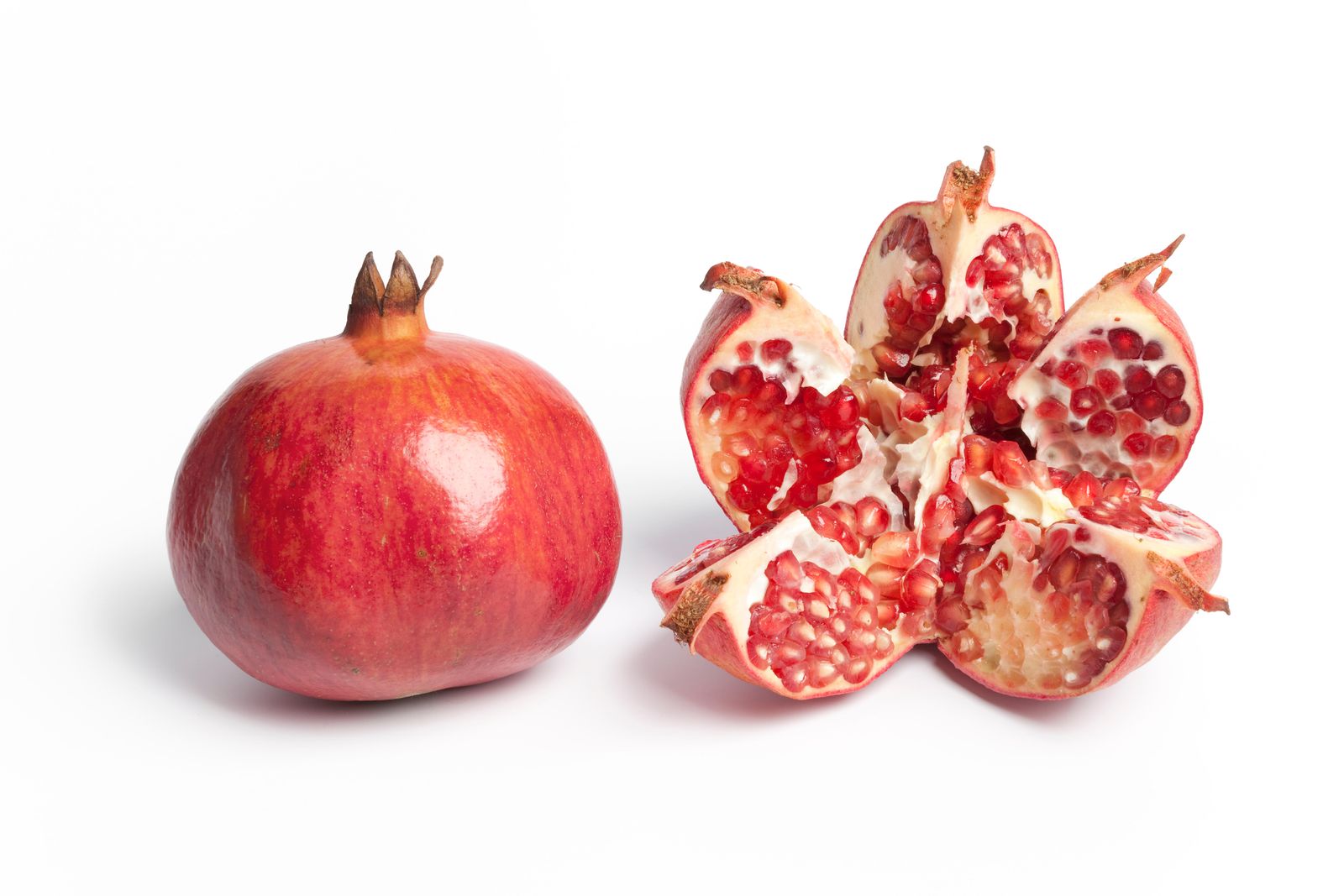
This is one that will work perfectly in a large pot on a balcony or roof terrace. Punica granatum is a glorious tree and already something you can plant in sheltered, inner-city locations or in the South of the country. I love its gnarled trunk and fresh green foliage. It has even flowered reliably in some of our clients' gardens in recent hot years, although perhaps for the fruit, this is for the future, warming UK climate.
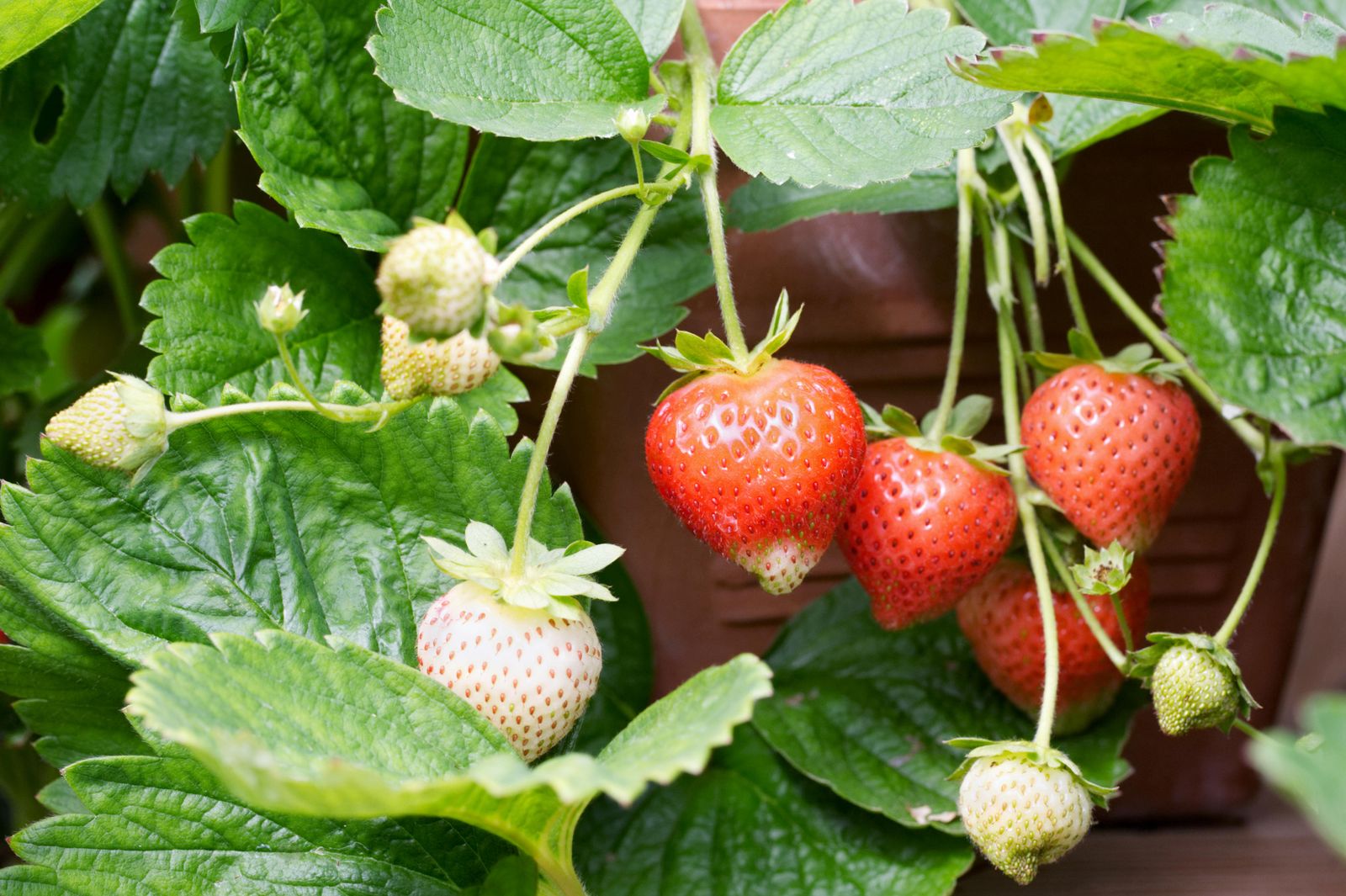
These are the most rewarding crop for a small garden as they can be grown in small raised beds or containers. I grow them in a long galvanised trough where they are very productive. You can plant strawberry plants in autumn or early spring. (CF)

Vegetables
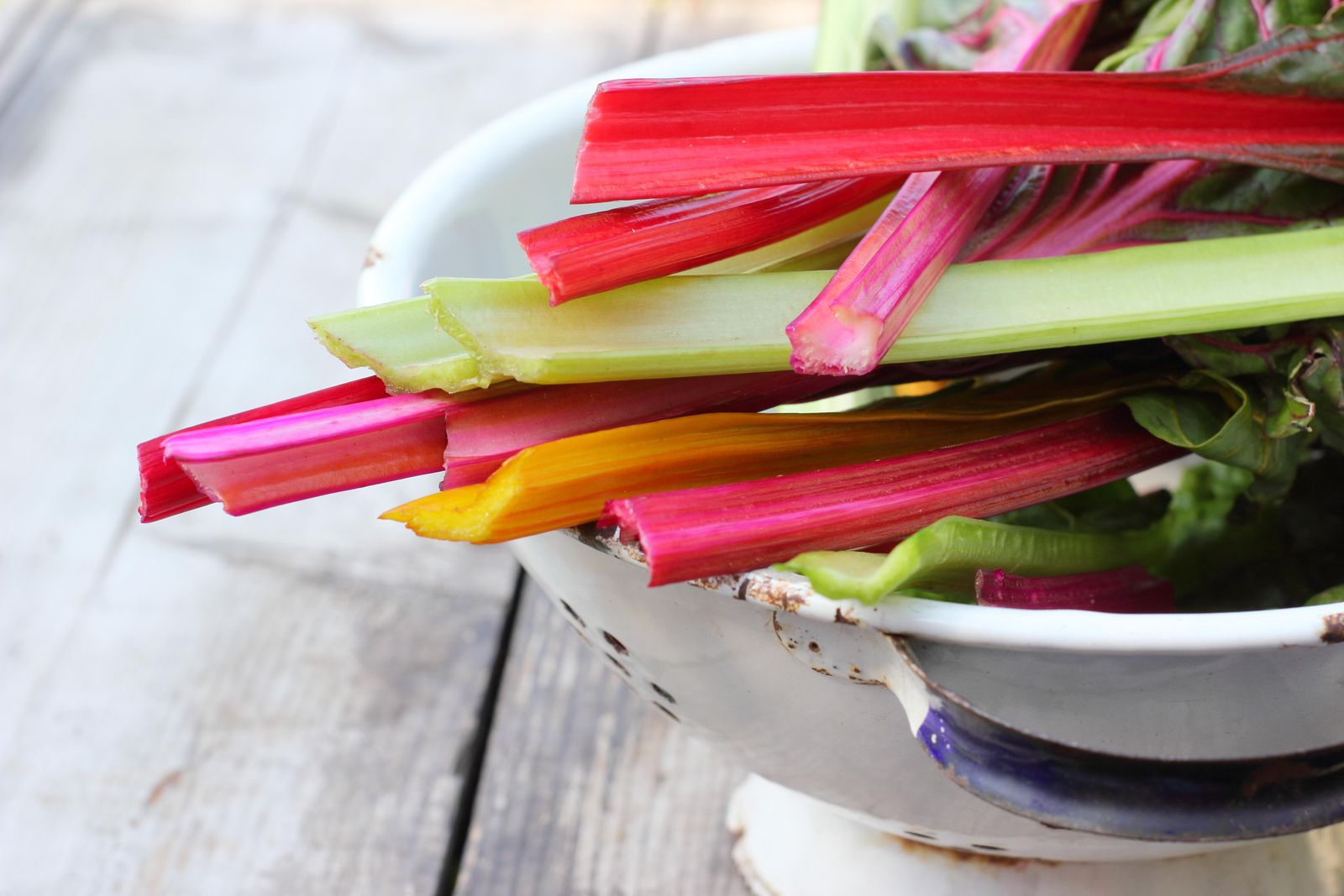
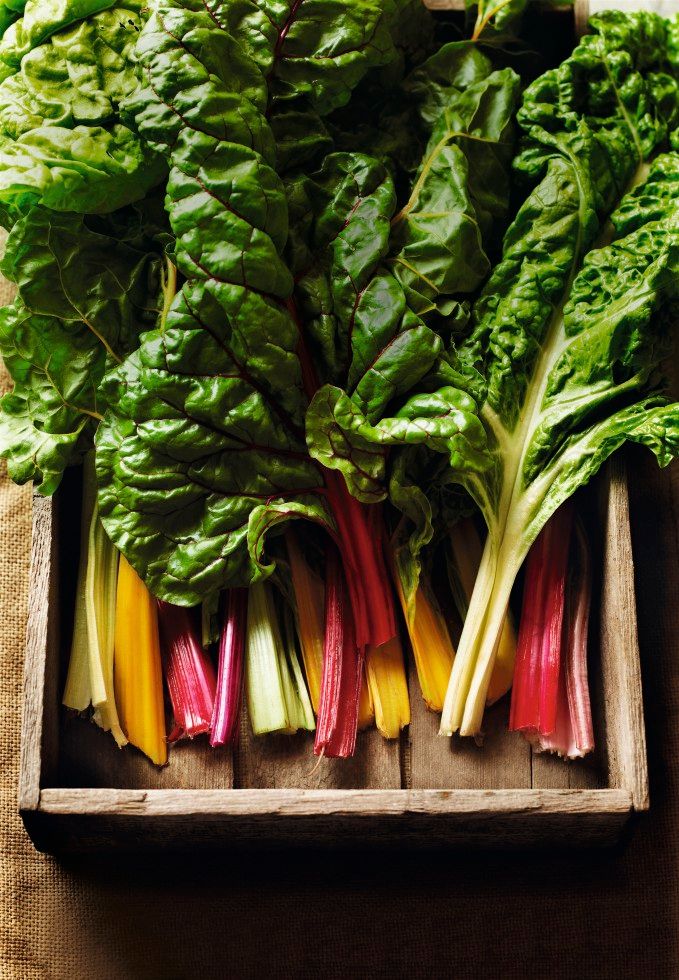
My go-to easy vegetable that I grow every year is Swiss Chard. It's much easier than spinach as it doesn't bolt (go to seed) so quickly, and it crops for many weeks. Sow it in mid spring for a summer crop, or in September for an autumn and winter crop. You can sow it direct in drills, or under cover in seed trays to plant out later. (Clare Foster)
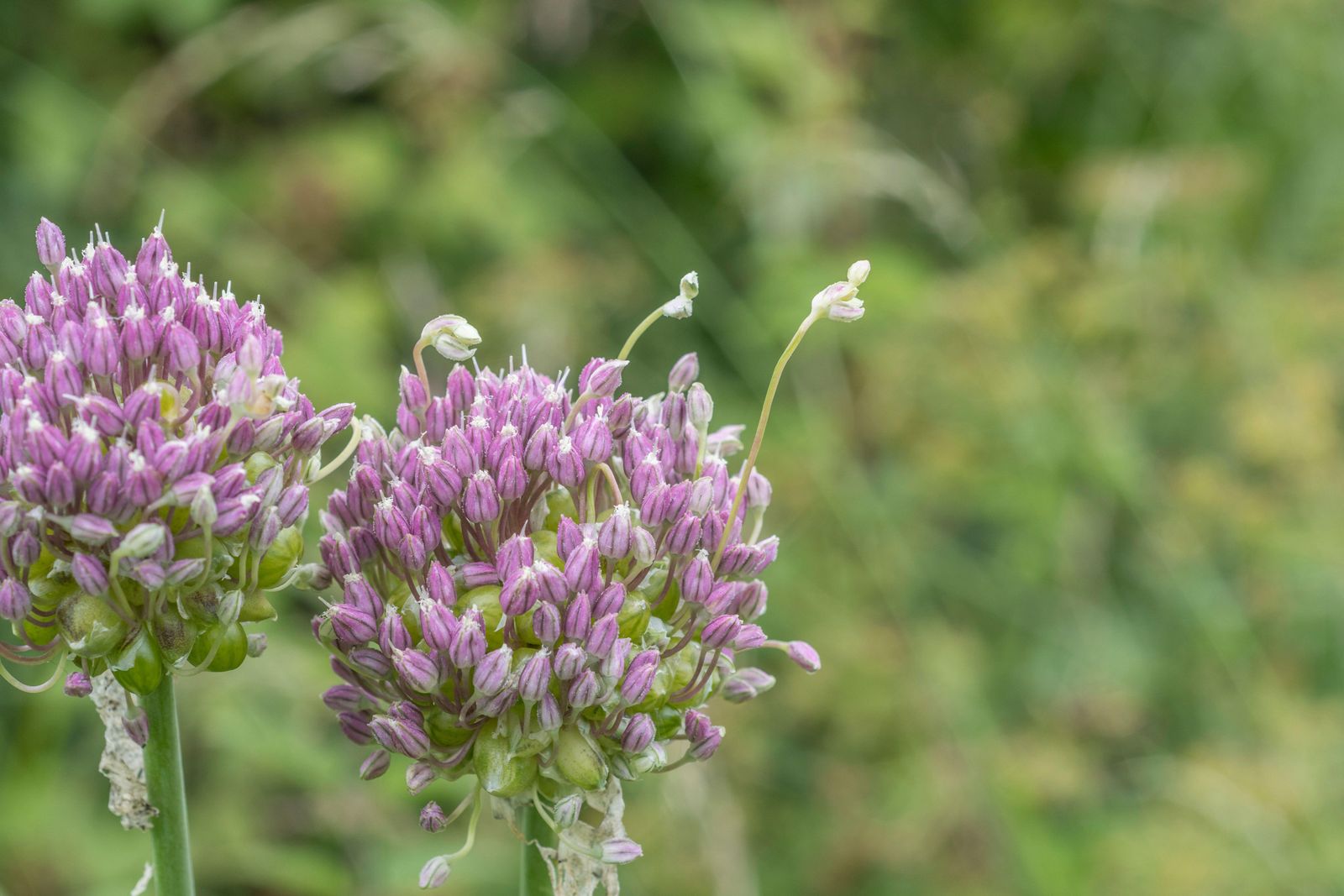
One of my favourite new perennial vegetables is Allium babingtonii (Babbingtons Leek). It sends up flower spikes that reach head height and is a delicious leek that gently spreads, forming larger clumps year on year and naturalising around the space. Being a perennial, you can cut it down and enjoy a meal, allowing it to regrow and continue to provide food in the following months / seasons. (Harry Holding)

Growing a combination of brassicas with dwarf beans will give a fantastic harvest in a small space. This makes them the perfect solution for a large window box, balcony container garden or an unused part of your vegetable garden. Brassicas such as cavolo nero thrive in environments with high levels of nitrogen which makes them perfect partners for dwarf beans like borlotti who take nitrogen from the air and draw it down into the soil. (Harry Holding)

For a smaller space like a courtyard or balcony, salad leaves can be grown in containers. I choose salad mixes that include mizuna or mustard greens as these germinate and grow quickly. If you sow in two or three containers every four-six weeks, you can have salad leaves all summer. You can also buy winter salad seed mixes. (Clare Foster)

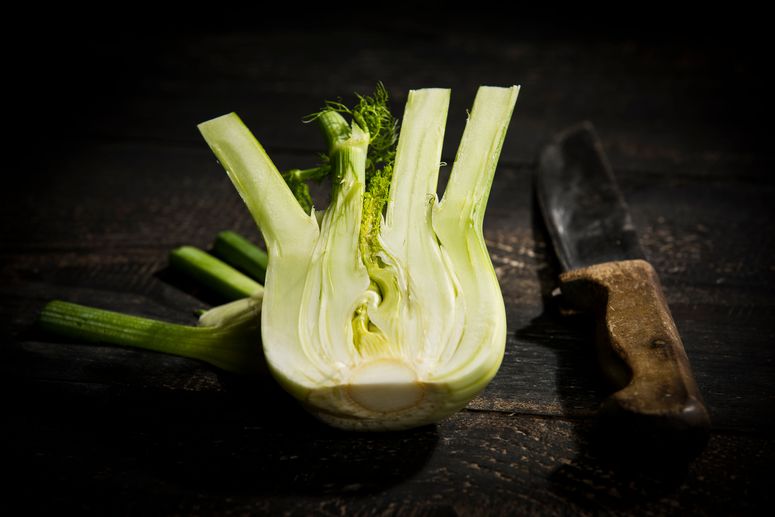
Its stately, frothy form helps to punctuate and bring height to any planting border or balcony pot. Fennel is perfectly at home in a kitchen garden as well as an ornamental planting bed. It's delicious, scented foliage and yellow umbel flowers make it a great sensory plant for children to engage with also. (Harry Holding)
Herbs
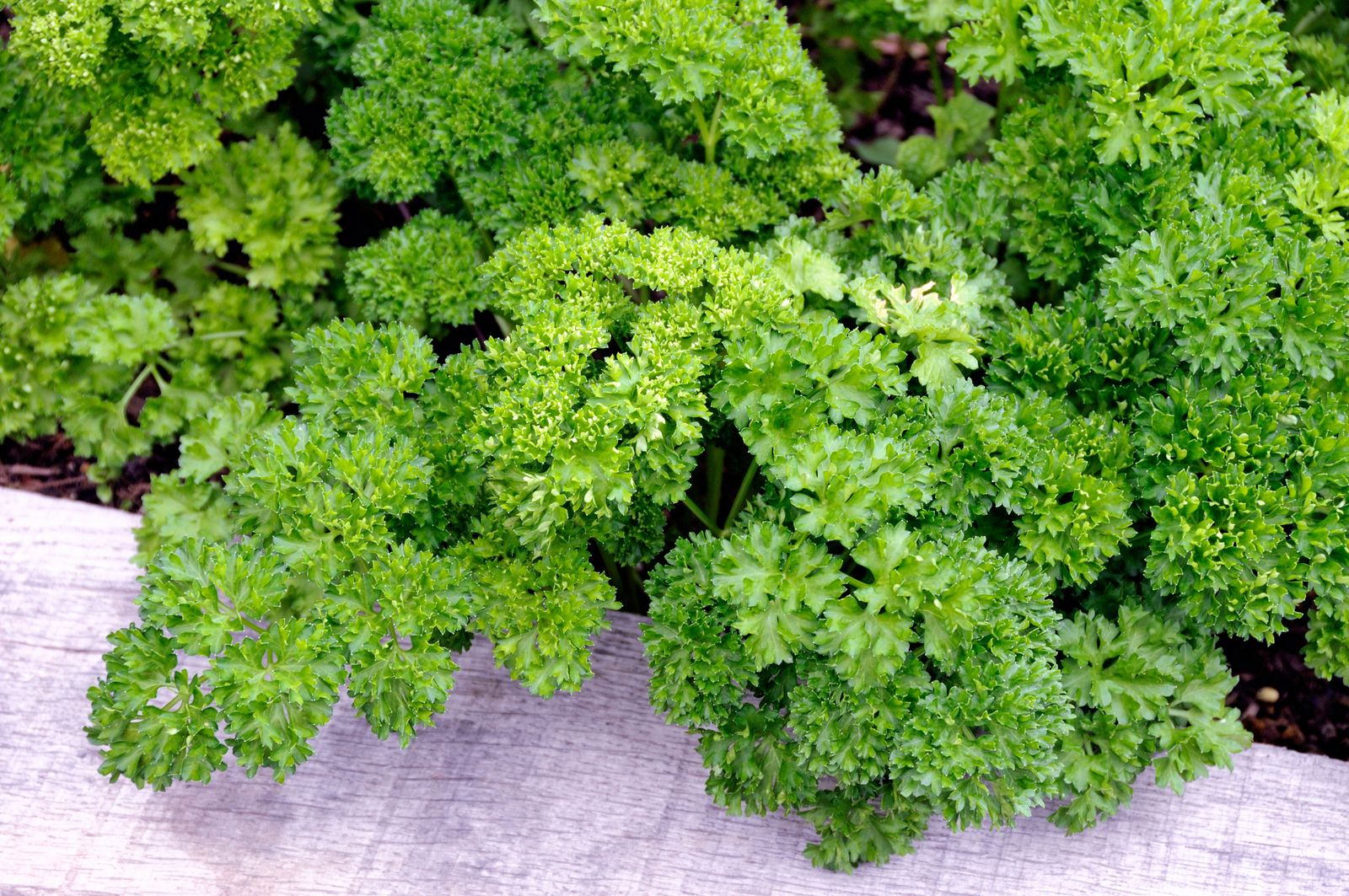
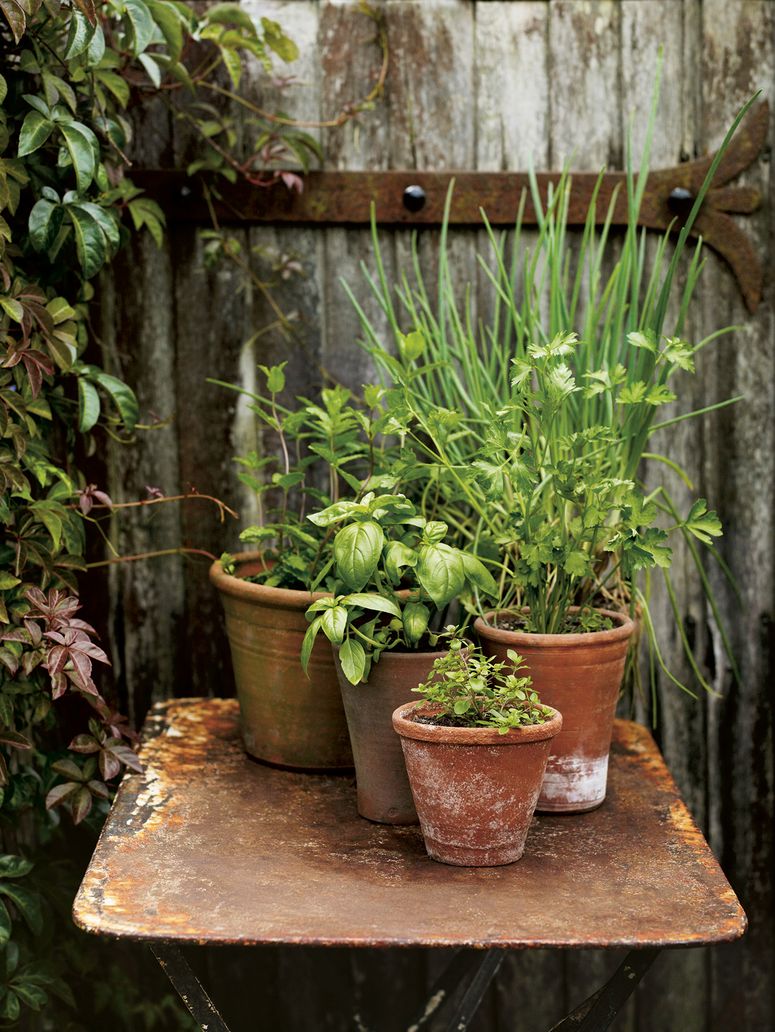
I grow parsley, both curly leaf and flat leaf, along the edges of my vegetable beds so I can harvest from them all summer. A cost-saving tip is to buy supermarket herbs in pots and then plant them out. Each pot will contain multiple small plants that can be pulled apart and planted in pots or in a bed. (Clare Foster)
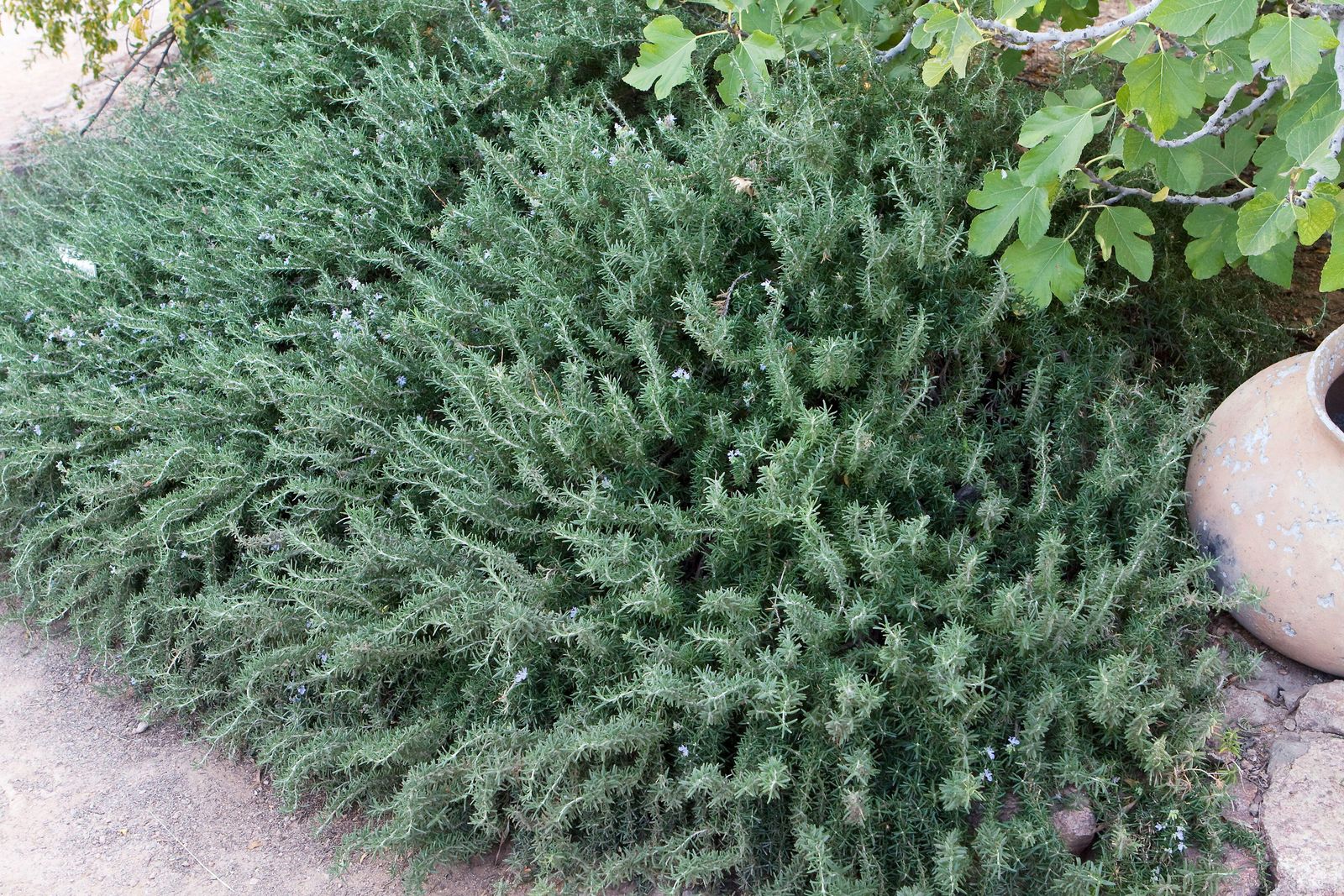
Salvia rosmarinus prostratus is a classic herb with a firm home in any kitchen. This trailing or 'prostrate' form is perfect for softening the edges of a planter or for balcony gardens where space is tight. Allow it to spill out of the container and grow into a vigorous sub-shrub in no time - it'll keep on giving for years and years to come. (Harry Holding)
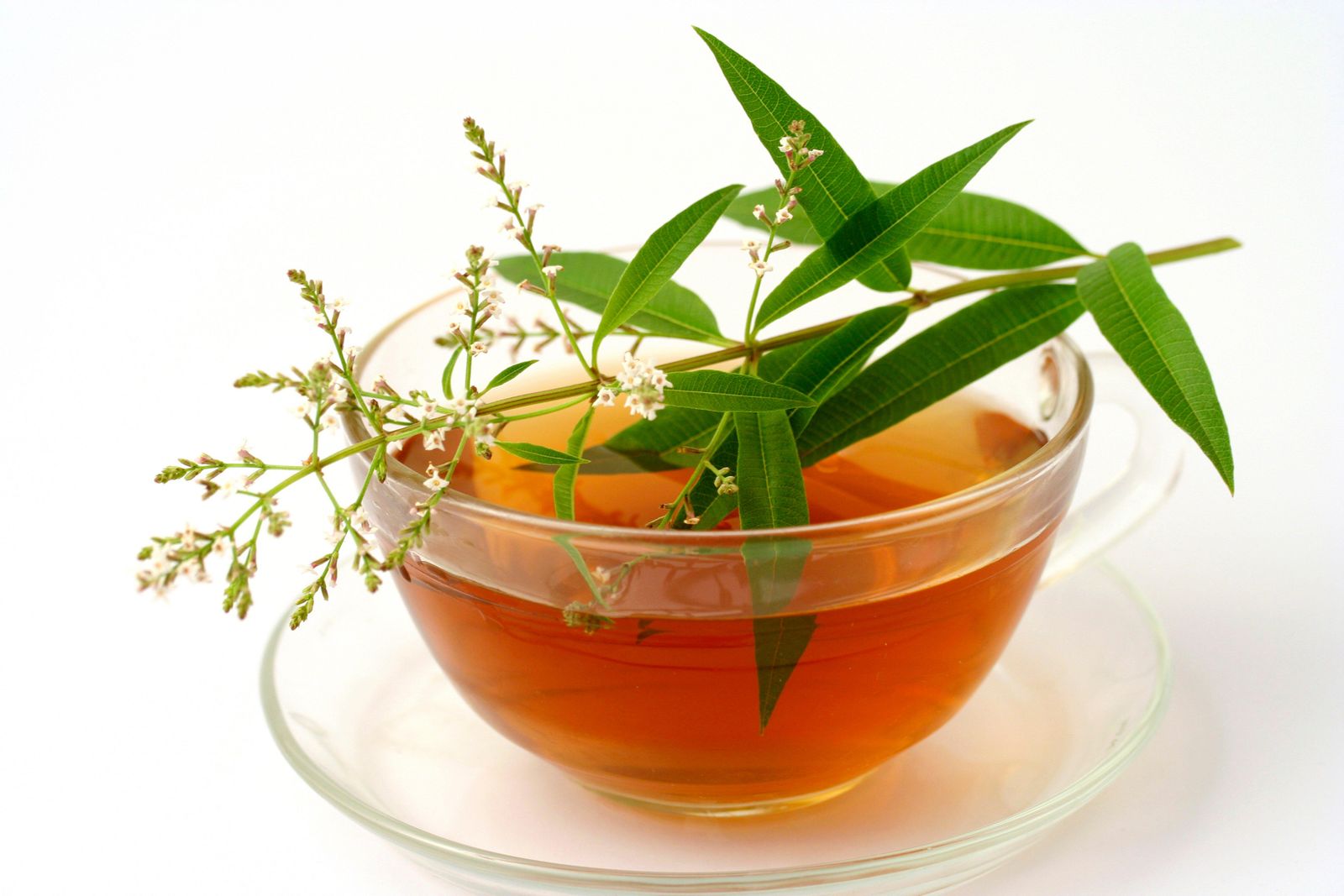
This highly scented herb (aloysia citrodora) sub-shrub has a strong lemon smell and taste as well as a wonderful form. I love to use it in herbal teas in the evening as it is calming and aids a good night sleep.
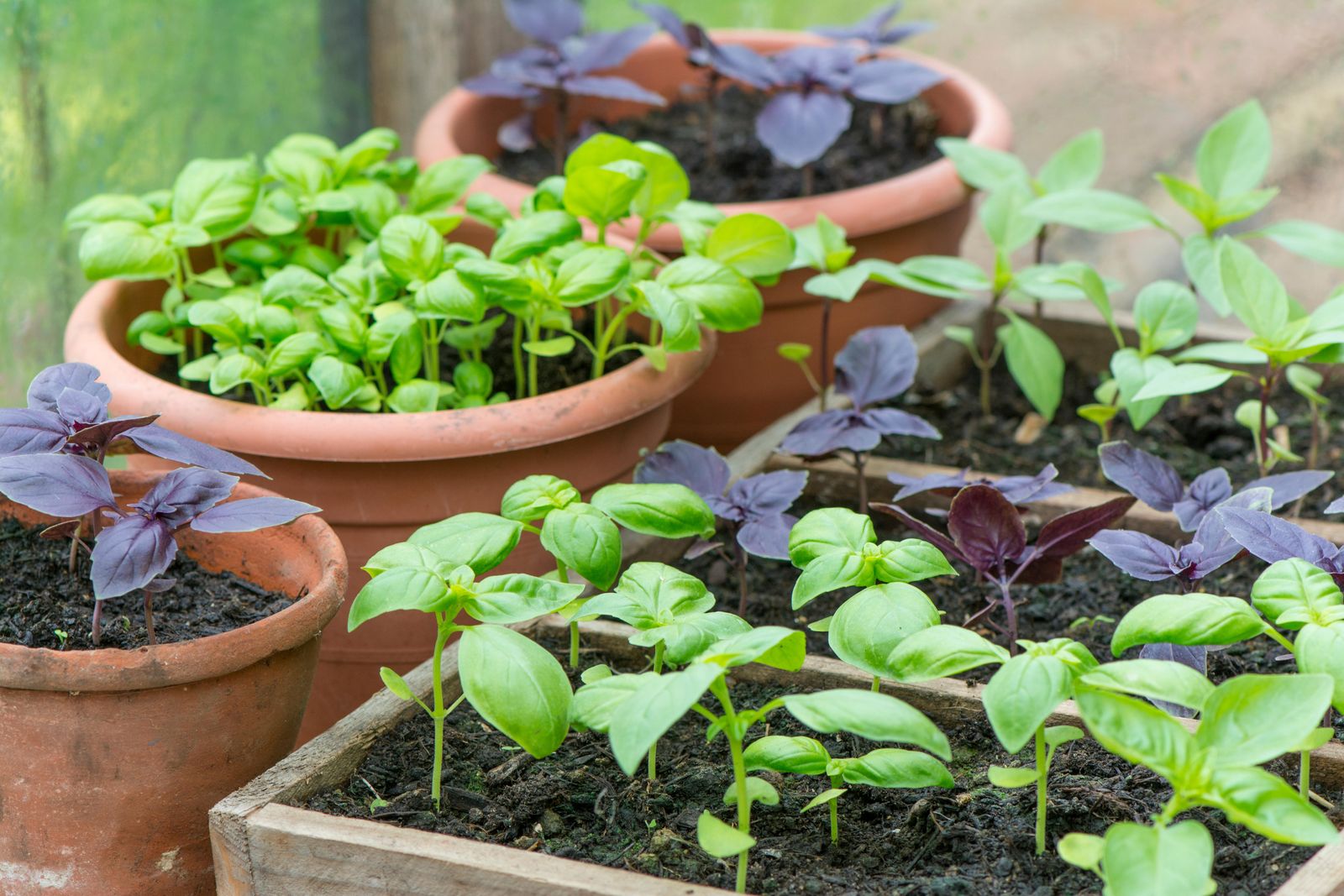
I also grow basil from seed each year, sowing it in early spring indoors and growing it in terracotta pots in my greenhouse. I keep several pots in there all summer to grow alongside my tomatoes as companion plants as the scent of basil is thought to keep pests such as aphids away from your crops. (CF)