
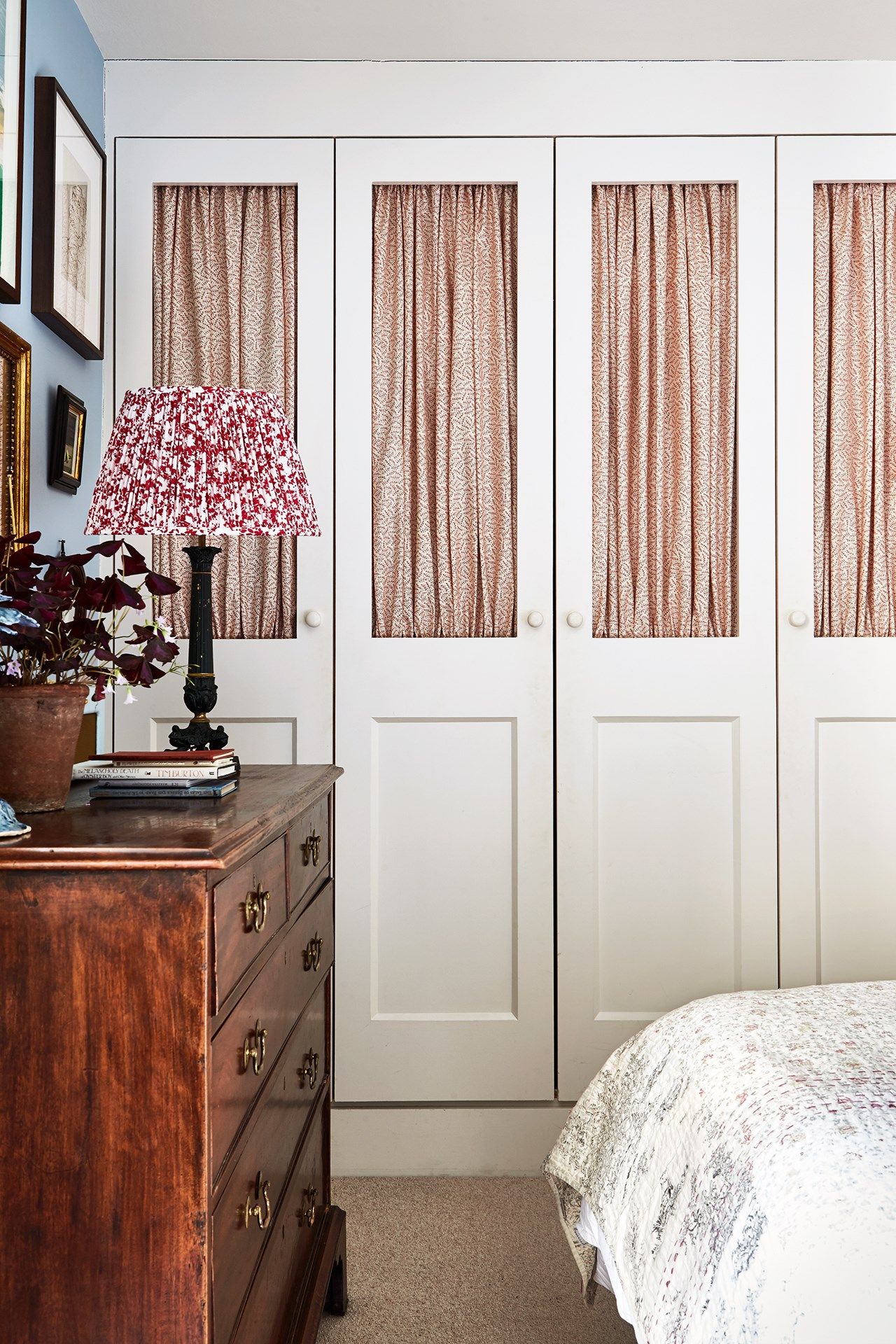
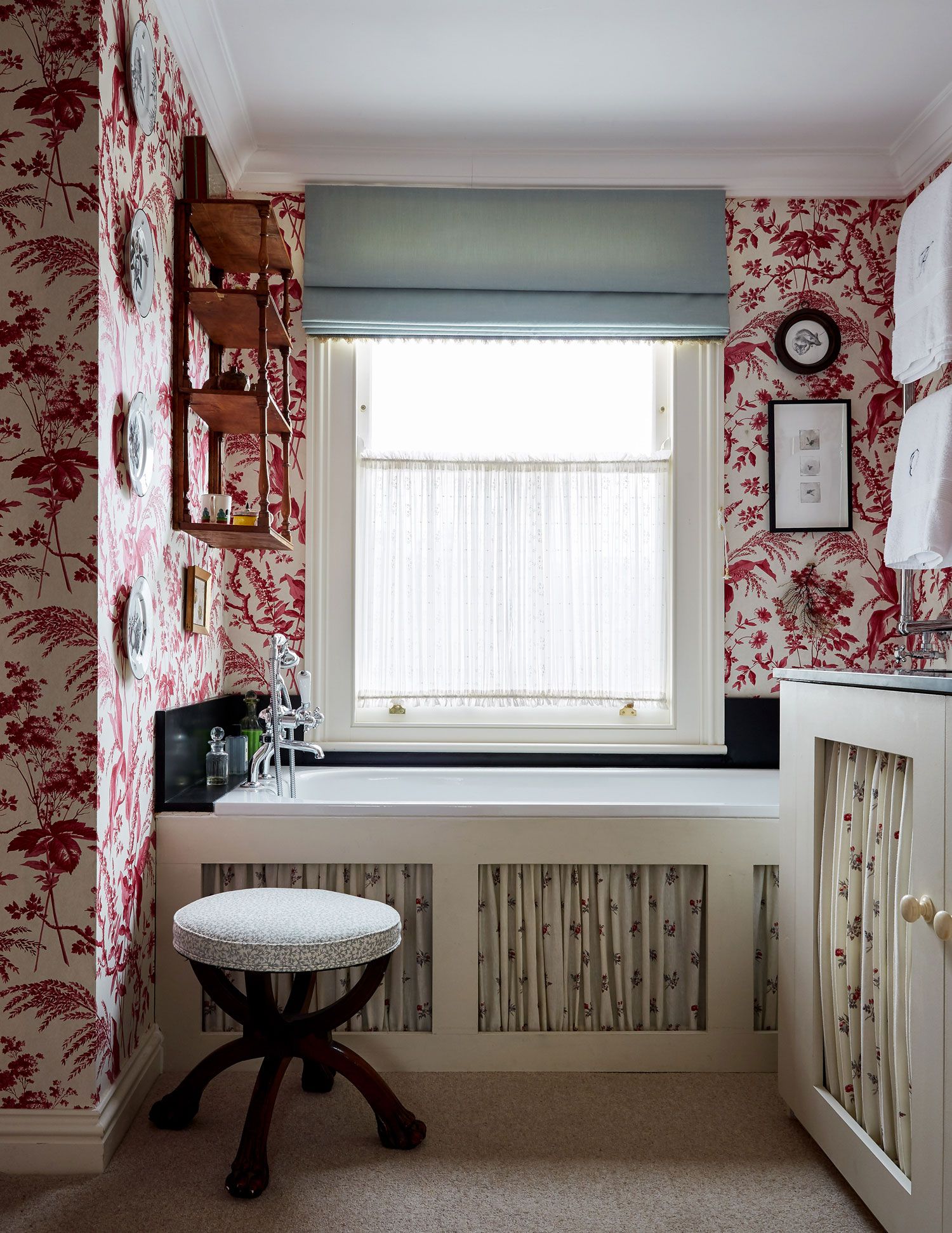
I have always gathered fabric, as I like how it softens a piece of furniture or joinery. The actual process of gathering changes a fabric, creating layers of lighter and darker parts as well as altering the pattern if it is a patterned textile. There are many places I like to use gathered fabrics: on lampshades, café curtains, bed testers, bed valances and headboard borders, as skirts on furniture, around pedestal sinks, and gathered fabric borders on the leading edge of curtains are very soft and pretty. I love experimenting with them and really enjoy designing them, thinking about how the pattern and fabric work within the joinery.
When to do a gathered fabric door curtain
I am always trying to create a balance in a room; I like the juxtaposition of contrasts. I believe gathering works wonderfully in a room where you have a lot of hard surfaces, such as a kitchen or bathroom. These rooms also generally get a lot of artificial light, which can flatten a space, and the pleats of a gathered fabric help to create depth. I also love using gathered fabrics in an over-the-top way, maxing out on frills, gathers, trims and patterns in a feminine dressing room.
Which fabrics to use
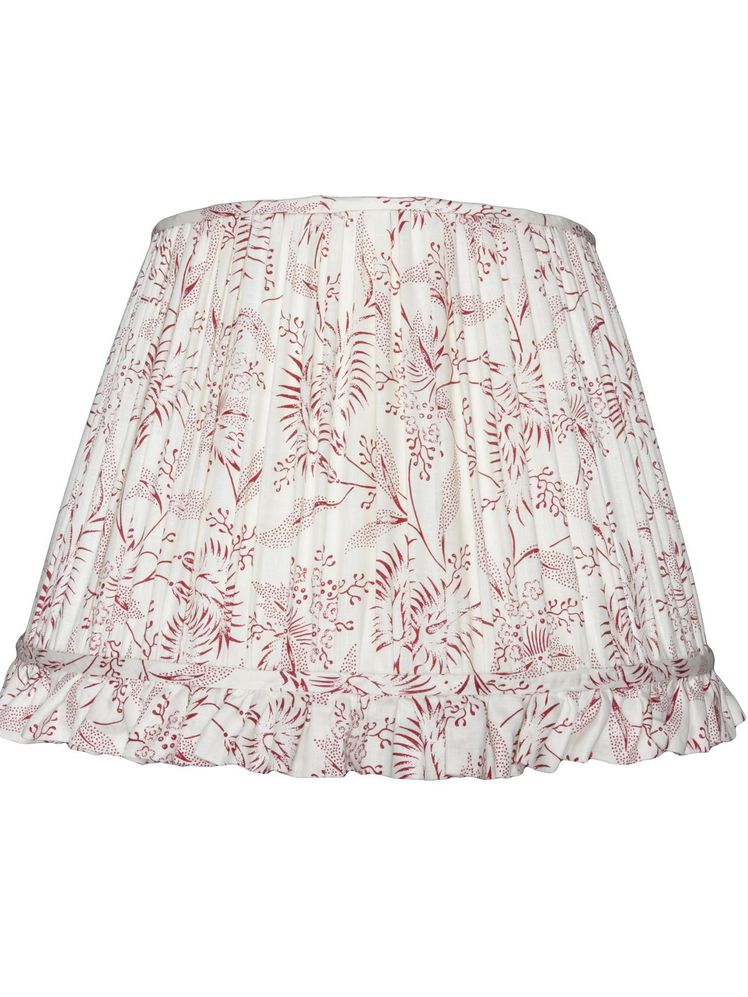
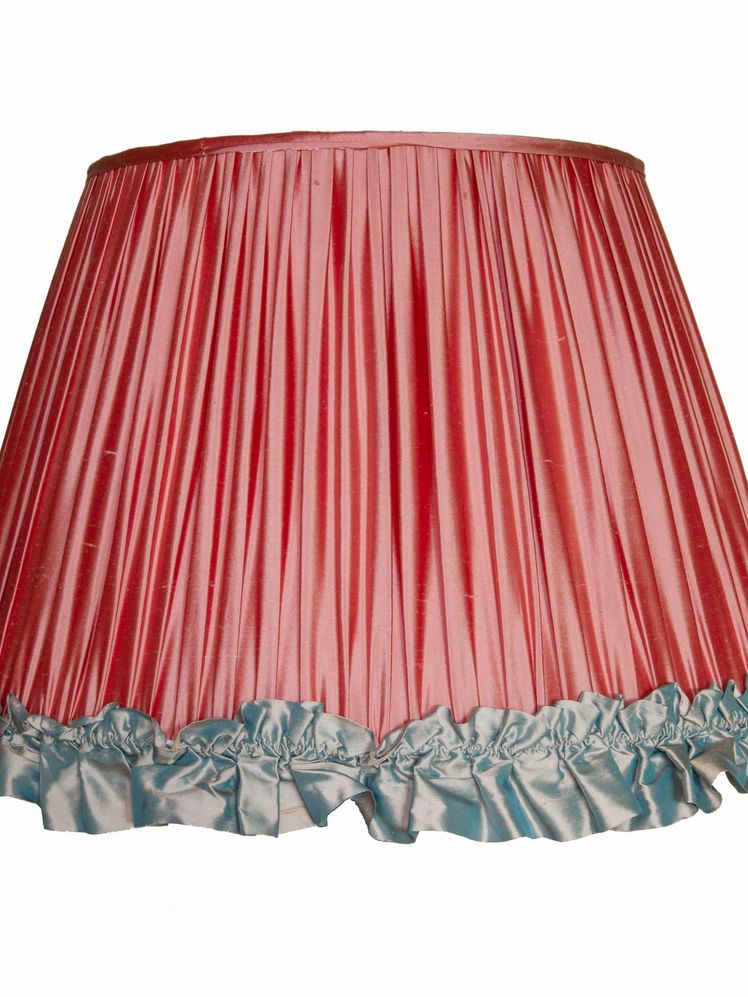
Heavy, thick fabrics tend not to gather well, though I don't shy away from using them for gathered skirts on the bottom of furniture. But you always want to discuss with the person making the skirt first, as you want to avoid ending up with an 80s meringue poofy skirt when trying to create a slicker look. Loose linens are the best, a la Robert Kime – he was the master of a gathered skirt loose cover. Small prints gather well, whereas larger prints can lose the pattern. Our Edie Viole works really well when gathered and we've just launched some gathered lampshades which are soft and pretty.
Getting the balance right
I don't have a rule as to when not to use one, but I do make sure that the balance is right, which is generally about using the suitable fabric for the scheme/room, choosing the right gathering (knife pleat, box pleat, gathered), and the fittings work with what I am putting it on. You do have to think about the practicalities, so I would only put an incredibly expensive fabric that can be cleaned and is waterproof on a skirt in a child's bathroom. There are so many amazing products, though; I have just discovered a spray-on treatment which gives the fabric a waterproof quality, so now the world is my fabric-gathering oyster!
How to DIY a fabric door curtain
The most important thing is to work out what fixings you are going to use and where you are going to place them, to make sure that no parts catch on each other (mainly hinges, shelves and drawers). I usually use 9mm brass cased steel tubes and café rod brass cranked sockets that I attach to the inside of the cupboard doors at the top and bottom and slot the gathered fabric into them. This is the easiest way and strongest, but you want to make sure the interior shelves and drawers are recessed a little to make space for them. If the cupboards are already made and you want to add the gathered fabric on top of them, you need to pleat the fabric, either by stapling or sewing the top and bottom, and then attach them at the top and bottom to the flat door panel either with Velcro or small tacks. You then glue some off-the-shelf door moulding around each side to hold it all in place and cover the top and bottom tacks and/or staples.


