
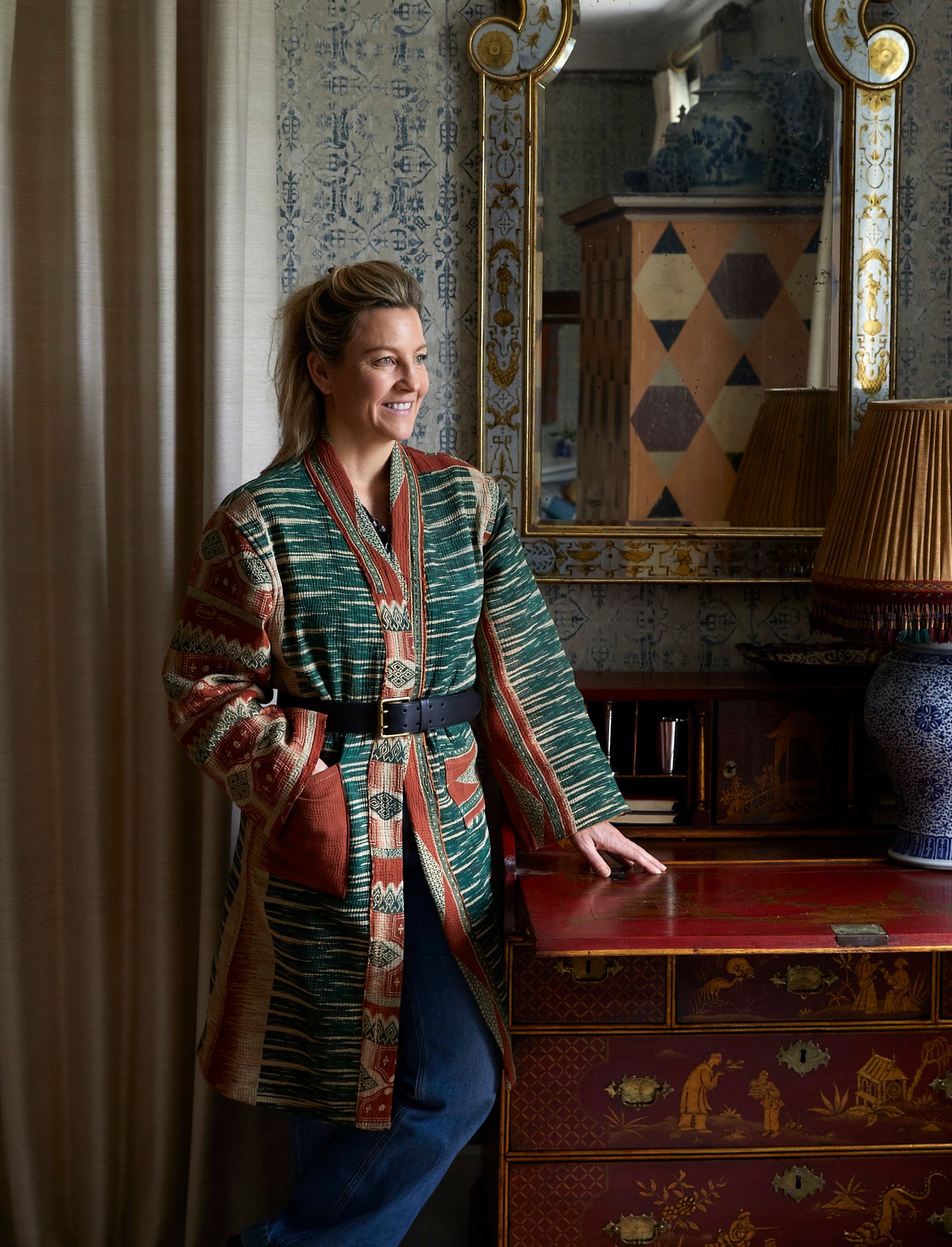
Do make an inventory of your existing possessions when you redecorate
This should include art and any special decorative items you want to use, with exact measurements and photos. It will make incorporating your possessions into your new schemes much easier and help your new interiors feel familiar.
Do refresh rather than throwing away
Keep in mind that putting something in a new position in an interior, or doing a little refresh with a new paint colour or new upholstery can make a huge difference and lend a whole new lease of life to preloved items. We need to move away from our current throwaway culture and value the craftsmanship and durability of antiques and well made pieces that can easily be re-used!
Do consider the environment
When you're looking for new things, always look at environmentally conscious products and traditional making methods. Make wise choices, consider air miles, and try to stay local by supporting the many amazing craftsmen, makers and artisans in your region.
Do start with layout and lighting
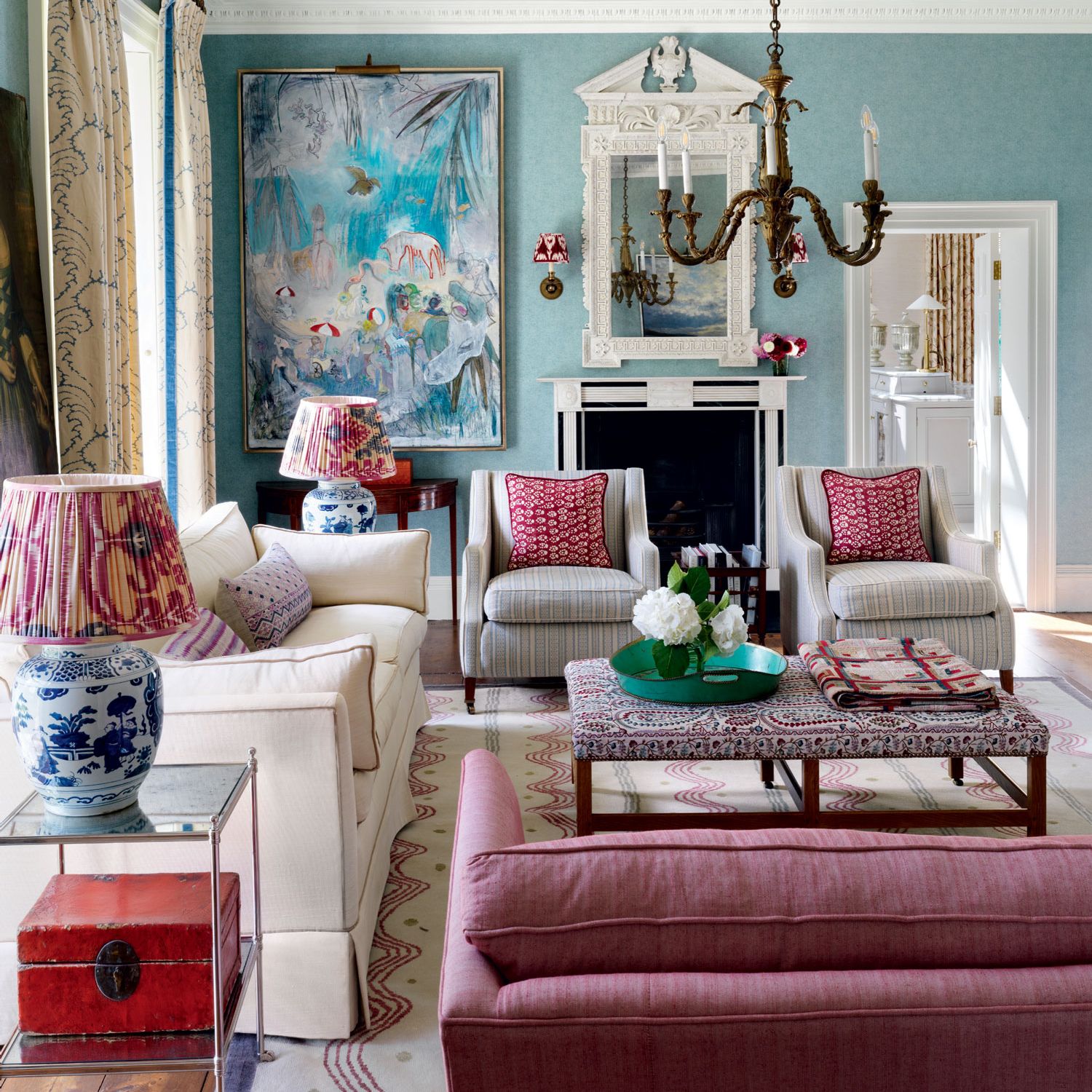
These are the most important essentials to get right: never go for form over function! A good interior should combine form and function equally, but you cannot overlook functionality and go straight to decorating. There is no use having a beautiful chair to sit in if there is no light to read a good book as you sit in it. You need three levels of lighting to create a comfortable interior.
Do think outside the box
Antique vases or even garden urns can become beautiful lights; antique bookcases or secretaires can become TV cabinets or even fridge housings; old shop counters make wonderful kitchen islands, and carpets can become special wall-hangings to transform vast empty wall spaces.
Do commission custom pieces
If you can afford it, this offers the exciting possibility of creating heritage pieces to be enjoyed by future generations. They help you tell your very own story, and we often incorporate our clients initials in these pieces so that other people can find them later. In addition, custom pieces are often a better solution for tricky spaces, and they're a chance to send work to talented makers and artisans.
Do use antiques
.jpg)
Do scour the salerooms, auctions and local antique shops for treasure; such pieces help create that lived-in, collected-over-time look; they are also a sustainable choice and generally better quality than something new you can buy for the same price. If you buy everything new, you will never manage to achieve that comfortable, collected, lived-in feel that is so essential to our sought-after British country house look. And it's not just about furniture: antique textiles on a new piece can create a distinct energy, and equally an antique artwork mixed in with more contemporary pieces conjures up some very special juxtapositions.
Do treat kitchens and bathrooms as living spaces
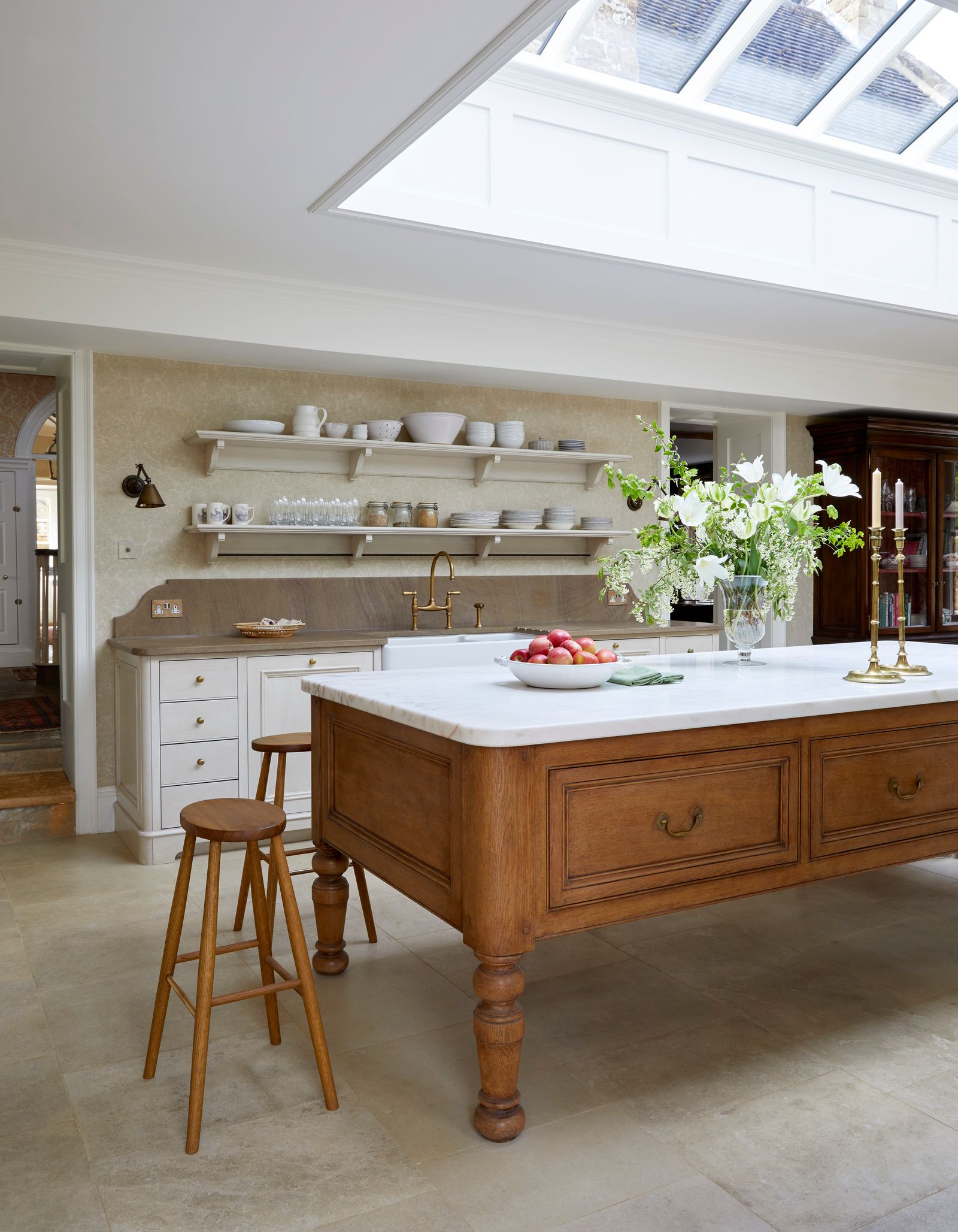
These will benefit from a fireplace, seating area, soft furnishings and art with picture lights. A purely utilitarian space feels cold and unloved. Avoid entirely fitted kitchens and use antique pieces to break up the runs, or convert a beautiful antique chest or table into a vanity unit! Add antique rugs wherever possible.
Do choose your kitchen wisely
Keep in mind that this is the most important room in the house if you live in the country with a family and other animals. Do spend your budget accordingly–this room has to do everything for everyone!
Do add in a four poster bed!

This is my favourite way to make a principal bedroom or your main guest bedroom super special! They are great in larger spaces, and the comfort and cosiness they create are beyond compare. Imagine how your guest will feel when they arrive to be shown into their very own four poster bedroom! I mostly use darker fabric on the inside of the bed to enhance that womb-like feel of protection.
Don’t follow trends blindly
What might look good in a magazine or in somebody else's interior might not be right for yours. Trends also date your interior, as they are transient by their very nature! If you love a trend, incorporate it in easily changeable accessories like lamp shades and cushions, but keep your interiors classic overall.
Don't go overboard with pattern
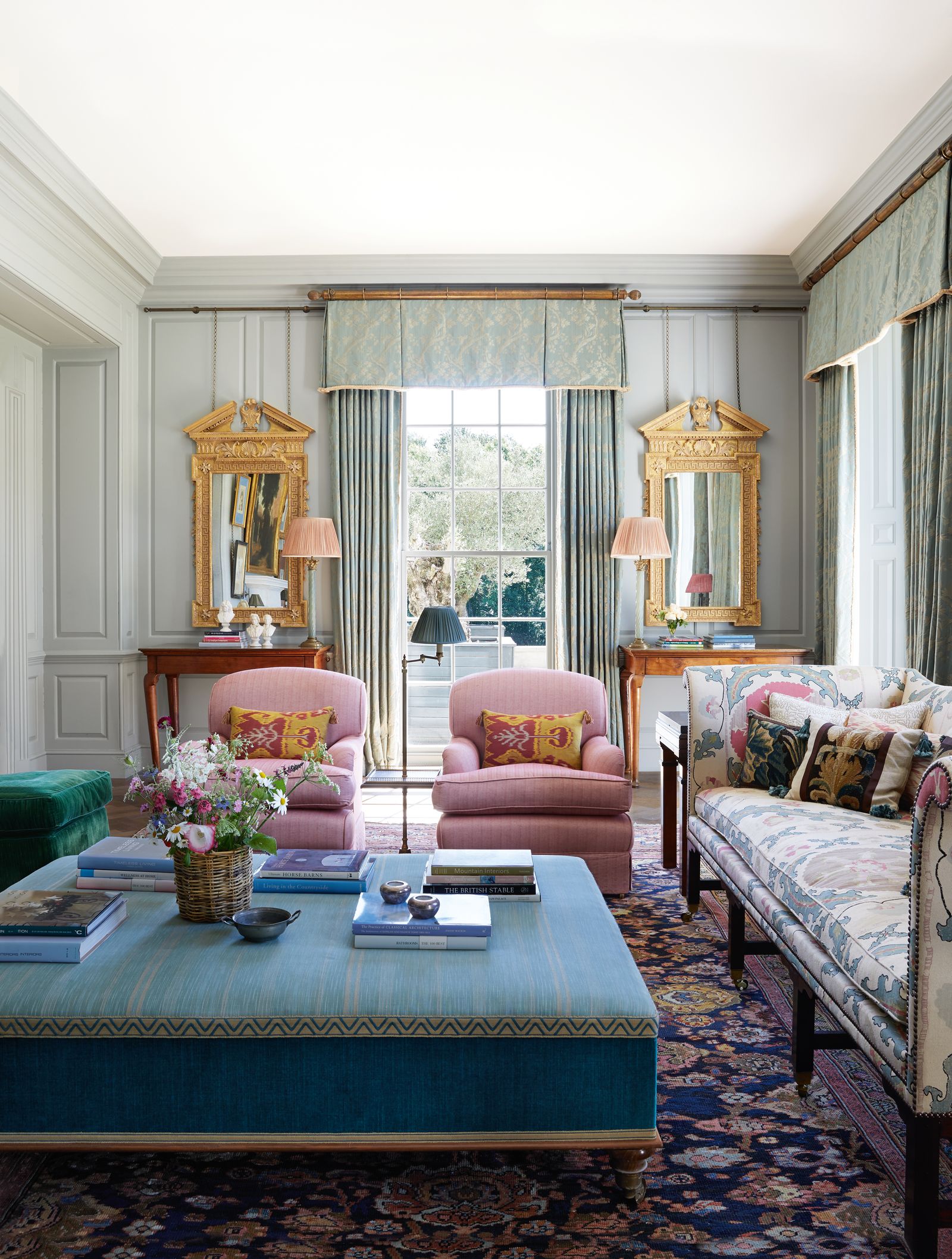
It is important that the eye finds something to rest on in a room; the very best rooms are the ones where every piece can stand on its own without fighting for attention. I personally find that one pop of stronger colour plus one larger pattern with three or four colours in make for a good starting point. The add in a maximum of two smaller patterns balanced out by plains as required. Then layer in lots of antique rugs, artwork and furniture. This should do the trick as a guideline for that restful comfortable room, but obviously there are exceptions.
Don’t choose quantity over quality
This one is for my late friend Tara Craig who tirelessly campaigned for this cause. It is better to have one good piece that lasts forever than several cheap ones that will only end up in landfill. Cheaper products are often made with foams and materials that harm not only our health but also the environment. Be more conscious and investigate a bit further when purchasing bigger ticket items.
Don’t lose heart trying for a perfect interior
There is no such thing. The images you see in magazines are perfectly styled and carefully framed. In real life our interiors are for living in and not just for show. They have to work in all situations: mess, no mess, lots of people or just two, so stay real–perfection is overrated!!
Don’t feel you have to buy everything in one go
Good things take a while to come about, and it's better to wait and buy that one special piece than compromise. I also recommend living in your house for a while before making all the decisions–this will clarify how you use the space as a family and what is important to you. The way the light changes throughout the day for example, can be magical, and it may be that you realise how beautiful a certain space is, and so that's where you want your reading nook or dining table or whatever it is.


