
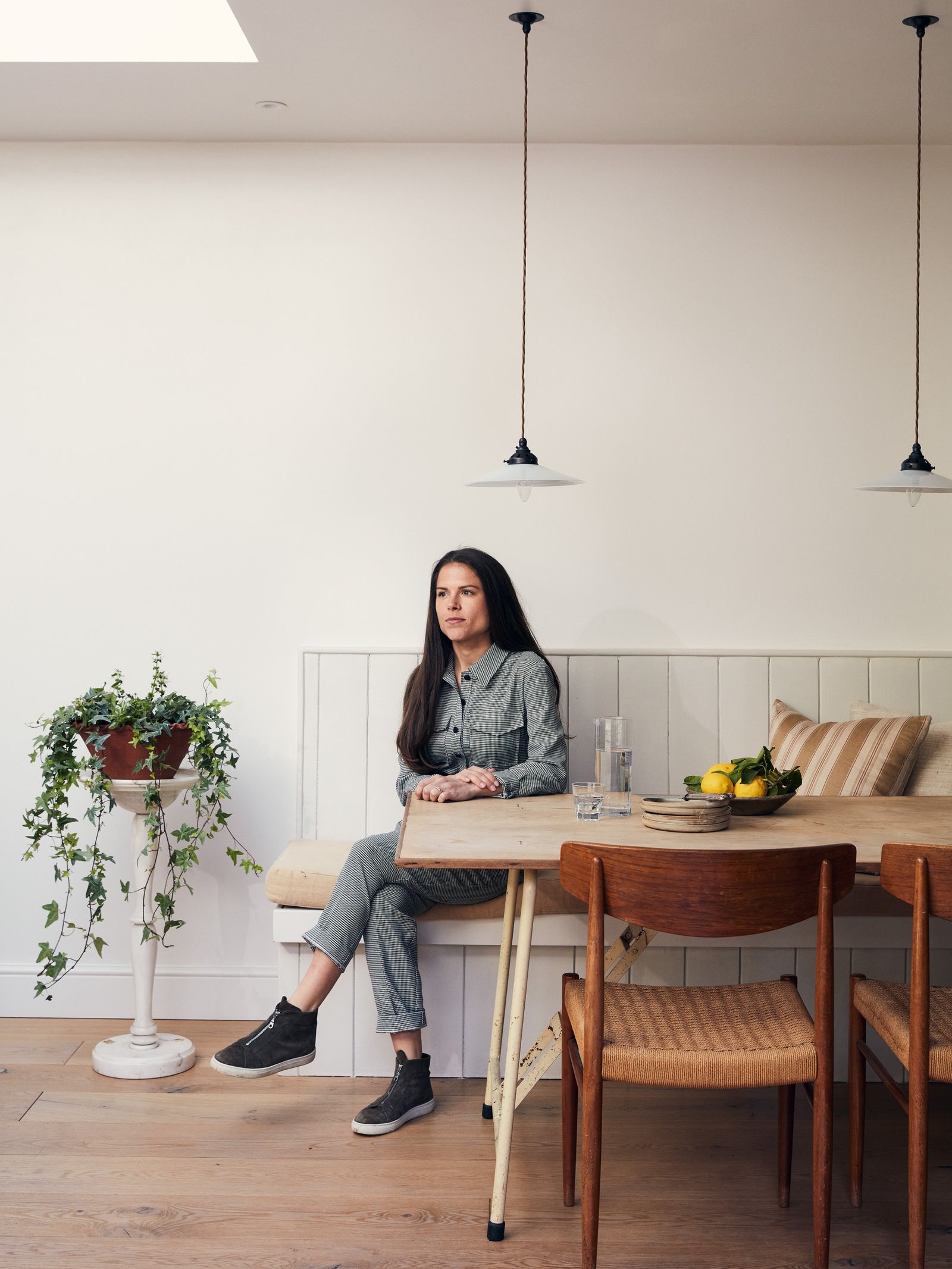
Do think about how a room feels and not just how it looks
Design can look impressive, but I often ask myself whether it is a space that I would want to come home to every day.
Don’t overlook the in-between colours
These are the colours not so easily defined but natural paints in particular have a wonderful dynamic quality – the movement and subtlety can give a room much depth.

Do start buying up antique lighting at the earliest moment
It always comes round quickly, that point at which the team needs all the lighting delivered to site, and lighting is so key and should not be rushed. Inevitably the right antique pieces aren’t always there when you want them so you’ll be grateful to have built up your collection of antique wall and hanging lights early on.
Do use wall lights as an architectural tool
On the subject of lighting, don’t choose wall lights based on their decorative merit alone. Often those that sit most quietly in a space can end up having the biggest impact when placed correctly.

Don’t source behind a screen
Glean every bit of valuable advice and insight from dealers and suppliers who are almost always very generous with their time and knowledge. There is often something that has just come into the showroom that is not yet on the website, or a warehouse full of stock if you’re looking for something specific. Pieces look so different in the flesh and getting out and about to fairs is key to honing your eye and instinct for what it is you like.
Do be mindful of the intention when designing any bespoke storage
Is the aim for it to more closely resemble a piece of furniture or to sit discreetly in a room? Design accordingly, because something that is neither here nor there can often just end up looking clunky.
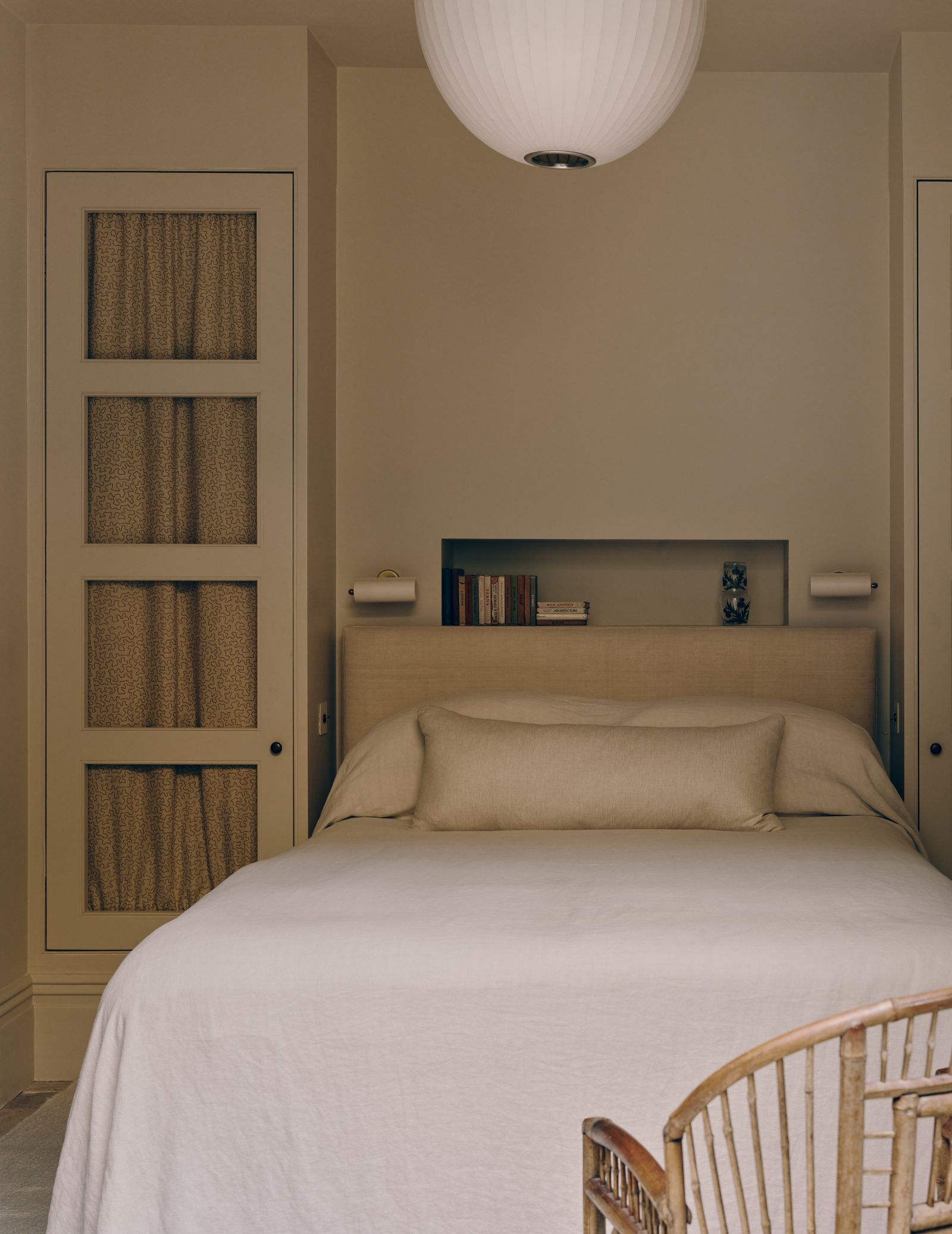
Don’t fall into formulaic furniture placements
This is one of the dangers of working too much on plan. Instead, shift furniture around (without being contrived) to offset the architecture and light as best as possible to achieve a much more engaging space. And remember to constantly consider the elevation to ensure you have the right mix of furniture at different heights.
Do design the bathroom as a whole rather than broken down into parts
Continuing wall finishes throughout, whether tadelakt, tiling or panelling, can successfully bring together the whole room without having to overcomplicate it, therefore creating a truly restful space.
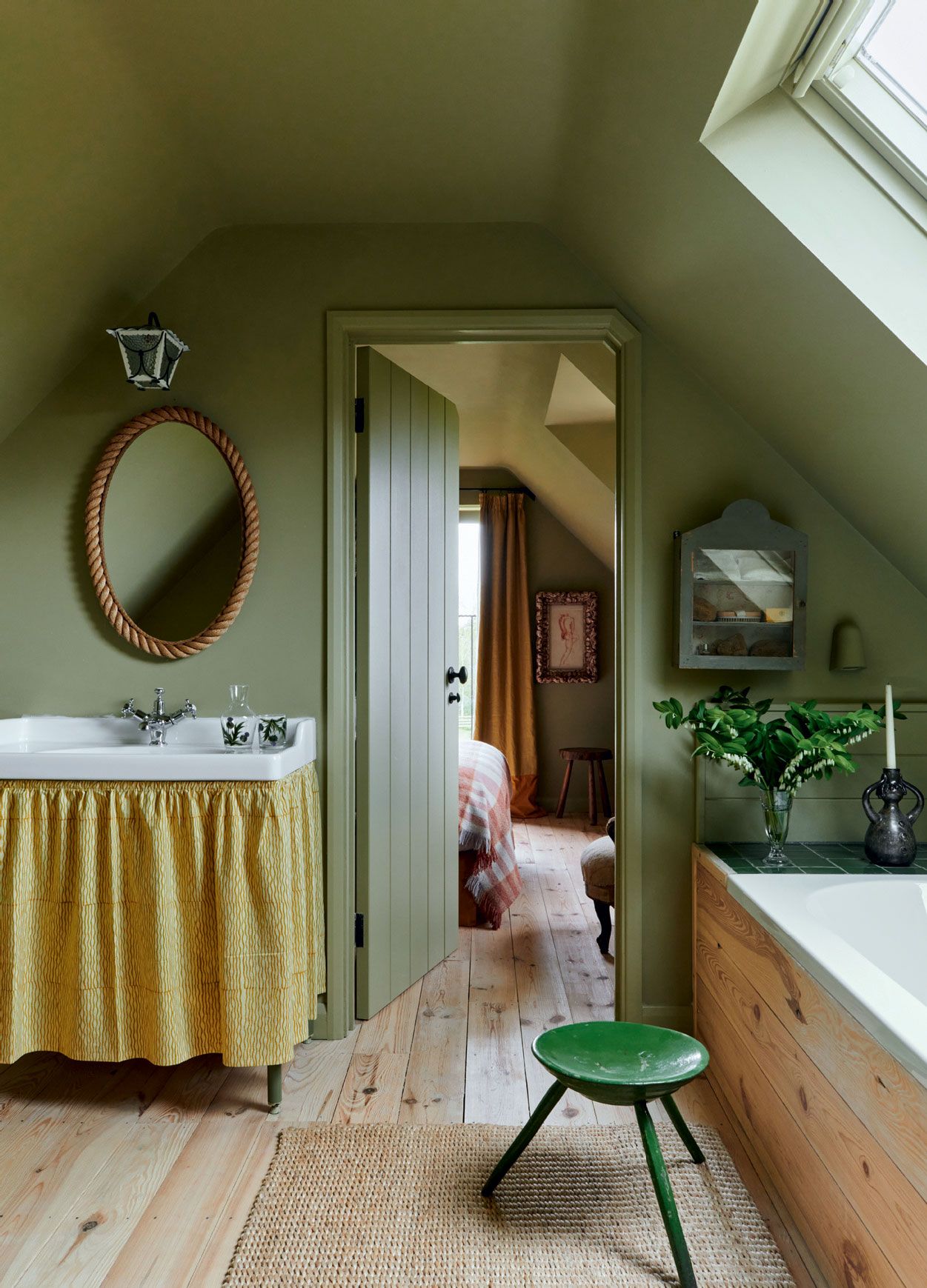
Don’t think of colour as contained to each room but consider how it links to adjoining spaces
Using room colours to offset each other or otherwise to play on colour tonally as you move through rooms can be especially effective for an open floor plan with small offshoot spaces. This way you can retain a sense of flow while still creating different atmospheres.
Do use reclaimed flooring where possible
Reclaimed floorboards and stone in particular set such a strong foundation from which to build the rest of your interiors. Lubelska and Lawson’s Yard are both good sources for flooring.

Don’t set out evenly spaced bookshelves (and leave large gaps)
Design bookshelves based around your personal collection, with each row accommodating different heights and not necessarily set out in height order either. Adjustable shelving obviously allows you to play around a little more with this.


