The best English wines to buy now
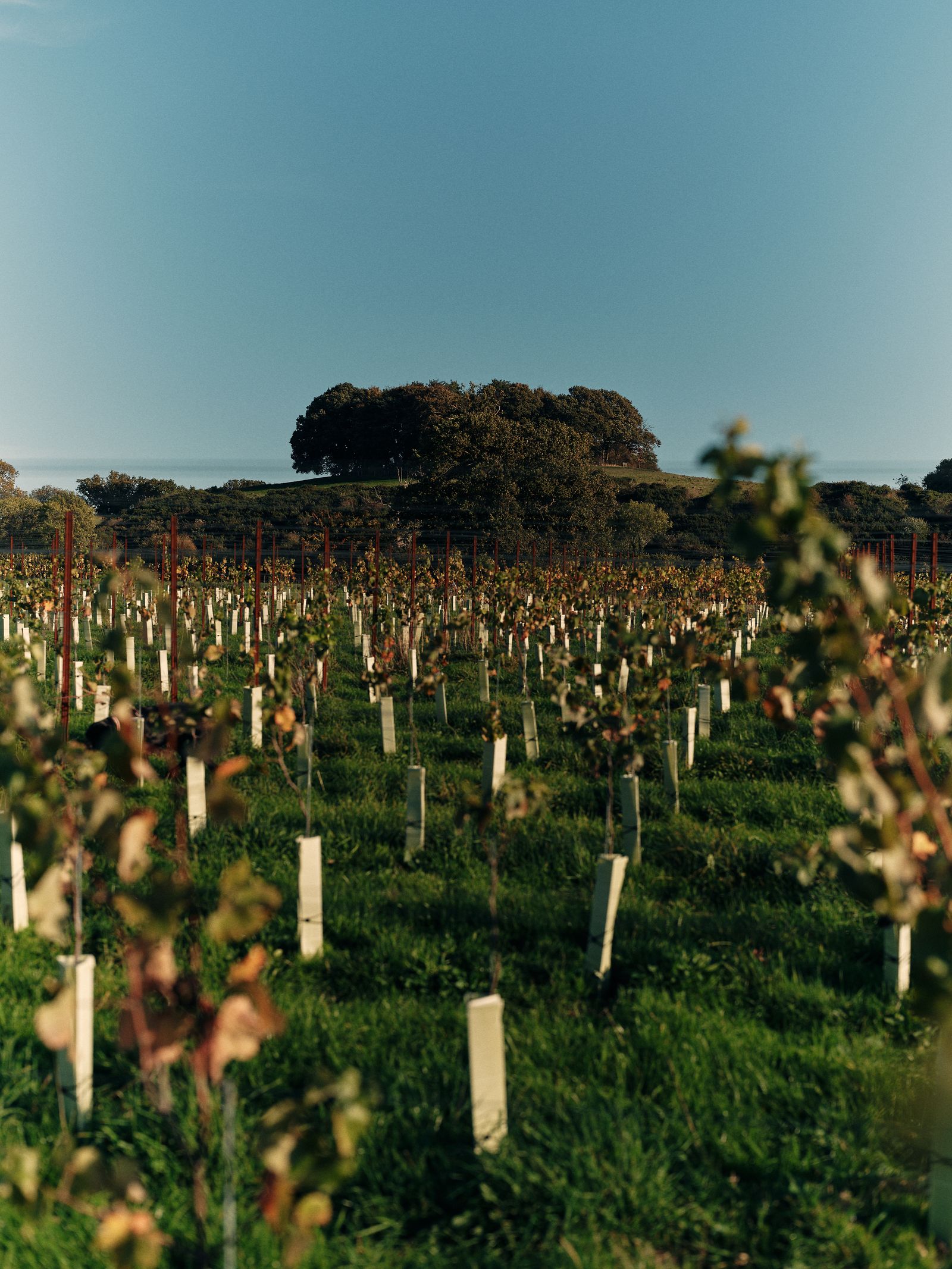
Fifty years ago, the idea that England could produce wine to rival that of France or Italy would have been met with much scepticism. But, due to the increasing average temperature in the UK, coastal breezes and nutrient-rich, chalky soils in the south and sandy, stone-heavy soils in the north, the past few decades have seen vintners and oenologists emerging up and down the country, many of them making truly delectable still and sparkling wines (the International Wine Challenge of 2018 saw Nyetimber's head winemaker Cherie Spriggs take home the award for ‘Sparkling Winemaker of the Year’ – the first winemaker outside of Champagne to do so). In the years since, Nyetimeber has picked up yet more impressive accolades, including ‘Best Sparkling Wine’ at London Wine Fair's Battle of the Bubbles, and south coast vineyards Gusbourne, Chapeldown and Lyme Bay Winery have joined the elite ranks, going head to head with old-world producers in a number of global competitions and emerging victorious. There are plenty of small, family-run vineyards to note too, among them Grove Estate Vineyard in Staffordshire, Astley Vineyard in Worcestershire and Wythall Estate in the Wye Valley. Now, several of the most renowned champagne houses are buying up land in England, including Pommery, which opened its Hampshire vineyard in 2018 and Tattinger whose Domaine Evremond in Kent welcomed its first guests last year.
To take a brief pause to look at the science behind it: it is widely accepted that the best climates to grow wine can be found in locations between 30 and 50 degrees north and south of the equator. The southernmost tip of Cornwall pokes in at almost exactly 50 degrees north, and our average growing season temperature (that's to say, the mean across day to night between April and October) falls at around 13 degrees, also just within the limit of what is considered the optimum grape-growing climate. Being so far north, the UK benefits from long hours of daylight throughout the growing season, meaning grapes which thrive in cooler temperatures have plenty of time to ripen and develop complex flavours while retaining refreshingly high levels of acid. These include Pinot Noir, Pinot Meunier, Chardonnay and Bacchus, among others, which is why you'll often find these grapes in English wines.
The vast majority of English vineyards are dotted along the coast where sea breezes – which cool things down during summer months and keep the air surrounding the grapes warm well into the autumn – help to elongate the grapes' growing season and concentrate the flavours. Of these vineyards, most are in the south, closer to the 50 degree latitude. But slightly further north has plenty to offer too, and there are even a handful in Yorkshire.
All of this means that English wine is now firmly on the map, with many of our young, independent producers holding their own against some of the largest and most established in the world. We couldn't be happier to see our little island taking its place on the world's wine stage, and have selflessly made it our mission to visit the vineyards and try the wines, so you too can enjoy the bounty coming from the best English vines. With Christmas fast approaching, it's time to start buying wine, so why not make keep it local?
Our favourite English wines to buy now
Sparkling wines
When it comes to English wines, those of the sparkling variety are perhaps best known. English sparkling wines are normally made using some or all of the same grape varieties as those that go into champagne (Chardonnay, Pinot Noir and Pinot Meunier), though due to restrictions, they cannot be called champagne. Like their more famous cousin, however, they offer an effervescence which creates a sense of occasion, and winemakers in the UK are using a variety of techniques to add additional flavours to their sparkling wines, helping each one to serve a slightly different purpose.
.png)
.png)
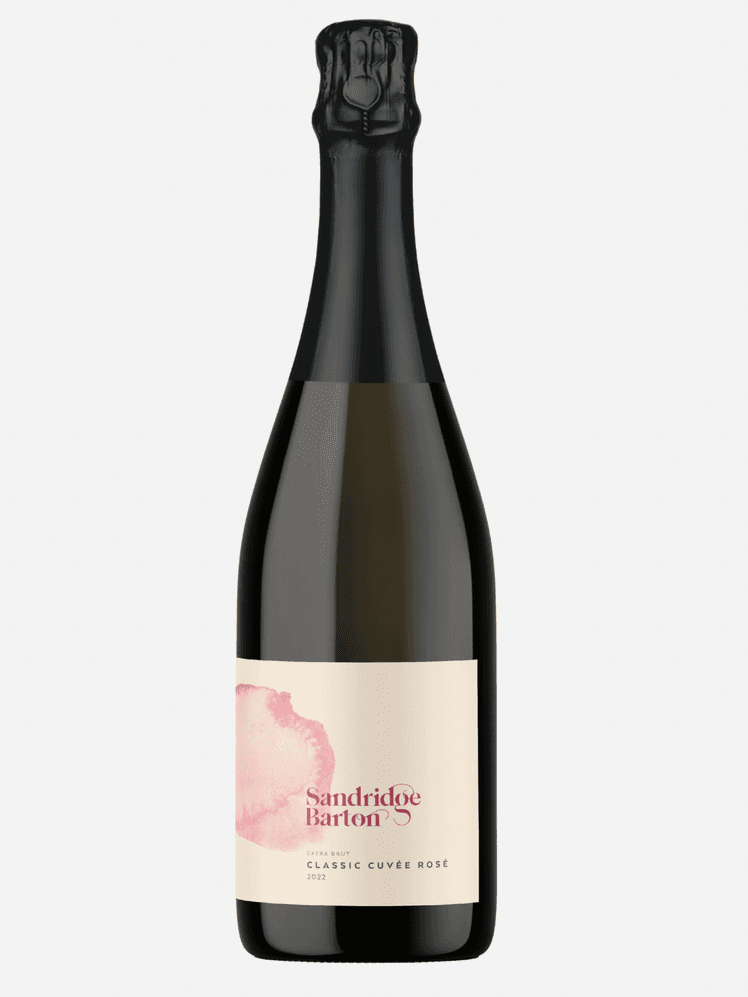
If it's to drink on its own, we can’t recommend Gusbourne’s Rosé 2019 or Leonards Lee Wine Estate’s Brut Reserve 2021 enough, both of which have the classic biscuit and toast flavours with a satisfyingly high level of acid, perfect as a lead-in to an appetiser or meal (the former, however, offers slightly more in the way of berry flavour). If it’s something a little more punchy you are after, look no further than Wiston Estate’s Blanc de Noirs 2018, which beautifully balances the bready quality that is the result of the wine being left on its yeast after fermentation with the bold fruit flavours of Pinot Noir, making it the perfect wine to drink with something strong, like a cheese plate. Wiston's Blanc de Blancs, incidentally, is made with 100% Chardonnay grapes and is like drinking the most adult version of Appletiser you could imagine. It is another perfect cheese-plate pairing, though it would be great with pork too. The below list contains award winners and those which, though not yet recognised with titles and accolades, are no-less deserving of recognition.
.png)
.png)
.png)
.png)
.png)
.png)
.png)
.png)
.png)
.png)
.png)
.png)
.png)
.png)
White & rosé wines
Much the same as the wonderful trifecta of grapes that go into English sparkling wine, the still whites tend to be made with the varieties that thrive in our cooler climates: think the crispness of Bacchus, the zestiness of Pinot Gris and the fruity, sometimes buttery familiarity of Chardonnay (it's hard to play favourites, but Oxney Estate's is certainly a frontrunner – there is an almost undetectable salty finish thanks to the vineyards proximity to the south coast in Sussex).
.png)
.png)
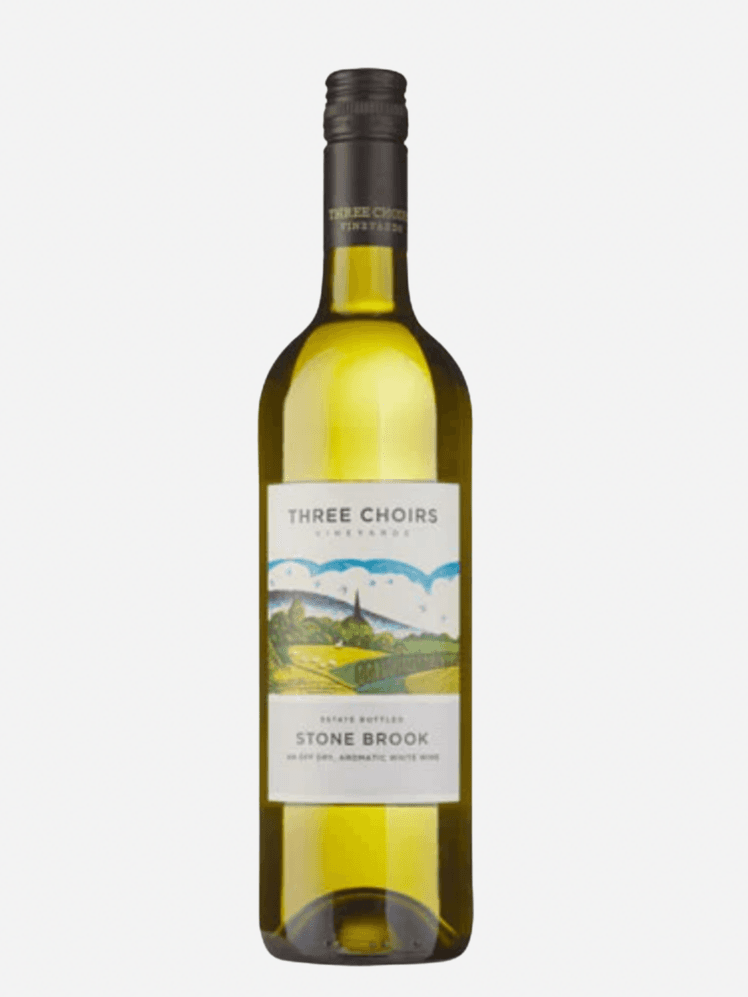
There are some curve balls in the below list too, which are not to be ignored. The Siegerrebe 2023 from Whythall Estate in the Wye Valley offers notes of tropical fruits and elderflower which make it not just delicious and perfect for easy drinking but a wonderful accompaniment for fish. And if fruit-forward whites are your thing, don't miss the Stonebrook 2022/2023 from Three Choirs in Gloucestershire, whose dry, fruity white has aromas of grapefruit and lychee, complemented by more typically English orange blossom, rose and elderflower notes. The balance presents itself as a good summer wine, excellent for opening at a barbecue.
.png)
.png)
Bacchus, on the other hand, is more a more restrained grape and thus creates wines with higher acid and more citrus fruit flavours, not dissimilar to the ever popular Sauvignon Blanc. We're particularly enamoured with the ‘Winibirri Bachuus’ from Norfolk as well as Camel Valley's, whose southerly Cornwall vineyard allows the grapes to develop that bit more sugar and flavour. We haven't forgotten about Rosé: the perennial favourite among us Brits. Folc's is certainly deserving of its award-winning status, as its careful blend of seven grapes results in a balanced, high-acid easy drinker which has just the right amount of red berry flavour.
.png)
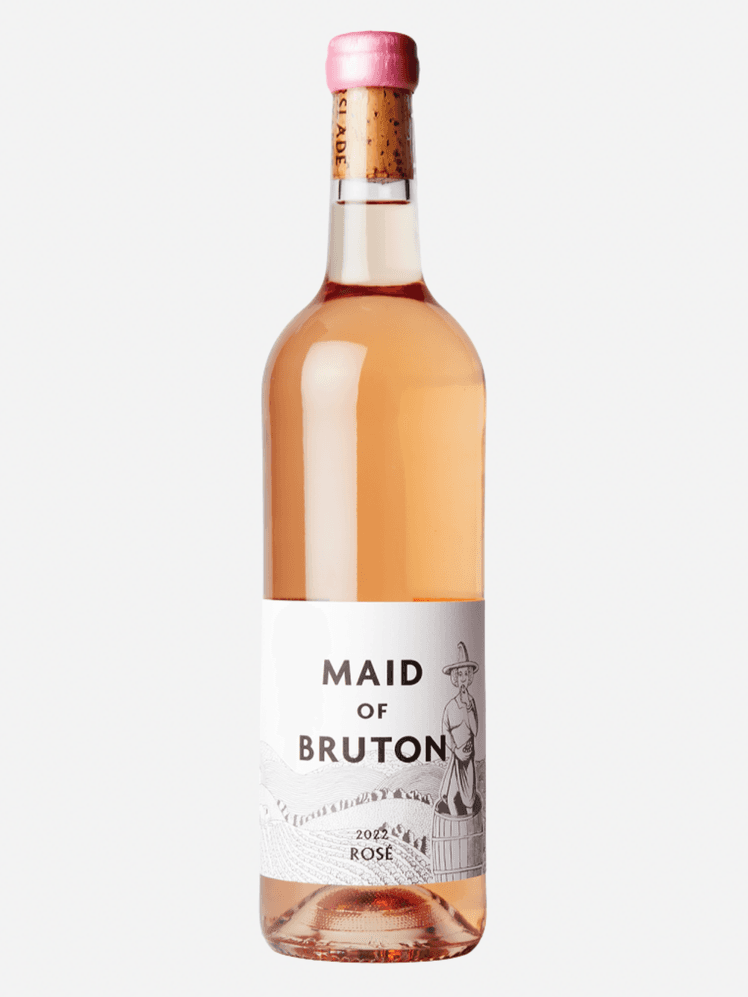
If it's natural wine you are after, Tillingham's own Rosé is made with as little intervention as possible, with some of the wines being slowly matured in Kvevri – historic Georgian wine vessels made from clay and buried around the Tillingham estate. It strikes a pleasing balance between flavourful and delicate, meaning it pairs well with food but can certainly be enjoyed on its own too.
.png)
.png)
Representing natural wine in the East Midlands, Matt Gregory grows and produces on his 500 acre vineyard in north Leicestershire. Hedge Line 2023, as the label says is an ‘unfined, unfiltered, naturally fermented’ white wine that is clean, crisp, and has an exceptional minerality - undoubtedly due to the Jurassic fine grained limestone mud on which Matt's vineyard stands. It would make a brilliant partner to seafood.
.png)
.png)
.png)
.png)
Red wines
When it comes to red wine, the vast majority of English vineyards focus on the production of Pinot Noir (though you will also find vineyards growing Rondo and Gamay, which similarly present red berry flavours). A thin-skinned grape, it can ripen beautifully in our relatively cool climate (something like Malbec, Syrah or even Cabernet Sauvignon would struggle, and tend to be grown in warmer regions). Pinot Noir, however, benefits from the slow development of sugars and flavours, resulting in wines which vary from light and refreshing (I prefer to drink these lightly chilled in summer, though also make for a brilliant easy-drinker at room temperature on a cold winter evening) to heavier examples which age beautifully.
.png)
.png)
These bolder expressions are perhaps best suited to those who prefer something punchier and with a little more body. Lyme Bay Winery's, for example, has developed the smokey, savoury flavours afforded by maturation in oak barrels. For me, this would be best accompanied by food, and it can certainly stand up to rich food too. Lyme Bay recommends drinking it with lamb or game, both of which would be a sensational pairing.
.png)
.png)
If ultra-light reds are your thing, may we direct you towards ‘R’, made with a combination of Gamay, Pineau d’Aunis and a touch of Rondo, which helps to add a little body and roundness to the wine. Though the result is not lacking in flavour or complexity, it is delightfully light (both in colour and in taste), and really toes the line between full-bodied rosé and light reds, making it wonderfully versatile and delicious with fish or poultry.
.png)
.png)