
Bowhill, home to the Duke and Duchess of Buccleuch and Queensberry
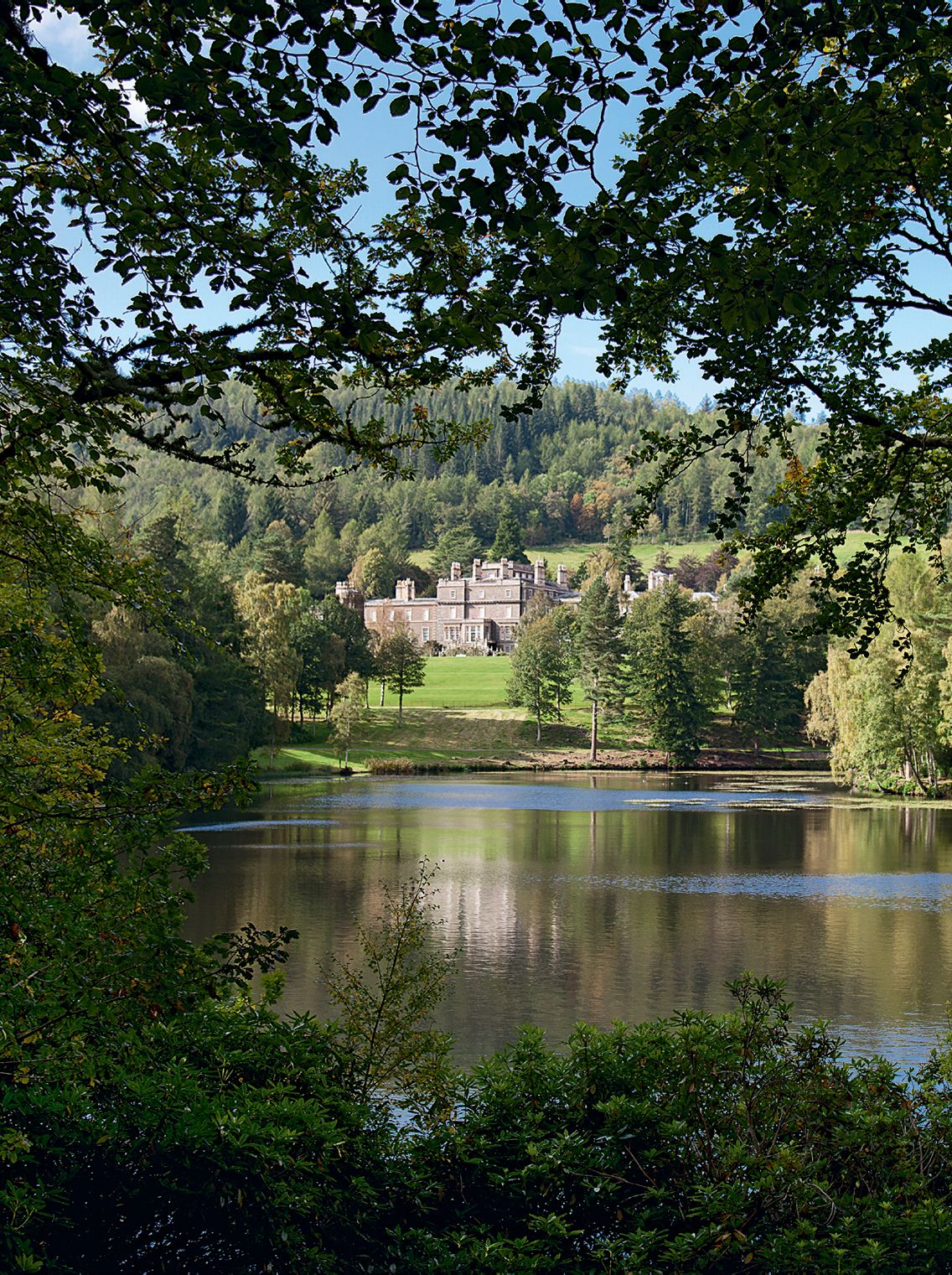
The doorbell at Bowhill is an intercom bearing a small, worn white sticker on which is inscribed in biro 'Their Graces'. This informality combined with grandeur sums up this house, which is one of the three principal seats of the Duke and Duchess of Buccleuch and Queensberry, the others being Drumlanrig in Dumfriesshire and Boughton in Northamptonshire. 'This has not always been the case,' says the present, 10th Duke, Richard Buccleuch, who inherited from his father in 2007. 'Until 1914, Bowhill was a huge but simple retreat for country pleasures with none of the treasures now on view, just scores of paintings of favourite horses, hounds and dogs.' The status of Bowhill changed after World War I, when Montagu House in London was given up and Dalkeith in Midlothian was not reopened for family use.
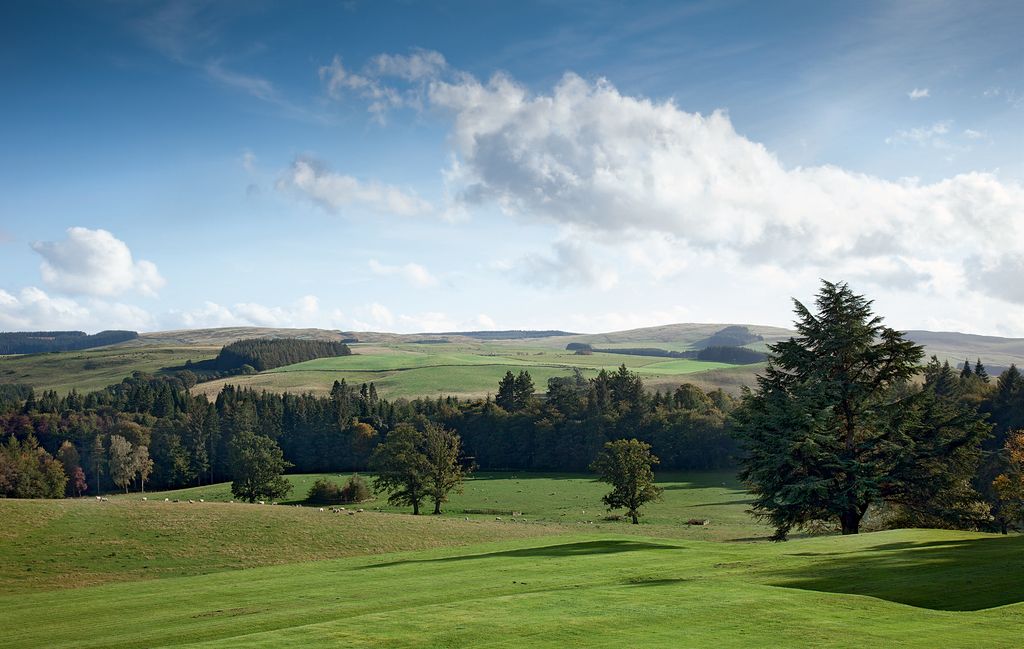
Bowhill, some 30 miles south-east of Dalkeith, was a natural place to retrench as it was more accessible to the great landholdings of the Scotts of Buccleuch, built up since the thirteenth century, which today extend over 46,000 acres of wild country running south-west from Selkirk and Hawick to the English border.
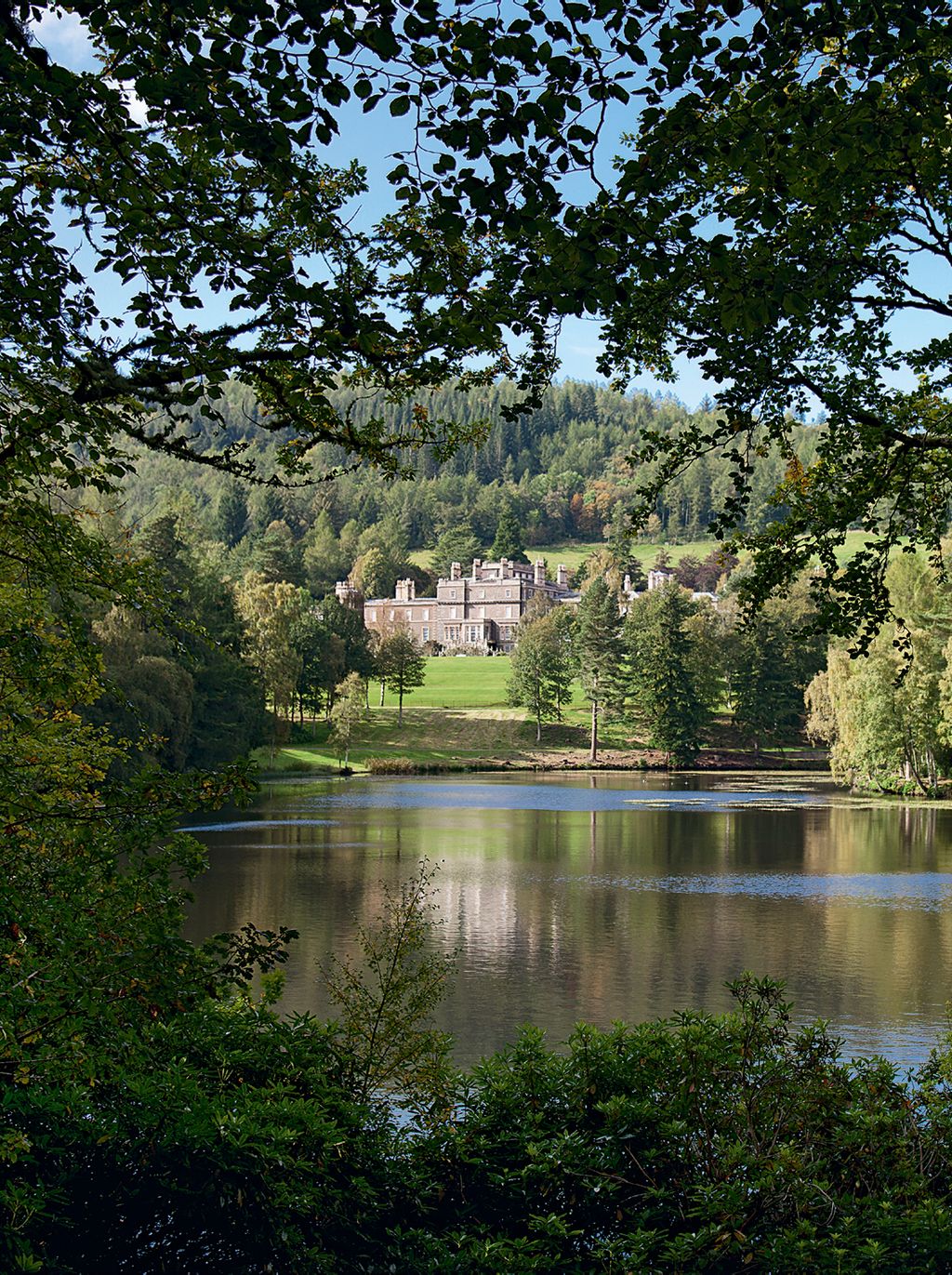
Originally a plain Queen Anne box with low wings, the house, set in 'a pretty little estate', had been acquired by the Buccleuchs in 1745 but had remained largely overlooked by the family until 1812, when the 4th Duke, a keen shot, commissioned the architect William Stark to add a neat Regency villa on to the south front. On Stark's death in 1813, William Atkinson continued Stark's campaign of enlargement, adding a suite of reception rooms and family quarters. 'I think this addition will add much to our comfort and convenience,' wrote Duke Charles to his close friend and neighbour, the writer Sir Walter Scott. His new dressing room doubled as 'a depository for guns and fishing tackle', while a sitting room led through 'a sham book door' into a library.
Duke and poet were intimate friends, sharing a love of books and the Border country. 'Scott was also half in love with the Duke's wife, Harriet,' says Richard. 'She inspired him to write The Lay of the Last Minstrel in which he refers to "Sweet Bowhill".' In return, Scott acted as mentor to Charles and his eldest son, Walter, to whom he was guardian.
MAY WE SUGGEST: Badminton, the grand country seat of the Dukes of Beaufort
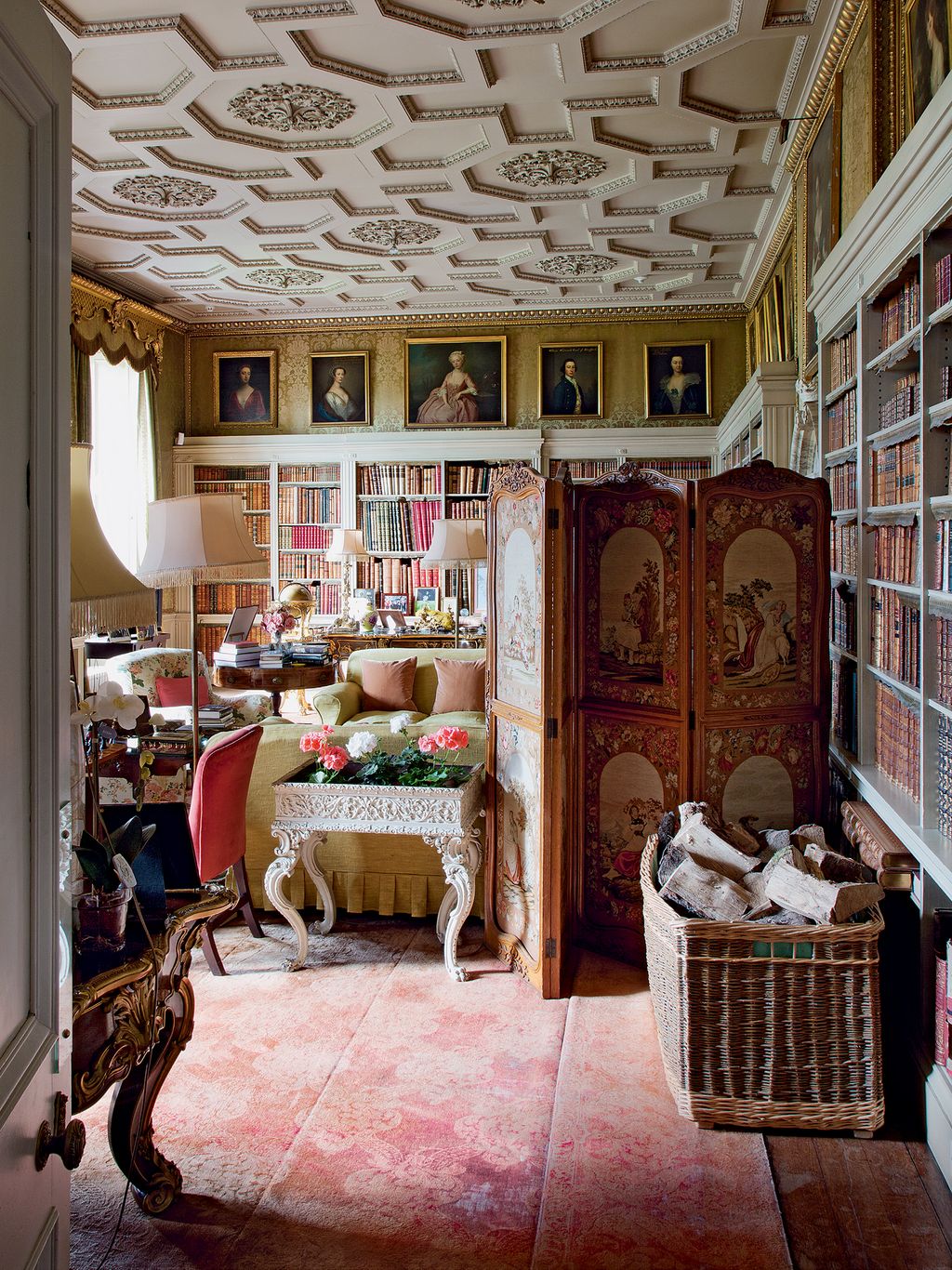
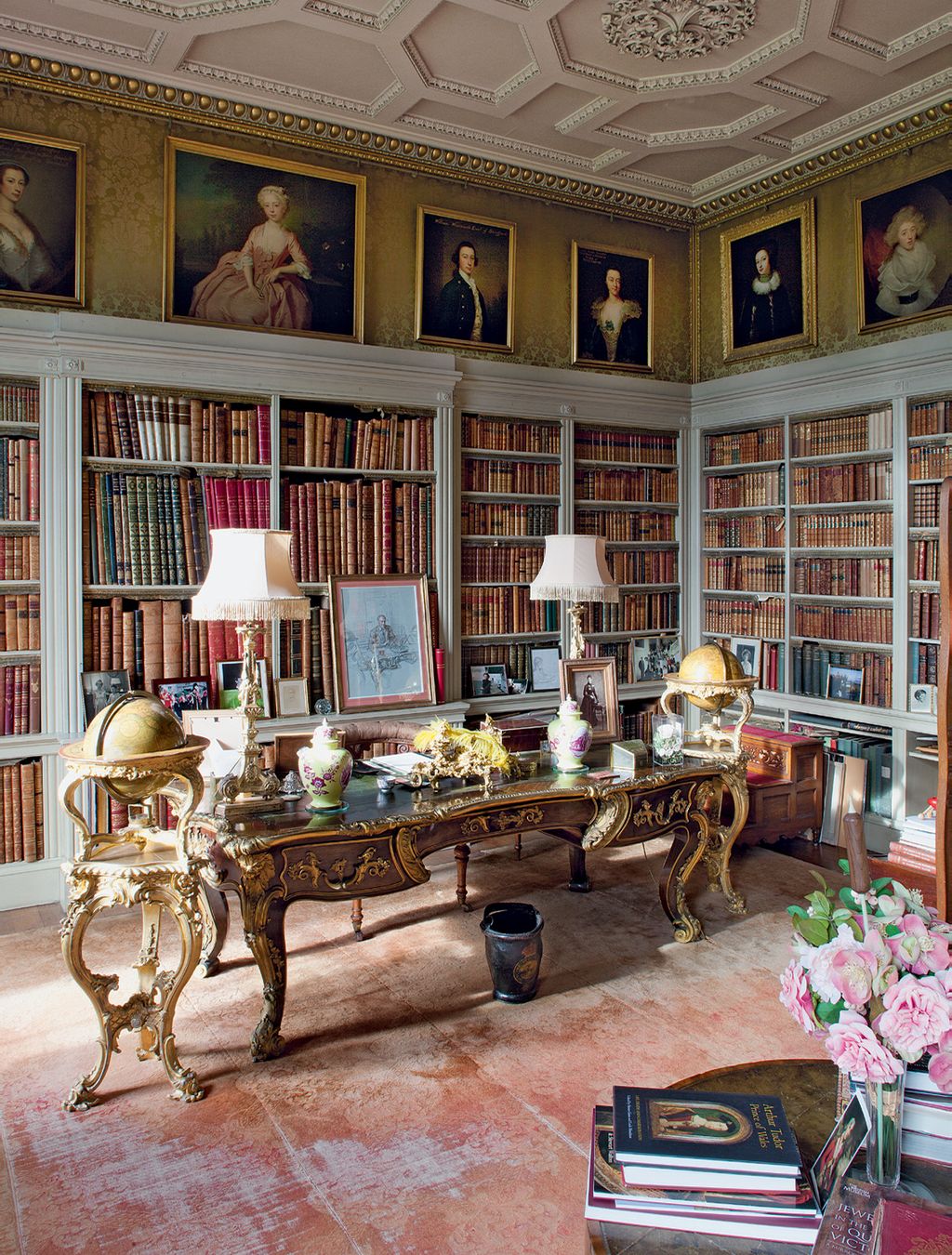
His spirit lives on today. 'I just think Sir Walter Scott was an allround good egg, with all the sort of instincts one would like,' says Richard. As a result the library at Bowhill is no shrine to dead authors, but stacked with new books, many being read for the Walter Scott Prize for historical fiction launched by Richard and his wife, Elizabeth, the winner of which is announced at the annual Borders Book Festival. Over the festival weekend, the Buccleuchs fill the house with authors, actors and journalists, with the library acting as the focal point of the house. 'It's a very embracing room,' says Richard, 'lined with bookcases, but not overpowering; the chintz dates from my grandparents' day. It's a room that can happily hold a dozen or more in convivial exchanges; the compartments at either end, with the two French desks, allow people to be on the fringes of a gathering, but not excluded. The fire, which is always blazing, has footstools on either side to settle on. Many of the portraits are of eighteenth-century teenagers, which is rather nice - not stern faced and frozen.'
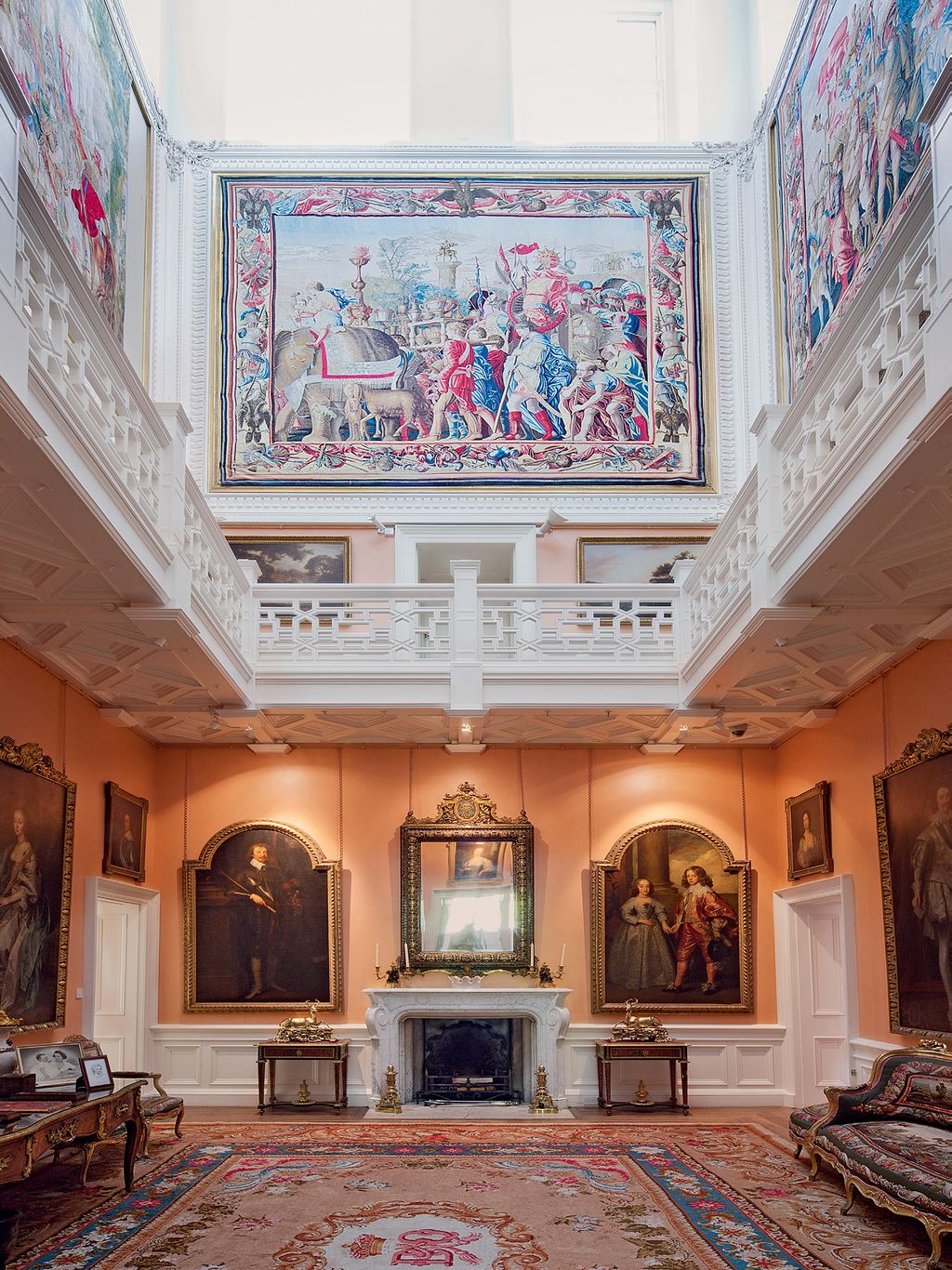
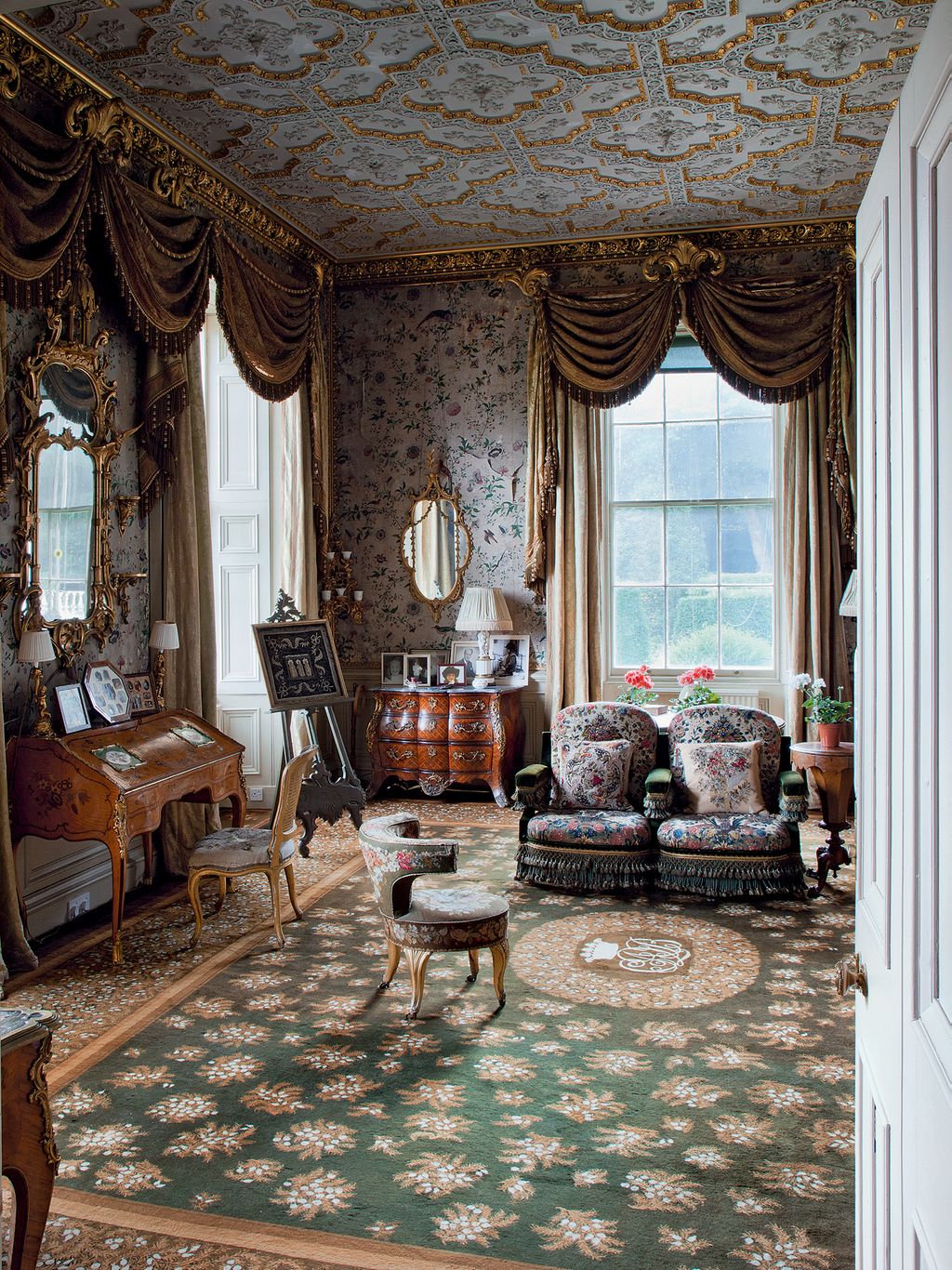
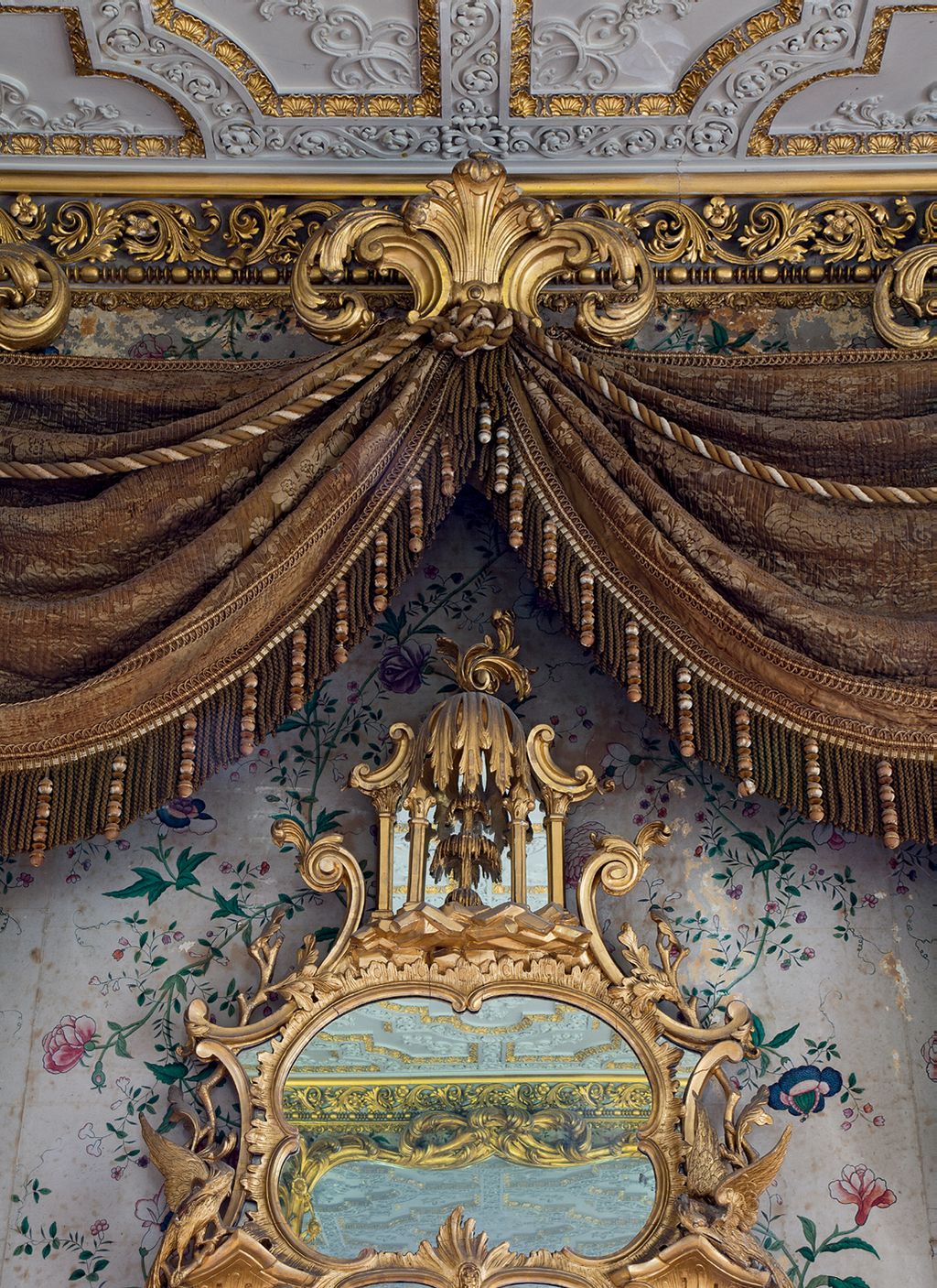
The house saw another burst of expansion in the 1830s for the 5th Duke, when Scottish architect William Burn lengthened the Regency house in both directions in the existing simple classical style and local grey whinstone. His centrepiece was a double-height, galleried saloon. A master planner, Burn was attuned to every requirement of his grand Victorian clients with their crowd of children - the Buccleuchs had seven - and army of servants. His new family apartment, consisting of the ducal bedrooms and nurseries connected by a spiral staircase, contains at its heart the duchess's boudoir, a glittering casket of a room, lined with old Chinese wallpaper and laden with silks, fringes and needlepoint in an exquisite fusion of form and purpose. 'This was my mother's domain,' says Richard. 'It always was a sanctuary; a peaceful, private place. It remains one of the most complete rooms in the house, with all its original furnishings in place, down to the hearthrug.'
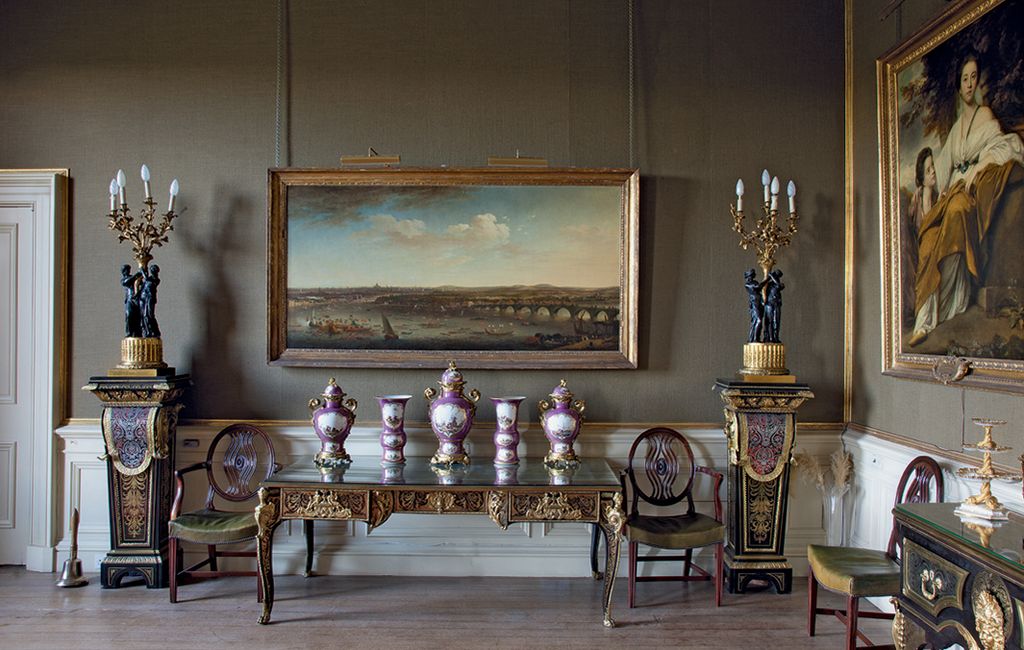
The transformation of the interiors of Bowhill reflected the upheavals of the twentieth century. 'There are no photographs of pre-1920 interiors as the house didn't merit it,' says Richard. All this changed with the arrival of treasures from Montagu House and Dalkeith, as not only had the Buccleuchs themselves collected, but they had also married into great collections, notably that of the dukes of Montagu. As a result, the country retreat with its large, well-proportioned rooms became home to a stream of French marquetry furniture, including many pieces with royal provenance; British portraits by Reynolds, Gainsborough, Lawrence and their peers; Mortlake tapestries woven from Mantegna's cartoons; old masters, including one of Canaletto's most iconic London scenes; and troves of silver, miniatures and Sevres porcelain.
Since inheriting, Richard has been quietly reordering some of the collections at Bowhill. He has created a 'museum quarter' out of three adjacent rooms to display the Walter Scott collection, the portrait miniatures - which are second only to those in the Royal Collection - and the belongings of his royal ancestor, the Duke of Monmouth, illegitimate son of Charles II, who married Scott heiress the Countess of Buccleuch. Their union in 1663 signalled the creation of the Dukedom of Buccleuch.
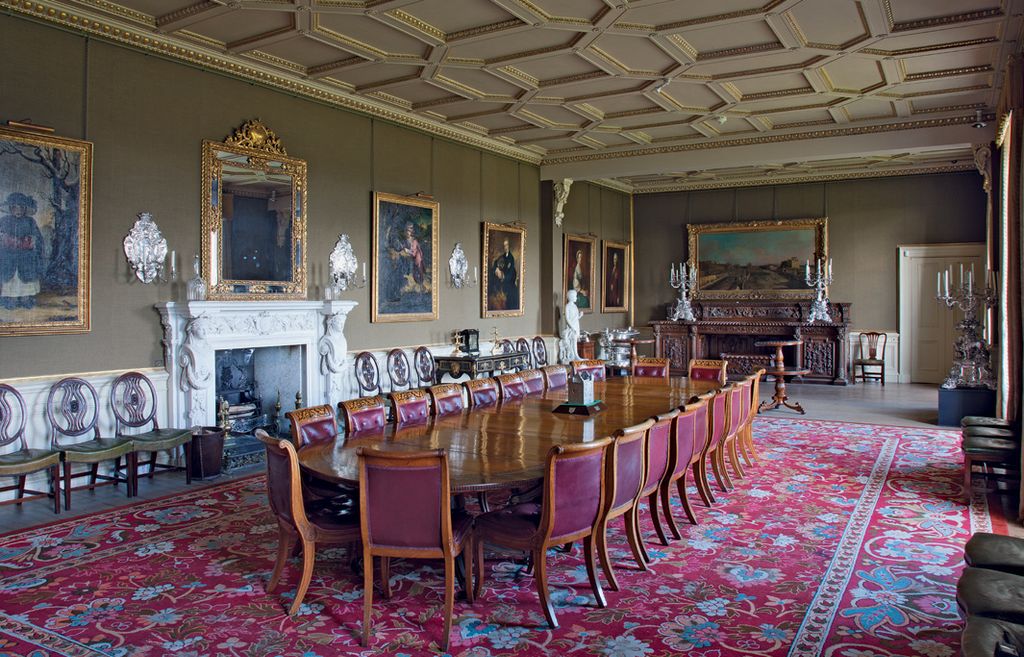
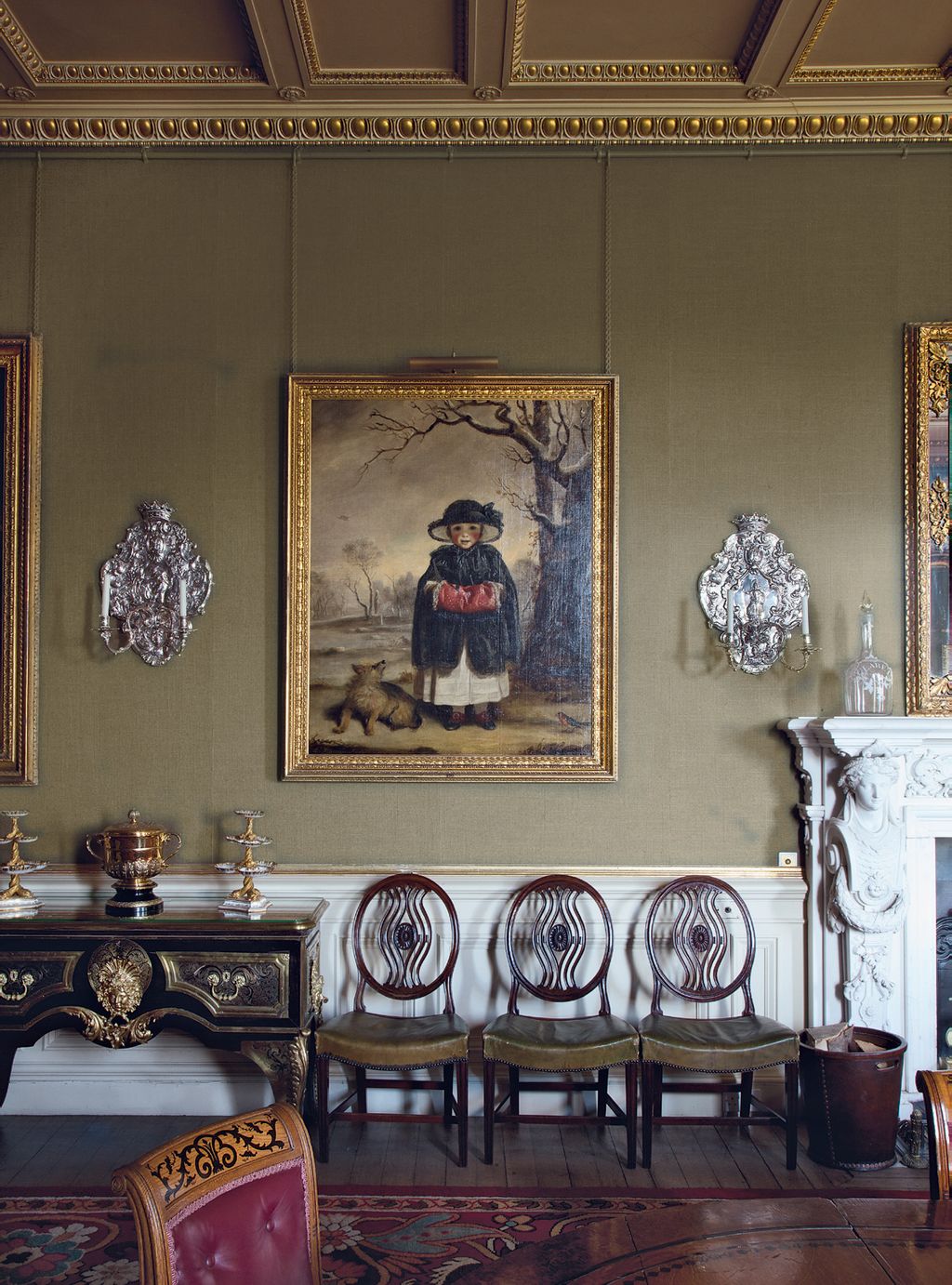
Elsewhere, the staggering collection continues to serve as a backdrop to life at Bowhill - nowhere more so than in the dining room, which is hung with the pick of the portraits and the Canaletto. 'There's a tremendous history of feasts,' says Richard. 'The painter David Wilkie described scenes of never-ending toasts and songs sung till the small hours. Even today we get out all the silver for festive occasions, continuing the tradition of joyful living at Bowhill.'
 James Fennell1/14
Bowhill was acquired by the Buccleuch family in 1745.
 James Fennell2/14
Bowhill's double-height saloon, designed by William Burn, provides a perfect setting for the seventeenth-century Mortlake tapestries, woven after Mantegna's Triumph of Caesar cycle at Hampton Court Palace.
 James Fennell3/14
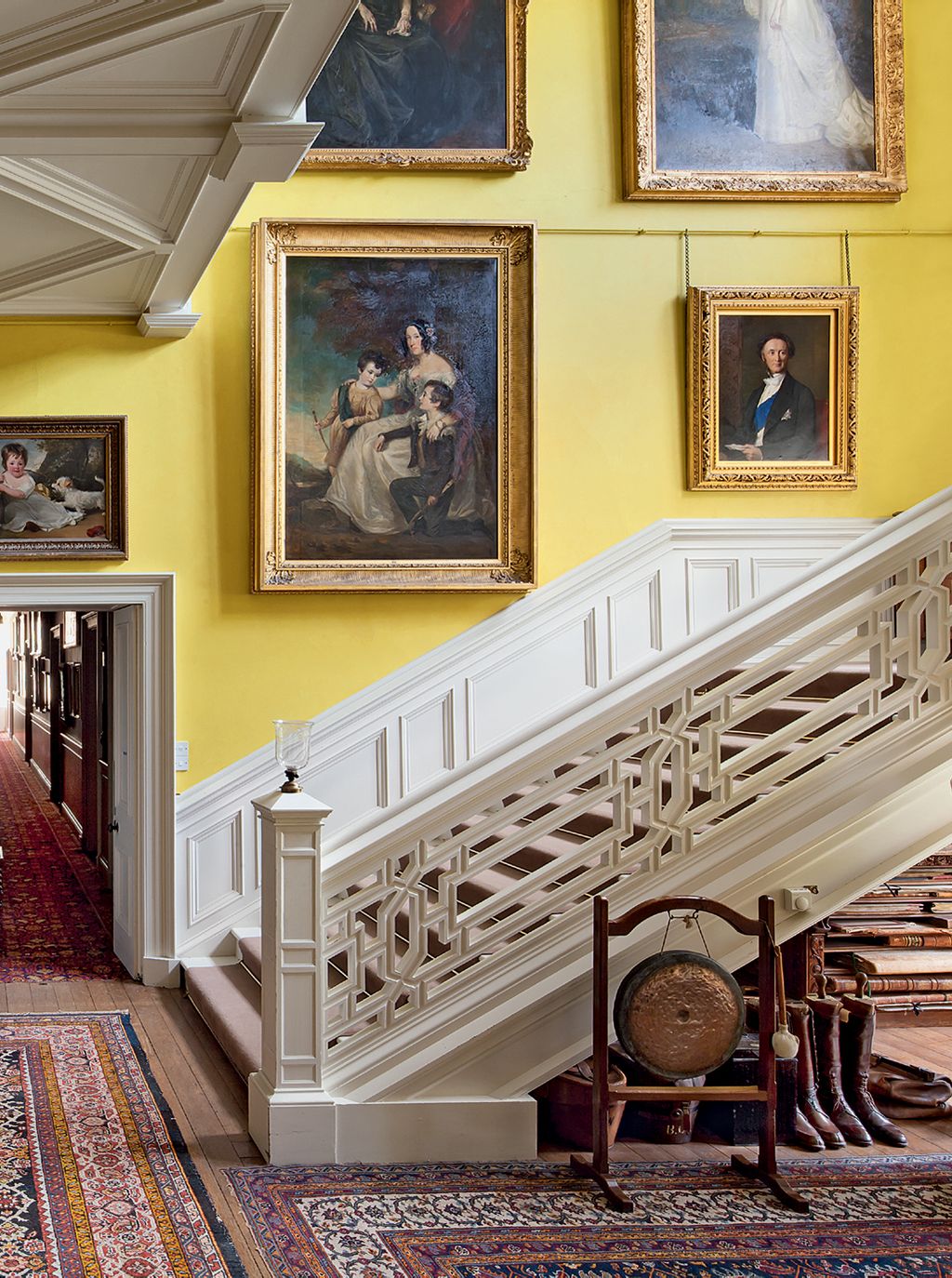
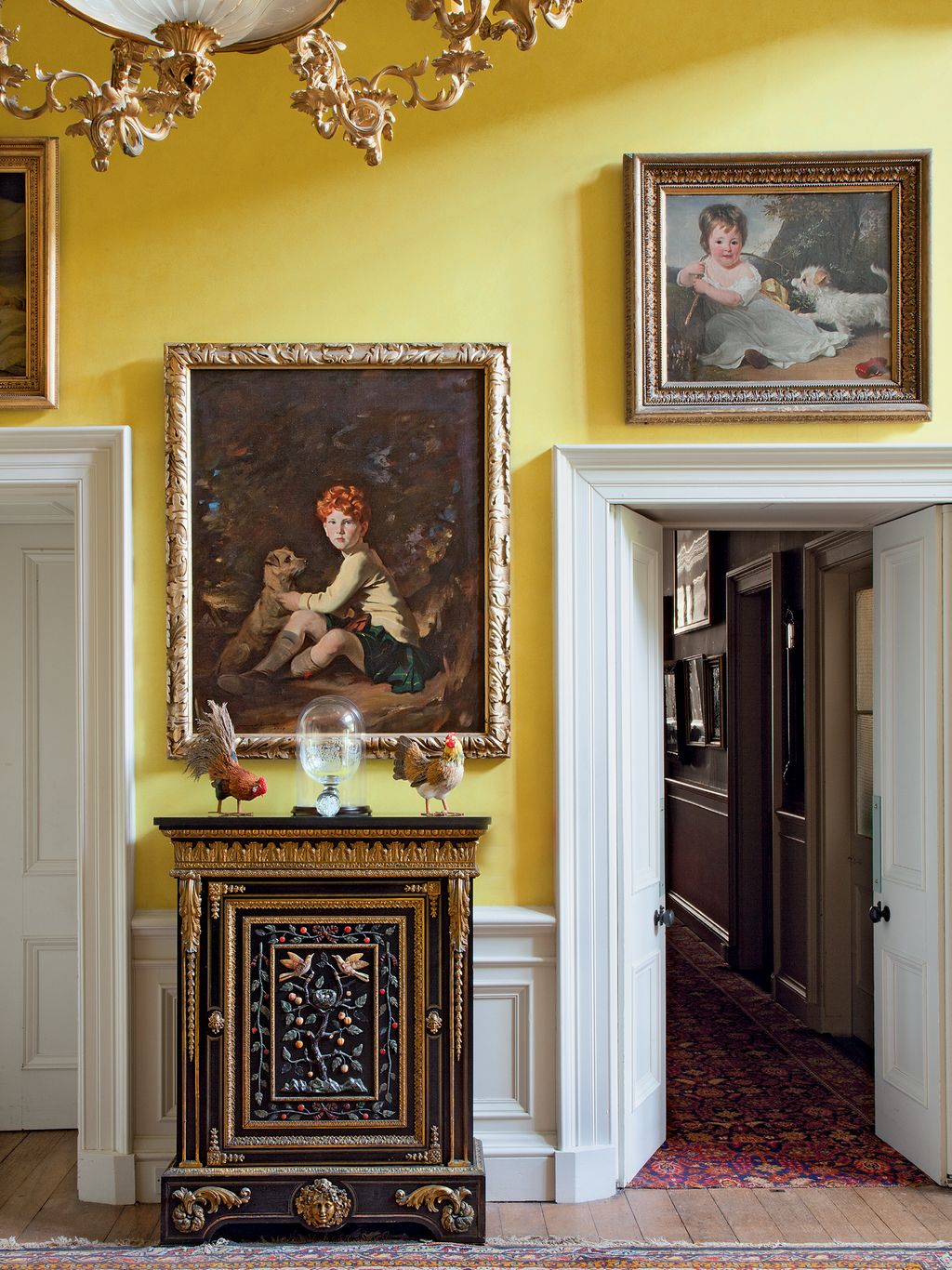
An array of family portraits lines the hall.
 James Fennell4/14
The portraits include one by C E Brock of the 9th Duke as a boy.


 James Fennell5/14
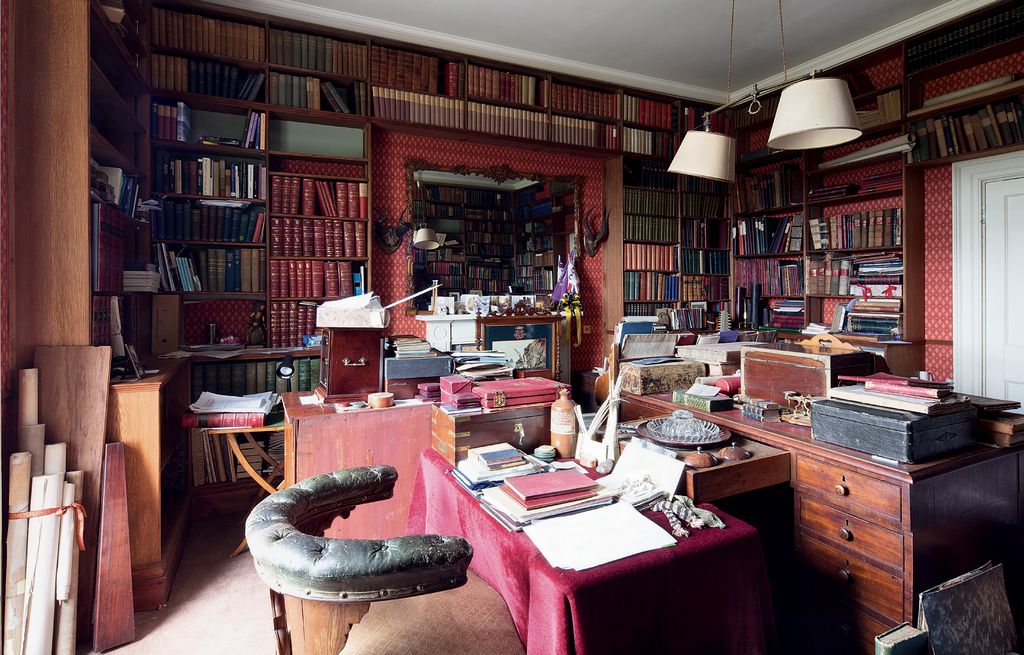
The book room is piled with nineteenth and twentieth century family records.
 James Fennell6/14
William Burn extended the house to include a larger dining room, which displays some of the family's art collection.
 James Fennell7/14
The collection includes a view of the Thames by Jan Griffier the Younger, and a Reynolds portrait of Caroline Scott (below).
 James Fennell8/14


 James Fennell9/14
The library is a 'very embracing room' and much used by the family.
 James Fennell10/14
 James Fennell11/14
The duchess' boudoir is adorned with a profusion of silks, passementerie and needlepoint.
 James Fennell12/14
Among its furnishings is an eighteenth-century chinoiserie mirror and the original, painted Chinese wallpaper.


 James Fennell13/14
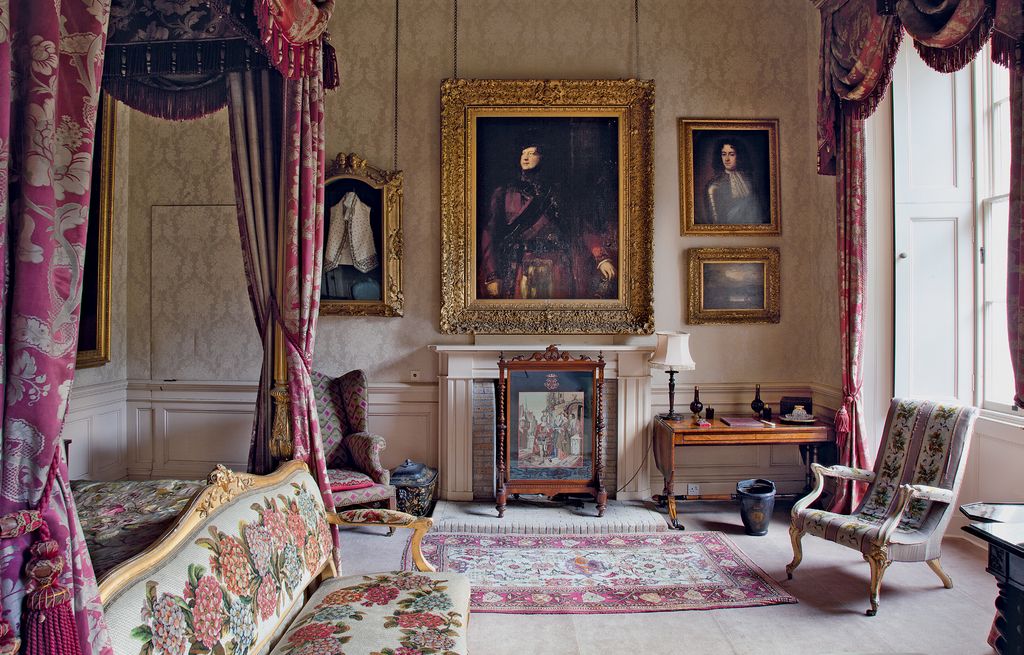
The Dalkeith room is so called because the Regency bed came from Dalkeith, another Buccleuch property.
 James Fennell14/14
The estate extends to 46,000 acres.


