
Inside an idyllic art school in the remote Transylvanian countryside
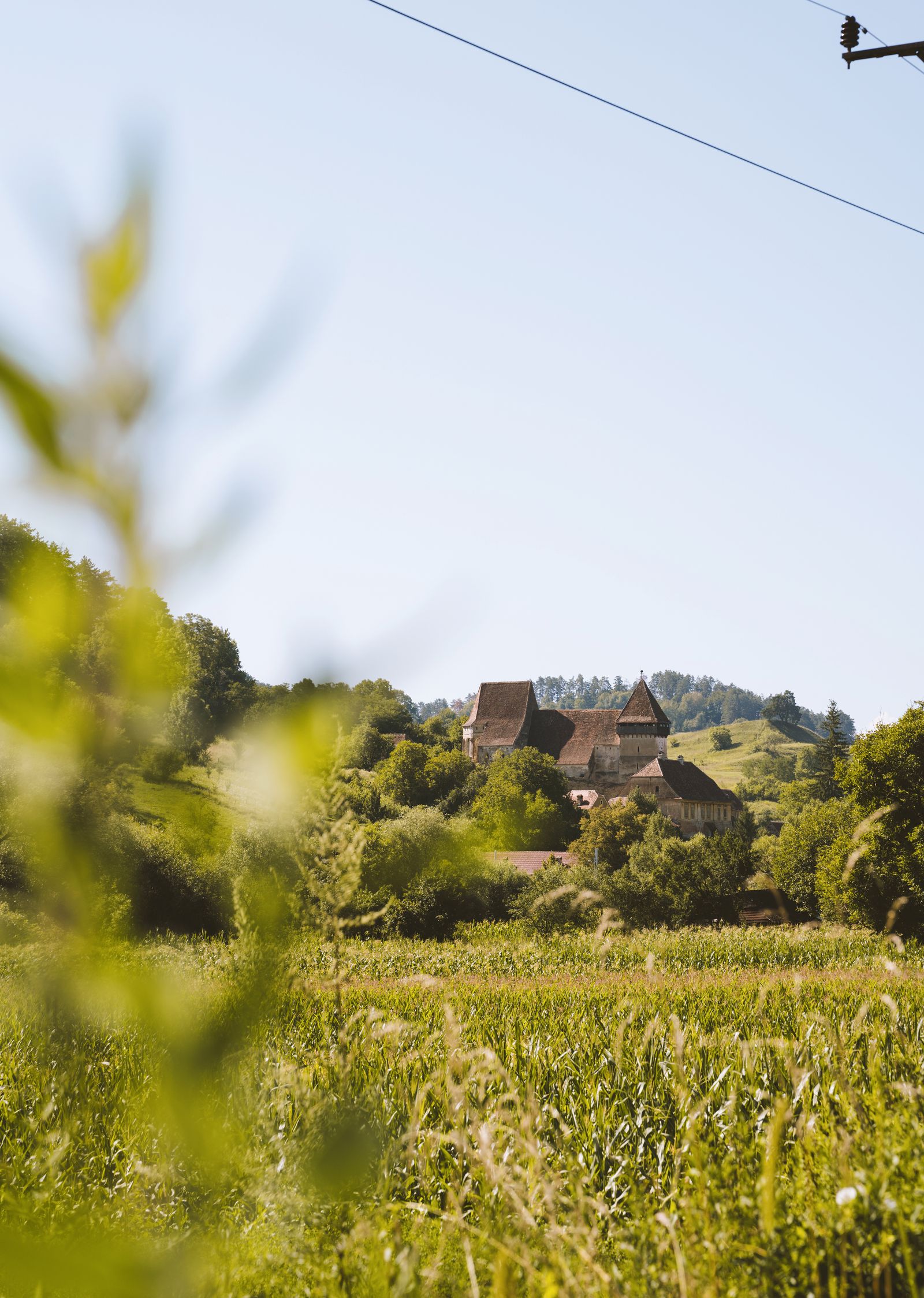
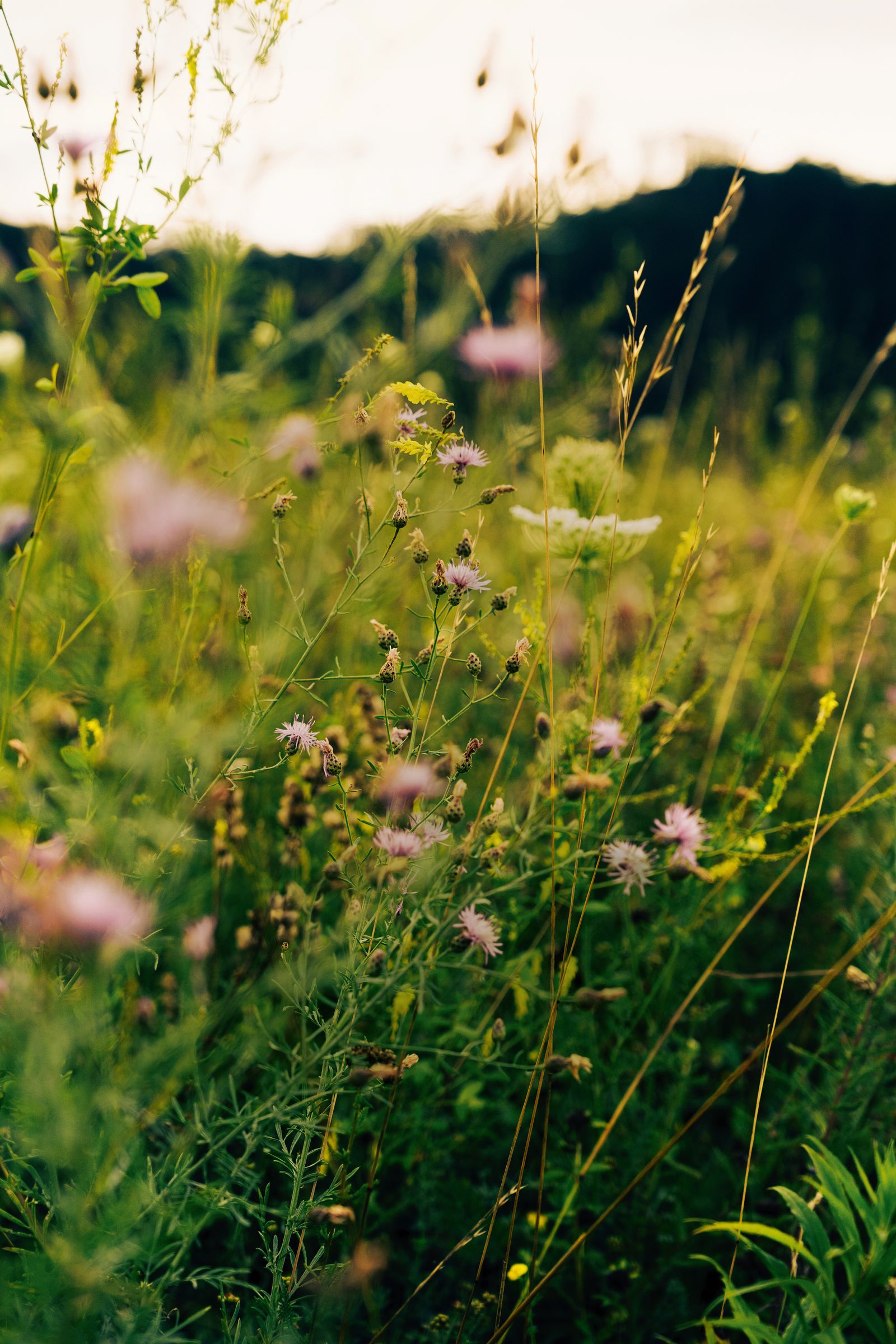
In the wildflower meadows of Transylvania, some 300 species of flowering plants and over 100 species of butterfly flourish undisturbed above the village of Copsa Mare. Like much of this remote mountainous region in the centre of Romania, Copsa Mare was emptied after the fall of the Communist dictatorship, when its German-speaking residents moved to Germany and it was left to decay.
The stark beauty and understated, rugged nature of the Saxon village resonated with James and Rachel de Candole who, together with their two children and animals, moved from the Czech Republic to settle in Copsa Mare. Since they arrived in 2015, they have brought new life and enterprise to the place.
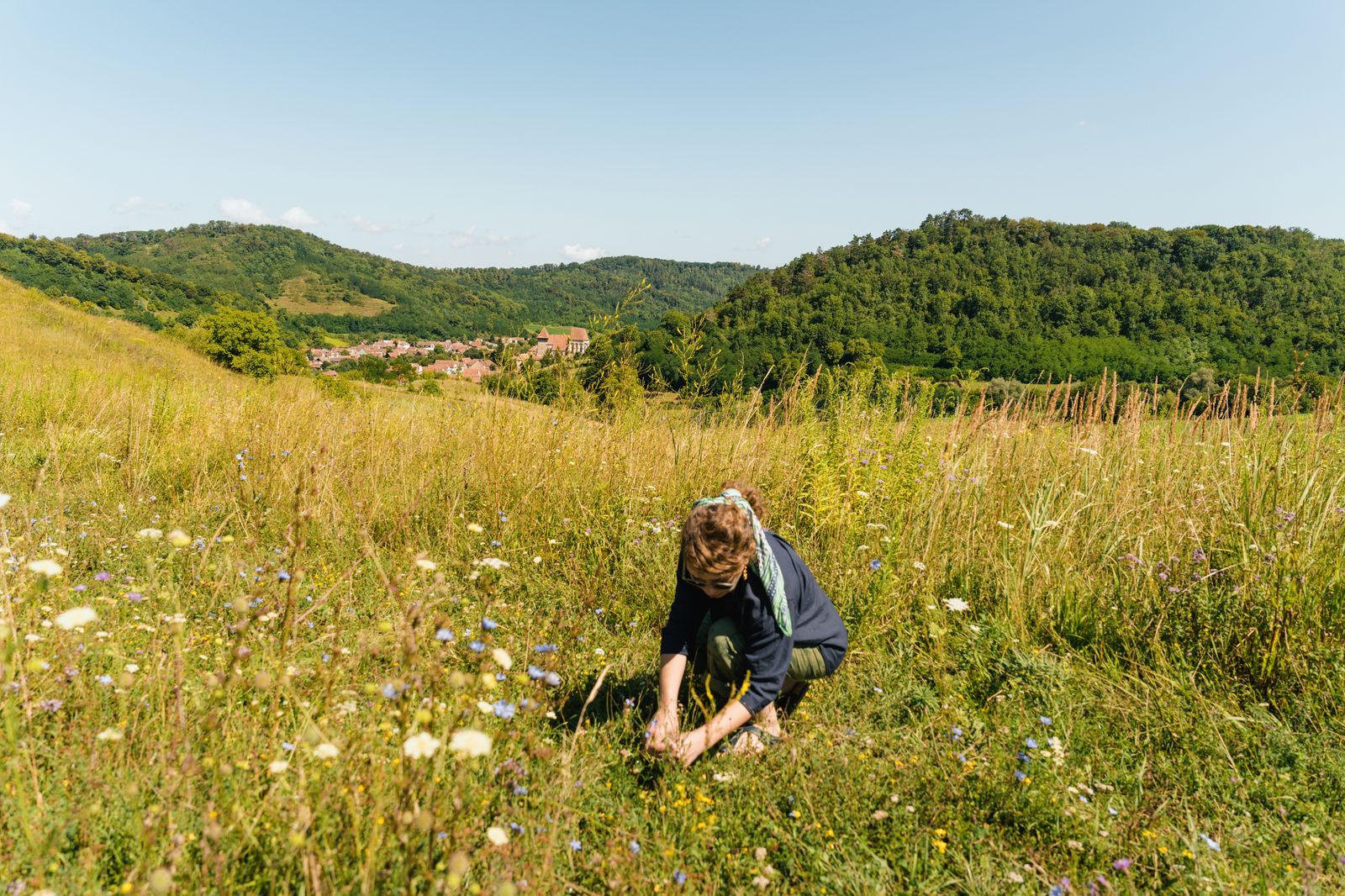
The Saxons – God-fearing, hard-working, self-sufficient farmers, who never lost their German way of life and language – settled in the 13th century in and around the bishopric of Hermannstadt (now called Sibiu), which has been restored to historical splendour. It is the gateway to Transylvania, including Copsa Mare, which is about 90 minutes away.
James and Rachel live in the village’s imposing town hall, an elegant reminder of the Austro-Hungarian Empire, set face-to-face with the brick-built battlements of a solid, no-nonsense Saxon church. The underlying plan – every worthwhile enterprise must have a plan – was to record the flowering plants that thrive in the meadows and continue to provide fodder for cows, sheep, buffalo and, by the by, inspiration for botanical artists. This plant life, however, depends on the presence of herds and flocks to maintain the grasslands at exactly the right level of height, density and fertility that will allow the botanists’ raw material to flourish.
So came the idea to run a botanical painting school, where award-winning tutors lead eight residential masterclasses a year. Led by the likes of Lucy T Smith from Royal Botanic Gardens Kew, Turkish artist Işik Güner, who has shown with the Royal Horticultural Society and the Royal Botanic Garden Edinburgh, and Jacqui Pestell-Canavan, who has an MBE for her contribution to botanical art education in Scotland, the courses take place below their quarters in the town hall.
James – in an earlier life – was a political mover and shaker based in Eastern Europe. Rachel is a horsewoman in the classical tradition. Horses, says Rachel – as we watch a dappled grey being led from the stable beneath the artist’s studio for exercise in the yard – are her raison d’être. And now that the couple’s children have left home, there’s more time and space to develop the floral record, a herbarium masterminded by a local botanist, with each specimen accompanied by an illustration drawn from life by a steady flow of visiting artists.
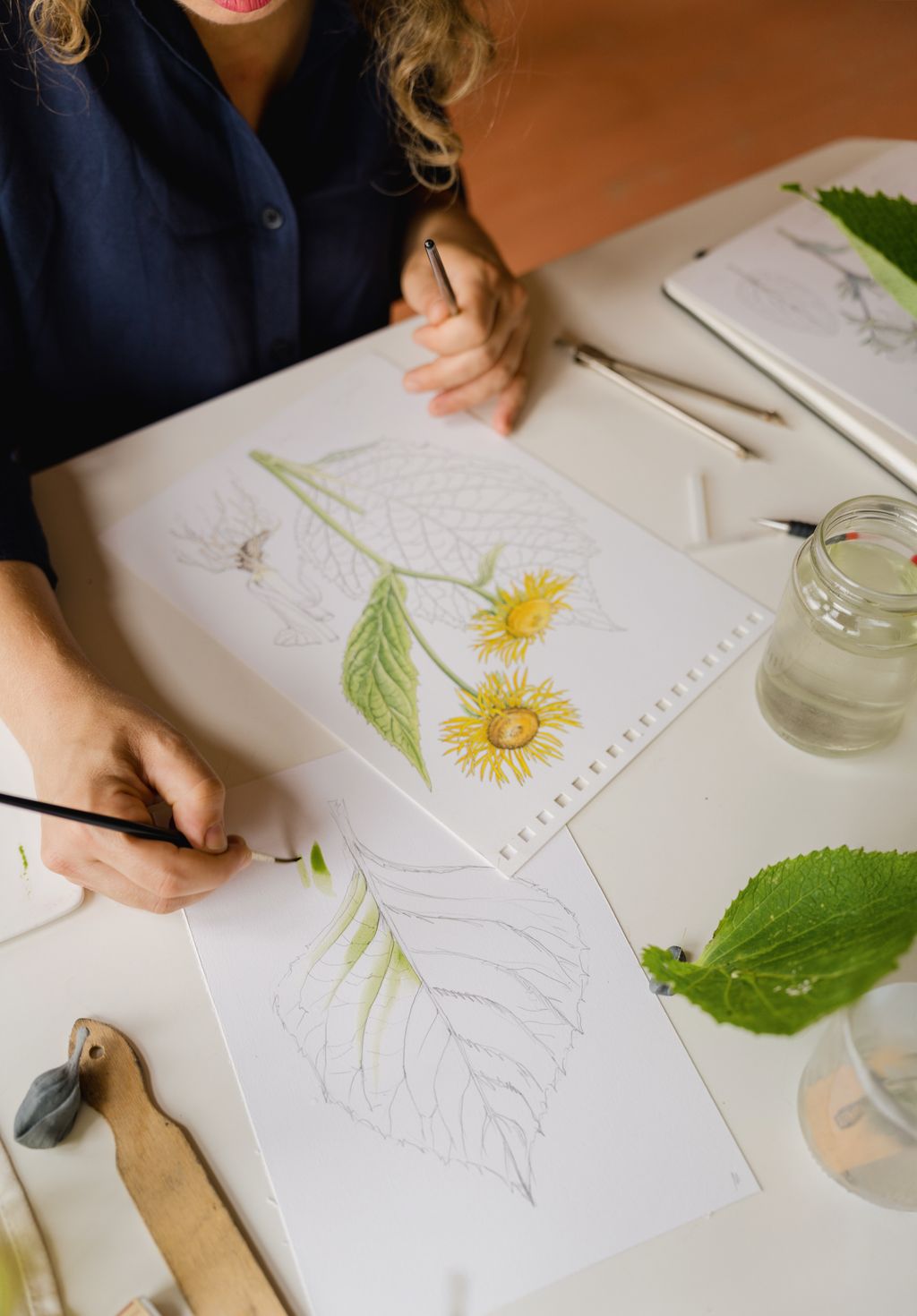
When I attend in early June – blossom time in the meadows – our tutor Lucy sets us to work with quiet confidence. Botanical painters are not like other artists. Skill – and a hard-earned living – comes from a steady hand and a steely determination to capture the beauty and vigour of the raw material. This, I learn, manifests in finding a way to follow the curve of an orchid’s lip that hides the pollen irresistible to a bee, or capturing a tendril searching for purchase on a stalk that will support the weight of a climbing vine.
Meanwhile, pencils, brushes and paints require attention. We are not Van Gogh, throwing paint around or chopping off our ears. Lucy’s equipment is a model of neatness, while mine is not. I quickly learn the difference this makes to the delicacy of a brushstroke or the accuracy of pencil marks, and how effectively a nice clean rubber erases mistakes. The group gathers round an electron microscope, a magical instrument not available when I was working for biologist Miriam Rothschild on a book about gardening for butterflies.

With electronic magnification, the sweetest of blossoms becomes a prehistoric monster worthy of Jurassic Park. Plants, as with dinosaurs, are programmed for survival. There are tiny globules of stickiness on stems and leaves that allow insect-eaters – sundews or butterwort – to trap and digest their prey. My own choice is a ghost orchid, a plant that, lacking the ability to process sunlight, sucks colour as well as nourishment from its quarry. Botanical artists study surface – the number of petals, the distribution and shape of leaves, the way a flower sits on the stalk – in much the same way that a portrait painter considers the colour of skin, texture of hair or the set of a head on shoulders. The challenge is not to show that each plant is identical, as can happen with photographs, but to tell the truth – provide a record of life rather than an image frozen in time.
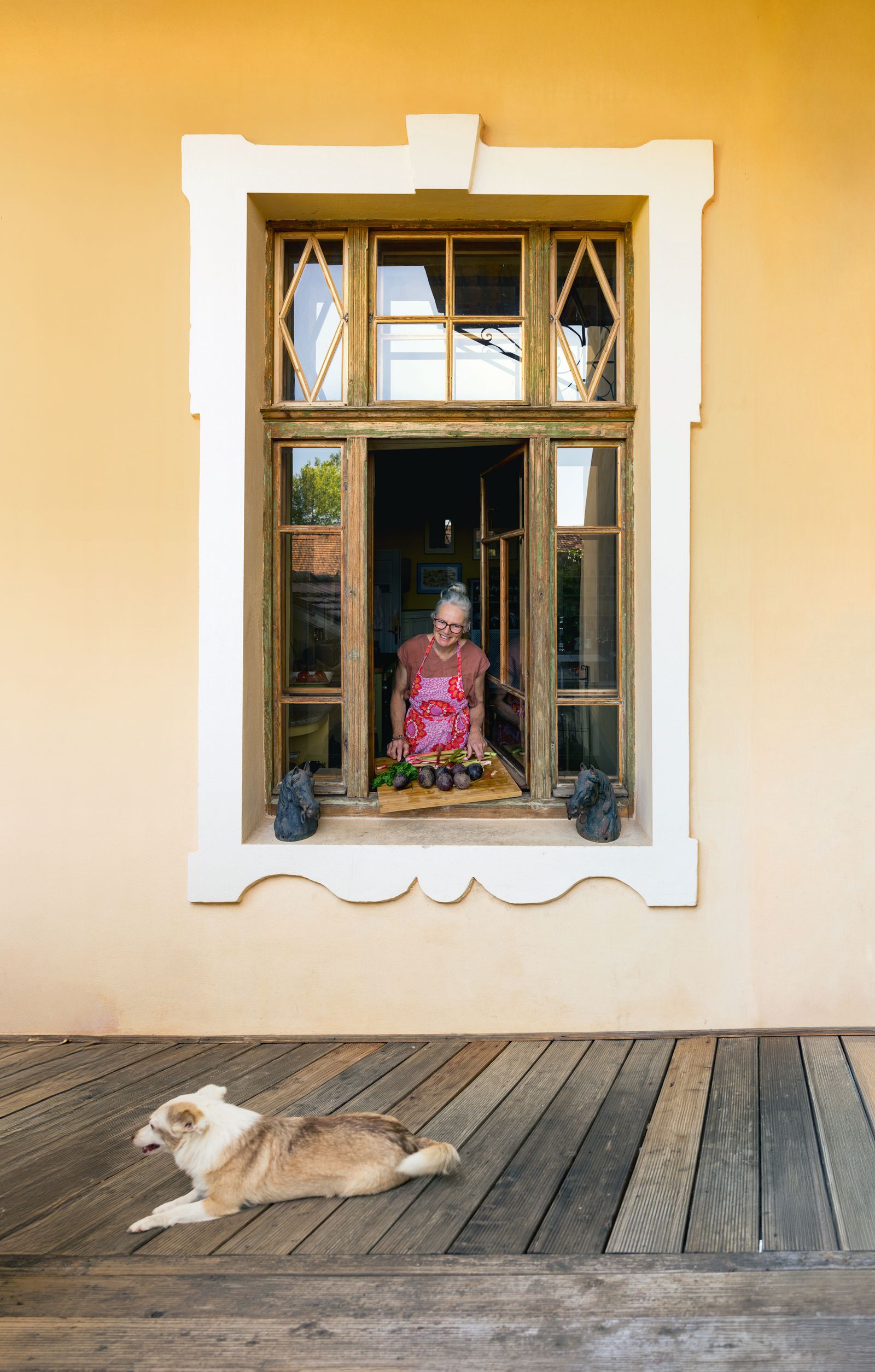
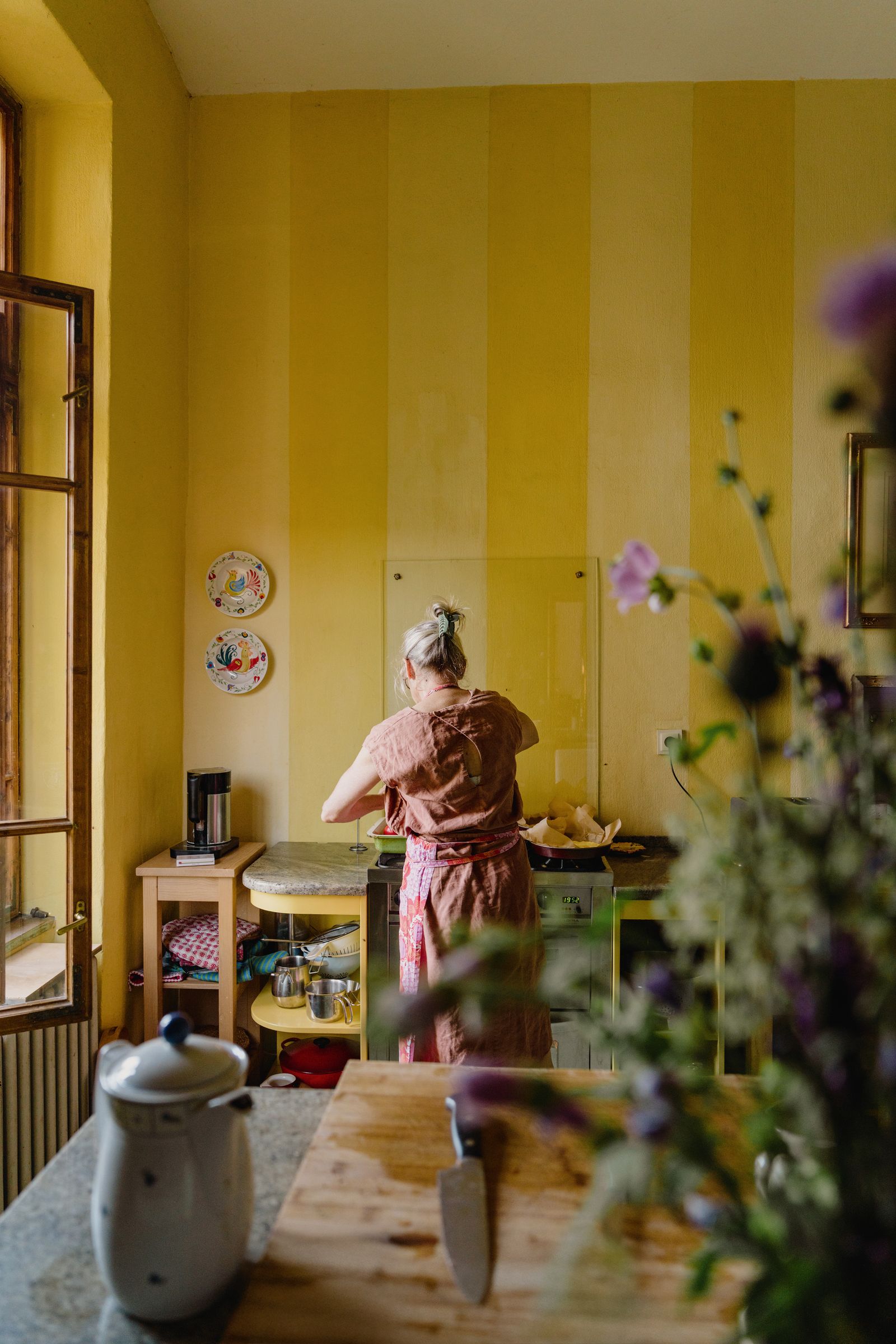
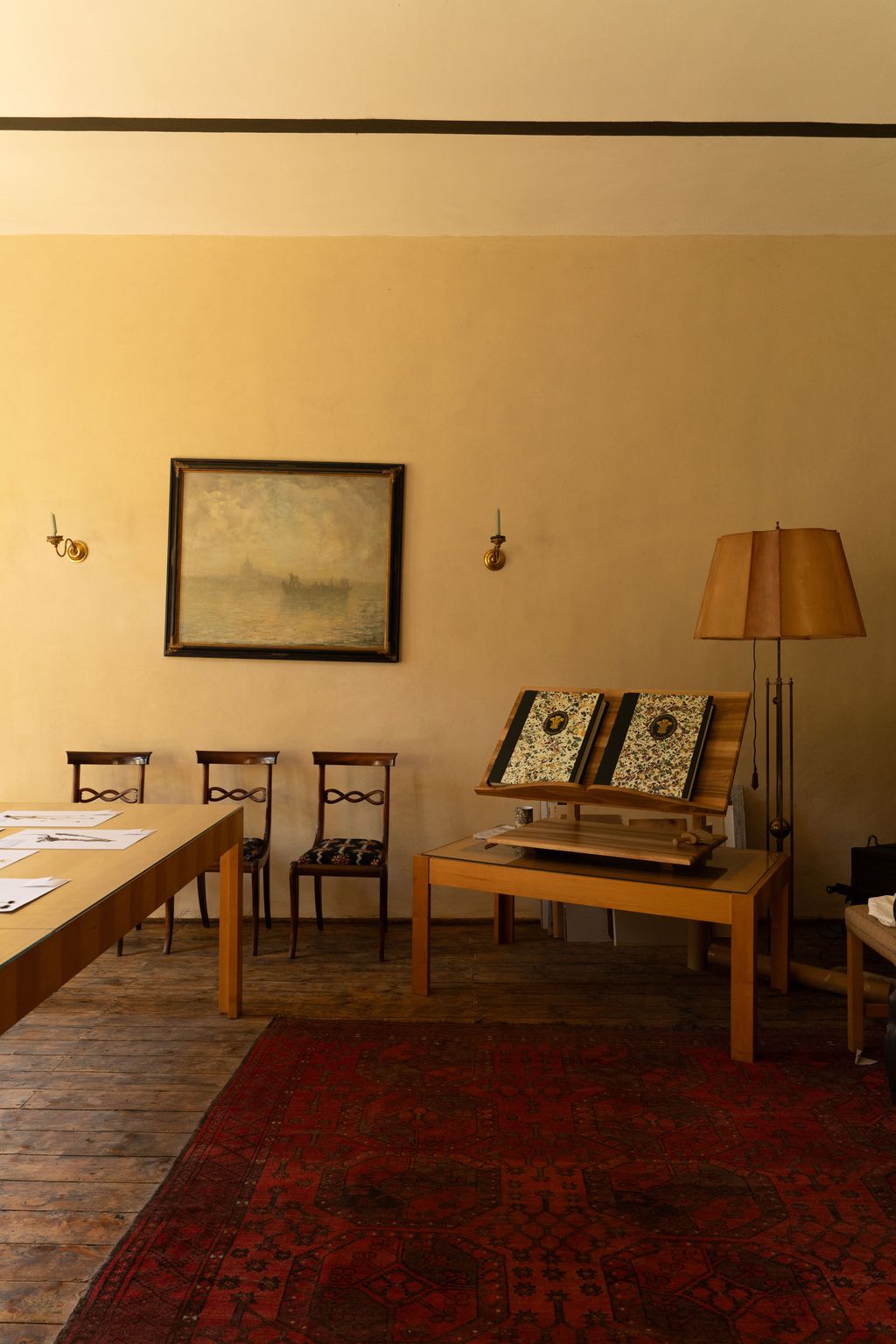
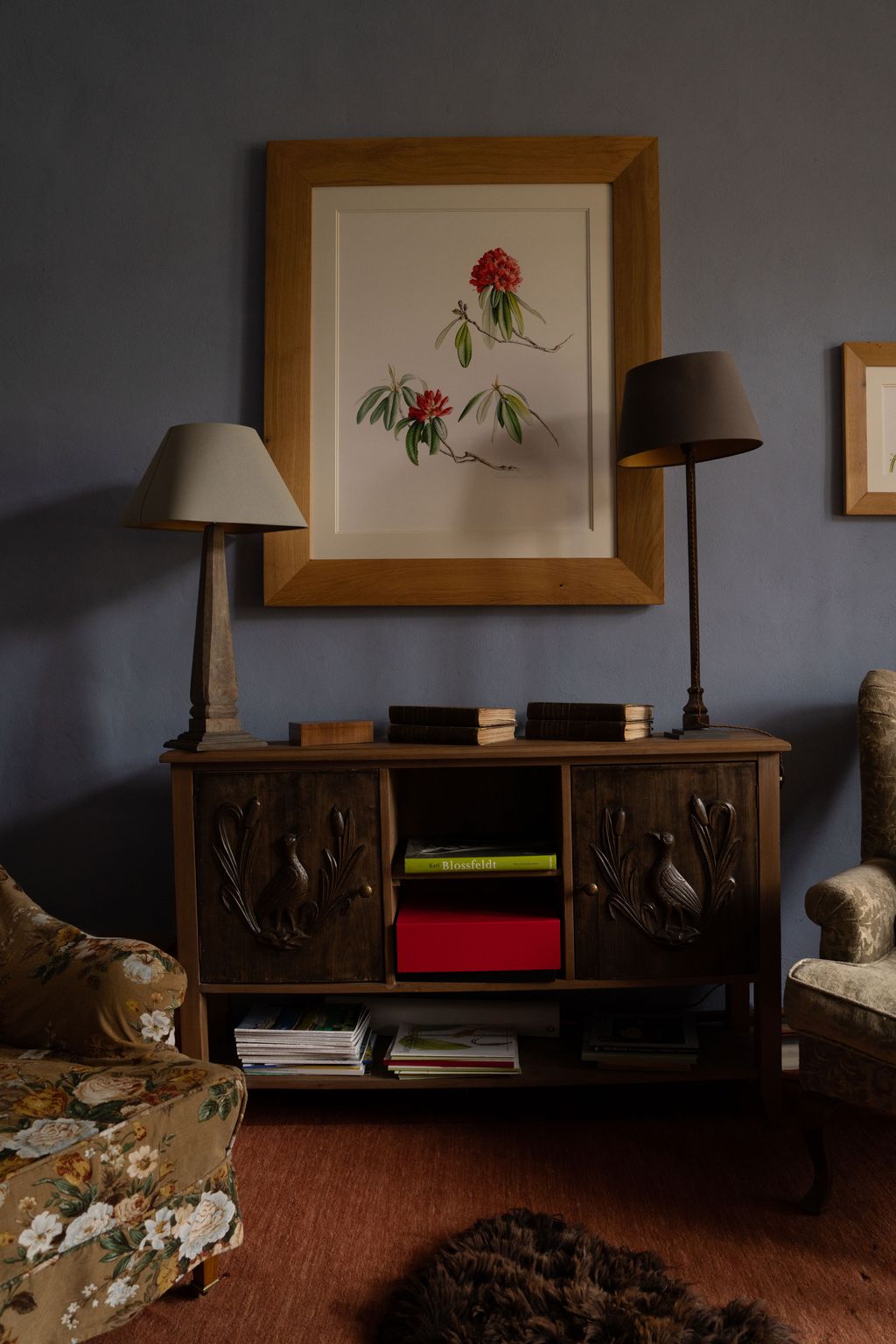
Every evening, we all – tutor, guests and host – gather in the book-lined comfort of the drawing room, while our hostess works with tranquil confidence in the open kitchen beyond. Rachel has a strong sense of place and is an instinctive cook who does not follow recipes, though tradition and inspiration are both evident in the beautiful dishes she sets on the table.
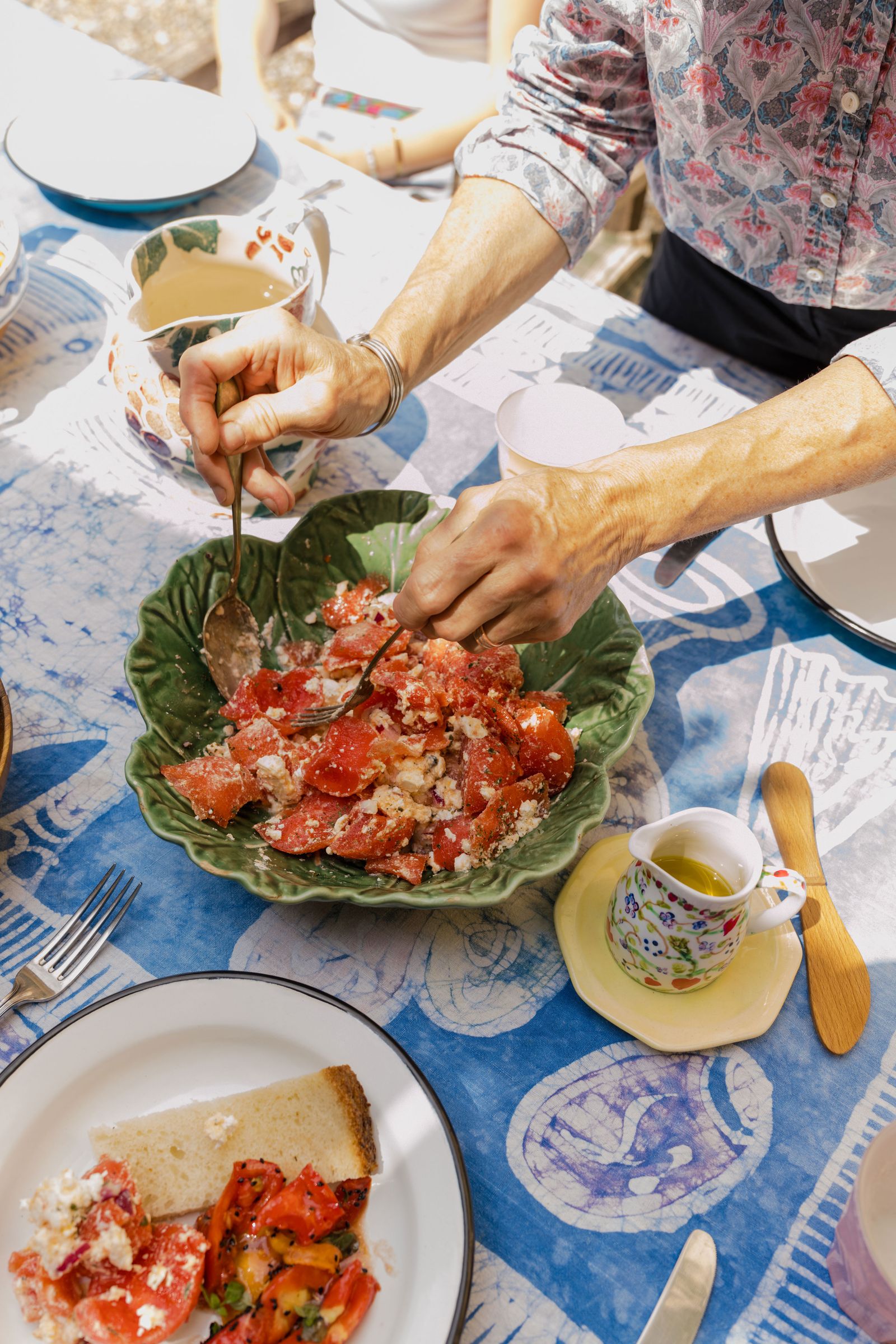
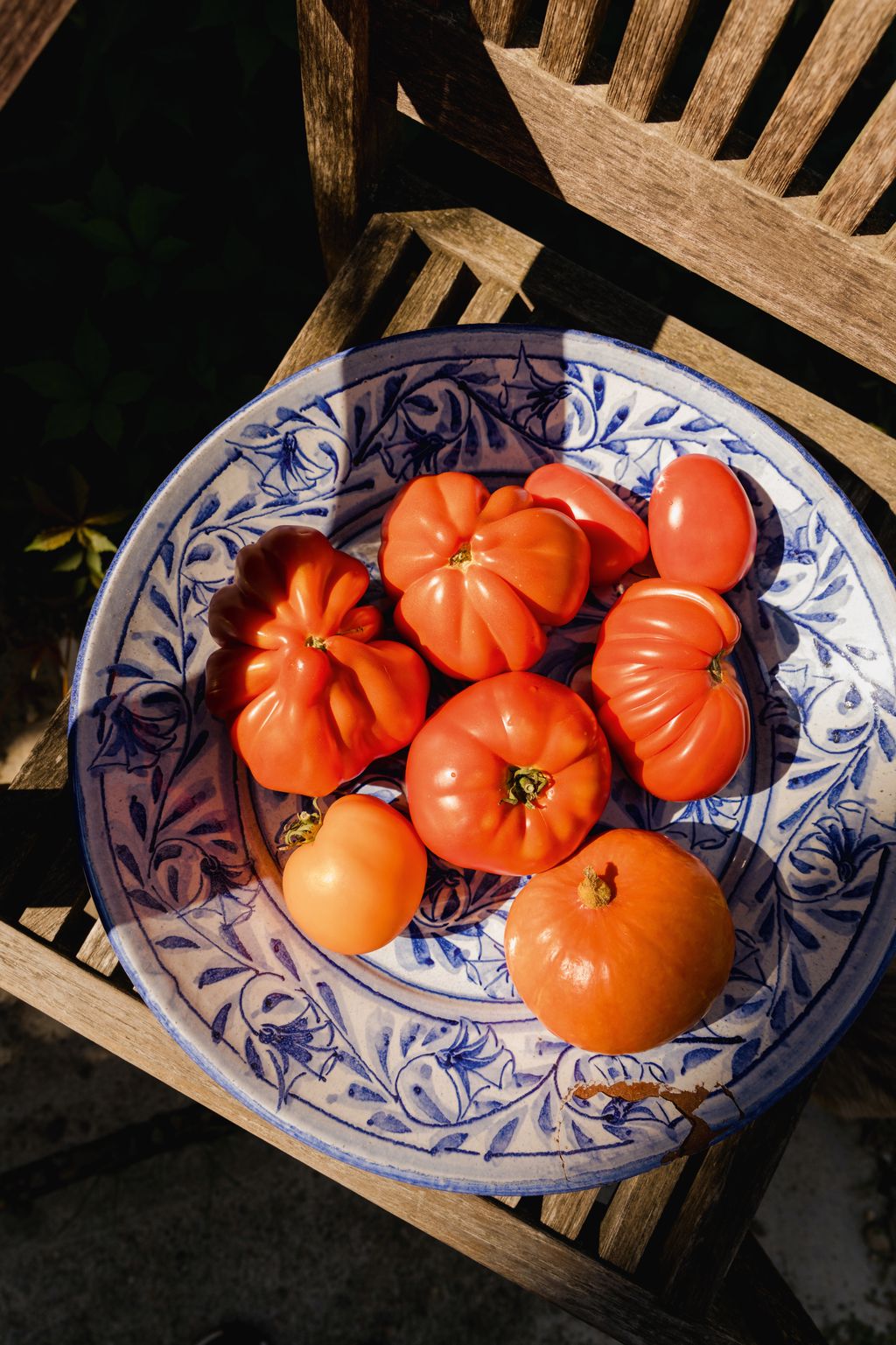
She grinds her own cornmeal from dried maize kernels for naturally yeasted bread. Eggs, butter, honey and fresh white cheese are laid out in the kitchen for breakfast. Beautiful salads – with young beetroot, new potatoes, fresh herbs – appear like magic on a long wooden table for lunch outside. At the end of the day, there are delicious stews made with just-dug vegetables and newly cut greens, washed down with local wine, to be savoured with a view of the rose arbour that leads to the studio. If it sounds idyllic, indeed it is. And a lesson, too, in how to walk lightly on the earth that’s all too easily forgotten.
Ways and means
Transylvania School of Botanic Art & Illustration offers eight, week-long residential masterclasses a year, €2,700 each per person, full board, including five days’ tuition, transfers and excursions. Wizz Air flies from London Luton to Sibiu Airport, a 90-minute drive from Copsa Mare.
 Lavinia Cernau1/8
 Lavinia Cernau2/8
A preliminary watercolour sketch of Telekia speciosa by Işik Güner.
 Lavinia Cernau3/8
 Lavinia Cernau4/8
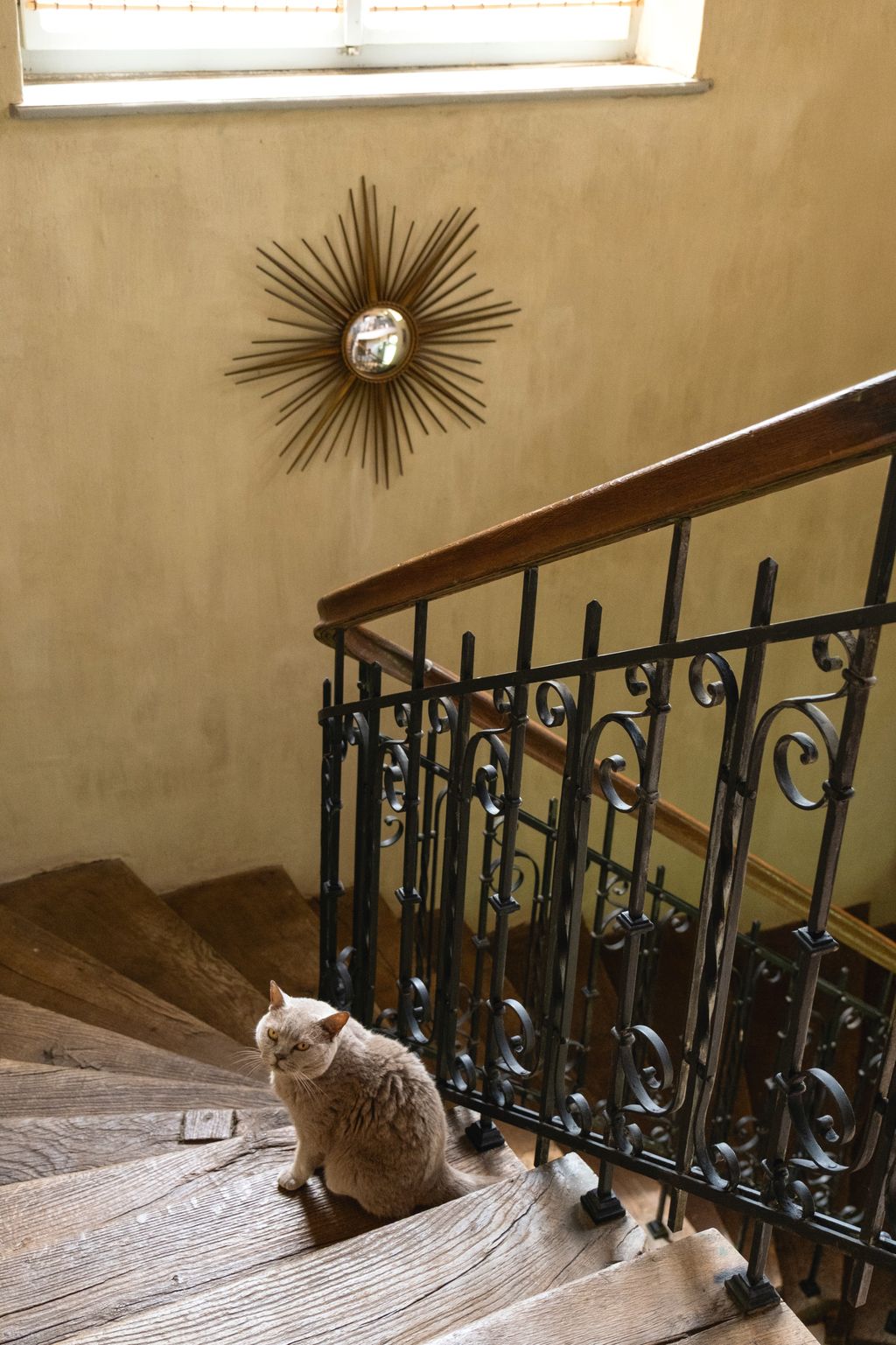
Debo the cat on the staircase.


 Lavinia Cernau5/8
 Lavinia Cernau6/8
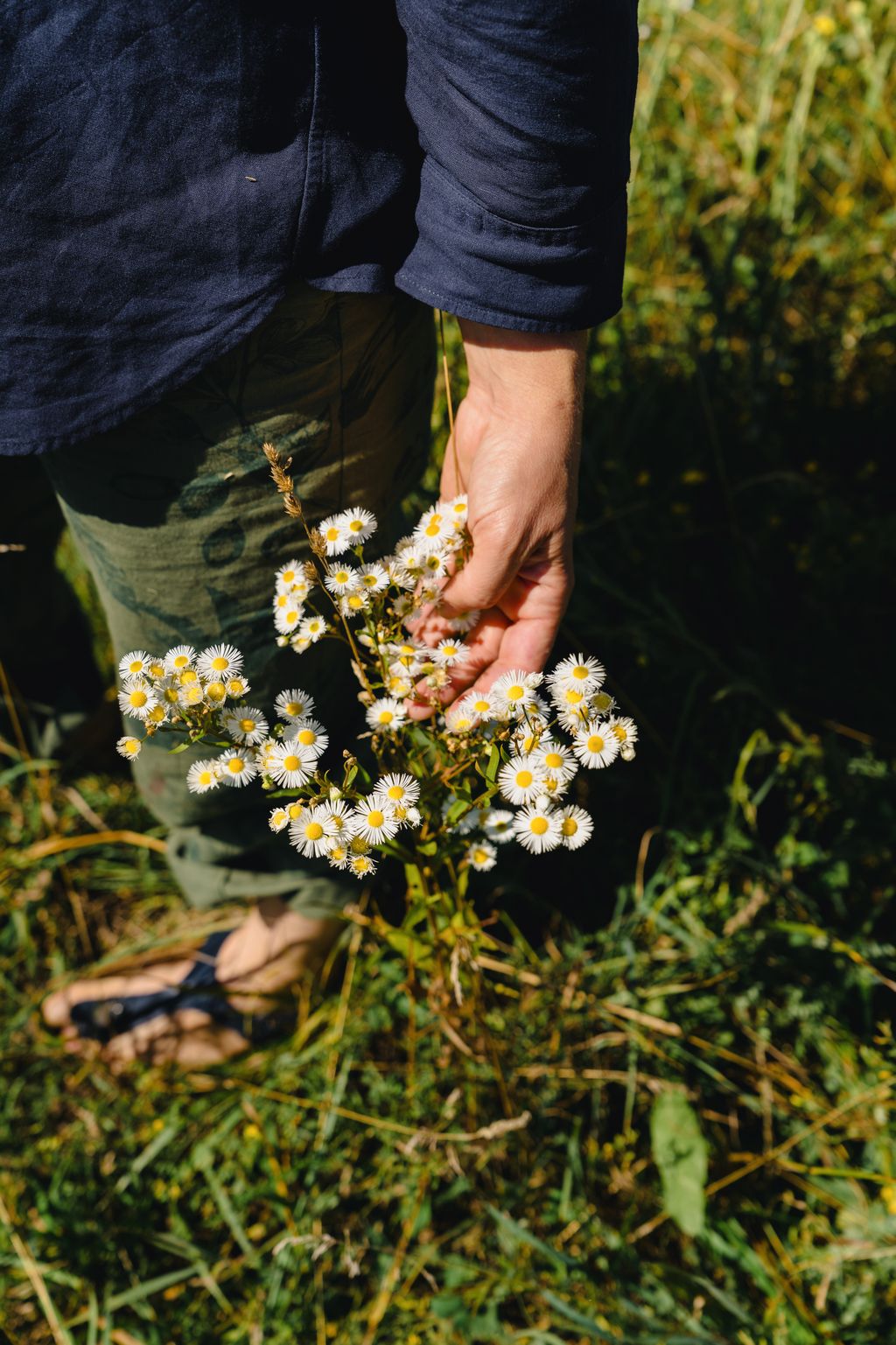
Daisy-like Erigeron annuus is one of the plants that thrive locally.
 Lavinia Cernau7/8
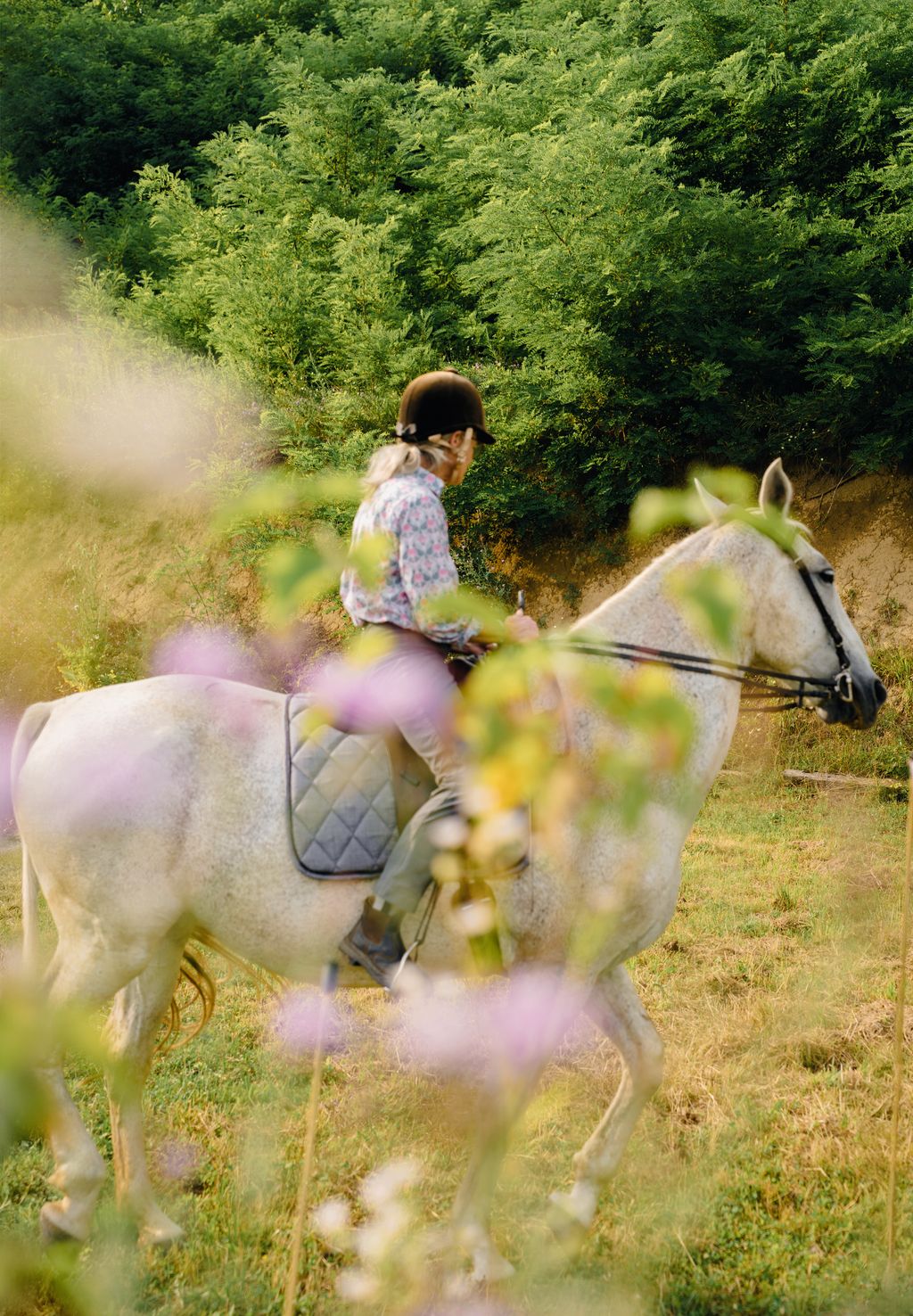
Rachel riding her Kladruber mare Ribeta.
 Lavinia Cernau8/8


