
A joyful garden in Gloucestershire filled with lovingly cultivated flowers

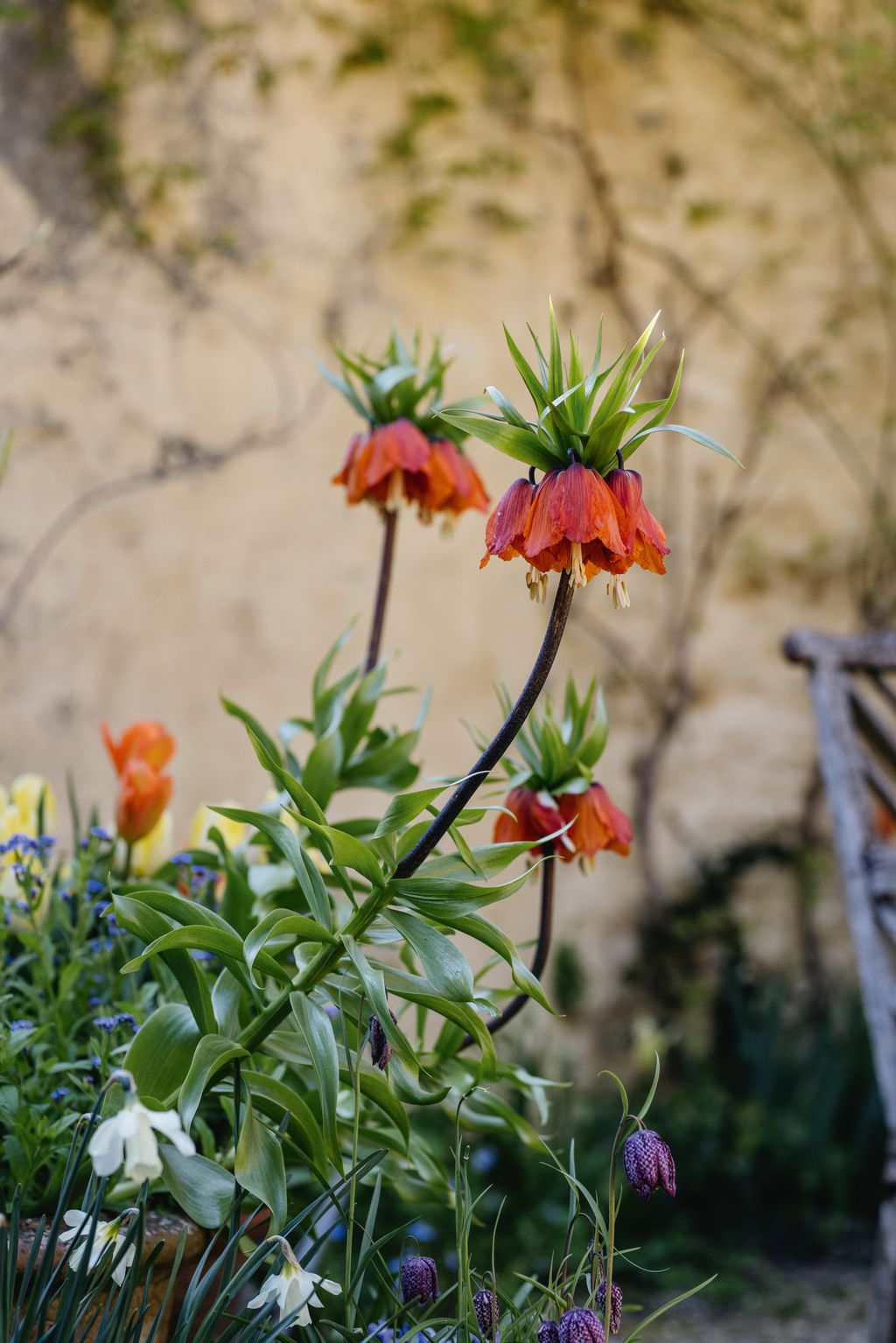
Your first glimpse of Mary Keen’s garden in Gloucestershire is through the huge kitchen windows that look out to the courtyard beyond. A checked tablecloth is alive with vases of spring flowers: wallflower-scented Tulipa ‘Ballerina’, blueish-purple Lunaria annua ‘Corfu Blue’ and green-tipped Leucojum aestivum ‘Gravetye Giant’. The table acts as a sort of runway, luring you forward to the luminous scene beyond: exquisite button-trumpeted narcissus and glowing heads of crown imperials held high on lofty stems. A shallow pot planted with clear red Anemone pavonina draws the eye to the centre of this sheltered haven, which is limewashed in a soft Mediterranean yellow, its gravel floor reflecting the light and welcoming self-seeders.
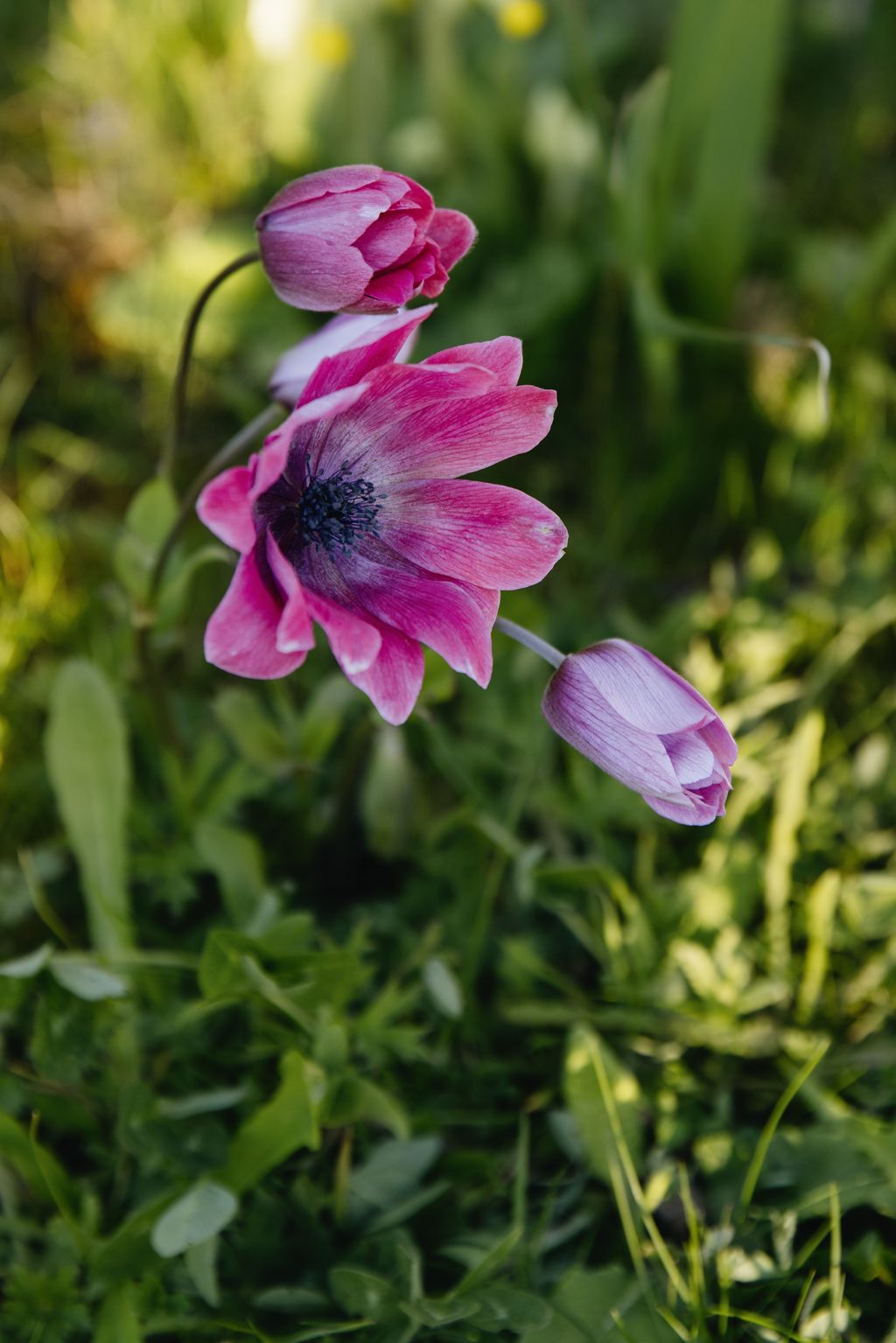
Anemone pavonina is key to the spirit of the garden that Mary has been making in this pretty mar-ket town, since she moved from a large rectory five years ago. It is grown in her walk-through green-house – ‘an essential for a smaller garden,’ she explains – some from seed sent to her by Suffolk artist John Morley. The crimson and pink shades are loved for their wildness and delicacy, and for their ‘coup de rouge – the splash of red that the French sometimes do in rooms’, she says. ‘The feel is different here; it’s not about display. One might have the odd showstopper, but really it’s about small details – like the one tiny Cyclamen repandum under the autumn-flowering cherry.’

We walk past the swansdown-soft, feathery foliage of Ferula communis – a moving-in present
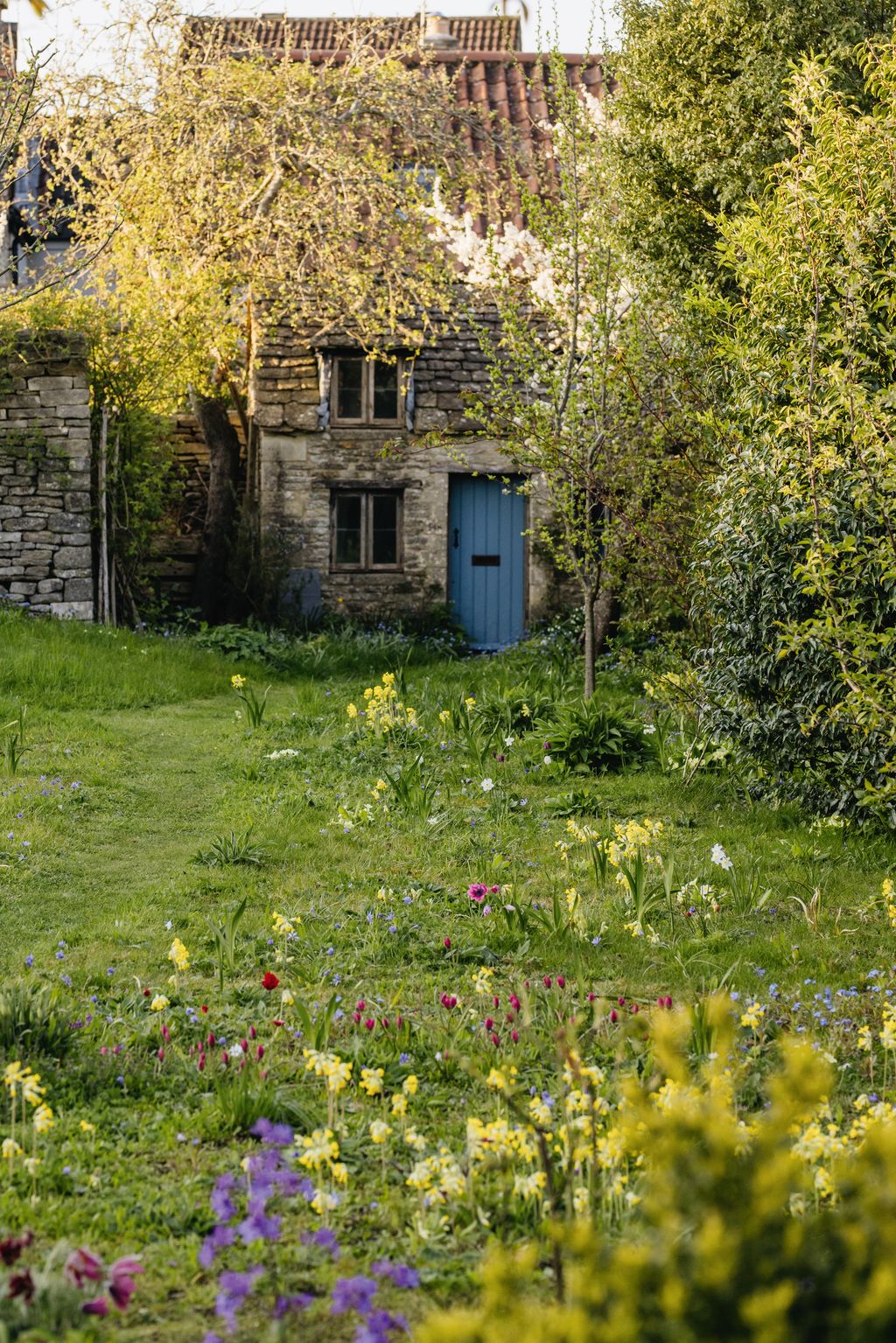
from her fellow garden designer Dan Pearson – to the main part of the garden and gasp at the glittering expanse of spring laid out before us. ‘I love winter – hellebores and snowdrops – and I love this moment, with primavera flowers in grass,’ Mary says. Everything is fresh and new: the clouds of damson blossom; a sea of Welsh poppies and forget-me-nots set against a miniature stone cottage at the end of the garden; the low-dancing sheets of oxlips and cowslips in gentle yellows. It is an extraordinary transformation from the thuja hedges and tight-mown lawns Mary found on arriving.
The meadow started with her letting the grass grow long and adding a succession of bulbs and young plants: ‘I wanted to explore naturalising things. If you are old, it’s a good way of having a garden.’ The oxlips are homegrown and the original cowslips were a present of nine seedlings from Sue Dickinson, the renowned head gardener at Eythrope, one of the Rothschild family’s houses in Buckinghamshire. Among these, as well as further dashes of Anemone pavonina, are pale chequered fritillaries, shimmering blue and white Anemone blanda, and also slender species tulips, such as the deliciously spiky Tulipa acuminata. ‘I like to move bulbs around after they have flowered so that it looks as if they have wandered,’ explains Mary.

We turn to a dampish, shady corner against the study wall, paved with the large irregular pieces of vernacular stone used in farmyards. ‘I love this area, where I can grow favourite plants for spring,’ she says. The result is entrancing: dusky gold-laced primulas, delicate blue Vinca difformis and pale yellow Anemone x lipsiensis – everything intoxicatingly scented with Daphne bholua ‘Jacqueline Postill’.
Nearby, an old wood store has been converted with a glass roof and scalloped lead flashing into a place of pilgrimage for Mary’s 30-year passion for auriculas: ‘I don’t usually like things as cultivated, but I love their velvety, hand-painted colours. In his book Old Fashioned Flowers, published in 1939, Sacheverell Sitwell called it: “All the tidy brightness of the Regency”.’ She feeds the auriculas from early spring (first with Maxicrop, then with tomato food) and repots them in September, removing all compost from the roots and drenching them with neem to protect against root aphids. ‘It’s a labour of love, but it is worth it for their strange colour combinations and delicate scent,’ Mary explains.
As trays of ladybird poppies are lined up in the greenhouse and sky blue camassias lie in wait under the long grass, the visitor to Mary’s spring garden will leave having fallen in love again with 100 plants. Her sense of excitement at the intensity of each season, the nuance of every scent and the colour of every petal is unstoppable and infectious.
Mary Keen: @keenkeengardener
 Eva Nemeth1/9
The miniature stone cottage at the end of the garden looks onto naturalised Anemone blanda, A. pavonina, narcissus, oxlips, cowslips and species tulips.
 Eva Nemeth2/9
The kitchen window overlooks a courtyard area with pots of vibrant spring blooms, including Anemone pavonina on the table.
 Eva Nemeth3/9
The yellow blooms of Primula elatior and Primula veris stand out above blue Anemone blanda and nodding purple Fritillaria meleagris in the meadow.
 Eva Nemeth4/9
Anemone pavonina.


 Eva Nemeth5/9
Magnolia liliiflora.
 Eva Nemeth6/9
Lunaria annua ‘Corfu Blue’.
 Eva Nemeth7/9
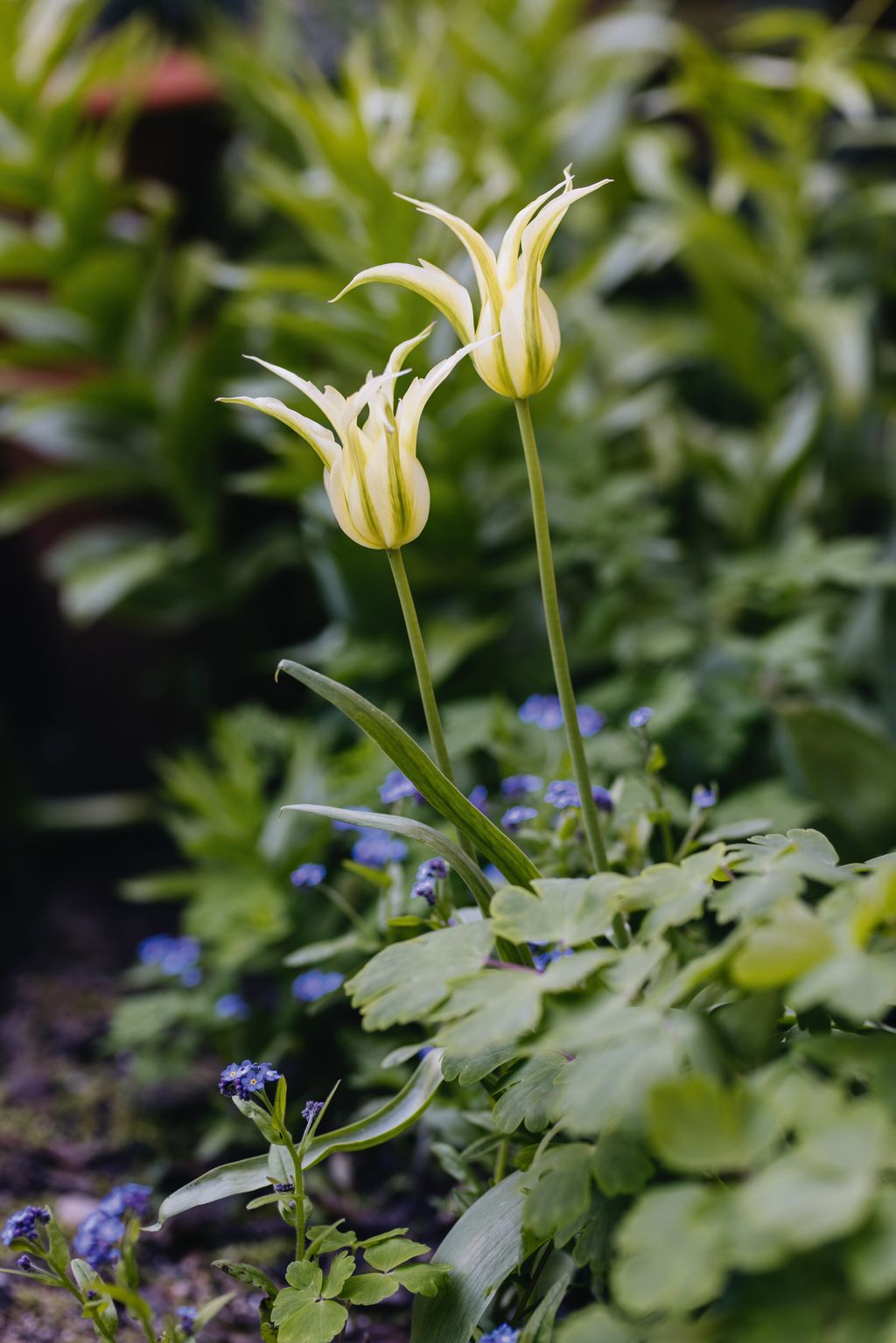
Tulipa ‘Greenstar’
 Eva Nemeth8/9
Auriculas from Mary’s collection, built up over the past 30 years.


 Eva Nemeth9/9
Fritillaria imperialis ‘William Rex’ tower above blue forget-me-nots.


