
Removable wallpapers: our verdict on the peel-and-stick revolution

It would be really easy to be snooty about the idea of ‘peel-and-stick’ wallpapers, since wallpaper in general is such a beautiful and luxurious thing, but the truth is that in some instances a removable paper can be a really good option. Until recently the options have been somewhat limited, and mostly available through high street shops in the US. But that has (at least, in part) started to change. “It’s all the look of wallpaper without the full blown commitment,” says Danielle Walish, Creative Director of The Inside, the US-based homeware shop which a couple of years ago partnered with Scalamandré to produce its ‘Zebras’ wallpaper – a perennial favourite – in a peel and stick option.
.png)
One reason for their slightly bad rep is that most are made from vinyl or polyester, and of course anything plastic is immediately considered the work of the devil. That said, there is a lot to be said for surfaces you can wipe clean with a wet cloth. If that's not your vibe, however, keep an eye out for ones that are made from paper or non-woven natural fibres - they look and feel a lot more like the real deal. The US based company Chasing Papers makes reusable papers made from self-adhesive poly-woven fabric printed with ‘GreenGuard Gold Certified’ ink, which means it emits low VOCs. The company does loads of designer collaborations: one of our favourites is with The Interior Collective, and includes four very pretty, pale coloured wallpapers all available as a Peel & Stick.

Part of its appeal is the fact that it can be a less expensive option than traditional wallpaper. It isn't the price of the actual wallcovering that is particularly low, however. It can actually be quite pricey. Rather, the savings come in from not having to hire a professional to hang the paper. The reusable, peel-and-stick nature of the product means you can do it yourself.
Peel-and-stick papers are a perfectly good solution if you live in rental accommodation and you don't want to spend a fortune decorating the space - or if the landlord won't let you. Peel and Paper - a company dedicated to, you guessed it, self-adhesive wallpaper, even sells stick on sheets of paper in block colours, so renters can easily change up the colour of a room without having to worry about repainting the whole thing a few months later.
Then there are the rooms that you you might decide you aren't ready to make long-term investments in, such as a nursery, which may well need redecorating in just a couple of years when the little one has developed their own taste, or a utility room, one of the lesser-seen and therefore decoratively less important rooms in the house. There is absolutely no reason you couldn't try it out in a small, downstairs loo too - this is often considered a great space to be bold and experimental.
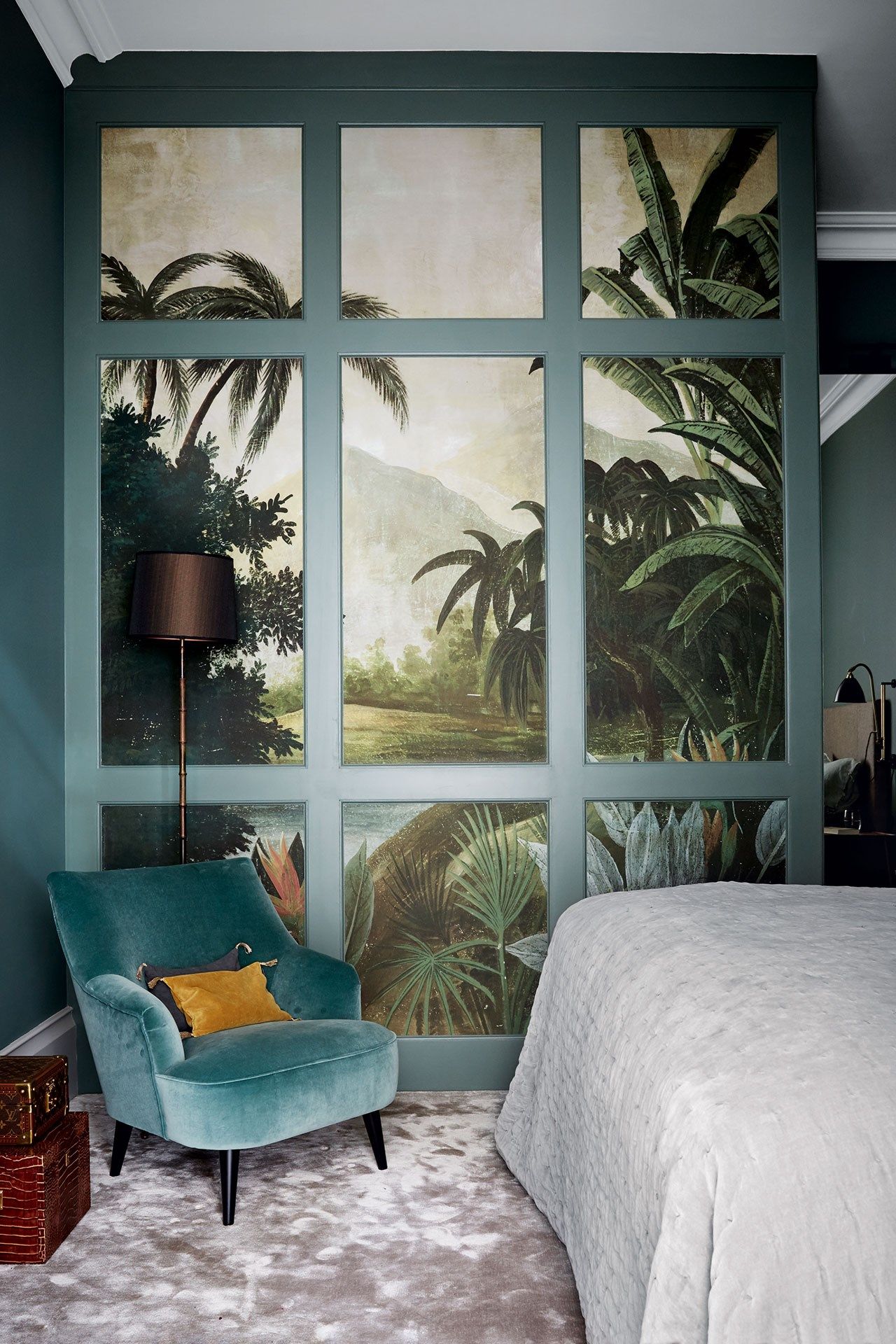
Where they really come into their own is in the quick-fix update such as a furniture upcycling project. Wallpaper has long been used to revive tired pieces of furniture with weekend DIYers lining drawers or the insides of cupboards with the stuff. How much easier would that be with a material that allows you to fix your mistakes with a quick peel and adjustment?


Instructions will vary, but the process is pretty straightforward:
- Prepare the surface, ensuring it is clean, smooth and free of any dust and debris.
- Measure the height and width of the wall you want to cover, adding a few extra inches to each dimension to allow for any adjustments. Then, using a knife or scissors, cut the wallpaper to size
- Literally, peel and start sticking while smoothing the wallpaper onto the surface. Work your way down, smoothing out any air bubbles or wrinkles as you go.
- Once all the wallpaper is applied, trim any excess material at the top and bottom. Give it another smooth, paying attention to the edges and covers, admire your own handiwork and repeat the previous step.
- When it's time remove the wallpaper, you can usually just peel it off slowly from one corner. If any adhesive residue remains, try a bit of warm, soapy water to clean the wall, or a hairdryer on medium held over it until the adhesive starts to loosen.


