Even the most palatial rooms can feel miniscule when (what seems like) every friend and family member descends on your home for Christmas. While voluminous proportions usually offer more than enough space for lounging, games and general merriment, even these can quickly feel overwhelmed with people, things and – let’s face it – mess. And that’s if you’re lucky – for those of us whose homes aren’t quite so spacially well endowed, a little ingenuity can go a long way, creating a sense of expansiveness where perhaps it wasn’t before.
While small spaces come with their fair share of challenges – where to put all of this clutter?! – they can be especially testing during the holiday season, when an influx of decorations and festive trinkets are par for the course. Yet for many interior designers, compact spaces are less a limitation than an opportunity – they see them as a creative playground for clever design. ‘They’re often my favourite to work on,’ says Tiffany Duggan, founder of Studio Duggan. ‘You have to think a little more creatively and carefully consider every detail.’
The beauty of interior design is that there are countless ways – some to be implemented immediately, others to consider over time – to maximise and make the most of your space, and ensure it feels calm and comfortable rather than crowded and chaotic. The good news? All of the advice we gleaned from the experts is as applicable in May as it is during the festive period – because if it works at the busiest time of year, it will be even easier during the quieter months.
To understand where you can make the greatest difference, start by taking a step back and considering how each room is (and will be) used: What are the necessities? And which areas feel under-utilised? Once you have a good grasp on that, it’s far easier to proceed intelligently and thoughtfully, without wasting time or resources.
What almost everyone can benefit from is ‘flexible’ furniture – pieces that serve multiple purposes and (ideally) can be easily moved around to suit your needs as they evolve. ‘Furniture that can be tucked away, nested or rolled aside instantly expands the sense of space,’ says Andrew Griffiths, founder of A New Day Interior Design. Alongside nesting tables, ottomans with in-built storage – such as NiX’s Hither Storage Ottoman and Birdie Fortescue’s Sorgue Woven Multi Stripe Ottoman – can triple as seating, a coffee table and a place to hide home detritus.
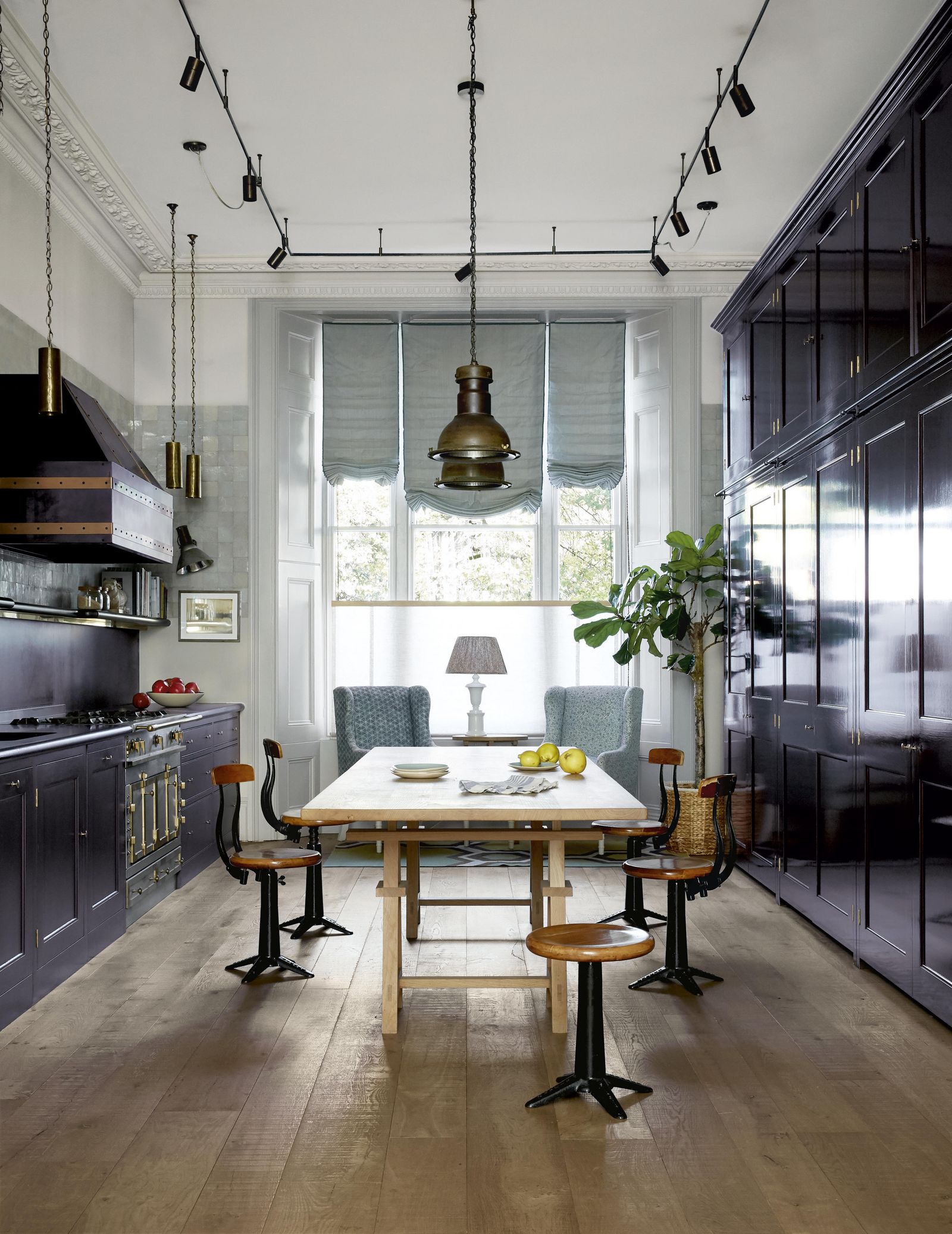
Don’t overlook extendable tables – see Sibyl Colefax & John Fowler’s new tortoiseshell Lancaster, which is as useful as a side table as it is a dining surface – or clever trestle tables, like the one designed by Nicola Harding above. A practical alternative to a traditional kitchen island, Harding ‘designed it to rise to the height of a work surface when needed,’ she explains, ‘but when lowered, the owners can combine it with a crafting table from the family room to extend the double reception space and seat up to 30 for dinner.’
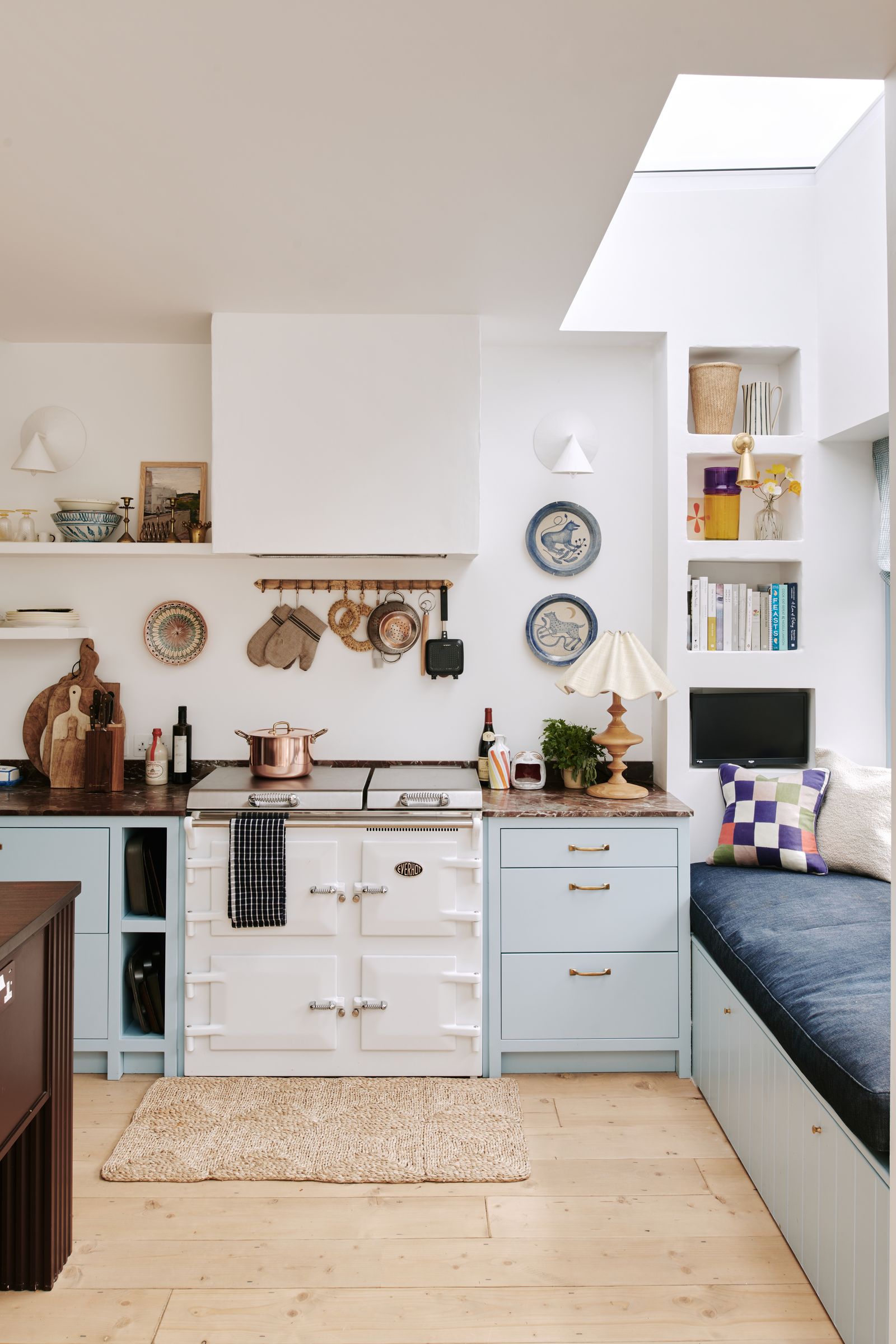
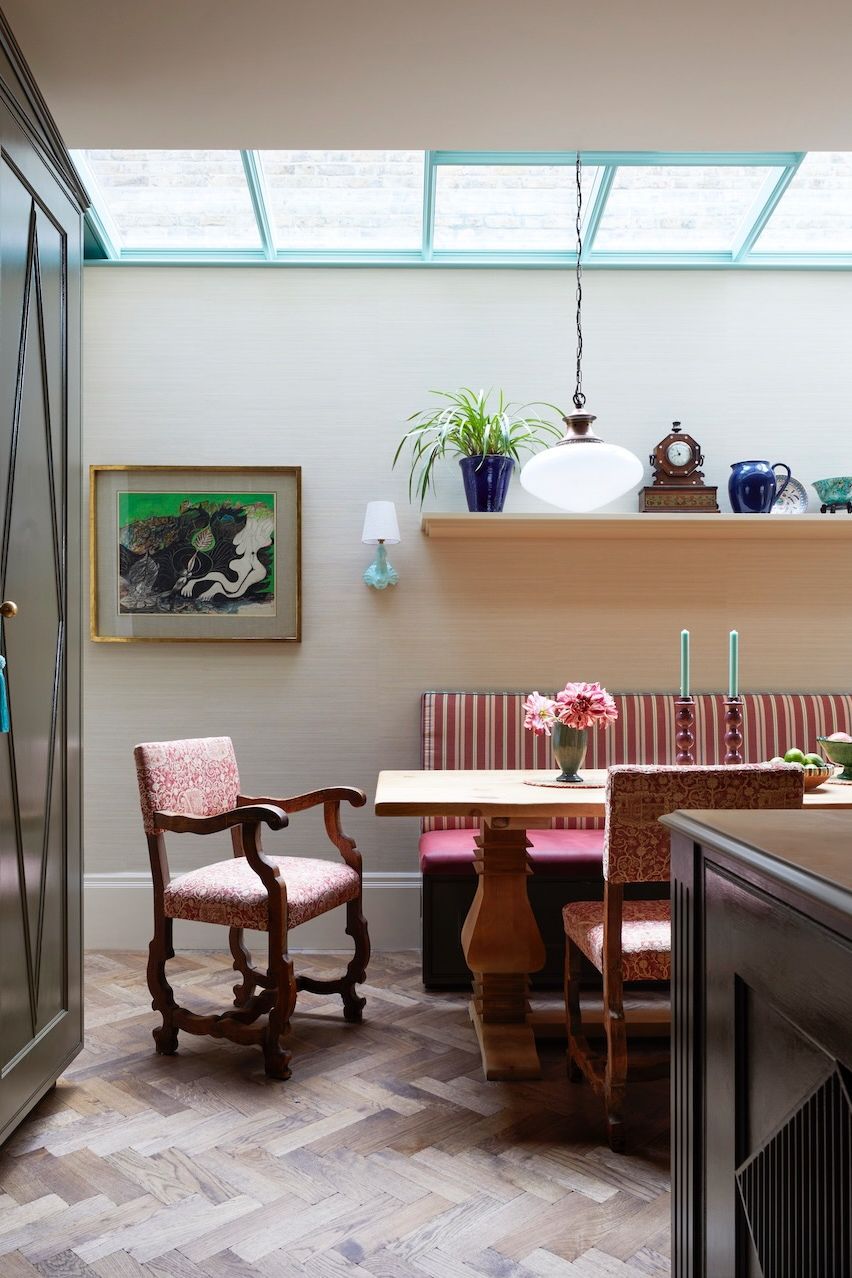
Banquettes that double up as storage are another smart solution – particularly for occasional-use items that you need to keep but don’t use every day. ‘I have sourced quite a few settle-style vintage benches with storage beneath the seat for shoes in boot rooms or hallways, or even for games in a playroom or family room,’ says Holly Vaughan, founder of Vaughan Design & Development. Upholstered end-of-bed benches, like Folie Chambre’s Chest, are a beautiful way to store linens and other bedroom essentials. In general, think about where you might introduce a perch or seating nook – such as a window seat – and treat it as an opportunity for extra storage.
Acting as side tables, extra seats, plant stands or simply as decoration, the humble stool can also be deployed to great aesthetic and practical use. Lightweight enough to be quickly moved from room to room, it’s perhaps the most versatile piece one can own – and if bought at an antiques fair or on the high street (see Zara Home), often relatively inexpensive too. ‘We often bring a footstool down from our dressing room for extra seating by the fire (or a game of Monopoly, which usually ends up in a family row,’ says Henry Holland, whose new Squat Pouffe makes an excellent side table, footstool, table and seat – and it looks great too.
And what about clever joinery and fabrics? Two of the best ways to create a space within a space, built-in bookcases, beds, fold-down desks, hidden cupboards and dressing tables, and wardrobes not only add intrigue and places to hide things away, but they also save valuable space. ‘Even a simple cupboard can become a separate room with the addition of a pretty curtain, an interesting colour and thoughtfully designed storage,’ says Tiffany. Not to mention, they quickly bring a room to life.
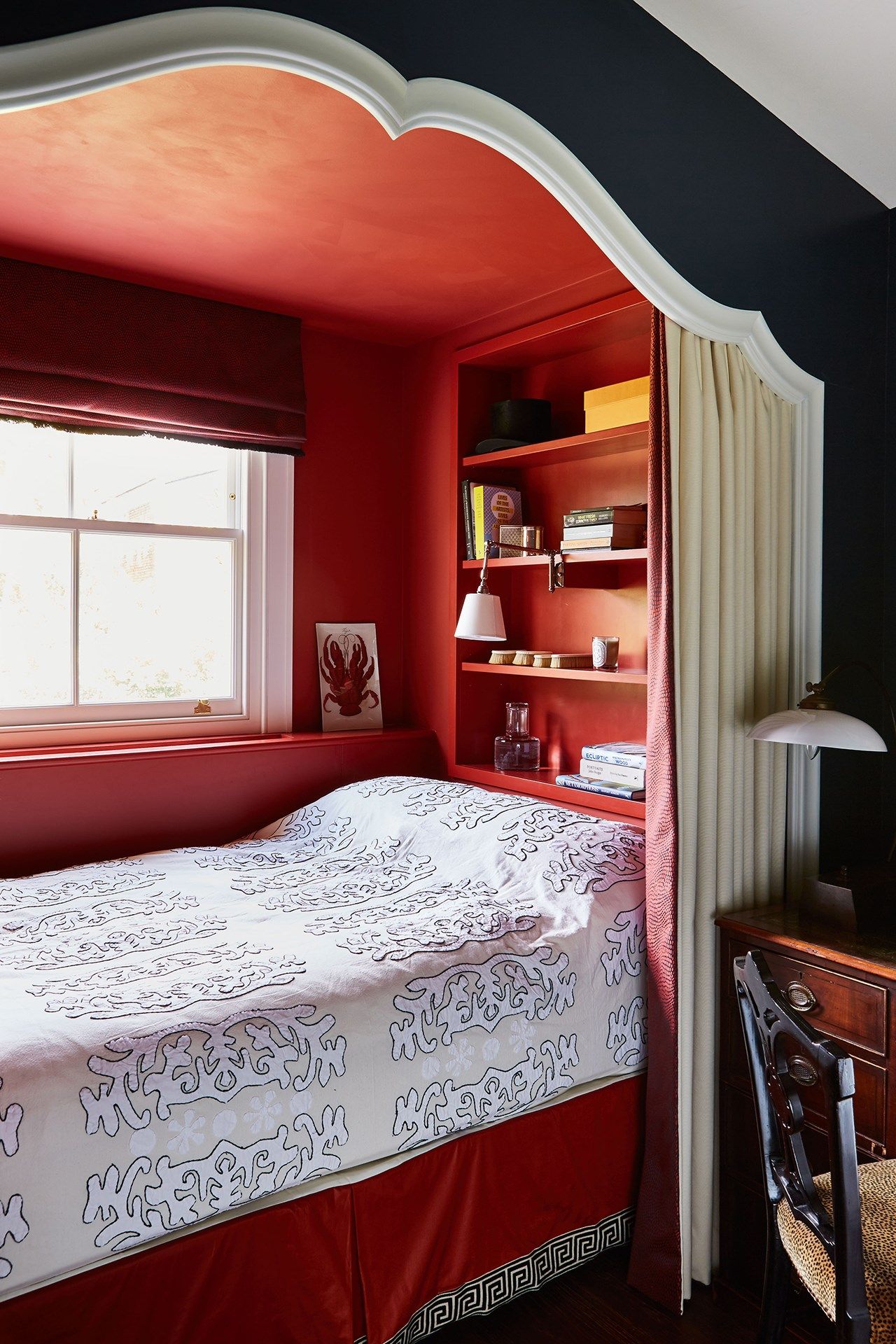
Curtained bed nooks with built-in lighting and shelves are another of her favourites, transforming the most awkward, unusable spaces into those that feel characterful, cocooning and full of charm. ‘They are an excellent tool in a small bedroom layout,’ she notes, and particularly good in a challenging spare room.
Indeed, tricky spare rooms are often sent to try us, serving awkward angles, limited square footage and other design conundrums. Alongside built-in bed nooks, day beds or well made sofa beds can also offer a valuable solution. However, styling is key. ‘Choose an upholstered piece, with a strong shape or beautiful fabric, that feels intentional,’ recommends Andrew. ‘It should be something you’d want in your home even if it didn’t double as a bed, rather than something that looks like a sad compromise.’ Both The House Upstairs and Maro at Home offer bespoke upholstery on handmade sofa beds, proving that they needn’t be the eyesores we expect them to be.
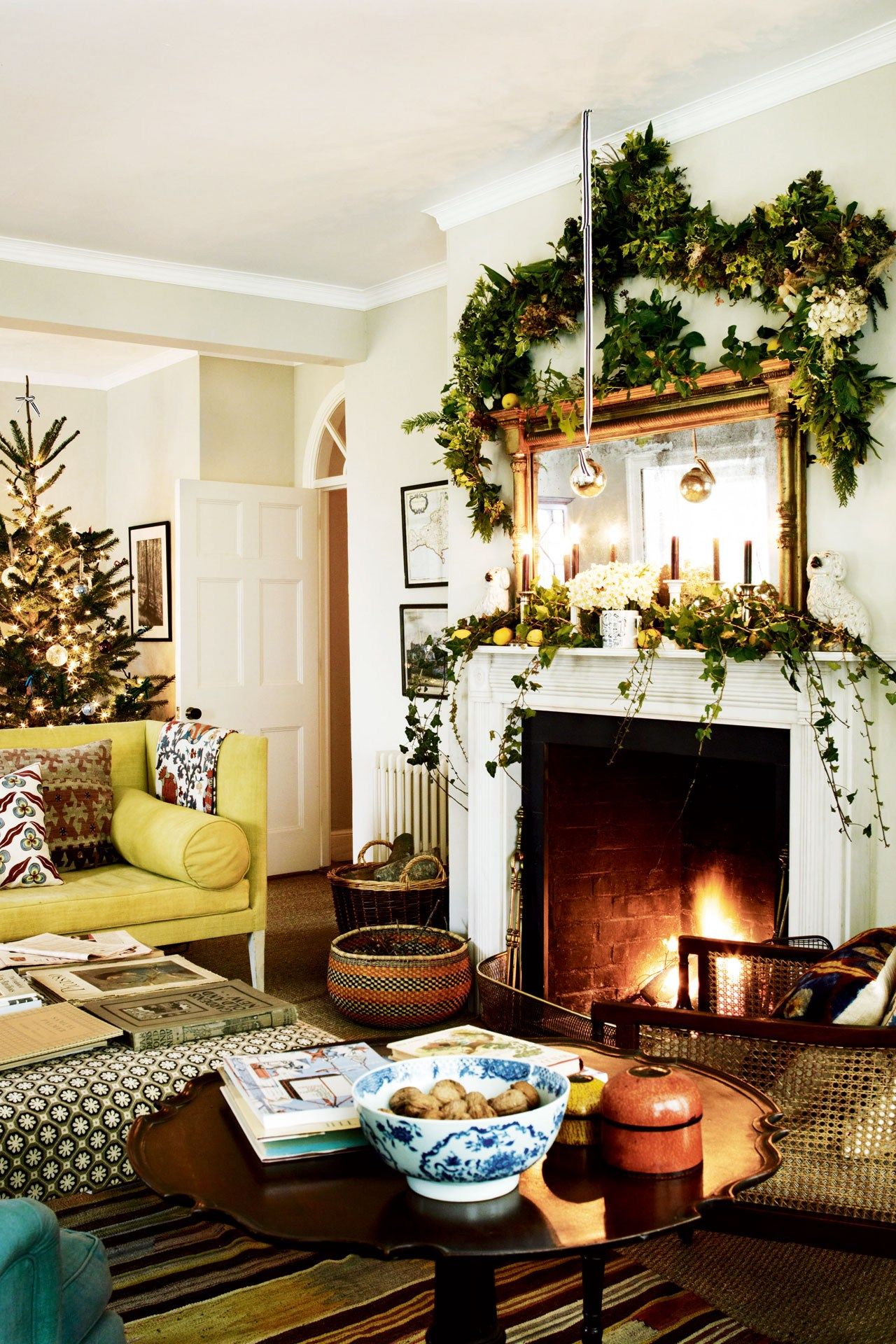
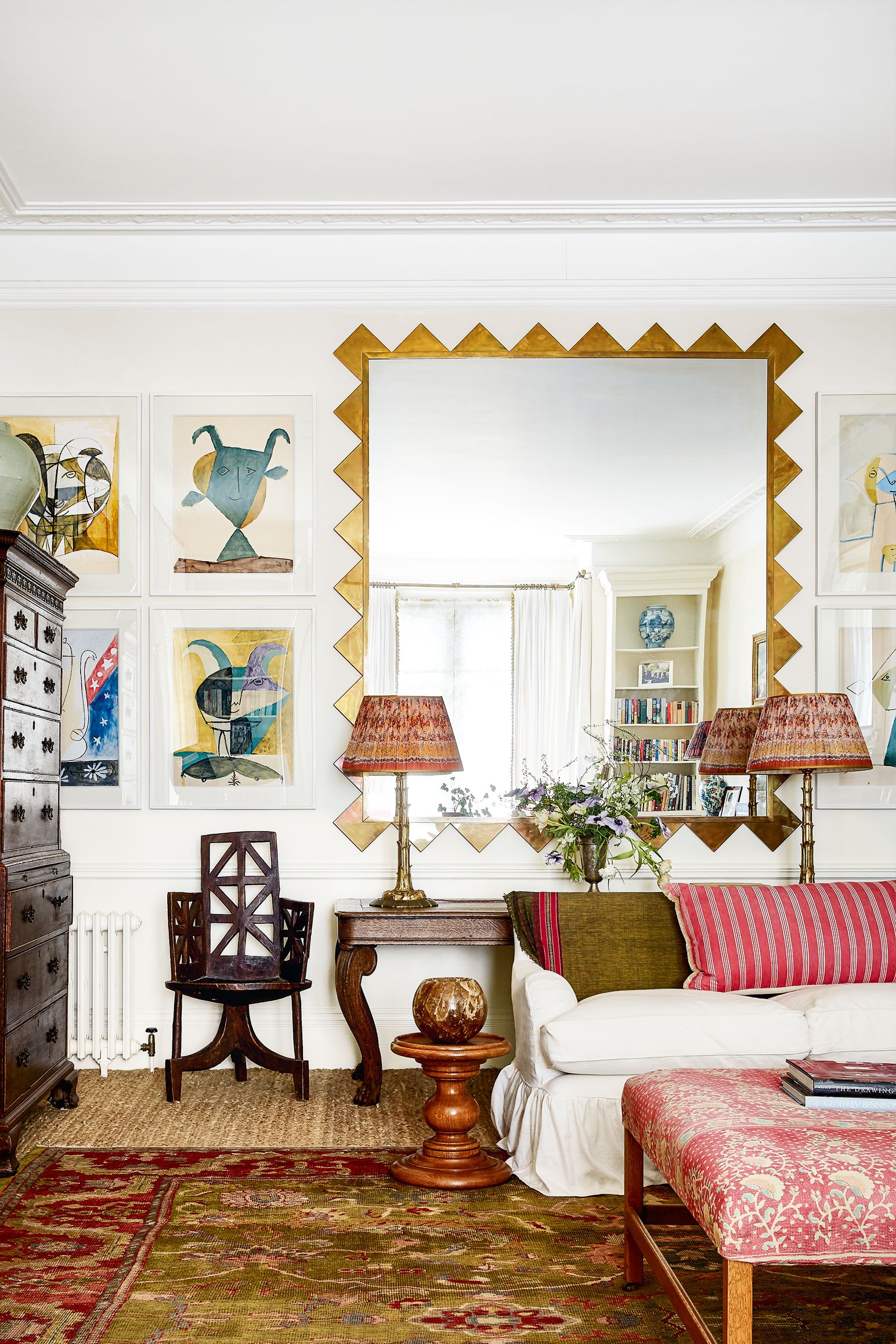
Whatever you choose, dress it as a generous and welcoming seat – layer it with cushions, add a side table and cosy lighting to create an inviting atmosphere – then restyle when guests arrive. ‘That way, it feels characterful, and not an afterthought,’ says Andrew. When visitors do stay, the space will instantly feel like a snug, hotel-worthy haven, rather than a neglected spare room.
Similarly, if you prefer to use it as an office for most of the year, take the advice of Chloe Willis, associate director at Sibyl Colefax & Fowler, and conceal filing cabinets, printers and other unsightly electrical equipment with eye-catching fabrics, such as Dabu from The Cloth House. This allows the room to double up seamlessly, while still feeling layered and warm – a technique she’s used in her own home to stellar effect.
There are also ways to make a space feel bigger, even if it is arranged in much the same way. ‘Mirrors can help to visually enlarge small, tight rooms, while also bouncing light around – particularly when placed adjacent to windows,’ says Tiffany, who designed her Tiger Console specifically for bijou city hallways.

When decorating, she also suggests using multiple shades of the same colour within a scheme: ‘It’s a trick that can help make a small space feel larger and more cohesive,’ she notes. Andrew agrees, adding that harmonious colour palettes give the eye less to ‘stop’ on, which helps create an effortless sense of flow.
To further enhance that feeling, use rugs to define different zones within a room, keep sightlines open, and choose furniture that feels proportionate to the space. Lifting storage off the floor wherever possible can also help maintain an airy, uncluttered feel. And don’t shy away from other characterful decoration – when clutter inevitably appears, a richly layered space (rather than a minimalist one) will carry it with charm.
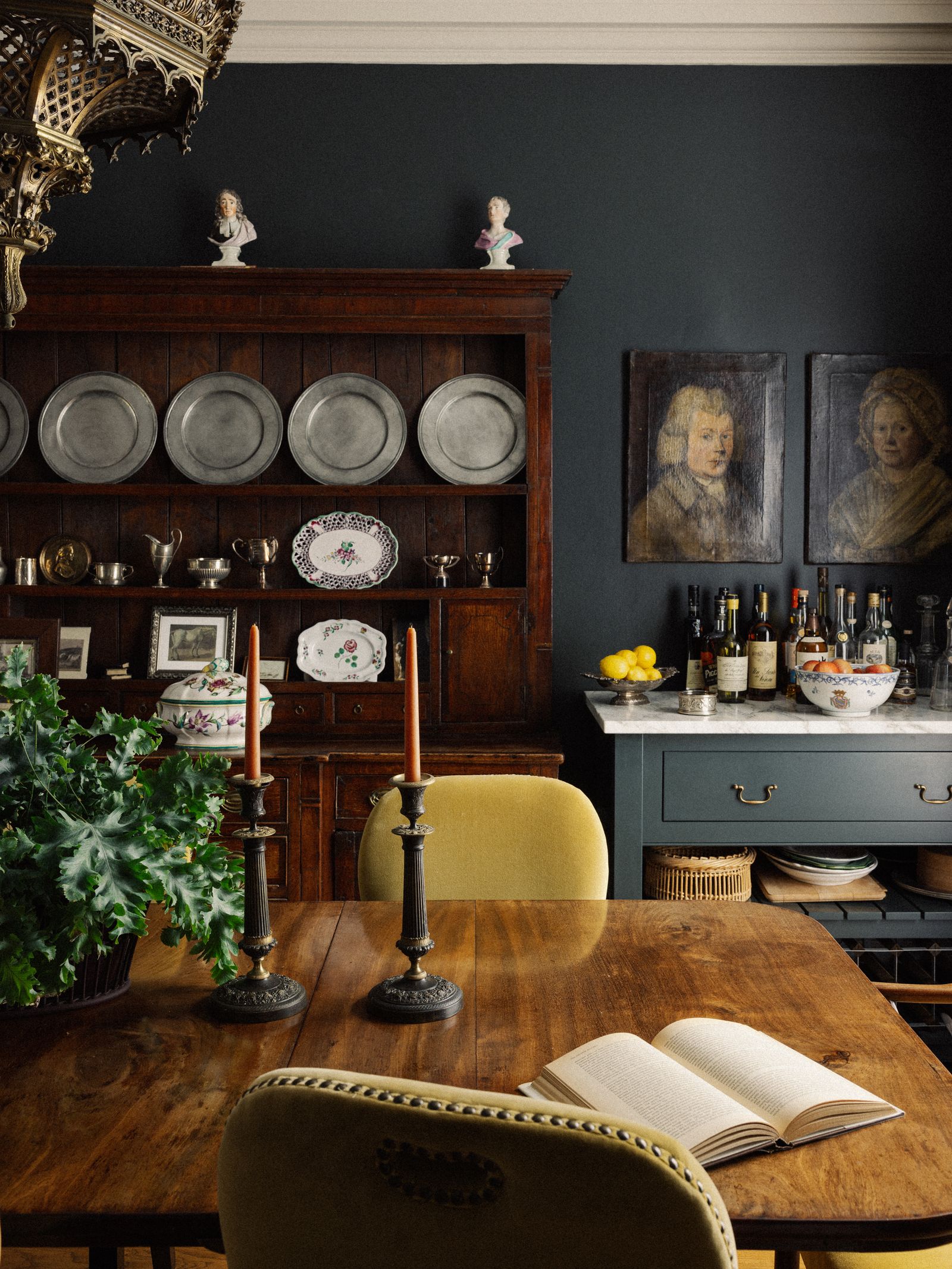
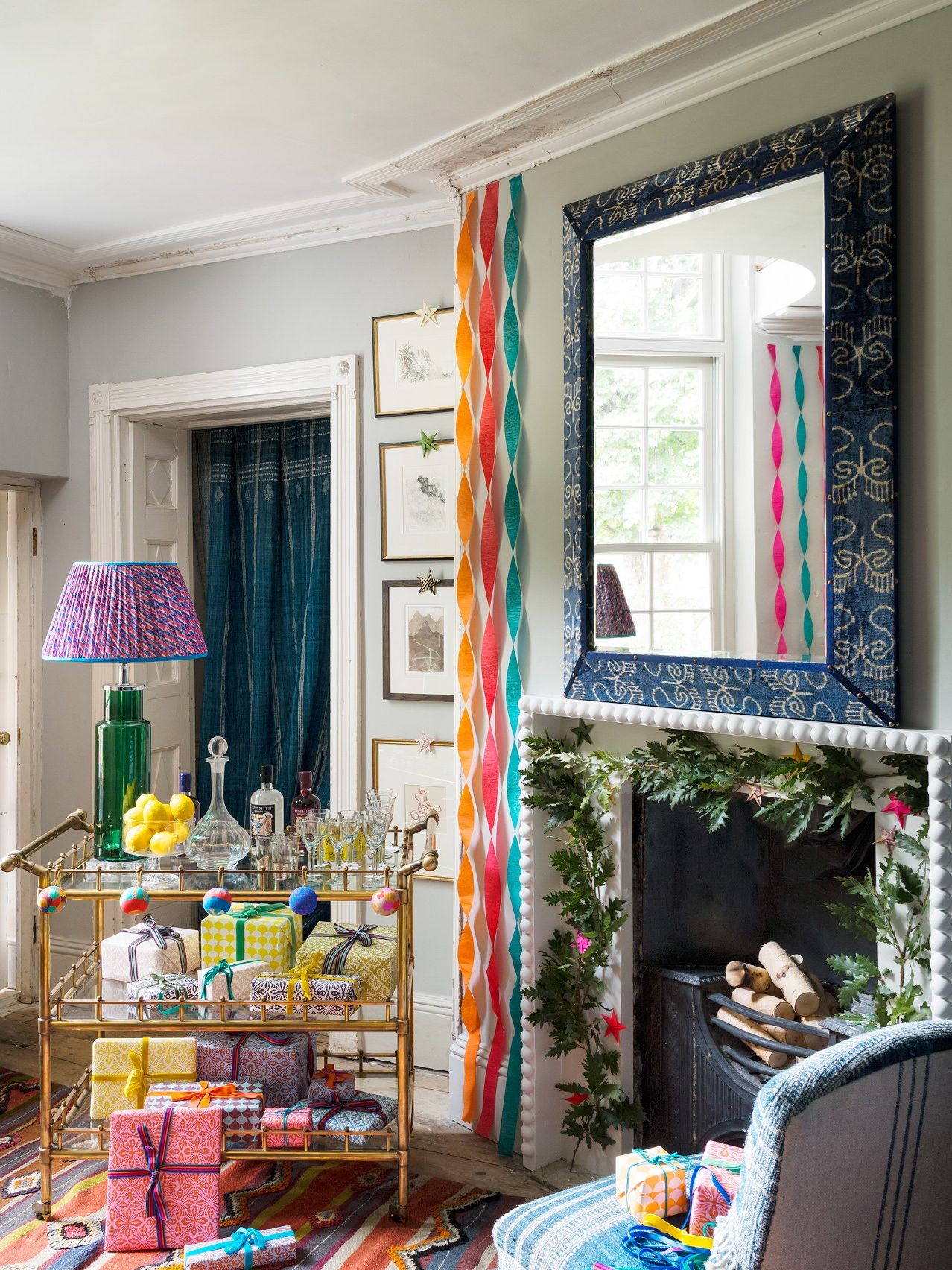
And last but not least – and because it’s Christmas – the bar cart: an invaluable piece of flexible furniture, which allows guests the liberty to help themselves to drinks while you get on with cooking or other festive duties. ‘There is something incredibly glamorous about a home bar, and they really do come in all shapes, sizes and budgets,’ says Emma Burns, joint managing director at Sibyl Colefax & John Fowler. ‘Consider a marble-topped table with serried ranks of mixer cans, bottles and glasses à la David Hicks, or a bar cart or butler’s tray, which takes up barely any room at all.’ Squeezed into an alcove or a corner of the sitting room, there is really nothing better. The only golden rule? Make sure it’s well stocked.