


The city-versus-country debate is a tale as old as time, and that’s roughly how long this writer has deliberated whether to stay in a tiny flat in London’s Barbican Estate or move somewhere more rural for a chance of verdant views, better air quality and affordable rent. Every time I mention it, which, unfortunately for anyone who hoped for more riveting conversation, is often, I’m met with a similar response: do it but wait until you’re older and ready for a quieter life. This well-meaning advice is usually offered with the assumption that I’ll have children at some point.
It’s a delightful vision for anyone’s future; moving to the countryside, retiring, spending afternoons pottering in the garden, cooking, walking the dogs, perhaps taking up a new hobby or entertaining the grandchildren. It sounds idyllic – especially if you’re still feeling like a zesty spring chicken with joints that just won’t quit – but what about until further down the line, when simple pleasures and ordinary chores might start to feel like a physical or mental struggle?
Caroline Abrahams CBE, Age UK’s Charity Director, said: ‘Where people grow older has a profound impact on their experiences of later life, so moving is a big decision. In our experience, most older people like to stay in their local community where they already have friends and family.’
If you’re a Millennial or Gen-Z, will a rural cottage retirement dream still appeal if you choose not to have children? And even if you have a whole brood, there’s no guarantee they’ll live nearby. If you need regular assistance but there’s no family network to help, does it matter if the nearest GP is several miles away? Or the bus to the nearest town only runs once an hour? Where there’s a will there’s always a way, but is it unnecessarily difficult to be more isolated?
John McDavid, co-founder of property buying agency Sekforde says ‘we’ve worked with older, retired clients who are in the process of selling large London houses that are close to their friends and all the restaurants and culture that they enjoy. They don’t want to give that up, but they don’t always initially realise that. When they’re first preparing to downsize, some clients spend a lot of time thinking, “Oh, let’s move to the country” as it seems like what they should do now that they have the freedom to live anywhere, but then they realise the reality of that move would be far from fun.’ John continues, ‘they go through that thought process, then they use us because they’re at a point in their lives where they don’t want to deal with estate agents or waste time on pointless viewings as they know exactly what they want. That home often ends up being a smaller version of what they’ve got already, or, if they’re less mobile, they’ll be looking for an amazing lateral space. After first debating a move to the countryside, our downsizing clients usually want to stay in the same area, regardless of age, because they want to be near everything that feels familiar.’
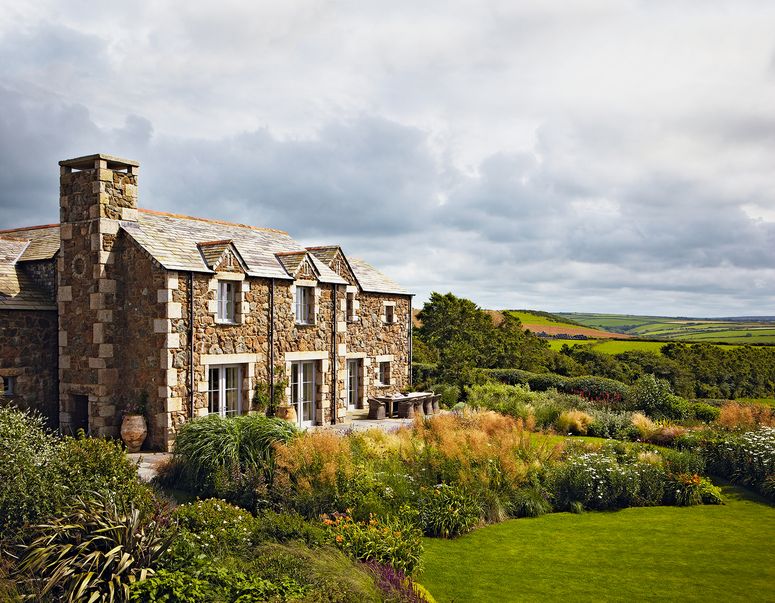
I recently asked my Instagram followers whether they or their parents had any experience of returning to – or downsizing within – a city after retirement. I didn’t anticipate the 80+ replies in my inbox from people whose family members either steadfastly refuse to leave London for a quieter life, or they’d dabbled in both worlds and eventually chose to leave their bucolic bliss for a busier, more convenient lifestyle in a large town or city.
One lady messaged me to say “my elderly parents have just moved from the Hampshire countryside to a flat in the centre of Bath and they love it – it’s given them a renewed lease of life. Their days are fuller and everything is so much easier now they’re in a city again after decades in a beautiful but remote house.”
It began to feel like a familiar story as I read one anecdote after another about parents and friends who downsized from houses in the suburbs to practical city flats on one level, or modern ‘over 50s’ communities with 24-hour porters and on-site facilities like gyms and coffee shops.
Some described the country-to-city move as being incredibly helpful for their family member’s mental health and general well-being. Despite the increased noise and potential for stress, their parents felt happier and more sprightly in busier locations with easy access to the things they love. Ageing might make our knees ache, but it doesn’t diminish the desire to be immersed in culture and the general hubbub of life.

Julia Collins, vintage art dealer and founder of Collins & Green Art is currently in the process of downsizing from a large Chelsea townhouse to a much smaller house in Hammersmith. As a fervent fan of city living, Julia explains that she can’t imagine leaving London, even after she retires. ‘Downsizing in London now means I can totally indulge myself in the design and decoration of my new house without losing access to the things I love about the city.’ She continues, ‘it’s crucial for my work to visit galleries and museums to see what’s going on in the art world. I also love going to the cinema as it’s essential for my mental health and you can’t be so spontaneous about that in the country. I also hate mud and the cold! I fear leaving London would tip me into depression for at least half the year. I will stop working eventually and I know I’d feel completely lost and bored if I moved to the countryside.’
From the responses to my Instagram call-out, loneliness and boredom were mentioned several times as a reason for moving – usually after losing a partner or finding themselves with a diminishing network of friends and fewer face-to-face interactions. Some mentioned parents choosing to move closer to (or even move in with) their urbanite children and grandchildren, rather than expecting the move to be the other way around.
Chloe Bliss, Head of Sales at The Modern House commented “we're seeing an increasing number of older clients who are looking to downsize and move from the countryside into cities or more built-up areas. This is usually to be closer to family or to be within easy reach of amenities and things to do.”
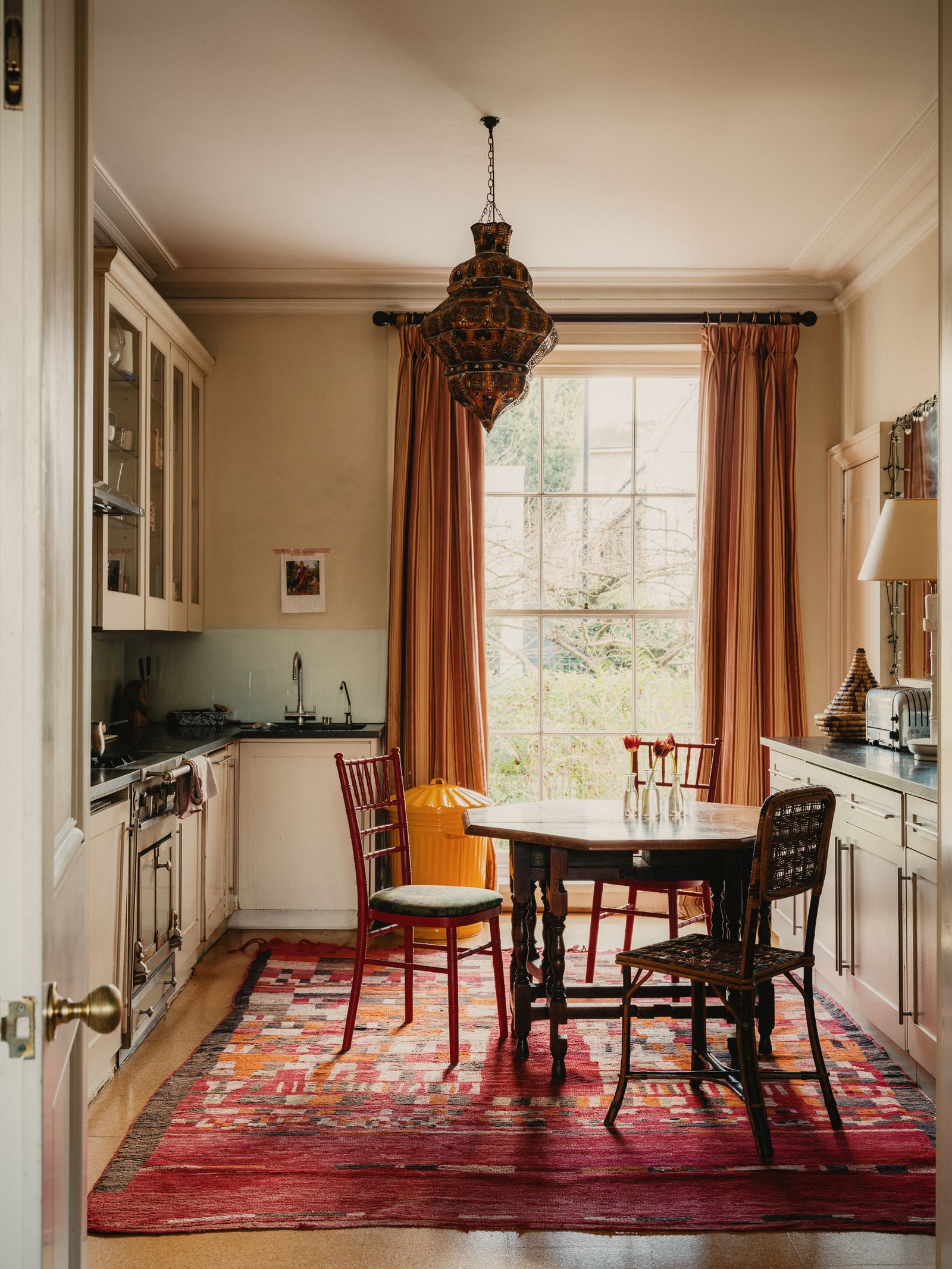
‘I came here to die,’ says Adam Hogg, one of my neighbours in the Barbican Estate. Not that he’s winding down any time soon. At the age of 81, he’s just been elected as a local councillor and his diary is so full that we had to schedule a specific time to chat. Averse to a residential home if he can avoid it (he took a pilates class before we spoke, so the chances are looking good), Adam is hopeful that his stylish, art-filled Zone 1 flat will be the last place he lives. It’s a significant downsize from his previous homes in Highgate and Chelsea and more central, too.
‘I first came to Barbican in 2003 and rented for a few years – I was having such a nice time that I stayed longer than I’d planned to’, Adam explains. ‘Then I moved away and lived in Chichester where I had a second home, but it was probably a mistake. I suddenly realised that life was London and I should be here, so I sold my house and came back.’ He adds ‘I was near Chichester Harbour and had a group of friends, it was all very nice but I don't miss it at all. I like London – there's a fizz about the whole place and the Barbican Estate is bliss. I’ve got rid of my car and it’s so easy to get anywhere on the Elizabeth Line.’
Besides the obvious convenience of being minutes from plentiful public transport options, supermarkets, GP practices and hospitals, I ask Adam what he likes to do as an octogenarian in central London, to make the most of the location. ‘Barbican feels like it’s at the centre of the world, and as long as you’re still active, it’s very well connected, so I go to restaurants and the theatre a lot. When I rented my previous flat here, I spent a year learning how to be a professional chef at Leith’s school. It was the happiest year of my life in many ways because I would go off on the tube to cook in the morning and then I’d be at a lecture in the afternoon. I did this five days a week – it kept my brain ticking over.’


