


A year or so ago, I – or rather my sitting room – was tagged in an Instagram reel devoted to the ‘frazzled Englishwoman interior.’ I can’t pretend I was immediately thrilled: according to dictionary definition, ‘frazzled’ describes a state of fatigue caused by doing too many things at once. And while yes, technically that is me (isn’t it all of us?) nobody enjoys being told that they – or their sofa - look tired. But I perked up a bit when I noticed that one of Alexandra Tolstoy’s preternaturally stylish rooms featured on the same reel, and rallied even further on discovering that the term is, in certain areas of the internet, aspirational. Moreover, ‘my sitting room has probably headlined under that title, too,’ says interior designer Lucinda Griffith. But what exactly – beyond the un-plumped cushions and piles of magazines of my sitting room (the photo was swiped from my Instagram stories) – does it constitute, and what lessons can we take from its popularity?
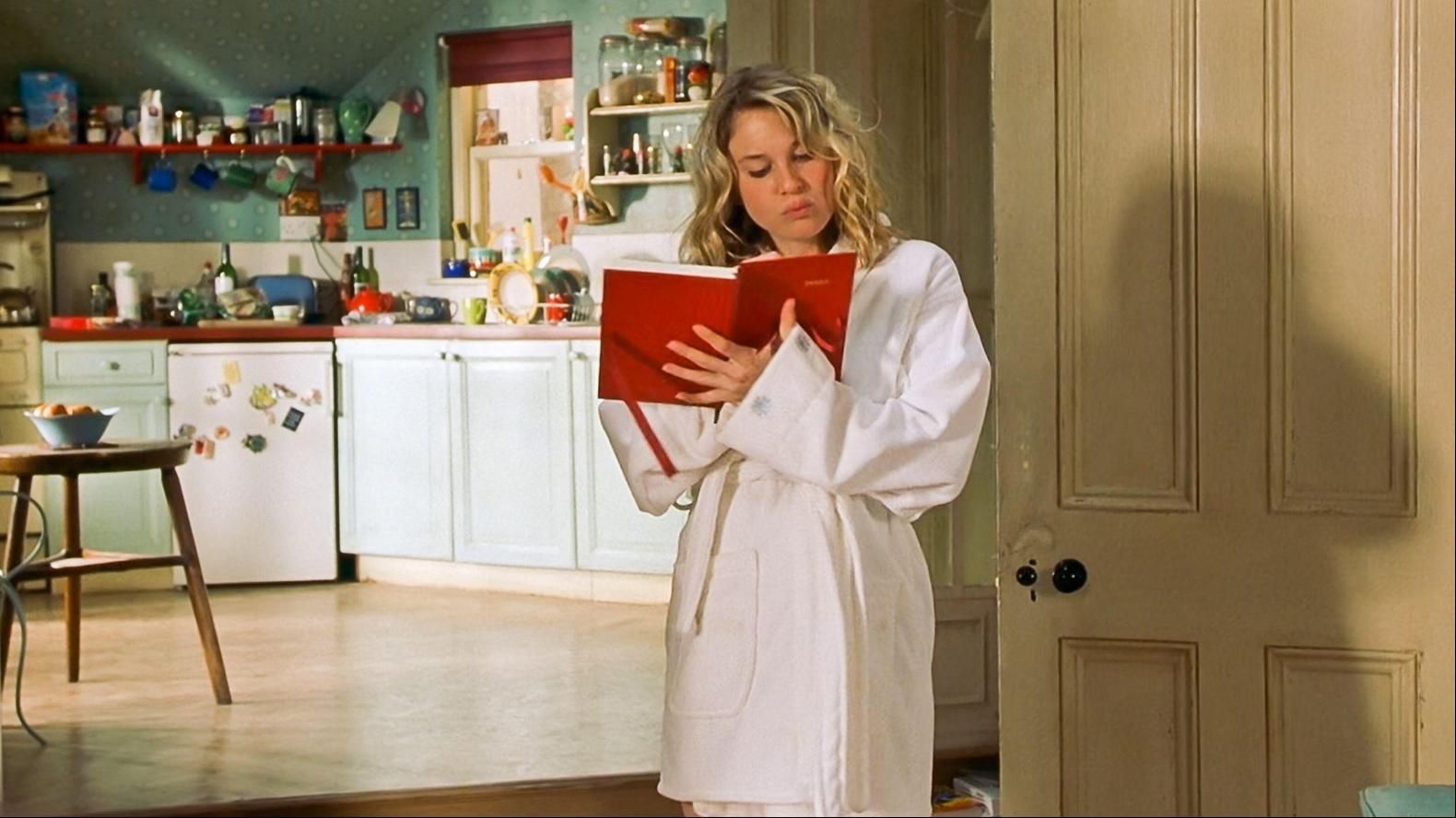
Rewind to 2022, and the ‘frazzled Englishwoman aesthetic’ was coined by an Australian fashion magazine to describe a look reliant on the artfully undone. It’s not new, Robert Herrick wrote a poem in 1648 that eulogises ‘a sweet disorder in the dress’, but the writer referenced more recent iterations, specifically, Kate Winslet’s character Iris in Nancy Meyers’ The Holiday and Keira Knightley’s Juliet in Richard Curtis’ Love, Actually – and their predilection for cardigans, scarves, minimal make-up and seemingly low-maintenance hair. The phrase, held together by a hashtag, quickly took off on social media, particularly in the US.
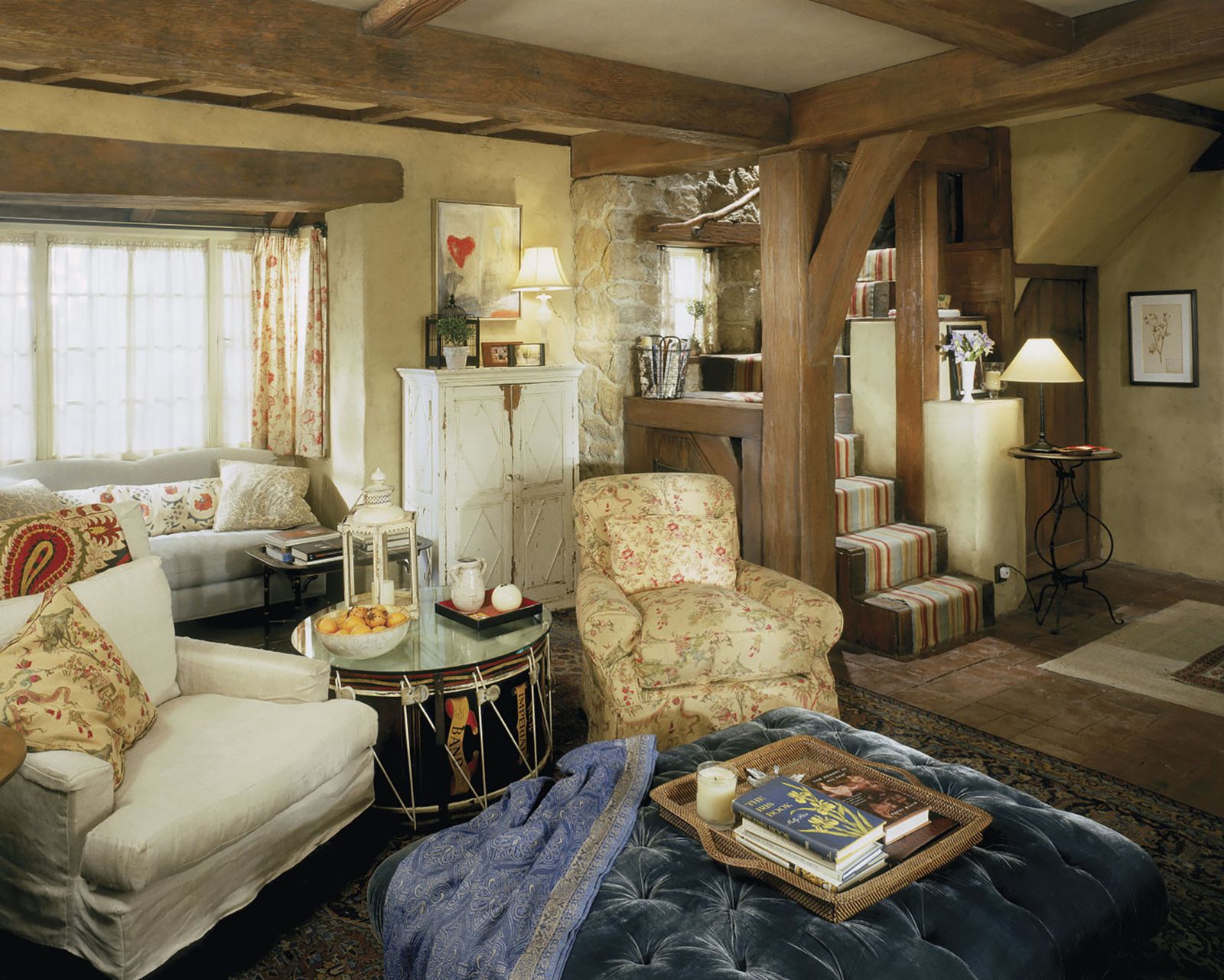
In Tik-Tok time, three years is basically three decades, and yet the idiom has endured, propped up by the release of Michael Morris’ Bridget Jones: Mad About the Boy, the elevation of the rom-coms mentioned to the pantheon of all-time Christmas greats, and fact that the notion has segued from how we dress to how we decorate, the latter having a longer life-span - albeit the same genesis.
For the purpose of analysis, let’s conflate fiction and fact, and note that Iris, Juliet and Bridget live, respectively, in an 18th century cottage, a Victorian mews house, and a Victorian terrace - all, incidentally, types of houses familiar to Alexandra, Lucinda, and myself. The antiquity is relevant: nearly 40% of British housing stock is over 80 years old. In the US, only 12% of homes meet that criteria, and in Australia it’s even less which, as Texan-born interior designer Brandon Schubert has observed, increases the romantic appeal. And it is age – coupled with the absence of modern insulation – that has driven a particularly English manner of decorating that tends to be less ‘new’ that of our American cousins. A ‘frazzled Englishwoman interior’ owes to the faded comfort of country house style and, if we continue to employ the locution of internet subculture, the nostalgia of cottagecore.
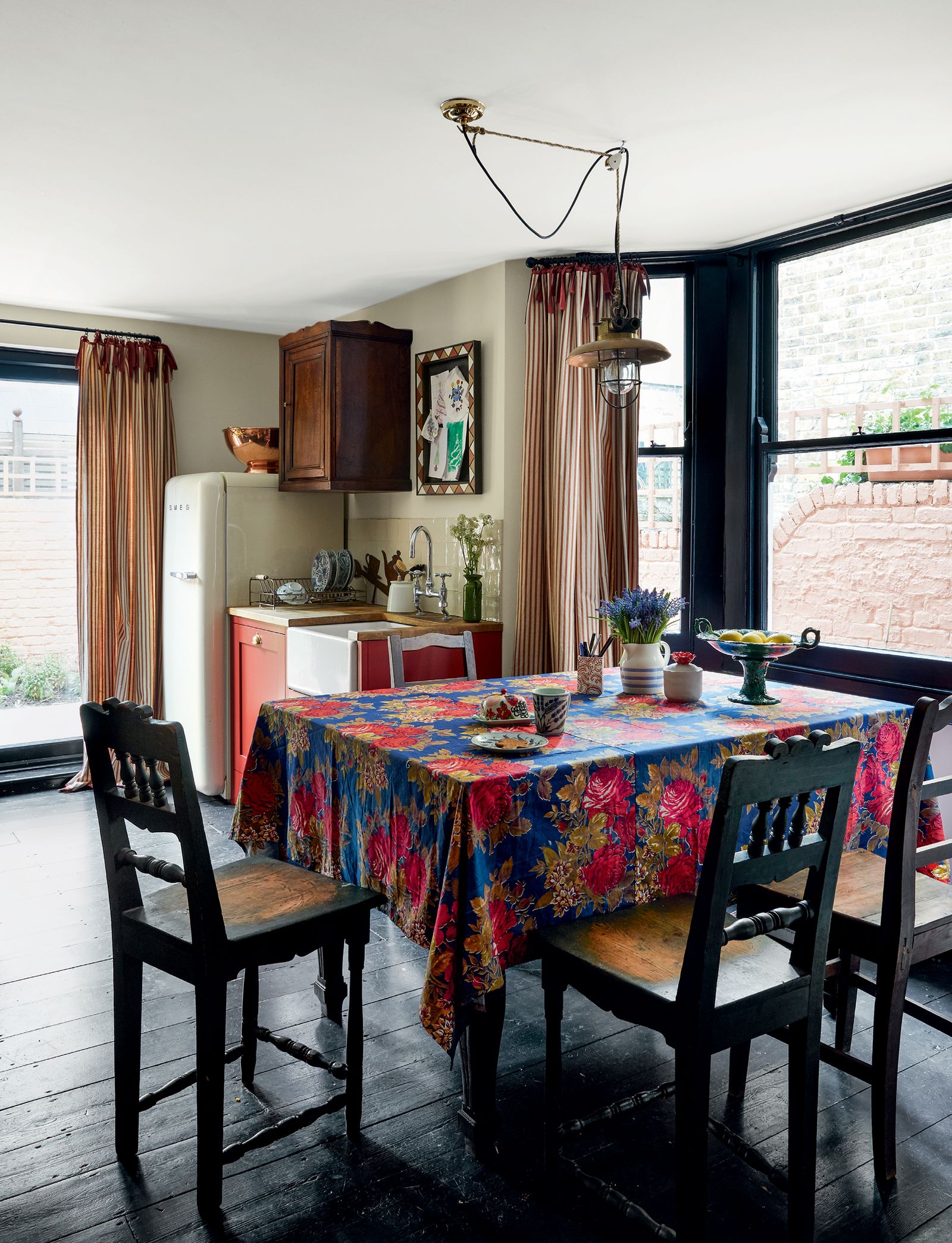
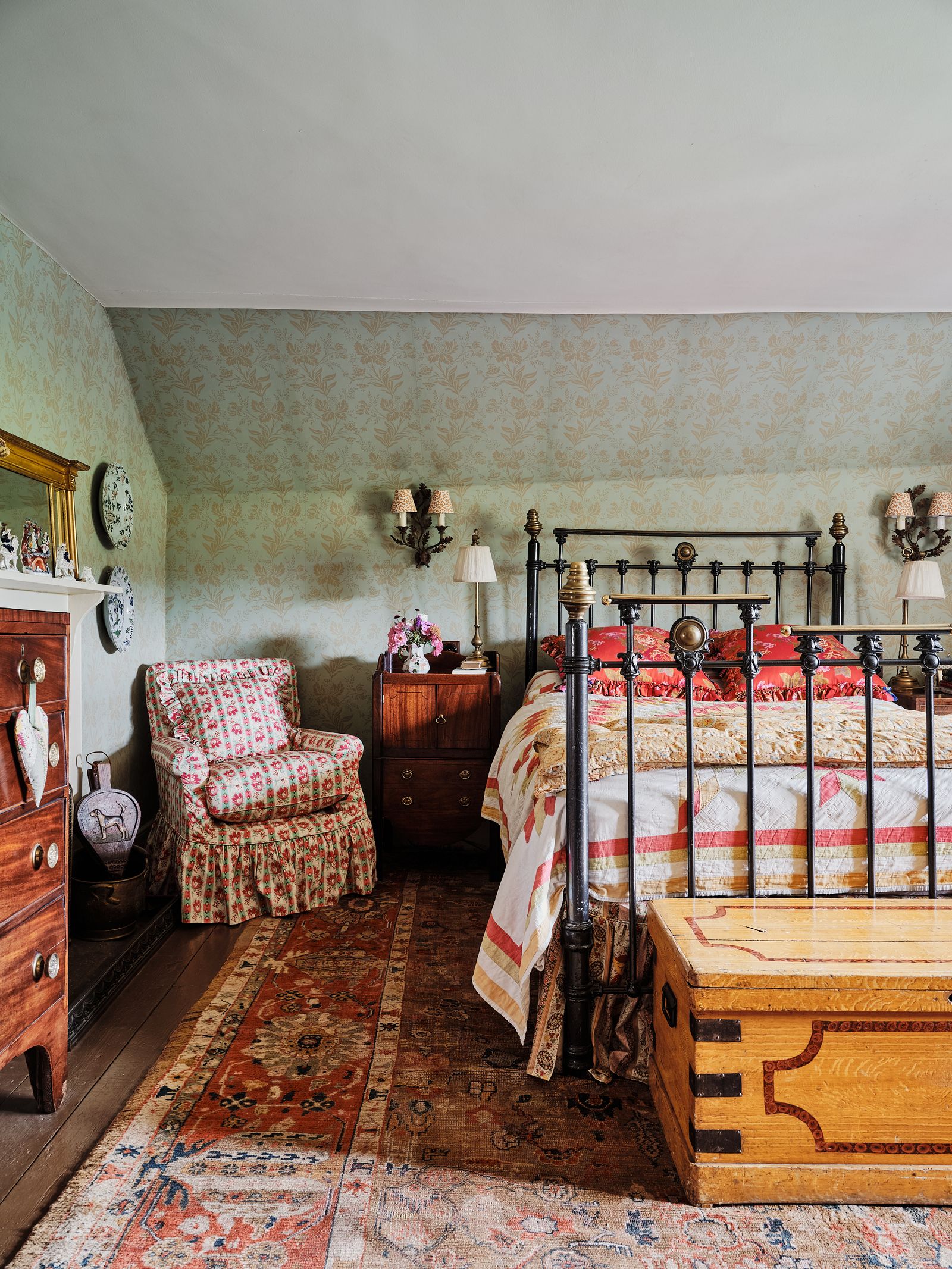
For anyone aiming for emulation (and who isn’t obsessed with Bridget Jones’ house, or the cottage in The Holiday?) worth remembering is that those film sets were built from scratch; Kave Quinn, the Production Designer on Bridget Jones: Mad About the Boy has spoken about finding reclaimed floorboards, and sanding down mouldings to de-sharpen them. Then, examining root sources, note kitchens designed around an AGA or range cooker, countertops in marble or wood (it’s all about natural materials), and the high probability of a brimming dresser. In bathrooms, roll-top baths are in, along with armchairs. Furniture on the whole leans towards vintage and antique, might be brown wood or painted, and there’s little in the way of a matching three-piece suite for it’s a look that owes to the idea of happenstance, and a good eye. The same applies when it comes to the layering of texture, colour, and pattern, via curtains and carpets, quilts and rugs. There is choice in terms of range of hue and extent of pattern – which almost definitely includes chintz and a ticking stripe, but might go as far as Chinoiserie (as with Bridget’s bedroom wallpaper), or Central Asian ikats (see Alexandra’s cottage.) Rooms are naturally lit by day, lamp-lit by night, and personal artefacts abound: pictures, wall-hung plates, Staffordshire flatbacks, vases of flowers, and plenty of books. It’s lovely – although you might, at this point, be wondering what exactly distinguishes a ‘frazzled Englishwomen interior’ from more general English decorating?
It's subtle – and the answer is in the specifics of the film sets: the myriad toys in Bridget’s kitchen, the pencil marks on the wall that show the heights of her children, and the half-drunk cups of coffee on a table in her bedroom – all of which would have been tidied up or out of a magazine spread. ‘House photoshoots,’ describes Brandon, tend towards ‘staged and curated. We try not to erase all the signs of life from an interior, but [in an effort to present an easily readable ideal] we invariably take out the messy energy that houses naturally have.’ True, the accompanying texts reinsert life, revealing, for example, that Alexandra’s cottage is all about ‘dogs on beds, and children running in and out of the garden in wellies.’ And yet there are other corners of the Internet – those not espousing the ‘frazzled Englishwoman interior’ – offering evidence that some people have come to believe that cushions should be permanently plumped, and as those images spread, so standards rise. ‘It can become rather intimidating,’ points out Lucinda - while as for those pristine rooms, ‘it makes you wonder if you are allowed to sit down, and if your mug of tea on the table will ruin the aesthetic, when actually, sitting rooms are for sitting in.’
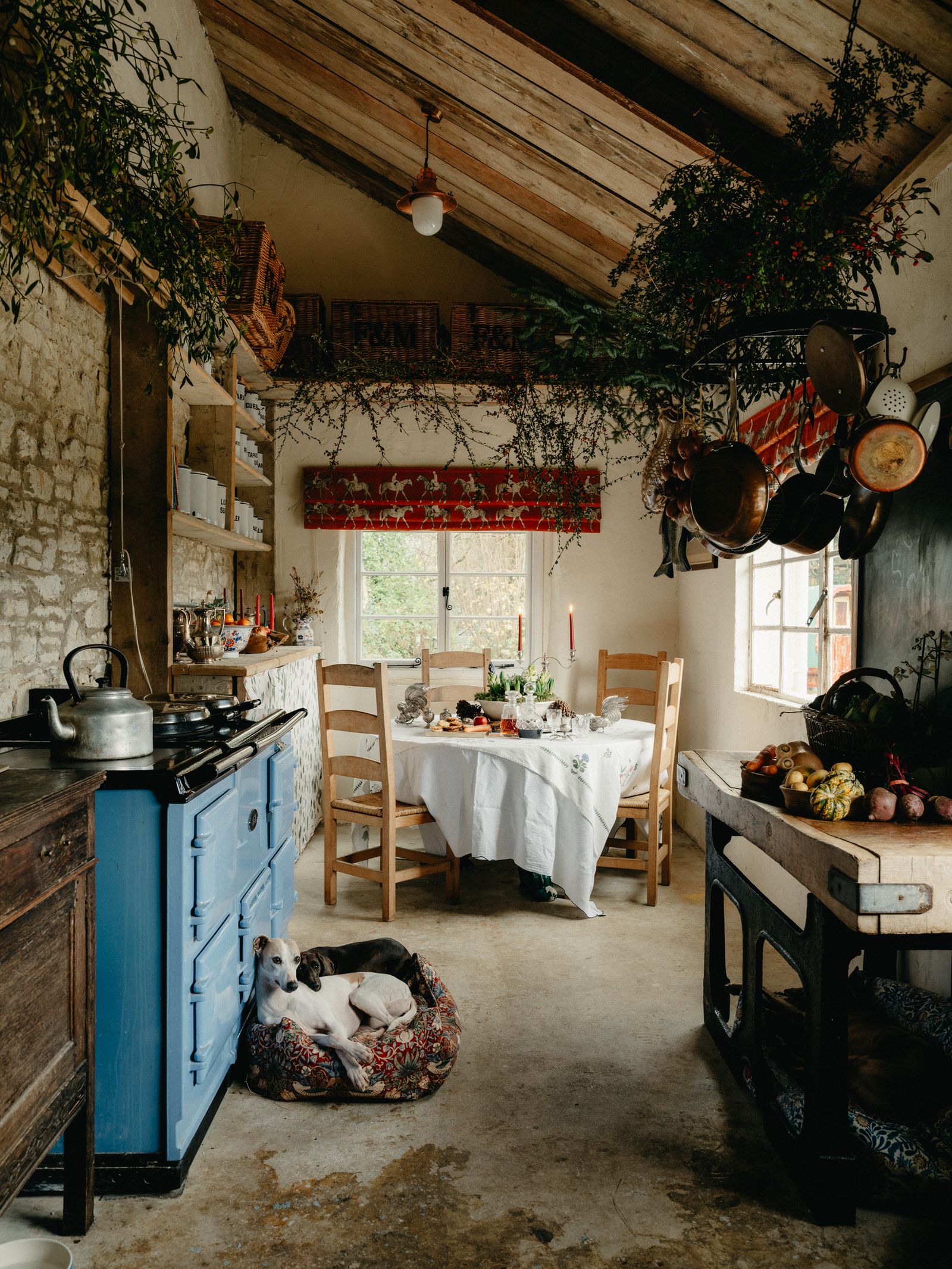
Essentially, we could see the popularity of the ‘frazzled Englishwomen interior’ as a call to embrace the imperfect detritus of life. Not all of it - mounds of phone chargers are not attractive, and cleanliness matters: nobody wants to be so exposed to dog hair that ‘they leave your house with a fur coat they didn’t want,’ points out Lucinda. But there is certainly a case for deprioritising a meticulously made bed every day – in favour of finding more time for other pursuits within the bounty of existence – and, similarly, allowing the build-up of, suggests Lucinda, ‘a small mountain of newspapers that the Ordnance Survey is about to list as a new hill, a tapestry project that you’ve been working on for the last 15 years, and piles of books.’ She adds, ‘they says frazzled, I say interesting,’ while to return to Herrick’s poem, he called disorder bewitching. And that might be reassuringly welcome news for those of us who haven’t already (inadvertently) nailed some of the elements.


