

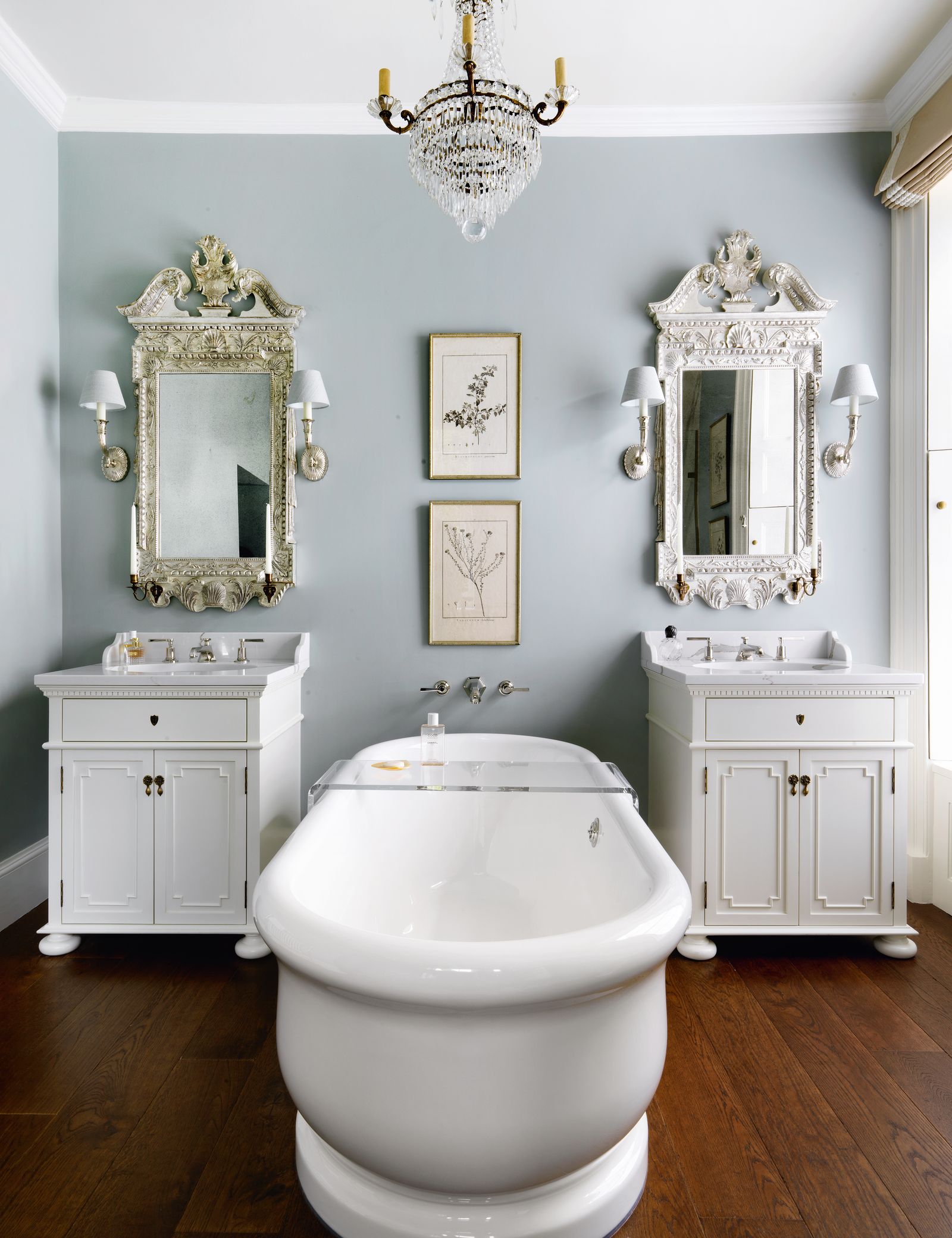
If you’re renovating a bathroom, one of the most impactful decisions you will make concerns the bath. Will you be seduced by the charm of a freestanding bath, or will you opt for a more practical built-in version? Much of it comes down to personal taste, of course, and the size and layout of your bathroom, but there are some concrete considerations to bear in mind. As interior designer Henriette von Stockhausen of VSP Interiors tells us, “it's not just a functional decision, it shapes the entire atmosphere of the space.”
Why to choose (or not to choose) a freestanding bath
“Freestanding baths can look and feel glamorous,” notes Mary Graham of Salvesen Graham, and this is an advantage echoed by others. “These types of baths are generally a cosmetic option,” explains Christian Bense, “and we tend to use them more in master bathrooms where we are after a certain look or a feeling of romanticism. Personally I like a freestanding bath in a more traditional setting, where it sits in the middle of the room like a piece of furniture.” Henriette also leans towards them in a period house: “they feel historically appropriate in Georgian, Victorian, and earlier homes, where plumbing was often a later addition and bathrooms were often adapted drawing rooms or bedrooms.” It’s something that Joanna Wood often does in traditional settings too – her daughter Hattie Hansard, who designs for the studio, says they look especially good when “there is the space to let the bath almost take on a sculptural feel. They look particularly fantastic when used to either complement or contradict the architecture of the room.” They're not just for traditional interiors, as the team at C.P. Hart point out: “freestanding baths are versatile and available in various styles - from traditional roll-top to contemporary minimalist designs - to suit diverse interiors.” The brand's ‘Portland’ and ‘Leadon’ models are two examples that would work beautifully in a modern interior.
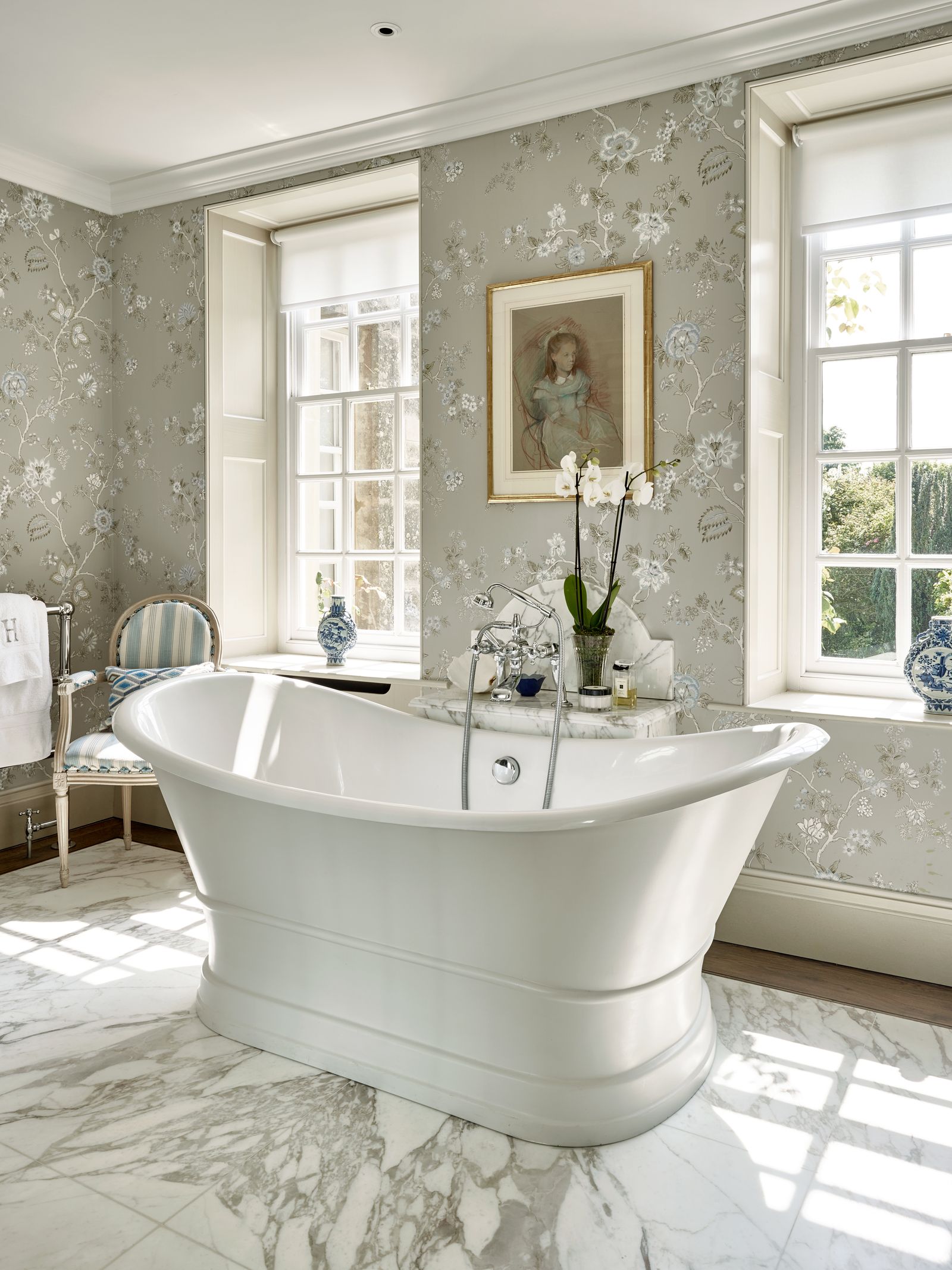
If you have a certain kind of small space, a freestanding bath can work well. “The rounded shape of a freestanding bath means that it can often tuck nicely into tighter spaces,” says Christian. “You can position one in the middle of a room or between doors or under windows, so they have the capacity to take up less space than a built-in version.” Henriette also likes to put them under windows with views: “it's something we’ve done often in manor houses to dramatic effect.”
There are some obvious cons, however. The lack of anywhere to put anything around the sides is a big one. Bath trays are the usual way that people get round this, while if the bath is next to a wall, you may want to build in a shelf or ledge where you can put toiletries, or buy a side table or trolley that can sit next to the bath and be moved if necessary. Cost is another consideration: “freestanding baths can end up costing more to install – from the tub itself to expensive taps with exposed pipes,” says Mary Graham. If you’re placing a freestanding tub in the middle of a room, the plumbing will likely become a lot more complex, and if you were considering a shower-bath, then of course a freestanding bath will almost certainly rule this out (it's not impossible, but it is tricky). “Freestanding baths also come with their limitations on sanitaryware,” says Christian, “so you need to ensure that you are working within these constraints. It often means that going for quite simple contemporary brassware is harder to do.”
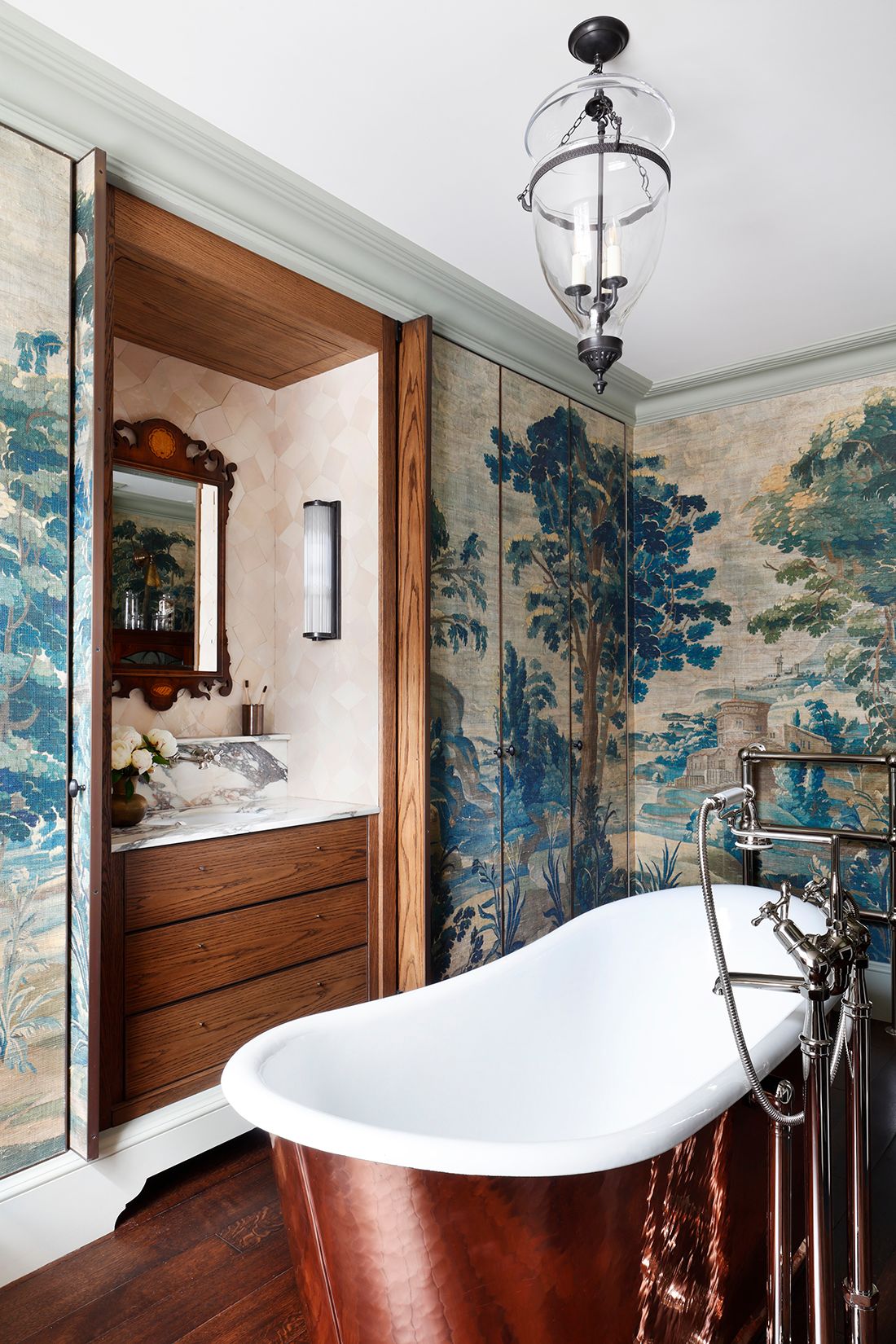
One of the most crucial downsides of a freestanding bath in our opinion is that you almost inevitably get water splashing over the side, especially if you are using a hand-held shower head to wash your hair. “There’s no hiding drips or splashes,” says Christian, “so there is always a bit of admin that comes with a bath. Hence we tend to use these more often in grown up spaces where splashing isn't much of a concern, or a quick towel dry is easily done.” If you place a freestanding bath against a wall, however, you may find that water drips into the difficult to clean area between the bath and the wall.
Why to choose a built-in bath
Everyone agrees, therefore, that a built-in bath is a more practical choice. Their ability to contain water is an underrated positive, and “can be especially important in family bathrooms,” notes Hattie Hansard. Built-ins also offer much more room for storage, as even a minimal ledge around the bath gives you somewhere to put your toiletries, and a more generous one offers room for a book, that glass of wine, and anything else you want on hand while you’re wallowing. "It is also much easier for modern plumbing and easy access to it", says Henriette. “This is particularly useful in listed properties where visible pipework may not be desirable or where structural constraints exist.”
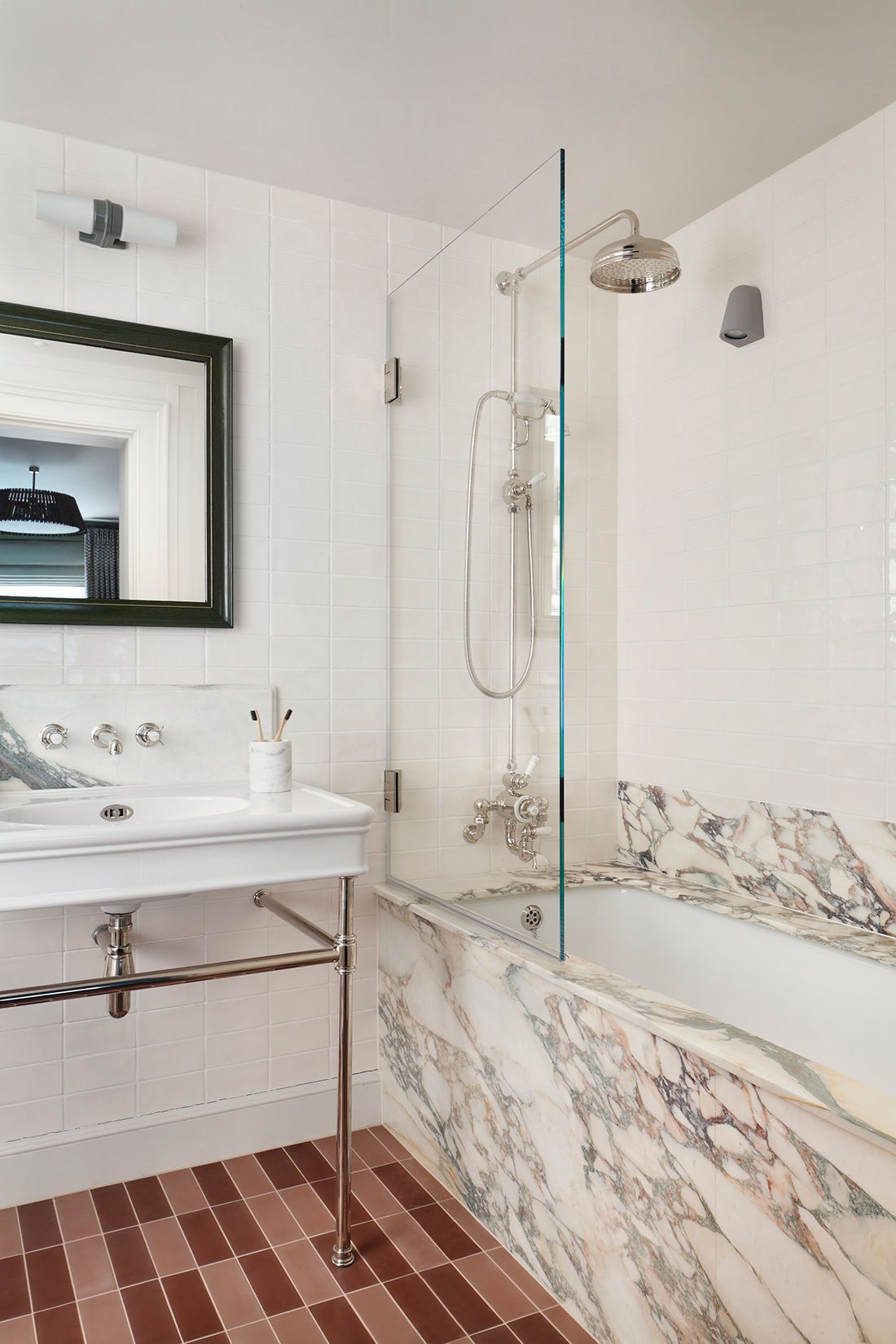
In terms of space, Christian Bense notes that “built-in baths probably do need the most space, as you need about 80mm all round at least to make for a meaningful surround,” Hattie explains that “built-in baths work best in space where it makes sense to block out a significant portion of the room. Even though they take up more space, they actually suit smaller bathrooms where you can take up a whole wall and 'own it'. They can give a more streamlined look in a space where a freestanding bath might look a bit forced.” Henriette von Stockhausen agrees, noting that “built-in tubs are ideal in more compact bathrooms or attic conversions within country houses where space is at a premium as it makes efficient use of the space.” The fact that built-in baths conceal pipework is another major advantage, although Christian emphasises that you do need to consider an access panel built into the side of the bath.
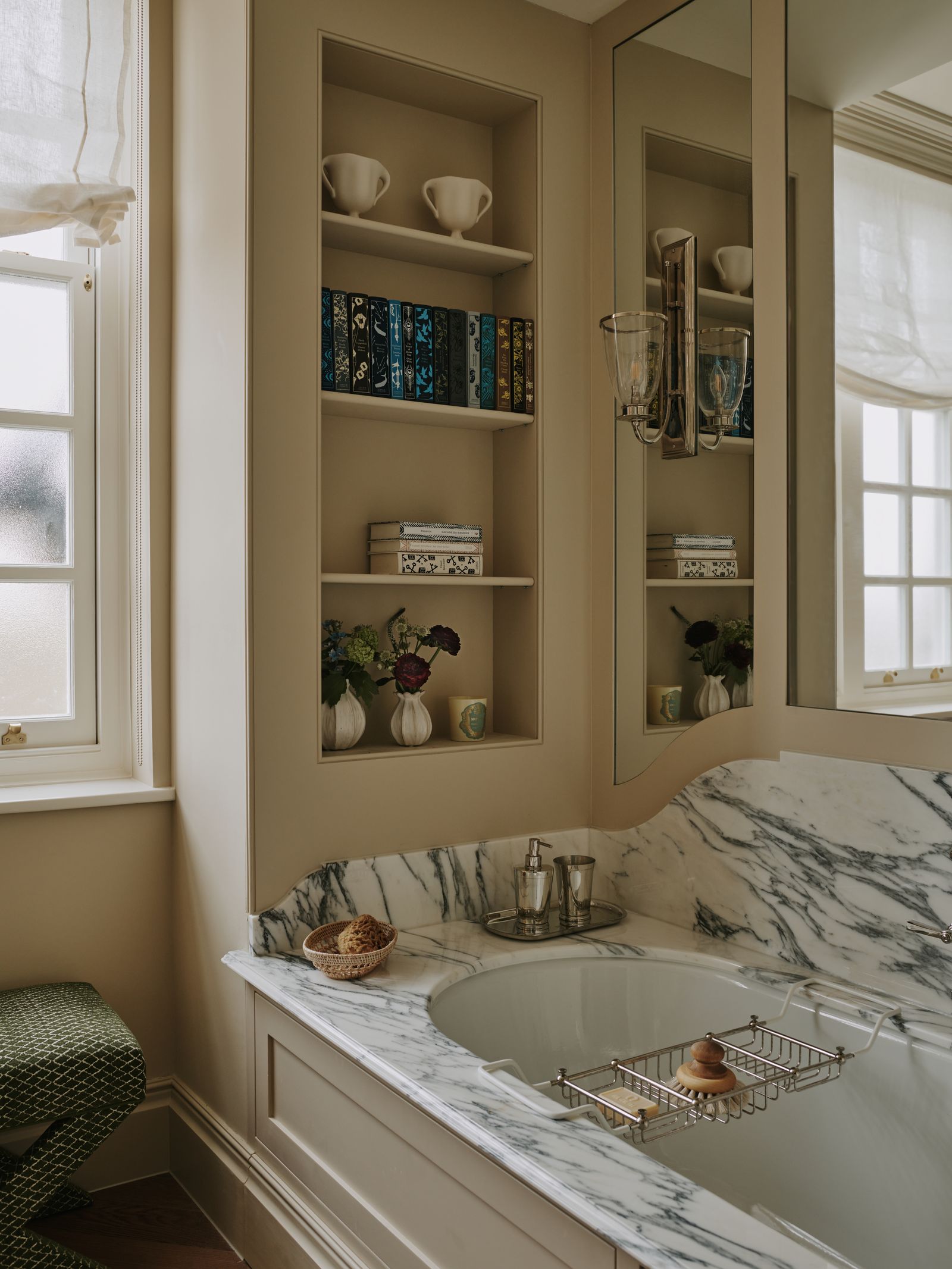
Finally, built-ins offer a lot more freedom. “If you opt for a built-in bath,” says Mary Graham, “you open up a wonderful world of options for surrounds and splashbacks – tiles, marble, glass, antique mirror glass, slate, timber, etc.” Christian emphasises the same point: “Built-ins mean that you can choose pretty much any bath you like in terms of comfort, and it can be clad in any number of materials which tie into your scheme.” This can allow the bath to actually assume a less obtrusive place in your interior, as Henriette explains: “sometimes a more streamlined look offers a cleaner, quieter visual impact, especially when finished in stone or wood surrounds that echo other architectural finishes.”
And comfort is not to be underestimated. As Barbara Sallick, CEO of Waterworks, concludes, “whether you choose built-in or freestanding, the most important thing is to test for comfort.” Go and sit in the bath you’re planning on installing, or risk years of minor irritation every time you get in.


