The affection for the great British pub runs deep in our national psyche. But, like any institution it has to adapt to change. This is why, in recent years, more enlightened publicans and estate owners have begun enlisting interior designers to reboot the fortunes of loved but lacklustre locals. Octavia Dickinson, James Thurstan and Isabella Worsley are among those who have turned their hand to public houses, bringing their colourful, eclectic, art and antiques-centric aesthetic to pubs both rural and urban.
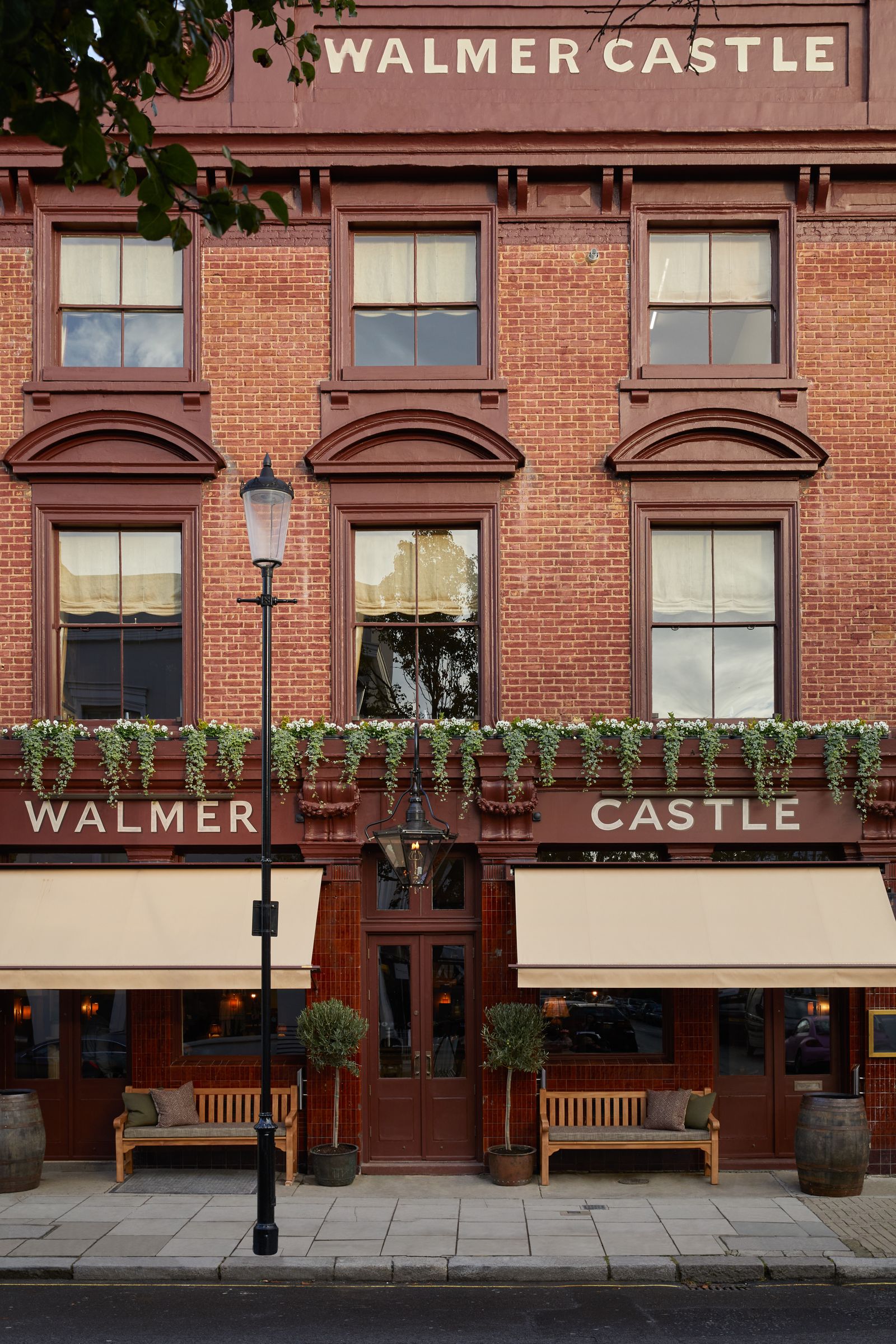
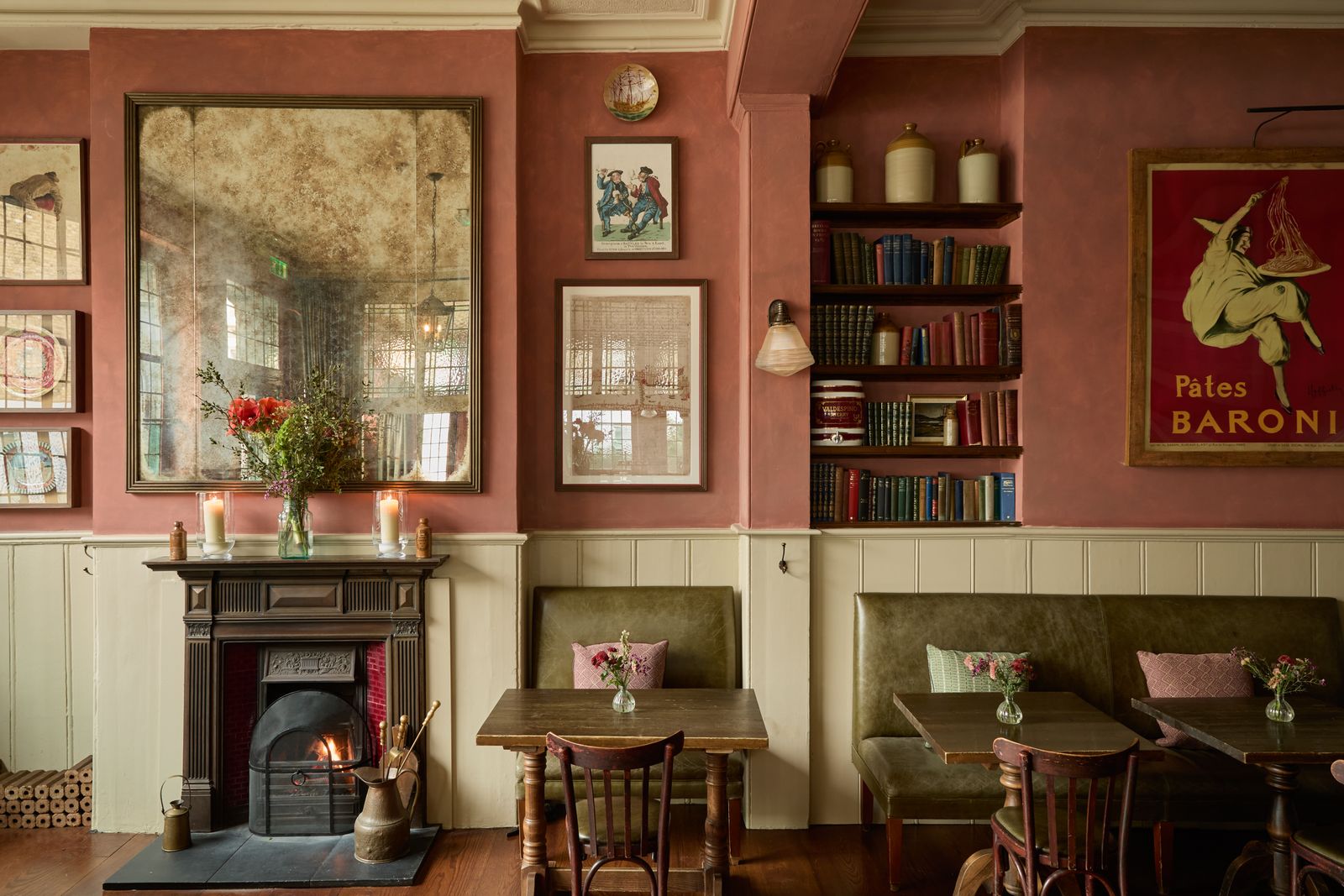
We have been congregating in watering holes since the Romans brought the taberna to Britain. The conventional pub interior of oak-topped countertops and glittering glass-lined bars dates back to the Victorian period. And there will always be room for a traditional interior: fireplaces and atmospheric snugs, redolent of pipe-smoke fugs past. A bit worn. Reassuringly used. ‘People want that sense of nostalgia. A sense of timelessness – and escapism,’ says Isabella Worsley, who has worked on several pubs, including The Walmer Castle in Notting Hill and The Surprise in Chelsea, both owned by the independent, family-run Wren Pubs. Nonetheless, we're increasingly expecting more sophistication from our pubs.
‘I love an old boozer,’ says architect Lou Davies, co-founder with Caroline Hunter of design and architecture studio BOX 9 Design. ‘It used to be a predominantly male domain. Now we’re designing for women, families – all ages, and all genders,’ says Lou. In a design-literate age, people have equally grown tired of the ‘formulaic design by numbers’ interior typical of larger chains, especially those in cities. ‘A more individual, non-corporate feel is what pub goers now want’, says Jack Greenall, co-founder of Wren Pubs. 'Consumers can see through it. It doesn’t have the ring of authenticity.’ Now, he says, the focus is on ‘the building, its history, and location. The design has to feel unique, special - and local.’
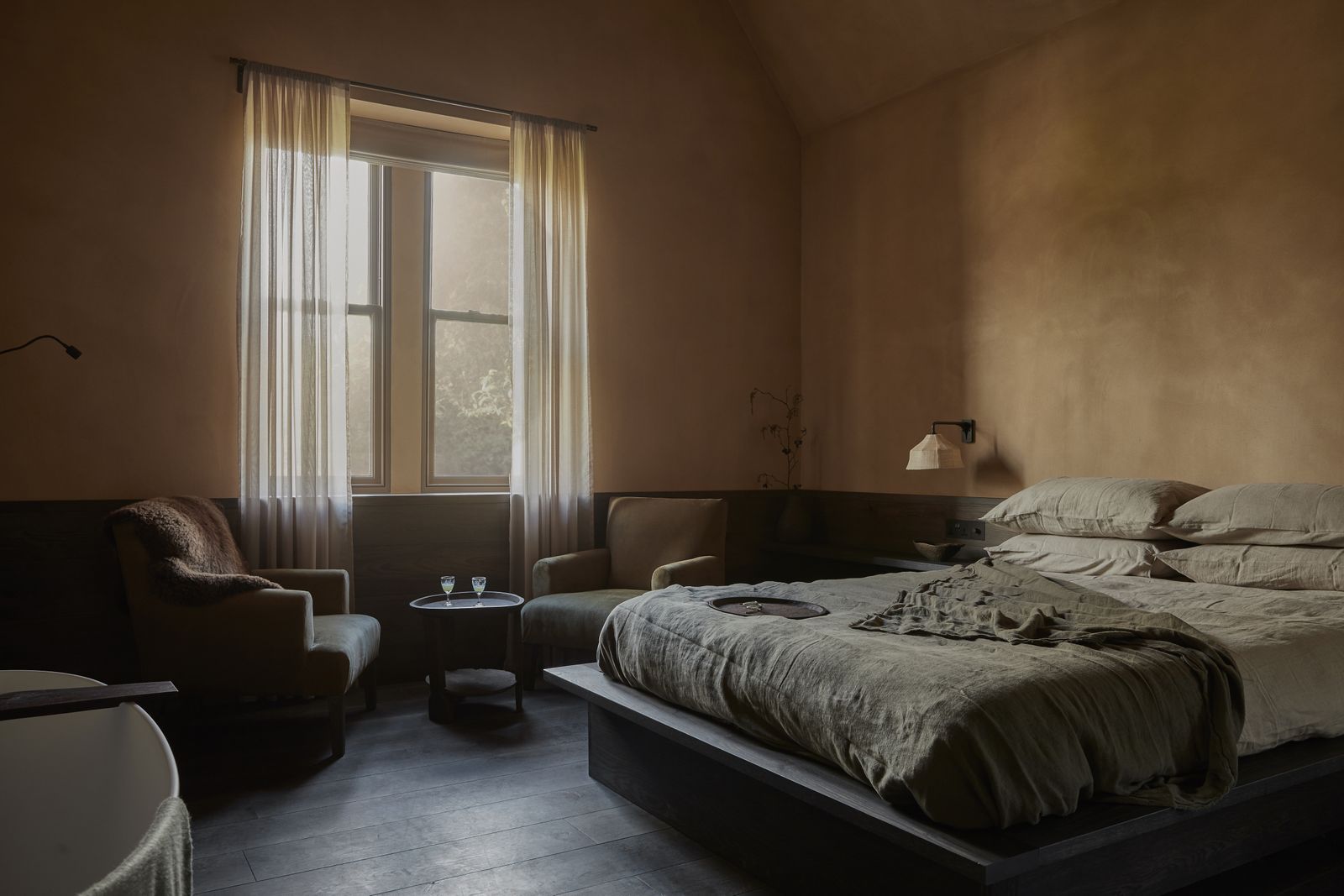
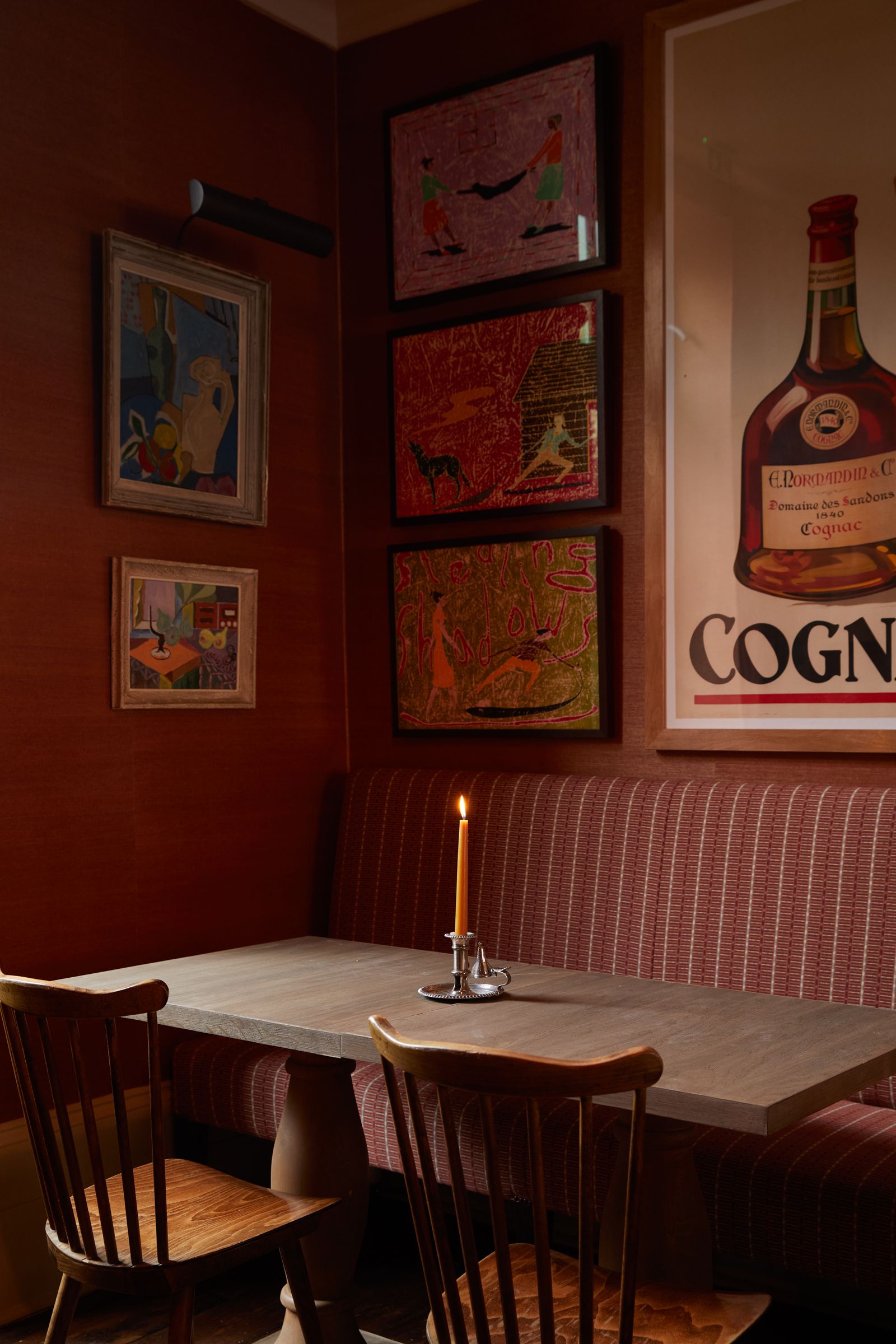
Much of this is about respecting the traditional pub interior and nodding to its history and character, but giving it a modern sense of polish. For a recent pub-with-rooms project, The Penny Bun, in Ilkley, Yorkshire. Lou and Caroline of BOX 9 ‘nodded’ to the traditional pub with wooden settles, fat beeswax candles and stacks of boardgames. The materials however are modern: cork and solid wool for the furniture, and a swaggering oil cloth which screens the dining room for snug-like effect. To give a sense of age and character to The Walmer Castle, Isabella Worsley used reclaimed light fittings and vintage posters, but also upholstered the banquettes in luxurious fabrics from the best textile houses. At The Pheasant, a 450-year-old pub with rooms in Berkshire, designed by Flora Soames and Octavia Dickinson, the book-lined shelves, prints and Windsor chairs feel that they could always have been there, but interiors fans will recognise Christopher Farr Cloth fabrics and plenty of on-trend paint colours.
Flora Soames drew on her residential experience to design The Wheatsheaf. ‘The beauty of
a British pub is that you feel like you’re stepping into a characterful home,’ she says. ‘It’s not about
quirks or gimmicks, but rather the tried and tested that makes you feel a certain way the minute you cross the threshold.’ Her essentials include: ‘Worn leather seats, inviting colours, nostalgic prints on the wall, and a narrative that hints to a story told.’
Many a designer yearns to get their hands on an history-imbued hostelry. But you need to tread thoughtfully, says Melissa Hutley, co-founder with business partner Charlie Humm of Hutley & Humm. Both worked on the renovation of the now-thriving The Merry Harriers, in Surrey. ‘In a residential project you’re working for one or two clients,’ says Melissa. The pub, one of our few truly democratic hubs, is for all. ‘Everyone has their own memories, and associations with their local. It is an incredibly personal thing. As a designer, you always have to be aware of that.’
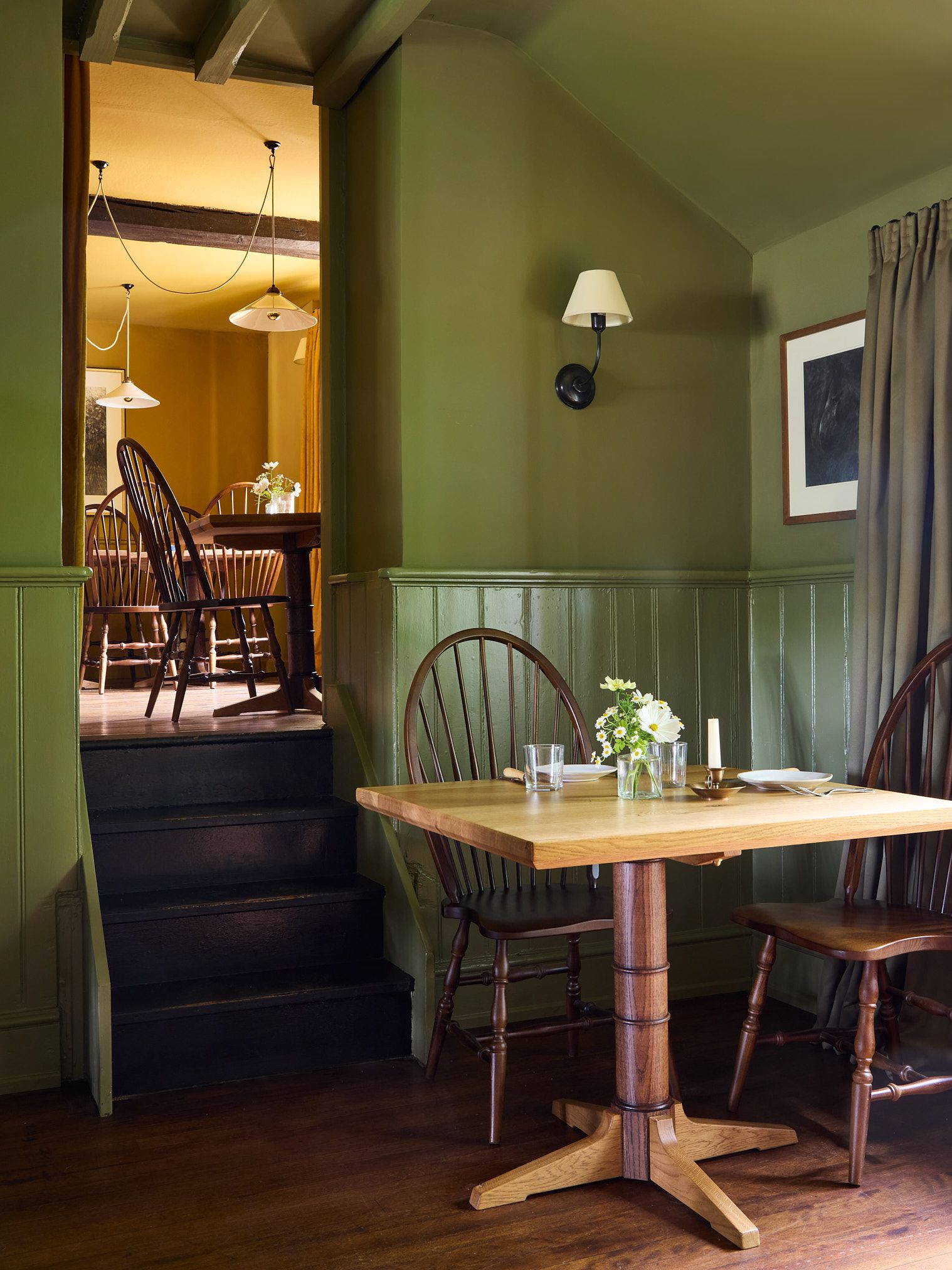
Set in a picturesque fold of countryside, The Merry Harriers has a long history dating back to the 16th century. Owners Alex Winch and Sam Fiddian-Green took it over in 2023 staging a ‘gentle takeover’ that began with a successful pop-up restaurant. Melissa’s brief was to ‘retain the pub's sense of history,’ fusing inglenook fireplaces and beams with mossy green and ochre walls and new, fumed-oak furniture. The revamp was planned to appeal to all. ‘Locals can pop in for a pint and packet of crisps in their wellies,’ says Melissa. Smart new guest rooms cater for families visiting from further afield. Bangers and mash are served alongside fish and chips, assiduously sourced from nearby producers and suppliers. ‘It has everything locals remember. But it’s just a bit nicer.’

In Shropshire, Octavia Dickinson was commissioned to overhaul The Bear, a 500-year old Michelin-starred coaching inn. The twelve bedrooms were designed to feel ‘like a home,’ she says, with antique lamps, bed valances and throws. ‘Humming’ mini fridges and bossy signage were avoided. Octavia’s trademark punchy palette of greens and scarlets pervades, while wardrobes open to reveal thoughtfully placed mirrors, plug sockets and capacious hanging space ‘to encourage guests to unpack,’ she explains. ‘We now choose pubs in the same way that we’d choose a boutique hotel,’ continues Octavia. ‘ So you need a reason for people to pick your pub, whether that’s the interiors, the food, or the unique feel of the place.’ For her, the task was to conjure an atmosphere that’s both ‘welcoming and memorable.’
James Thurstan brought a similarly old-new approach to the Bradley Hare, in south west Wiltshire. Owned by the Dukes of Somerset, the Victorian pub has ‘pleasingly’ Georgian proportions but was in need of attention, says James, a former design director at Soho House who set up on his own in 2018. Painting the walls in soft greens and drabs has brought much needed atmosphere, so too the new fireplaces and restored panelling. These sit alongside paintings by 20th-century British artists drawn from James’s own cache of antiques.
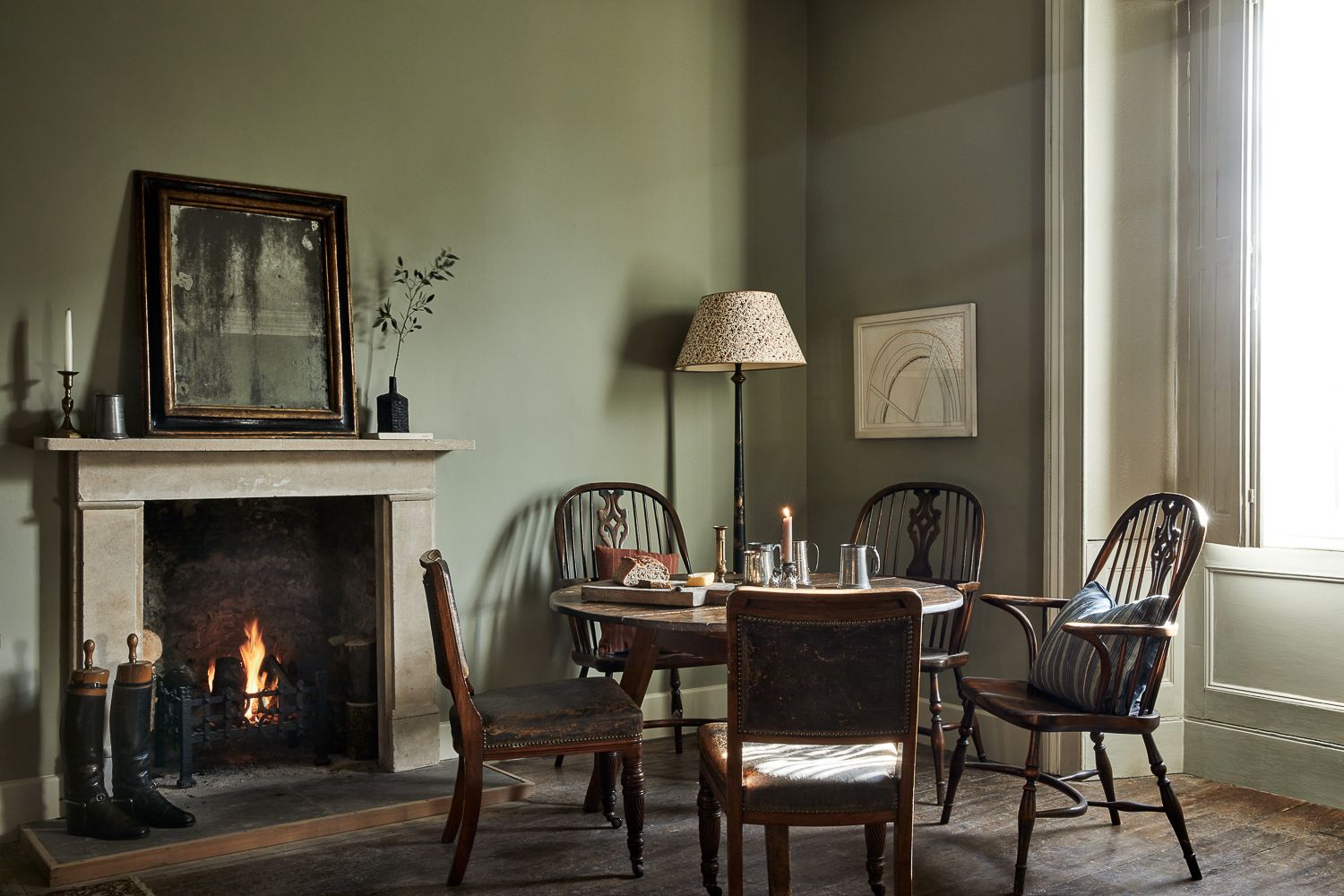
But there is more to it than decoration. In its previous iteration, visitors entered abruptly from the road in to a small hall. James moved the door to the side of the building so that the first thing you encounter after entering from the garden, is the high bar and welcoming staff. ‘It has made a huge difference. Like stepping inside a country home.’
In Rye, in Sussex, the architect James Stevens collaborated with his former employer Retrouvius on The George, a hotel, pub and restaurant which dates back to the 16th century. The Grade II-star listed inn, replete with ballroom and patronised by three King George’s, had been decimated by a fire in 2019. Stevens, reintroduced its lost history with the reclaimed and traditional materials typical of Retrouvius’s work. Unlacquered brass for the bar, handmade clay tiles on the floor. Clever panelled ‘rooms within rooms’ provide quiet spaces. In the ladies loo, shell artist Blott Kerr used local scallops to line the walls, and it has become the setting for endless selfies.
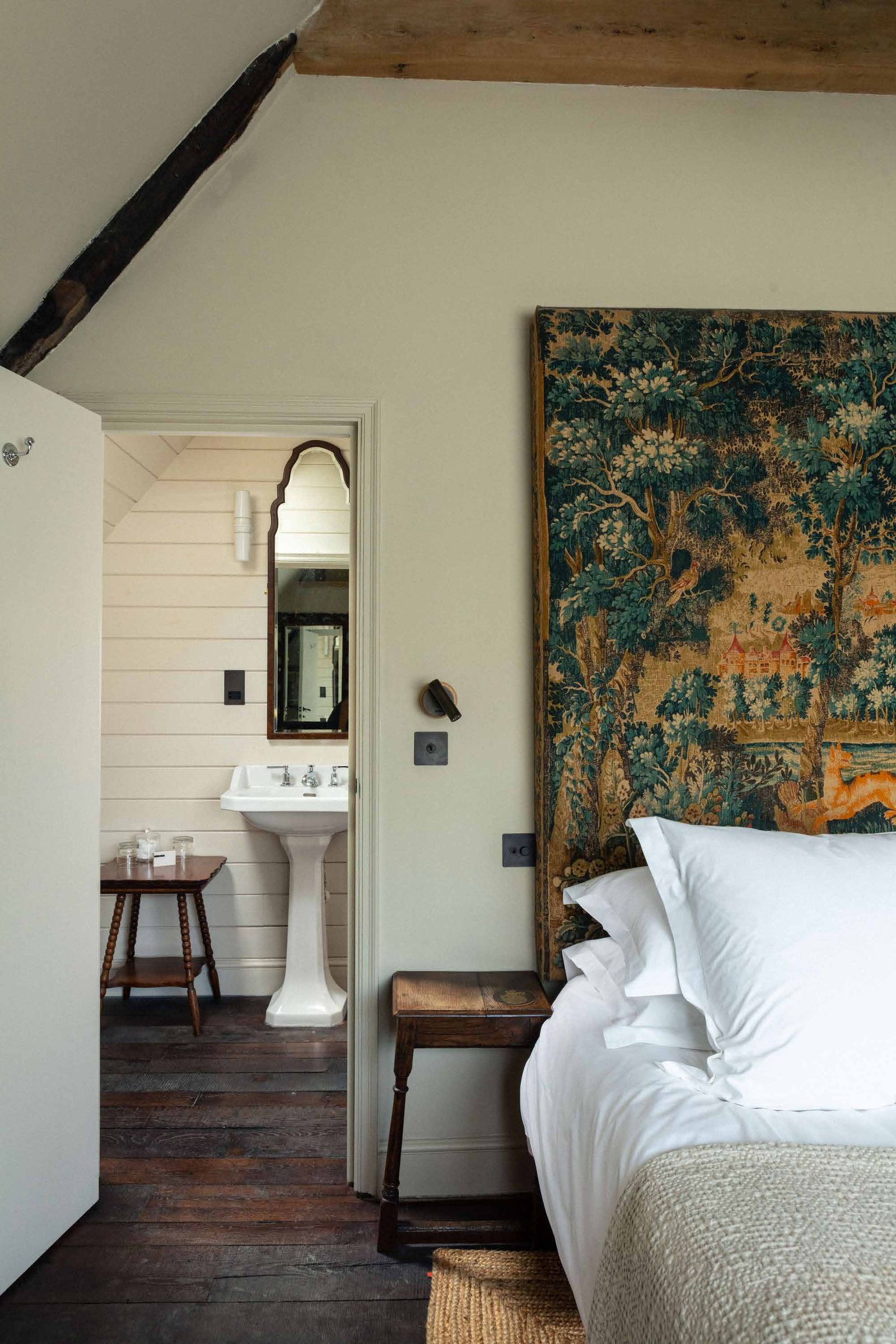
‘The George was built as a coaching inn and it’s been looking after weary travellers and locals ever since ,’ says James. ‘The unanimous-ness of a pub is wonderful… It’s a home for everyone. I think that suits a designer’s nature, because we’re interested in people. How they live – and how they use spaces.’
In the 21st century, the pub is facing considerable pressures. A drop in business rates relief, from 75 per cent to 40 per cent in last April’s budget, combined with inflation have forced many out of business. According to CAMRA (the Campaign for Real Ale ) almost three hundred pubs closed last year. It would be naïve to suggest that good design can solve these fiscal challenges. But an enticing and convivial setting which boosts visitors – and trade – can only be a good thing. As Jack Greenall puts it, a bustling welcoming pub has always been ‘at the heart of a community… And once it’s gone, it won’t come back.’