
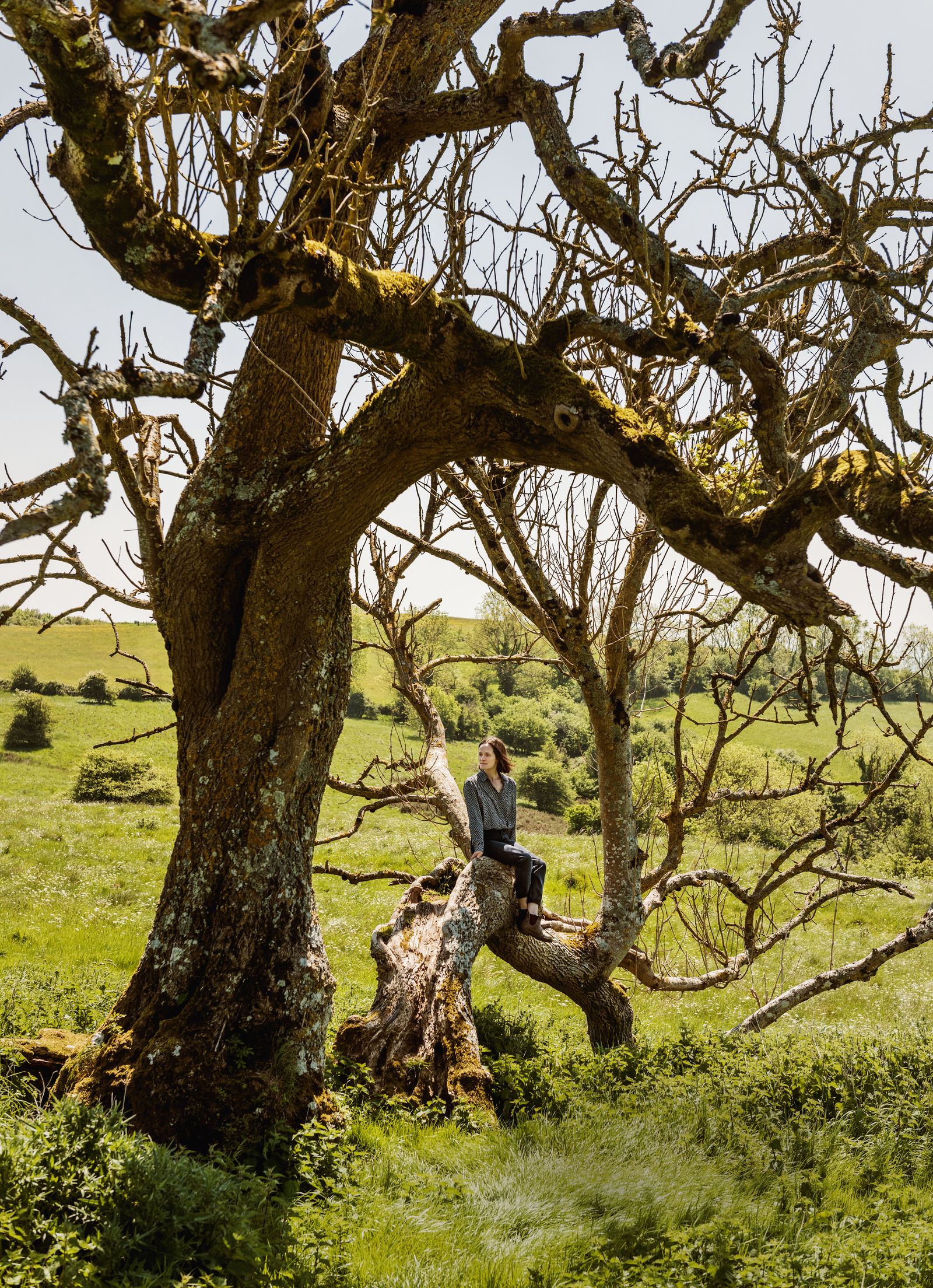
'I remember when the first cases of ash dieback were announced in 2012 – it felt utterly apocalyptic,’ says artist Lotte Scott. The Woodland Trust has predicted that this chronic fungal disease – accidentally introduced via international import – will eventually wipe out up to 80 per cent of our native ash trees. These have been a mainstay of our landscape for aeons. ‘It is becoming increasingly visible,’ Lotte continues.
We are at Deer Leap in the limestone uplands of Somerset’s Mendip Hills – an area that has been particularly hard hit – and she gestures at an affected ash that has been felled and repositioned by her in a stone barn, where it now lies metres from where it once grew. She explains how the fungus causes the leaves to blacken and fall, and indicates the shoots known as epicormic growth. ‘These shoots are a distress signal – the trees are trying to breathe,’ she says. ‘And it’s not just them dying: it’s a whole ecosystem. Ash dieback is an extinction cascade.’
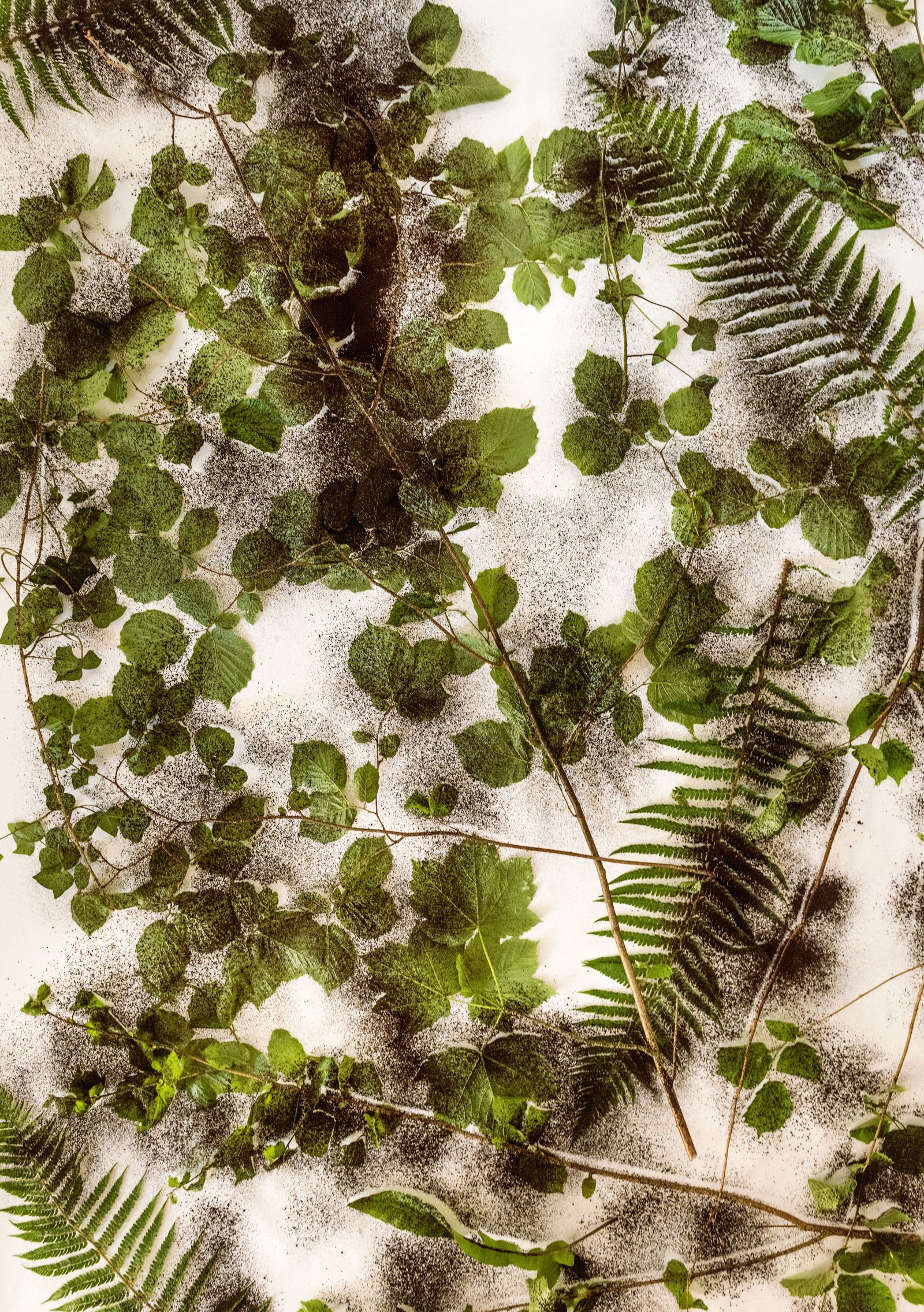
The issue is at the heart of her current body of work, Ashen. This includes the public artwork Ash Barrow, commissioned by Mendip Hills National Landscape in partnership with Somerset Art Works and for which she has received funding from the Henry Moore Foundation. Lotte will paint the tree in front of us with limewash she has made from Mendip stone, affording it a ghostly beauty. Like that, it will lie in state in this barn during the Somerset Art Weeks Festival, which starts in September: ‘Then, during the final weekend in October, it will be cut up and turned into charcoal during a public “burn” event.’
Lotte was raised in the small market town of Castle Cary, which is around 15 miles from Deer Leap. After living in London for 10 years – she has a BA from Goldsmiths and an MFA from the Slade School of Fine Art – she returned to Somerset in 2018. She now has a small studio with a garden behind the main street of her home town. Her practice is deeply rooted in the county – Ashen leads on from a seven-year exploration of the peat moors of the Somerset Levels as ‘a living archive’. She takes an approach that follows the tradition of land art, a movement that emerged in the 1960s and 1970s and expanded ideas around what art could be, driven by an enthusiasm for ecology. In Lotte’s case, this is combined with interests in archaeology, geology and, what she likes to describe as,‘connections between place, time and material’.
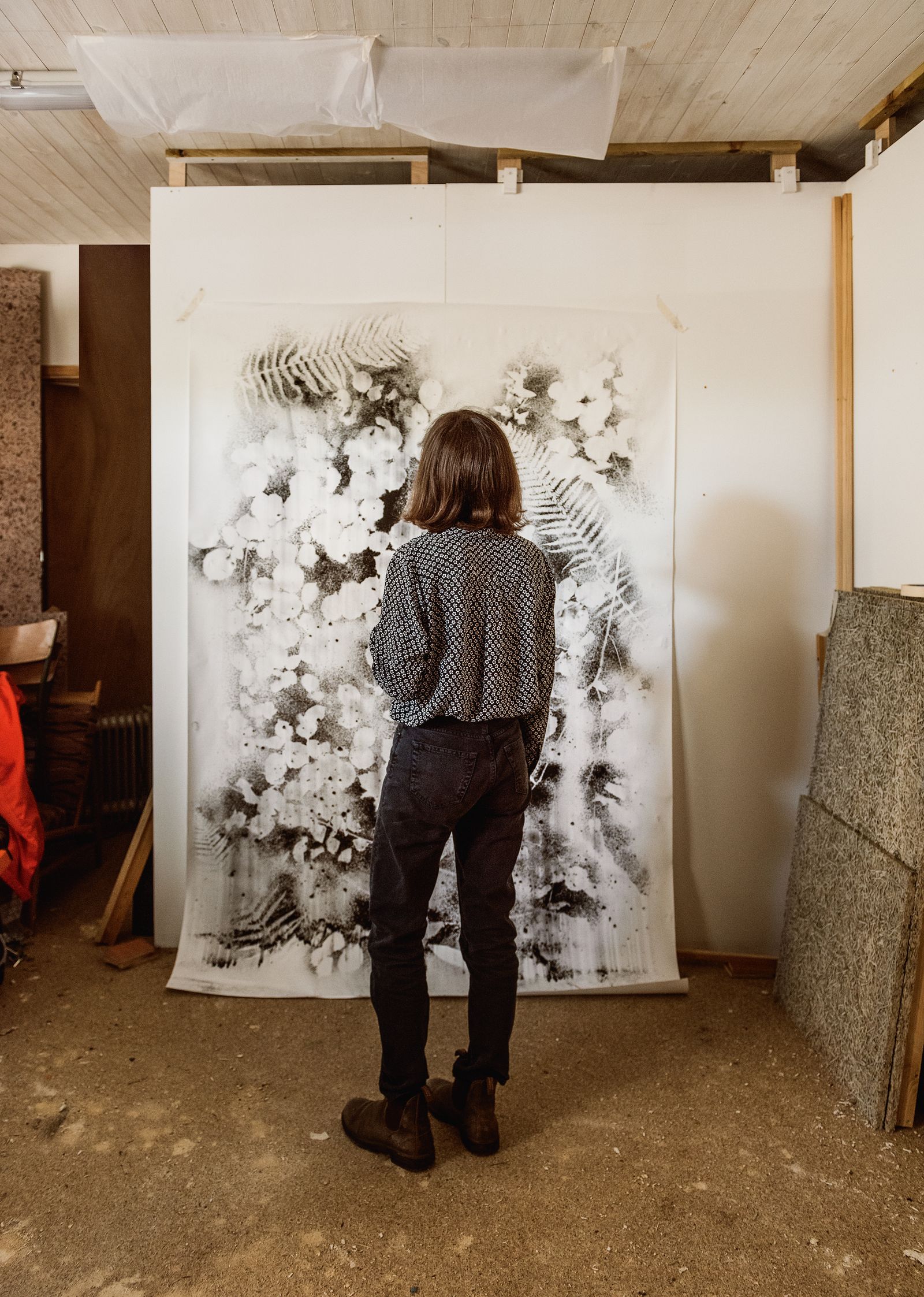
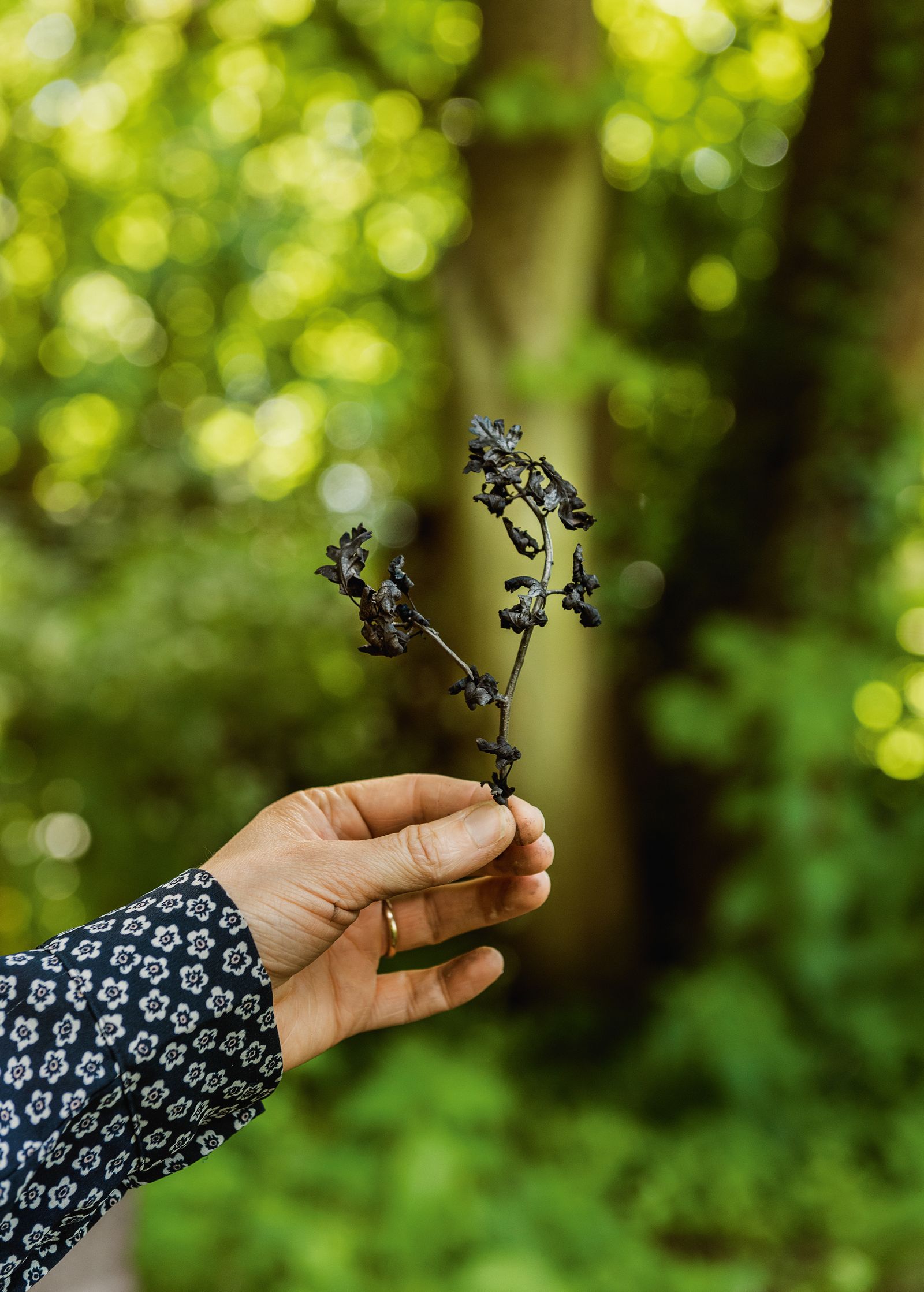
She recounts the history of charcoal-making for fuel and refers to the symbiotic relationship that we once had with woodlands, when we relied on them for food, shelter and tools. As she points out, ‘They flourished then.’ For Lotte, the process becomes art through the delicate, ephemeral beauty of a transfigured forget-me-not stem or elderflower head, and giving new purpose to fallen or coppiced branches, including those from infected ash trees (the spores are only harmful when in leaf), by transforming them into useful materials. She sketches with charcoal sticks and uses charcoal powder for her ongoing series of dust drawings. Sieved onto damp paper, or directly onto the ground around gathered foliage, the powder creates an exquisite cyanotype-like effect, while owing much to chance and any breeze. ‘I don’t feel like I own my works,’ she says. ‘They are offerings that are borrowed from the land and can be returned.’
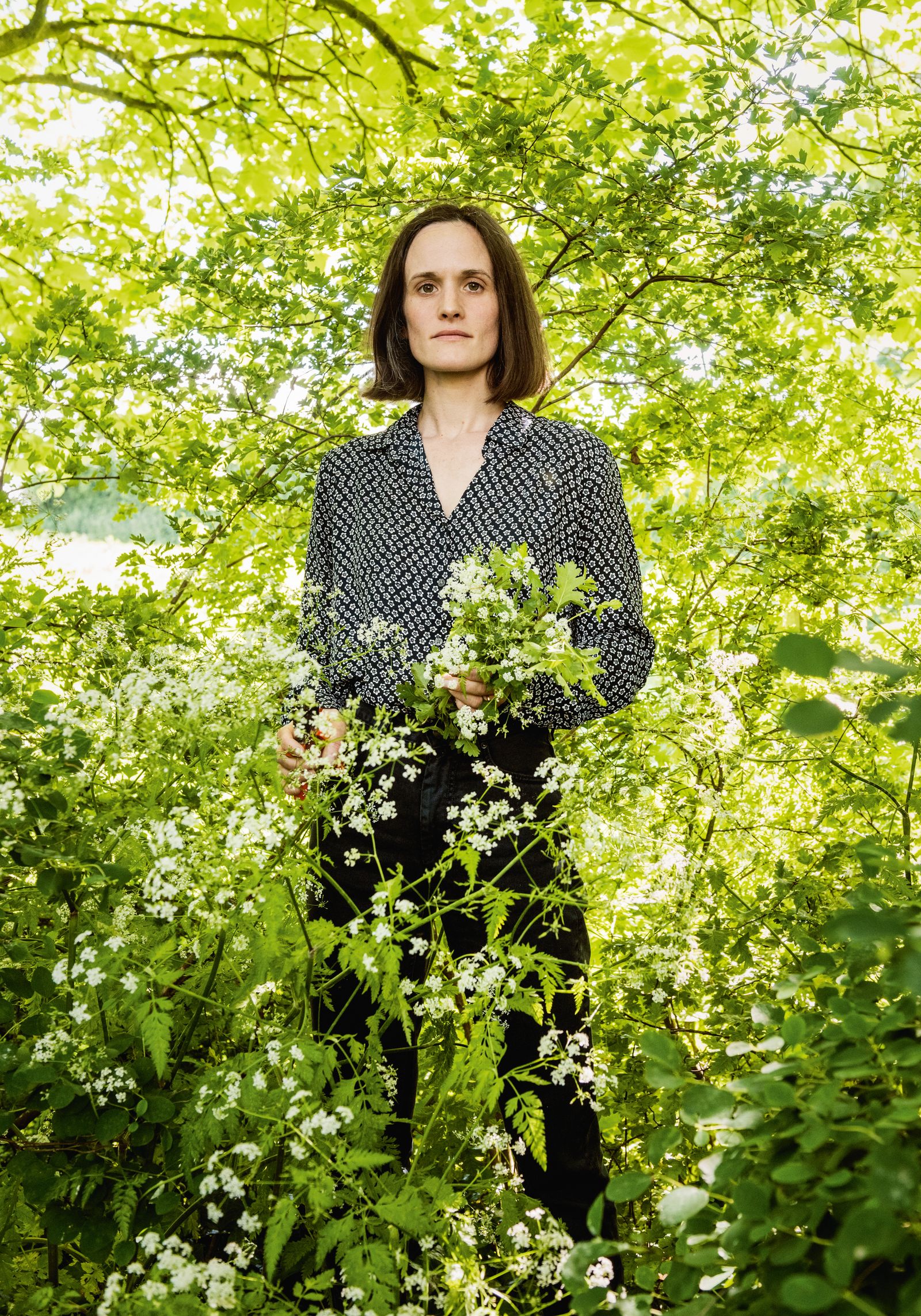
For some practitioners, land art is a rejection of the commercial nature of the art world and the related ramifications on the environment. Half a century on from the movement’s beginnings, that aspect has surged and art fairs (more than 300 took place globally in 2022) and galleries are working on reducing their carbon footprint, including the impact of the movement of art-works and people round the world. Such concerns do not apply to Lotte, but she confesses that the lack of monetary value attached to ‘drawings that blow away’ can be hard to tally with the cost of living. Recently, she has been running the occasional charcoal workshop and she is developing a means of setting the dust works into more permanent limestone plaster panels.
Alongside these efforts, she is applying for funding for phase two of Ash Barrow, which will see the charcoal created during the Somerset Art Weeks Festival interred in a stone burial mound inspired by the Bronze Age cemeteries at the nearby village of Priddy. For while there is a small chink of light in the outlook for our native ash – it is thought that some trees may have genetic tolerance to the fungal disease and might reproduce – there is no immediate fix. Lotte’s installation and the work around it are a requiem for the trees that we are losing and have lost, inviting reverence and insisting that we guard against a repeat.
lottescott.co.uk | mendiphills-nl.org.uk
Somerset Art Weeks Festival is on September 21-October 6.


