
.jpg)
At last year's RHS Chelsea Flower Show, Robert Myers won gold for a garden he designed for St James's Piccadilly, W1. Celebrating the transformative power of green urban spaces, this was based on a palette of tough, resilient plants that would survive potential weather extremes and stand the test of time. The plan is for these plants to eventually be used in a new garden around the church, so they were selected to adapt to the largely shady habitat there - and to require minimal maintenance.

According to Robert, the traits we should be looking for in a plant include adaptability, disease resistance and longevity, and an ability to tolerate adverse conditions such as drought, winter wet and wind. 'We have to diversify our planting choices rather than putting all our eggs in one basket,' he says. 'With an increased possibility of pests and disease as the climate changes, we will have to grow a broad spectrum of species to mitigate these risks, while fostering increased biodiversity.'

Robert conceived the multi-textured planting scheme around a framework of robust trees and shrubs. These include drought- and heat-tolerant Crataegus persimilis 'Prunifolia' and the ancient tree species Ginkgo biloba, which will thrive in polluted urban environments and tolerates drought and wind because of its deep root system. The lesser-known Celts australis is another tree species that Robert recommends, which can withstand poor soils, heat and drought. Other key plants in his scheme were Rosa 'Yellow Mutabilis', which is disease resistant and can handle both drought and wet conditions once established, and Trachycarpus fortunei, an exotic-looking palm that will grow in most conditions and is hardy in many areas of the UK.

Diversity was stretched by his use of as many different plant types as possible, including bulbs, grasses and ferns. Bulbs such as Lilium ‘Claude Shride’ and Iris x robusta are tolerant of a wide range of soils and conditions, while super-resilient ferns like Dryopteris filix-mas and the native hart's tongue fern, Asplenium scolopendrium, can be used in even the most shady and the most inhospitable of habitats to provide texture and ground cover. Self-seeding plants like Centranthus ruber, Digitalis purpurea, Anthriscus sylvestris 'Ravenswing', Alchemilla mollis and Erigeron karvinskianus are a key part of the composition, valued for their ability to fill gaps that may appear as plants fail. I think we are seeing a new paradigm emerging in the gardening world,' says Robert. ‘We have to see the failure of a plant not as a setback but as an opportunity for change, and embracing this serendipity will become our new mantra.’


The new garden at St James's Piccadilly will also include some of the wildflower species identified in the church's Aftermath project, an enterprise to plant some of the 42 species that self-seeded in the open nave after it was bombed in 1940 during the Second World War. These include poppies, willowherb and vetch. Embracing these pioneering native species and allowing them to grow alongside more ornamental plants is one of the ways in which Robert sees garden practices changing. 'I anticipate an evolution in the concept of gardens, transforming them into more adaptable and more fluid spaces. Experimenting with self-seeding varieties and allowing native wildflowers and robust new plant communities to vie for space are all part of this forward-thinking approach,' he explains. 'It's an ethos that encourages healthy competition among flora and embraces the dynamic nature of ecosystems. Gardens are not just curated spaces, but also living laboratories of resilience and adaptation.'
10 climate-resilient plants

This fern thrives in shady, moist environments but it will also tolerate moderate dry spells. Evergreen and hardy, it grows well in a variety of soils, finding its way into paving cracks and wall crevices.
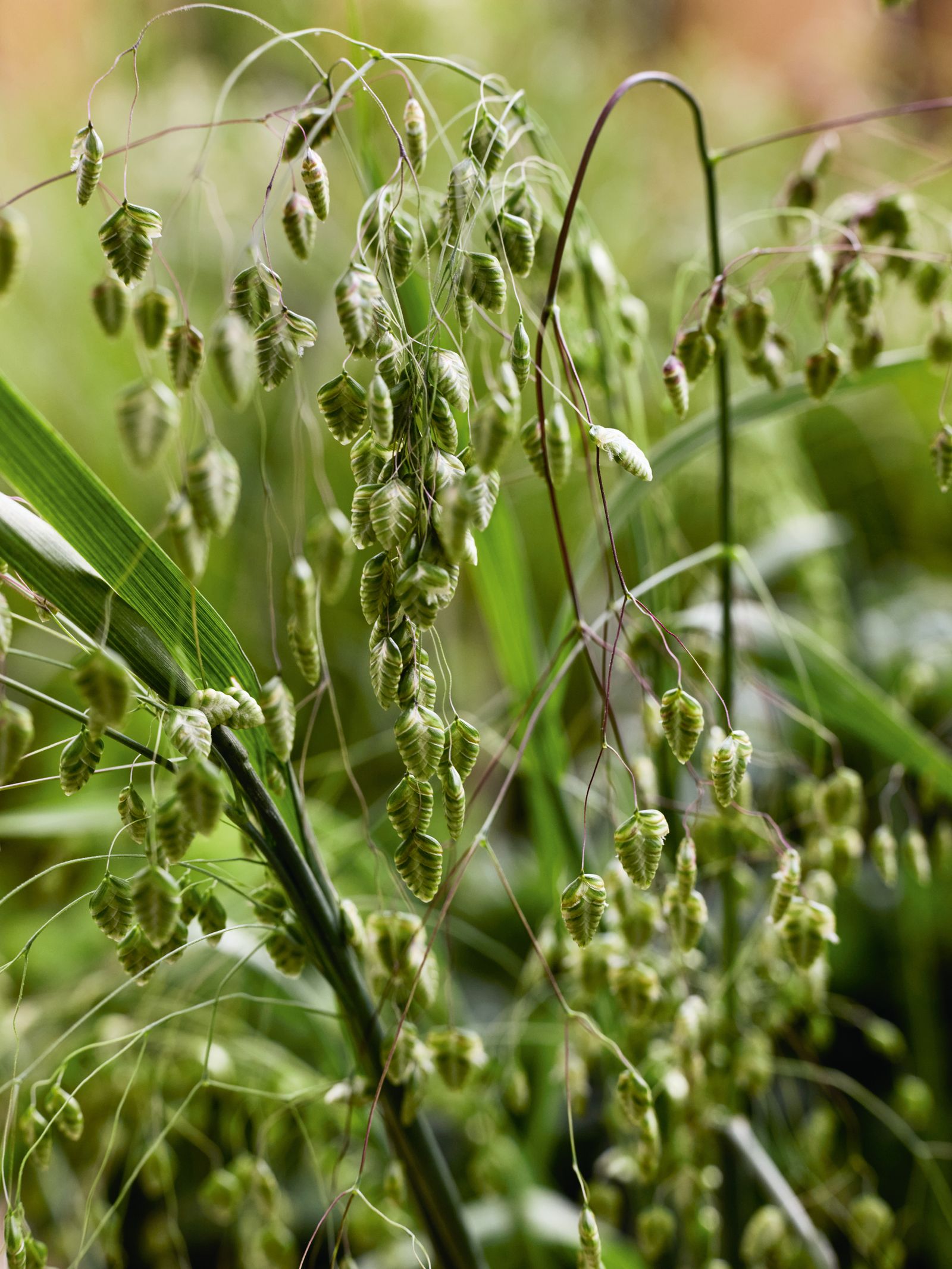
Also known as common quaking grass, this will grow happily in a wide range of soil types, including very poor ones. Drought-tolerant once established, it will thrive in both full sun and partial shade.

With handsome foliage and dusky pink flowers, this is a useful plant for shady, urban gardens. Disease resistant, it needs little maintenance and spreads easily, covering the ground and suppressing weeds.

Long-blooming cottage garden favourite red valerian works well in gravel schemes. Drought resistant and low maintenance, it is loved by pollinators and it will self-seed prolifically in sun (slightly less in part shade). This form has striking deep red flowers.
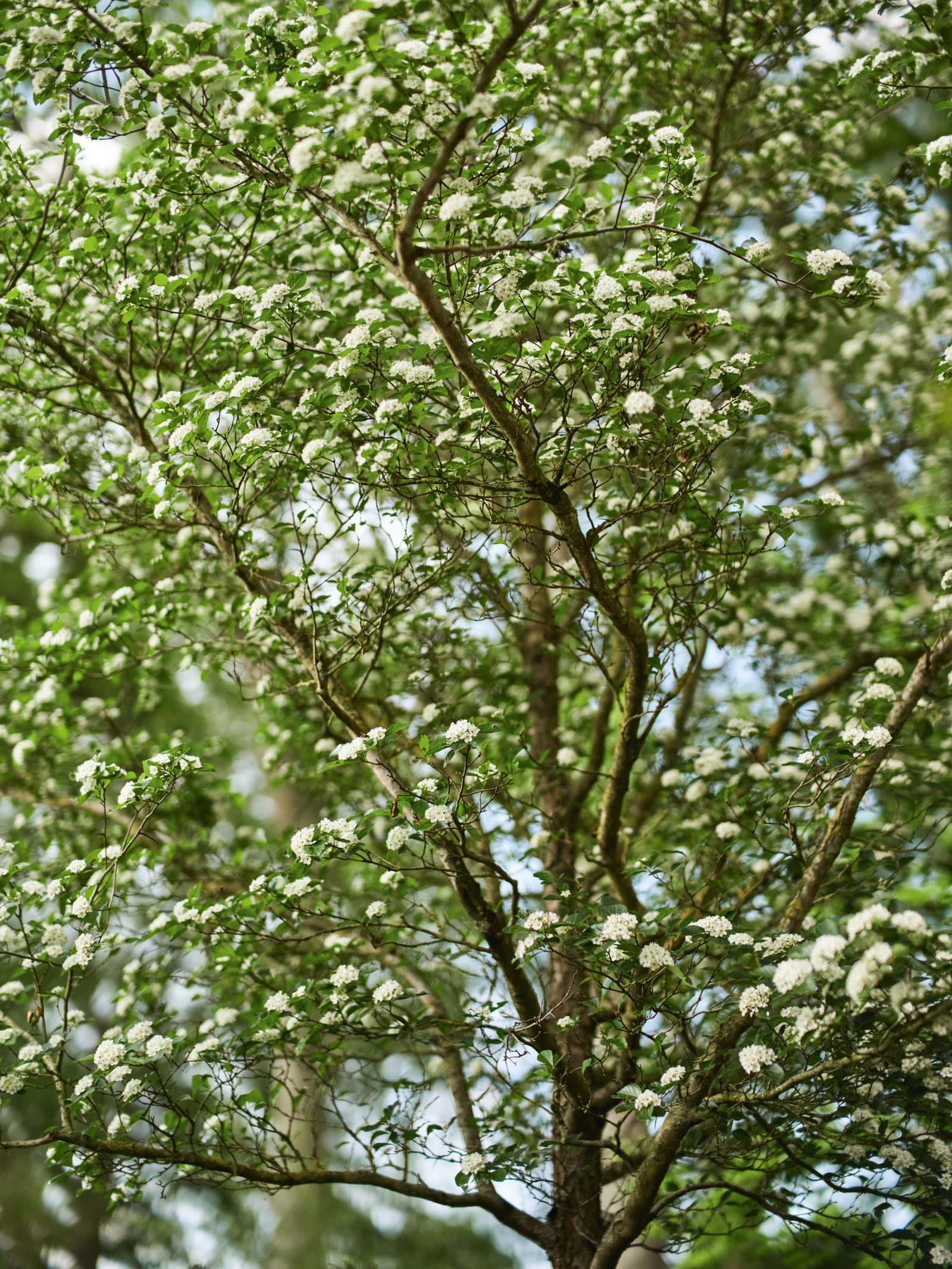
The plum-leaf hawthorn forms a small, adaptable tree, tolerating heat, pollution and exposed locations. while offering flowers, berries and autumn colour.
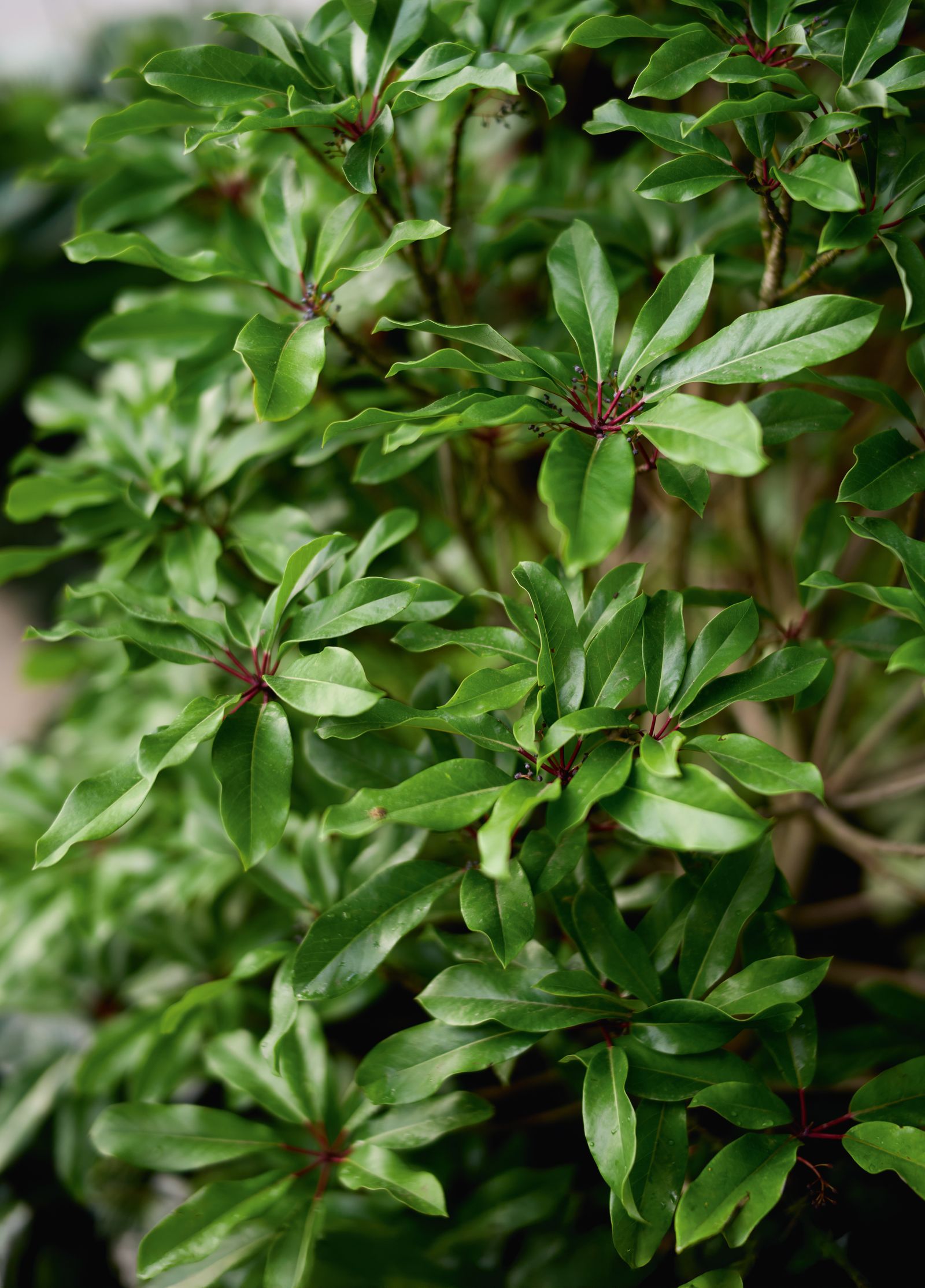
Retaining its rhododendron-like foliage in winter, this evergreen shrub provides year-round structure. It is an ancient, highly resilient plant that will thrive in most soils in either sun or part shade.
Because of its deep rooting system, this ancient tree species is known for its resilience and tolerance of urban and polluted environments. With distinctive, fan-shaped leaves that turn golden yellow in autumn, the tree can eventually reach 25 metres.

Adaptable to various soil types, this beautiful pale yellow shrub rose is resistant to the common rose diseases, such as black spot. It is able to handle both drought and heavy rain once established.

This tough little iris prefers growing in moist-to-wet soil. Thriving in full sun or partial shade, it is hardy and will survive cold winters.

The fan-shaped leaves of the chusan palm bring an appealing exotic feel to a garden scheme. Reliably hardy throughout most of the UK, it is drought and pollution tolerant. It will grow in full sun or light shade in most well-drained soils.


