

Don’t use colour as a weapon
Colour is my favourite starting place for any project – but strong colour should be contained, and used sparingly to make a statement. It can provide the thread that binds all of the schemes together within a project.
Don’t leave the ceiling behind
A ceiling can be white, but it needs to be raw waxed plaster; something with as much movement or consideration as the lime wash or integrated plaster walls. Ceilings can also be painted in glossy urban splendour, or matt colour to offset the scheme, but ideally never just left behind.
Do make use of the best room in the house
Instead of designing a showpiece living room for special occasions, consider adding a desk, where one can spend every day enjoying the best space. It can still be extra special for guests, but more relaxed and personal, with as many options for use as possible.

Don’t forget the closet or mud room
I think a handsomely designed closet or mud room can provide more pleasure than the conventional rooms of design. We spend so much time getting dressed, and organising, so why not make it special? I like natural wood cabinets fitted with inset leather tops, vintage lighting and mercury glass for reflection in smaller spaces.
Don’t hide the good stuff
You must use the best silver or dishes every day, and let them get gently aged and chipped. Stack dishes and silver serving pieces on open shelves, where it is the first thing you grab. Linen, china and silver make serving a simple breakfast or dinner feel more special, or more accurately, makes every day more special.
Do focus on the in-between spaces
Although we often start by focusing on primary spaces, it is the unexpected small hallway, vestibule or nook that has the power to provide the most impact. We can add shelves for books and objects, pattern or colour in saturated exuberance, and handsome lanterns for a special glow that highlights the journey from room to room. A bar should be a saturated colour, possibly glossy, something compelling and unexpected.
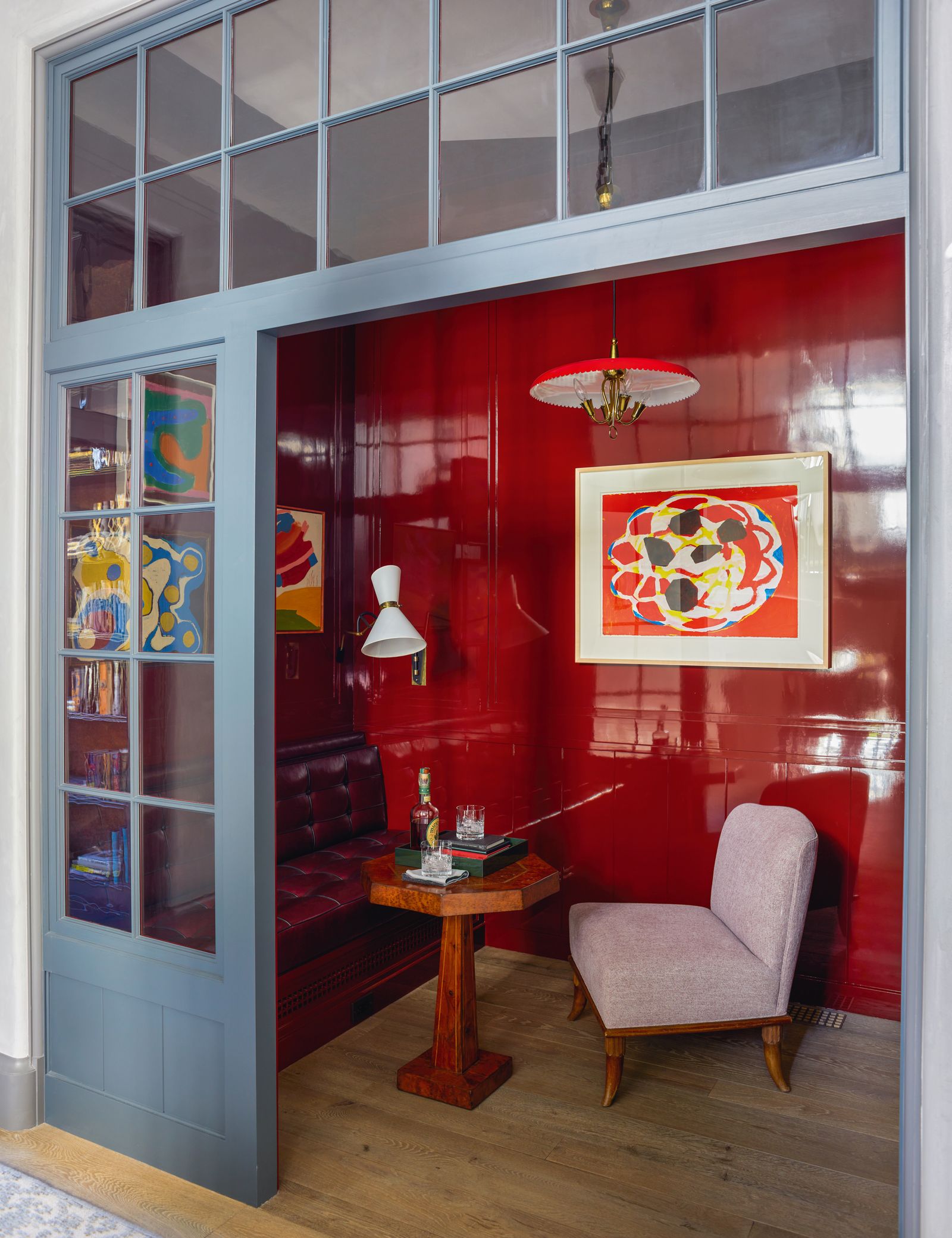
Don’t live without music, dimmers, candlelight, greenery or roaring fires
Essential elements for atmosphere can turn a plain evening into something memorable. It doesn’t have to be an elaborate house or room to create the mood through dim lights, the right musical vibe and an environment that shows how much it means to be there, at that time and with those people you are sharing it with.
Do lay out lighting plans with the same consideration as furniture plans
When working with a team where construction is involved, make sure to finalise the ideal furniture plan based on your lifestyle, and then design the lighting placement around that scheme. Sconces and pictures lights are meant to play a supporting role, supplementing table lamps, lanterns or chandeliers. Balance is the goal. The room should appear to have a uniform glow, not a strong primary source of light.
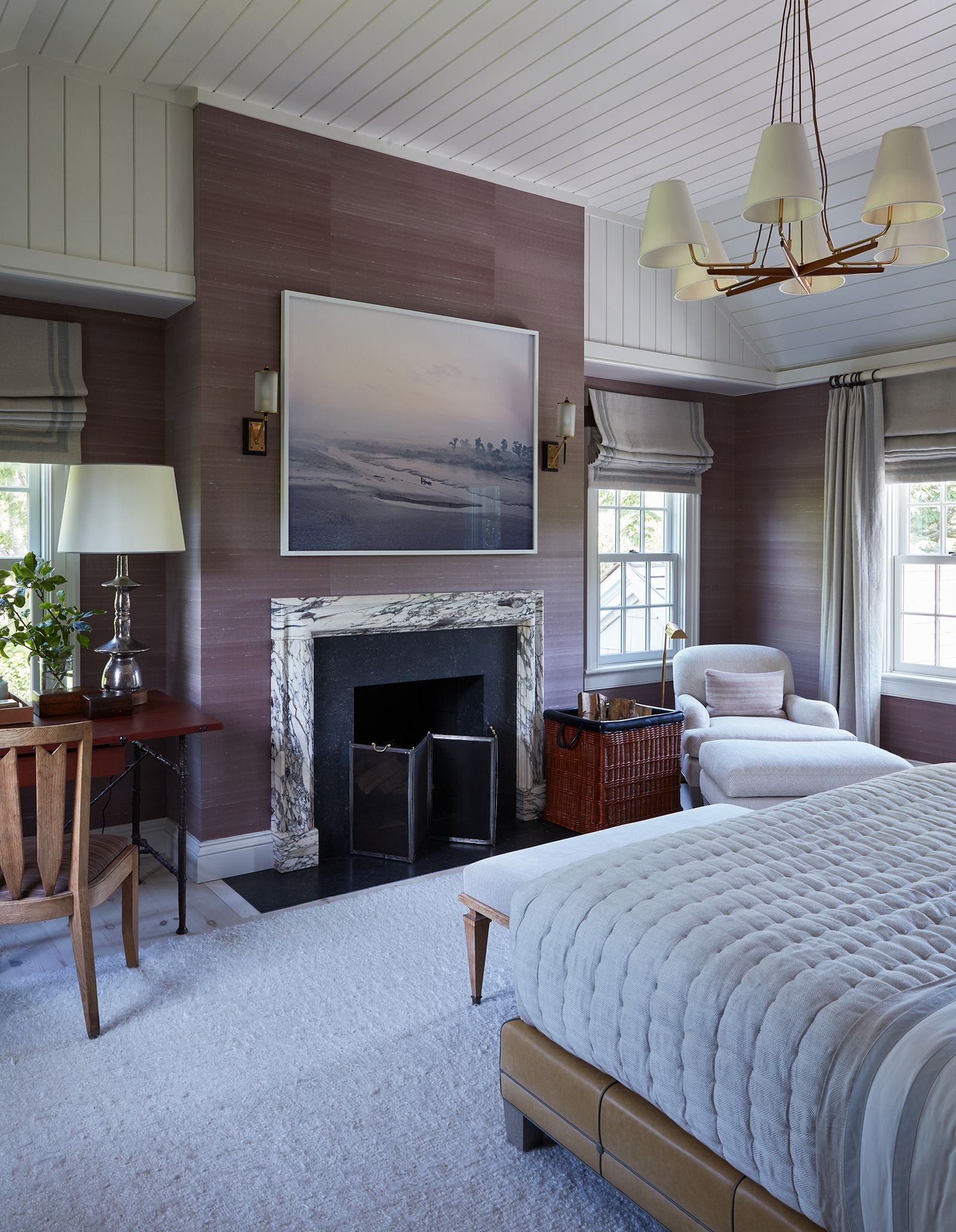
Do enjoy the process
We all live busy lives, but make sure to allocate lots of time to research your favourite things; spend time perusing back issues of House & Garden, design books, and visit house museums for inspiration. Although things always have their challenges, stay upbeat to avoid project fatigue.
Don’t shy away from collecting
A room simply doesn’t feel finished without the ‘smalls’ and styling objects that bring scale, warmth and spirit to a tablescape. Collections of like-kind objects are the strongest compositions. Piles of Danish bronze vessels, cracked glazed white objects of various shapes, fragments or relics amassed on shelves or with ample candlesticks on a table or mantel, they will create an aura of personality ideal for memorable spaces.
Don’t assume doors and trims are white
A room comes to life when the ‘frame’ is dark, meaning the trim that defines the space has a rich colour that outlines the entire space. Trim painted in darker colours appear stronger and help frame the walls with their artwork, lighting and textiles. Dark doors in deep charcoal or coach green have a practical sensibility and add dimension, not to mention a beautiful background for patinated brass hardware.
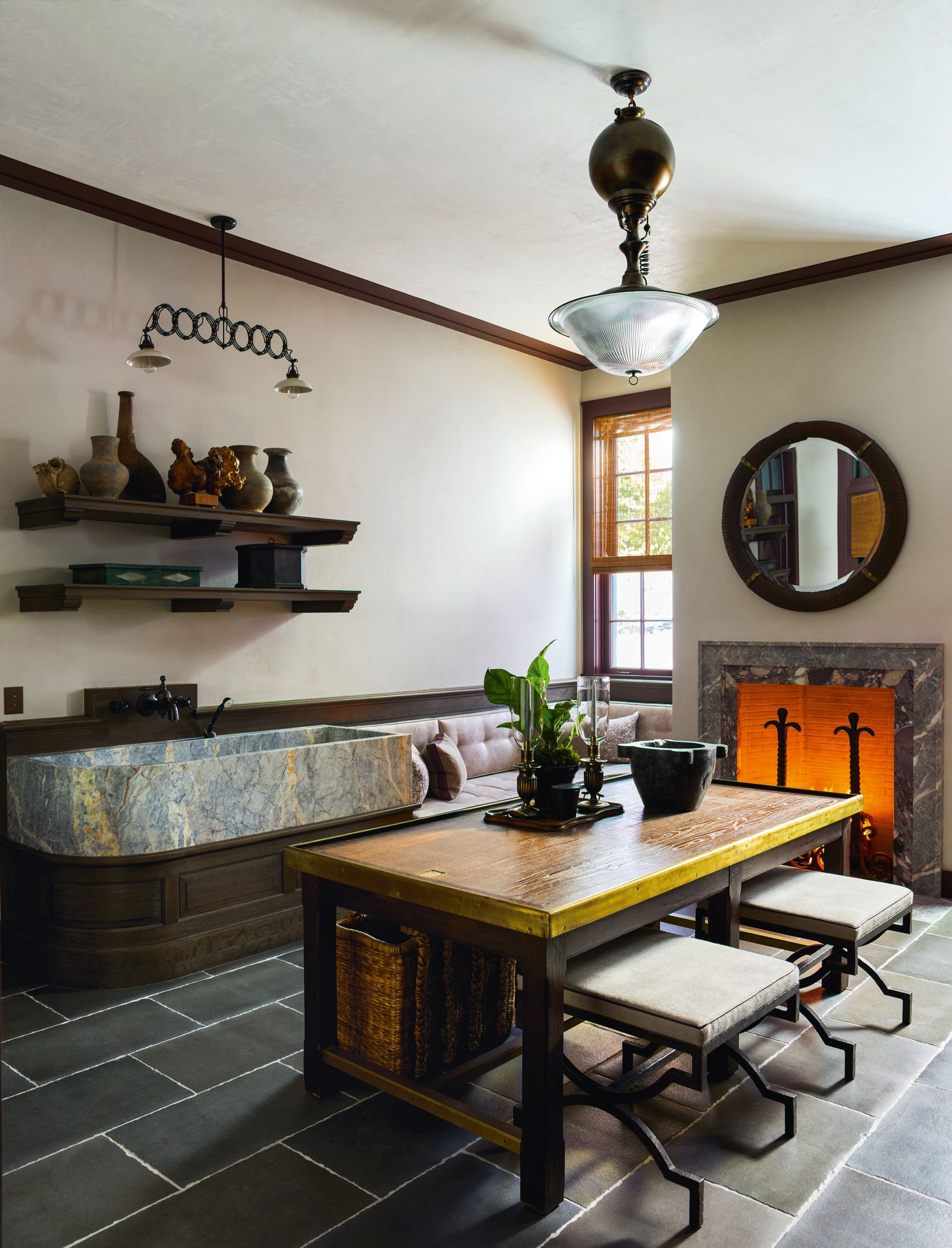
Do allow a budget for really good hardware
Hardware is what you touch and feel when entering a house or room (or cabinet). Antique brass or burnished gunmetal fittings can add polish and character to any painted door or cabinet. Often, when architecture needs a lift, it is the hardware that brings detail and dimension to otherwise conventional millwork. And when one can budget for the installation of antique brass picture rails, chains, over-scaled rimlocks and window sash locks, the room becomes ‘decorated’ before the furniture even arrives.
Do finish the plan
It’s OK to use simple filler pieces of good scale when budget doesn’t allow for the ideal piece. A plain painted side table, converted vessel for a lamp or humble trunk as a side table is better than not completing the furniture plan of a room. Balance is essential. We need to see the entire room furnished, allowing for optimal use, surfaces to outfit the lighting plan, and seating with side tables for drinks and reading materials. Often one can paint a vintage side table of no importance, or cut the legs to the optimal height. It often leads to an even happier room, where treasures feel even more special, offset with utility.


