

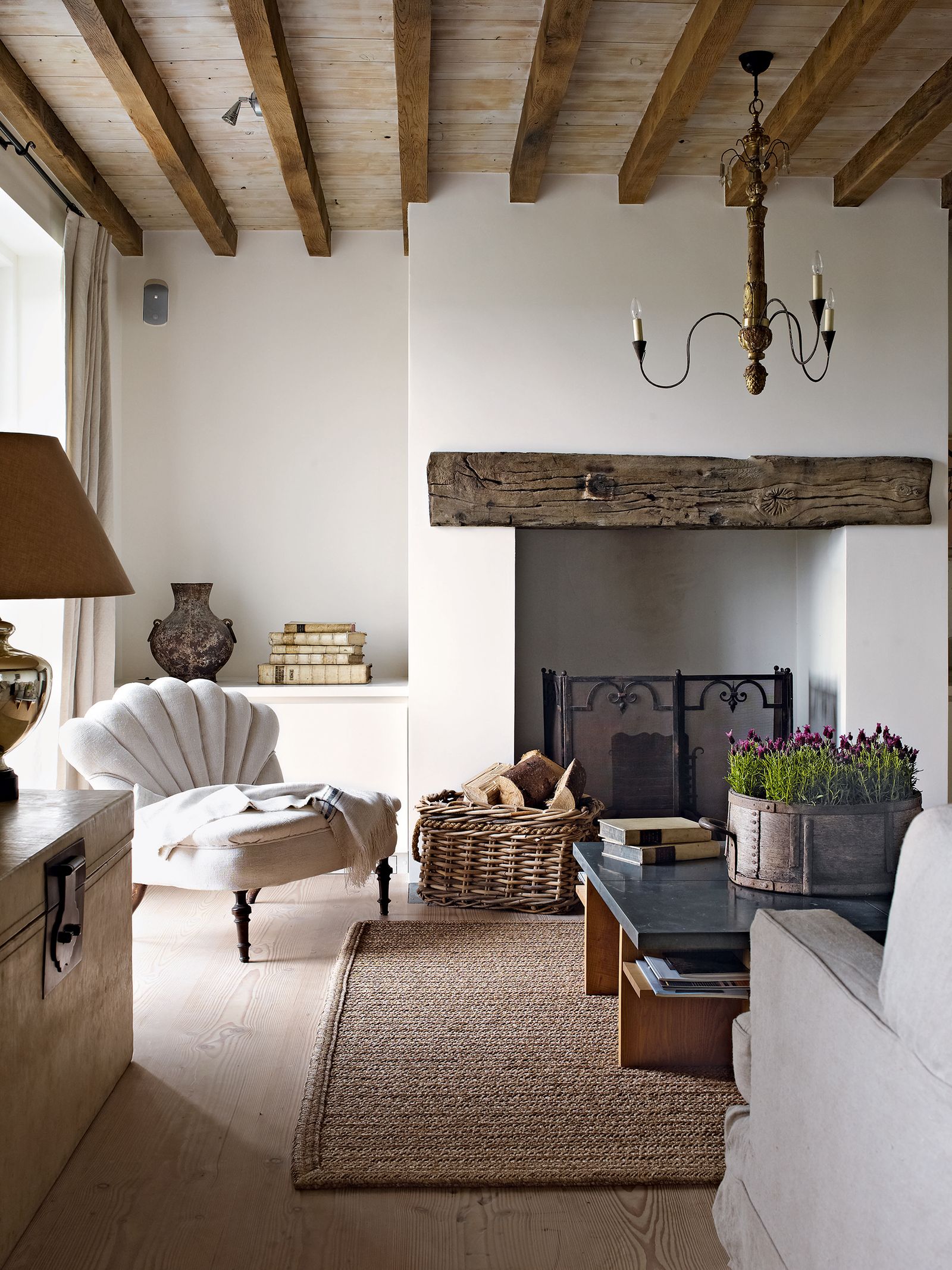
The living room is just that: a room to be lived in. Whoever you're designing it for, be sure to always have them in mind. Nobody can justify having a room closed off, unused or ‘saved for best.’ For the greatest chance of success, designers will all recommend pre-planning, even if you're going for that effortlessly thrown together look. In general: lighting should be warm and dim, colour and texture are a major consideration and sofas shouldn't be an afterthought. And for a room so central in the home? Inspiration is key.
Don't be too precious, a living room is to be lived in
“The images you see in magazines are perfectly styled and carefully framed. In real life our interiors are for living in and not just for show. They have to work in all situations: mess, no mess, lots of people or just two, so stay real – perfection is overrated!!” - Henriette von Stockhausen
“No rooms should be exclusively for adults or reserved for special occasions.” - Tamsin Saunders
“Don’t forget you’ll be living in the space. Don’t forget to think about how you will use your room and who will use it.” - Susan Deliss
“Start furnishing a room by being really honest about how you want to use it. A room can only shine if it's fit for purpose and you want to make sure you use all of your home as much as possible – having rooms that serve multiple purposes avoids the ‘once a year Christmas room’ scenario!” - Bunny Turner

Do consider size and scale
“Don’t overfill your house. You need to be able to see things to enjoy them. Negative space is key. Less is more.” - Tamsin Saunders
“Don’t make rugs too small. Rugs need to be generous and if in doubt always choose a larger size. You want them to sit under sofas and armchairs and still be visible around furniture. Another pet hate is rugs that sit like a desert island in the middle of the room and all the furniture around it.” - Sarah Vanrenen
Don't ignore period features
“Do remember that a period home is a responsibility as well as a privilege. Make sure you preserve architectural details and work with the character of the building.” - Tamsin Saunders
“Nothing looks worse than a mean architrave or skirting, and this is especially important if the interior architecture is on show. Atkey & Co have an amazing range that covers all periods. Remember there is no obligation always to have curtains, especially if you have a beautifully proportioned window with the correct period detailing.” - Philip Hooper
“Do reference the heritage and architecture of a building. Researching the history and local area of a house can inform the design scheme and create key details. Conservation is extremely important to us as a studio, we always try to keep original features, such as doors and floorboards choosing to restore existing features rather than replacing them. When this is not possible, we select cornicing, architrave & skirting details that honour the tradition of the house.” - Aldridge & Supple
"If its possible to add a small cornice to rooms that are lacking in architectural detail, then that can easily bring elegance and scale to a space." - Virginia White
Do remember to consider colour
“Paint up the biggest sample card you can and move it from wall to wall. The colours will change depending on the orientation of the wall.” - Philip Hooper:
“Do paint your ceilings a colour or wallpaper them. I’ve done this a lot in my houses and for clients, and once you’ve tried it you won’t go back. White ceilings feel very unloved if you have no other white paint in the room, which I generally don’t. A trellis design wallpaper or a stripe looks sensational on a ceiling, and it never overpowers as it's above the eyeline.” - Gavin Houghton
“Experiment with different strengths of the same colour. I often use half strength of a wall colour on the mouldings and ceiling…or… the other way around.” - Adam Bray

Do put in soft lighting and use five-amp lighting circuits
“Do put in a 5-amp lighting circuit. If the budget allows, this is a helpful device that will let you control the lighting in a room from a wall switch. And paint the insides of lampshades a soft pink. It makes the light very flattering.” - Philip Hooper
“Always light a room from the ground up. We rarely use spotlights and ALWAYS allow for candles.” - Adam Bray
Do add texture to walls and ceilings - best when inspired by the period and setting
“Do consider panelling in a room. It is a great way to add classical elegance to a living room… and don’t forget ceilings.” - Anna Haines
“Do incorporate natural textures. We are inspired by the surrounding landscape of a project, so incorporating natural materials is essential for us. Embrace raw textures such as wood, stone and linens which last a lifetime and age beautifully. We often work with lime paints to create a soft chalky wall finish; these combinations create warmth and form the foundation of an interior that you can add layers to.” - Aldridge & Supple
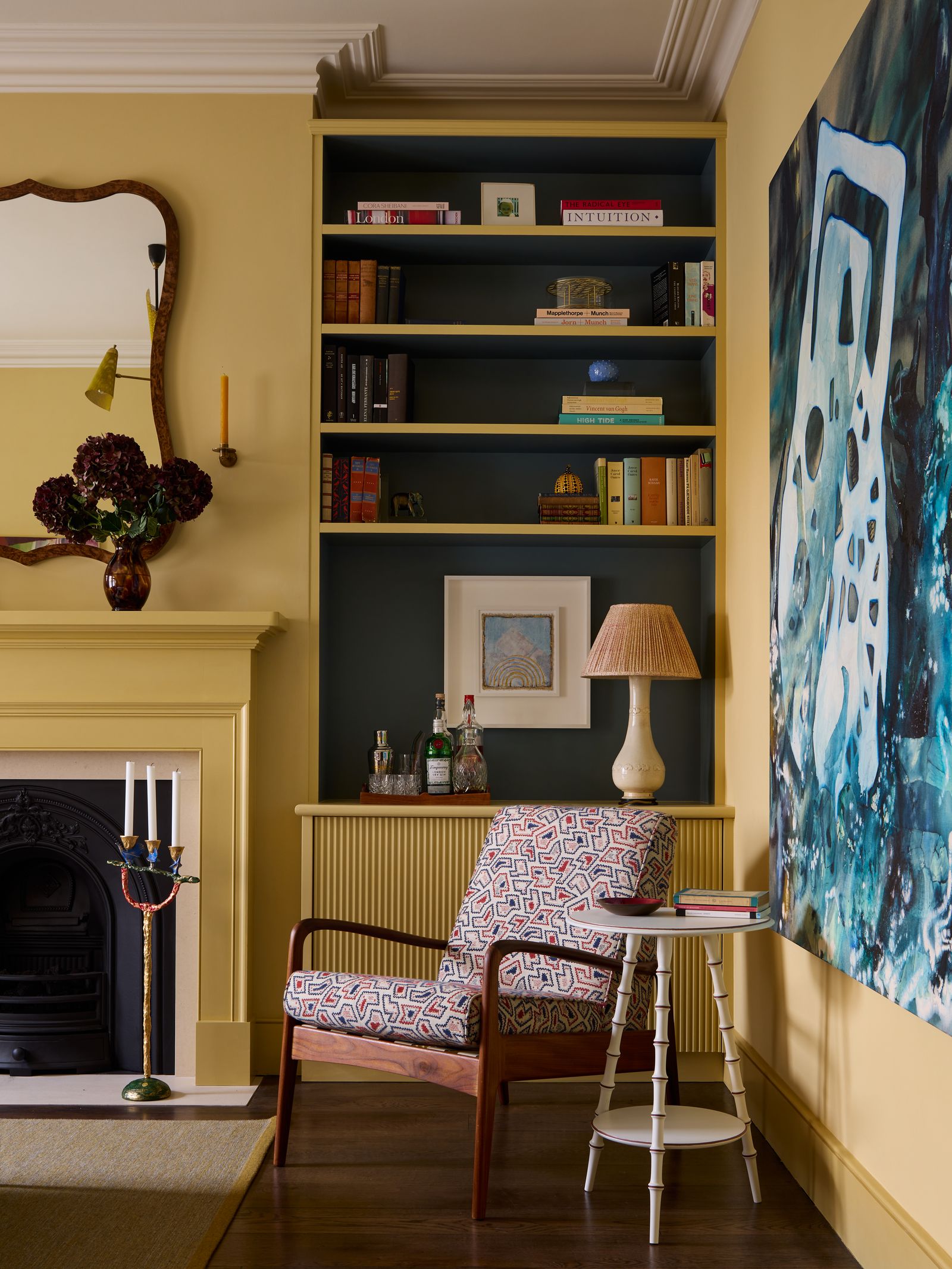
Don’t go ‘all new’ or ‘all old’
“Reupholster antique chairs in your favourite fabric and pick up furniture at auction; it looks surprisingly contemporary when you place it next to modern pieces.” - Lucy Cunningham
“We love the thrill of trawling local flea/antique markets to source antiques for our projects. It’s the excitement of never knowing what you might find, and each piece is unique and has a story. It provides a sustainable way to add authenticity to a space.” - Aldridge & Supple
“Incorporate your ‘what’s old’ into your ‘what’s new’. The introduction of furniture and fabrics you’ve collected and carried along the way with you are integral to an inventive and interesting scheme. An antique rug is a great place to start - that, or by picking up on accents from old cushions or a small ottoman you’re dropping in from a previous home.” - Flora Soames
“Antique or vintage pieces will help ground a room, knocking the edges off a newly decorated room helping it feel settled and easy to be in. Good things get better with age so don’t worry about marks and scuffs too much.” - Joanna Plant
“Mix and blend in a multitude of references, not just interiors and architecture but anything that interests you. Your favourite painting might give you the perfect wall colour, the material on a much loved coat might be just what would suit your upholstery. Look back through history to past interiors, go further than your home country and don't just root yourself in the sameness of now. A melting pot with a good narrative is better than a perfectly executed facsimile room.” - Guy Goodfellow
"I love mixing old rugs with new ones, it adds a layered effect. Some can be contemporary, but you always have to have some beauties from yesteryear."- Virginia White
Don't skip the planning stages - layout, furniture, lighting. Even where you're going to put your drink down!
“You cannot cover up bad proportions and layouts with decoration.” - Philip Hooper
“Do plan your lighting early. After sketching a floor plan with furniture placeholders, use a highlighter to mark potential light sources from the ceiling, walls, and floor. This helps determine where to direct light, such as on artworks or sculptures, and where to create ambient lighting effects.” - Kelly Hoppen
“Use masking tape to test sizes of furniture and rugs. This is an easy and fun way of testing out how the proportions of each piece work alongside each other - before committing to anything that is made to order and can’t be returned.” - Pernille Lind
“Turn your wish list, mind palace, Pinterest boards, pictures/info torn out of magazines or however you do it into some sort of basic masterplan, so that you can capture what is important to you and then budget it as far as possible. If you find you cannot afford all that you want to do (this is normal), get your priorities agreed and only embark on doing what you can do well.” - Edward Bulmer
"Plot where your sofas and armchairs will go, make sure there are tables nearby for your drink and add the lighting. A furniture layout helps you work out where the furniture will go, what you can and can not fit into a room and where you will need to add sockets, wall lights and pendants." - Vanessa Macdonald
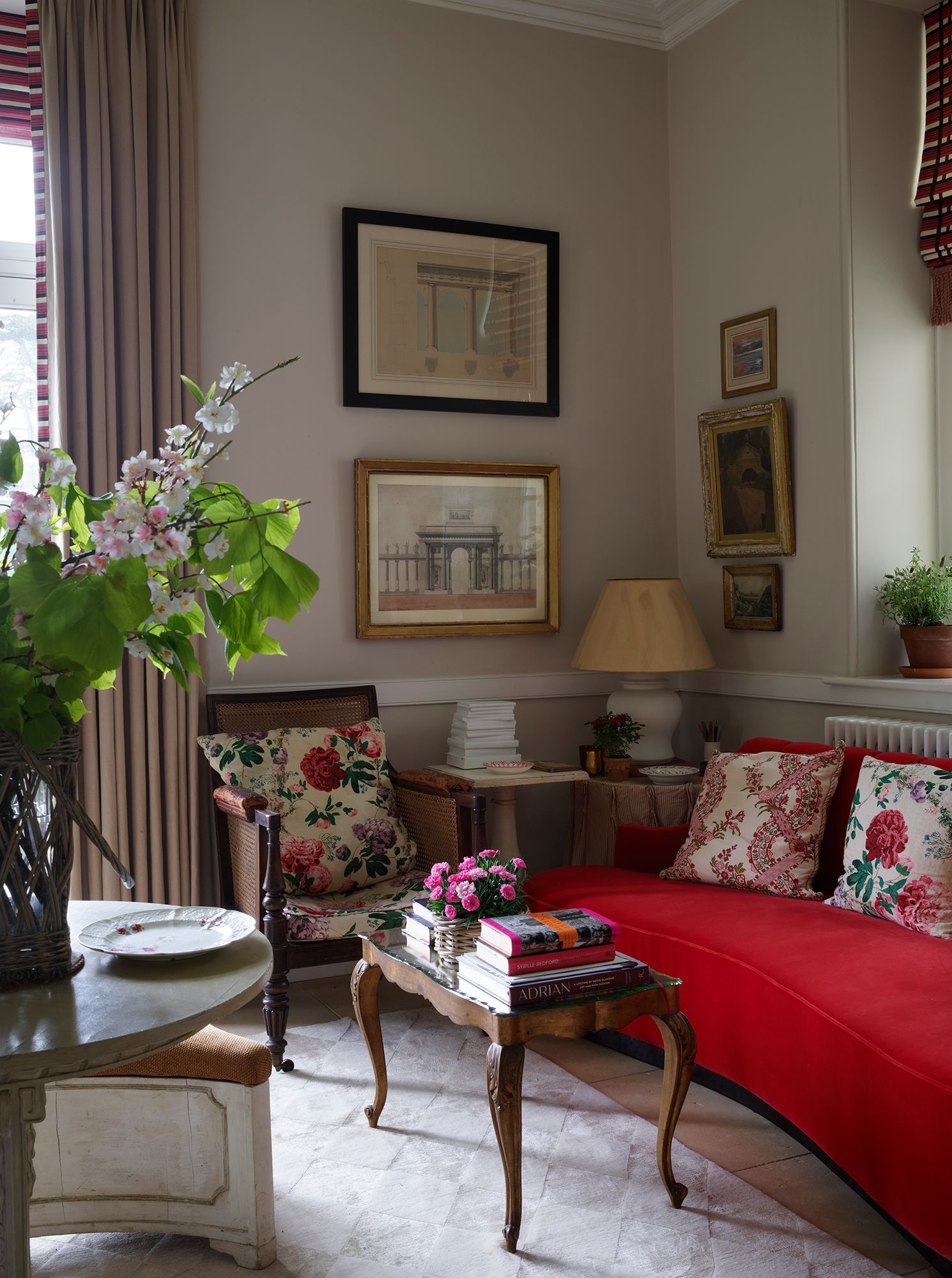
Do consider heights
“Do put the chair rail much lower than you'd expect. Normally, people put the chair rail (otherwise known as a dado rail) far too high. If you put it an inch or so above knee height, the walls will look much taller.” - Nicky Haslam
“Don’t put wall lights too high. It is the same as hanging pictures too high. Both should roughly be at around eye level.” - Sarah Vanrenen
Don't forget the sofa - and the seating more generally
“Sofas are tricky, Le Corbusier described them as “bourgeois”. I call them selfish. Too large and they become antisocial, with one person facing compulsorily someone’s back when engaging to the other. Be equally very mindful of placing two sofas mirroring each other by the fireplace. Where are the rest of the people going to sit?” - Carlos Garcia
“The bones of an antique sofa, once exposed and having been stripped of its upholstery and other trappings, are the best indicator of its quality. Good bones in an antique sofa means that it has the potential to become something magnificent.” - Jamb

Do get inspired - and not just by Instagram
“Don’t use Instagram as your sole source of inspiration. If you’re stuck for what to do, get offline and take a day on your own to wander around galleries or walk in the country.” - Adam Bray
“Look for inspiration outside the images you see online and on social media. 17th- and 18th-century portraits will have fabulous and unexpected juxtapositions of colour in costumes and clothing. John Fowler often used costume detailing as a catalyst for curtain ideas, so put aside Instagram and take a trip to an art gallery.” - Philip Hooper
Lucy Hammond Giles: “Be bold, be brave, hold your nerve. But don't follow fashion, it doesn't last.”


