

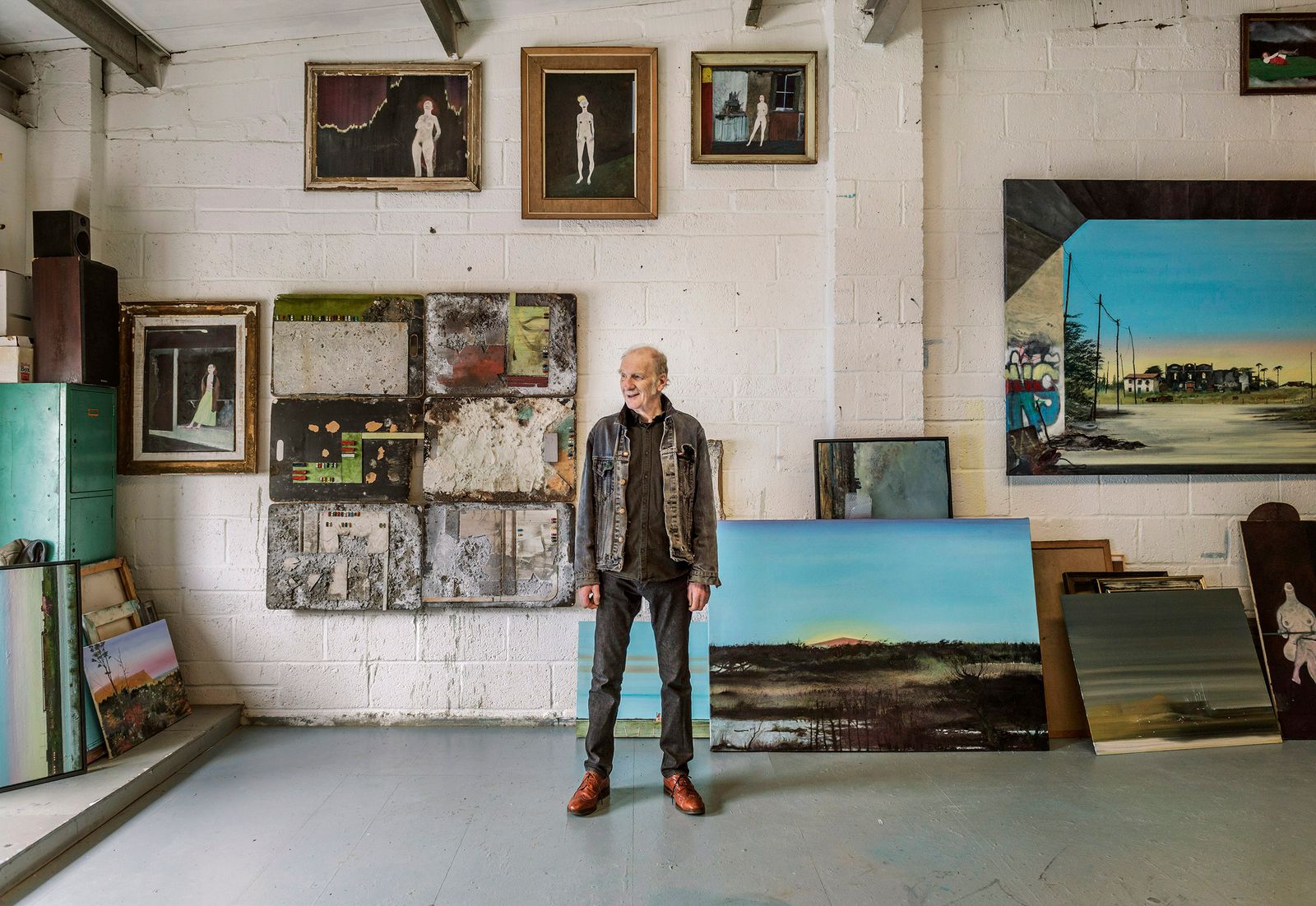
My paintings describe the outside world and I start by opening my front door,’ says Jock McFadyen of his vast paintings, often of London, which – like the townscapes of the Dutch Golden Age – merge land, sky and the built environment, and romanticism with realism. The Scottish painter dates finding his subject to 1981, when he was appointed artist-in-residence at The National Gallery: ‘Before that, I’d been experimenting with film and Pop art,’ he recalls. The next revelation came in 1992, when he designed the set for Kenneth MacMillan’s The Judas Tree for The Royal Ballet at the Royal Opera House. ‘It involved a huge amount of urban landscape. And it was populated by real-life people – by dancers,’ he says. ‘I went back to my studio and continued painting without figures.’
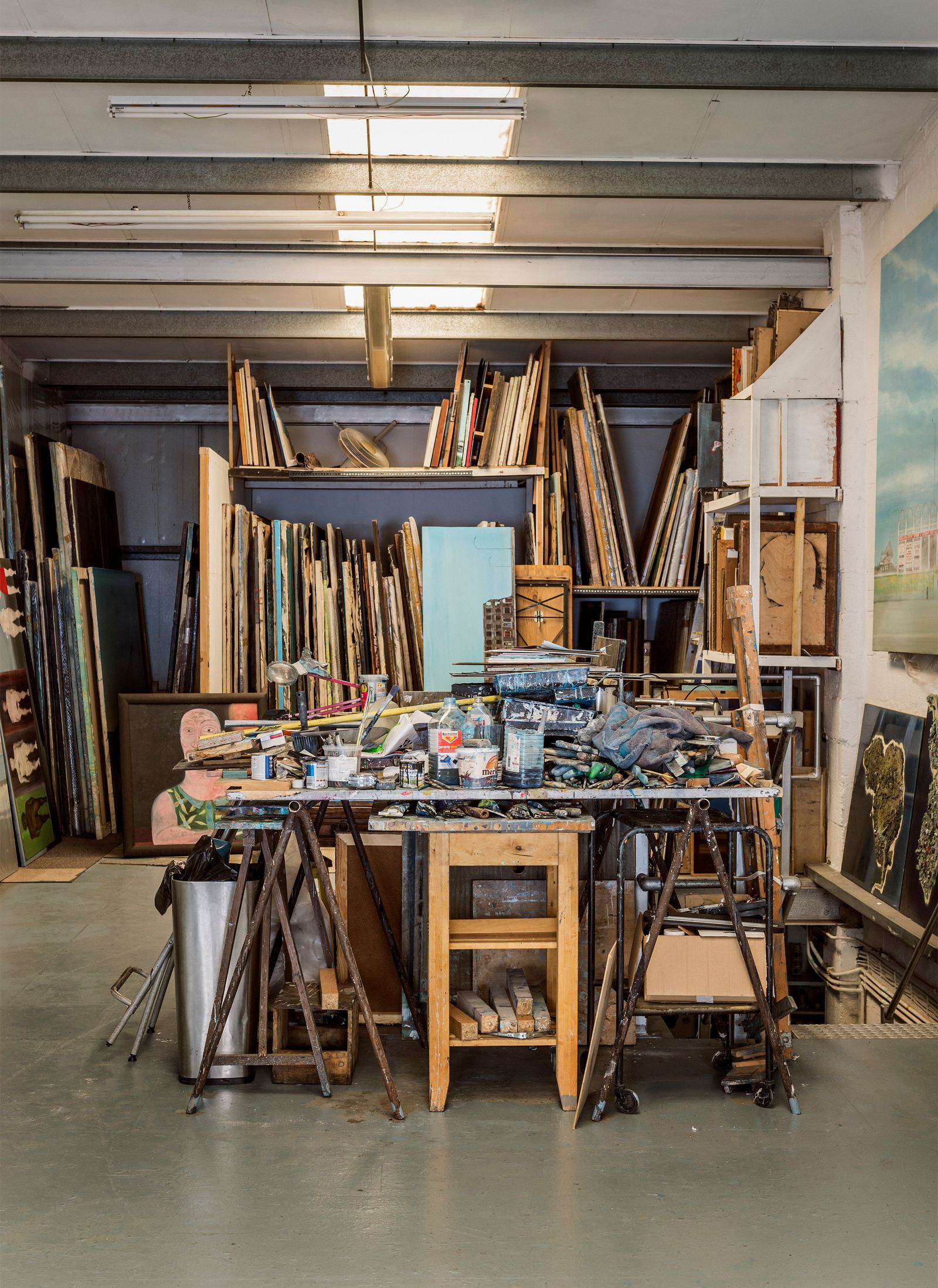
Today, Jock’s work is in the collections of 40 public museums. His studio is in a former warehouse in London Fields, which he bought 25 years ago, shortly after its internal structure had been broken up in a police raid. Most of the ground floor is an exhibition space that he and his wife, the violinist Susie Honeyman, co-manage as part of their roving Grey Gallery. The first floor is devoted to work; Jock demonstrates that the railings around the staircase are demountable, to facilitate the moving in and out of canvases. Using oils, he paints flat and wet-on-wet. It is a method favoured by those Dutch artists and others who have depicted London, from JMW Turner to Frank Auerbach. ‘Paint is alive,’ explains Jock. ‘The trick is to keep it alive while manipulating it into imagery.’

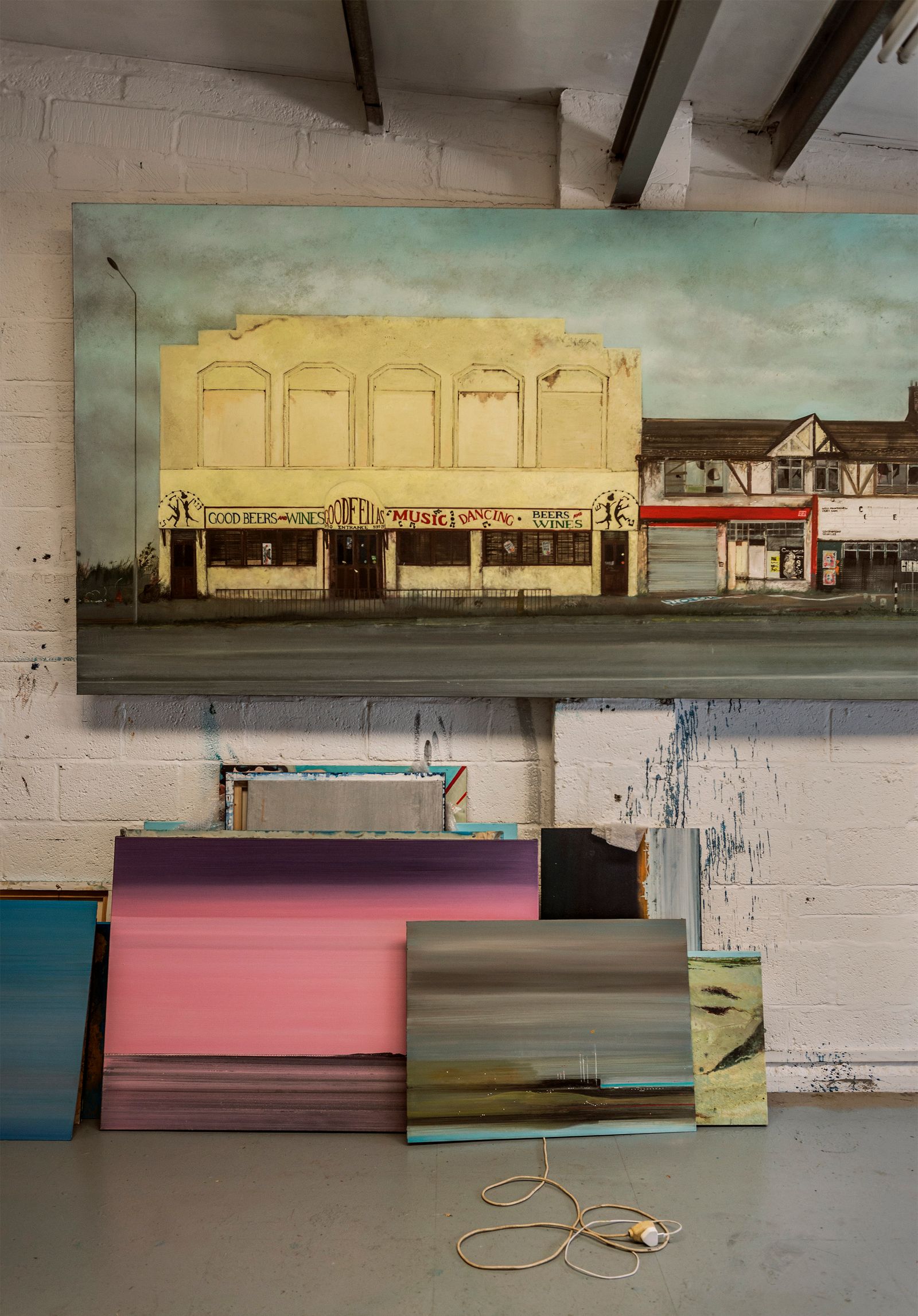
Alongside his declared emphasis on light, Jock’s concentration on the less than conventionally lovely – the condemned canal-adjacent factory, the faded Art Deco cinema-turned-nightclub, the London Underground – evokes a humanity that belies the cinematic emptiness of so many of his paintings. They may be without figures, but there are people in Jock’s cityscapes: they are in the graffiti and the club flyers, and the hope and aspiration that is behind the constant redevelopment. And in capturing these moments in the city’s shifting sands, Jock is chronicling another chapter in London’s rich history.
Paintings by Jock are featured in ‘Pariah Genius: John Deakin, The Psychobiography of a Photographer’ at Swedenborg House, WC1, April 26-May 24: swedenborg.org.uk. His solo show ‘Made in Hackney 2’ is at The Grey Gallery, E8, May 11- June 16, open at weekends or by appointment: thegreygallery.com | jockmcfadyen.com


