

Have you ever considered what the most unsustainable things are in your home? As we become increasingly conscious of our environmental impact, as well as what effects the items we bring into our homes may have on our own health, it’s important to be able to identify the more problematic pieces and source better alternatives to reduce our footprint on this earth. Here’s some examples of things around the house that you might not have realised can be unsustainable, and brands who are creating less impactful solutions.
Mattresses
Recycling mattresses is challenging due to their complexxc.composition, which includes a mix of materials like metal springs, foam, and fabric. Adding to this, their bulky size and weight can make transportation and handling difficult.
In 2022, only 24% of discarded mattresses were recycled in the UK, however, the ‘real’ rate of recycling of mattresses is estimated to be far lower at 14%. ‘Real’ recycling is the amount of material actually recycled after sorting and processing. This means that as much as 76% of mattresses discarded each year (~5 million mattresses) end up in landfill or incinerated, which is roughly the equivalent of 14,000 double decker buses.
Naturalmat offer mattresses that can be completely disassembled, with each layer being compostable, recyclable, or naturally biodegradable, ensuring that nothing ends up in landfill once the mattress reaches its end of life.
Simba offers a specialist mattress removal and recycling service. Regardless of the brand or size, they collect old mattresses and ensure they are recycled, reducing the number that ends up in landfills.
Upholstered furniture
In the UK, regulations around fire safety and flammability make recycling upholstered items such as sofas and armchairs particularly challenging. These chemicals contaminate materials, rendering them unsuitable for reuse. The mix of materials (e.g. foam, fabric, wood, metal) combined with toxic flame retardants means that specialised disposal is necessary due to the hazardous nature, which most standard recycling facilities cannot handle.
Developing non-toxic flame retardants and improving recycling technologies is essential to address these challenges but, in the meantime:
- Buy for longevity: when purchasing a new sofa, prioritise durability and quality. Consider using loose, removable covers to extend a product’s life.
- Pre-loved and buy-back programmes: look for brands who offer buy-back programmes and pre-loved pieces. George Smith’s circular exchange scheme ‘Buy Back’ allows customers to sell pieces back to be refreshed and re-homed, offering credit towards new products and services in return.
Paint
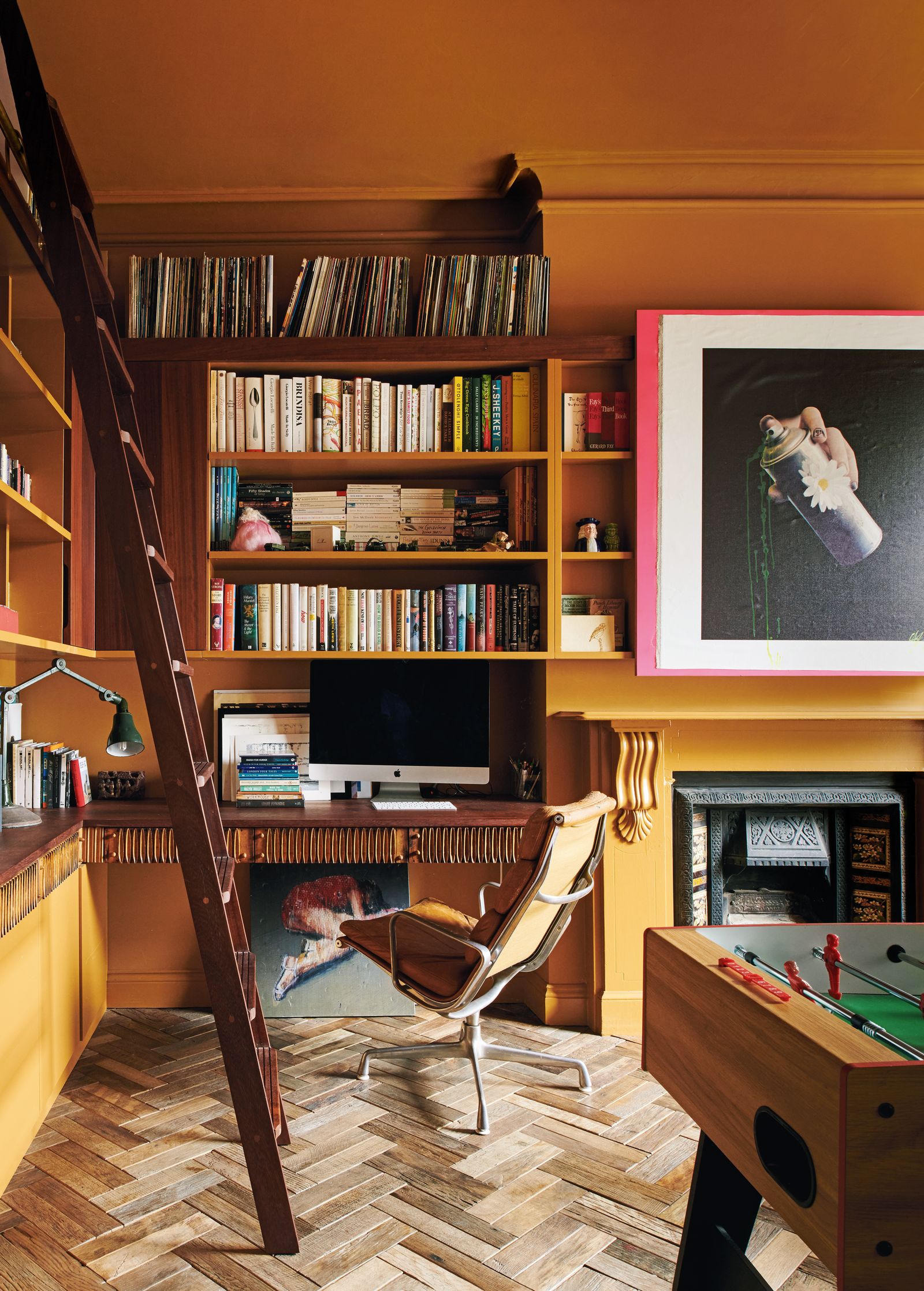
Did you know that modern paints are often derived from fossil fuels and packed with microplastics, as well as containing solvents which can emit potentially harmful gases? These can not only pollute our rivers and oceans but can also be inhaled by people, with the potential to cause negative health effects.
If you’re redecorating, use natural paints like Edward Bulmer Natural Paints. Their paints are plastic free, carbon natural and non-toxic, and come in a beautiful range of colours.
Fast furniture
Much like fast fashion, fast furniture has a detrimental impact on our environment. We are seeing more mass-produced furniture coming to the market, which is typically make of poorer-quality materials, cheaply manufactured and sold, designed for short-term use, and made with less sustainable materials.
In the UK, 300,000 tonnes of furniture is thrown away annually that could be reused, and in London, 45% of people throw away good quality furniture. Fast furniture further exacerbates this problem.
- Buy pre-loved: consider purchasing furniture from auctions or second-hand marketplaces like 1stdibs.com, Vinterior.co or Lorfords. Buying pre-loved can add a unique touch to your space while minimising waste.
- Repair and reuse: repair items before discarding them and embrace upcycling and repurposing to find new uses for old pieces to extend their lifespan.
Bathroom recycling
How many of us have a recycling bin in our bathrooms? Data from The British Beauty Council shows that 56% of consumers don’t recycle bathroom waste like shampoo, conditioner and shower gel bottles simply because it’s inconvenient to do so.
The global beauty industry generates over 120 billion units of single use plastic packaging every year. Alarmingly, 95% of cosmetic packaging is thrown away, with only 9% recycled, making packaging one of the biggest sustainability challenges facing the beauty industry.
Placing a specific bin in your bathroom can encourage recycling and help manage waste more effectively – look for options which are made from recycled or natural materials.
Making better choices about common household items is crucial for reducing our environmental and social impact. By being mindful of the products we use and supporting brands that offer sustainable alternatives, we can contribute to a healthier planet for future generations. Whether it's recycling your mattresses, choosing a long-lasting sofa, selecting eco-friendly paint, pre-loved furniture, or simply adding a recycling bin to your bathroom, every small step counts.


.jpg)


