

There’s something deliciously secret about the coves and bays that dot along Dorset’s coastline: the dusty one-mile footpath that takes you to Worbarrow Bay (turquoise even on a grey day); scrambling down to Chapman’s Pool tucked under the cliffs a little further east; or the big reveal of Ringstead Bay as you crown the brow of the hill on the approach. Too far from London for most weekenders and overlooked by holidaymakers with eyes fixed only on Devon and Cornwall, you can be happily lulled into thinking you’ve discovered your own sliver of the Jurassic Coast here. Head inland and the patchwork quilt of fields is time in rewind, a bygone era of low-beamed pubs, thatched cottages and ancient ley lines. But alongside the old-world cream teas and tolling church bells there’s a bustling hive of unpretentious coolness too: pop-up farm-to-fork restaurants, craft ice cream, buzzy vineyards and independent shops selling local crafts. It’s a recipe that’s long-lured creatives. Close to Bridport there’s Jasper Conran at his 17th-century Bettiscombe Manor; the ethereal illustrator Fee Greening in her fairytale thatched cottage back towards Dorchester; and further north near the hilltop town of Shaftesbury is the interior designer Flora Soames. “Partly real, partly dream-country,” was how Thomas Hardy described this corner of the West Country in Far from the Madding Crowd, and it’s impossible to pen a better strapline.
What is the best time to visit Dorset?
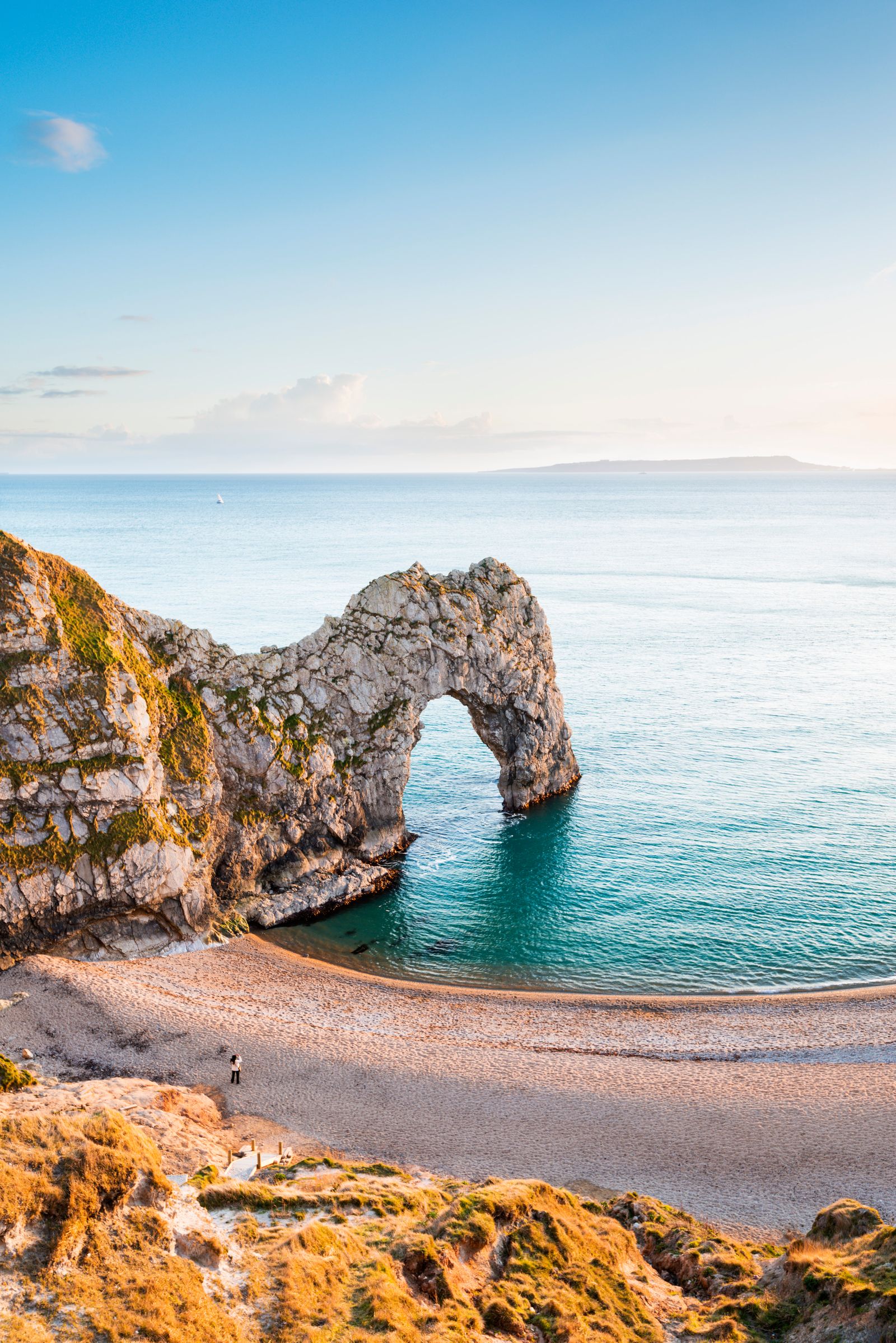
Make a beeline in September, just as the sea has warmed up and the summer crowds have cooled off. It’s then that the splendour of spectacles like Durdle Door – a 200-foot arch rising out of the English Channel – can be seen in all its glory, or the sandy Studland Bay further east returns to a quiet Enid Blyton-worthy spot to bask at.
What is Dorset known for?
It’s difficult to fathom the ancientness of Dorset’s Jurassic Coast, often our first foray into the county as clip-board-wielding teens on a field trip. A place where rocks from the Triassic, Jurassic and Cretaceous periods can be seen in one place, it’s a geological masterpiece, stretching for 95-miles from Orcombe Point in Exmouth, Devon to Old Harry Rocks near Swanage in Dorset. But it’s returning later without the constraints of textbooks that its wildness can be truly cherished: a place to hide with a book in the summer, dwarfed by the cliffs, and somewhere to stride out along during the windswept winters.
What is the best seaside town in Dorset?
Buffering up against the Devon coastline, the medieval port of Lyme Regis had its moment in the spotlight in the 18th century when it became a fashionable seaside resort. But it hasn’t lost its sheen today: impossibly happy-making with its bunting-strung streets, pastel-coloured houses and nostalgic-making fish and chip shops along the seafront. Save room for a cone of Baboo Gelato from the kiosk on Marine Parade made by local gelatiere Annie Hanbury who makes it in small batches outside Bridport. And once the sun has set, grab a table at chef Harriet Mansell’s Lilac restaurant and wine bar in a 400-year-old cellar on Broad Street, with its small plates of locally sourced ingredients (expect venison and green peppercorn salami perhaps or pan-fried hake with cream sauce and pangrattato).

The best things to do in Dorset
Inspired by The Salt Path on the big screen, strike out, map in hand, along the South West Coast Path from the medieval settlement of Abbotsbury, where there are the remains of the 11th-century abbey, as well as a swannery and sub-tropical gardens. There’s a top-of-the-world feeling once you reach the hill behind, with spellbinding views of Chesil Beach – where solitary fisherman perch along its shingly edge – and across the English Channel. St Catherine’s Chapel above Abbotsbury has stood on a conical hill overlooking Chesil beach since the 14th century, built by the monks at the abbey as a place of pilgrimage – and serving as a handy marker today for exploring this slice of the coast on foot.
If Dorset’s bracing sea – turning from impenetrably wild to infinity-pool tempting in the space of a day – is not enough to lure you into your swimming gear, head to one of the outdoor saunas popping up along the coast instead. Amongst them is The Saltwater Sauna – brainchild of the Finnish Arlene Glyn-Jones — at Sandbanks, Christchurch and Lulworth Cove, offering its 65-minute guided rituals; the woodfired The Bayside Sauna in the shadows of the cliffs at West Bay; and the Shoreline Sauna off Marine Parade in Lyme Regis, with its tempting selection of essential oils to add into the mix.
For the perfect post-dip reward, join the queue at The Hive Beach Café at Burton Bradstock, which for over 30 years has been serving seafood straight from the Dorset coastline, whether it’s a towering crab sandwich or the hake in crispy tempura batter. For something smarter, book a table at the Seaside Boarding House perched on the cliff behind The Hive, with sweeping views of Lyme Bay. The brainchild of Mary-Lou Sturridge and Anthony Mackintosh (formerly of the Groucho Club), here’s a spot for the longest sort of lunch, with a menu of scallops grilled with samphire and Café de Paris butter, or perhaps a whole lemon sole with a dill and olive oil dressing.
Arty – and reassuringly un-chichi – Bridport is best on market days held every Wednesday and Saturday from 8am, when three streets come alive with a technicolour mix of bric-a-brac, flowers and local food. But on any other day your best bet is to hover for a table in the sun outside Soulshine for a smooth flat white and a stack of buttermilk pancakes, before trawling the town’s abundant book shops. Amongst them is The Book Shop which has been in situ on South Street for over 45 years, Wild & Homeless Books where its second-hand collection spills onto the street and Bridport Old Books, with its 5000-strong collection of rare and second-hand reads. Stock up on the smartest sort of ready meals at Brassica Forno for a sofa supper with your new reads (Portland crab orecchiette perhaps, or organic lamb kofte). Or grab a table at the new 101 Bridport, set in an unlikely-looking former industrial unit where locals descend as the sun sets on Thursday and Friday evenings for the freshest ingredients and fiery cocktails.
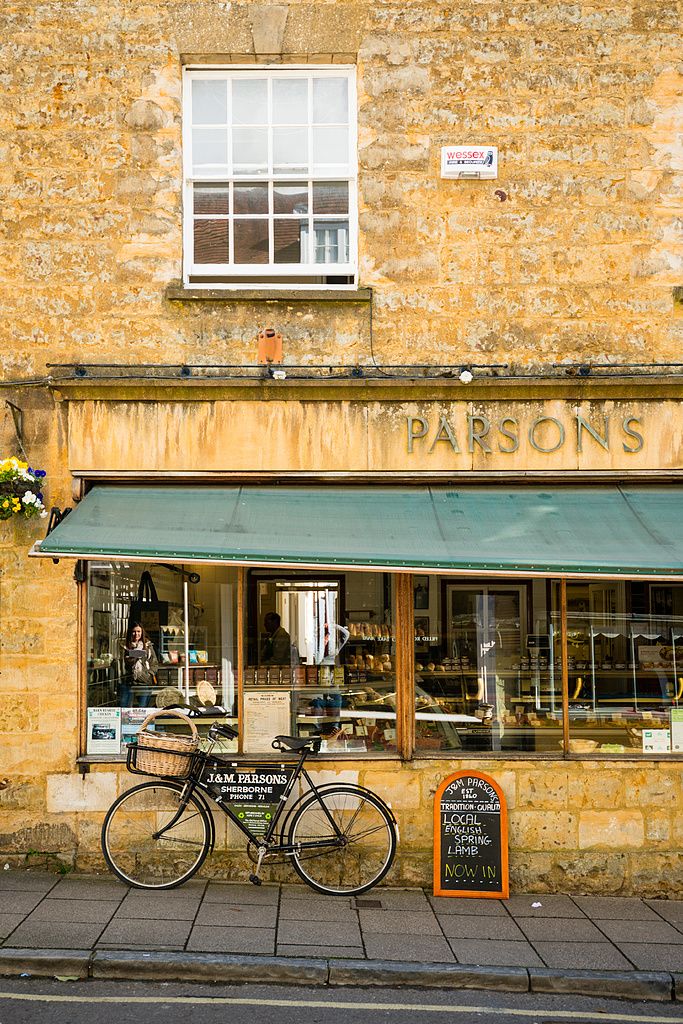
In the shadow of the honeycomb-coloured Sherborne Abbey, this town’s cobbled streets are littered with antique shops; some for the honed dealer and others un-intimidatingly scruffy. D’Urberville, with its rabbit warren of rooms packed with French antiques and a café filled with towering cakes, is a sound starting point to get your eye in. Further up Cheap Street you’ll find 40-plus dealers in the Sherborne Antiques Market, at the smart Piers Pisani you might find a Victorian boot pull or an Edwardian set of jockey scales and to chance your luck at unearthing treasure, pitch up for the Saturday antiques and flea market held on the first Saturday of the month from March to December in New Digby Hall. Wind up at The Sherborne gallery, for a whizz round its latest exhibition, before settling down for a lunch of Portland crab linguine or a house burger in its restaurant Macready’s.

Lung-bustingly steep Gold Hill with its ancient cobbles and thatched cottages became an emblem of bucolic bliss in the 1970s Hovis Advert. Once you’ve taken in the sprawling view across Thomas Hardy country towards the Blackmore Vale, it’s the perfect launch pad to discover Shaftesbury’s clutch of independent shops. Tucked at the top of Gold Hill is FOLDE which celebrates the county’s makers with Jonathan Garratt earthenware perhaps, or lino prints from Manda Beeching, as well as bookshelves overspilling with an encyclopaedic pick of nature writing. What started as a kitchen table enterprise for Amalia Pothecary and James Osborn is now the tempting Botanical Candle Co with its handmade soy wax candles, and for handmade botanical soaps and small batch skincare there’s The Farm Soap Co. Dive into Mine for the best pick of cards and new baby presents (Tweedmill blankets and floral rompers) and arm yourself with a coffee – and bunch of local blooms – from Pamplemousse to refuel, before setting up camp in the 17th century The King’s Arms for a mean nduja scotch egg and a pint of local Rude Giant larger.


