


Since his first feature, 1996's Bottle Rocket, American auteur Wes Anderson has slowly been refining his highly crafted, meticulous filmic universes, from the mannered dialogue delivery and stilted, deadpan humour, to the graphic design of the titles and credits. Seemingly each time he releases a new film, critics write that he's pushed his style even further - in a review for the BBC, Nicholas Barber wrote that this year's The Phoenician Scheme took ‘Wes Anderson-ishness to a whole new level’, for example. Along with Tim Burton, he's among very few living filmmakers that have such a widely recognised, influential and particular visual identity. It makes perfect sense, then, that after their Burton retrospective last year, the Design Museum is now putting on a vast exhibition titled Wes Anderson: The Archives, which opens next month. Among the objects on display will be ‘original storyboards, polaroids, sketches, paintings, handwritten notebooks, puppets, miniature models, dozens of costumes’ and more besides.
One of the main ways the Anderson brand takes form is of course, through the set design of his films. Regular, highly skilled collaborators like production designer Adam Stockhausen and graphic designers Annie Atkins and Erica Dorn have been key in bringing the director's singular vision to life through the tangible objects and rooms seen on-screen. From the opulence of The Grand Budapest Hotel to the zesty, saturated colour palettes of The Darjeeling Limited, there is much to draw from his films and reinterpret in our own homes.

Jessie Atkinson is GQ's senior commerce writer and author of a new book on Anderson-inspired interior design, Live Like Wes. On how to get the right look and feel, she says ‘decorating your home to have the whimsy of a Wes film is mostly a case of building a collection of antiques and trinkets that bring you joy. There are some quicker ways to the halls of The Grand Budapest Hotel, though, and they include colour-drenching a room in a bright colour, choosing an unexpected contrast hue, and getting stuck into the details: an eccentric placemat here, an artfully-arranged fridge magnet gallery wall there’. In that eclectic spirit, we've curated a selection of pieces that take influence from the aesthetic and stories of some of his most design-centric films. They include antiques, idiosyncratic stationery, vintage posters and mid-century furniture, proving that the the visual scope of the Andersonian world is as wide ranging as it is highly specific. His style incorporates so much more than just symmetry and pastel hues.

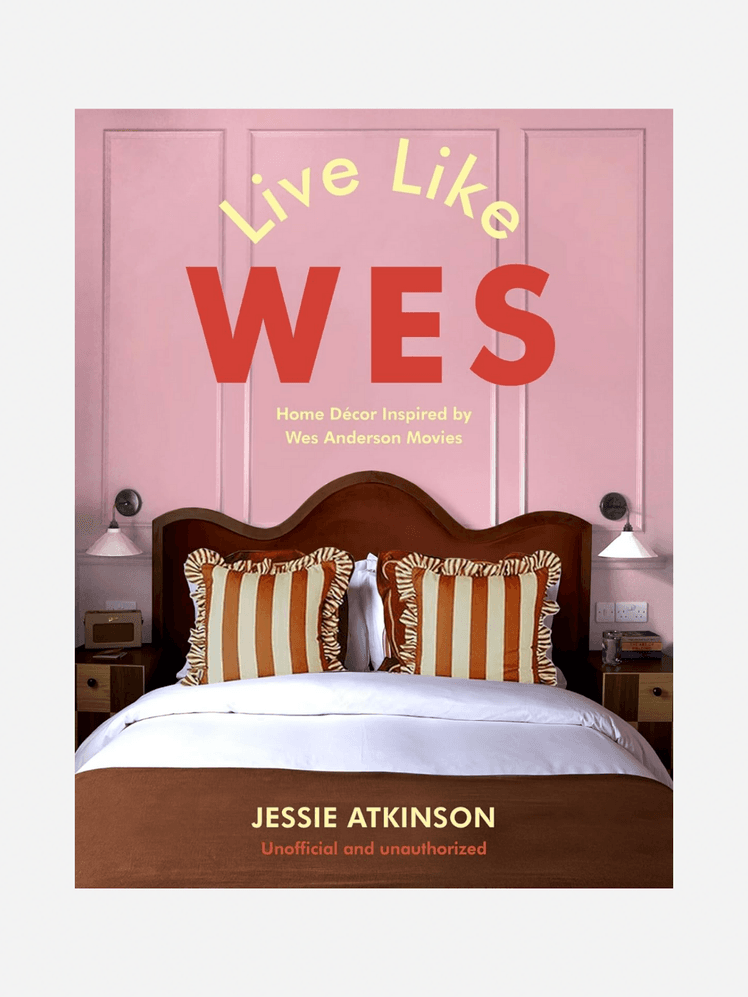
These are two of our favourite coffee table books that look at the influence of Anderson's fictional worlds on the real world. Accidentally Wes Anderson Adventures is a weighty book of photography that journeys around the globe, showcasing weird and wonderful places that it's hard to believe aren't from one of his films. Jessie's book, on the other hand, breaks down the styles, eras and colour palettes of each of Anderson's films, accompanied by photographs of creative interior design projects that have nailed the look, alongside tips on how to do it yourself.

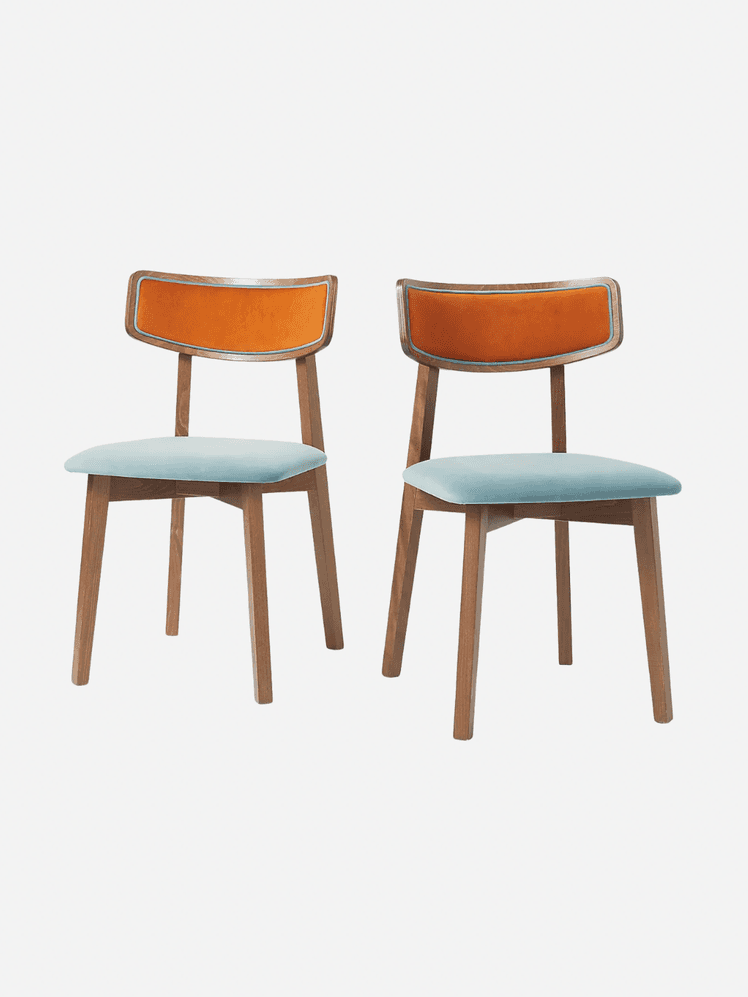
Combining vibrant teal and hot orange is the name of the game if you want to recreate the bold and colourful design of the luxury Indian train where much of The Darjeeling Limited takes place. Mega maximalism is the idea here, layering small scale patterns with the odd vintage graphic here and there. The Darjeeling Limited may be one of Anderson's more underrated films, but it's undoubtedly one of the most eye-popping in terms of the design and cinematography. Minimalists beware!

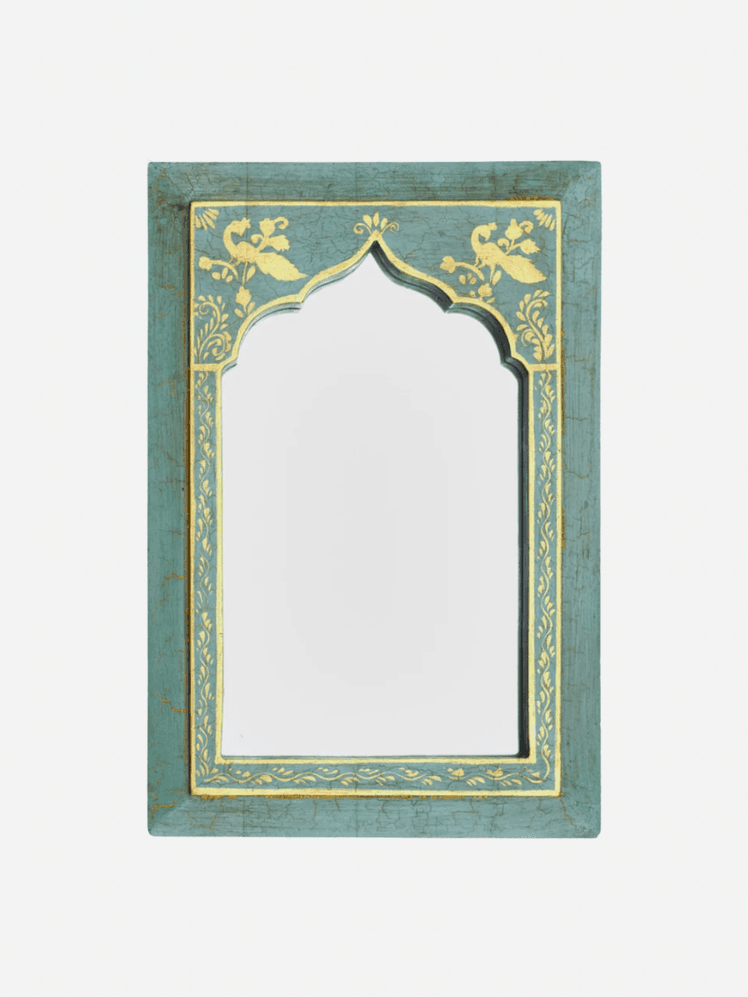


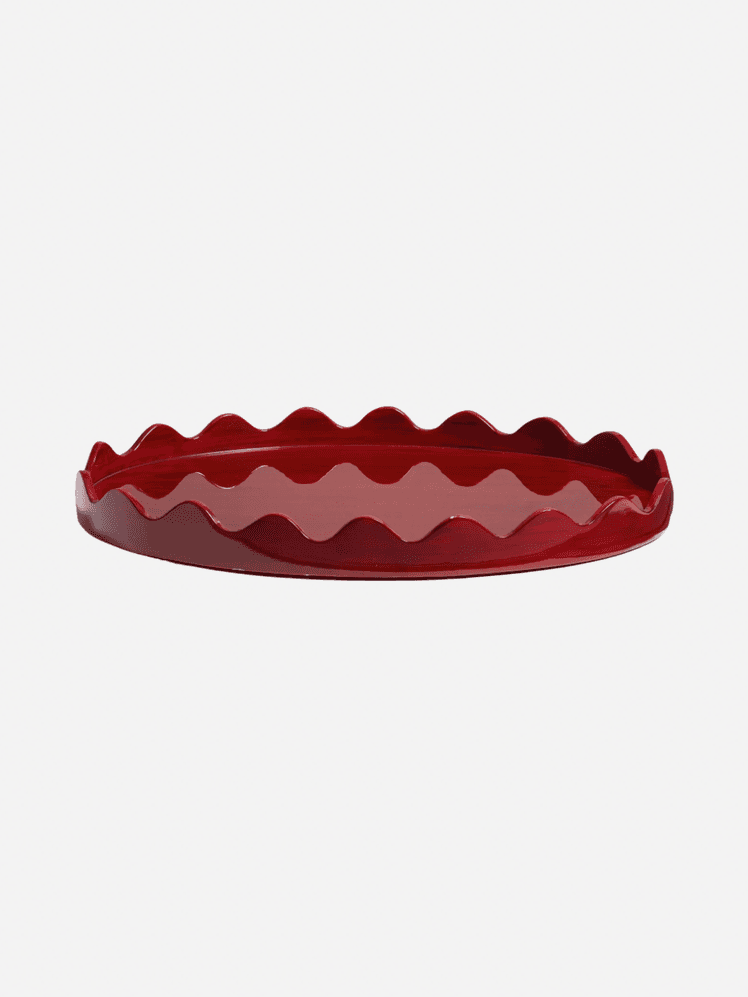
Perhaps the film that finally thrust Wes Anderson from indie darling into the mainstream consciousness, 2014's The Grand Budapest Hotel was nominated for nine Oscars. The props and architecture of the film have become iconic, whether its the fictional Boy with Apple painting that propels the storyline, the pink and blue Mendl's patisserie boxes, or the frothy wedding cake-like façade of the eponymous hotel. Accents of deep purple and glossy red add drama to the vast hotel lobby.

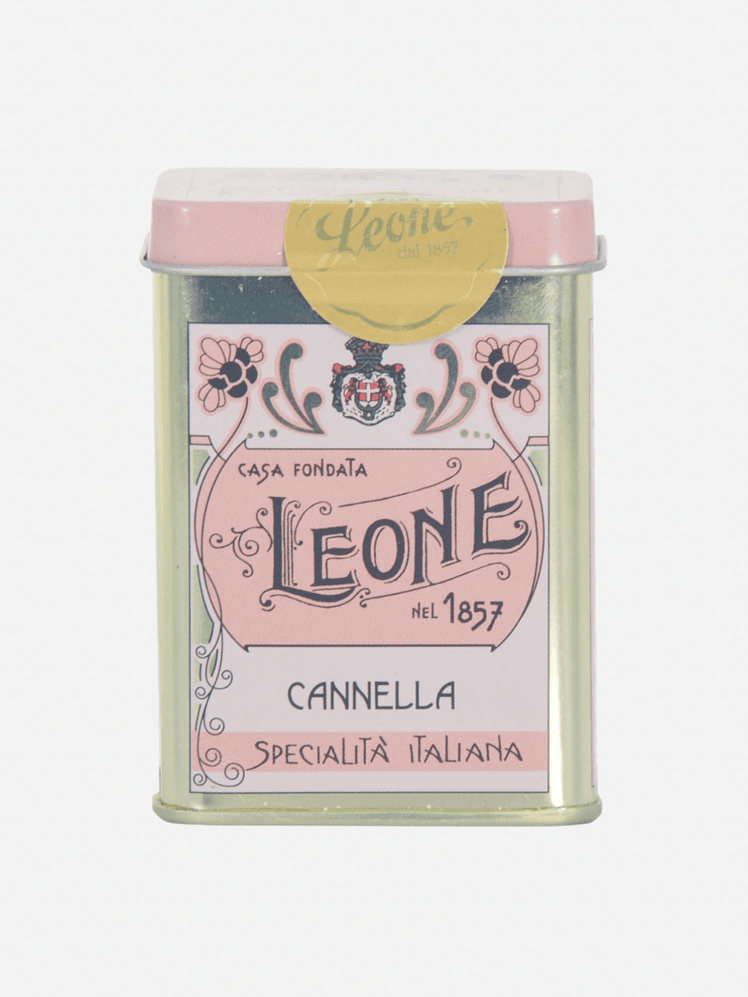


Printed ephemera and signage is a key element of many Anderson films, whether it's the fictional in-film logos and shop signs, or the design of the posters used to advertise each new release. The French Dispatch, released in 2021, has to be the best one yet for graphic design enthusiasts. From the countless fictional magazine covers that were designed for the film, down to the yellow coffee cups bearing the logo of Le Sans Blague café, the level of detail showcased here is bewildering. Cast member Tilda Swinton's husband, painter Sandro Kopp, created the abstract paintings for one of the film's vignettes. Retro stationery design feels very aligned with some of The French Dispatch's printed props; head to Bloomsbury independent stationers Present & Correct to capture the spirit of the magazine editor's office in the film.


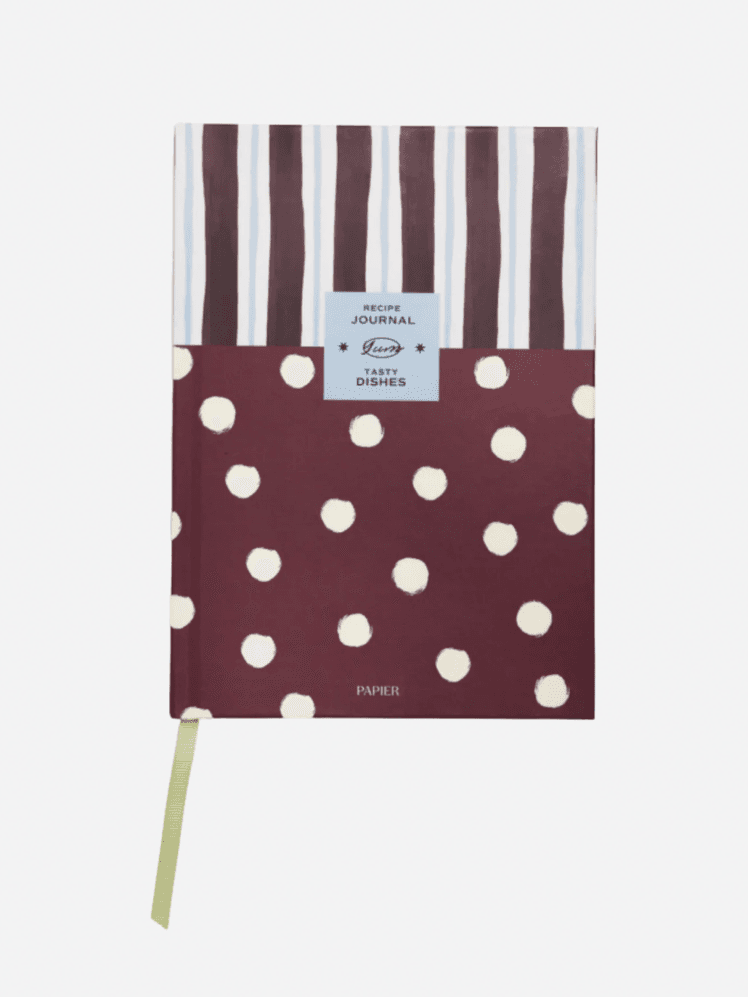


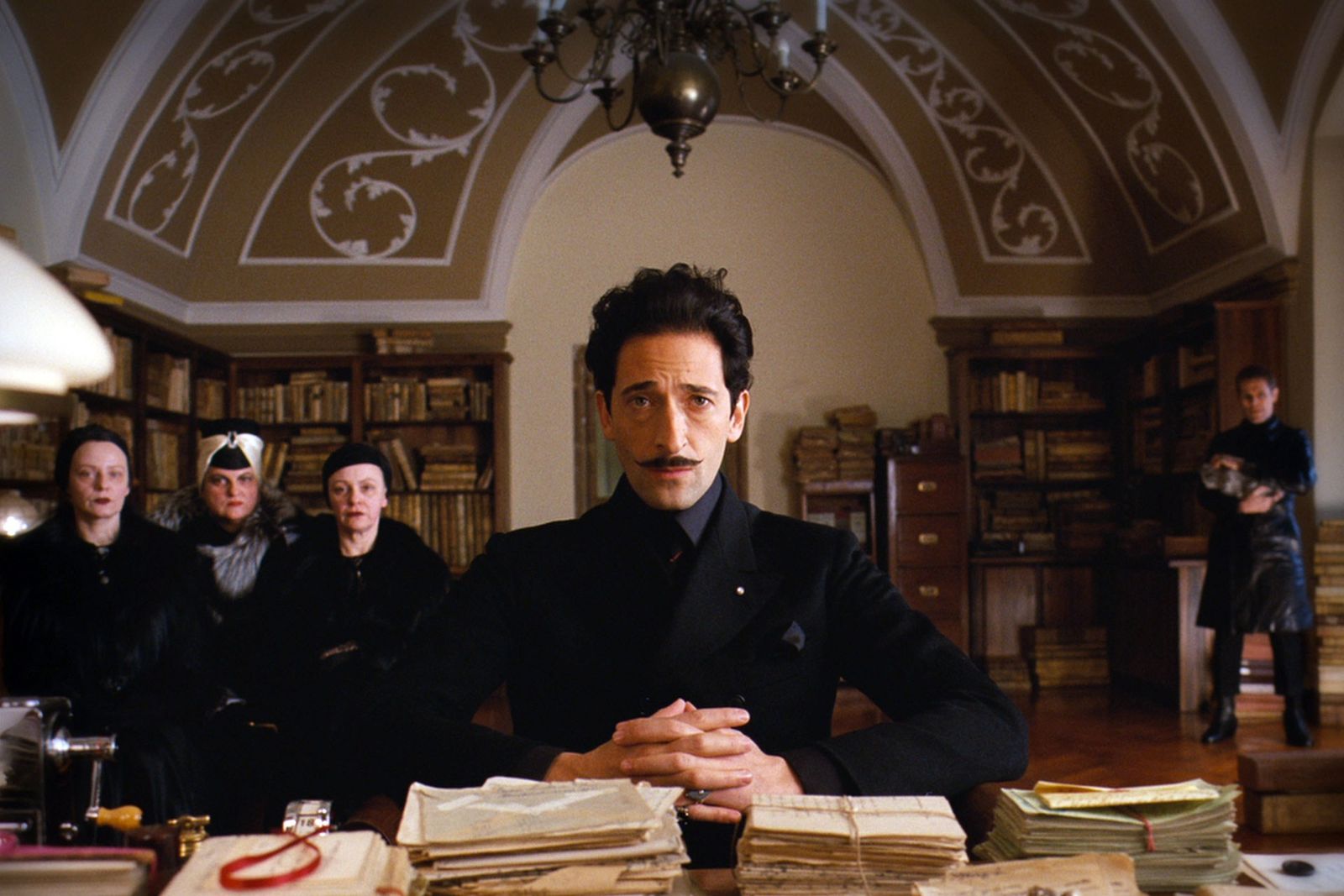


Anderson's most recent film, The Phoenician Scheme, is set around the 1950s in a fictional Middle Eastern country. It's filled with gorgeous, stylised mid-century design, including the luxurious plane interior seen above. The colour palette is much more desaturated than his preceding film, the technicolour Asteroid City, and mainly consists of buttery yellows and icy blues, with warming accents of honey-coloured wood and occasional pops of red, such as the slick of bright lipstick that Mia Threapleton's Sister Liesl wears throughout.
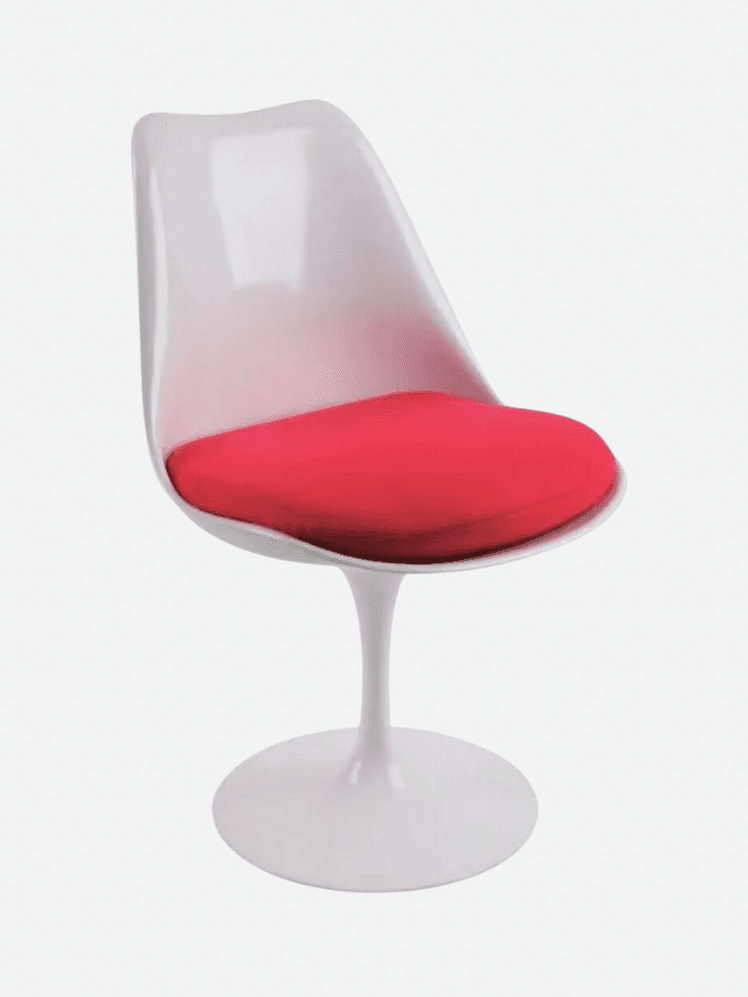


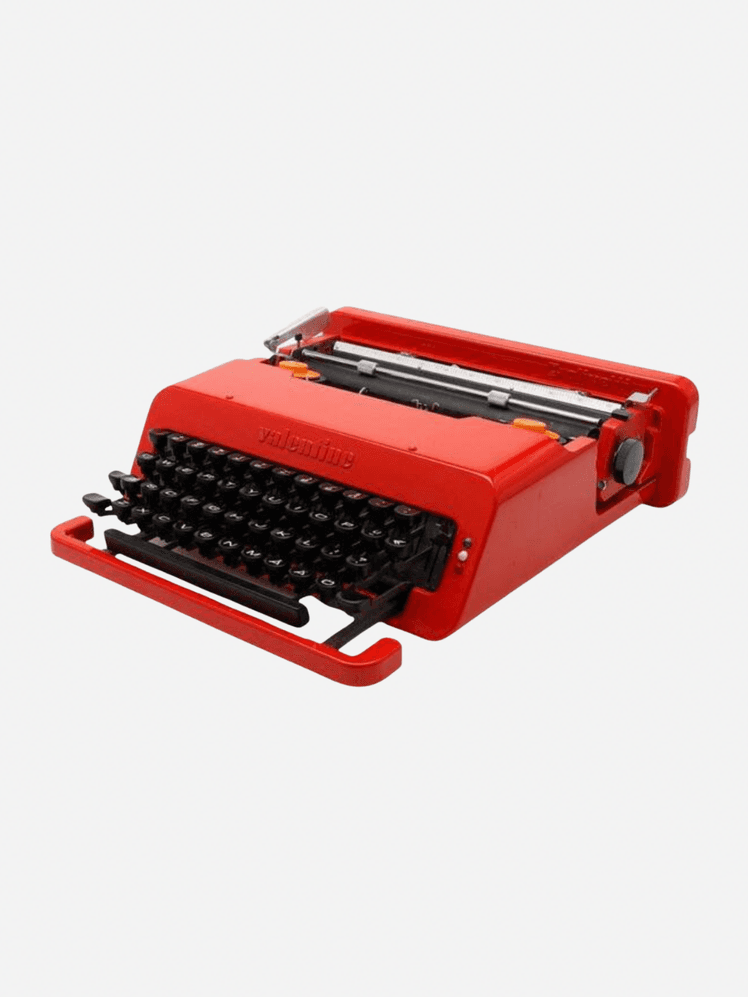

There's a louche, mismatched sense of accidental opulence within the sprawling house of the titular family of The Royal Tenenbaums. Think Turkish rugs, saturated reds and bold prints, endless bookcases and eclectic gallery walls. The Scalamandre zebra wallpaper has become iconic due to its use in the 2001 film.
.png)
.png)


The 1960s boy scout aesthetic and outdoorsy spirit of Moonrise Kingdom have informed our utilitarian, vintage inspired picks here. Head to independent store Labour & Wait for khaki, canvas, and useful bits of kit that are vintage in style, but practical and of high quality. They stock many pieces that could be straight out of the film, which is set in the bucolic wilderness of New England.


.png)


