
A Scottish garden with an astounding collection of uplifting daffodil varieties
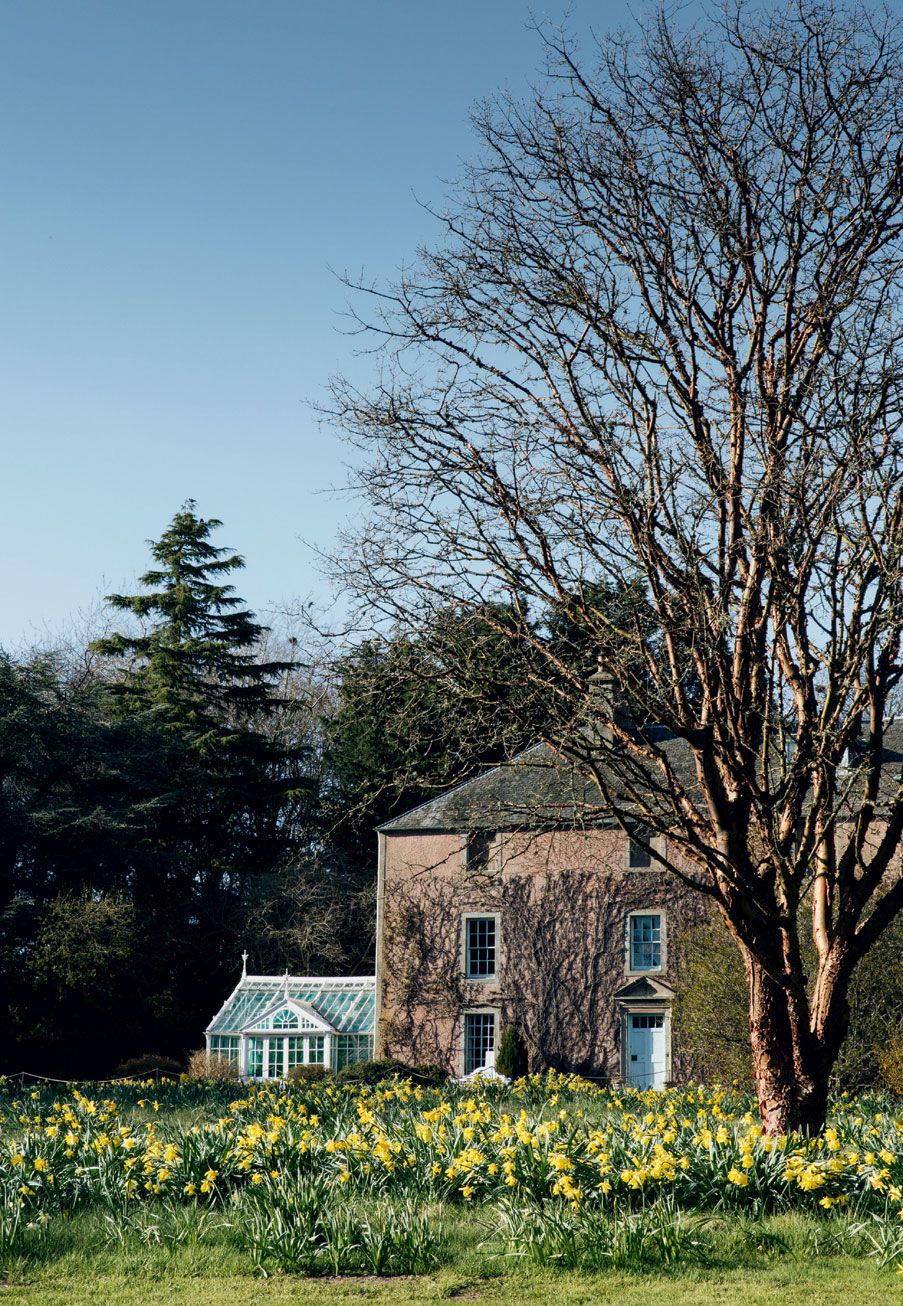
Around the turn of the millennium, a daffodil fever gripped the country. Thousands of big and bold daffodils were planted en masse to adorn every verge, roundabout and village green and – over the past 21 years – they have swollen in ranks of Wordsworthian proportions. But familiarity has brought about something of a backlash for these cheery flowers. All those rivers of acid yellow as we flash past in the car or train can cause us to visually zone out and, whereas daffodils were once the welcome herald of spring, they can now appear just a little bit ordinary.
All of which is sad, because daffodils come in many more shapes, sizes and colours than all this indiscriminate yellow flower-bombing might suggest – from ivory to egg-yolk orange and even an elusive shade of translucent pink. So is it time to start rethinking our attitude to the daffodil?
Caroline Thomson from the Backhouse Rossie Estate in Fife is a champion of the lost heritage daffodils. She is almost uniquely qualified for this, as her ancestors on her mother’s side, the Backhouses, were botanists, plant hunters and nurserymen. Some members of her family, her mother included, have specially bred cultivars named after them. As she grew up, she went from mild interest to daffodils taking over her life, especially in springtime: ‘I think I’m the bridge between the older aunts, their stories and the memorabilia of that world, and of the world of my son, which is very different.’
MAY WE SUGGEST: An ever-evolving garden by Arne Maynard that bursts to life in spring
For the past 16 years, since they acquired the Rossie Estate, Caroline and her husband Andrew have been saving disappearing varieties from extinction, growing them in their meticulously restored walled garden and creating Scotland’s Daffodil Festival in 2016. Each year, their historical, medicinal and cultural significance is celebrated. Few people know the bulb provides a valuable source of galantamine, used in the treatment of Alzheimer’s disease. There is much more to daffodils than a brightly coloured vase of spring flowers.
Daffodils, or narcissus – to give them their correct botanical name – have their origins in the wild varieties of the Mediterranean, most probably brought over to Britain by the Romans for medicinal purposes. They were then modest-looking flowers rather than the larger hybrids of today, but, from the middle of the 1800s, there was a vogue for turning the humble daffodil into something more sophisticated. For a century, six members of the Backhouse family over three generations did more for daffodil breeding than almost anyone else, introducing more than 950 new cultivars into circulation.
The first, William Backhouse (1807-1869), was a true pioneer. ‘He was cross-breeding them when they were not admired as blooms worthy of hybridising, but just little wild flowers,’ says Caroline of her ancestor’s lifelong work. The Backhouses, a wealthy Quaker family originally from County Durham, were bankers and businessmen but, like many Victorian gentlemen, they were passionate about the new emerging science of natural history. Their ancestral home, where much of the early cross-breeding was done, was in Weardale, high up on the Durham moors. It is now sadly a ruin but, in April, the rough pastures that were once well-kept gardens are thick with hundreds upon hundreds of the Backhouse hybrids.
MAY WE SUGGEST: The best garden furniture to buy now
Daffodils fell out of fashion in the latter half of the 20th century and many of these hybrids, once so sought after, were relegated to the back catalogues of specialist nurseries. One of these lost cultivars, ‘Weardale Perfection’, which dates from the 1870s, is a real beauty. Tall, elegant and a pale lemon bi-colour, it can take anything the spring weather might throw at it. It was so popular that, in the 1880s, a single bulb went for £12 – the equivalent of around £1,400 today. It fell from grace, only to be rescued from extinction by one single bulb found in 1998 in the back garden of a retired district nurse, Jessie Young, in the Weardale village of Wolsingham. It was patiently propagated and replanted and now, each spring, thick swathes of them light up the hedgerows and the churchyard of the small Dales village.
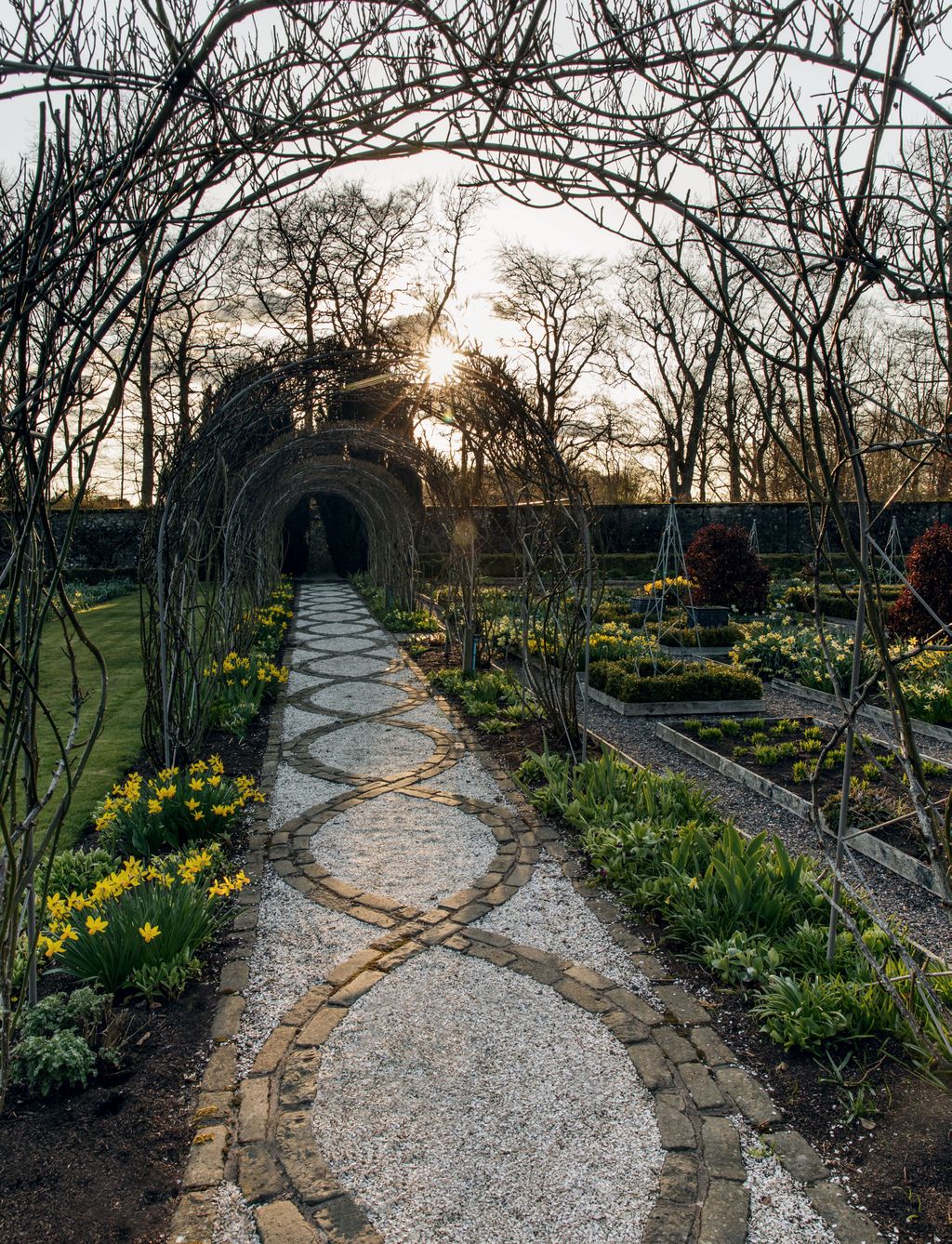
The National Collection of Narcissus Backhouse cultivars are among the 20,000 registered daffodils that make up the scented, heritage and modern varieties at the Rossie Estate. The collection itself is grown in beds around the walled garden, with each variety carefully numbered so that it can be correctly identified, with the different varieties carefully catalogued, photographed and recorded for research purposes. But thousands more daffodils, particularly the whitepetalled varieties, are naturalised in the mown-grass labyrinth, under the rose archway that bisects the walled garden and in the lawn in front of the house. Their tenacity is astonishing. A hard frost can dash them to the ground, but when the sap rises, they can be upright within hours as if nothing had happened. In spring, when they flower en masse, you would require a heart of stone not to be moved by them.
Sadly, Scotland’s Daffodil Festival at Backhouse Rossie had to be cancelled in 2020 at short notice because of the pandemic, but despite the setbacks, Caroline and Andrew ran the entire festival online in April 2021. ‘Change is good,’ says Caroline, with characteristic enthusiasm. ‘It has been interesting to engage via the internet and Zoom with daffodil experts all round the world; they have been generous with their time and knowledge.’ And after 2021’s long dark winter when no one was allowed to gather and mix, more people than ever came to visit the garden when restrictions eased, many finding the peace and freedom there that had so long been denied to them.
Scotland’s Daffodil Festival will take place this year at Backhouse Rossie Estate, Collessie, Fife KY15 7UZ on April 9-10 and the garden will be open from April 1 until the end of September (closed on Tuesdays and Saturdays): backhouserossie.co.uk
 Eva Nemeth1/14
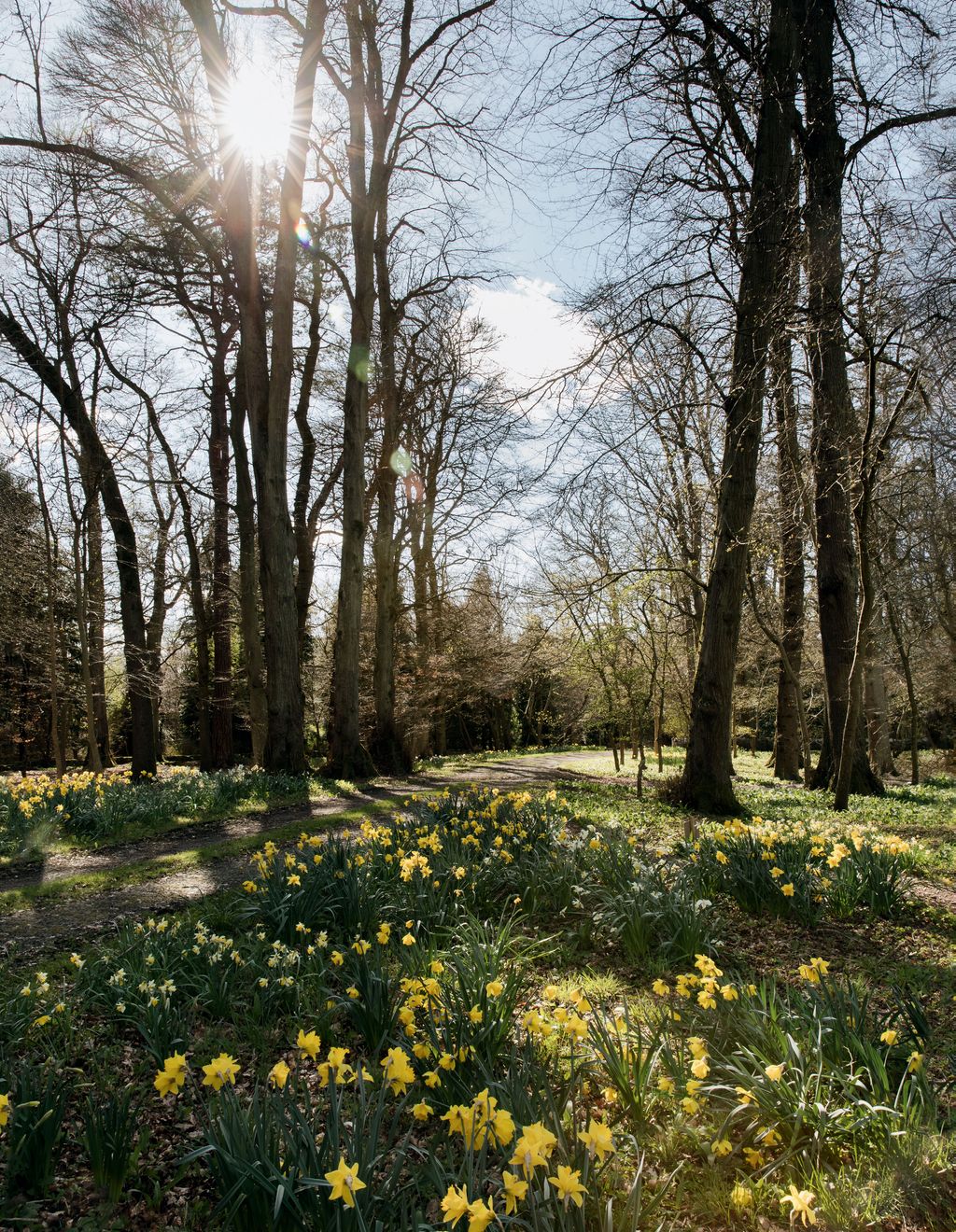
Swathes of heritage daffodils including ‘Emperor’ and ‘Empress’ have naturalised in the grass under old oak trees on the estate. An astonishing 20,000 varieties of heritage, scented and modern narcissus varieties can be found here, including the rare Backhouse daffodils, bred by ancestors of the current owner Caroline Thomson in the 19th and early 20th centuries.
 Eva Nemeth2/14
Daffodils such as the white-petalled ‘Sunrise’ grow around the mown-grass labyrinth, with the restored Victorian glasshouse behind
 Eva Nemeth3/14
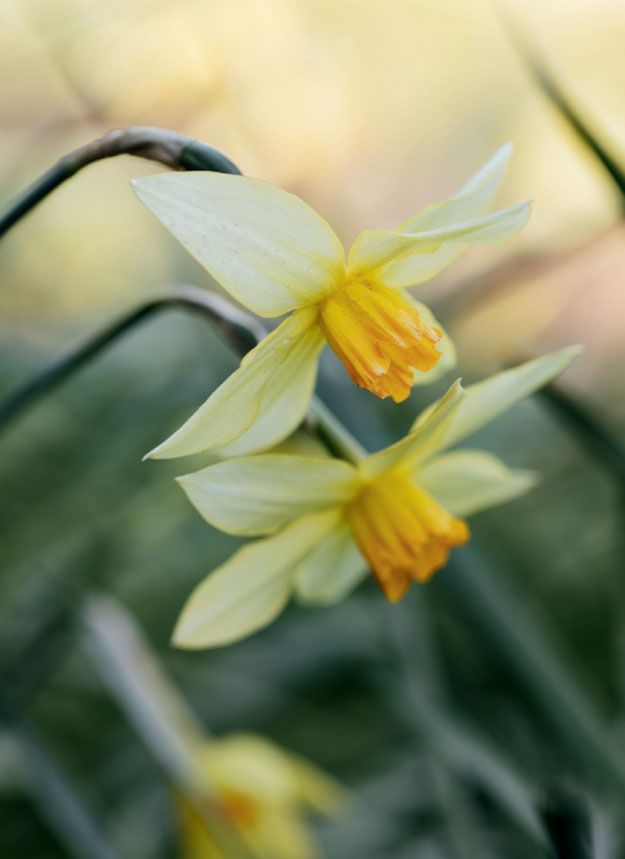
Narcissus ‘C.J. Backhouse’.
 Eva Nemeth4/14
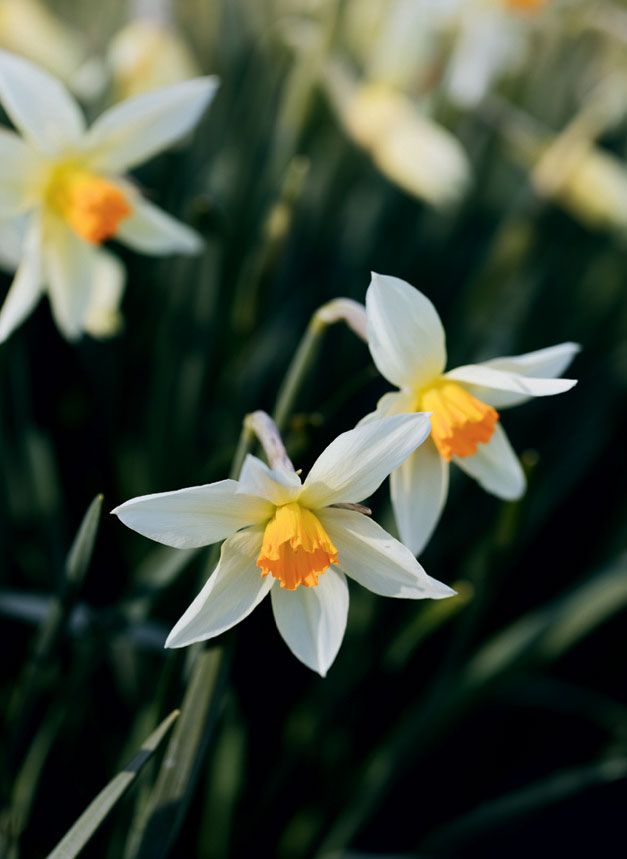
Heritage variety ‘Lucifer’.


 Eva Nemeth5/14
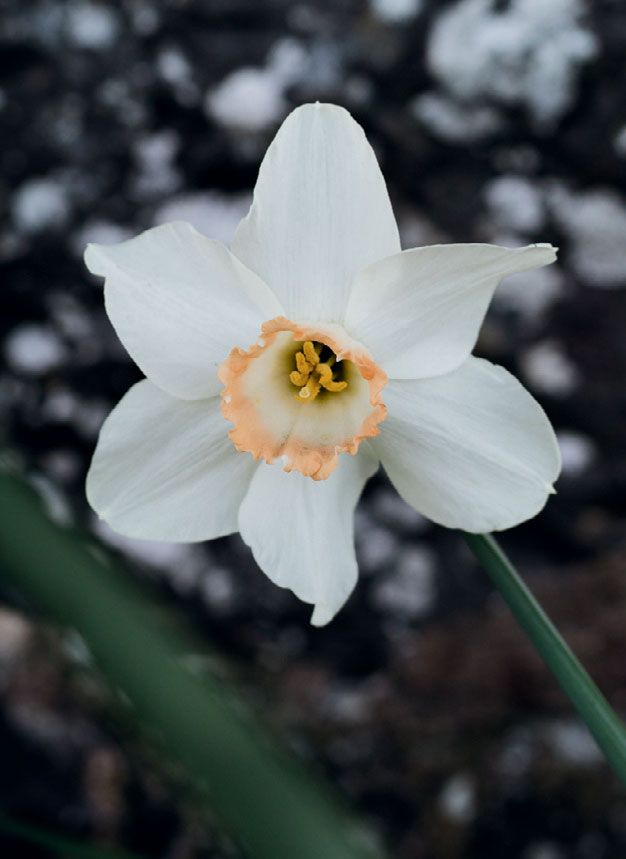
‘Pink Pride’, a descendant of original Backhouse daffodil ‘Hades’
 Eva Nemeth6/14
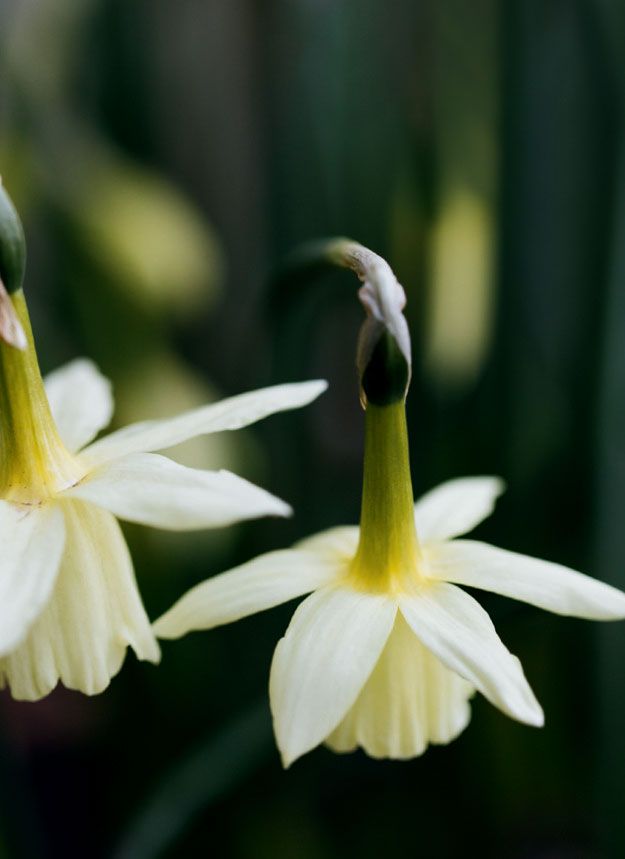
‘Niveth’, a triandrus daffodil.
 Eva Nemeth7/14
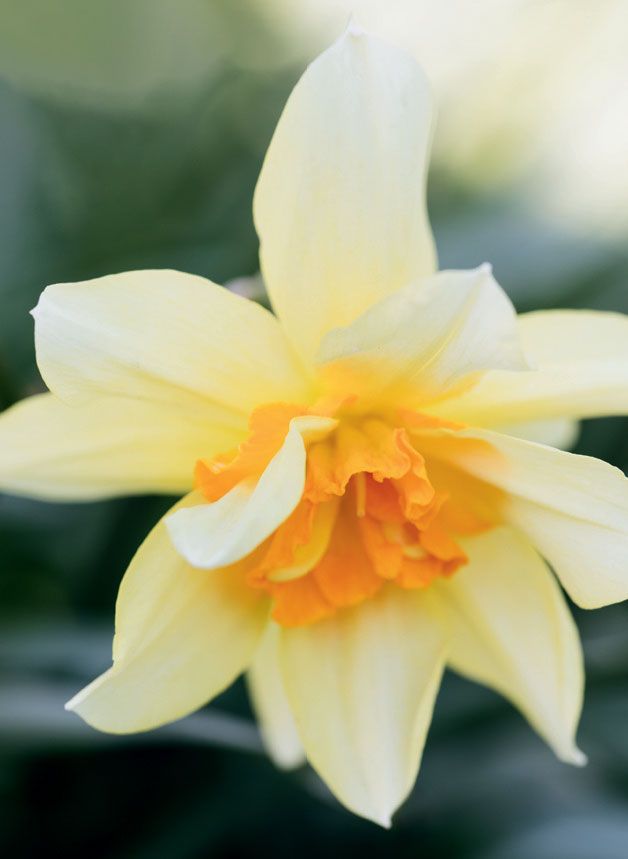
Double variety ‘Glowing Phoenix’.
 Eva Nemeth8/14
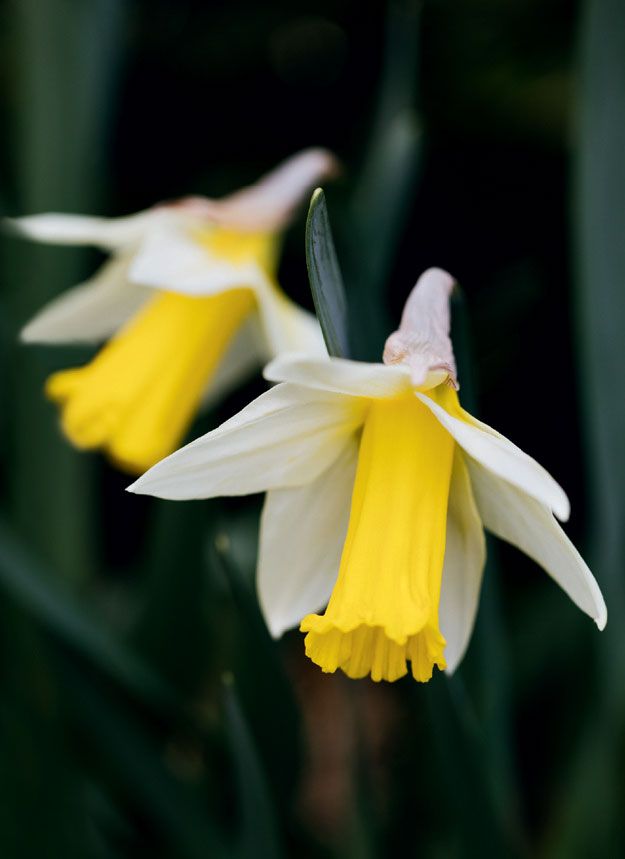
Original Backhouse cultivar ‘Empress’.


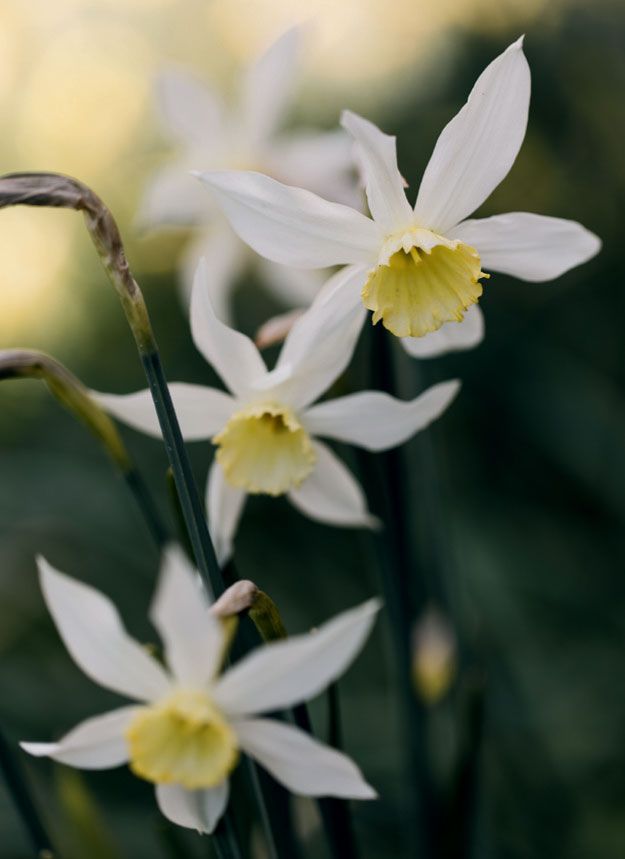 Eva Nemeth9/14
‘Duchess of Brabant’.
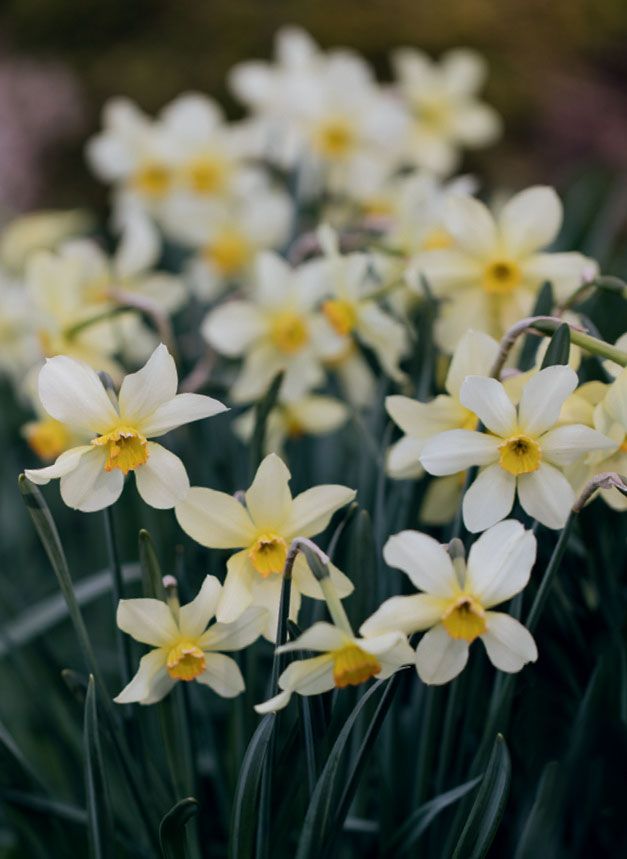 Eva Nemeth10/14
‘Conspicuus’ was bred by William Backhouse,
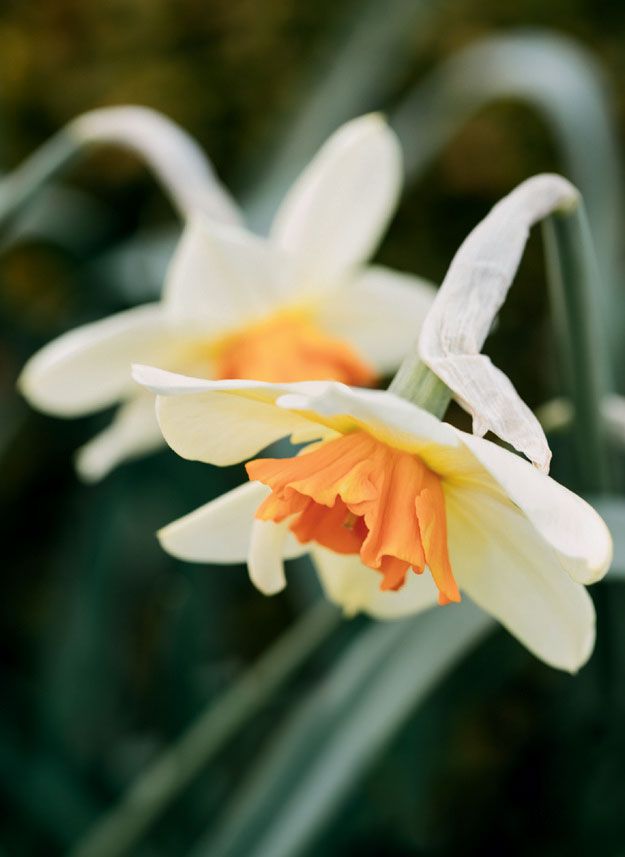 Eva Nemeth11/14
‘Dick Wellband’
 Eva Nemeth12/14
Late-flowering heritage narcissus grow in the lawn by the house.


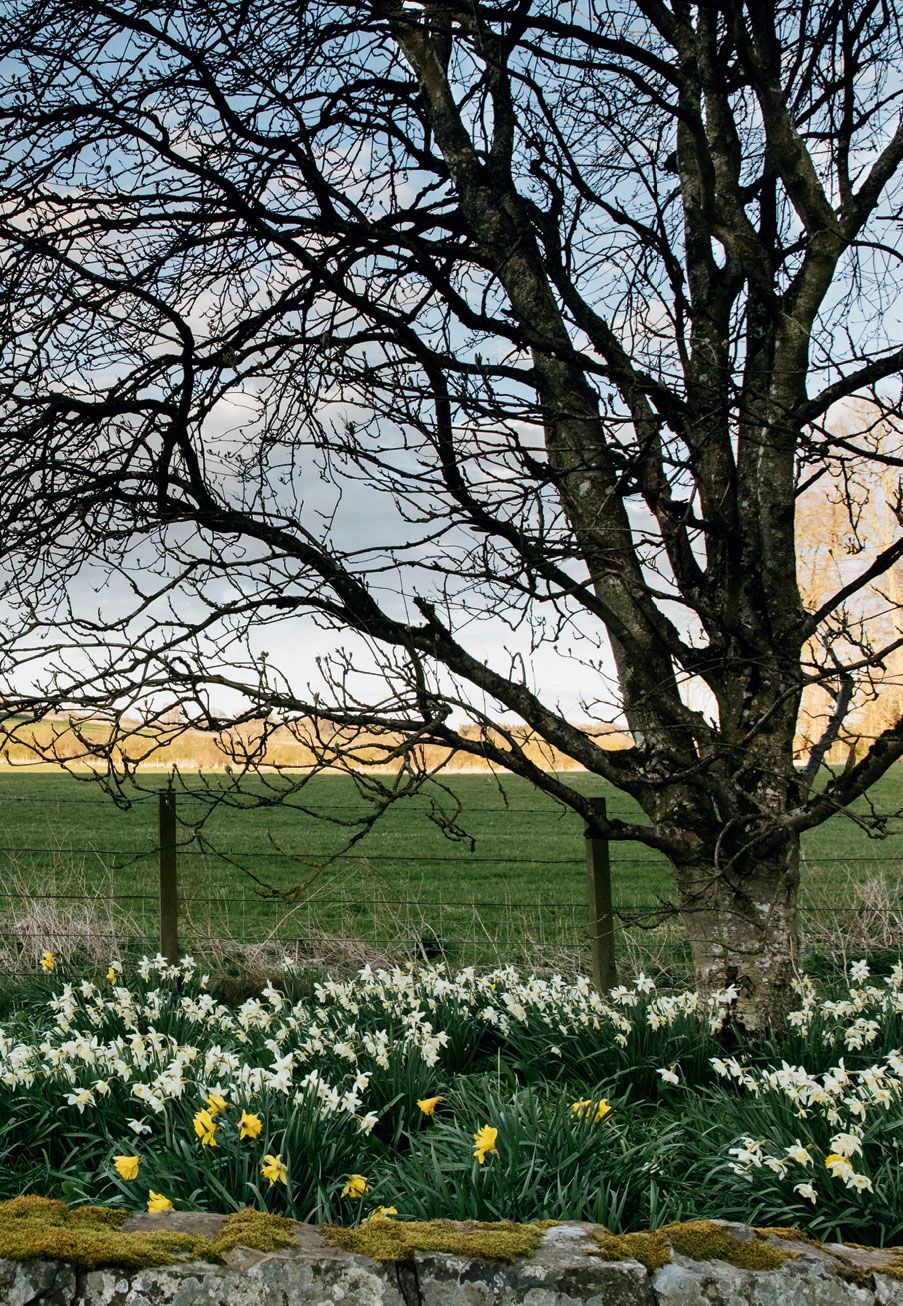 Eva Nemeth13/14
White Narcissus ‘Mount Hood’ and the double yellow ‘Telamonius Plenus’ line the drive.
 Eva Nemeth14/14
In the walled garden, raised beds hold the National Collection of Backhouse cultivars. Caroline designed the crushed shell and cobble path in a DNA pattern to represent her ancestors’ breeding work.


