
A flat in London's iconic Barbican Centre transformed by Retrouvius

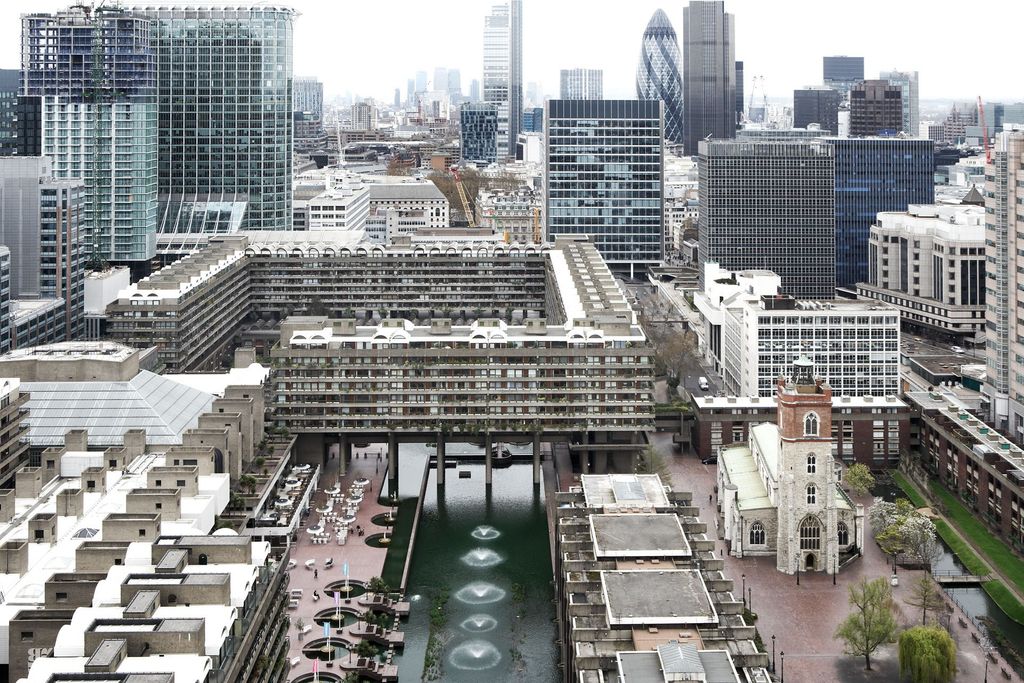
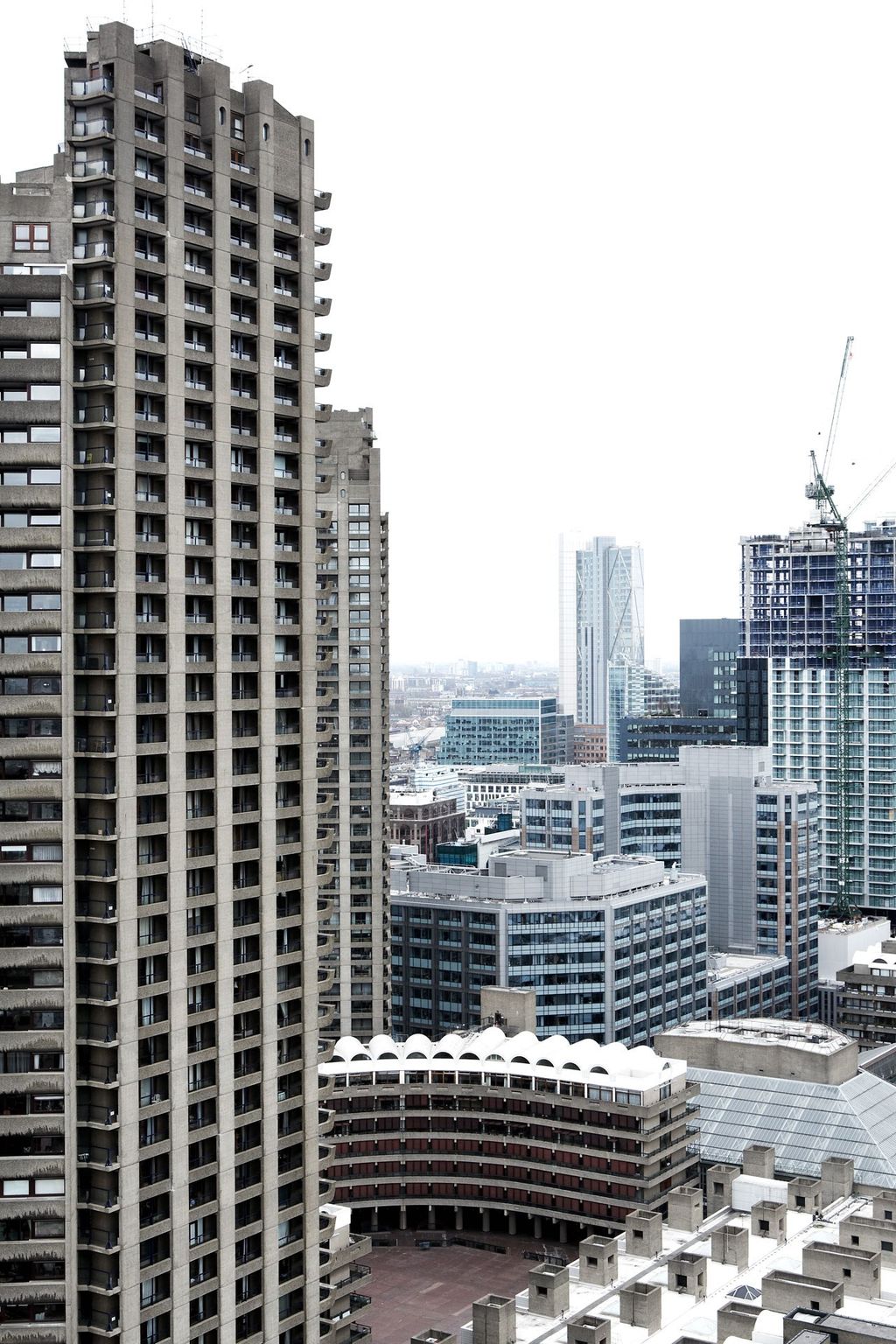
'You don't end up living here accidentally, it's a very conscious decision,' say the owners of this Barbican flat, high up in one of the towers. The Grade II-listed, Seventies brutalist London landmark divides opinion; many dismiss it as harsh, ugly and 'municipal'; others, as this couple do, see it as 'something to be cherished'. Europe's largest multi-arts venue is on the doorstep, and 'the vibe of east London is close by, yet it is a very peaceful place to live. You grow to love the concrete,' they enthuse.
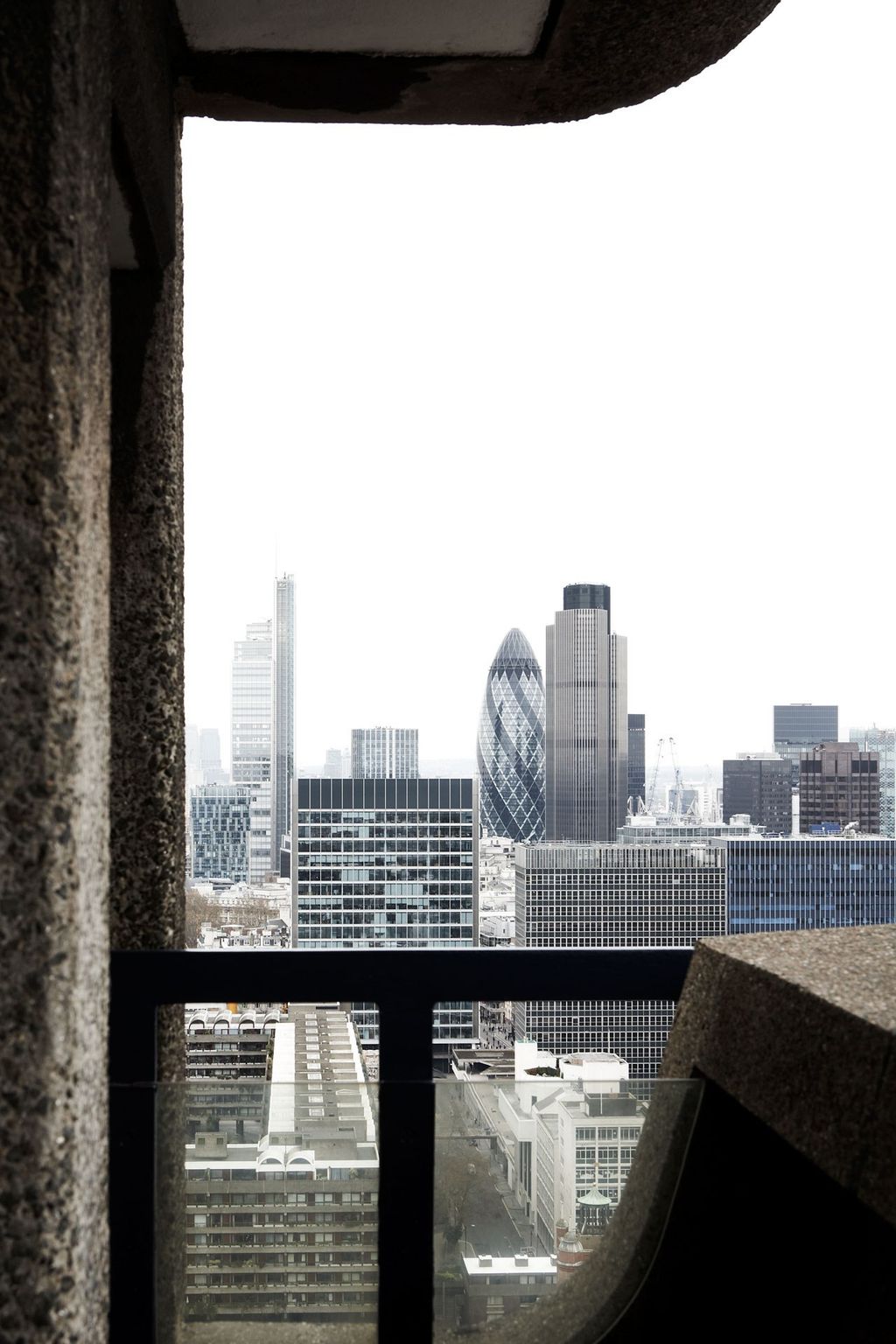
Now retired, they bought this flat in 2004, enticed here after visiting a friend's flat, and lived in it for five years before they decided their furnishings made it look like an airport lounge; 'cold and anodyne'. The views are spectacular but can be overwhelming - they wanted warmth and for the eye to be drawn into their home rather than out to what lies beyond.
They went in search of somebody to help them rethink the interiors, and Maria Speake was the undisputed first choice. Having spotted a stand for Retrouvius - the reclamation company that Maria runs with her husband, Adam Hills - at the Decorative Antiques & Textiles Fair in Battersea, they took a card, came straight home and looked up the website. 'All was revealed,' says the wife. 'I knew Maria could make the flat special.' In fact, so certain were they that they waited over a year for this popular designer, by which time the wife knew all Maria's projects on the website off by heart. While they waited in the queue, they hoped that the Barbican would be a lure.
They need not have worried; Maria knew instantly that she wanted to work with them. 'For me, one factor is the building but the other is the people and how you are going to relate to them,' she says. 'I remember the delicious cup of tea I had when we first went to see this delightful couple, and the calm they exuded.' Maria felt that the bland, quite corporate decoration of their flat seemed inappropriate for them both.
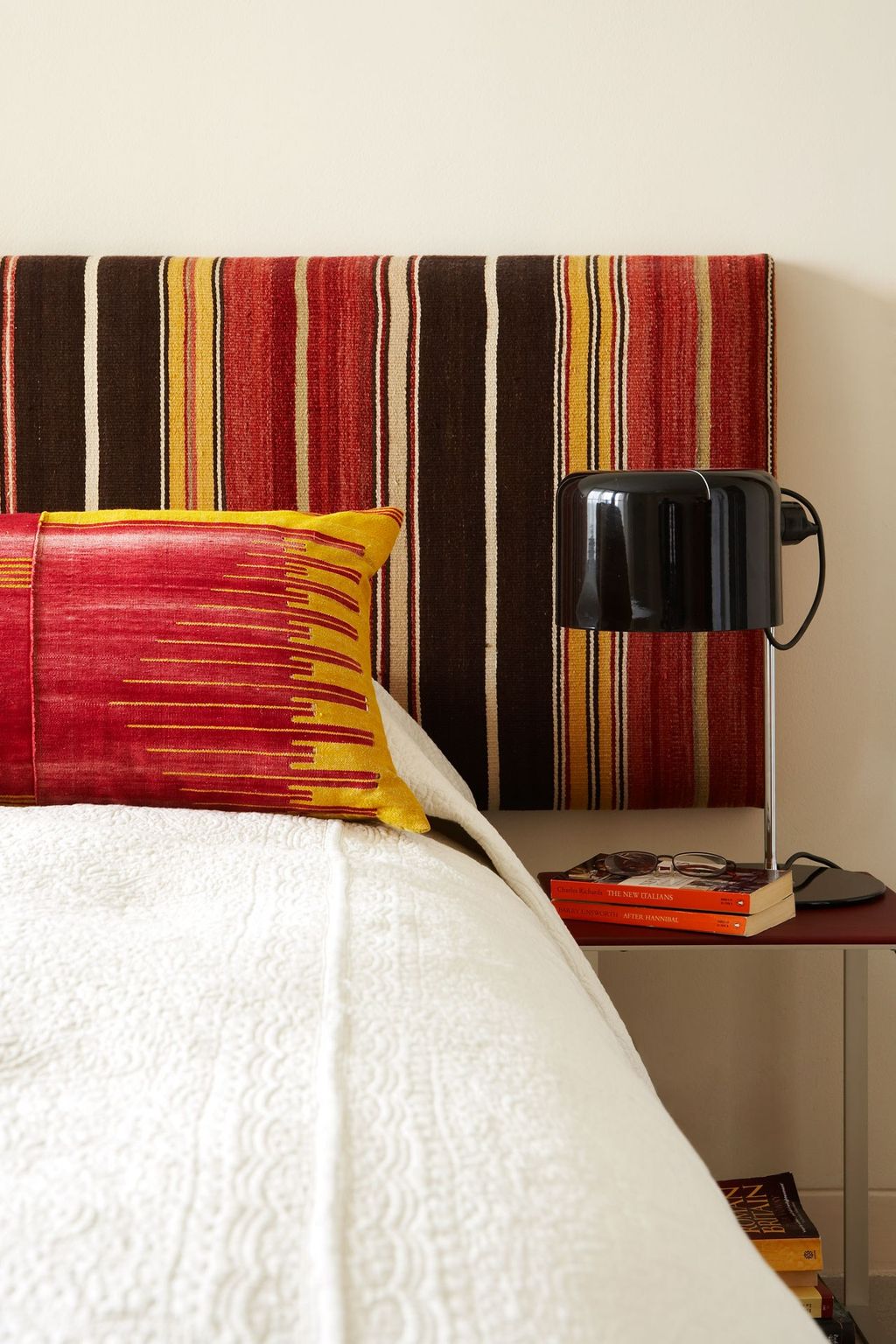
This project required a different approach to Maria's usual one, which normally begins with addressing spatial and structural elements. Here it was about the furniture. The owners wanted to get rid of everything bar a few pieces of art, something Maria, the queen of reuse, is loath to do. She persuaded them to keep a B&B Italia chaise, which she re-covered, but the rest was cleared out and Maria brought in a mix of unrestored 'raw' pieces to play around with, to create different groups of seating and see what would work. She also took them shopping to various places, including Larusi, to look at vintage rugs and textiles. 'I knew I didn't want to present a fixed idea,' she explains. 'I wanted to show them things and see what they responded to, to suss out their gut instinct.'
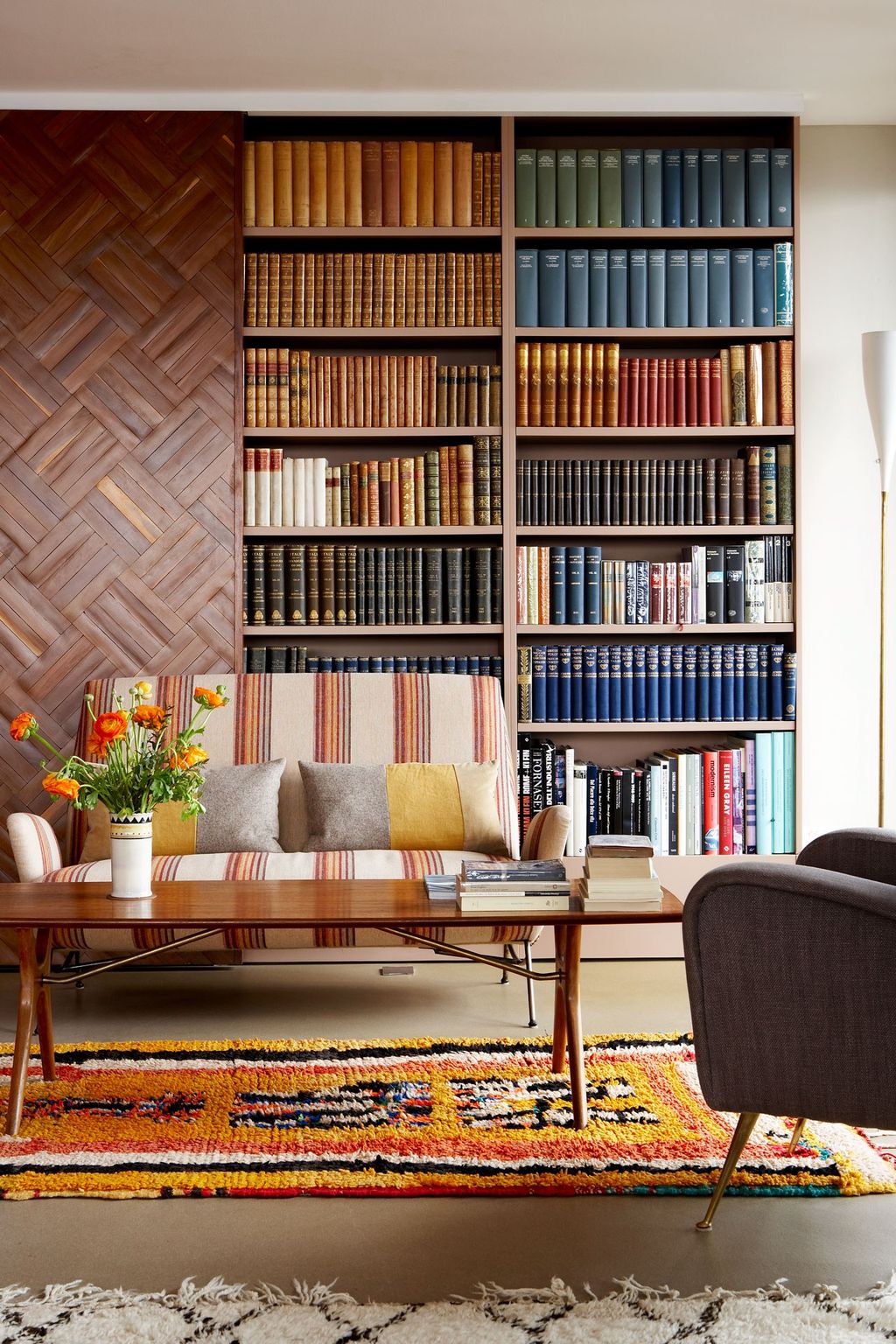
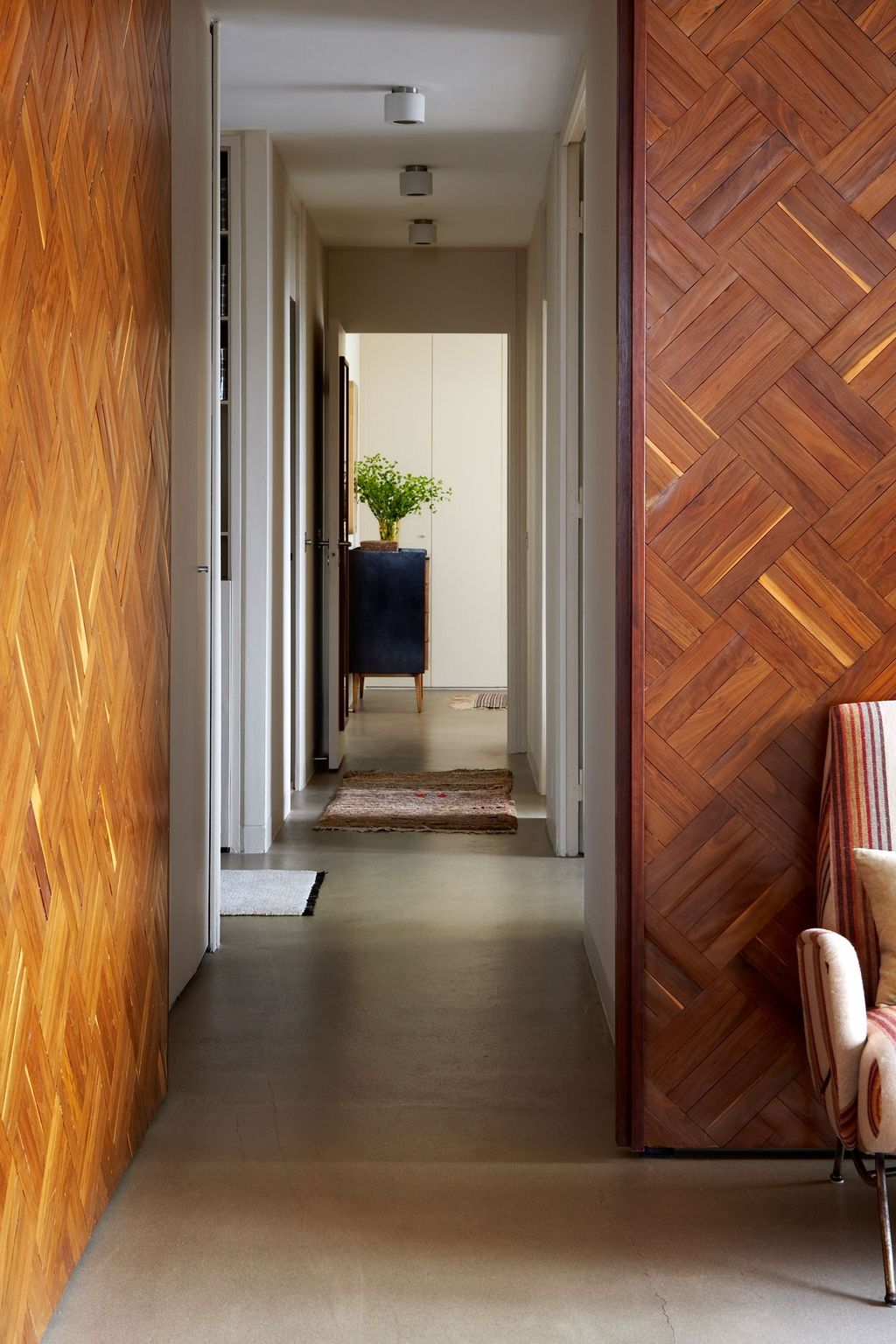
The owners gave Maria a detailed, written brief describing the atmosphere they wanted and what they liked doing, such as reading and entertaining. Warmth was key, and they felt the mahogany frames of the windows - typical of the Barbican - should form a starting point. They also felt the resin floor they had laid a few years earlier was partly to blame for the coldness. A parquet floor was mooted but Maria persuaded them that the floor should remain and warmth and texture could be added by different means. Instead, in her typically playful way, Maria clad walls and sliding doors with parquet; all the pieces were scrubbed and individually hand-sanded, so that they reflect light in different ways. The result is wonderfully tactile, almost sculptural.
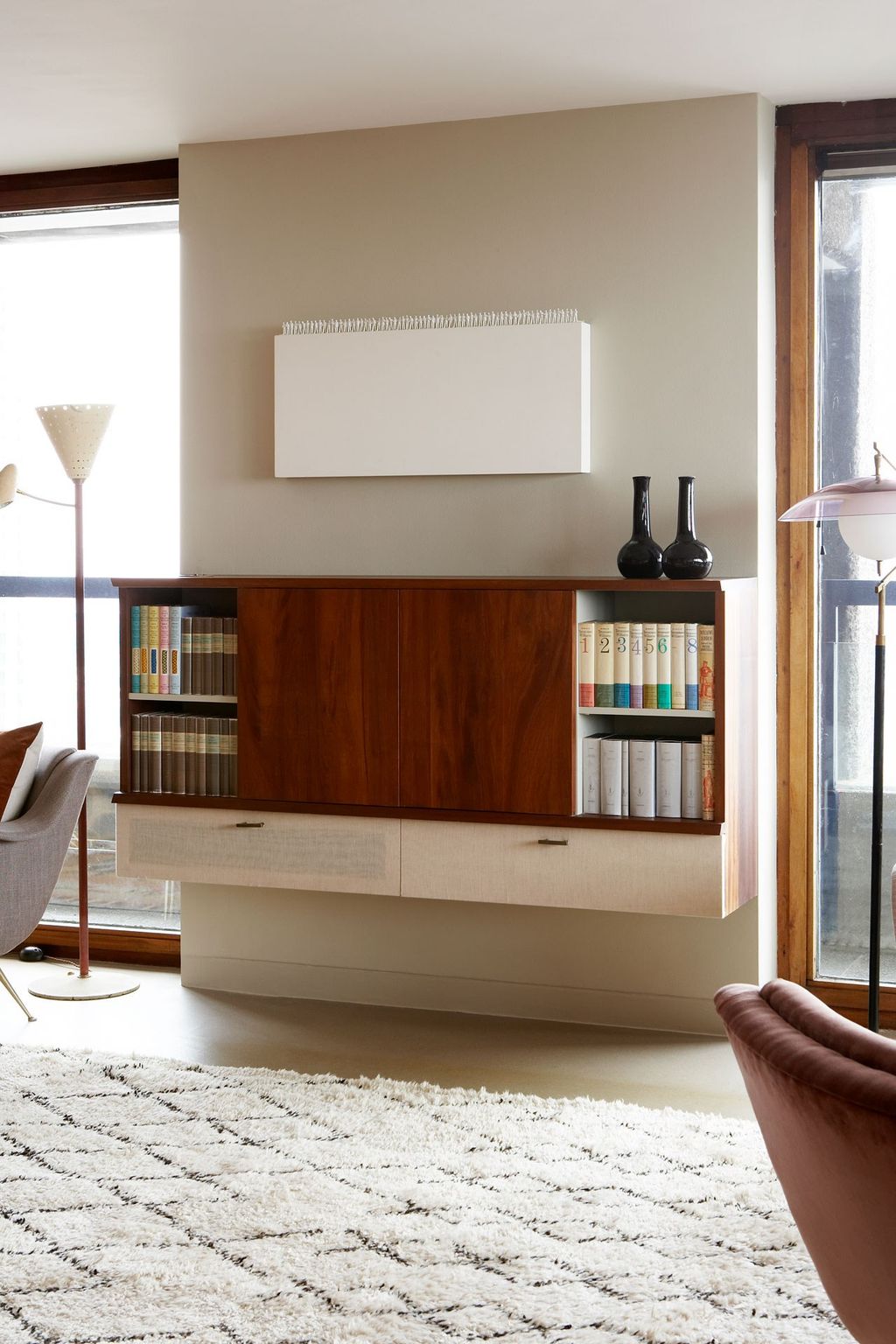
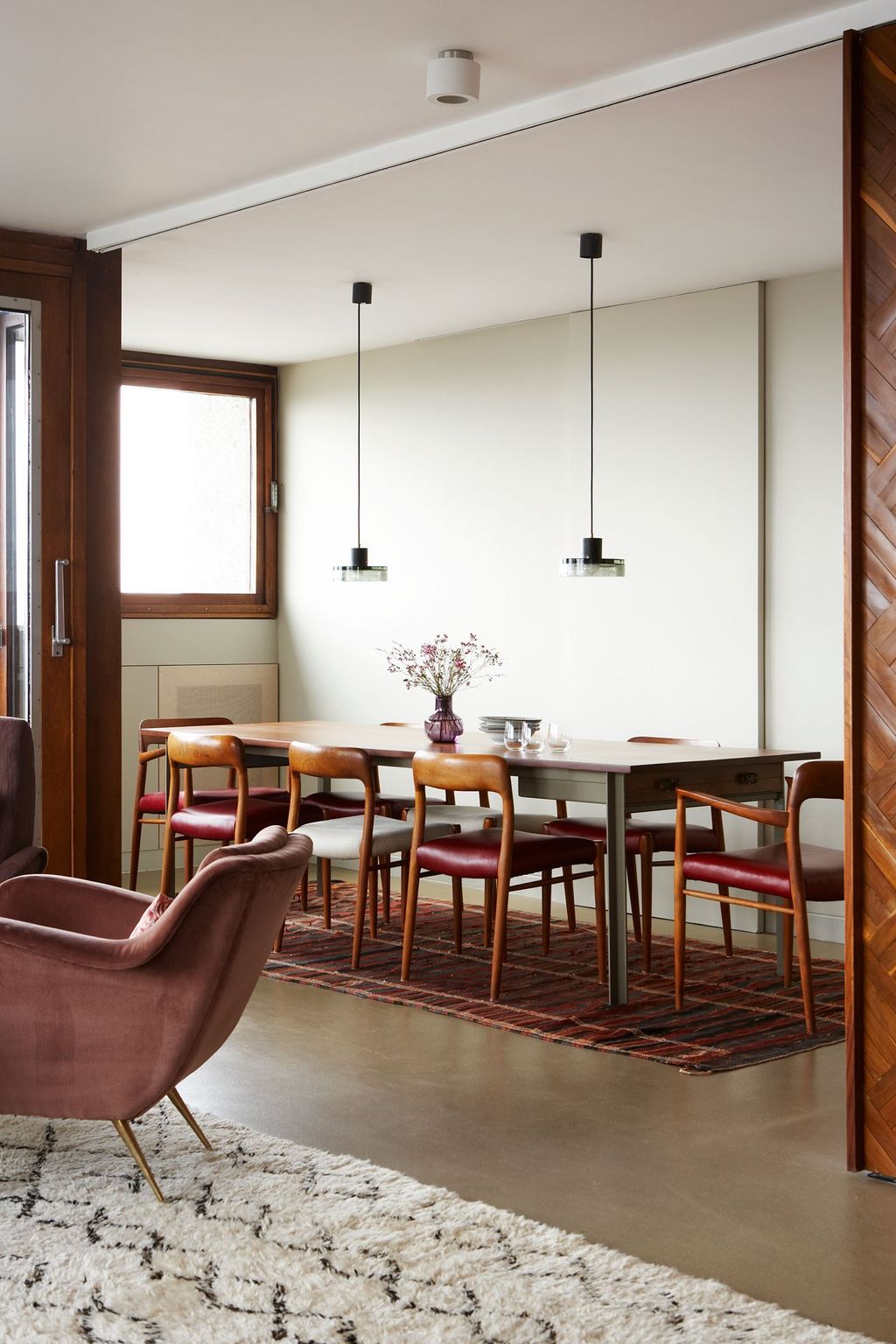
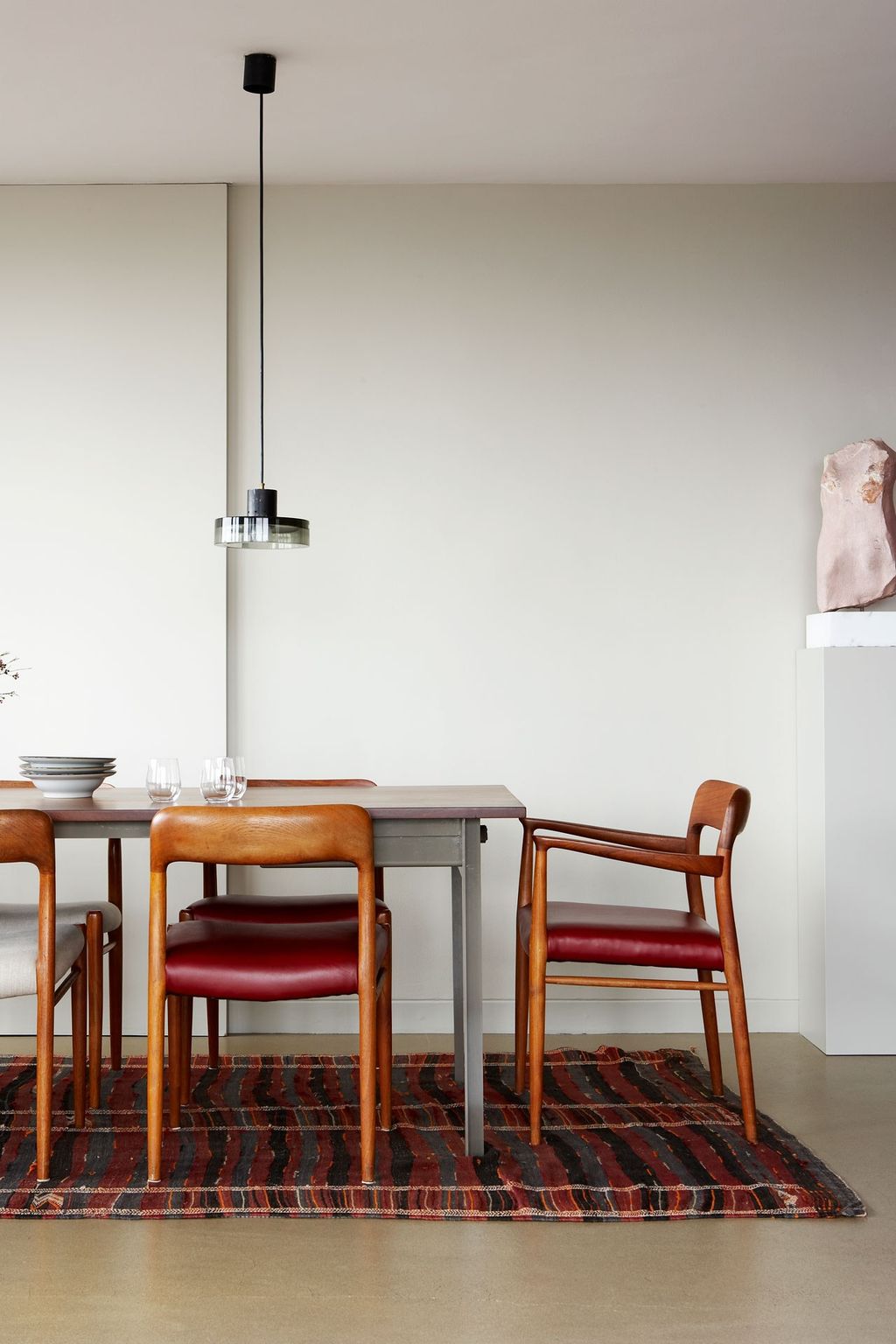
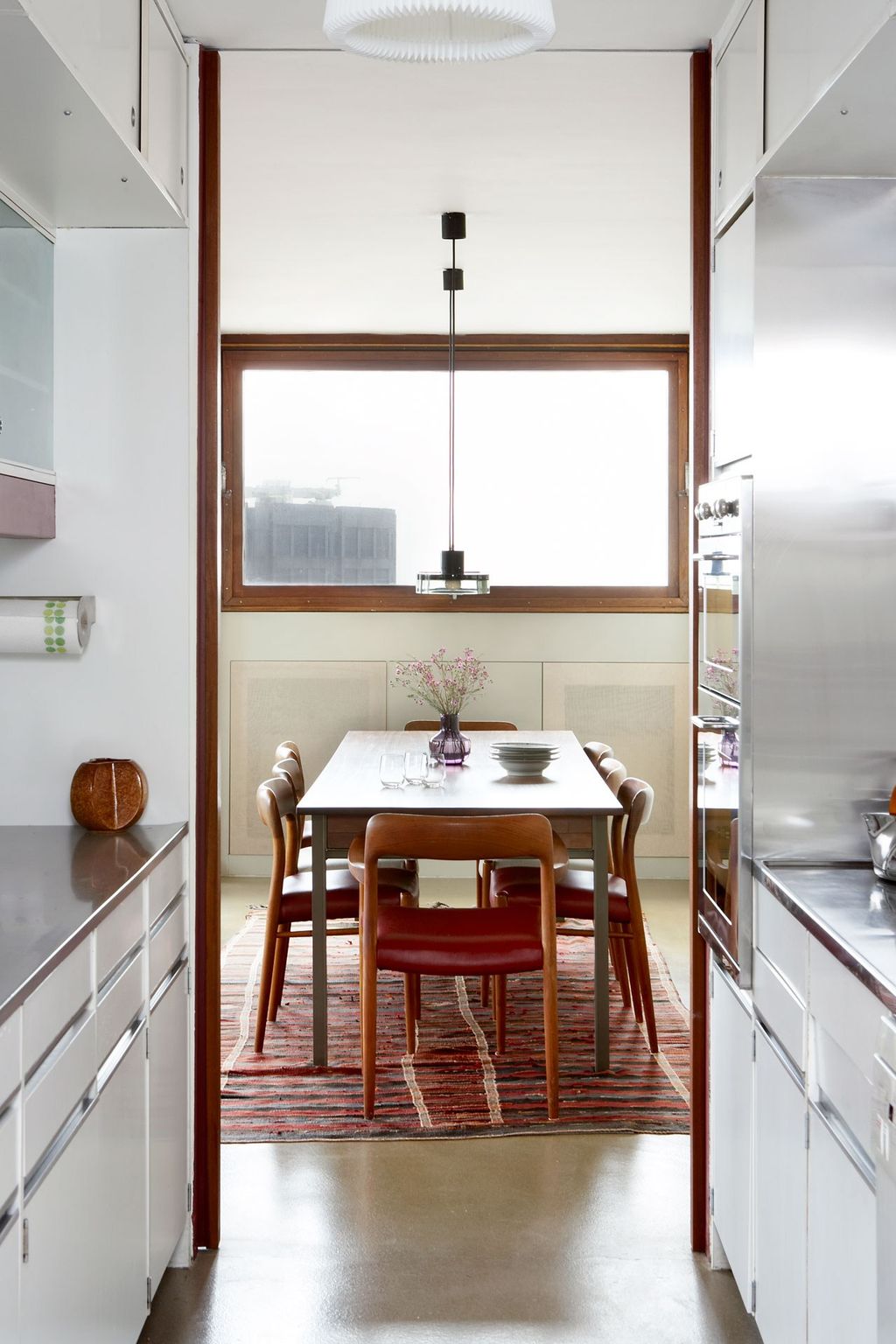
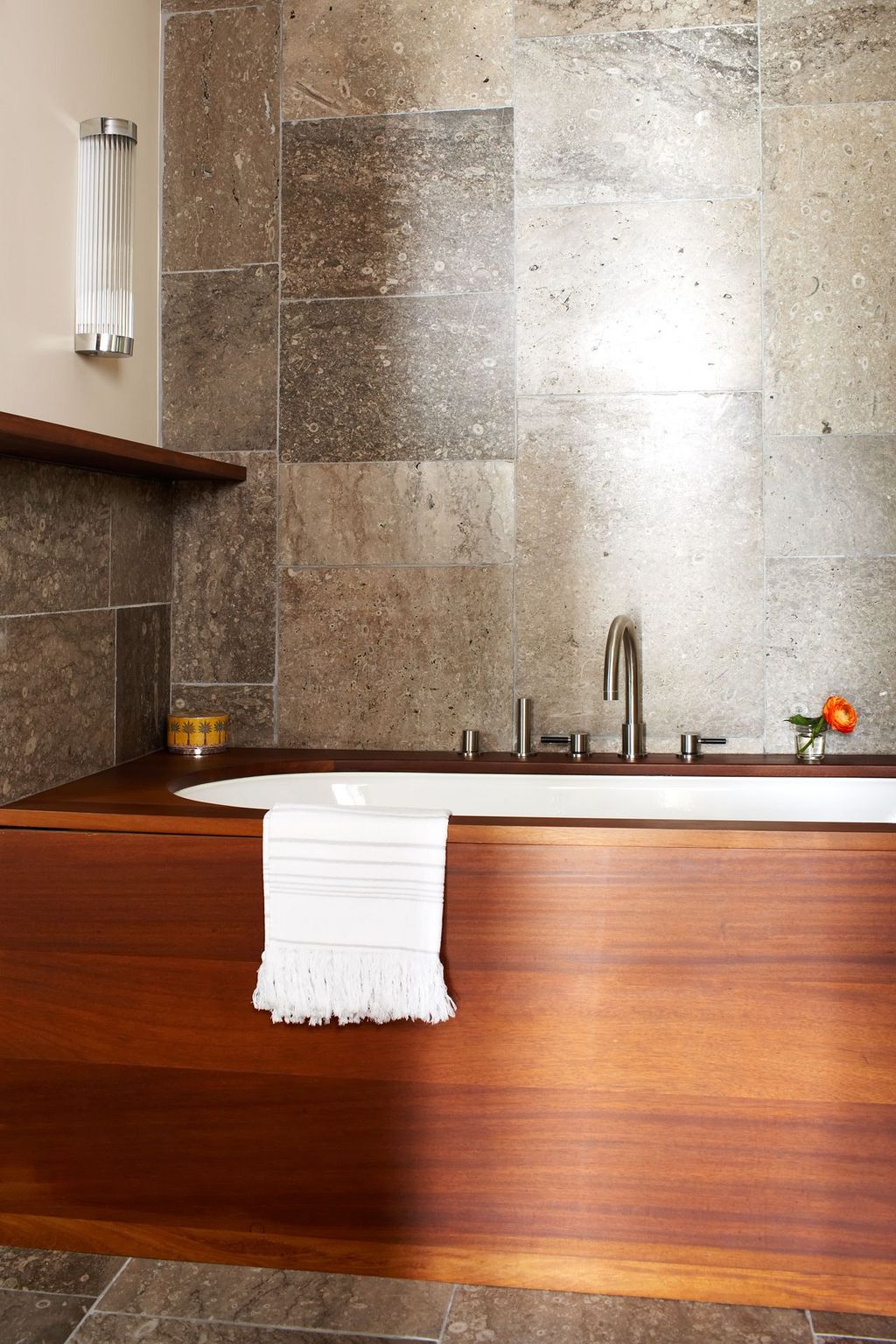
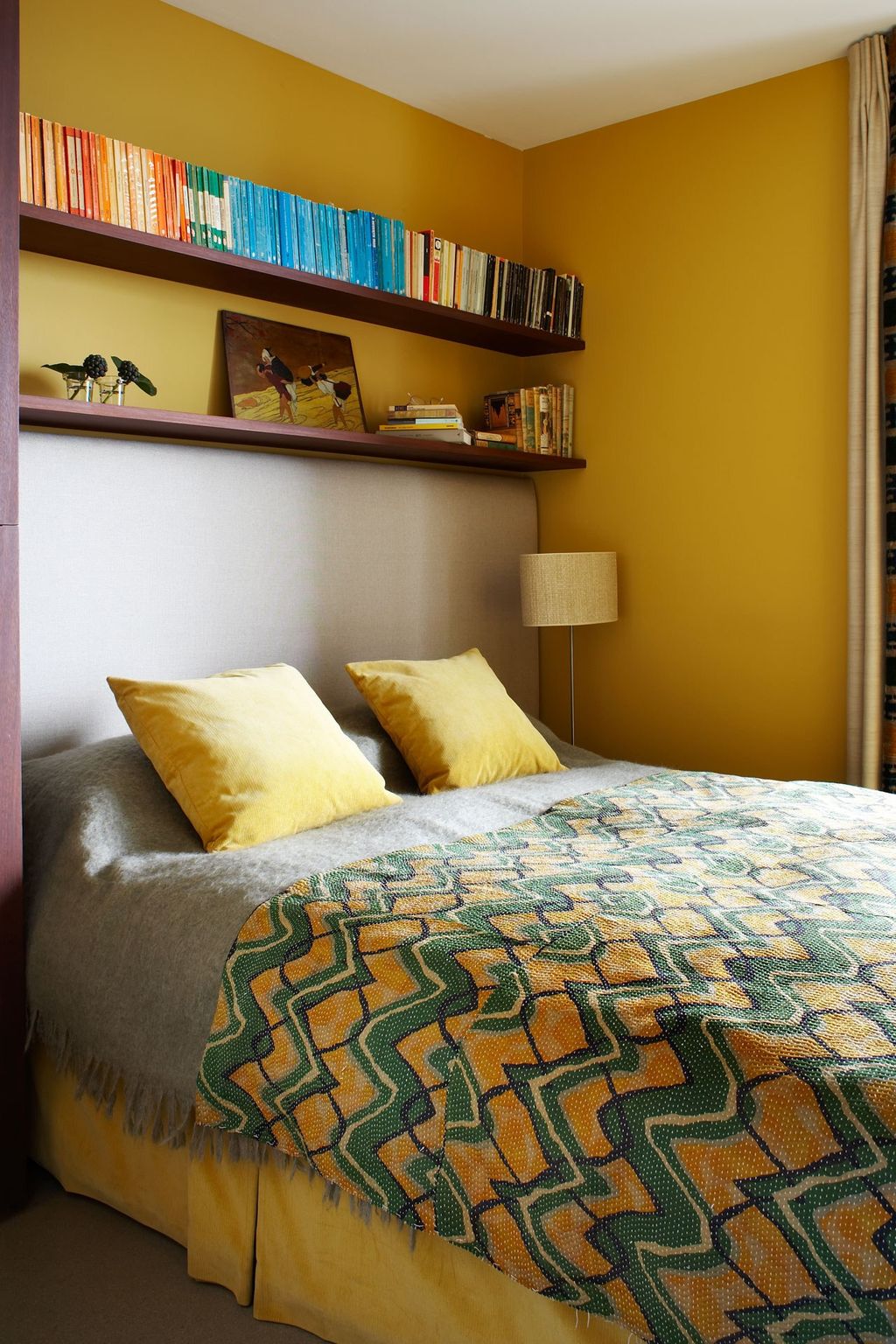
The owners immediately liked the idea of using reclaimed materials. As well as the parquet, all new joinery, including the discreet wall-hung television unit, the bathroom panelling and the 10-seater dining-room table, are made from old laboratory worktops; the darkness of the wood echoes that of the window frames. Most of all they love the beautiful Hopton Wood fossil limestone on the floor and walls of their bathroom, rescued from Heathrow Terminal 2 - 'it seems made for the Barbican, its colour aligns with the concrete.' As an aside, the last batch of Retrouvius's 2,000-square-metre haul has found its way to a rather different home; it was sold to the Duke of Devonshire to be laid at Chatsworth - the quarry is local - and Lismore Castle, his Irish estate.
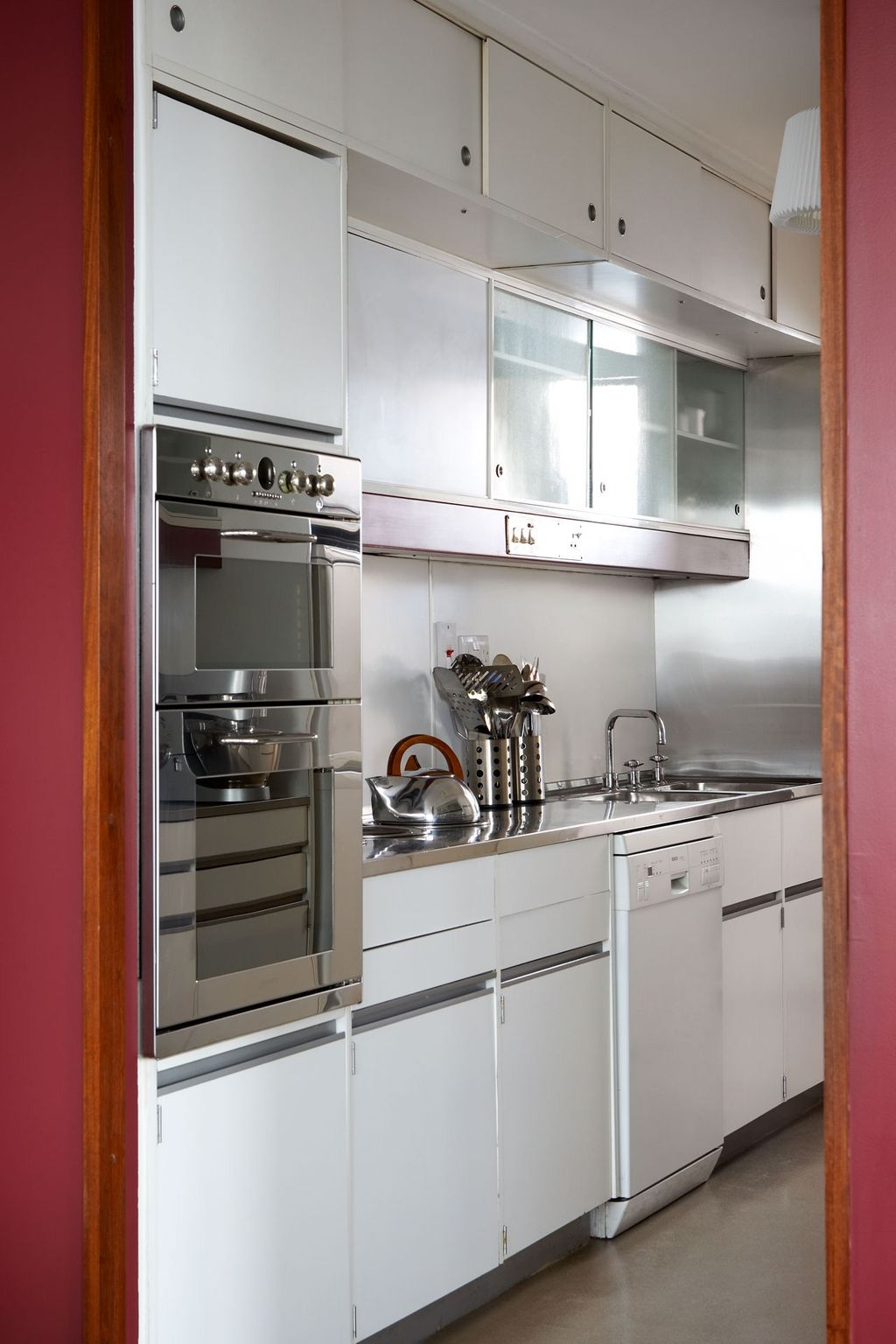
It was an easy decision to get rid of the original Barbican bathroom - 'though appropriate for the architecture, it was 40 years old and tired and dated,' say the owners - but they were able to donate useful or unique parts to the Barbican Salvage Group for others to reinstate elsewhere. They did decide to keep the original galley kitchen, designed by Brooke Marine, which had been well kept.
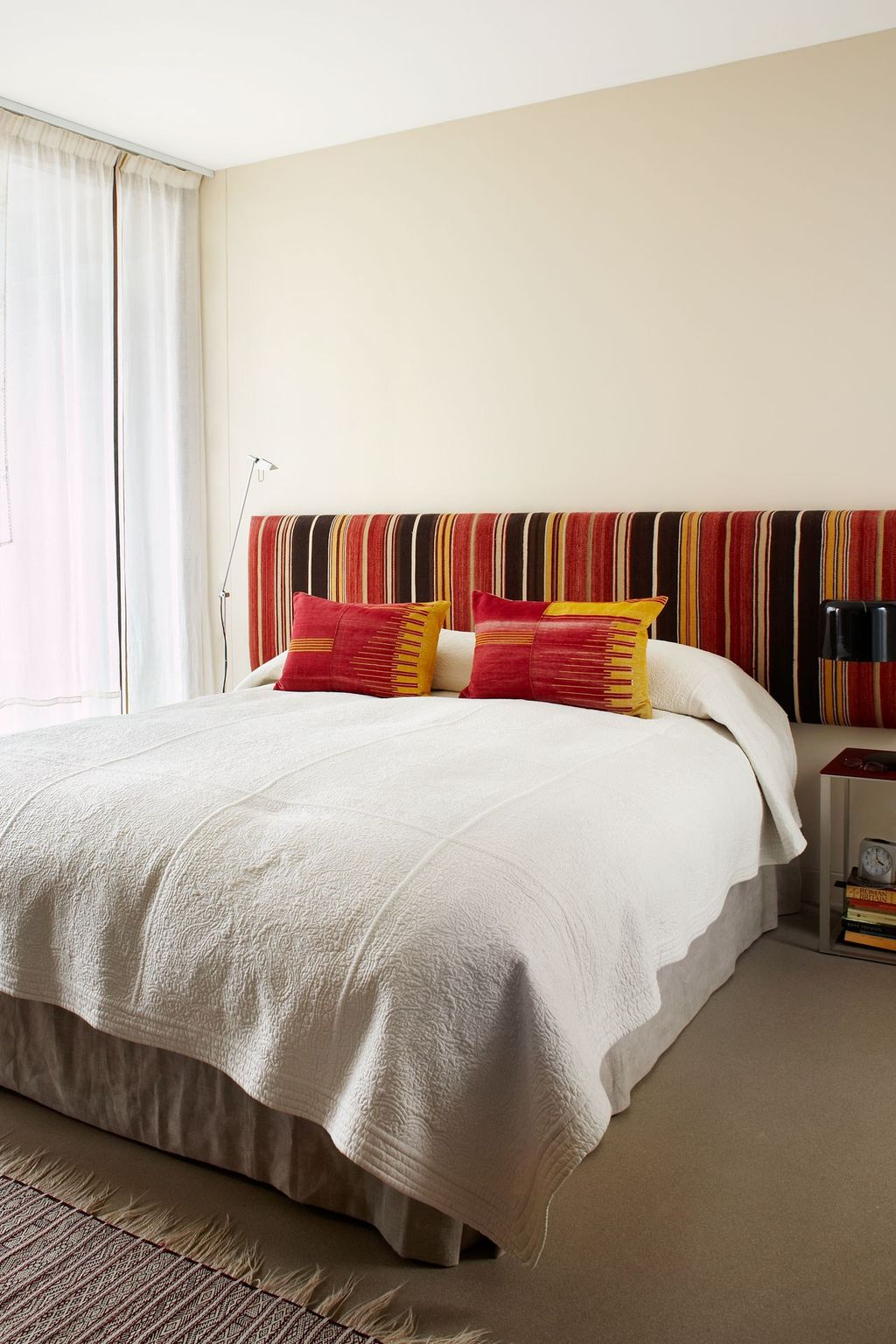
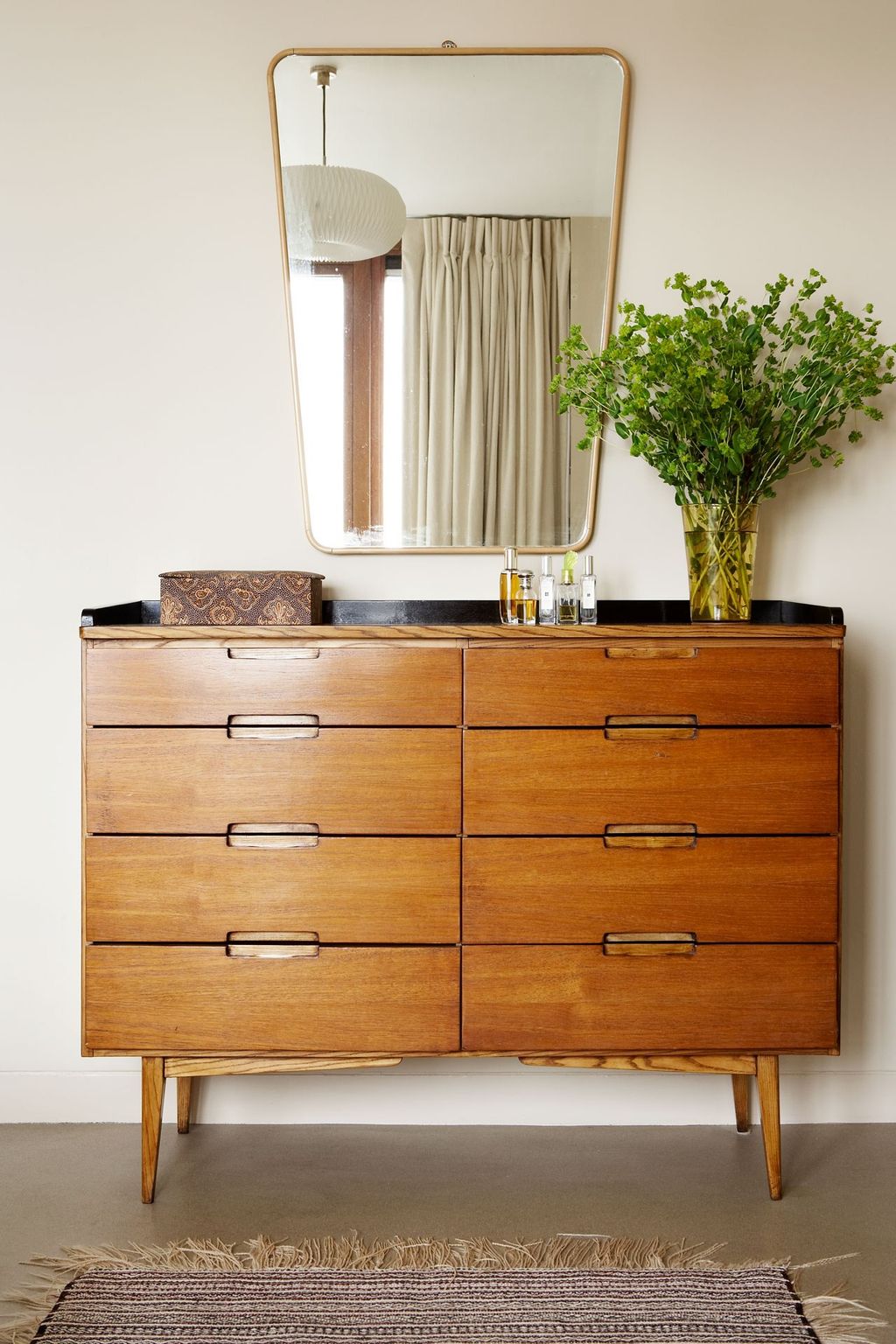
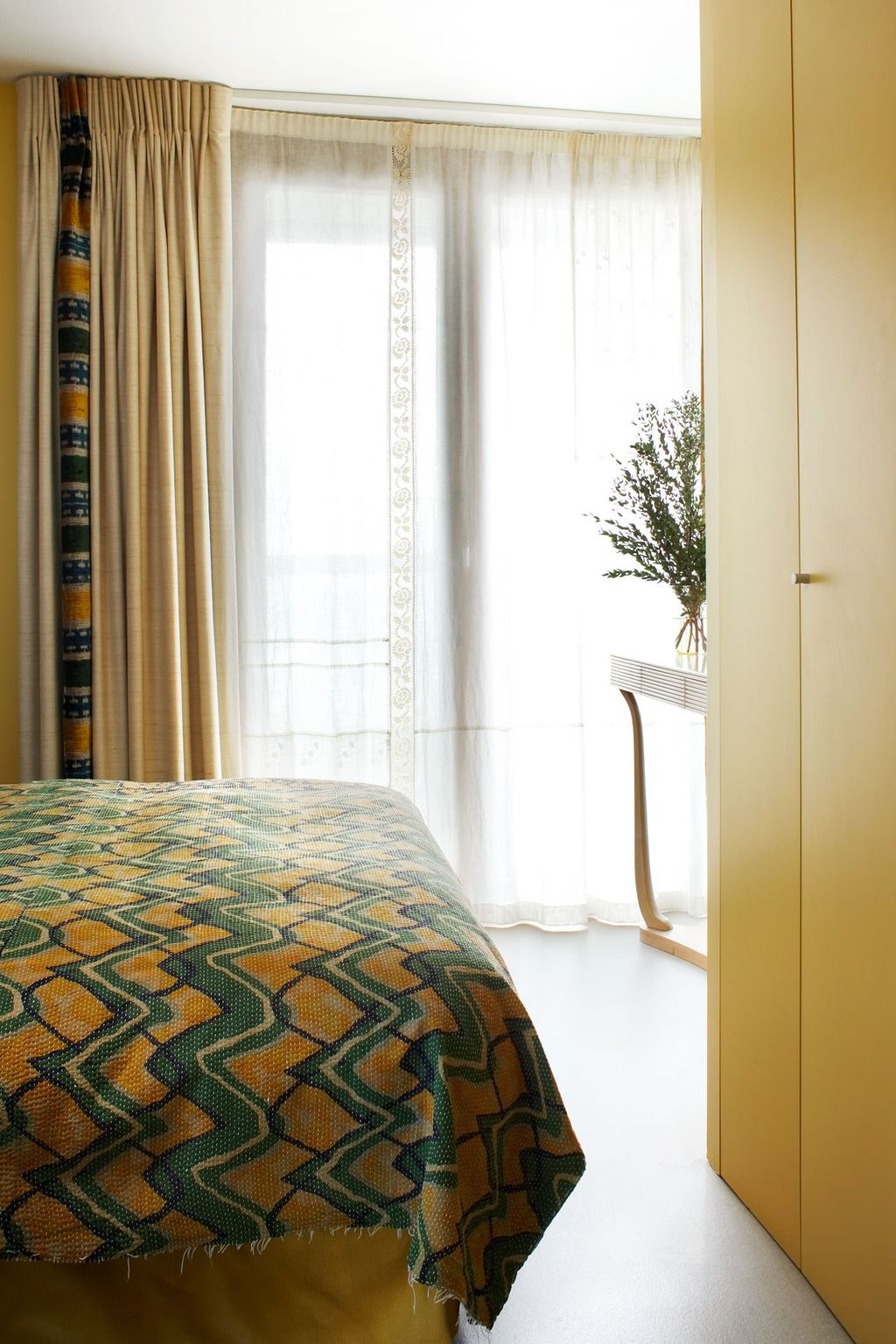
Today, as soon as you enter this flat, with its two bedrooms off to the left and the living areas to the right, the atmosphere is one of enveloping cosiness and delightful details and textures. Voile curtains are adorned with delicate pieces of lace from a collection Maria has accumulated over the years. The furniture is mostly mid-century Italian; its elegant shapes add femininity and soften any harshness, and as the wife is Italian, it seemed fitting.
As well as adding warmth, style and individuality to this flat, Maria also addressed practical elements, hiding televisions, creating a wall of heating behind the parquet to supplement the underfloor heating, and more. Furthermore, as the owners point out, 'she made a huge effort to contain the costs' - not something you often hear from a designer's client, however pleased they are.
'We like to see it as the transformation of a belvedere into a home,' say the thrilled owners. But not only is it now a home, it is almost a work of art; such is the attention to detail and balance of colours, texture and shapes. 'We don't dare add anything as we don't want to spoil the integrity,' says the wife, who has bought little more than a vase since it was completed. I don't blame her.
Retrouvius: 020-8960 6060; retrouvius.com
 Rachel Whiting1/19
 Rachel Whiting2/19
 Rachel Whiting3/19
 Rachel Whiting4/19


 Rachel Whiting5/19
 Rachel Whiting6/19
 Rachel Whiting7/19
 Rachel Whiting8/19


 Rachel Whiting9/19
 Rachel Whiting10/19
 Rachel Whiting11/19
 Rachel Whiting12/19


 Rachel Whiting13/19
 Rachel Whiting14/19
 Rachel Whiting15/19
 Rachel Whiting16/19


 Rachel Whiting17/19
 Rachel Whiting18/19
 Rachel Whiting19/19


