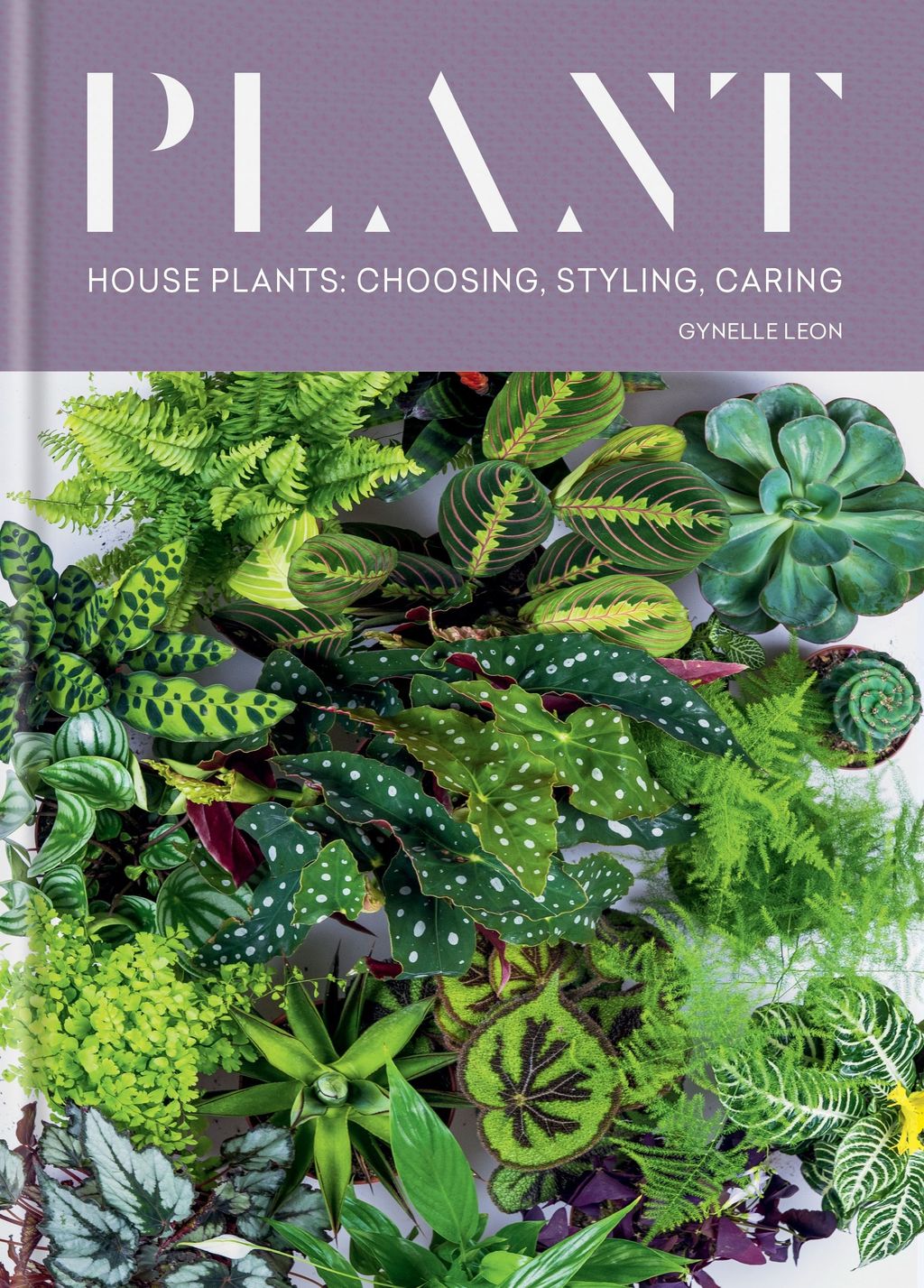

Gynelle Leon fell in love with house plants when she bought her first flat in London. "When I bought my first apartment, I noticed how hard it was to make it feel homely with its brilliant white walls and minimal furniture. I loved how plants brought nature inside and created a sanctuary in my home, and I slowly realised how much I enjoyed the time I got to be still while carrying out my weekly ritual of plant care. That’s why I fell in love with plants." An award-winning photographer, she went on to found London's first cacti and succulent shop, Prick London, write a book about cacti, entitled Prick, and has now published her second book, Plant, about houseplants in general. For those of us in flats who don't have even a small garden to call our own, houseplants are an essential for bringing some life into our interiors. Below, in an extract from Plant, Gynelle chooses her ten must-have houseplants to buy now.

 Gynelle Leon1/11
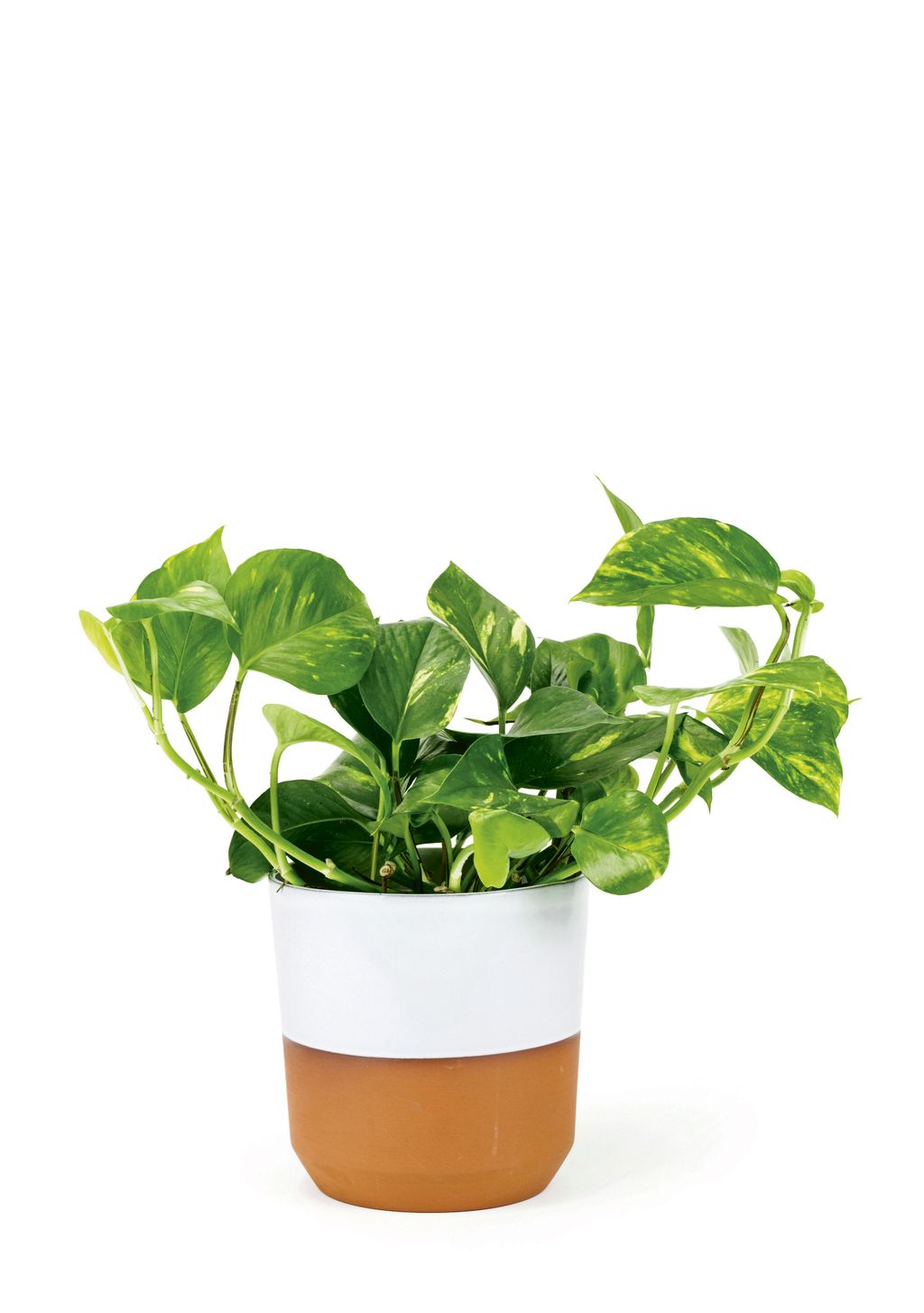
Hardest to kill: Epipremnum Aureum (or golden pothos, devil’s ivy)
Etymology
Derived from the Greek epi, meaning “upon”, and premnon, “trunk”, referring to how it grows on tree trunks. Aureum is Latin for “gold”. It has many common names: golden pothos, devil’s ivy, Ceylon creeper, hunter’s robe, ivy arum, money plant, silver vine, Solomon Islands ivy, marble queen and taro vine.Profile
This plant is known as devil’s ivy because it is almost impossible to kill and it stays green even when kept in the dark. Its glossy, heart-shaped leaves are bright green, variegated with white, yellow or light green streaks and blotches, suspended on long, trailing stems. In its native habitat Moorea, a French Polynesian island, these will grow up to 20m (65½ft) long and climb trees by means of their aerial roots. These plants are valued for their air-purifying qualities as well as their resilience. The flowers are a white or yellow spadix covered by a leafy spathe, but it rarely flowers in cultivation or even in the wild. The plant is toxic to cats and dogs because of the presence of insoluble raphides.Care
Although happiest in bright indirect light to partial shade, the coloured patterns on the leaves may fade or disappear completely if the plant is not given enough access to light. Allow the compost to dry out completely between waterings. It thrives in normal room temperatures and humidity but can endure extreme temperatures of 5–35°C (41–95°F).MAY WE SUGGEST: Hard to kill house plants: A guide to the virtually indestructible
 Gynelle Leon2/11
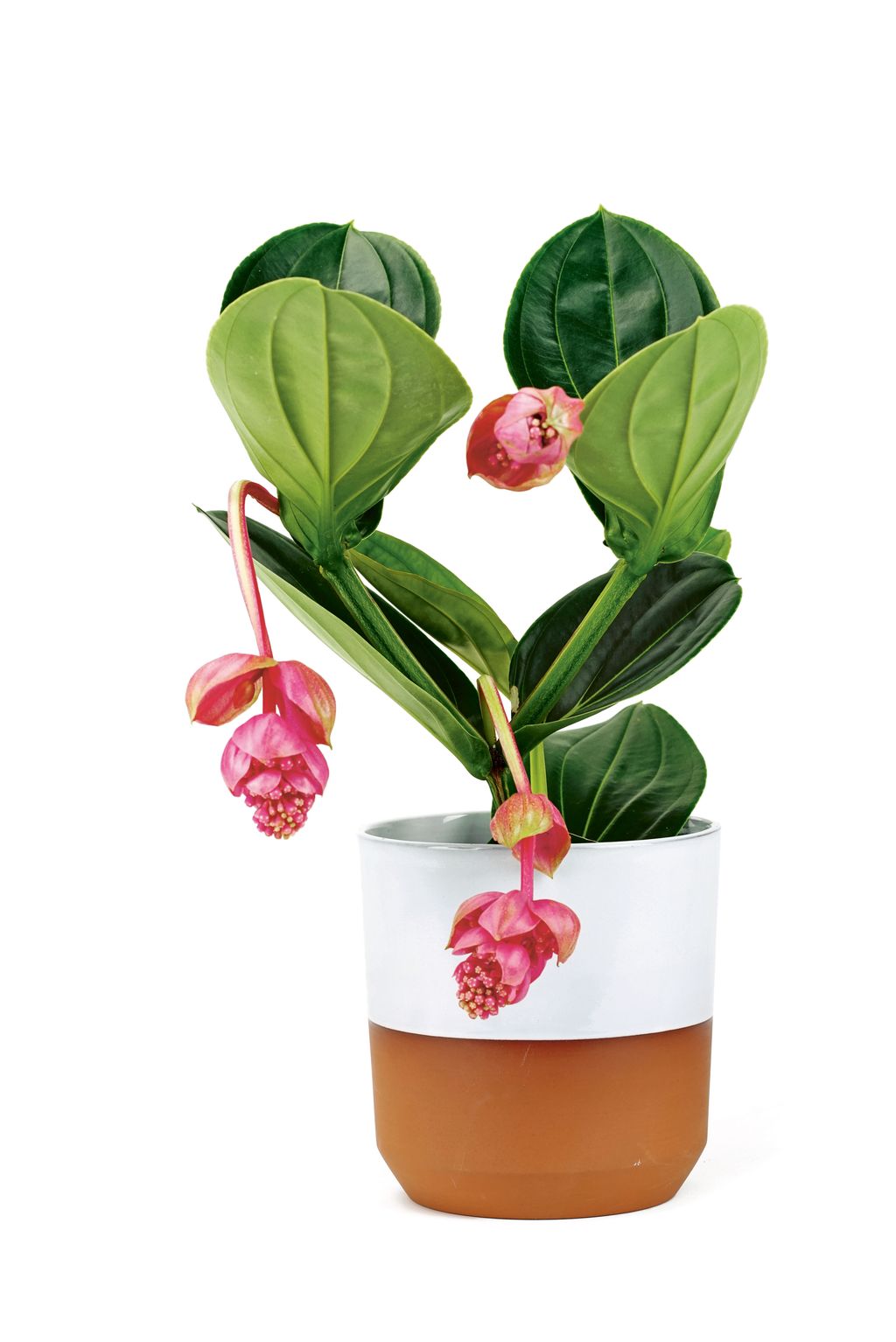
Best for flowers: Medinilla magnifica
Profile
Medinilla is named for José de Medinilla y Pineda, who was governor of the Marianne Islands (now Mauritius) in 1820, where and when the first plant in the genus was discovered. Magnifica is from the Latin for “magnificent” or “distinguished”. The plant’s common names are Philippine orchid, showy medinilla, rose grape, Malaysian orchid, pink lantern and chandelier tree.Profile
This spectacular flowering house plant was discovered growing as an epiphyte on trees in the humid mountains of the Philippines. Growing up to 2m (6½ft) tall, the plant is characterized by ovate, firm, succulent dark green leaves with light veining, 20–30cm (8–12in) long, but it is adored primarily for its blooms. In late spring to early summer, the plant is covered by drooping clusters of pale pink flowers. These exotic flower heads are huge, growing up to 50cm (20in) long, and create a spectacular explosion of colour.Care
Appreciates bright indirect sunlight; avoid direct bright light, as this will turn the leaves brown. Thrives in a warm and humid environment, and does not tolerate temperatures below 15°C (59°F). It will need to be misted frequently or grown in a room with plenty of humidity, such as a bathroom. You can also set the pot on a tray of wet pebbles. Water little and often to keep the compost moist but don’t let it get too wet, otherwise the roots will rot.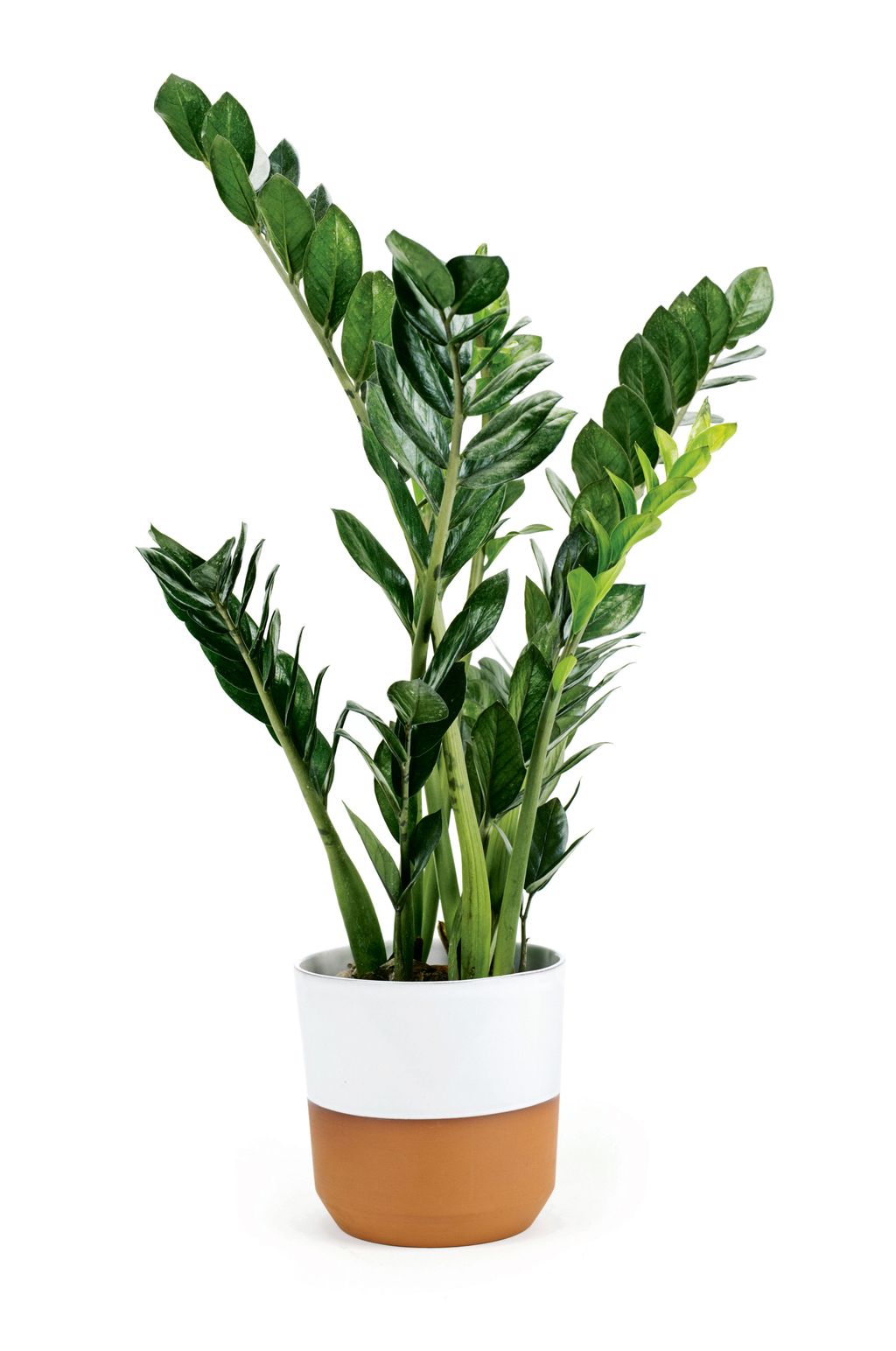 Gynelle Leon3/11
Best for low-light areas: Zamioculcas zamiifolia (ZZ plant)
Etymology
The genus name Zamioculcas is made up of two plant genera, Zamia and Colocasia, owing to the similarity of the plant’s foliage to theirs. Zamiifolia is derived from the genus Zamia and the Latin word folium, meaning “leaf”. The plant’s common names are Zanzibar gem, ZZ plant, Zuzu plant, aroid palm, eternity plant and emerald palm.Profile
This tropical rhizomatous plant from East Africa, comprising thick stems that narrow to a tip, is adorned with smooth and glossy, dark green, pinnate leaves growing to 45–60cm (1½–2ft) long. An easy-going nature makes it a house-plant favourite, which is also valued for its air-filtering abilities. It does produce small, green/yellow, spathe-type flowers at the base of the plant but these aren’t very attractive and can be easily missed. Indoors, it can grow to 90cm (3ft) tall. All parts of the plant contain calcium oxalate crystals, which are said to be toxic if ingested by children, cats and dogs.Care
Zamioculcas zamiifolia will tolerate pretty much anything, except for direct sunlight, making it a hugely versatile plant for any room. It likes both frequent watering and slight neglect – just make sure you balance the watering with sunlight exposure, increasing the watering when there is more light and decreasing it when there is little. Gynelle Leon4/11
Best trailing plant for a high shelf: Hoya linearis
Etymology
Linearis is Latin for “belonging to a line”, referring to the narrow, almost parallel leaves. The common names are wax flower and porcelain flower.Profile
Originally from the Himalayas, the succulent Hoya linearis is a long, trailing house plant, growing up to 90cm (3ft) tall, with delicate, slender, soft greyish-green stems that spill over the pot edge, creating a wonderful, calming hanging plant. The dark green leaves, up to 5cm (2in) long, are narrow and hairy. Clusters of white, sweetly scented flowers, waxy in appearance, are produced in summer.Care
Requires bright indirect light, which encourages flowering, and temperatures above 10°C (50°F). Throughout the summer, keep the compost moist, but not wet, by watering little and often; in the colder months, water less often. Increase the humidity by misting frequently or place the pot on a tray of wet pebbles.


 Gynelle Leon5/11
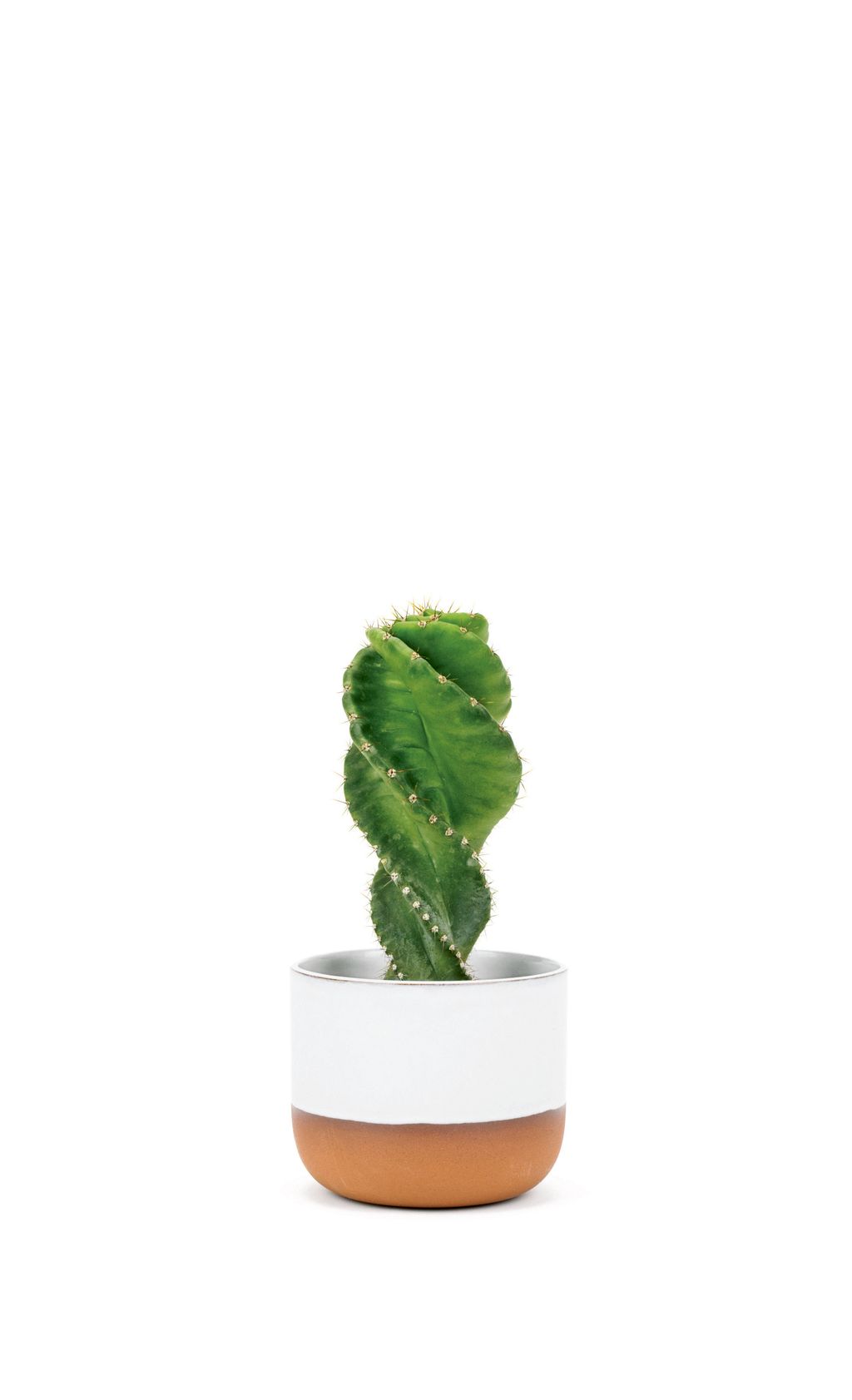
Best cactus for a sunny room: Cereus Forbesii ‘Spirals’
Etymology
Cereus in Latin means “waxy” or “candle”, and refers to the candle-like form of the plants belonging to this genus, one of the first cactus genera to be established in the mid-18th century. The specific epithet is courtesy of Dr Henry O Forbes (1851–1932), a Scottish naturalist and collector. The plant’s common names are spiralled cereus, twisted cereus and contorted cereus.Profile
The Cereus genus from Peru comprises 33 species of characteristically tall and columnar cacti. This trunkless cactus forms numerous tall, columnar, blue-green, spiral stems, which branch at the base in a candelabra-like arrangement. Large flowers are produced only after five to six years. These open at night and are variously pink, purple, cream, yellow or green. In the wild, plants can be huge, tree-like forms, reaching heights in excess of 5m (16ft). Indoors, they will grow 1–3m (3–10ft).Care
Like all cacti, this plant requires dry air and full sun exposure. Allow the compost to dry out between waterings, reducing their frequency from mid-autumn to early spring when the plant is dormant. Feed only in spring and summer. This plant prefers temperatures of 16–24°C (61–75°F), with a minimum of 10°C (50°F). Gynelle Leon6/11
Best statement houseplant: Ficus lyrata (fiddle leaf fig)
Etymology
Ficus is Latin for “fig”, while lyrata is from the Greek for “lyre”, a stringed instrument. Fiddle-leaf fig is its very appropriate common name.Profile
Ficus lyrata is the most popular ornamental indoor tree of today’s generation, characterized by unusual oval to lobe-shaped, glossy green leaves with a narrow middle and broad top resembling a fiddle or lyre. In its natural habitat of tropical west and central Africa, this plant can reach 15m (50ft); thankfully, this is reduced to 3m (10ft) indoors. But if they do grow too tall for your home, you can “top” them to prevent them growing any taller. Mature plants make great statement pieces in the home, as well as in offices and hotels. When grown indoors, F. lyrata will not flower or bear fruit.Care
Out of all the Ficus species, F. lyrata is the fussiest. As it dislikes too much light and too little light, provide indirect bright to moderate light and avoid direct bright light or extreme shade. The compost can’t be too dry or too wet either, so water little and often. If you get these things wrong, you will see your error in the loss of leaves. It is also very sensitive to cold draughts, so avoid these as well as sudden drops in temperature to below 12°C (54°F). Mist the leaves frequently, to increase the humidity, and clean the leaves with a damp cloth or sponge, to remove any dust, restore the glossy appearance and improve photosynthesis efficiency.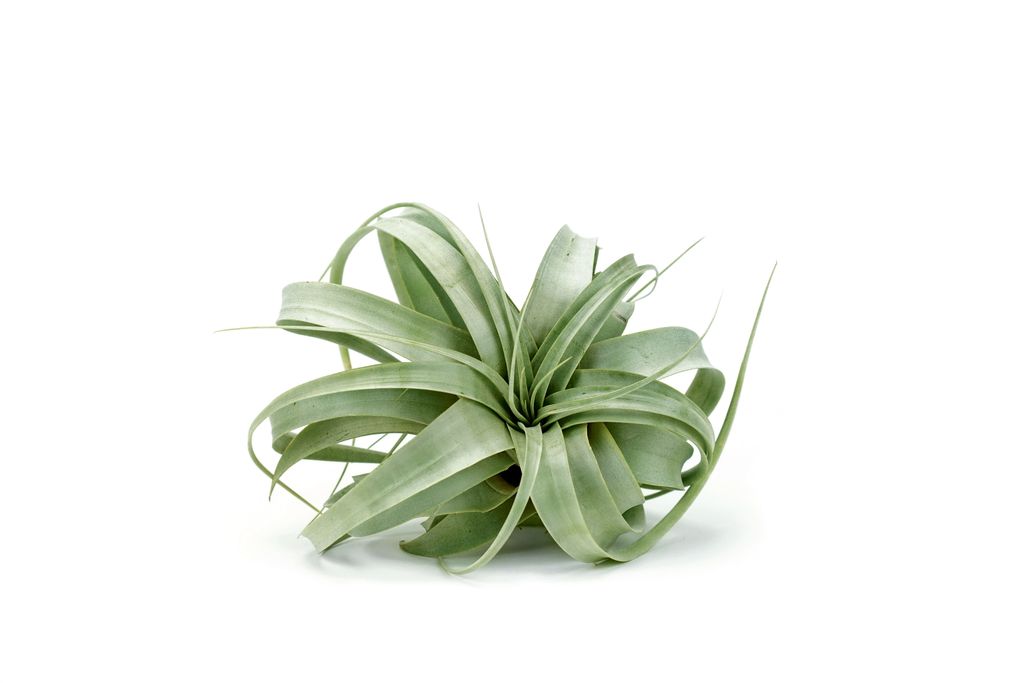 Gynelle Leon7/11
Best for bathrooms: Tillandsia xerographica (air plant)
Etymology
The specific epithet is derived from the Greek words xeros, meaning “dry”, and graphica, meaning “writing”. Its common name is king of air plants.Profile
Its grand size, compared to most of the other plants in the genus, is the reason for Tillandsia xerographica being called king of air plants. This slow-growing, xerophytic epiphyte is an attractive sculptural plant. Native to the high-elevation, dry forests of southern Mexico, El Salvador, Guatemala and Honduras, it features a dense rosette of almost globular, curled, pale bluish-grey leaves, wide at the base and narrowing to a point. It will grow up to 90cm (3ft) or more in diameter and the same in height when in flower. If conditions are right, the plant may send up a beautiful, large, thick and densely branched green spike, which produces red/purple, tubular flowers that can last for several months but this usually happens only once during its lifetime.Care
In its native habitat, Tillandsia xerographica grows epiphytically on the highest branches, where it receives intense direct light. It also appreciates some direct sunlight when grown indoors. Easy to look after, it can tolerate a lot more neglect than many Tillandsia and needs watering much less frequently. A temperature of 16–27°C (61–80°F) is ideal.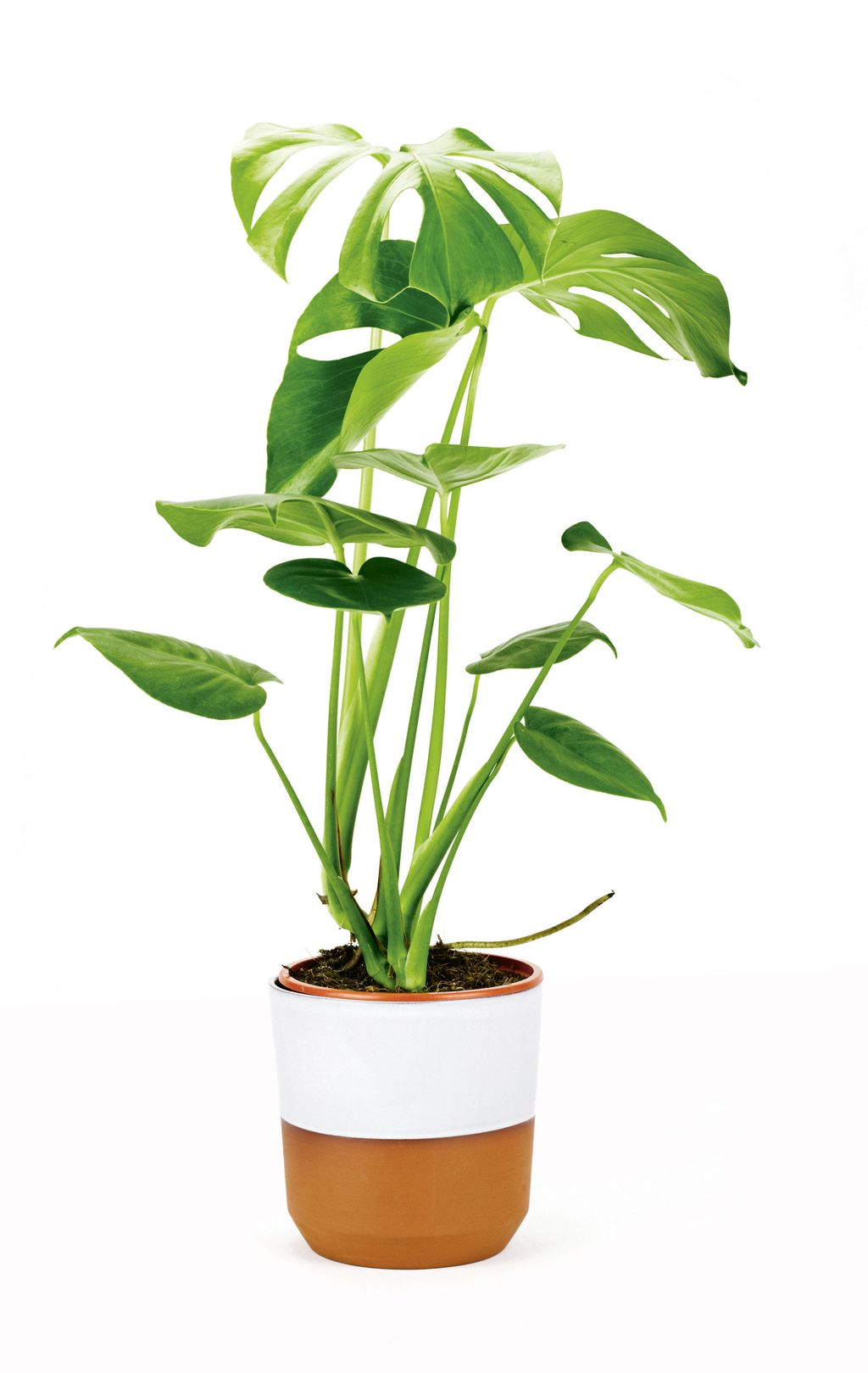 Gynelle Leon8/11
Plant of the moment: Monstera deliciosa (Swiss cheese plant)
Etymology
Deliciosa refers to the edible fruit. Its common names are Swiss cheese plant and cheese plant.Profile
This plant is distinguished by its unique glossy green foliage, which is large, heart- and pinnate-shaped, and covered in cheese-like holes. In its native habitat, in the tropical forests of southern Mexico, it is found growing epiphytically and can reach up to 20m (65½ft) long. As a house plant, it will grow to about 3m (10ft), with the leaves becoming more perforated as the plant ages. It rarely flowers indoors. Due to the presence of insoluble calcium oxalate crystals, the leaves are mildly toxic to pets and humans, causing gastrointestinal irritation and upset if ingested.Care
Requires bright indirect light to low light; avoid bright direct light, which can scorch the leaves. Mist the leaves once a week. The large leaves can collect dust, so clean them with a damp cloth or sponge and gently wipe dry. Water weekly and don’t allow the compost to dry out completely. Is happiest in temperatures of 18–27°C (64–80°F) but can tolerate as low as 12°C (54°F).


 Gynelle Leon9/11
Best unusual houseplant: Discocactus flagelliformis (rat’s tail cactus)
Etymology
The specific epithet comes from the Latin word flagella, meaning “whip” or “lash”, alluding to the shape of the stems. Its common name is rat’s tail cactus.Profile
This native of southwestern Mexico and Central America is said to be one of the first cacti to have been introduced into Europe, at around the end of the 17th century. It has always been very popular due to the abundance of large, red to magenta flowers, which appear in summer, and its long, thick stems. These branch at the base, reaching lengths of around 90cm (3ft), and are covered in fine, reddish-yellow spines, giving a fuzzy appearance.Care
Requires full sunlight to bright indirect light. Maintain a minimum room temperature of 10°C (50°F) in winter, and water plentifully during the growing season (early spring to mid-autumn) and stop watering during the dormant season (mid-autumn to early spring). Free-draining compost will help to prevent root rot.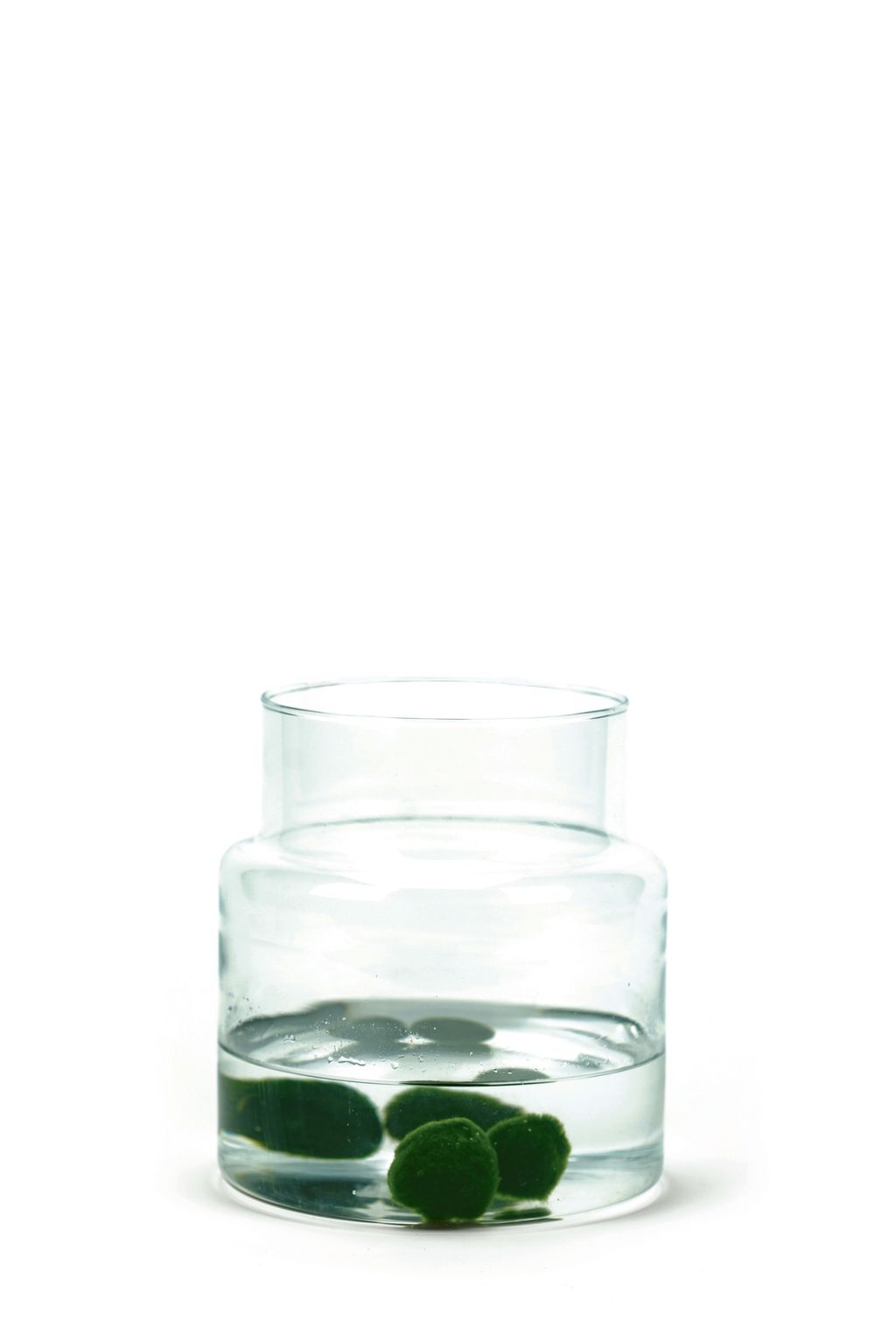 Gynelle Leon10/11
Best for encouraging calm: Aegagropila linnaei
Etymology
The generic name Aegagropila is Greek for “goat hair”, while the species name references the Swedish botanist Carl Linnaeus (1707–1778). The plant was given the common name of marimo by the Japanese botanist Takiya Kawakami in 1898, from the Japanese word mari, meaning “bouncy play ball”, and mo, a generic term for plants that grow in water. Its other common names are moss balls, cladophora ball, lake ball and mossimo.Profile
These rare filamentous algae are native to the lakes and rivers of Japan, Iceland and northern Europe, where they form green and velvety spherical aggregations the size of golf balls, but they can grow up to 40cm (16in) in diameter. The Japanese regard marimo as a national treasure, and they have been a protected species in Japan since 1920. Their round shape is produced and maintained by the gentle wave action that occasionally turns them. They have a mysterious ability to float by day and sink at night. Although it’s unclear how sinking at night may be beneficial, it’s possible that this protects them from excessive cold or surface ice in their natural habitat. They bear no flowers.Care
Requires bright indirect light. If during the summer months the room temperature exceeds 25°C (77°F), place the container in the refrigerator or a cool spot near an air conditioner.