A tumbledown longhouse in Suffolk, dating back to the time of Henry VIII, refreshed by Caroline Riddell
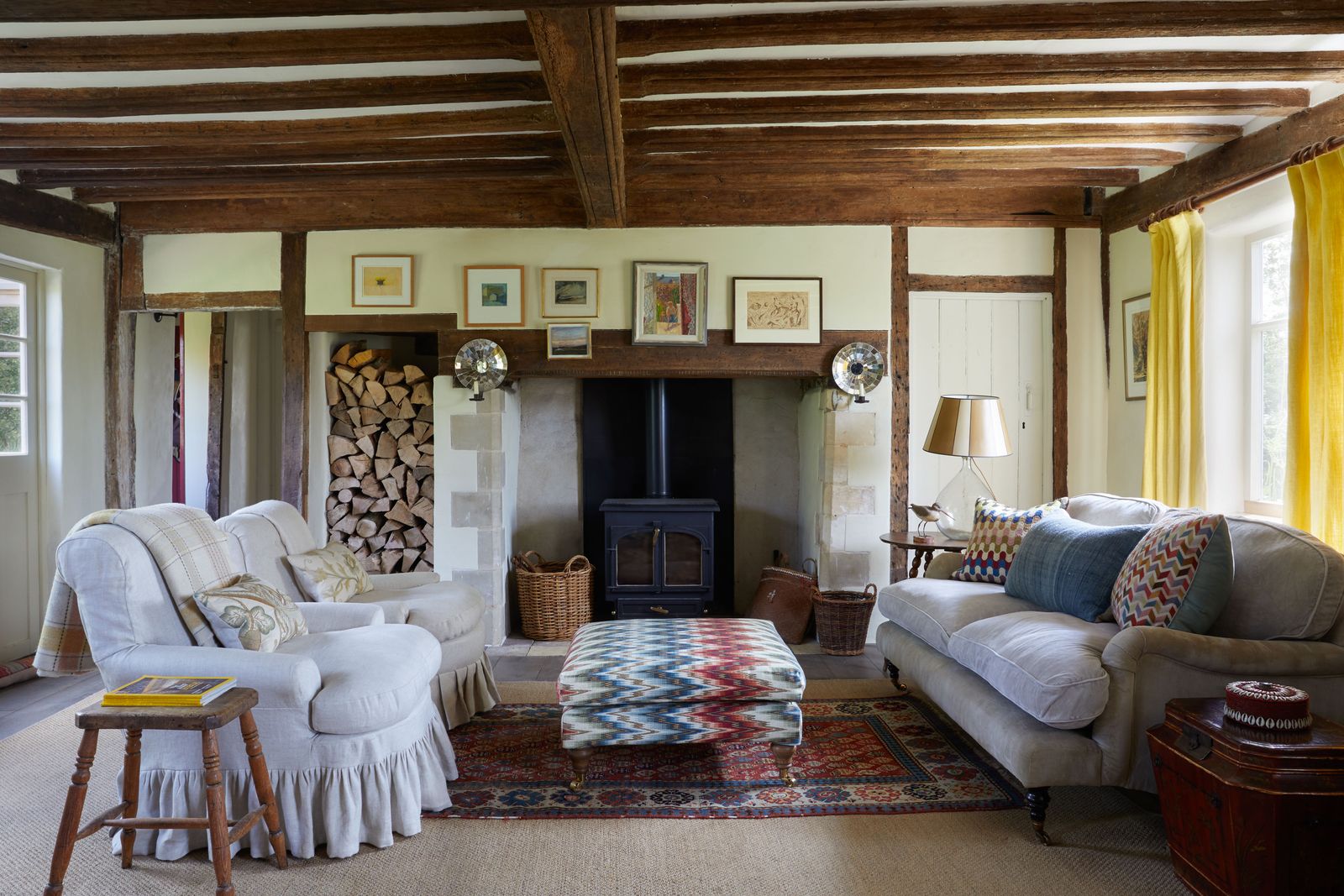
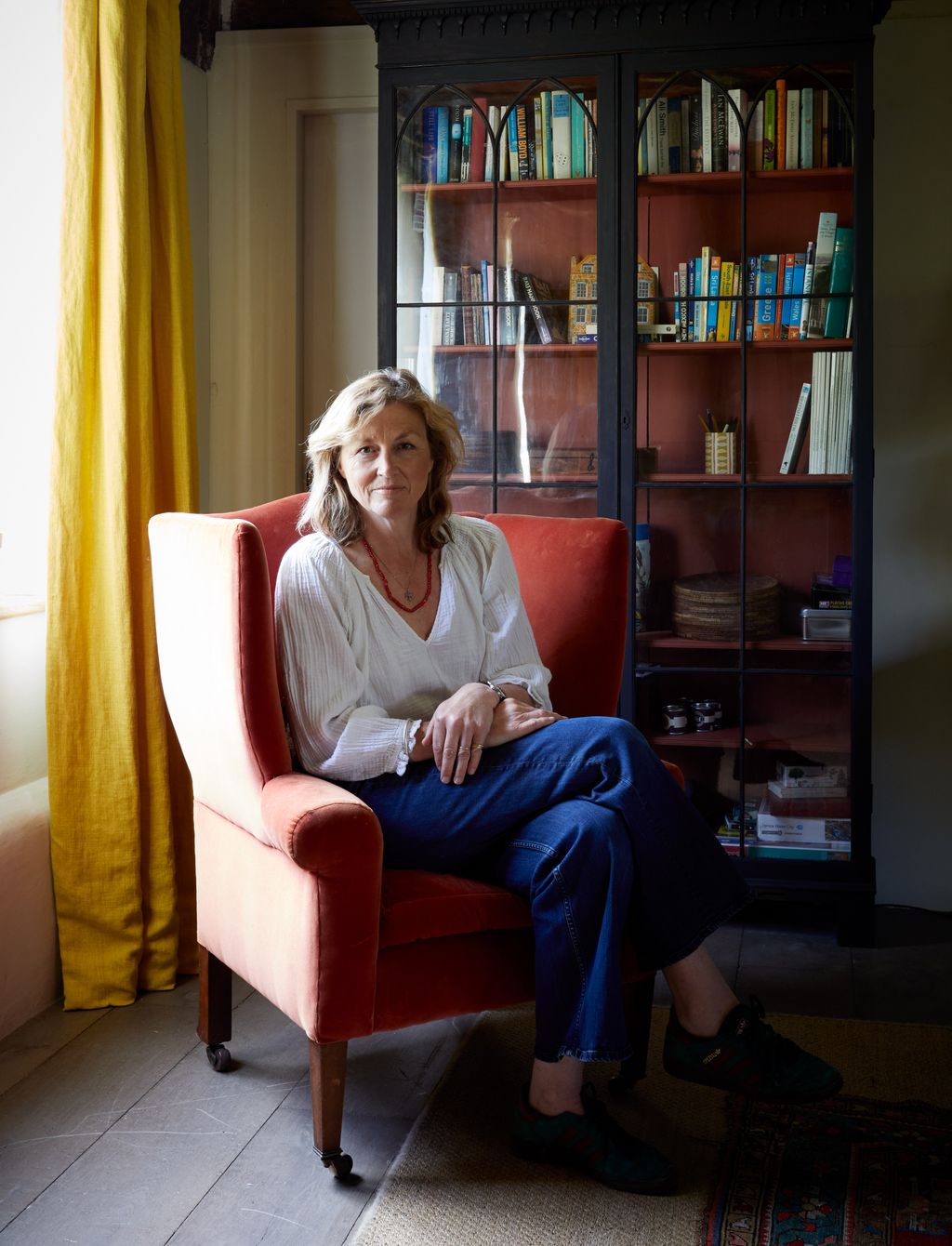
‘It is not a precious house. We come here to relax, walk and read. It’s constantly full of children and dogs,' laughs designer Caroline Riddell speaking of Snows Hall, a Suffolk Long House she and her husband James bought seven years ago when they decided to look for a weekend retreat near Caroline’s parents.
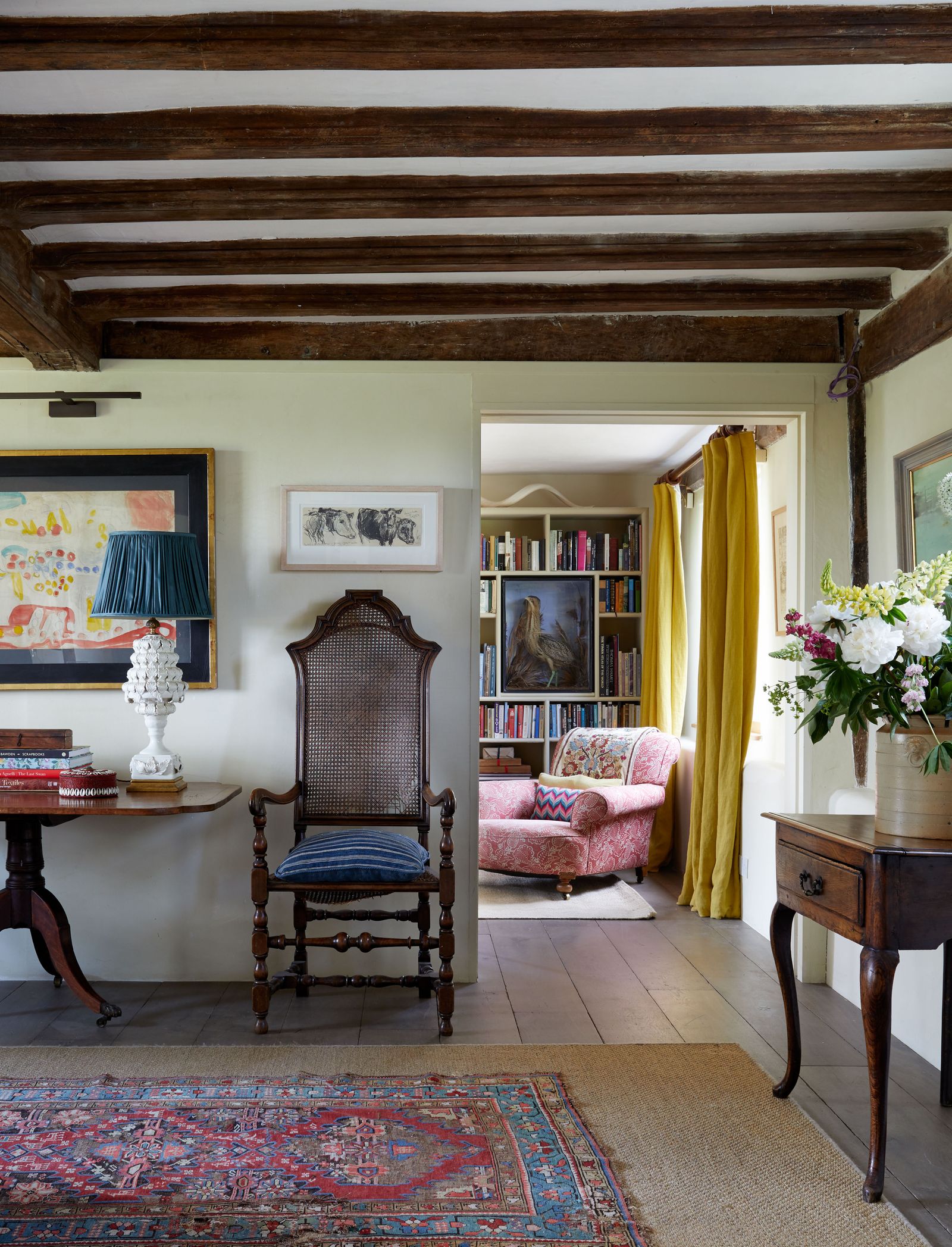
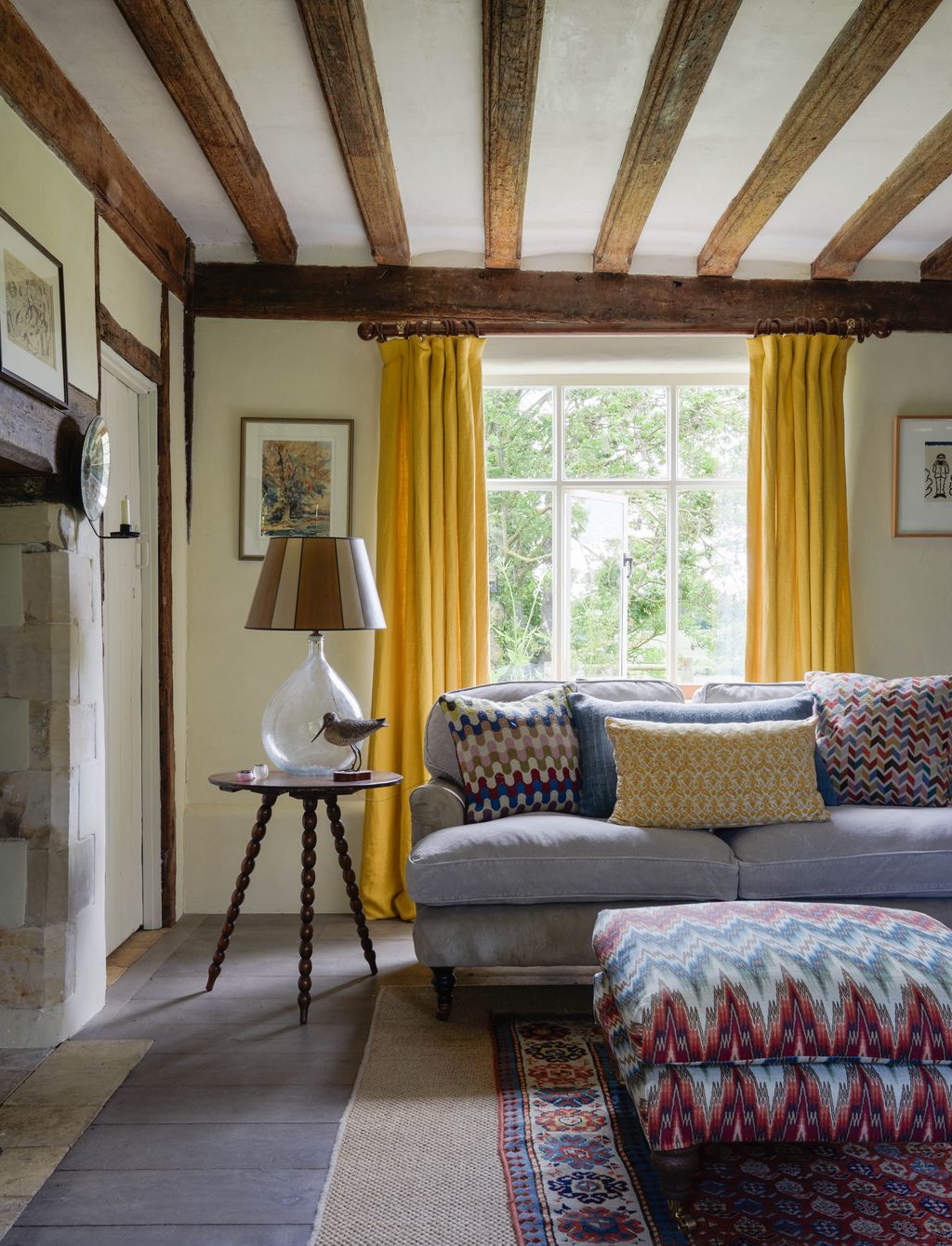
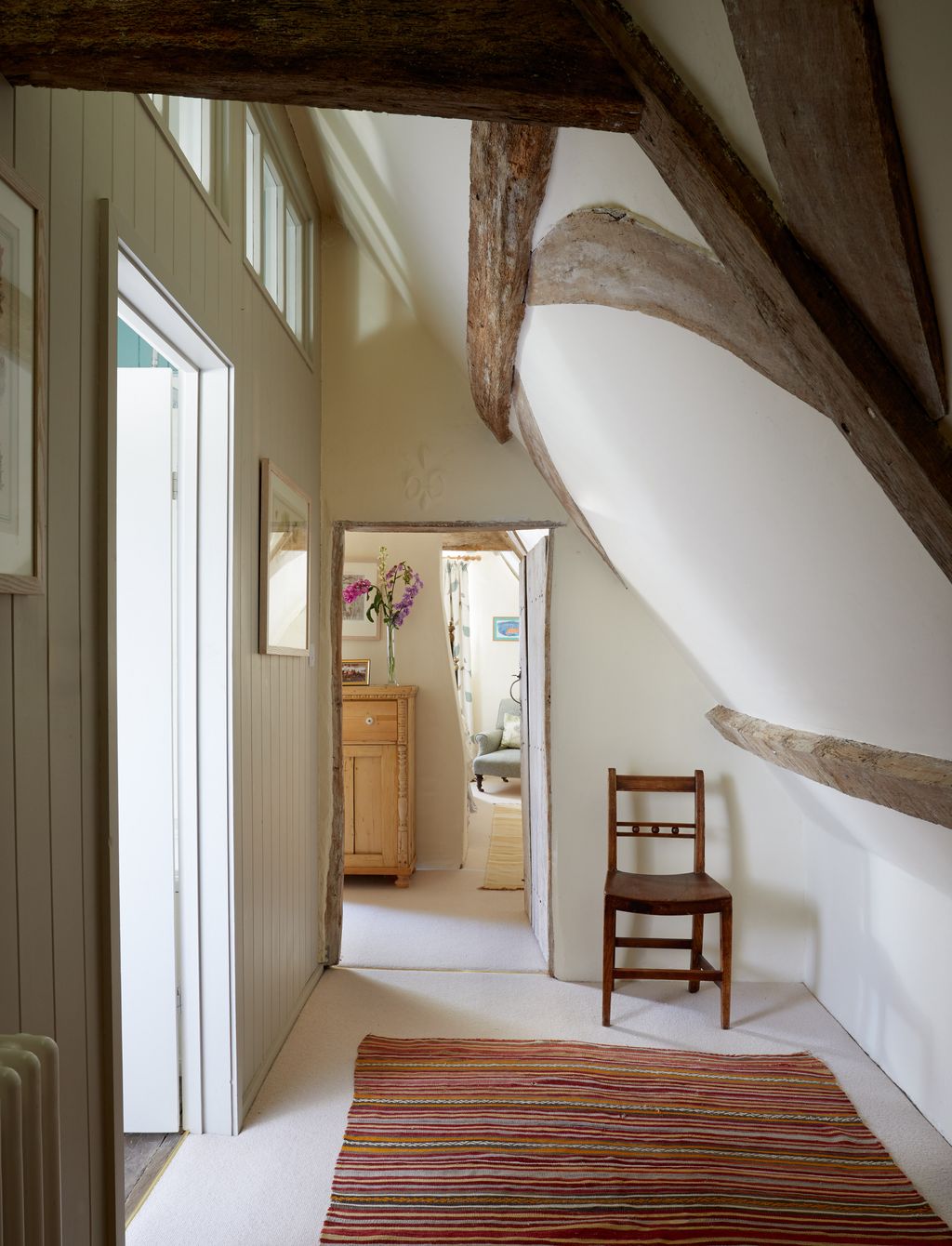
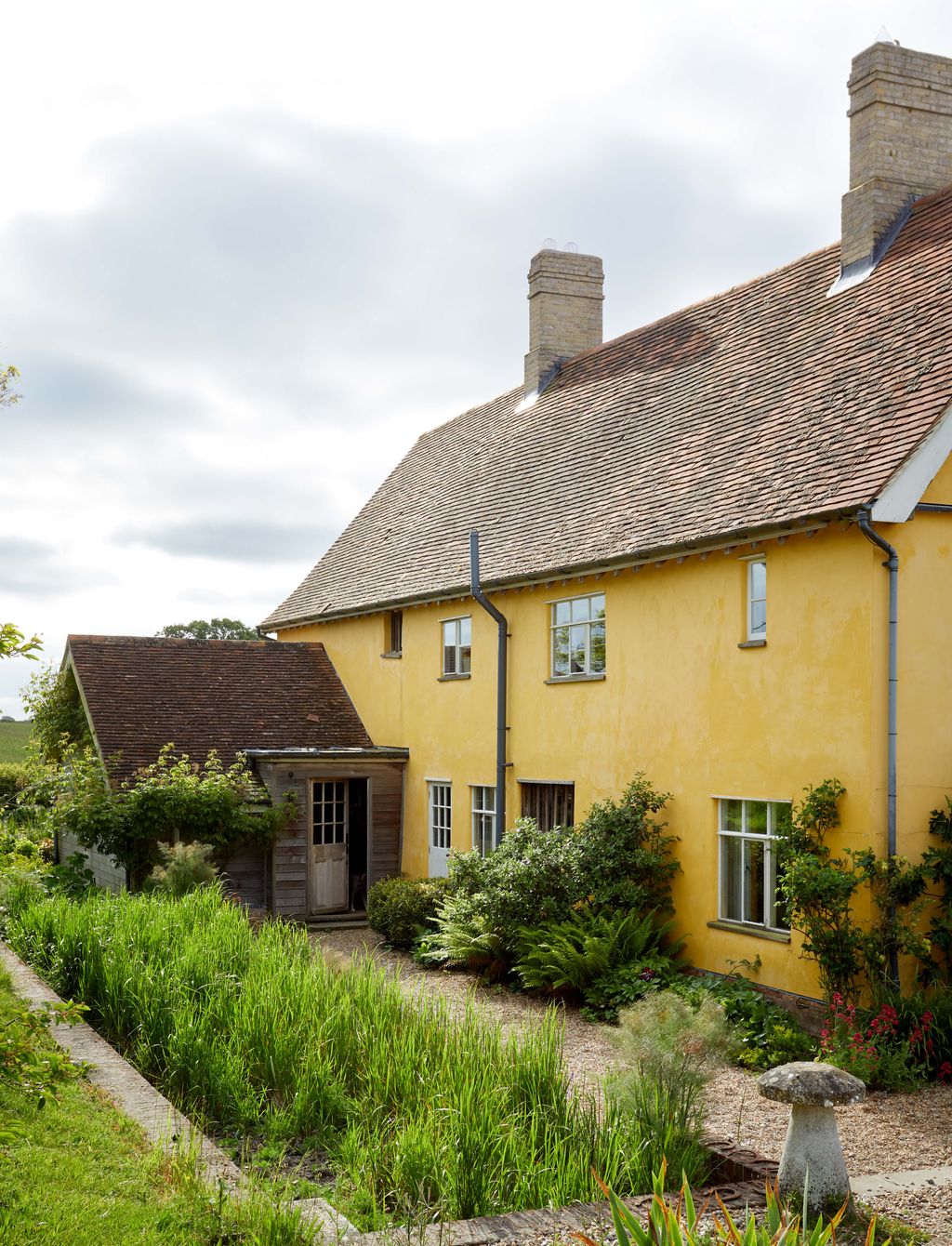
The house – whose name is derived from the carved beams in the main sitting room – had been built in the time of Henry VIII in 1546. Since then it had stood surrounded by its 16 acres of fields in a classic Suffolk landscape of ancient hedgerows and magnificent skies. Virtually denuded and left derelict by the previous owners who, without permission, had taken off the roof tiles, removed much of the plaster and chimney stacks, and left the whole building covered in tarpaulin with ceilings so broken you could stand in the kitchen and look straight up to the rafters above.
Presented with such an enormous restoration project it was fortunate that Caroline’s husband runs his own building company, Labatt Construction Ltd, and was able to contemplate the enormous with more equilibrium than others. Much of the original material had been dumped in a pile outside, and although most was unsalvageable, it was possible to reuse some.
Caroline maintains that the condition of the house almost did them a favour since they were able to see where all the original windows, doors and floors levels would have been. ‘The 500 year old wooden skeleton structure was there for us to see. Added to which we could dig out the floor to install underfloor heating which meant no radiators, so useful on old uneven plaster walls. Finally since originally the rooms had been quite low we were able to raise the height of the ceilings.’
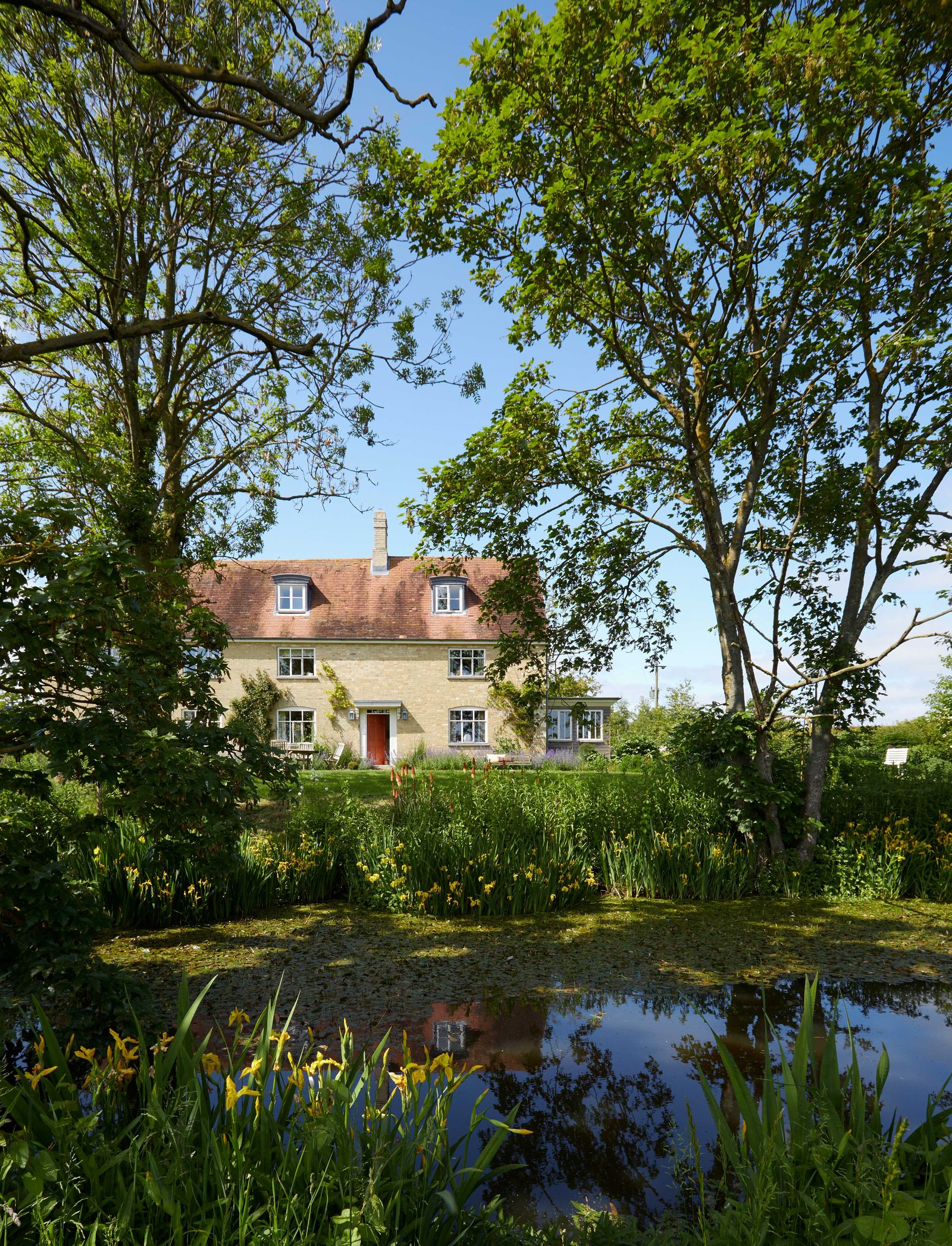
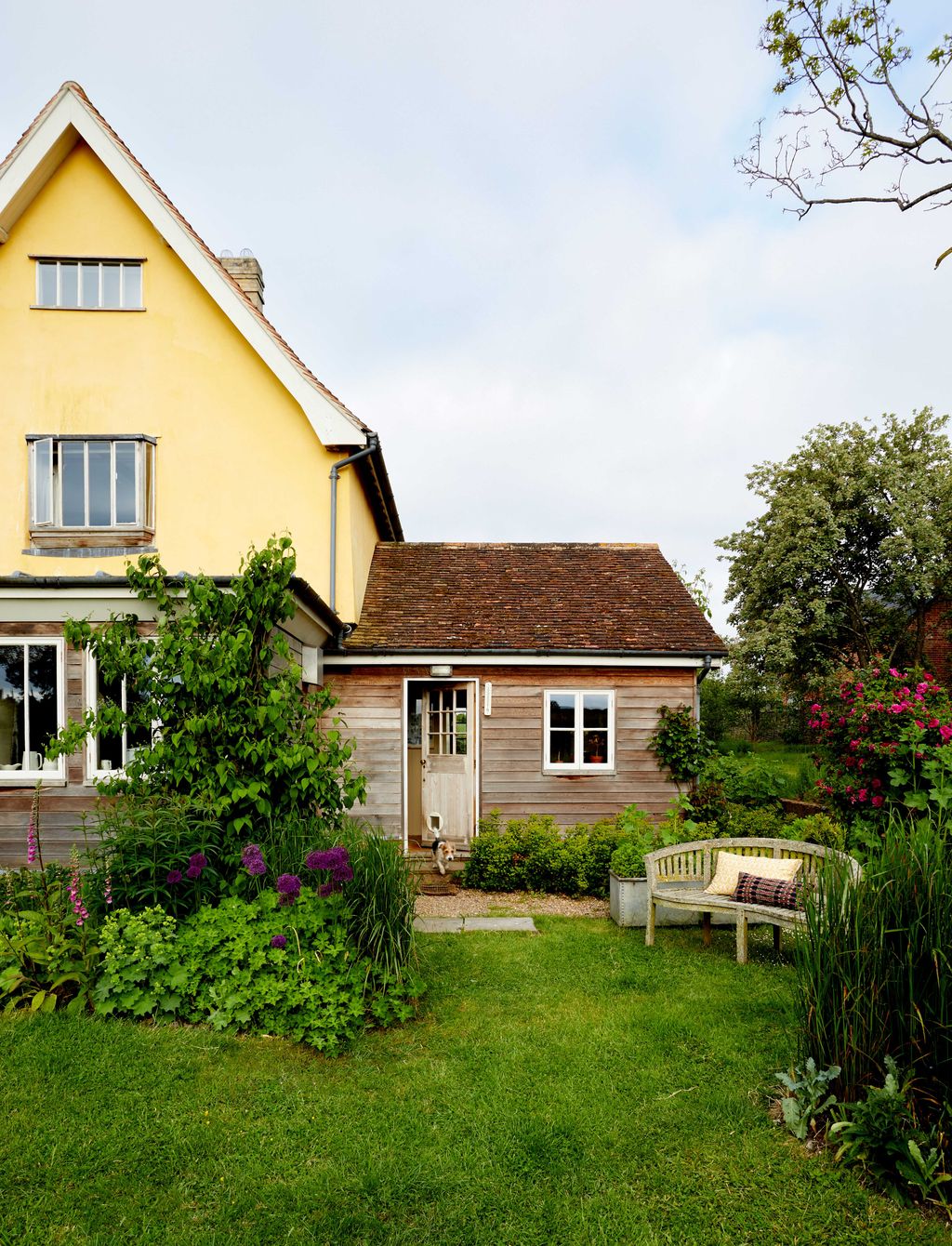
Although she says that much of the house is a pastiche, it is only pastiche in that they used as many of the original practices as possible. There is the original farm pond where, as so often in the past - they dug out the clay and used it on the building alongside horsehair as insulation. The brick facade was put on in the 18th century, and these walls were traditionally plastered and weatherboarded and finally painted in Suffolk yellow limewash.
Researching the house, Historic Britain had discovered an original oriel window on the end which Caroline and James carefully recreated. The cedar extension they built onto the kitchen with the surrounding row of windows looking out over the fields and hedgerows happily adds enormously to the light in the room.
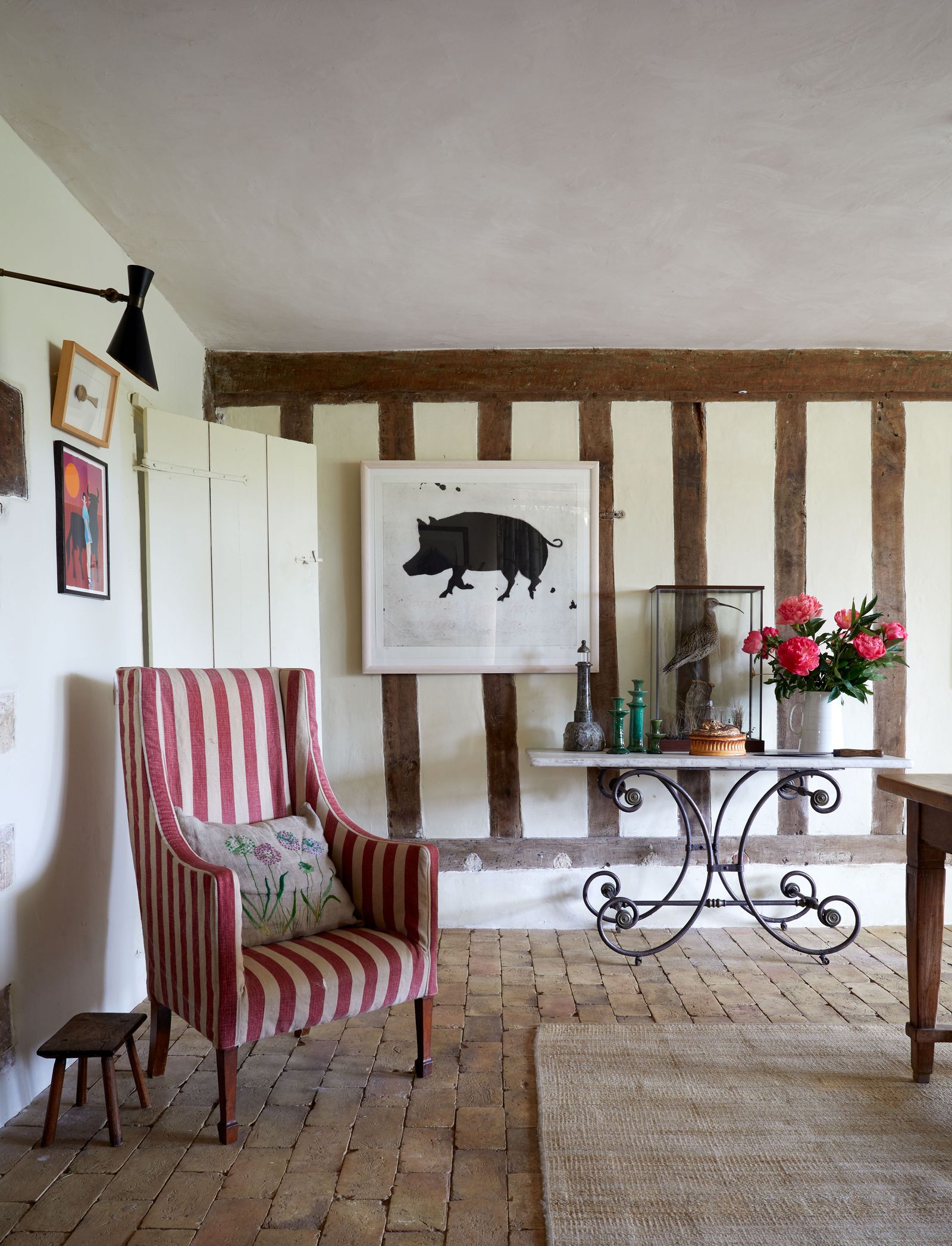
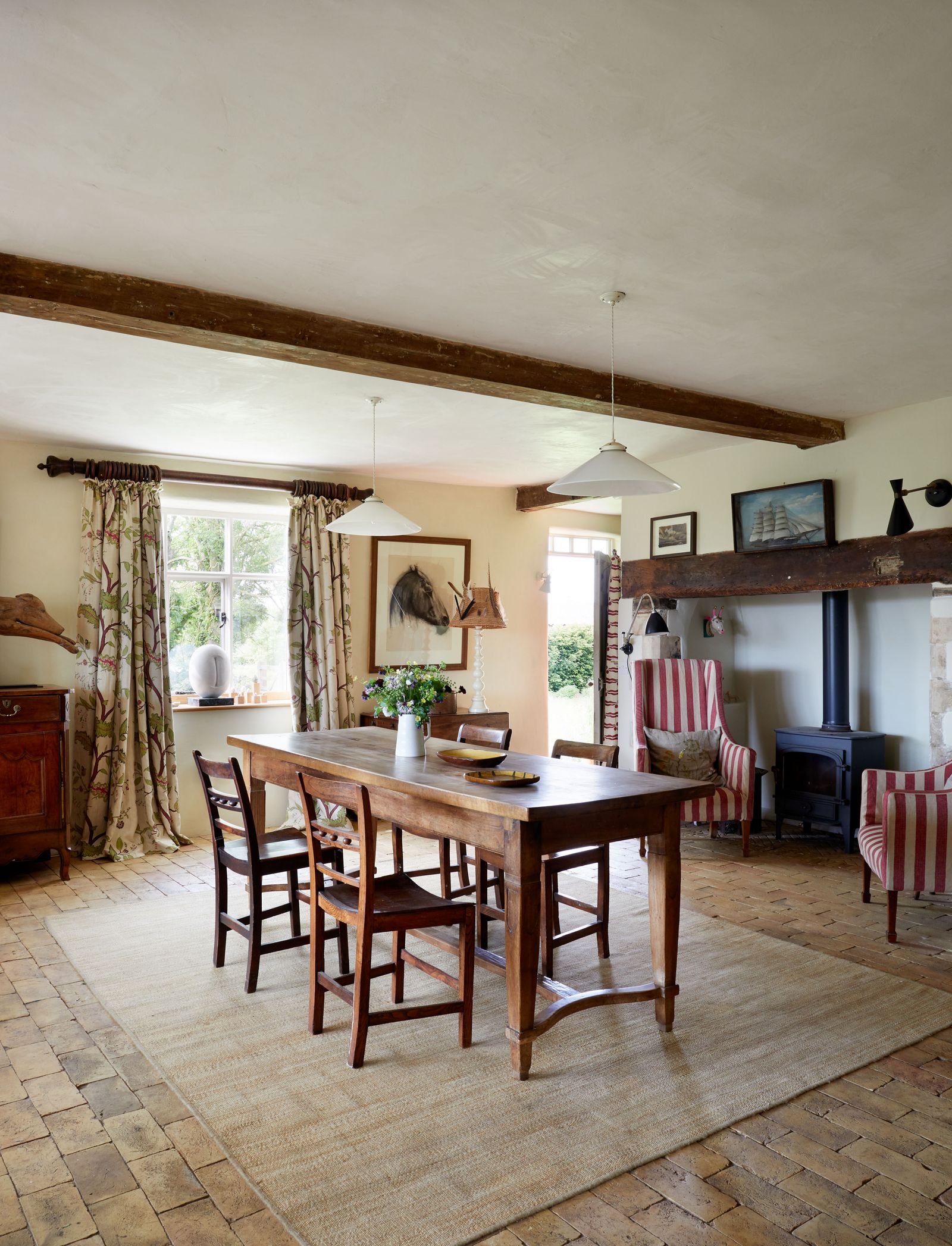
So that there would be no sharp corners or overly smooth wall surfaces, Caroline was insistent that all the plasterwork internally should be done by hand, and over the period of restoration they surfed the many wonderful architectural salvage centres in the area, sourcing Suffolk brick for the floors on the ground floor and solid oak floorboards on the floor above.
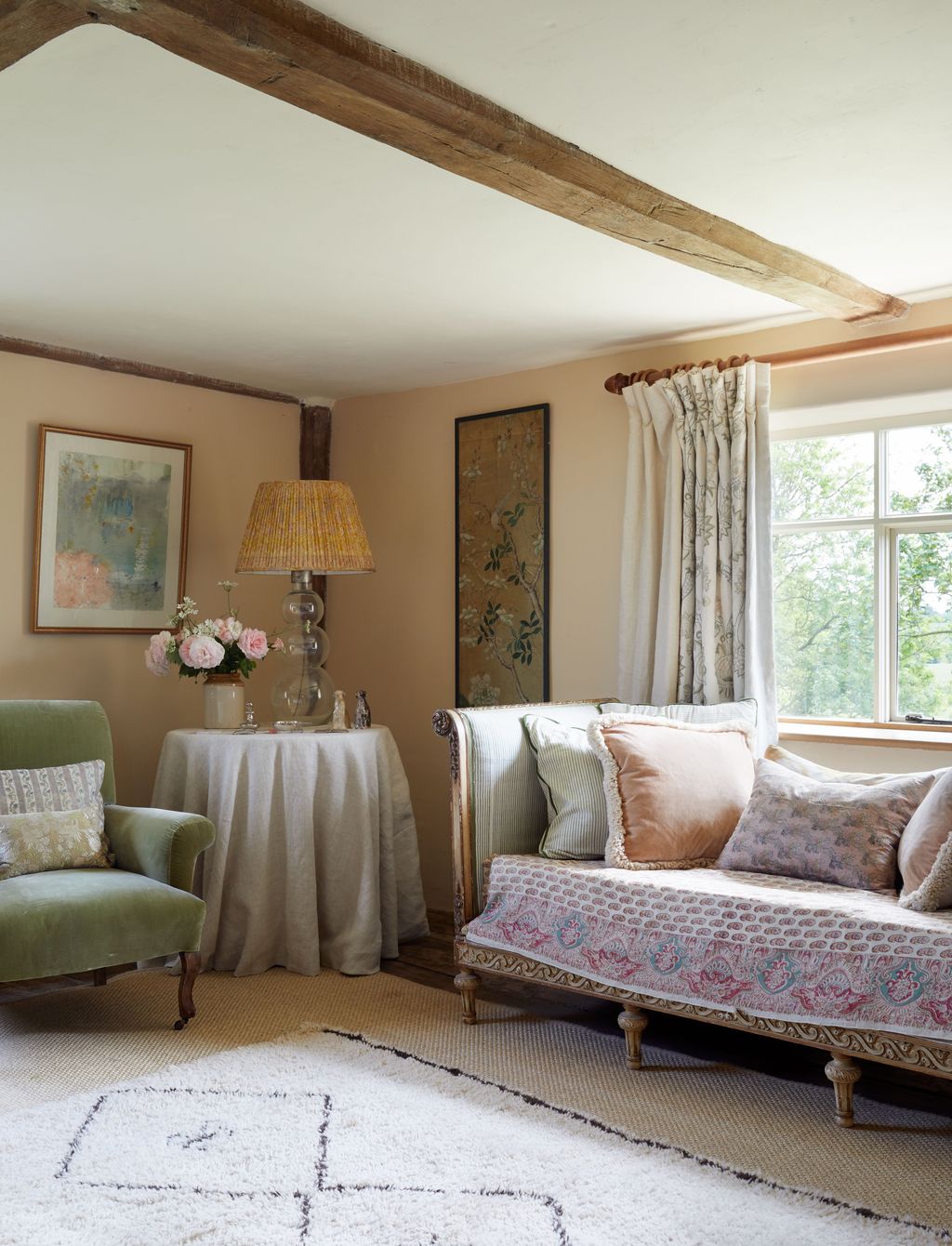
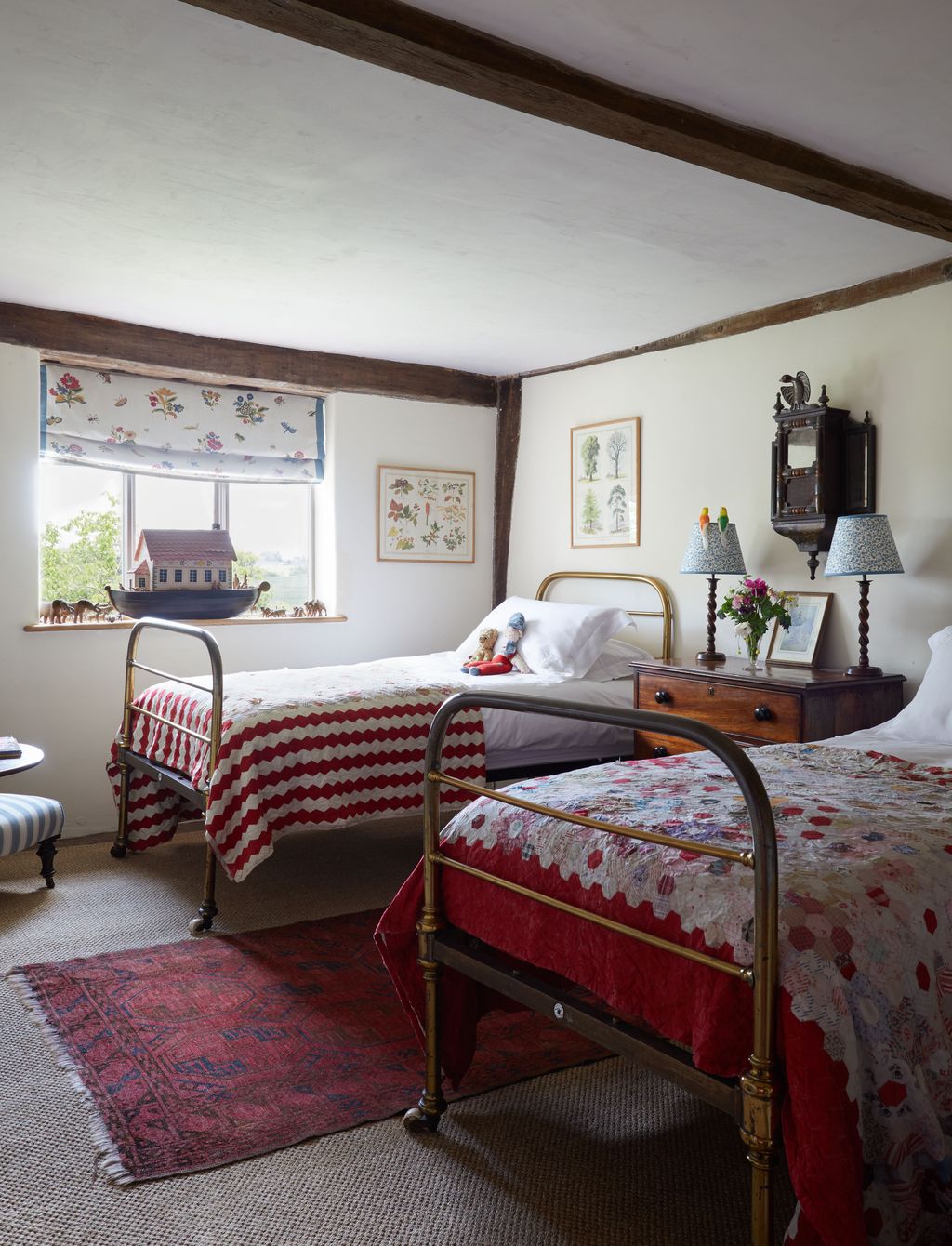
‘We are magpies when it comes to furniture,’ Caroline admits. Precociously she started collecting around the age of 16. Frequent visits to auction houses and antique centres have meant that over the years fabric, tiles, pictures and furniture have been slowly accumulated. Happily both James and she share the same taste, so much so that they discovered they had been bidding against each other for the Elm kitchen table at Lots road auction. The lovely Suffolk chairs along with living room armchairs, sofas and brass beds come from Diss auctions. An inherited armchair by the kitchen fire was copied to make a matching pair.
The house welcomes them each weekend, comfortable as an old shoe. Though this was not always the case. A 90 year old previous occupant who had been born in the house told the couple about the spirit of an ‘old lady in a wimple’ who haunted the house.
‘On our arrival each weekend, a very heavy egg-like sculpture given to us as a wedding present and so heavy I could not move it would be on its side,’ laughs Caroline. On one occasion it had mysteriously slipped off its plinth. So each weekend they walked around the house with sage, opened all the windows, greeted ‘ the lady ‘ warmly in each room and slowly she calmed down.’ As well she should, since through the care of Caroline and James the house enjoys much the same ambience as it might have done when she was alive.
Caroline Riddell is a member of The List by House & Garden, our essential directory of design professionals. Visit The List by House & Garden here.
 Paul Massey1/11
The entrance lobby is painted in blood red gloss paint. ‘So much more practical with dogs and gardening equipment to clean.’
 Paul Massey2/11
 Paul Massey3/11
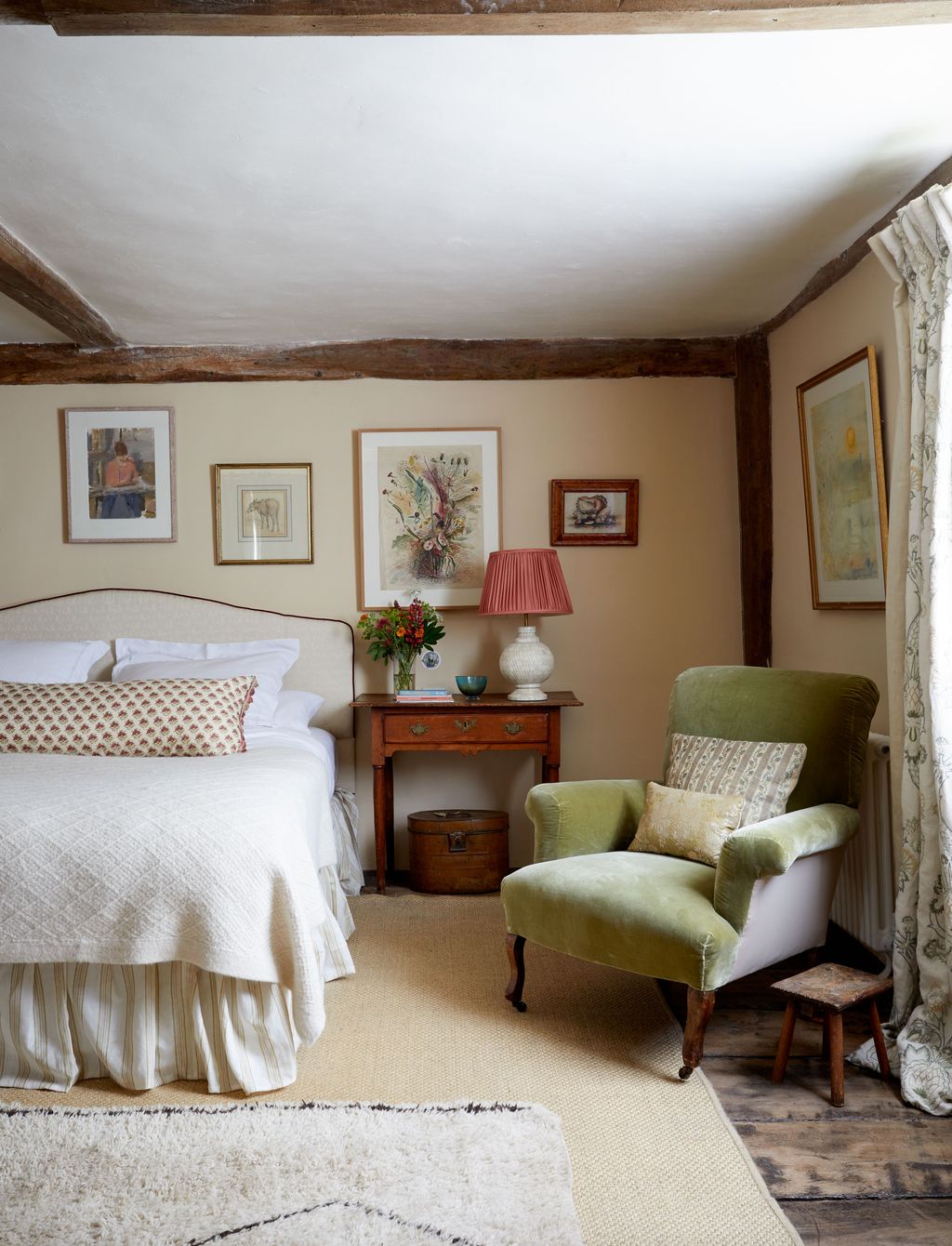
In the main bedroom Caroline has a collection of modern British paintings.
 Paul Massey4/11


 Paul Massey5/11
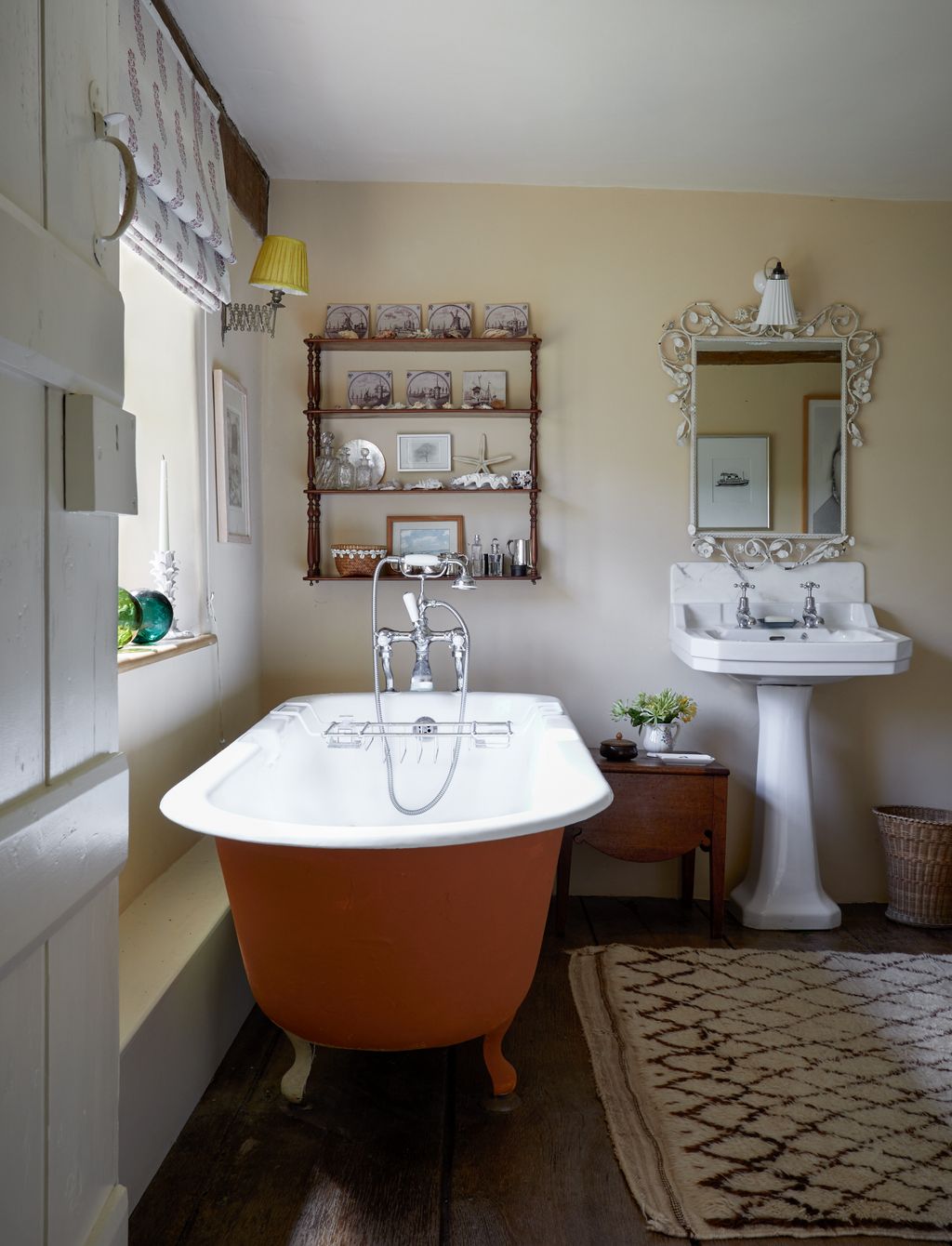
The bathroom had the original bath . The floor with its 1ft wide boards was inherited with the house and happily in good condition. The bathroom also has Caroline’s prized collection of Delft.
 Paul Massey6/11
 Paul Massey7/11
 Paul Massey8/11


 Paul Massey9/11
 Paul Massey10/11
 Paul Massey11/11