
Inside designer Clare Gaskin's family home in southwest London
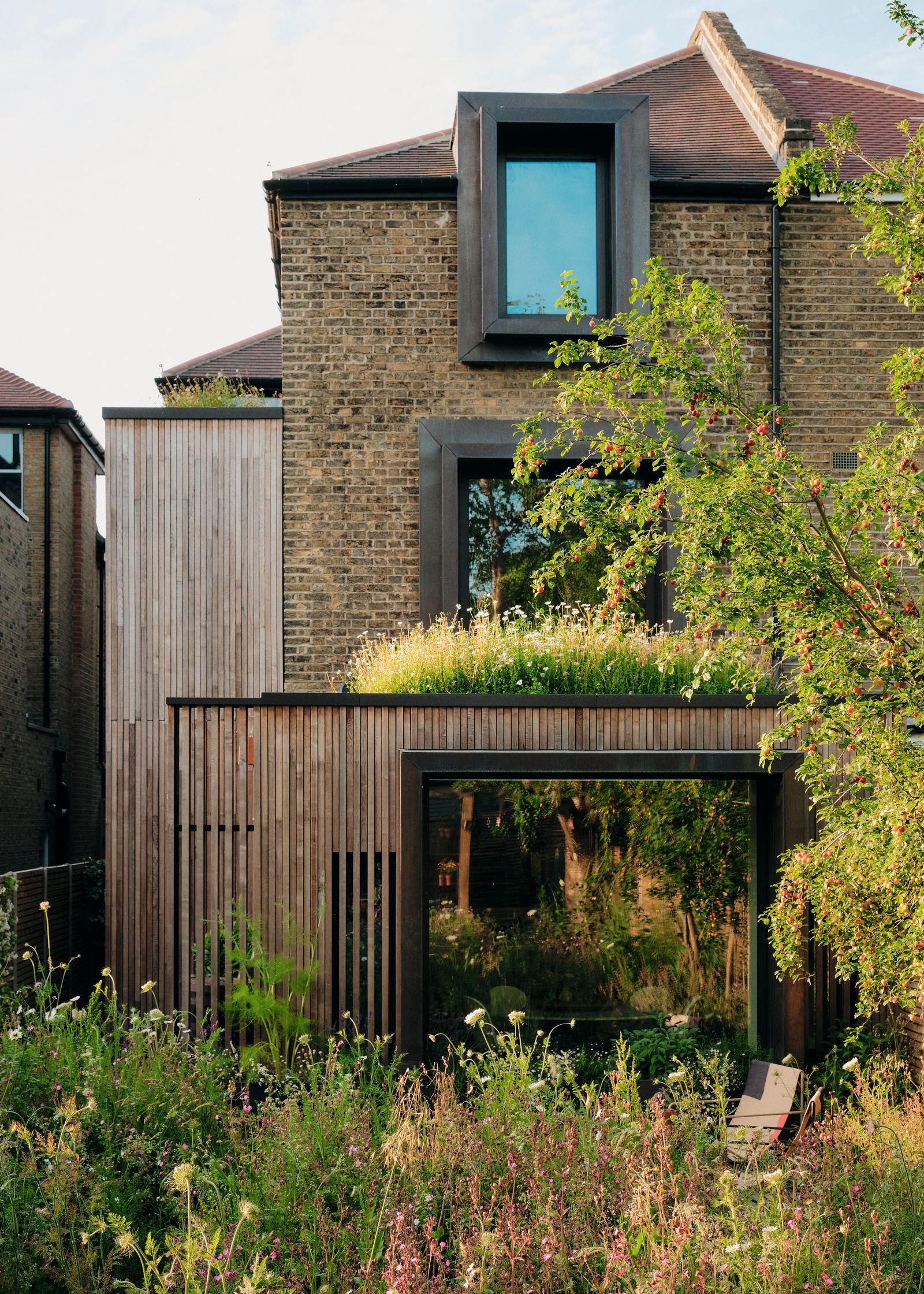
‘I used to walk past it in the evenings,’ interior designer Clare Gaskin recalls, ‘trying to see it from every angle, in every light, imagining what it could be.’ Clare and her family were living just around the corner at the time, and the house in question had come onto the market and was becoming an obsession. As soon as she arranged a viewing she realised the semi-detached Edwardian house in Putney, southwest London, was barely habitable. Divided into two flats and five bedsits, its rooms were stripped of character; the top floor was abandoned, with blackened walls and a hole in the ceiling. Yet beneath the scars of neglect Clare saw the sweep of the proportions, high ceilings, tall windows, and above all, potential.
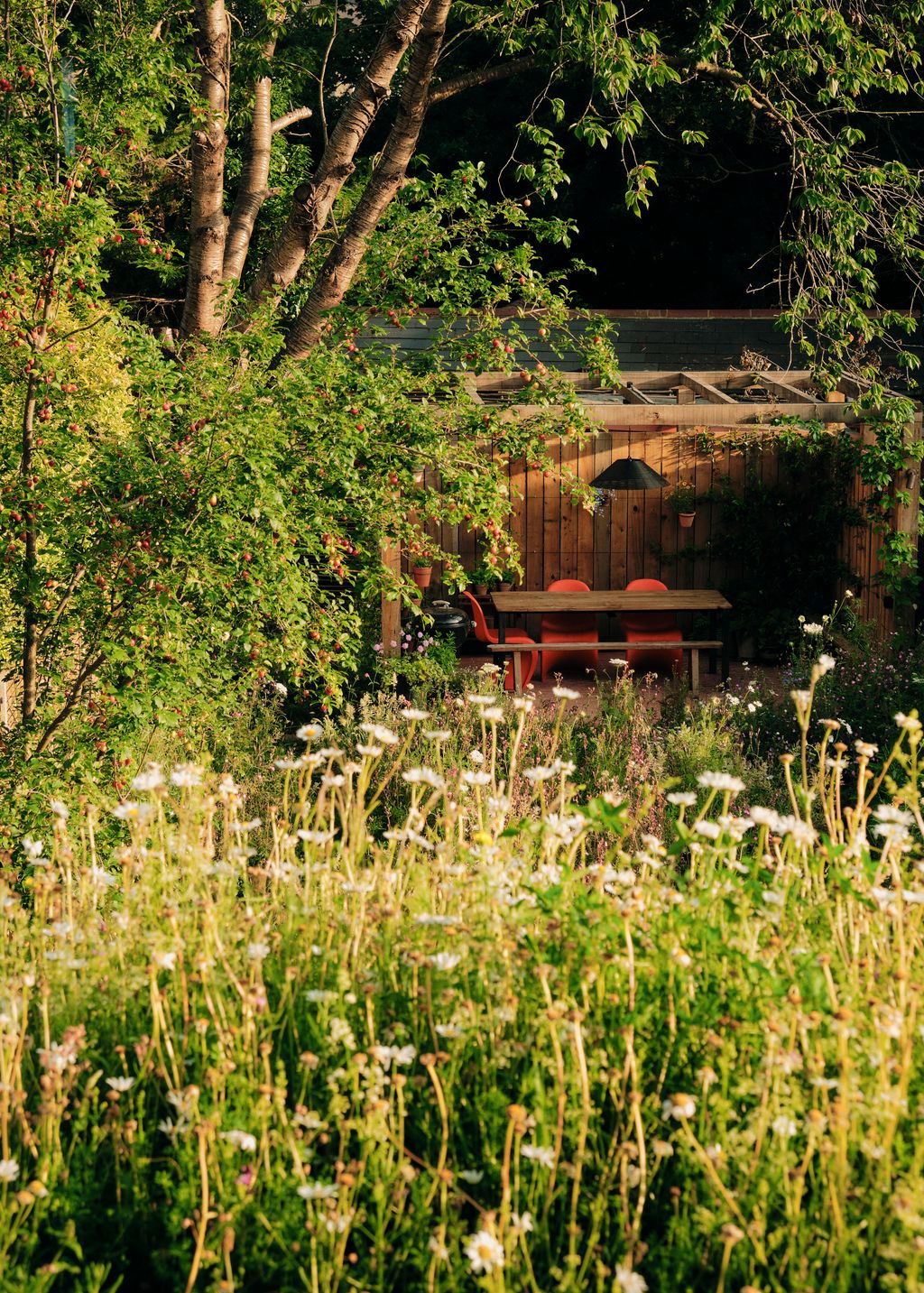
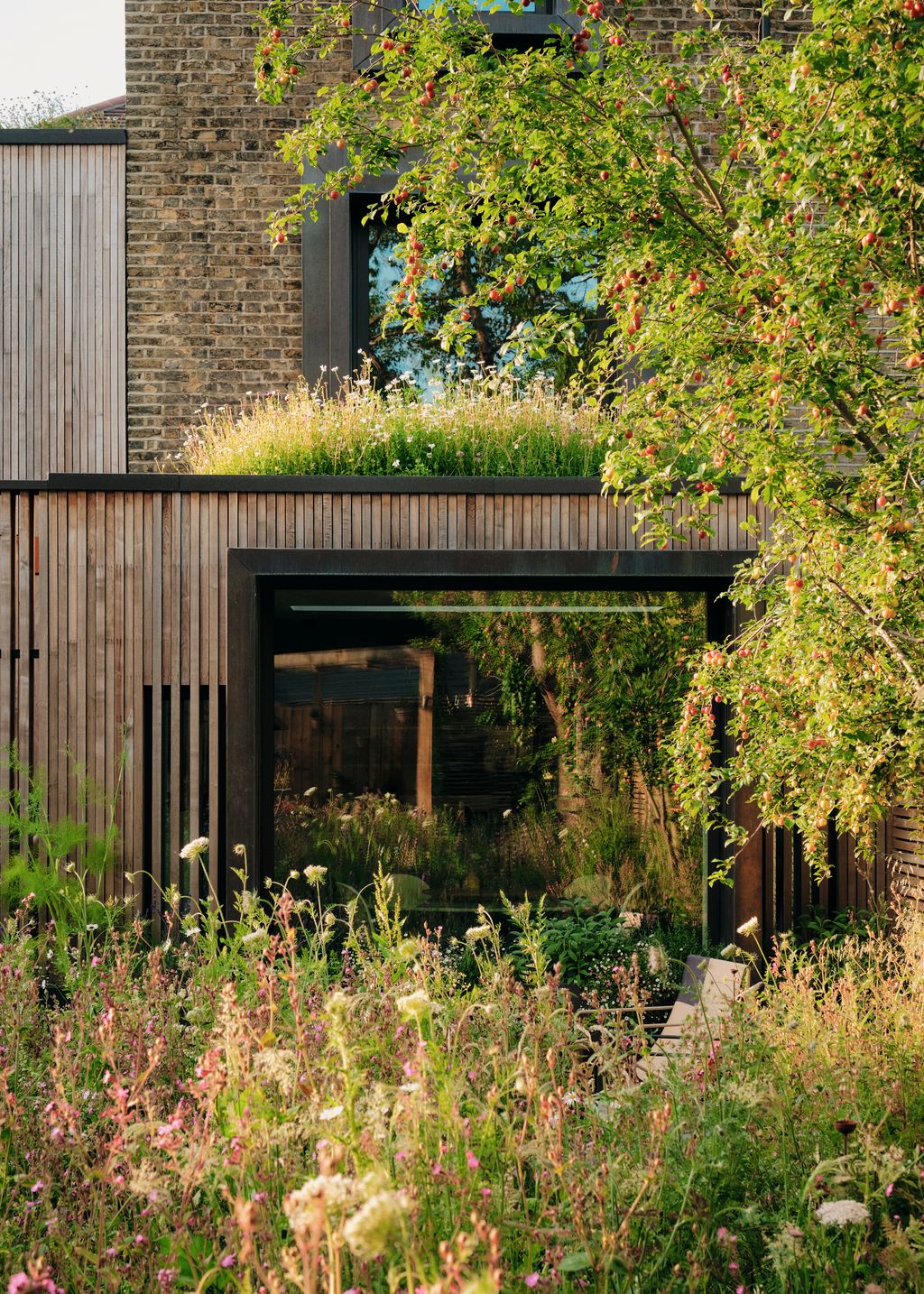
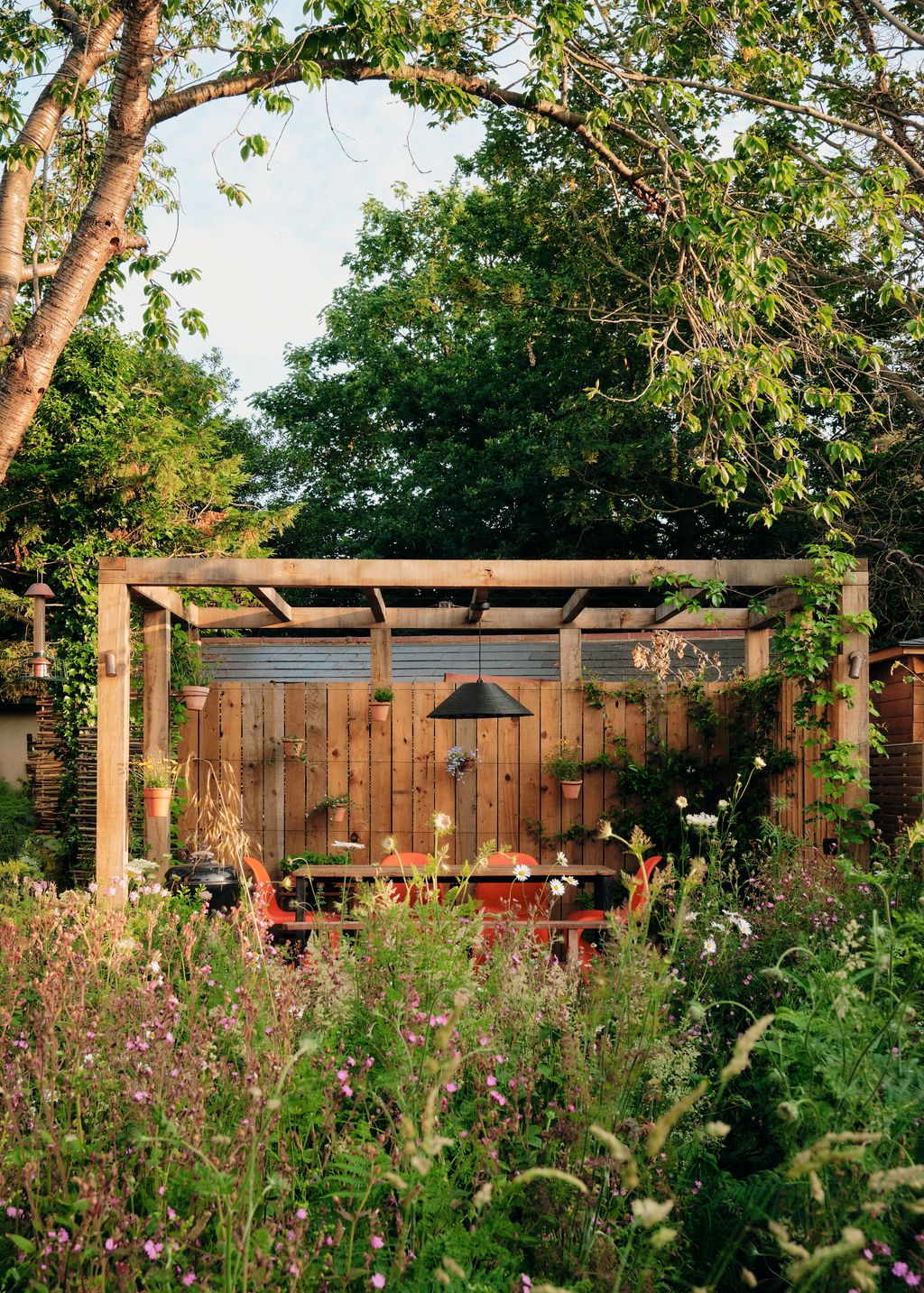
Her husband, Will, co-founder of furniture business Rehaus, was equally game, and together they enlisted the architects Daykin Marshall Studio, who Clare had previously collaborated with. Rather than a conventional rear extension with vast sliding doors, they sought something more sculptural – a house that would acknowledge its past yet embrace the new. The rear façade, with its projecting copper-clad windows and ash panels, announces the addition without apology. ‘I love the honesty of saying, “this is new”,’ Clare explains. The copper, already patinated by sunlight, rain and even the occasional bird dropping, feels alive, while ash additions add a warmth that softens the building’s edges. The garden, devised with garden designer Stuart Spice, unfolds in contrast to the structured geometry of the house. Long grasses and meadow planting create a sense of wildness, threaded with fruit trees and herbs. ‘I wanted it to feel dreamy, natural, alive,’ Clare says. ‘In summer I’d walk through it with bees and butterflies all around, and it just calms you.’
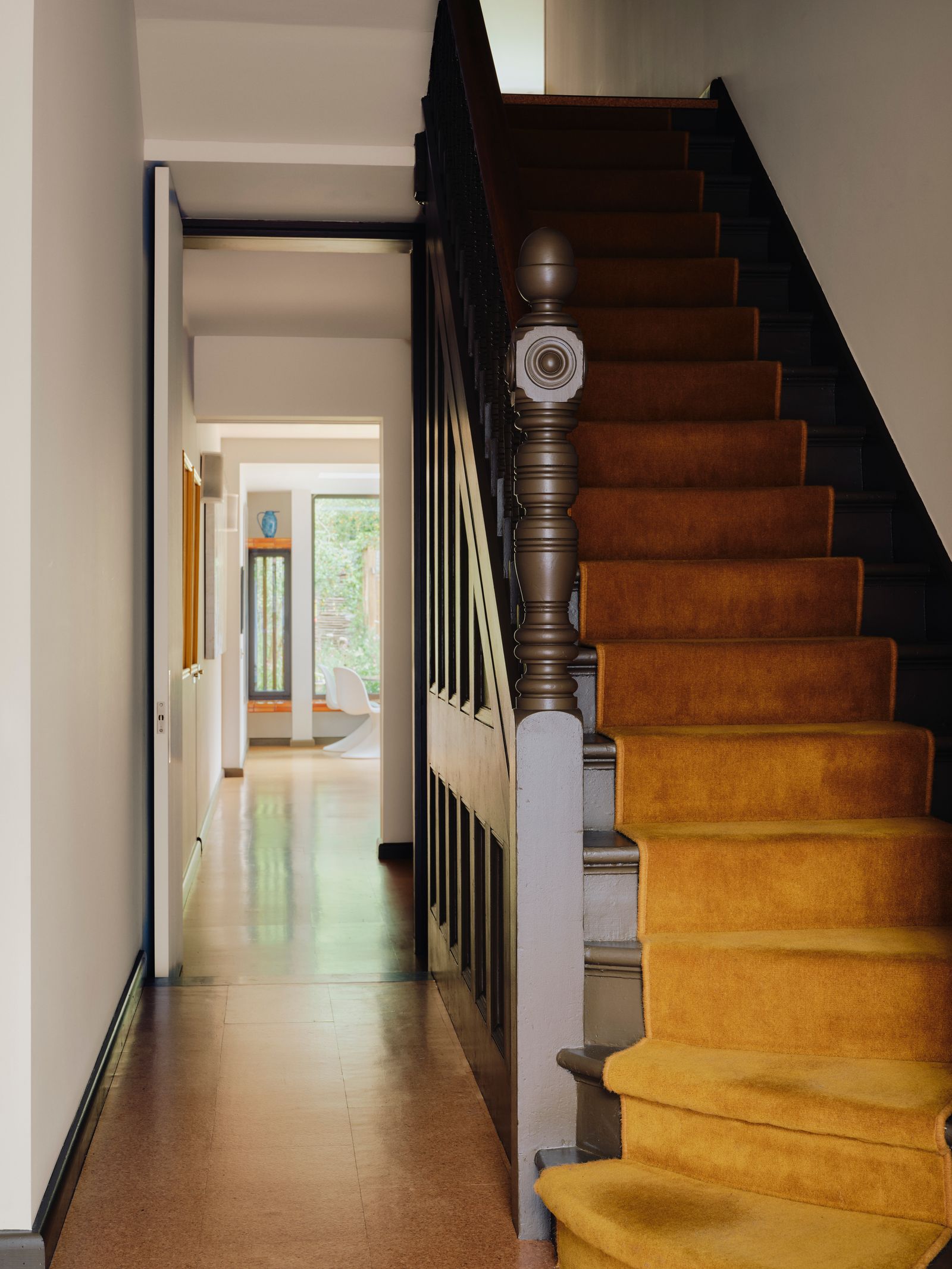
Inside, her designer’s hand is evident. She and Will drew up lists of desires and frustrations born of their previous house: they wanted somewhere coats and schoolbags could be hidden away; a laundry room liberated from the bathroom; even a flower station. ‘It’s the kind of space I create for my clients with far bigger homes,’ she says. ‘But why shouldn’t I have one too?’ she laughs. These whims, as much as the architectural gestures, define the house.
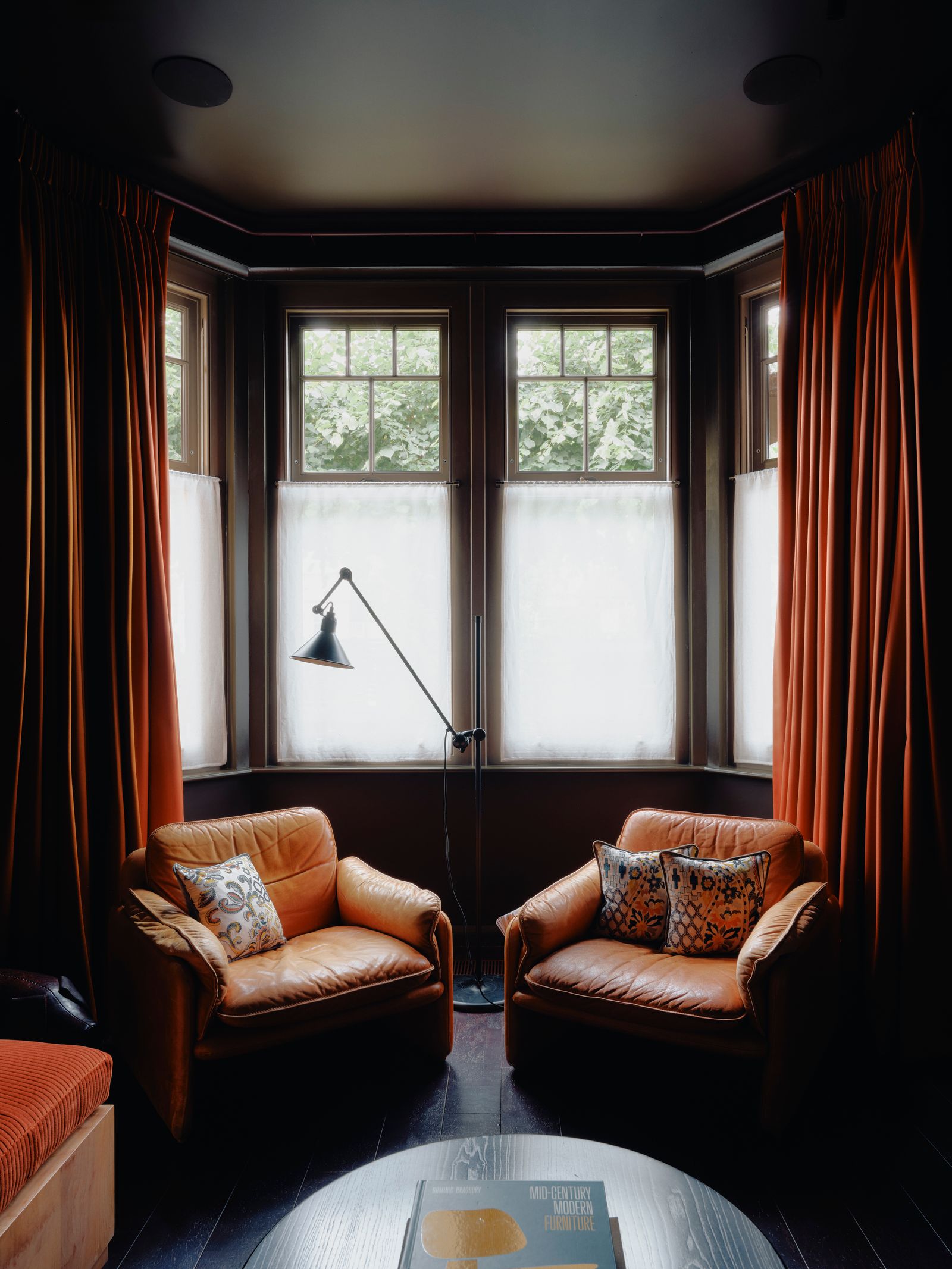
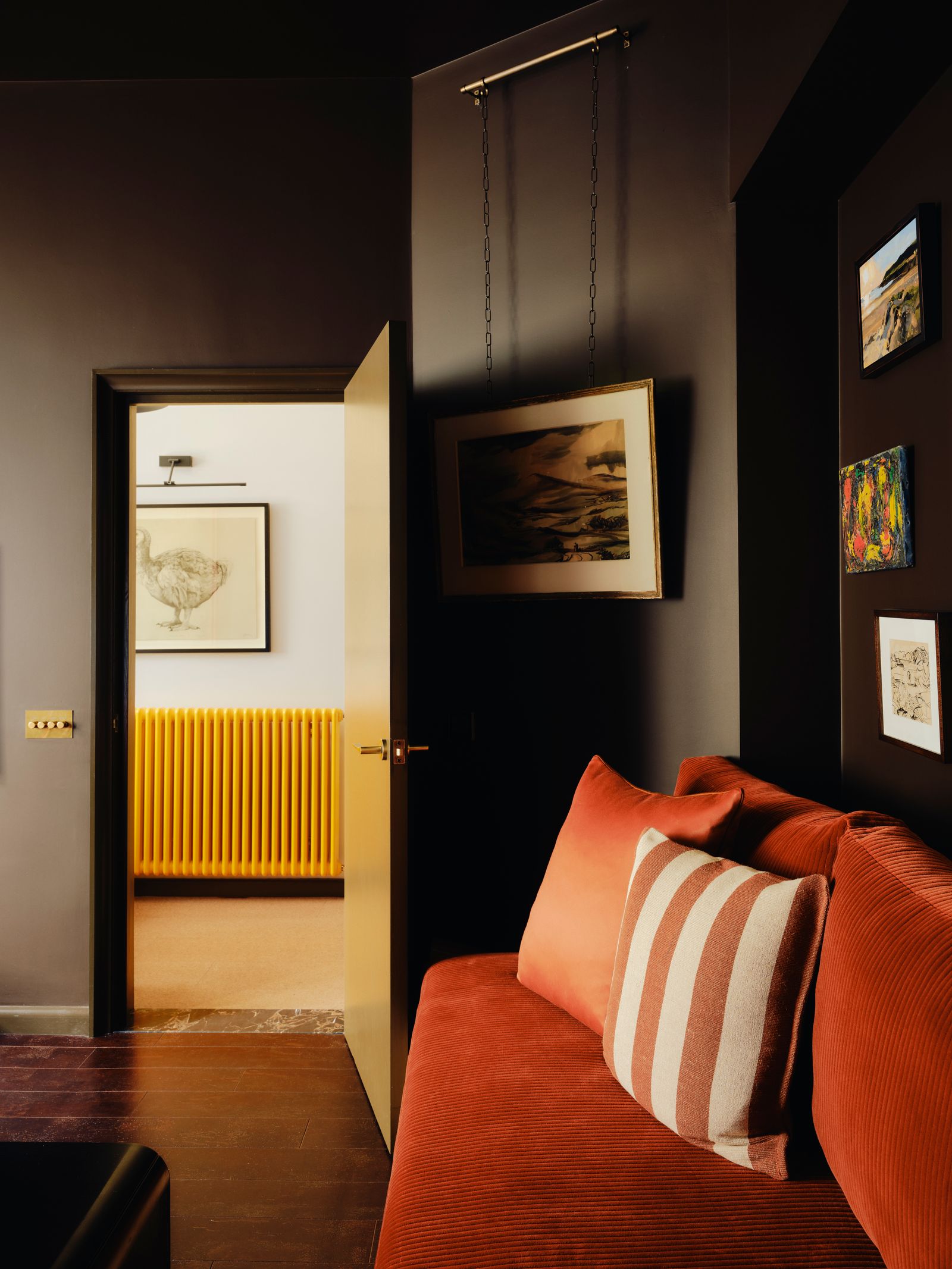
She calls the front sitting room, north-facing and deliberately cocooning, the snug. Here, Clare leaned into shadow, with a dark cork floor and built-in corduroy seating that conceals family photo albums and board games. ‘It’s where I retreat in the evening, with a glass of red wine and a square of chocolate,’ she says. Will’s business supplied the leather armchairs, once owned by a member of Pink Floyd, and shelves of records from Clare’s late father add both sentiment and texture. The wallpaper behind the bookcase are among the many remnants from Clare’s Wowhouse installation at the Design Centre Chelsea Harbour a couple of years ago.

That same approach guides the materials throughout. Cork flooring, sustainable and forgiving, runs through much of the ground floor, treated differently in each space. ‘It isn’t perfect - it dents, it marks,’ Clare says. Much like the copper outside, its character is shaped by use. ‘We didn’t want a pristine home. We wanted something that could tell its own tale.’
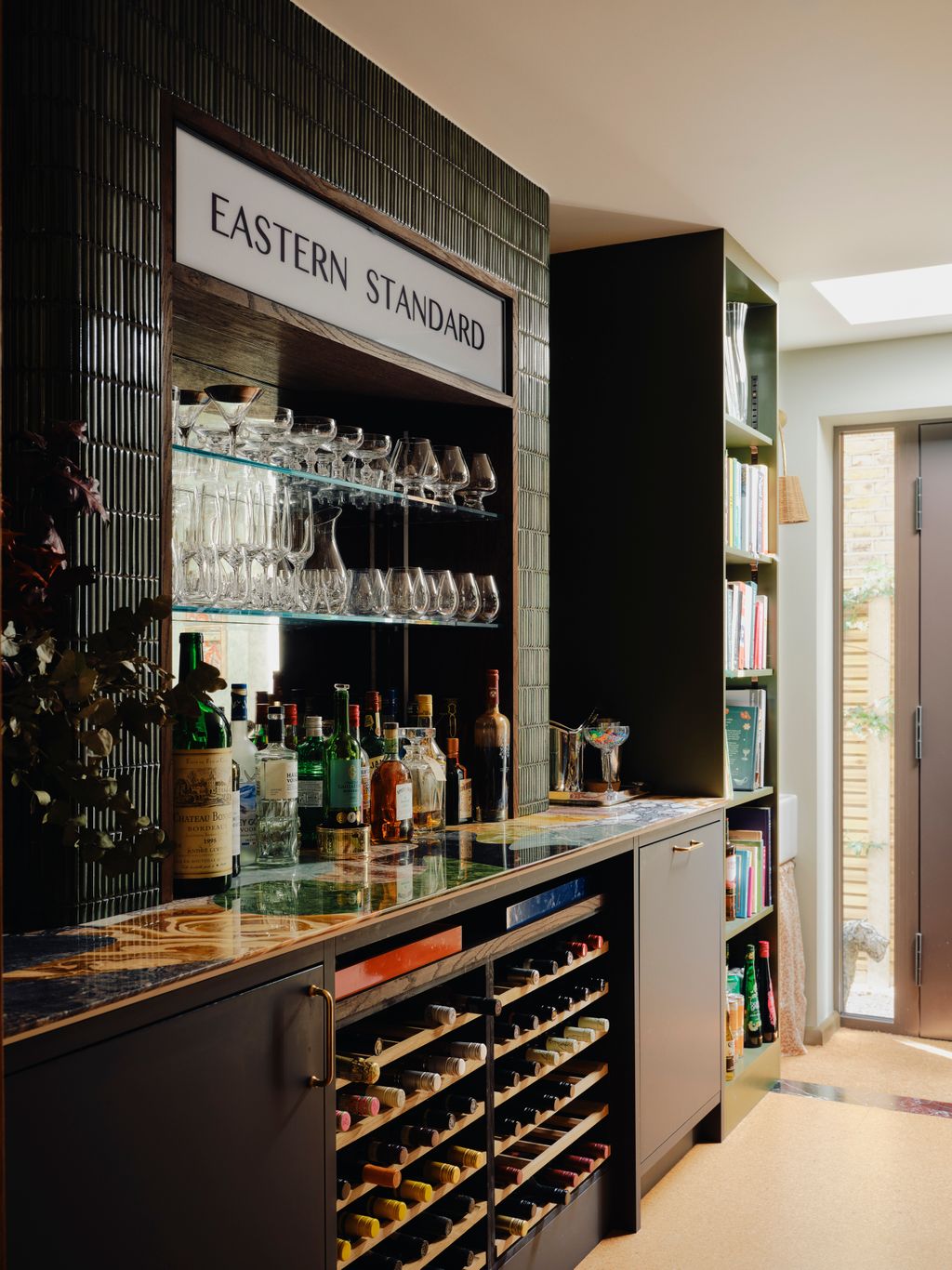
There are flashes of indulgence, too. Behind the kitchen is a walk-through bar leading to a pantry and back door. Bespoke joinery creates storage, while giving rhythm to the rooms. Practicality is elevated to elegance in the boot room, where coats and shoes vanish from sight. These are the gestures of someone who knows that beauty and order are not opposed but intertwined.
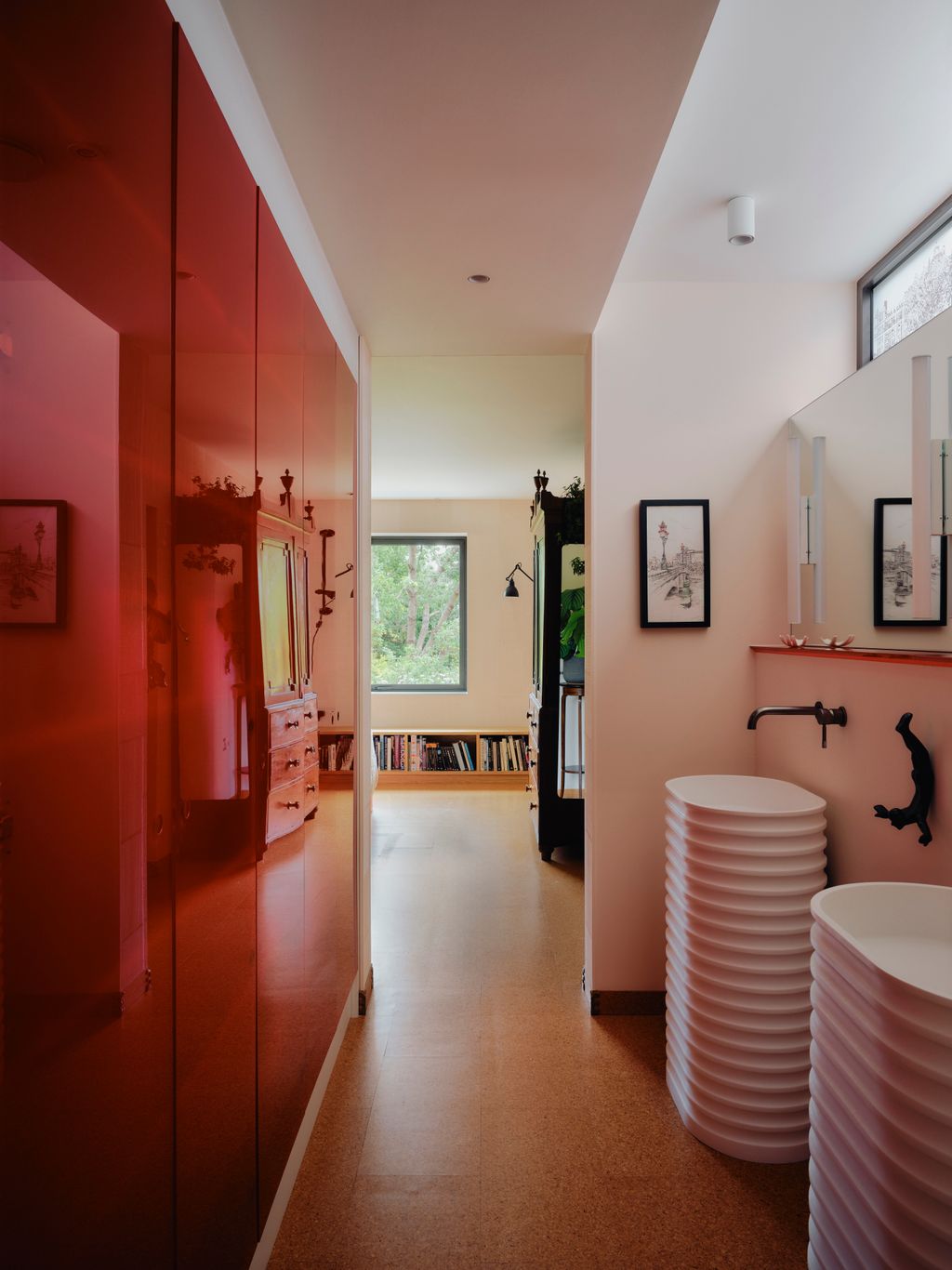
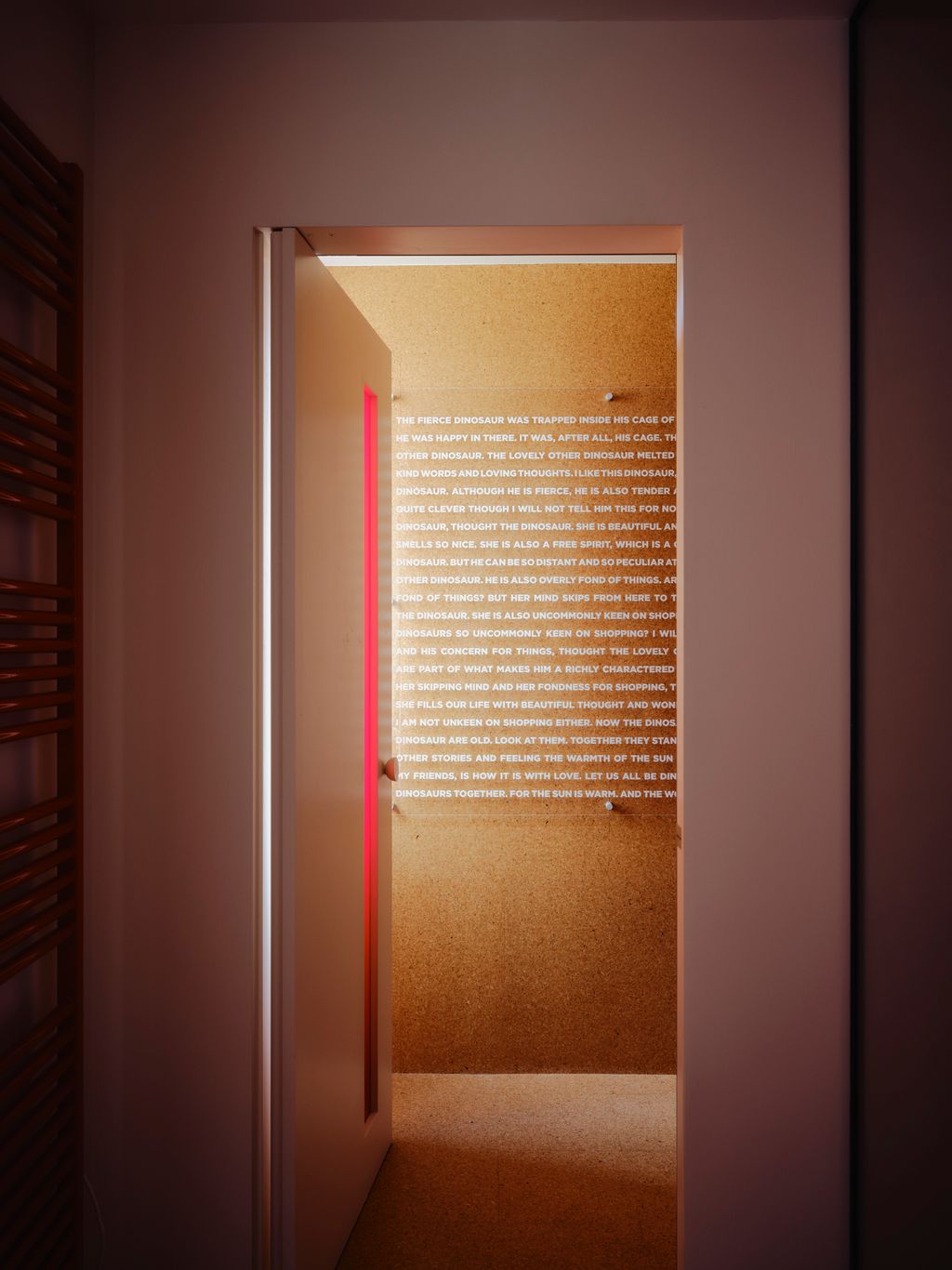
Upstairs, the main bedroom suite is a generous space with a large picture window – once clogged with ungainly glazing – restored to its original proportions. Panels in a Pierre Frey fabric (also from WowHouse) conceal a walk-in wardrobe created by the new extension. There’s also an adjoining bathroom where a reading from the couple’s wedding has been printed onto Perspex and hung on a cork wall. It’s a gentle reminder of their story woven into the fabric of daily life.
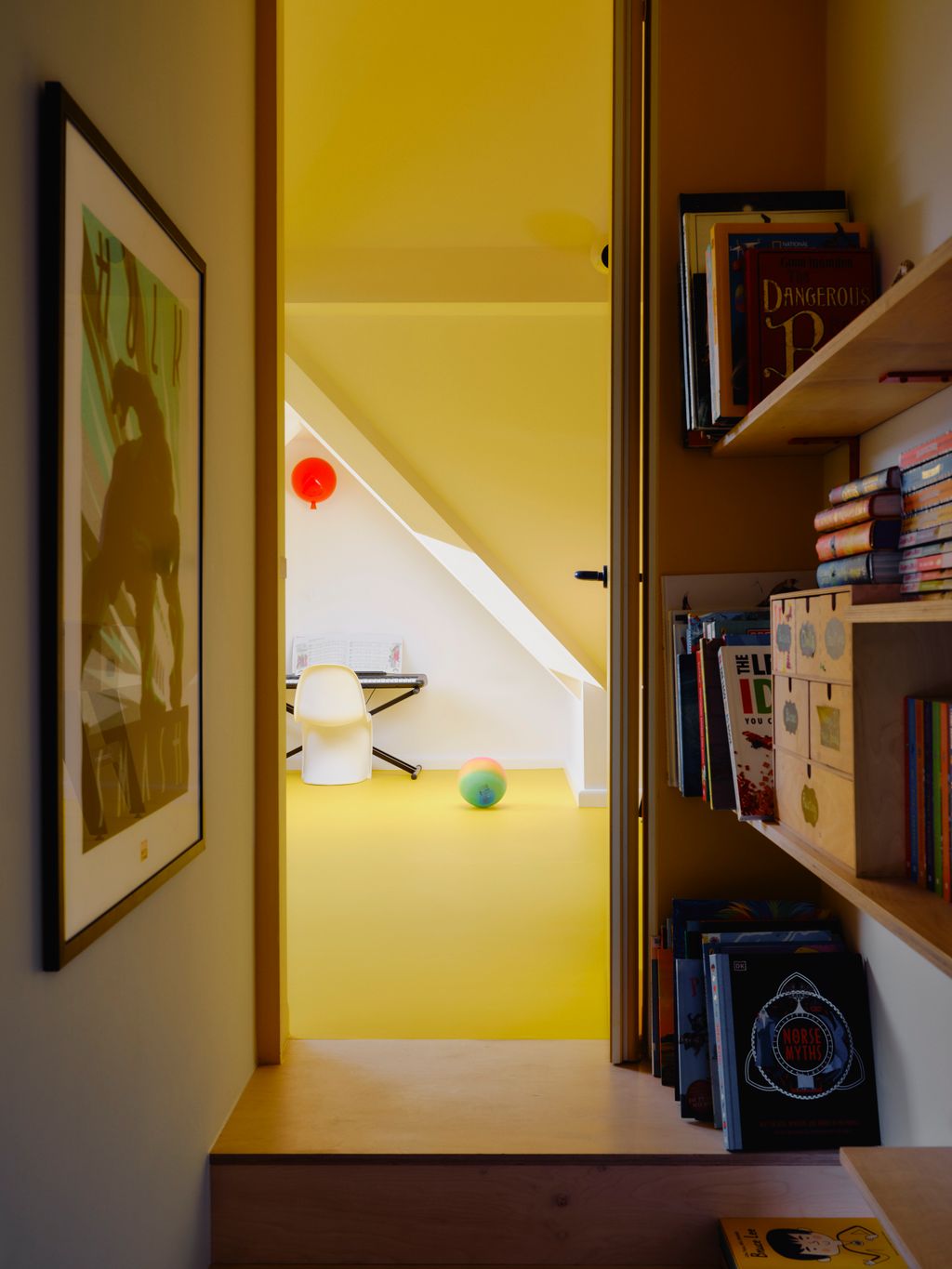
The guest bedroom was conceived as a retreat in its own right, so that visiting family could feel both welcome and independent. It has its own ensuite, with a freestanding tub placed directly in the bedroom for a touch of indulgence. ‘I wanted people to come and stay and feel they could really settle in,’ Clare explains. Just next door, Will has tucked away a small office, a pocket-sized but efficient space that keeps work contained without intruding on the atmosphere of the house. Their son Rufus’s room, once a derelict shell with a hole in the ceiling, has been transformed into a light-filled haven, lively but anchored by simple, practical details.
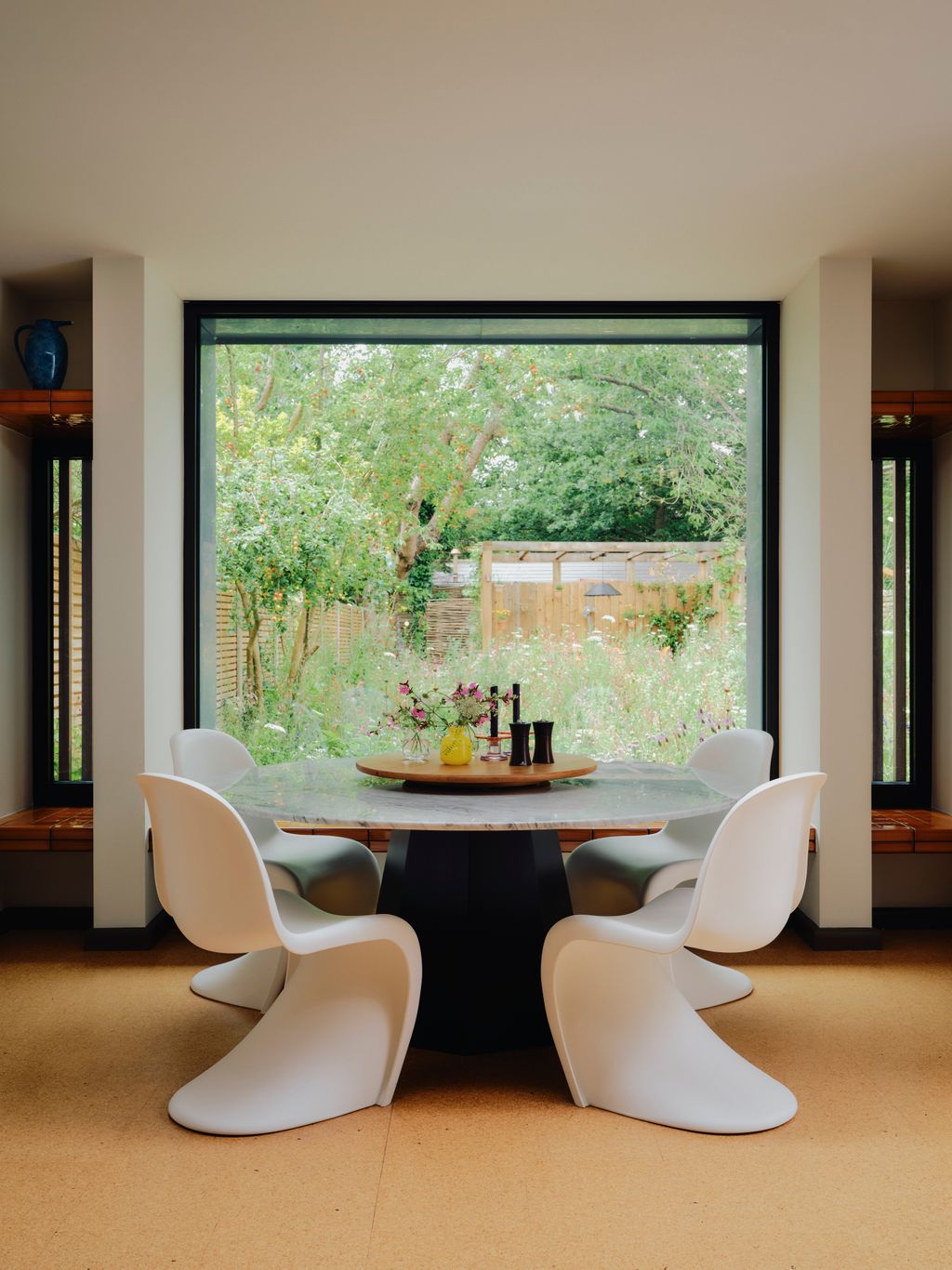
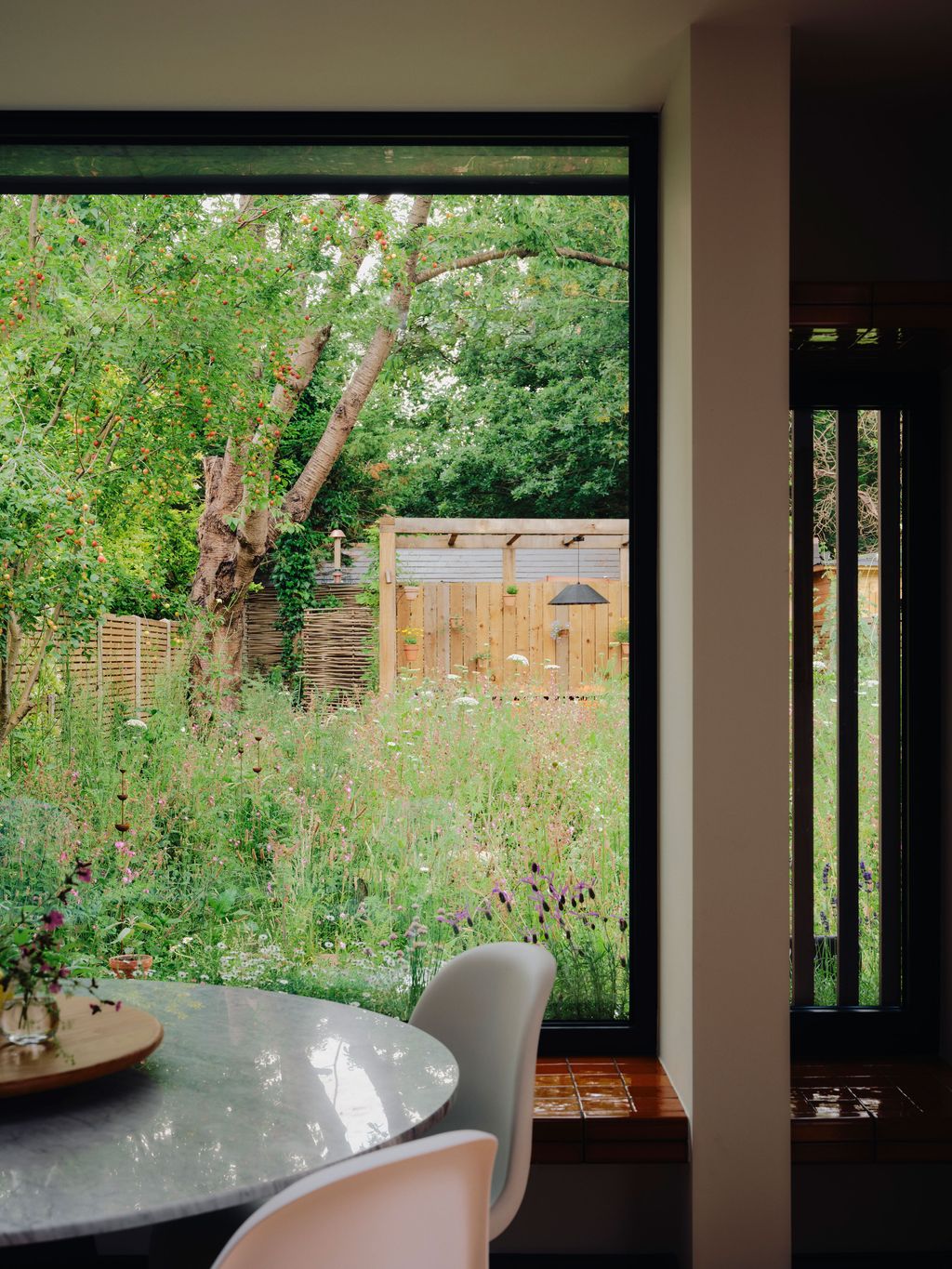
From the dining table, framed by the copper windows, the garden becomes a picture, changing with the seasons. At night, Will remarks, the scene recalls an Edward Hopper painting: the house glowing against the dark, figures gathered around the table. It is an image that captures the spirit of the whole project – a place that embraces imperfection, tells of family life, and offers refuge in a city that can sometimes feel relentless.
The house is not about grandeur but about living well. Its rooms are layered with memory, practicality and delight, with Clare’s eye ensuring each detail is purposeful without being prescriptive. ‘I hate the idea that there’s something you have to do,’ she says. ‘We wanted it to be ours.’ And it is: a house that feels at once crafted and relaxed, deeply considered yet always ready to absorb the next chapter of its story.
 Dean Hearne1/21
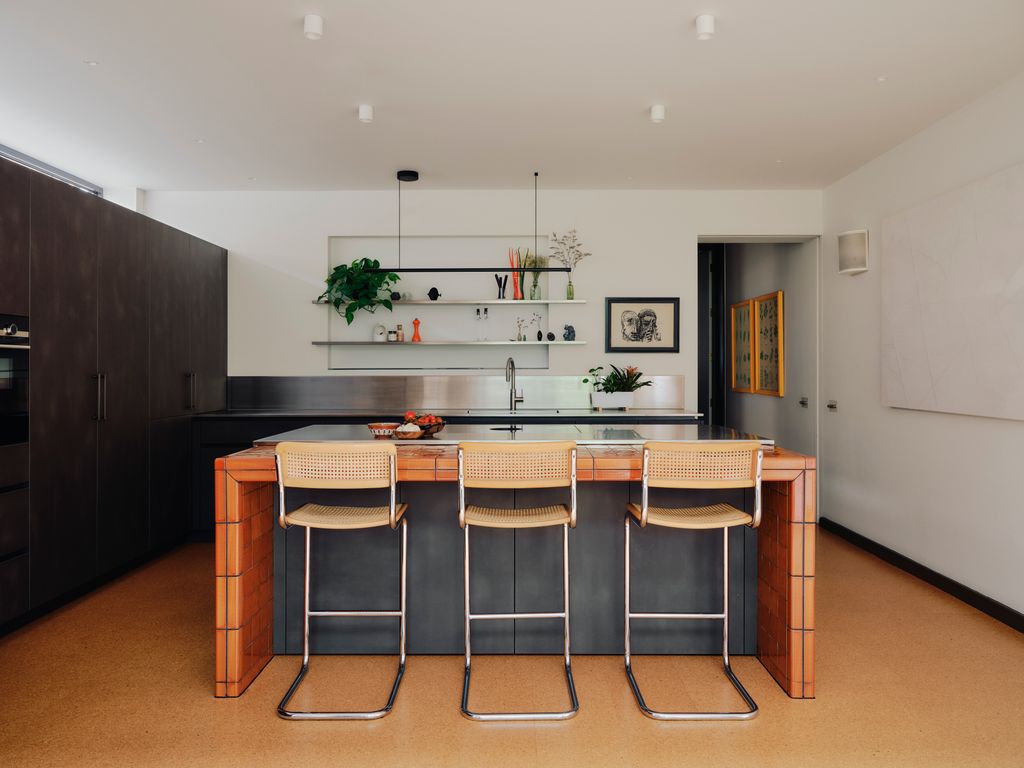
Designed with Eggersmann Design, the kitchen features Cevica tiles and bar stools from Kempton. A large gesso piece by Rupert Bevan adds texture and warmth, while stainless steel wraps the sink and island. A recessed niche holds everyday essentials, flowers and artwork by Rufus.
 Dean Hearne2/21
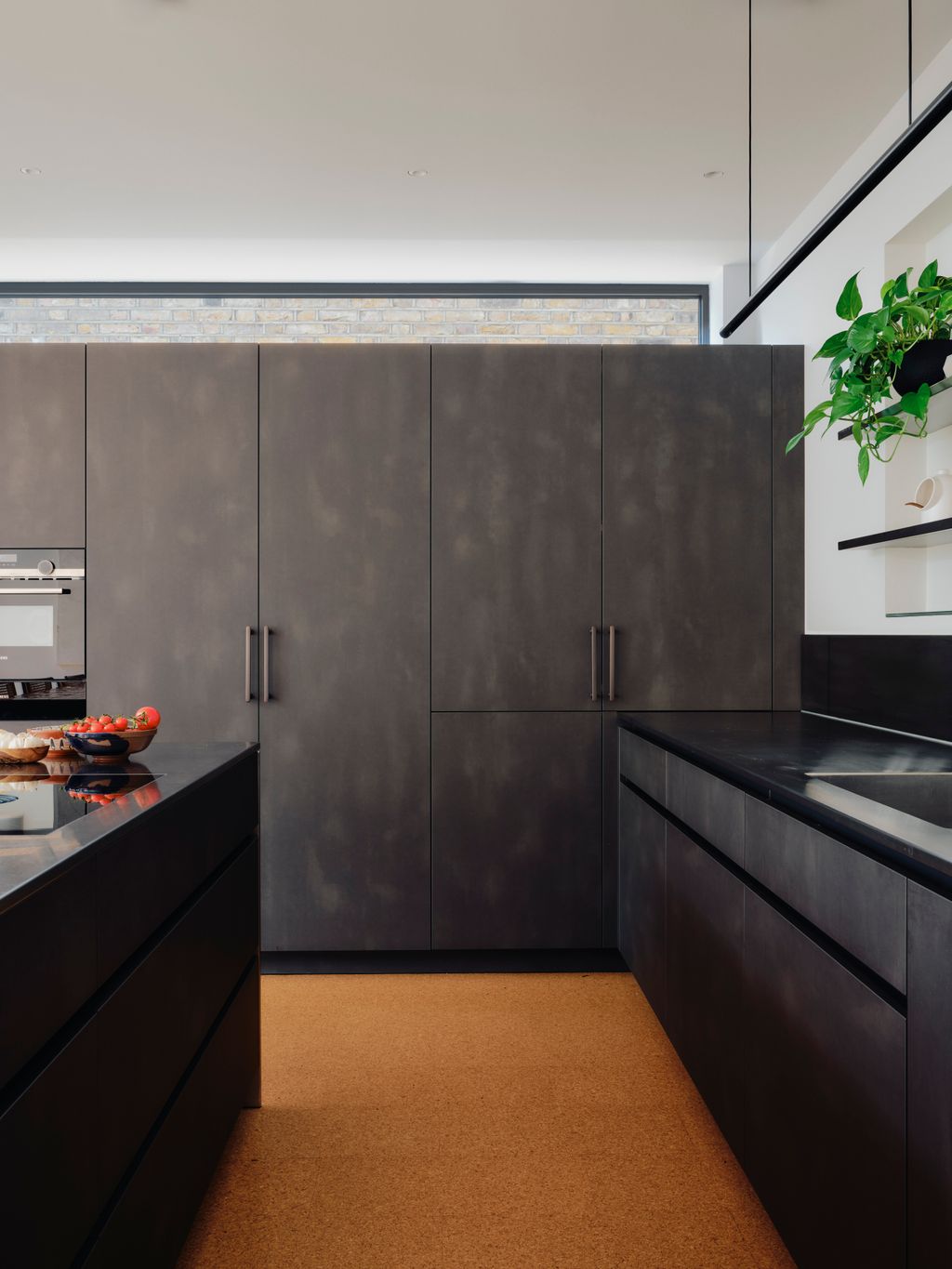
The sleek design of a Wästberg W181 Linier pendant complements a clerestory window that brings light into the room while preserving privacy.
 Dean Hearne3/21
Once Clare’s studio meeting desk, the bespoke kitchen table has been repainted to suit the room. Cevica tiles bring a Mediterranean touch to the island and bench, while Vitra Pantone dining chairs are used both indoors and out. A lazy Susan by Goldfinger, commissioned by Clare’s mother from a fallen English cherry tree, echoes the ones in the garden.
 Dean Hearne4/21


 Dean Hearne5/21
The bar is designed to feel playful, with a jigsaw worktop made from marble offcuts by Stone Age and a curved counter tiled in Ca’Pietra’s Bamboo Lustre. Timber panelling with antique mirrored glass adds depth, while an ‘Eastern Standard’ sign remembers the cocktail Clare and Will first bonded over.
 Dean Hearne6/21
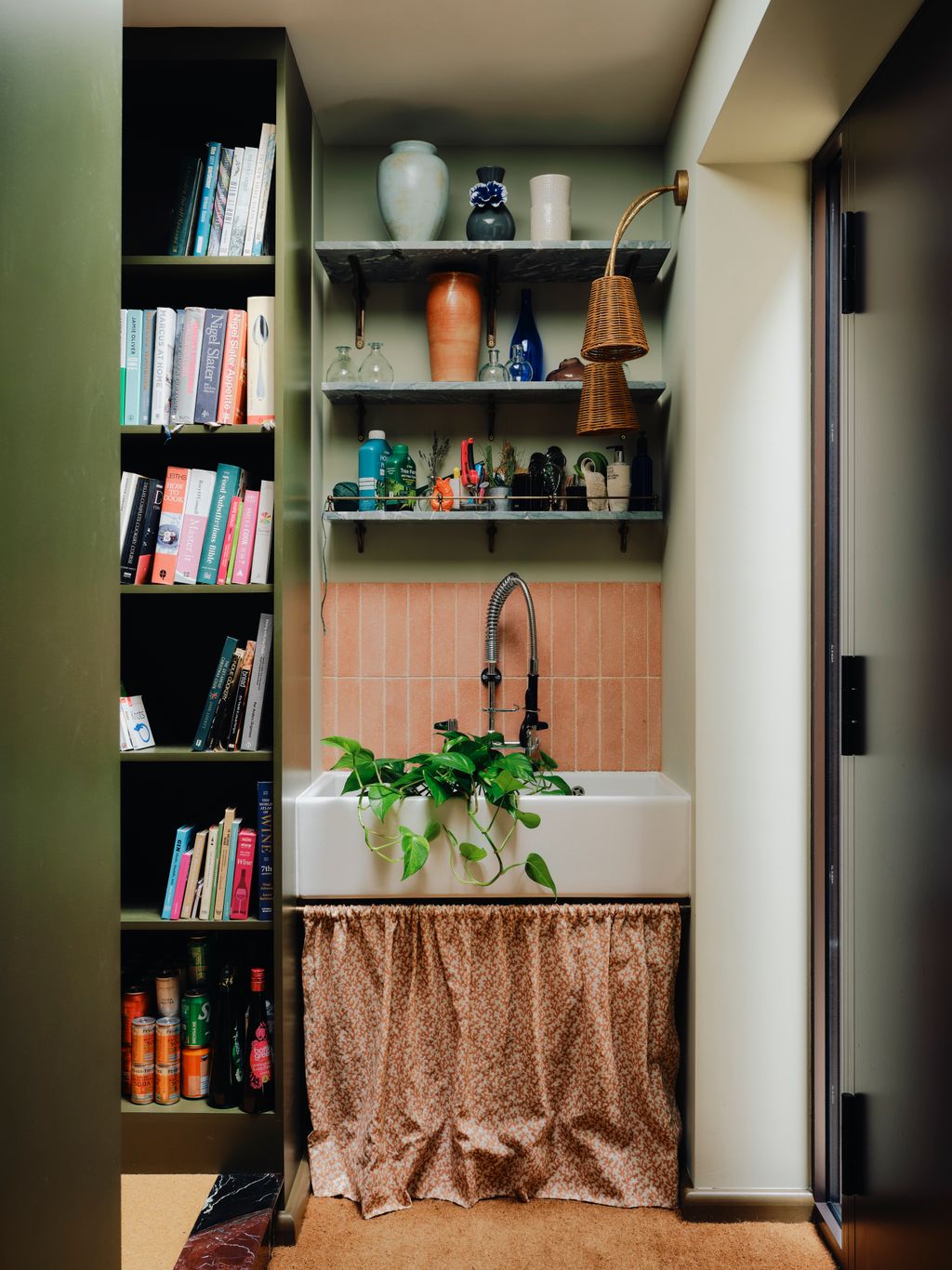
A Huck wall light from Porta Romana sets the tone in this corner, with a Ca’ Pietra Reform splashback made from recycled stone and a Folly Burnt Orange skirt by Veere Grenney adding warmth. Marble offcuts are reused for the step and shelves, finished with brassware from Yester Home.
 Dean Hearne7/21
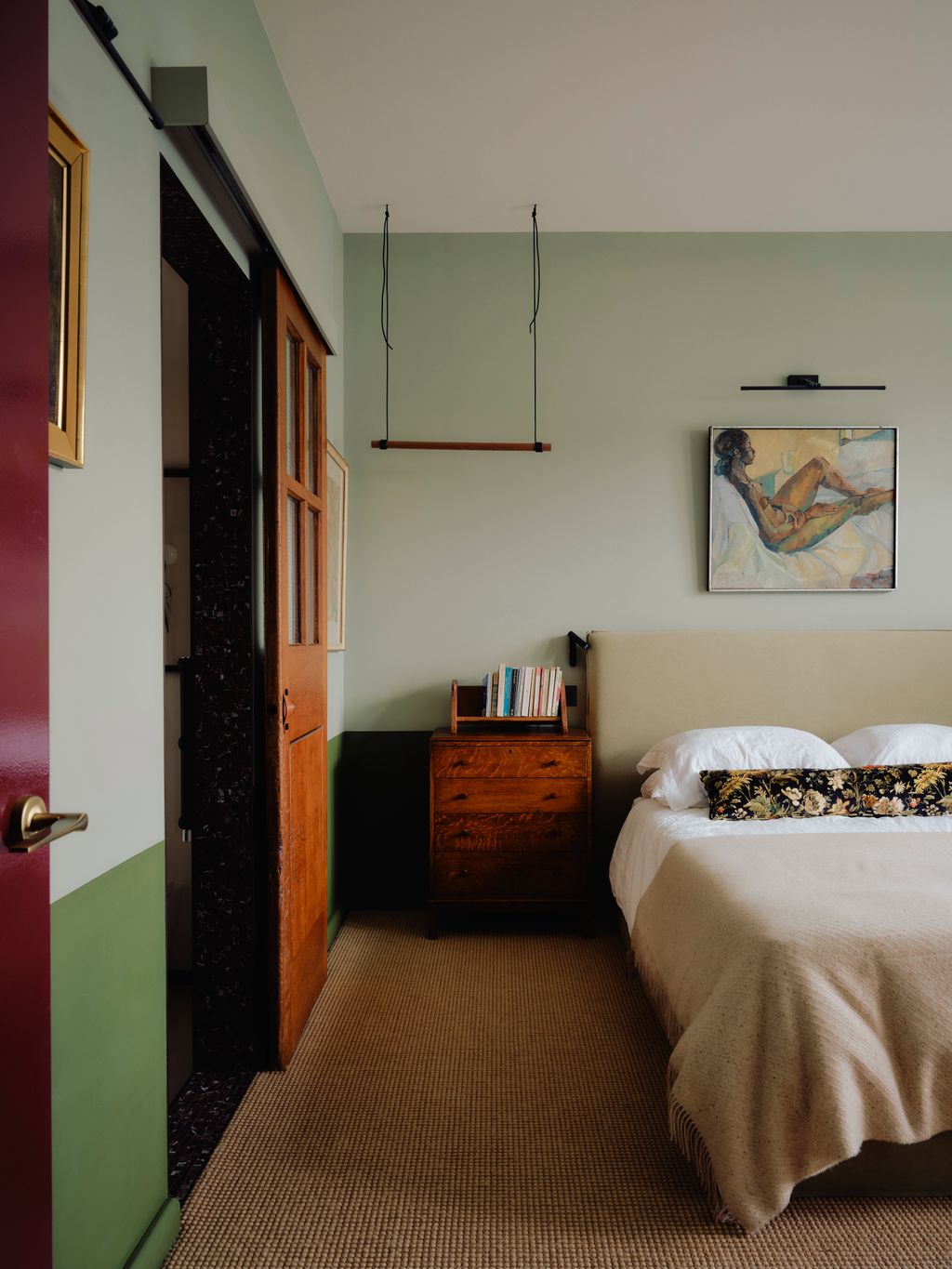
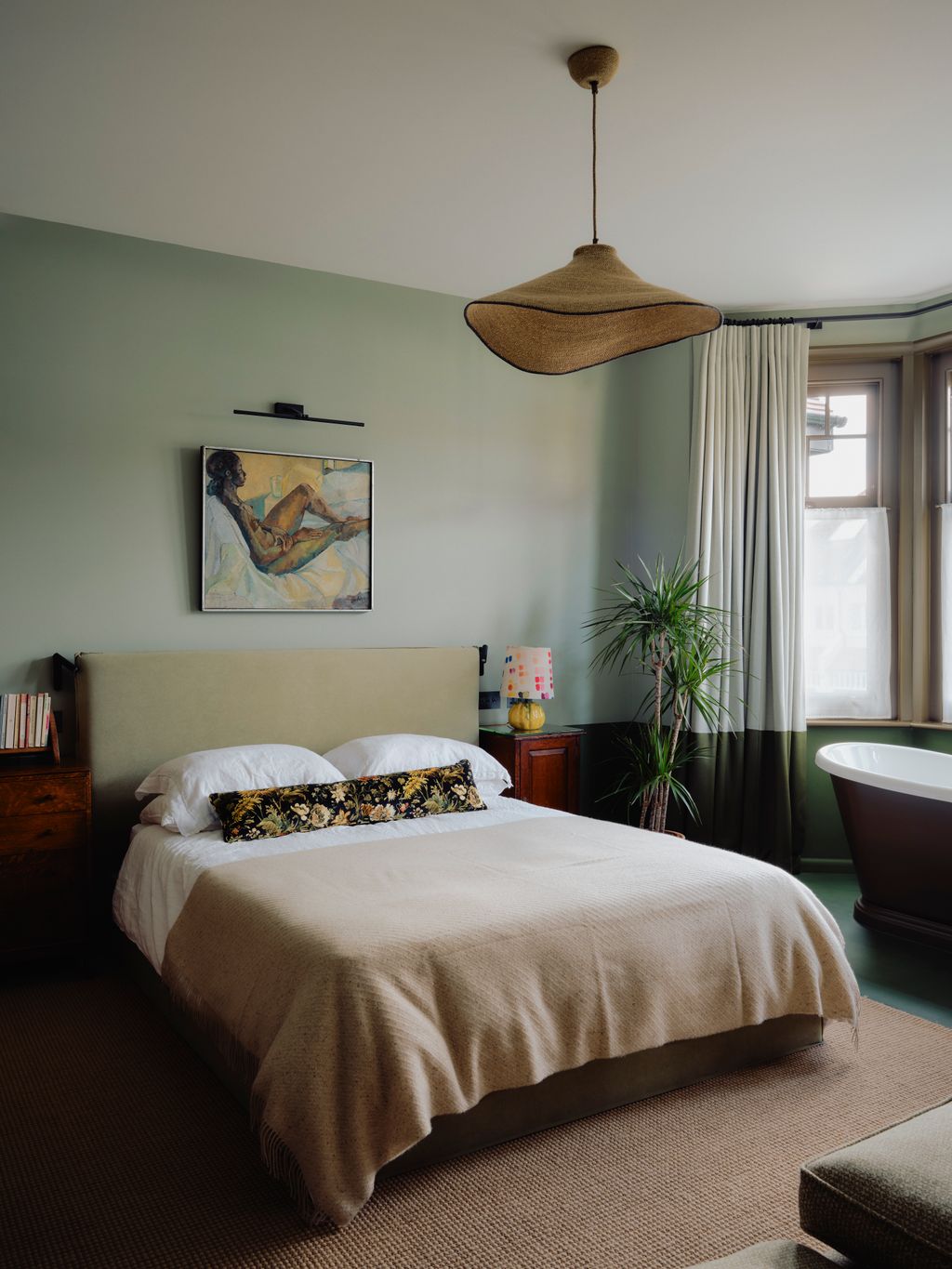
In the main bedroom, a Crucial Trading carpet grounds antique furniture inherited from Clare’s father. A cushion in House of Hackney’s Avalon fabric and a throw from Johnstons of Elgin add softness, while a painting by a family friend hangs above the bed.
 Dean Hearne8/21


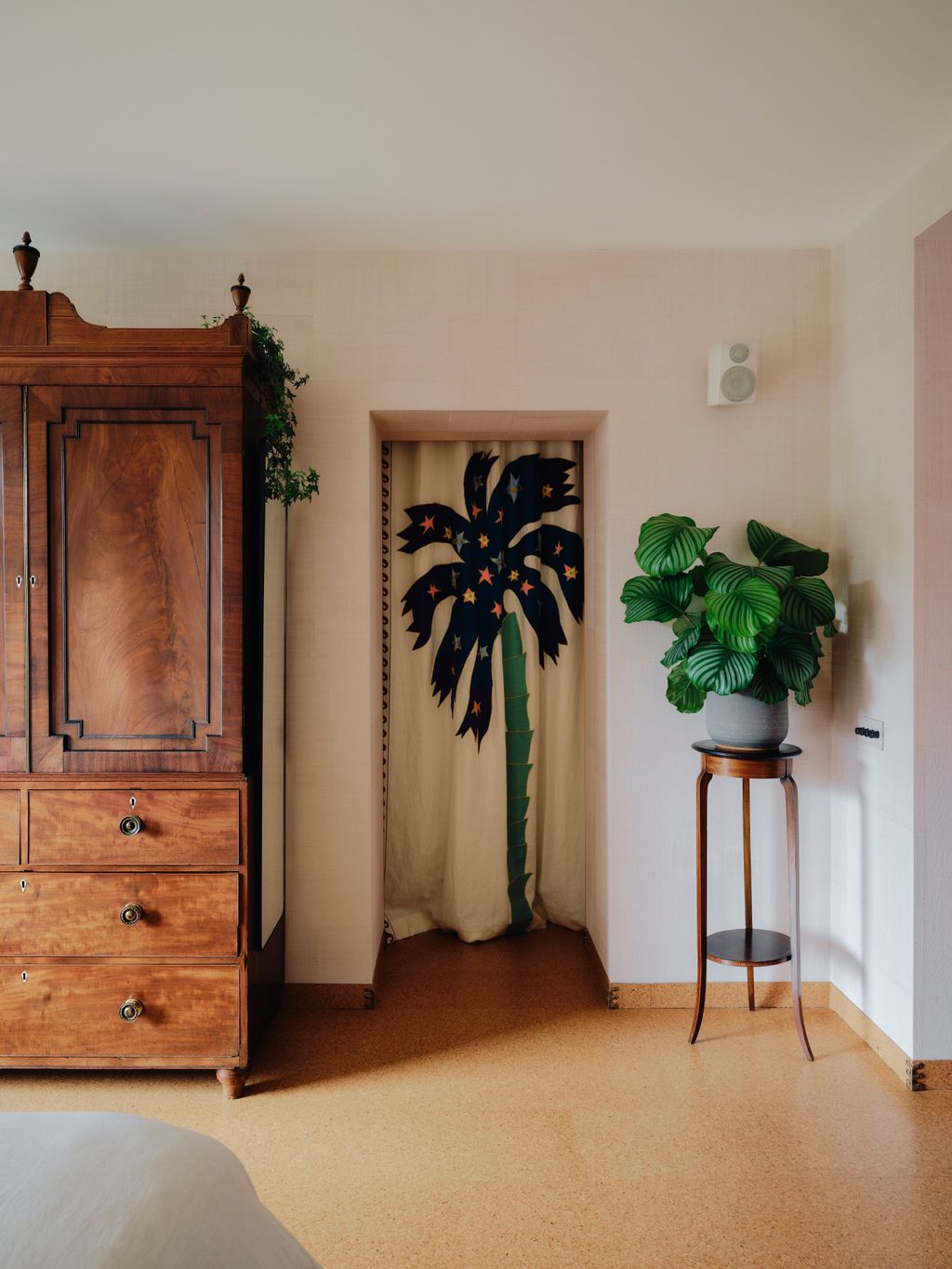 Dean Hearne9/21
A family wardrobe, one of the first pieces bought by Will’s parents as newlyweds, anchors the room. Curtain panels in a Pierre Frey fabric frame the window, while a plant on an antique torchère brings a touch of life indoors.
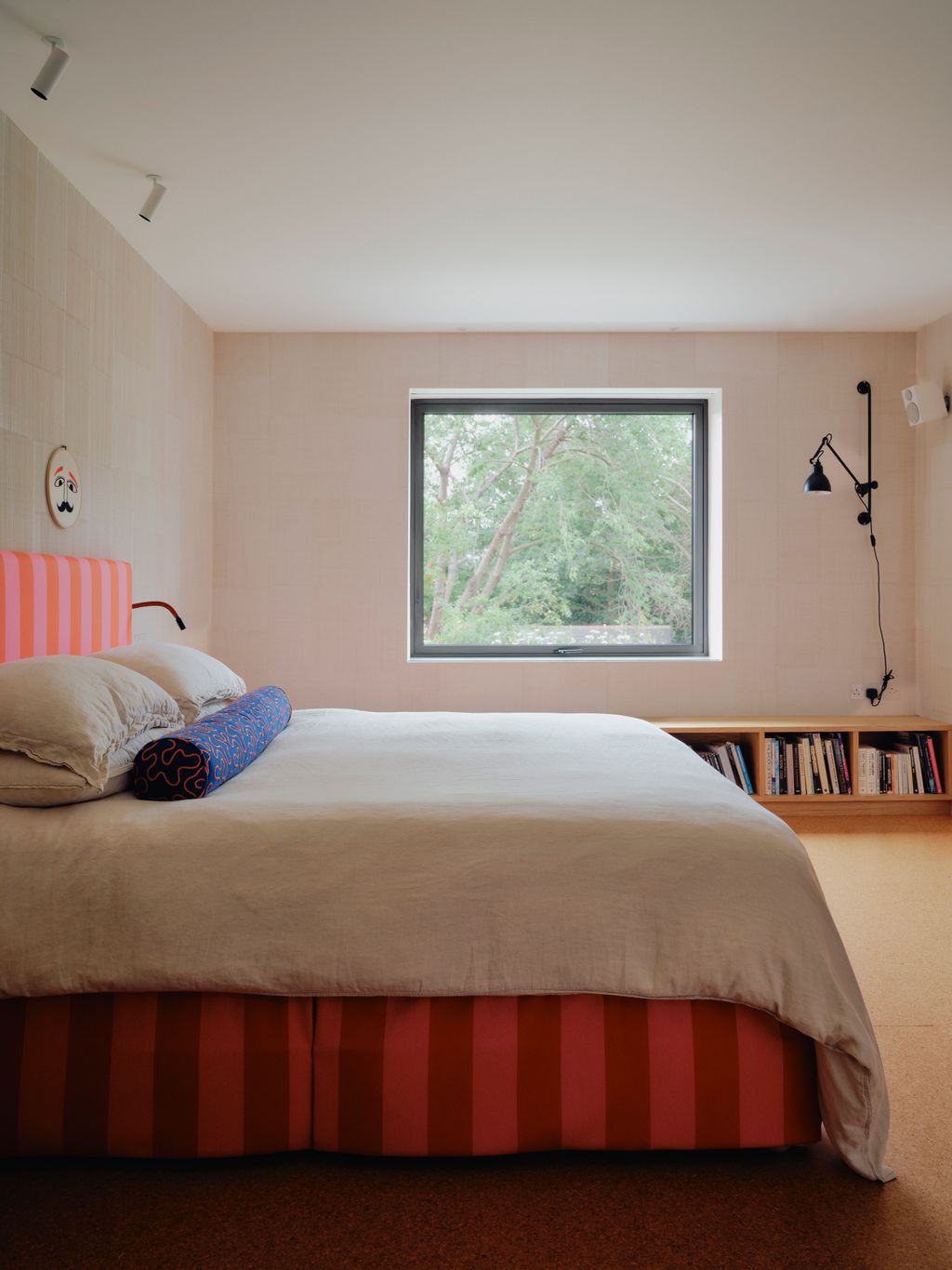 Dean Hearne10/21
 Dean Hearne11/21
Red Perspex panels from Retrouvius are repurposed as doors for wall-to-wall bathroom storage, set against walls in Little Greene’s Julies Dream. Fluted basins from Lusso Stone add a sculptural note.
 Dean Hearne12/21


 Dean Hearne13/21
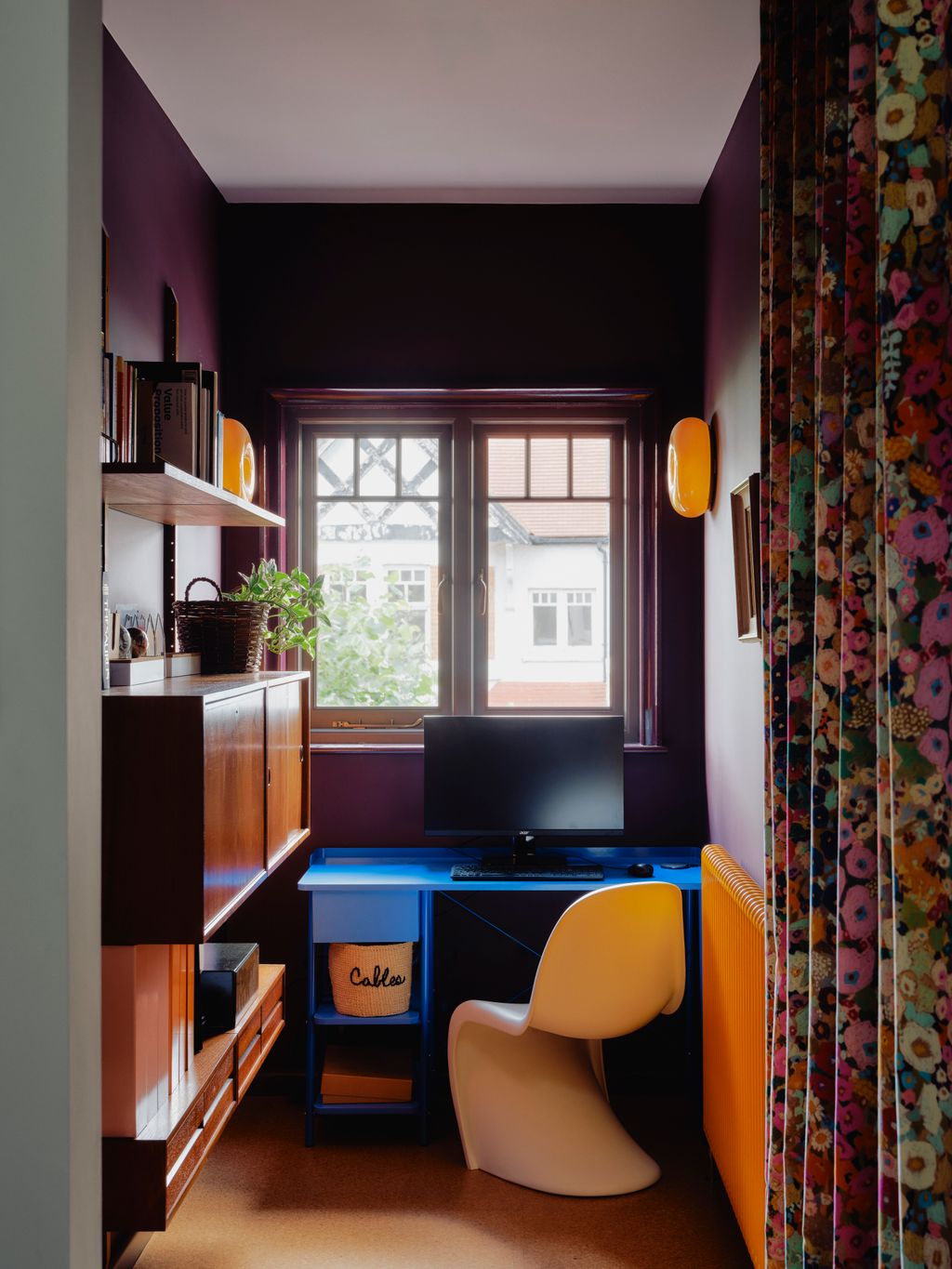
In this study space, Ikea Donut wall lights stand out against walls in Farrow & Ball’s ‘Brinjal’. A Maisie desk sits beside a mid-century Danish wall unit from Rehaus, while a double-sided curtain in House of Hackney’s ‘Hollyhocks’ fabric separates the room from the guest bedroom.
 Dean Hearne14/21
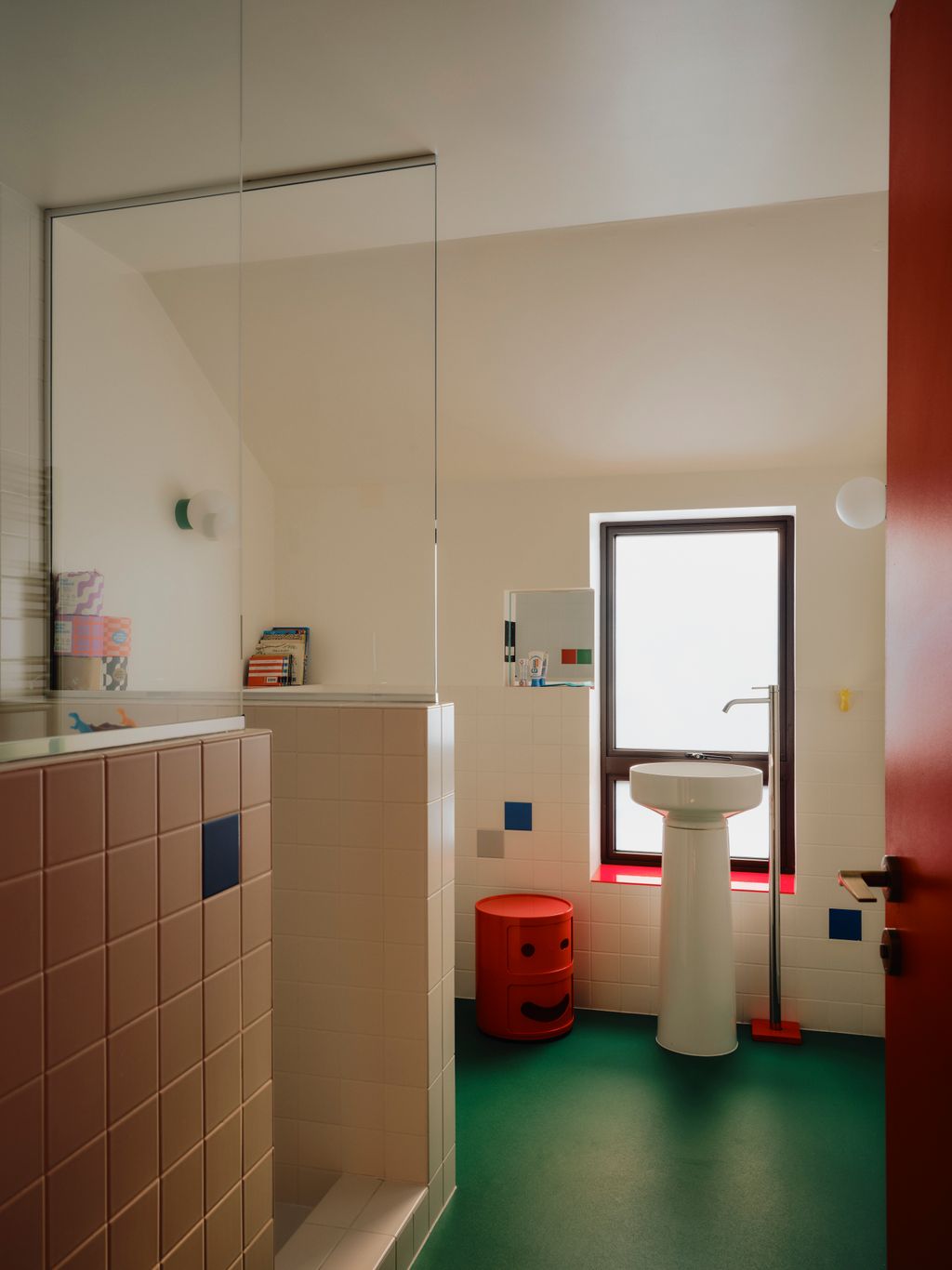
Rufus’s bathroom is fun but simple, with wall lights from La Quincaillerie Moderne, textured vinyl flooring from Forbo and white square tiles interspersed with coloured accents. A red Kartell Componibili adds playful storage.
 Dean Hearne15/21
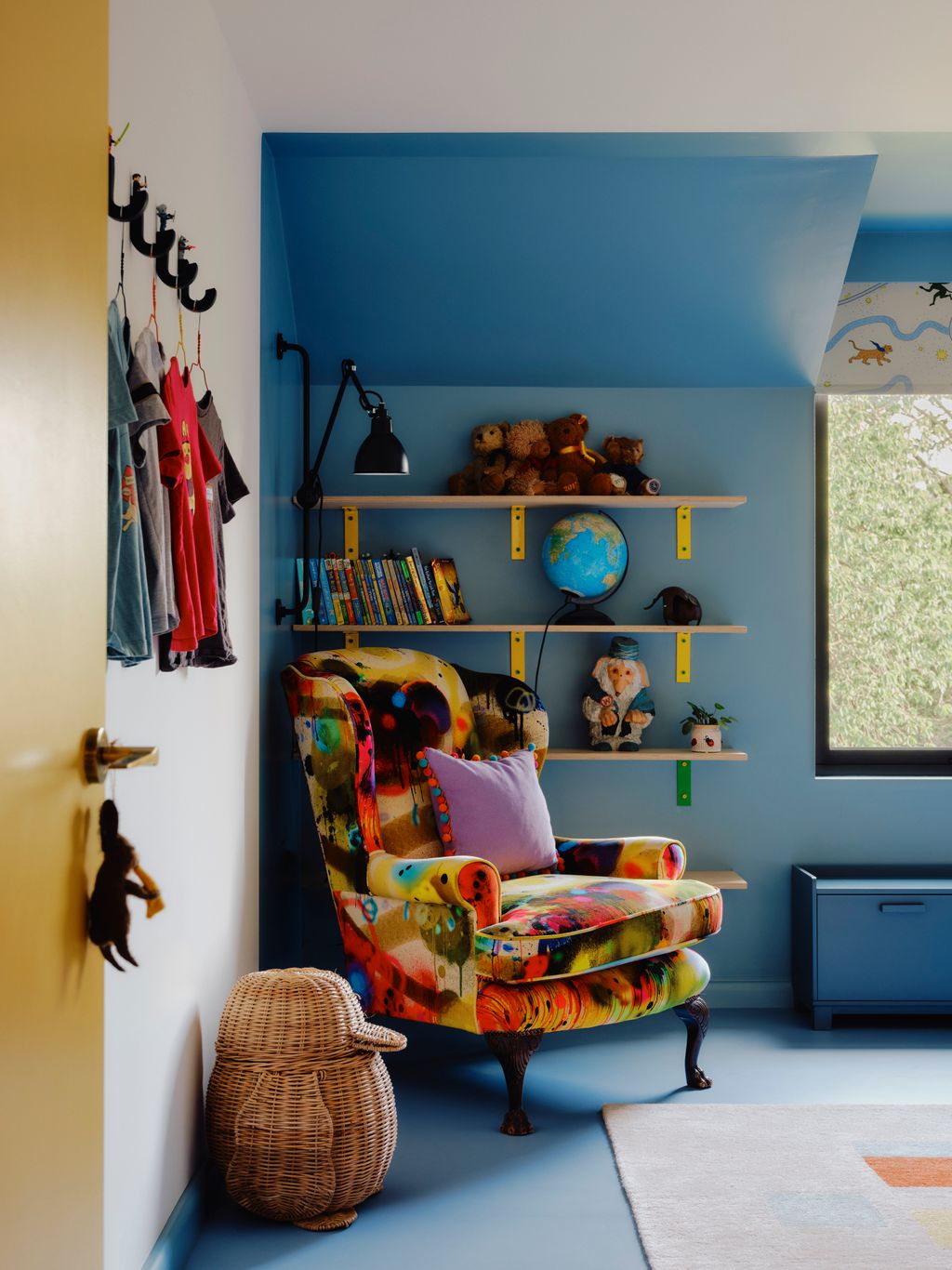
A blue linoleum floor with matching walls zones the room, where Clare’s grandfather’s chair is reupholstered in Timorous Beasties’ ‘Graffiti All Over’ velvet. A rug from a Christopher Farr sample sale and a Beata Heuman ‘Asteria’s Folly Day’ blind complete the joyful composition.
 Dean Hearne16/21


 Dean Hearne17/21
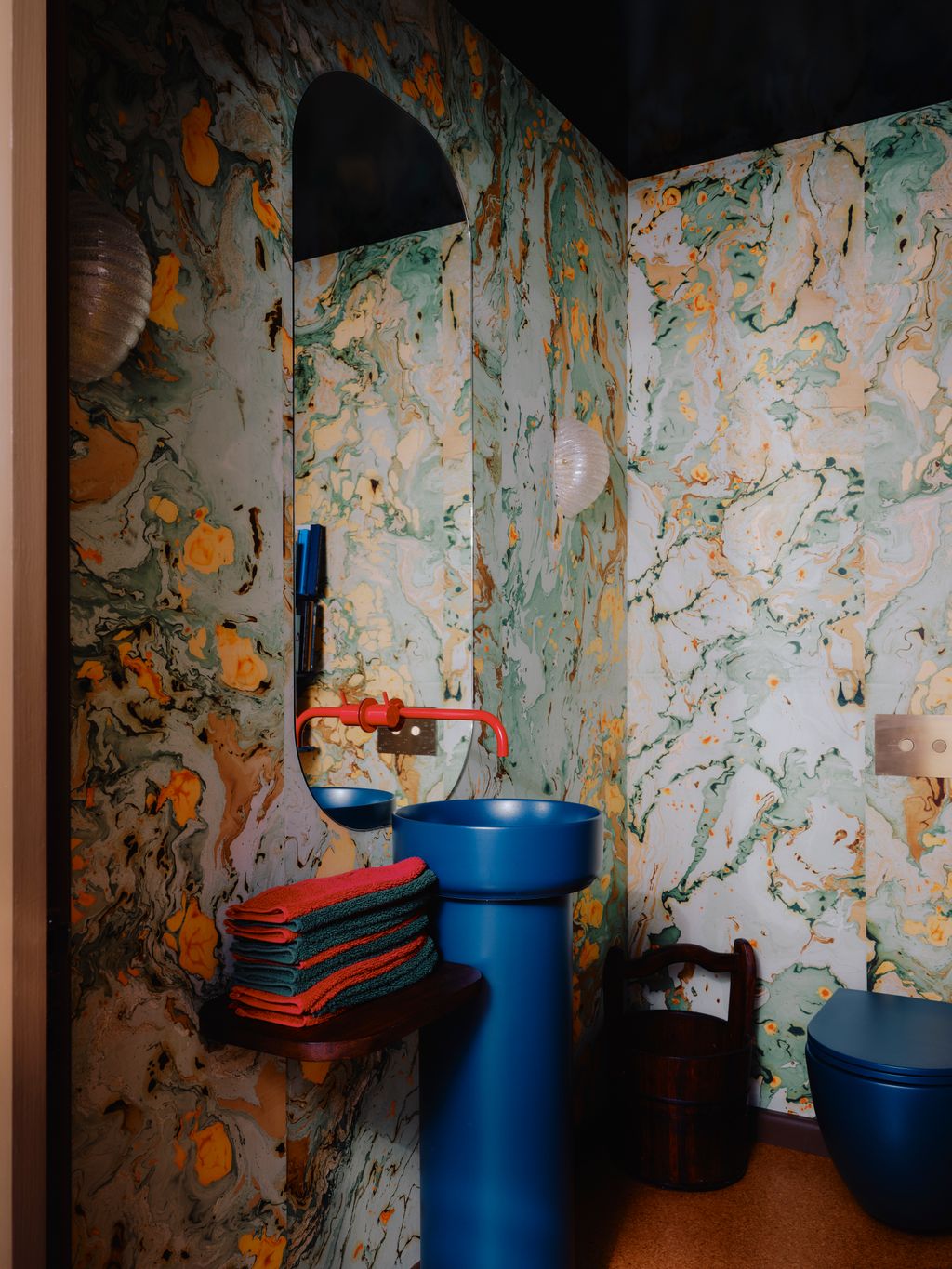
In the downstairs loo, vintage Murano wall lights from ReHaus hang above marbled walls by Nat Maks, created with Clare and her team at the artist’s Margate studio. A red tap from Vola stands out against a custom basin plinth with wooden shelving.
 Dean Hearne18/21
The view from the main bedroom looks down over the meadow roof to the garden below.
 Dean Hearne19/21
 Dean Hearne20/21
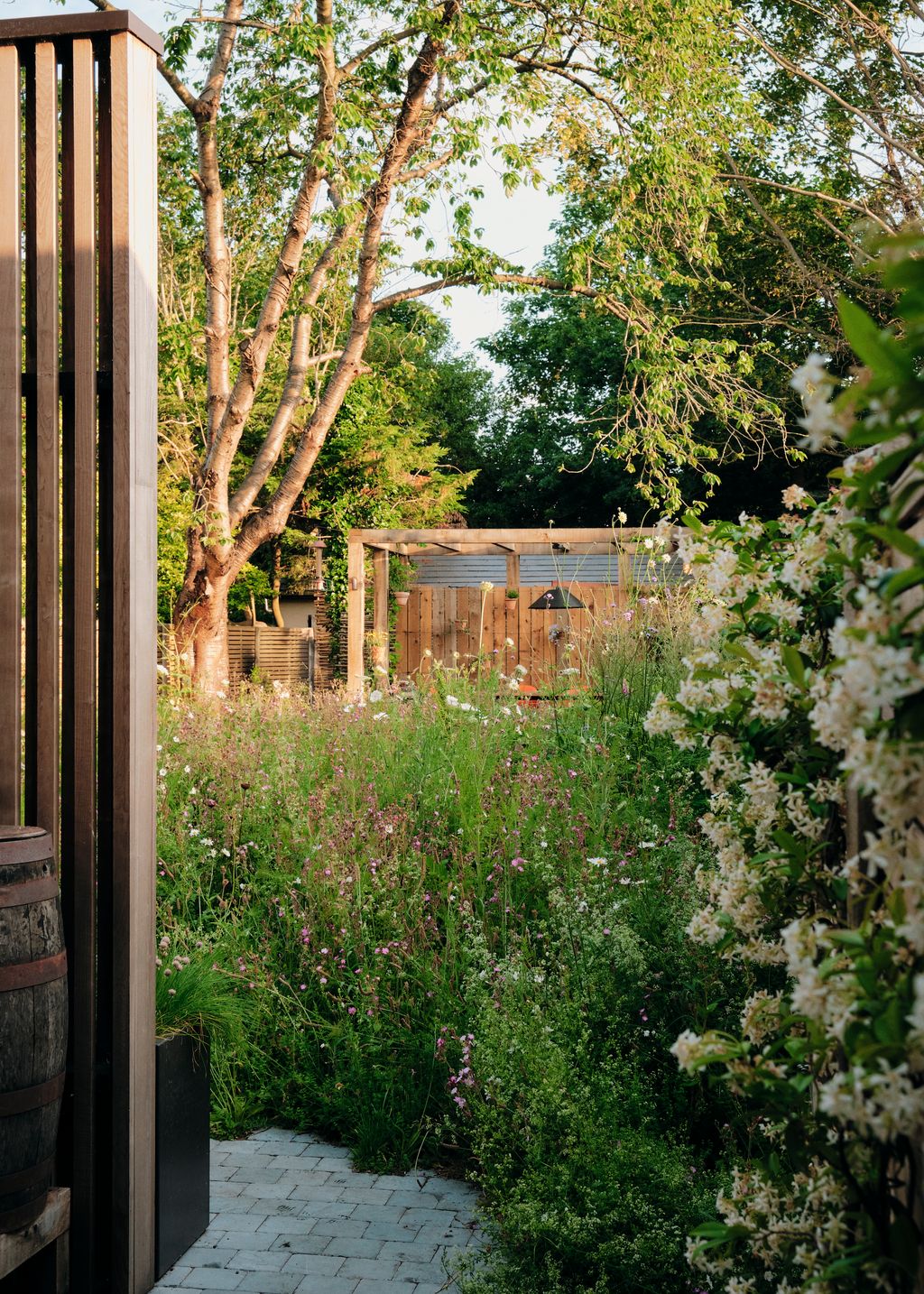
A planted path leads to the dining structure, softened with climbers and potted plants.


 Dean Hearne21/21


%400%2c5x.jpg)


