
A 17th-century convent becomes Nice's best new hotel
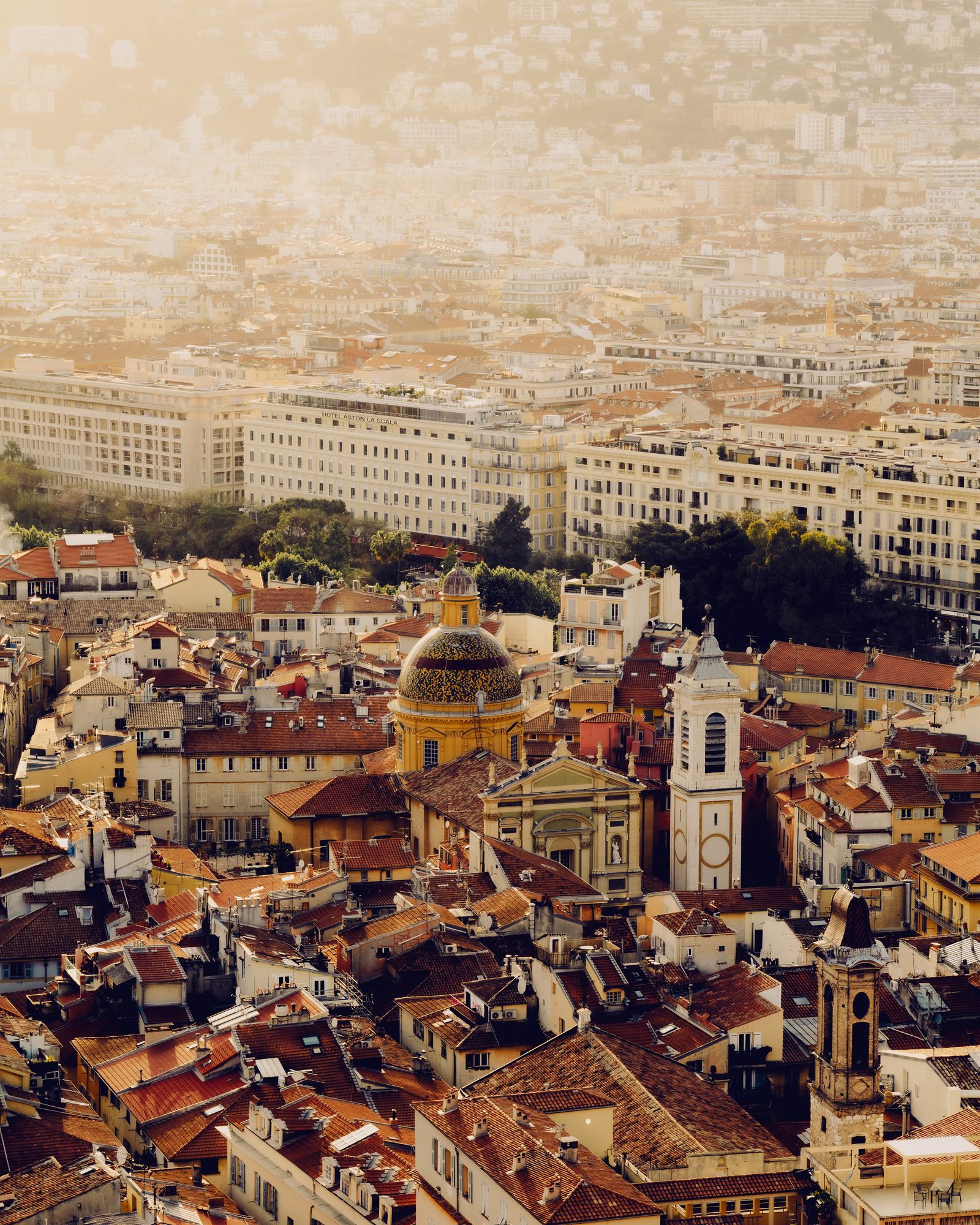
After a persuasive call from the mayor of Nice, the French hotelier Valéry Grégo reluctantly decided to visit the abandoned 17th-century convent that sits on Colline du Château (Castle Hill) watching over the city. As he walked in, he felt compelled to rescue it not only as a building on the brink of ruin, but as an act of ‘cultivating civilisation’, as he puts it. ‘I thought, someone needs to do something, otherwise this place will die, as will we.’ So taken was he by its perfect proportions and its spiritual stillness that he began a 10-year restoration to reinstate its purpose as a place where people live together – monastic, but appropriate for this century. Hôtel du Couvent, which opened in late June, is a feat of architectural preservation and a study in how treading lightly can achieve lasting greatness. ‘I see my intervention as like the guy with the broom: sweeping away, then putting things back delicately,’ Valéry says. ‘I want people to walk in and ask what I’ve been doing for the last 10 years.’
His touch, however, far exceeds his modest reflection. The roof was replaced and structurally weak beams were repurposed to make furniture. Walls were replastered with lime and floors were stripped of cement repairs and returned to wood and terracotta, as they would have been in the early 19th century. The Visitandines, a Roman Catholic order of nuns who arrived at the convent at this time, occupied it until the 1980s, when the four or so nuns still living there left for the Monastery of the Visitation at Voiron. It had lain empty since then.
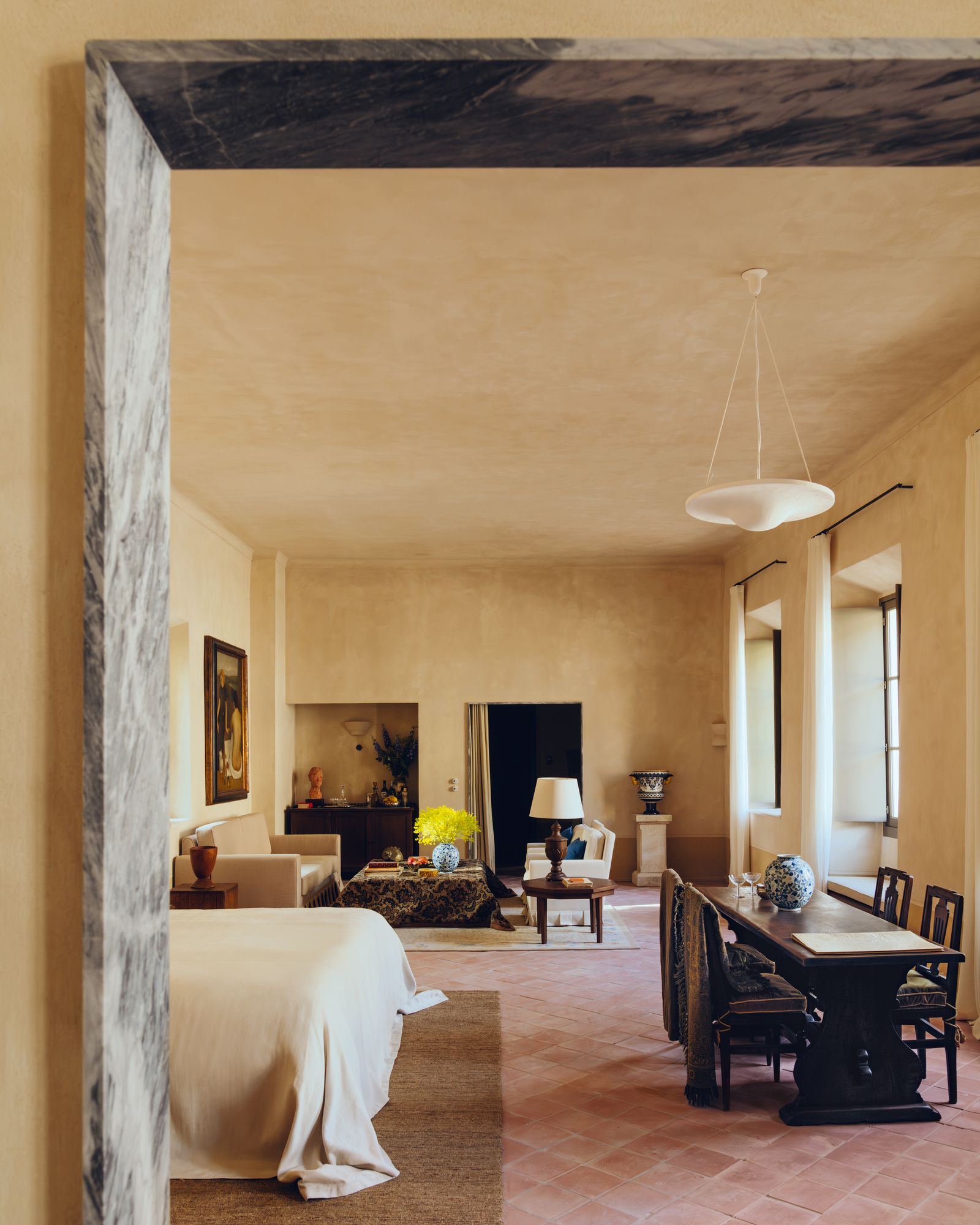
Despite the sweeping of Valéry’s broom and the stylish pieces by design studio Festen that now furnish the 88 bedrooms, there is an echo as you walk down the long steps joining those of others who came before and those who will come after you. Valéry had worked with Festen on previous hotel projects, including Les Roches Rouges on the Côte d’Azur and Le Pigalle in Paris, so it felt like a fitting continuation of their creative collaboration.
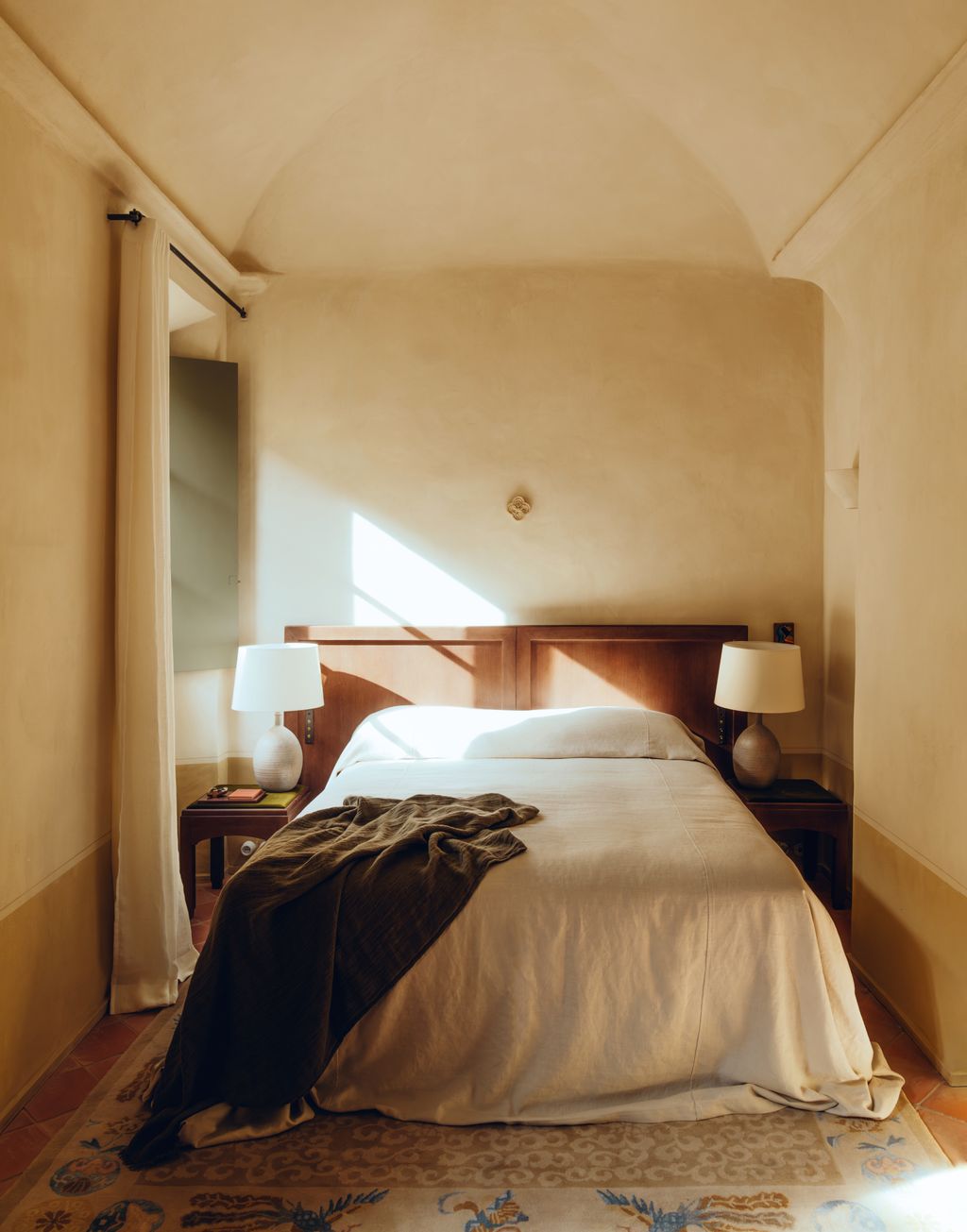
‘Every room that had a function, kept its function,’ he says, pointing out the bakery and herbalist, and the nuns’ cells that remain bedrooms. The library is now lined with old editions featuring the work of L’École de Nice artists and those with connections to the city – notably Yves Klein, Henri Matisse and Marc Chagall, drawn by its light and canvas of marine blue stretching into the horizon. (It was on holiday here in the 1950s that Klein first experimented to create the piercing, powdery colour now known as International Klein Blue.)
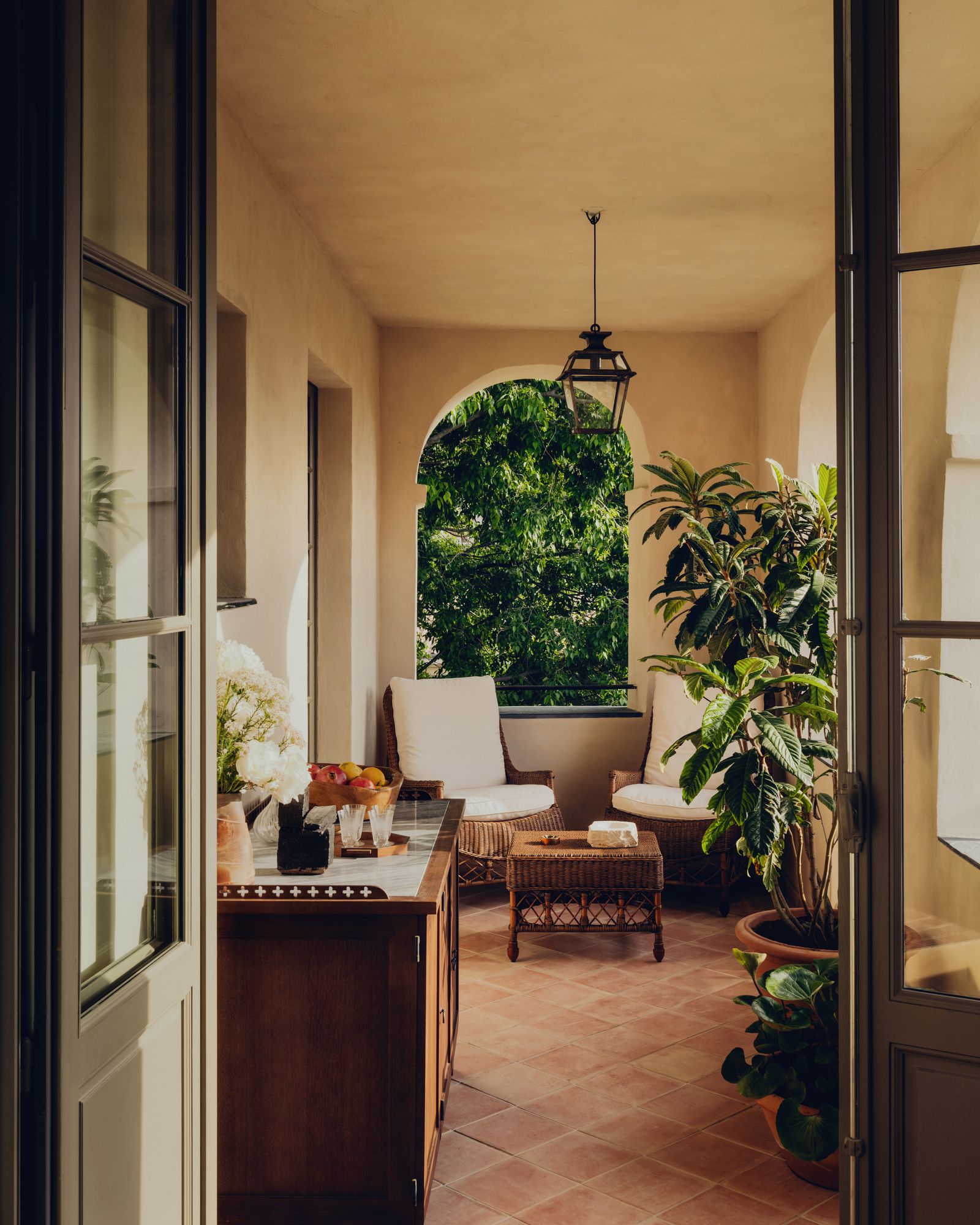
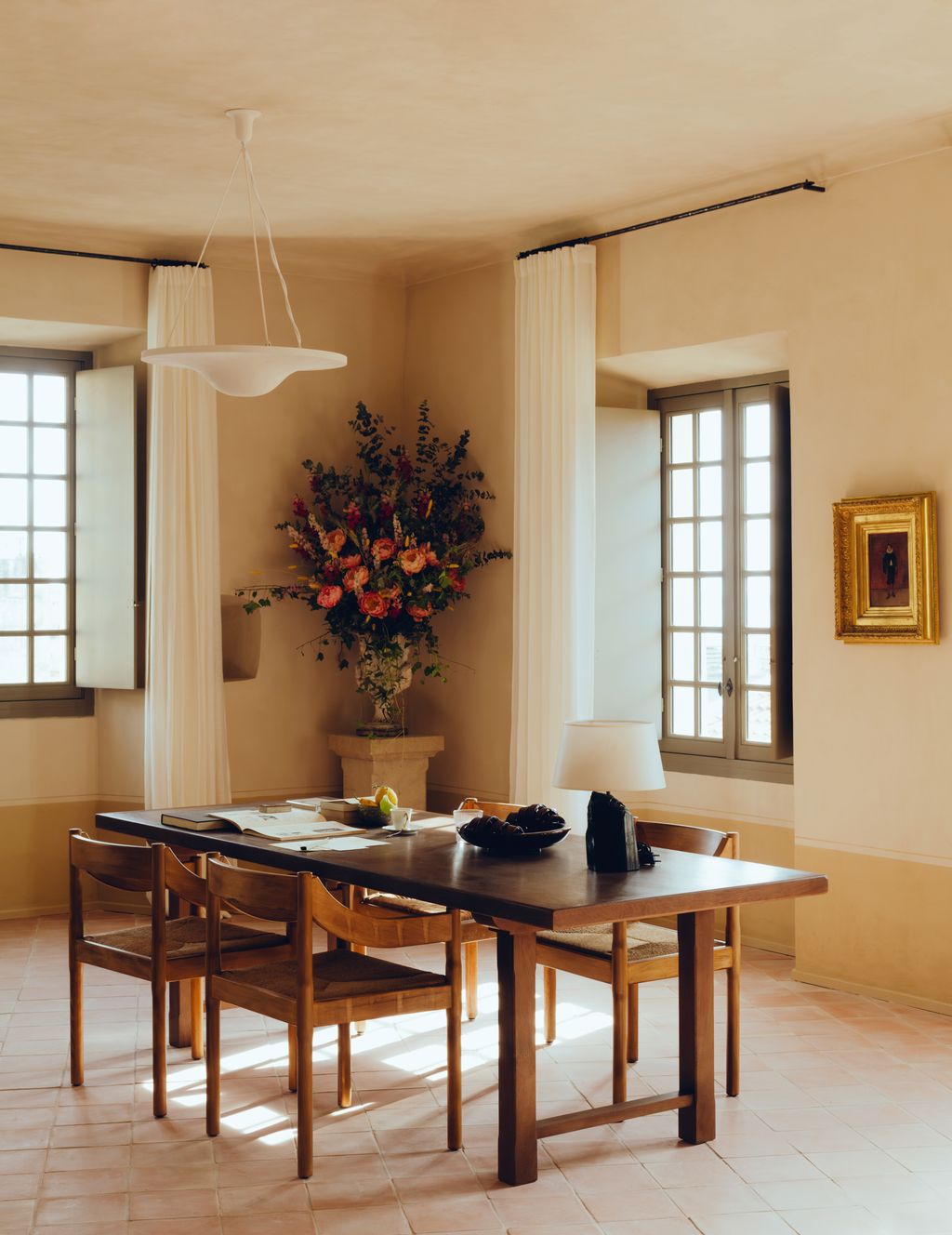
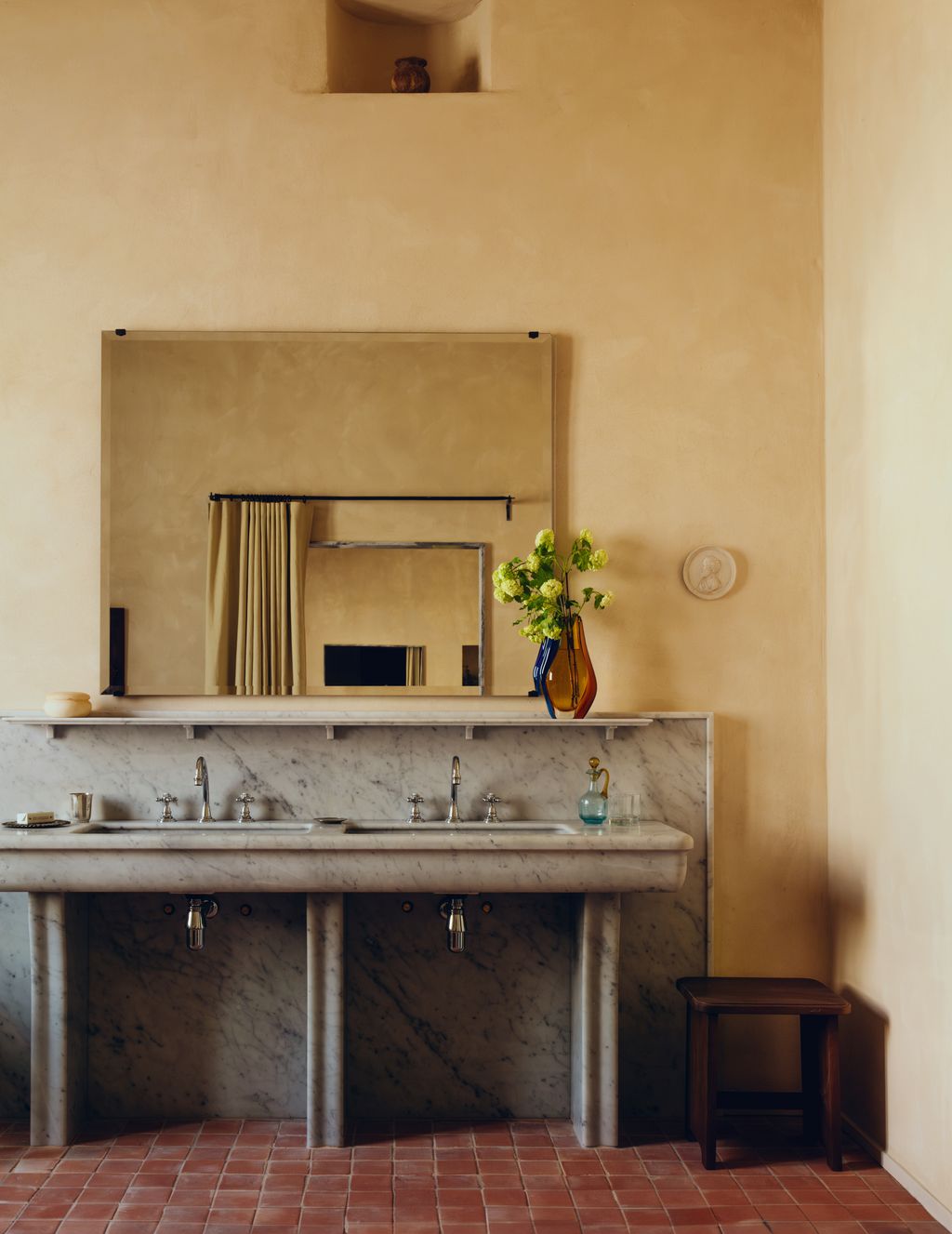
Though no walls or windows were removed or added to the three original buildings, contemporary adaptations have elevated the interiors from convent simplicity to five-star comfort. Carefully curated sculptures, artworks and textiles found in Italy bring character to the large bedrooms, alongside bespoke oak furniture and deep sofas. Kitchens equipped with Lacanche cookers and inviting dining and living areas encourage longer stays in the apartment suites. And generous Italian marble bathrooms are a feature of every room.
A new building houses further rooms in the same monastic style, clad in more sustainable hemp, wood and lime. Below, an underground wellness area has been carved out with a focus on movement – ‘sports without tools’, as Valéry says, referring to yoga, dance and meditation – as well as a swimming pool exposed to the elements via a circular opening in the ceiling, through which sunlight cascades as if down into a well. There is also a succession of wet rooms inspired by Roman baths to detox the body and aid circulation.
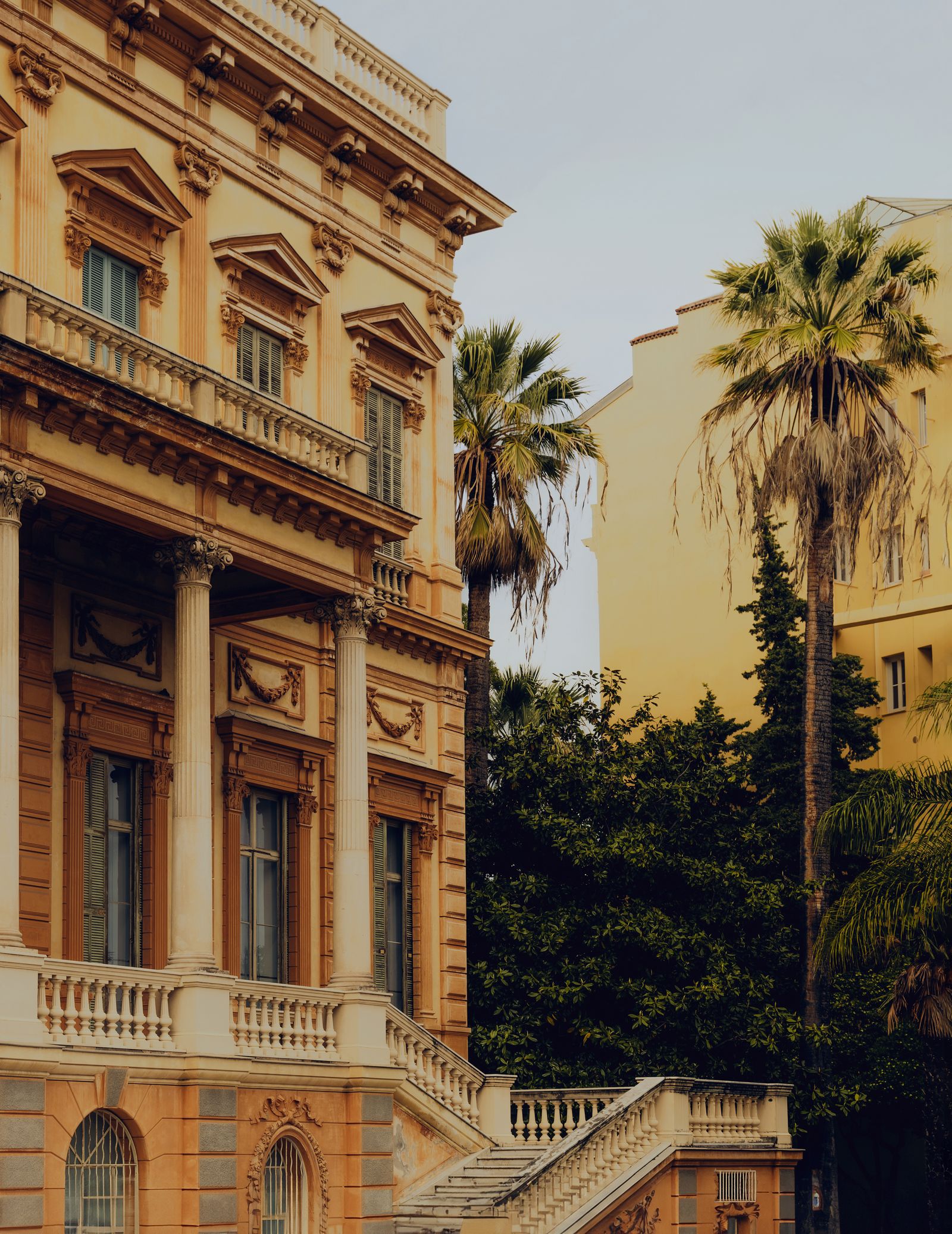
In keeping with the convent’s function, the sloping terraced gardens that surround it are designed not only for beauty, but also for practical purposes, with harmonious schemes featuring plants that are now used to feed the modern inhabitants. Having worked with House & Garden Top 50 Garden Designer Tom Stuart- Smith on initial drawings, Valéry brought in James Basson of Scape Design to implement the planting.
He found the final member of the horticultural holy trinity while sitting in the gardens of Saorge monastery about an hour and a half north east of Nice – the greatest inspiration for Hôtel du Couvent. It was here that, serendipitously, Valéry met Angello Smaniotto, who was tending to the gardens and has a company specialising in maintaining monasteries in the South of France. ‘We were going to have a beautiful garden, now we have a meaningful one,’ says Valéry. ‘We have no intention, only attention,’ Angello adds.
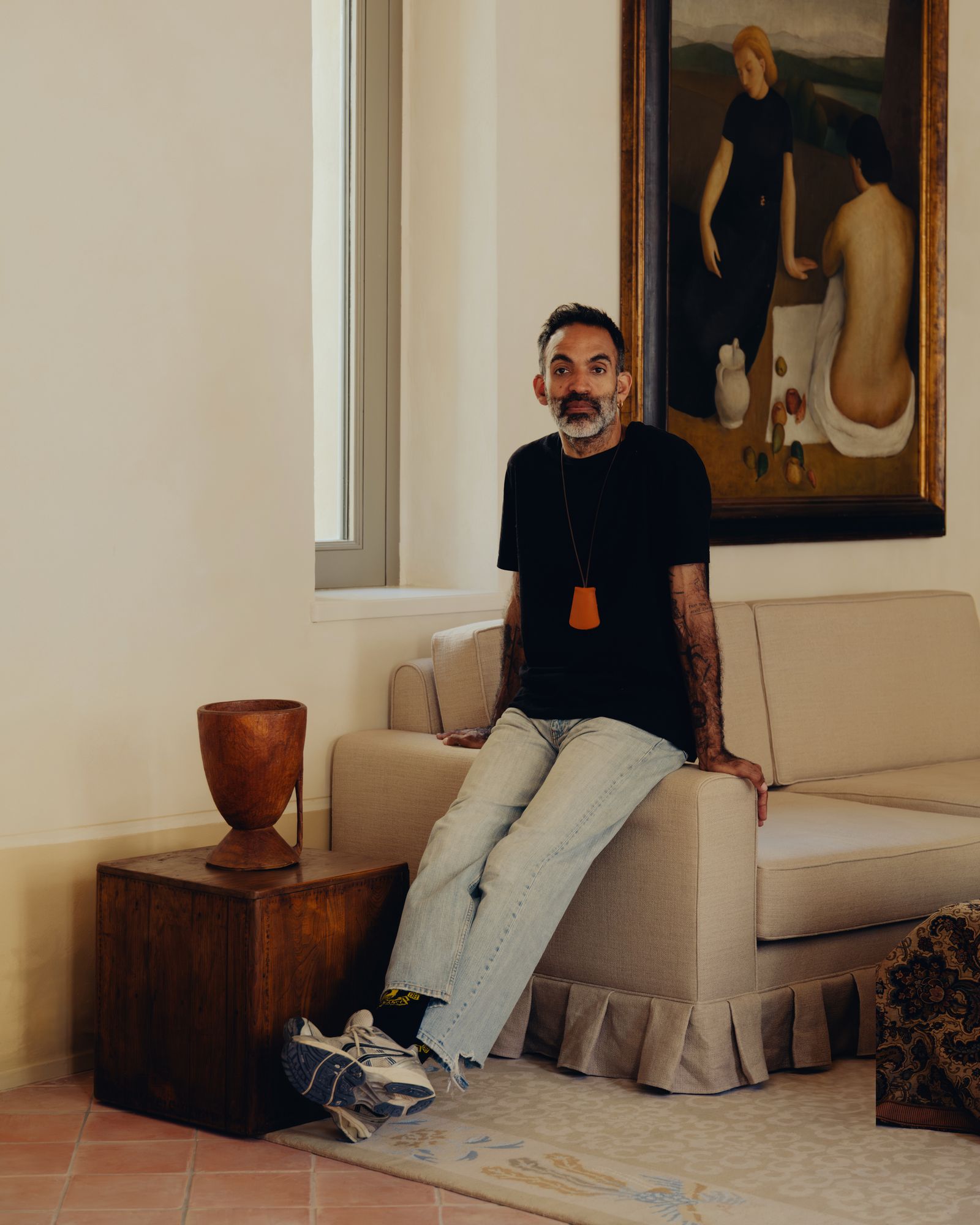
At a moment in time where the new often triumphs over what was – sacrificing tradition for efficiency, preservation for reinvention, collectivity for personality – perhaps ‘meaning’ is just the word that encapsulates what we crave from our travels today. ‘There’s a sense of uncertainty that draws us to spiritual places,’ says Valéry. ‘You feel instantly grounded and touched by magic as you enter a monastery.’ In fact, human cells, discovered by Robert Hooke in 1665, were named by him for their resemblance to the small cells that house monks, which come together to form a harmonious whole
Rooms cost from €390, B&B: hotelducouvent.com
 ALIXE LAY1/7
One of the smaller hotel rooms, in what was once a nun’s cell.
 Alixe Lay2/7
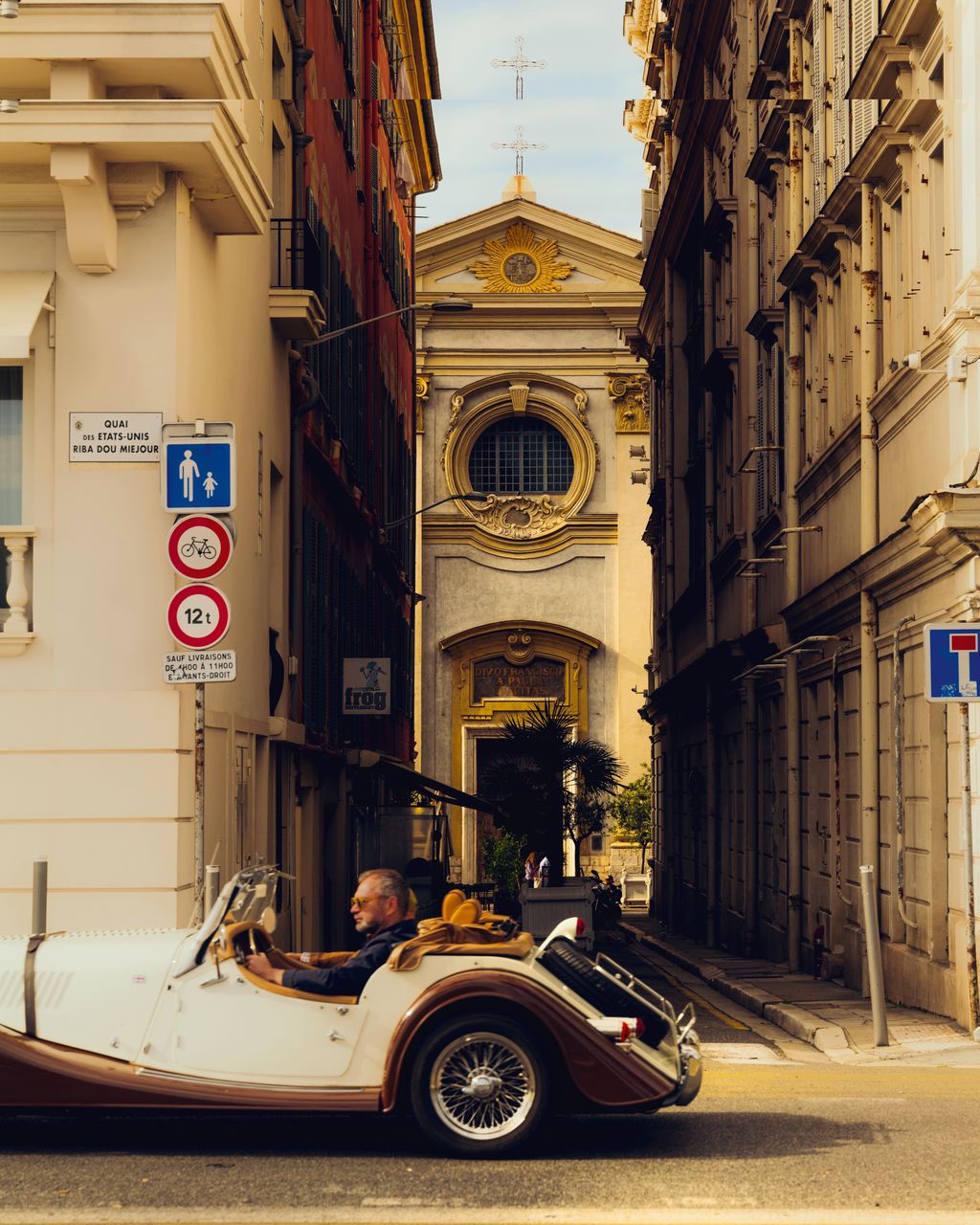
Exploring the Old Town.
 Alixe Lay3/7
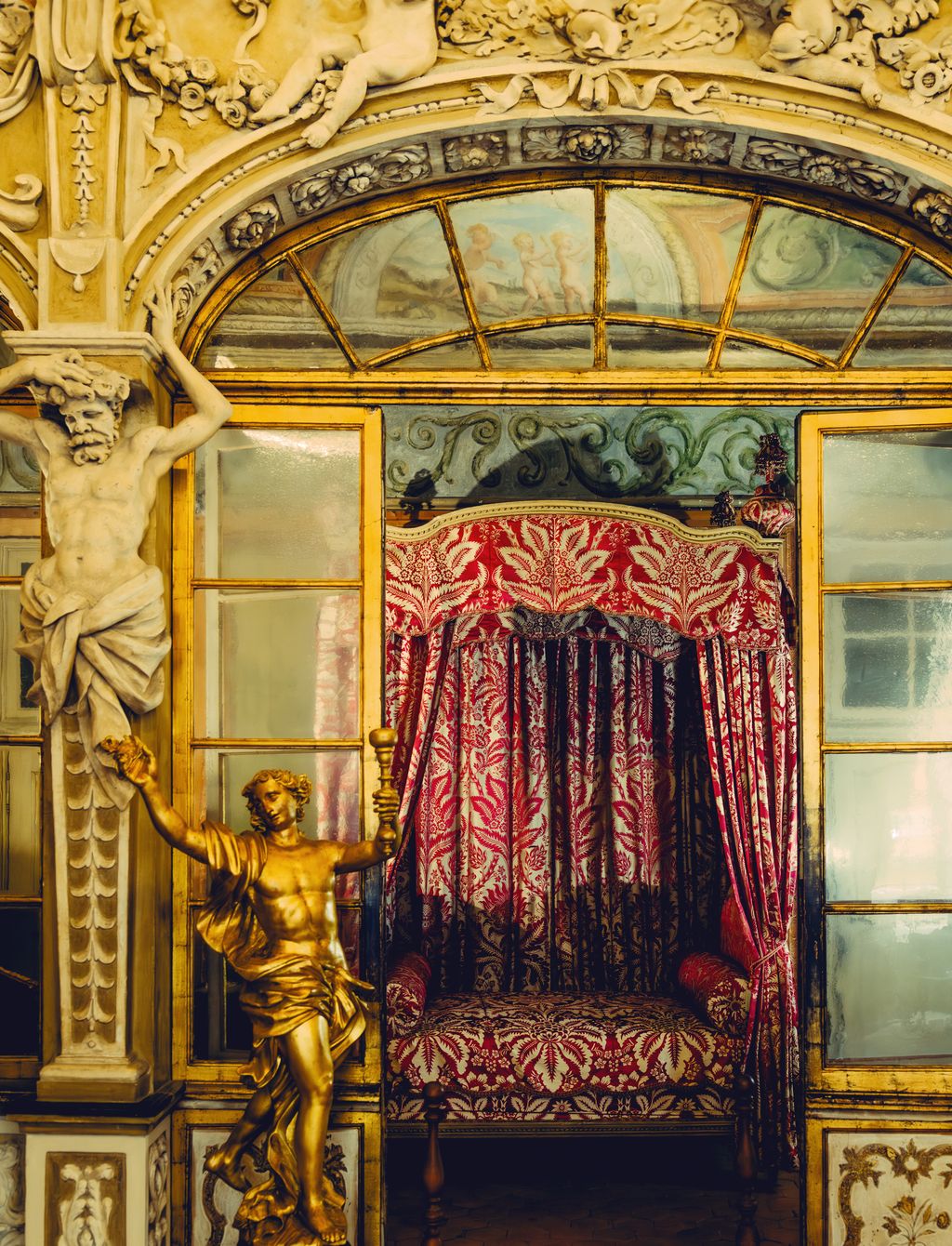
Inside the Palais Lascaris.
 Alixe Lay4/7
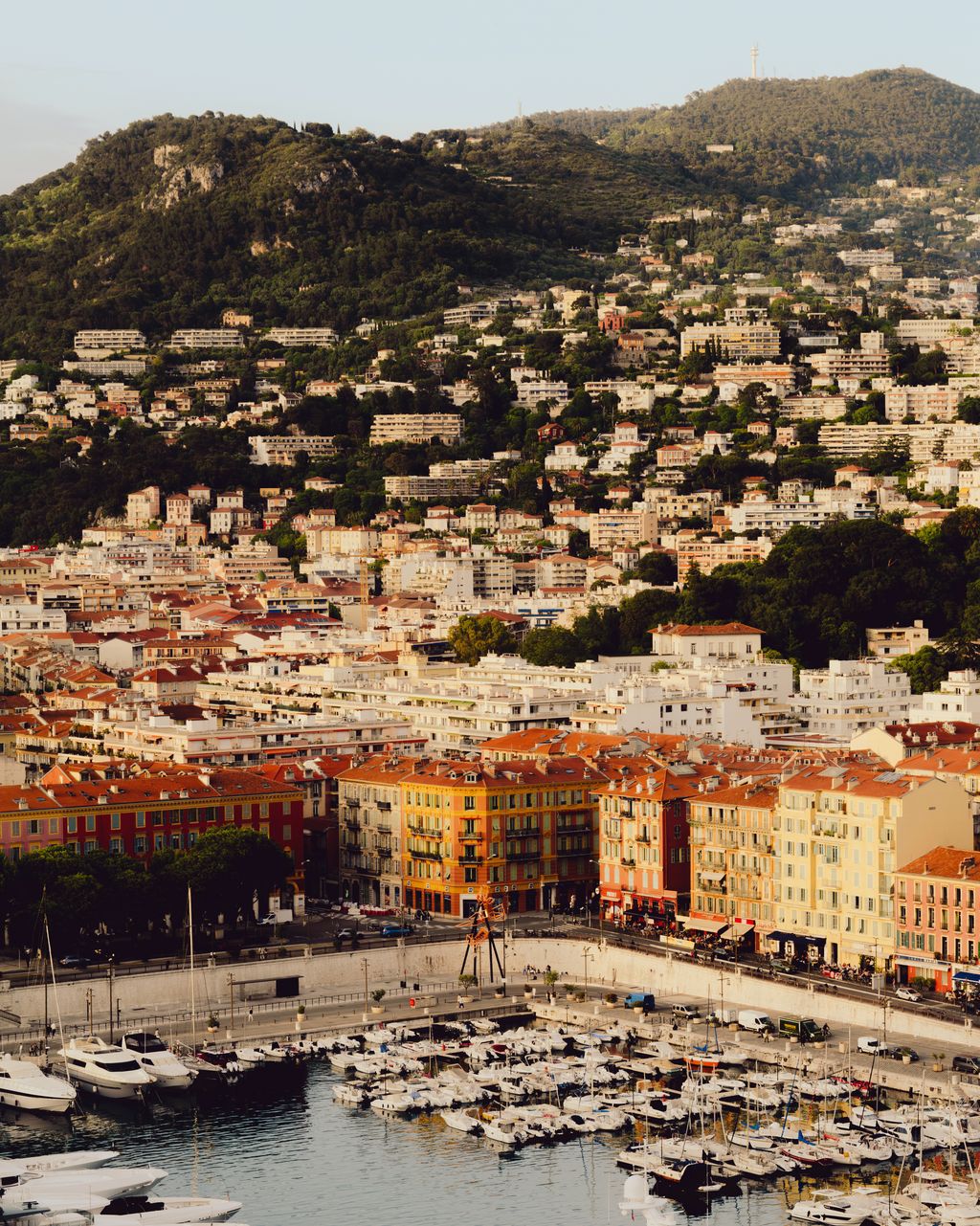
The busy port.


 Alixe Lay5/7
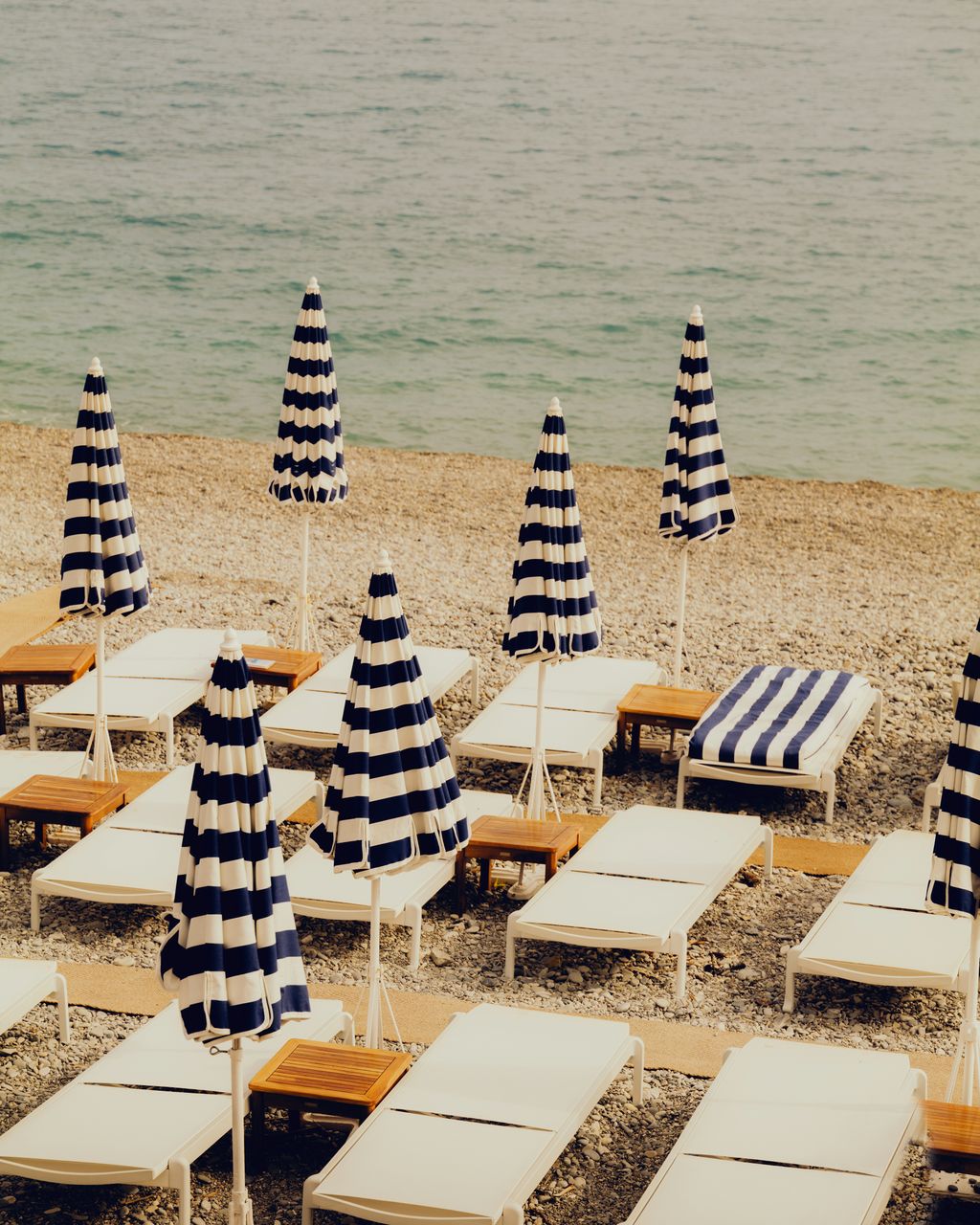
Nice is surrounded by beaches.
 Alixe Lay6/7
The dining area in a larger suite.
 Alixe Lay7/7
Bathrooms feature sculptural marble basins.


