
The man restoring Parisian brasseries to their golden-age glory
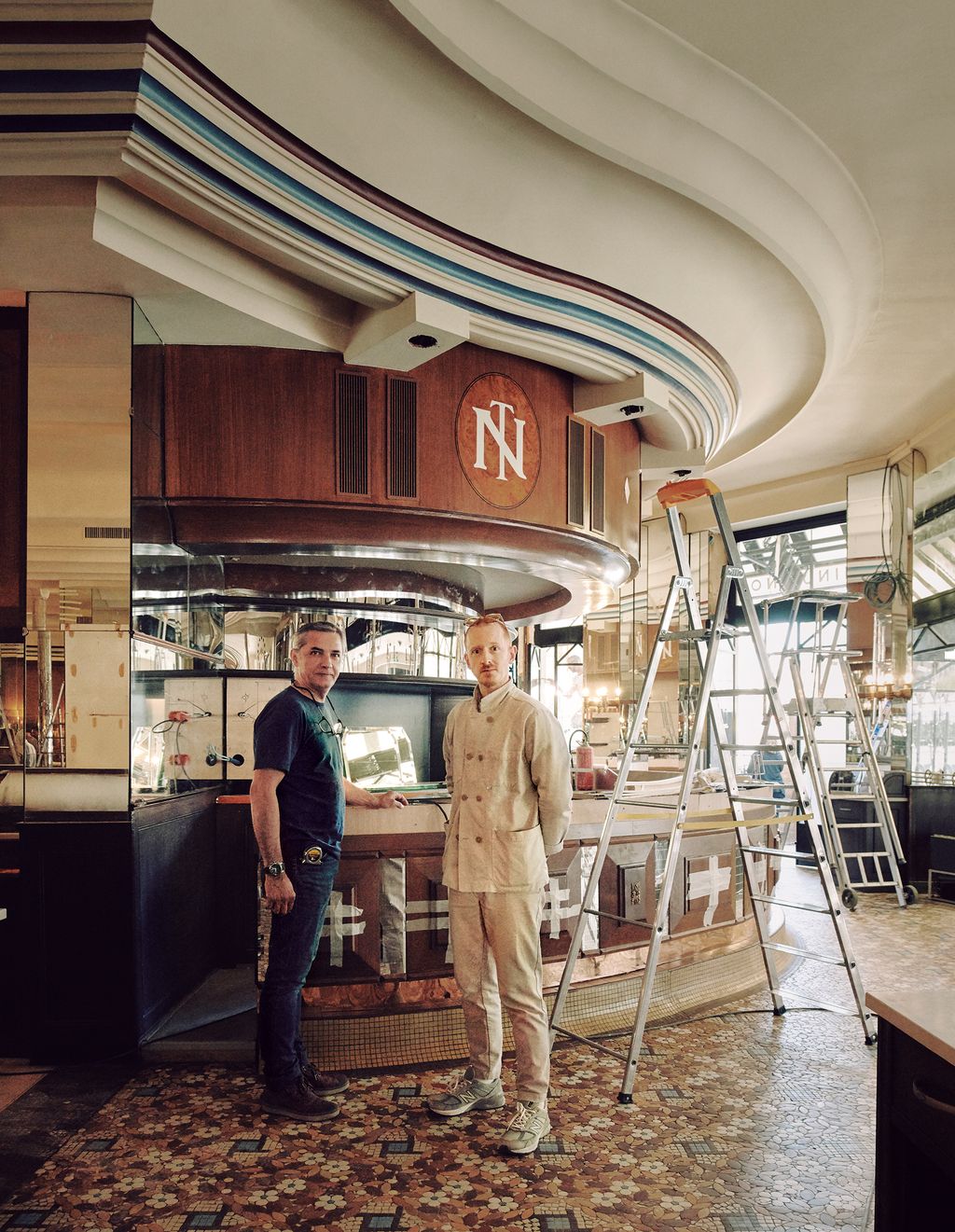
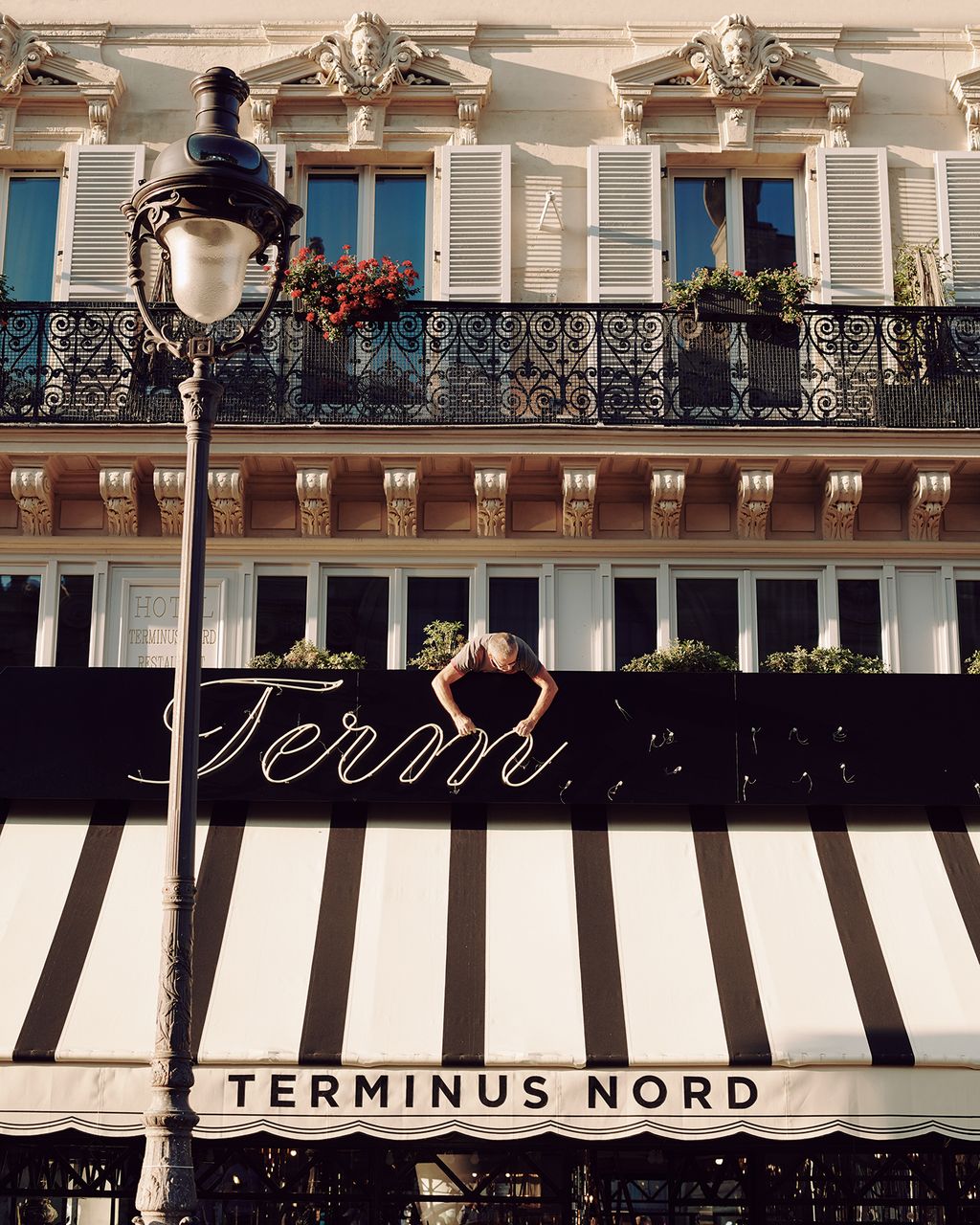
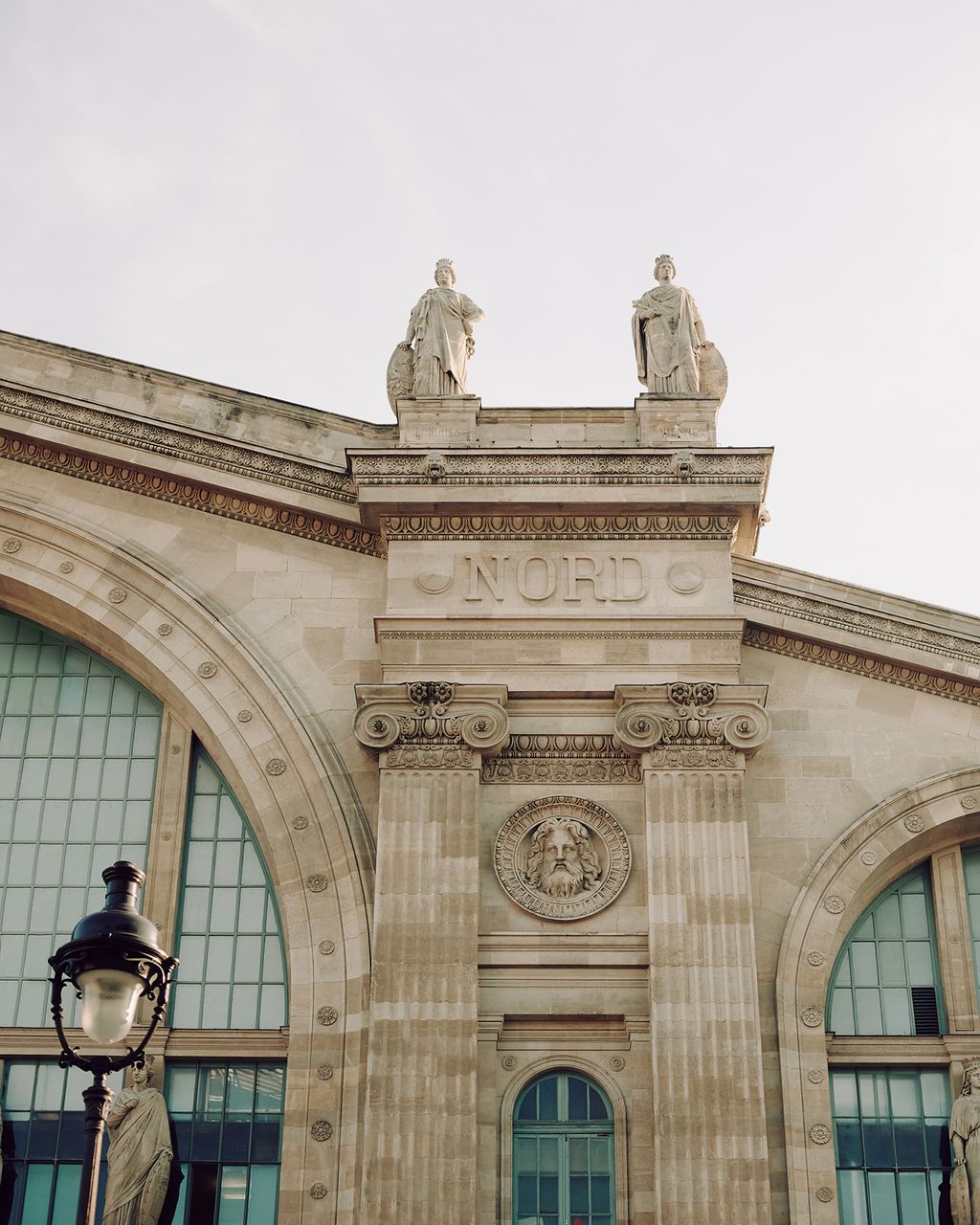
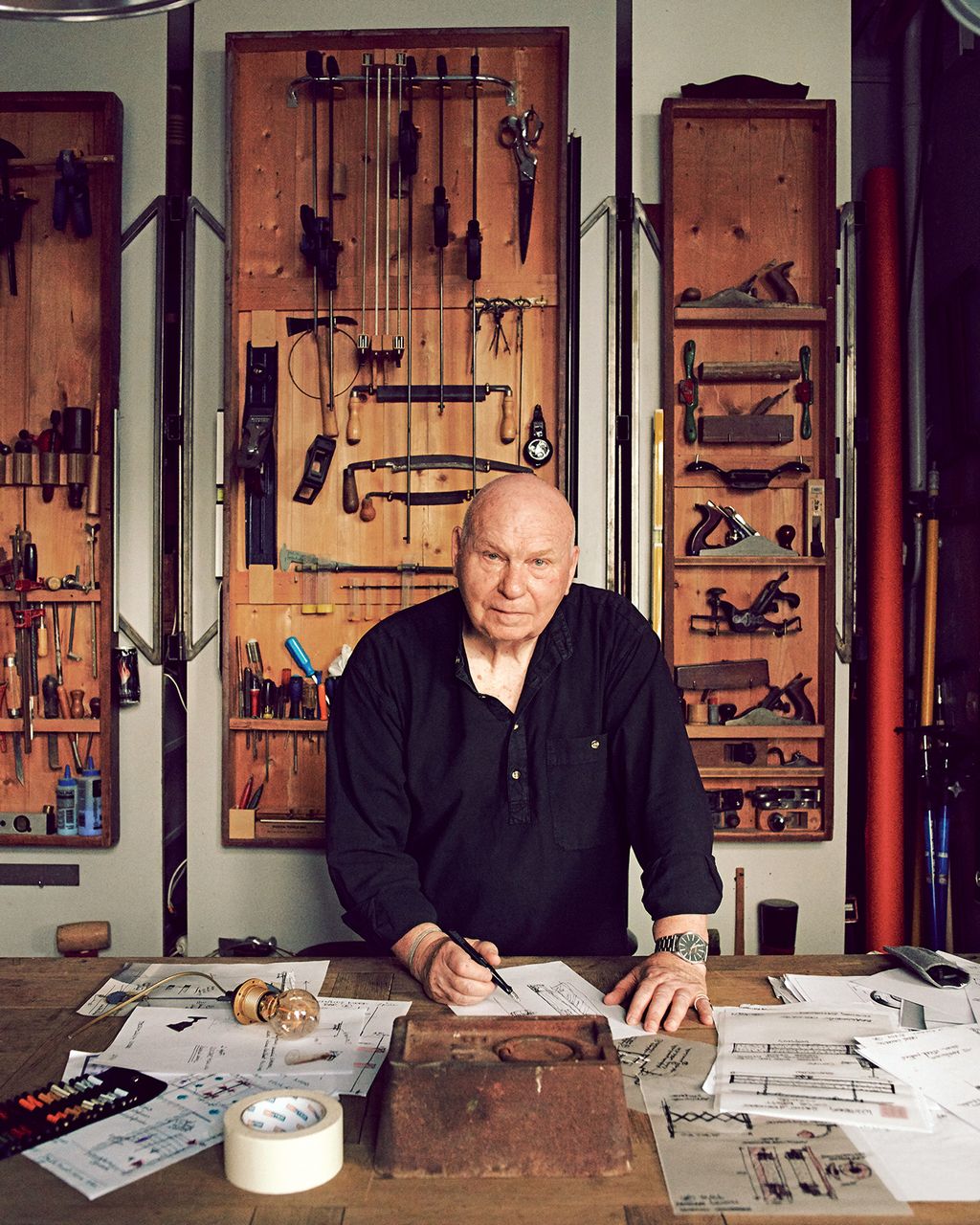
'It’s no surprise to bump into you here,’ says John Whelan, as the Eurostar carriage sways. ‘I’m on this train three times a week sometimes.’ John has been restoring some of the most iconic French brasseries to their former glory. Brasseries were traditionally all-day restaurants, which originally would have brewed their own beer on site. They are still a feature of most large towns in northern France, and although their heyday was the turn of the 20th century, new brasseries were still being opened into the Thirties. Unlike humble bistros, their decoration was splendid: gilded mirrors, elaborate brass and woodwork, painted finishes and patterned mosaic floors. John’s company, The Guild of St Luke, has now restored eight – the latest being Terminus Nord, which stands opposite the Gare du Nord, the station our Eurostar will pull into in an hour’s time.
Never short on confidence, John arrived in Paris in 2005, aged 21, and walked into the foyer of Publicis Conseil, the grand French advertising firm on the Champs-Élysées, asked to speak to the boss and talked his way into a job. His pitches were perfect and he was swiftly made creative director.
Three years later, he suggested to the patron of his favourite restaurant, Chez Omar, that with his – John’s – ideas and Omar’s money, they could create a wonderful bar and club in a rundown former synagogue that was for sale in the 10th arrondissement. ‘It had fabulous mosaic floors inlaid with the Star of David and beautiful old wooden panelling,’ he enthuses.
MAY WE SUGGEST: From Pierre Yovanovitch to Philippe Anthonioz - how Parisian tastemakers decorate
The typical French developer in those days would have stripped out all of those features, but for John they were the essence of his design. He has a certain contempt for that ‘rip it all out and install neon lighting’ aesthetic. He describes his approach as taking inspiration from the past then reinterpreting it with a certain punk twist. ‘The 10th was not cool in those days, but at the opening of Le Pompon, there were 1,000 people in the street,’ he remembers. ‘Ça c’est le pompon’ has a double meaning in French. If you are cross, it means that’s the last straw; if you are happy, it means that’s the cherry on the cake. It was definitely the cherry for Omar – who became rich – and also for John: ‘It changed my career on a dime.’
He was immediately in demand, consulting for owners of nightclubs and designing two himself: the gloriously Second Empire Le Carmen, in a house once lived in by Georges Bizet, and Faust, the largest nightclub in Europe at that time. Set under the Pont Alexandre III, it was a project far too big for its budget. ‘It worked in the end,’ recalls John. ‘But, as the French say, it was bien de loin, mais loin d’être bien – good from afar, but far from good.’ It was a punishing experience. The wonder was that an Englishman, unqualified in design, and whose French was at first limited, could achieve so much. He needed a rest.
‘At that point I was going out with a girl who was living a lovely life growing her own vegetables in the Loire Valley. I felt as if I’d lived two careers in a short time. I moved down there, but she dumped me on the day I arrived. Instead of going back to Paris, I stayed in the area and undertook what I thought of as a self-taught creative MBA. I researched the work of great art nouveau and art deco designers on the brilliant Galerie Marcilhac website and taught myself perspective drawing so I could brief architects more effectively. It was a chrysalis period.’ This was his version of the art-school training he had longed for as a teenager. His father, a self-made Birmingham business-man, had told him he should accept the place he had won at Oxford to read modern history, and John had followed his advice: ‘Take the brand name. Oxford will open doors.’
After 18 months in the Loire Valley, John was tempted back to work by the owner of 15 of France’s best-known brasseries, who had the vision – and the budget – to return them to their former glory. This led him to him found The Guild of St Luke (now G.S.L.) – a name commonly used by guilds of painters in medieval Europe, as St Luke is the patron saint of artists. ‘I’m the conductor of the orchestra, but it’s a team effort – like a medieval guild – and we’re able to attract top talents. Everyone shares the limelight.’
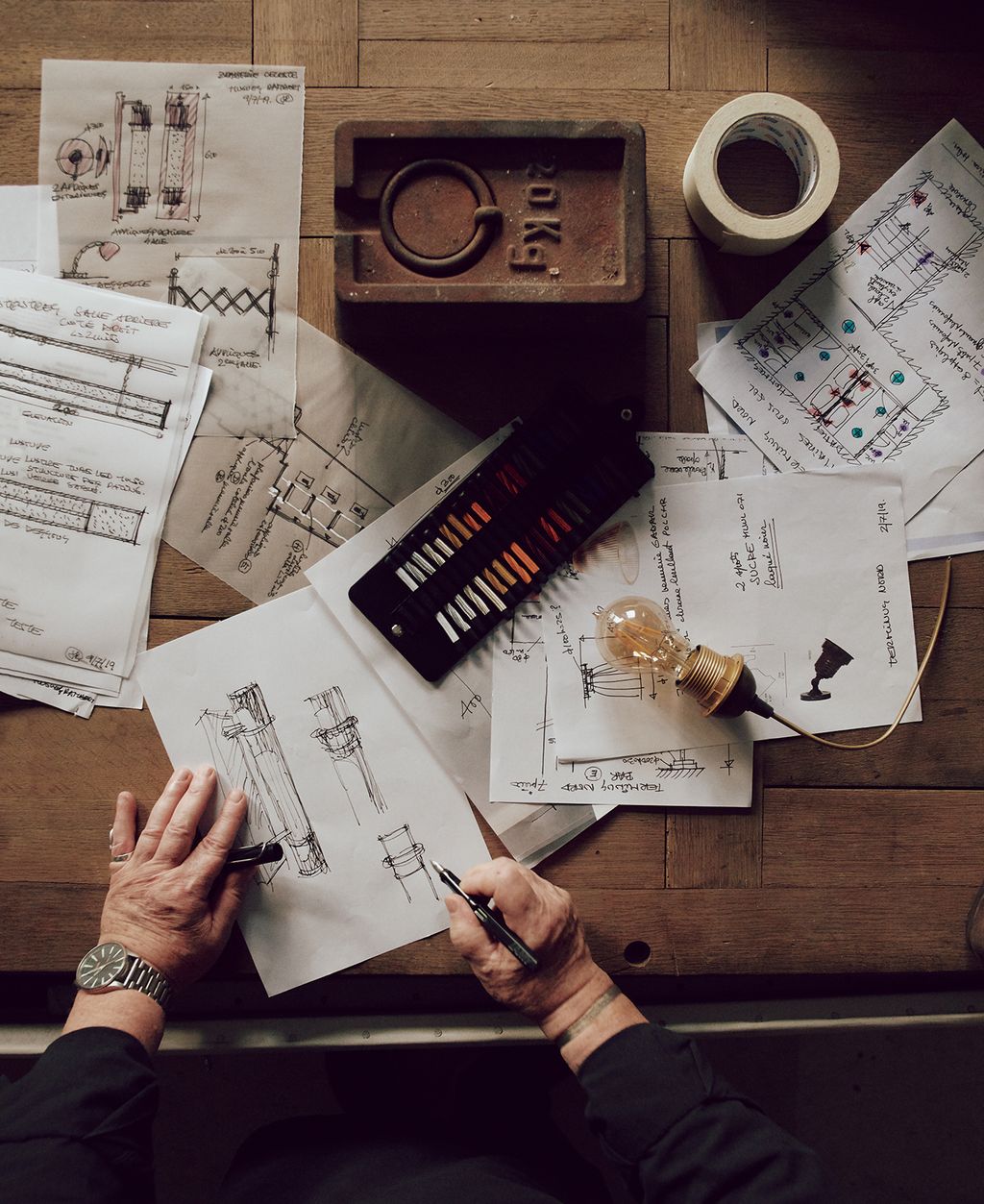
At a planning meeting in the emptied shell of Terminus Nord, John surveys the architectural drawings with some of these artisans. There is 78-year-old lighting maker Jean-Pierre Lorence, who brushed away a tear when he realised his father had installed the Sixties lights he was about to replace. But John is certain the place must evoke the feel of 1925, when the brasserie opened. It was an era of hard, shiny surfaces and the glamour of travel; later accretions just have to go.
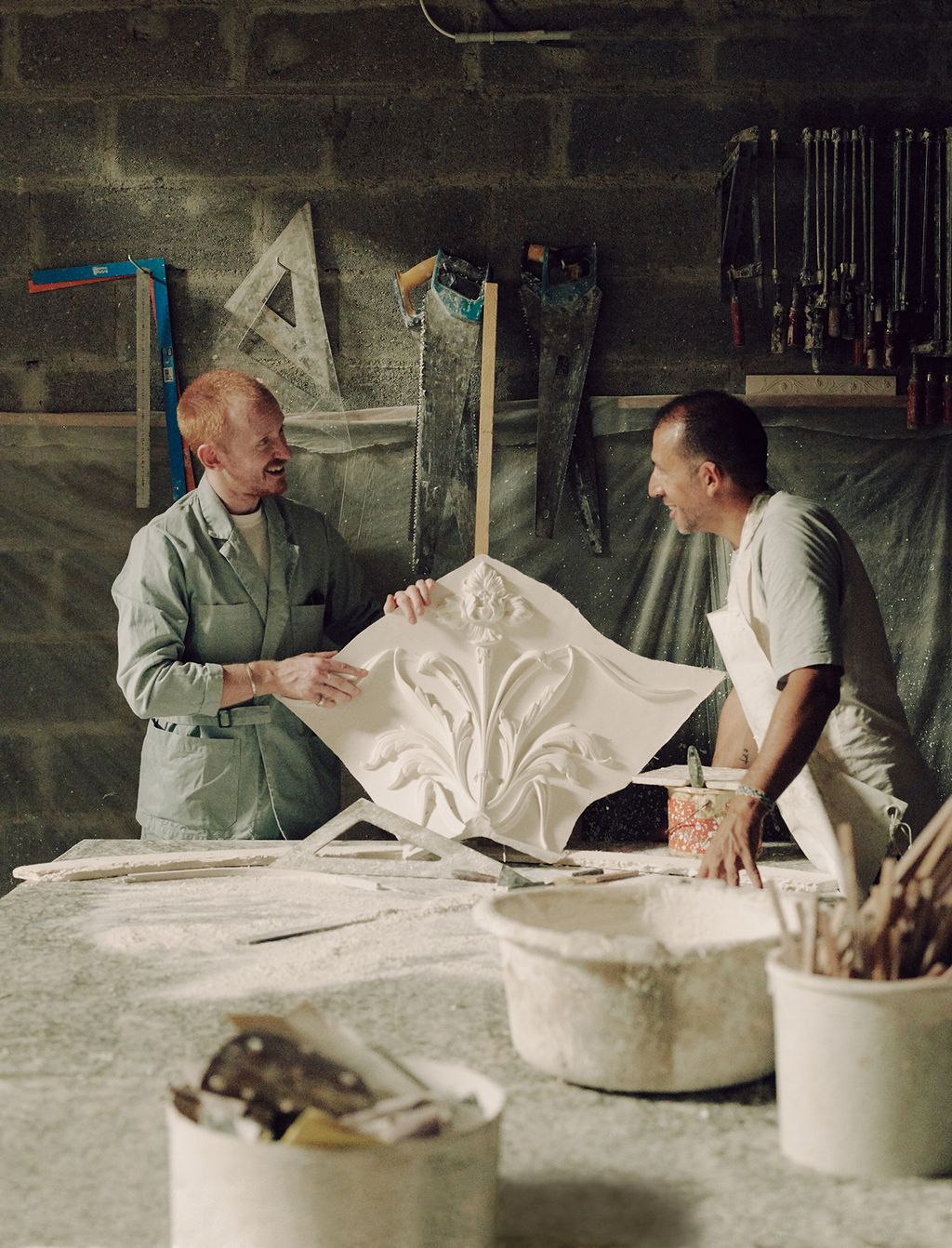
Jean-Pierre has produced for inspection a prototype of the new lights John has designed in the manner of Eckart Muthesius. There is cabinet maker Lucinio da Silva, and Benjamin Craig, a French-American decorative painter, who has worked in Hollywood and for the New York stage, as well as for decorators like Jacques Garcia in Paris. He has brought in painted sample boards, mimicking marquetry in different fine woods, for the back room at Terminus Nord. ‘It’s extraordinary how craftsmen differ,’ John says later. ‘Plasterers are happy go lucky. They are like butchers, happy people; they come in as a gang, all singing. Decorative painters are all angst-chic, gloomy and introspective.’ Whatever their temperaments, these specialists form a team around him for every project.
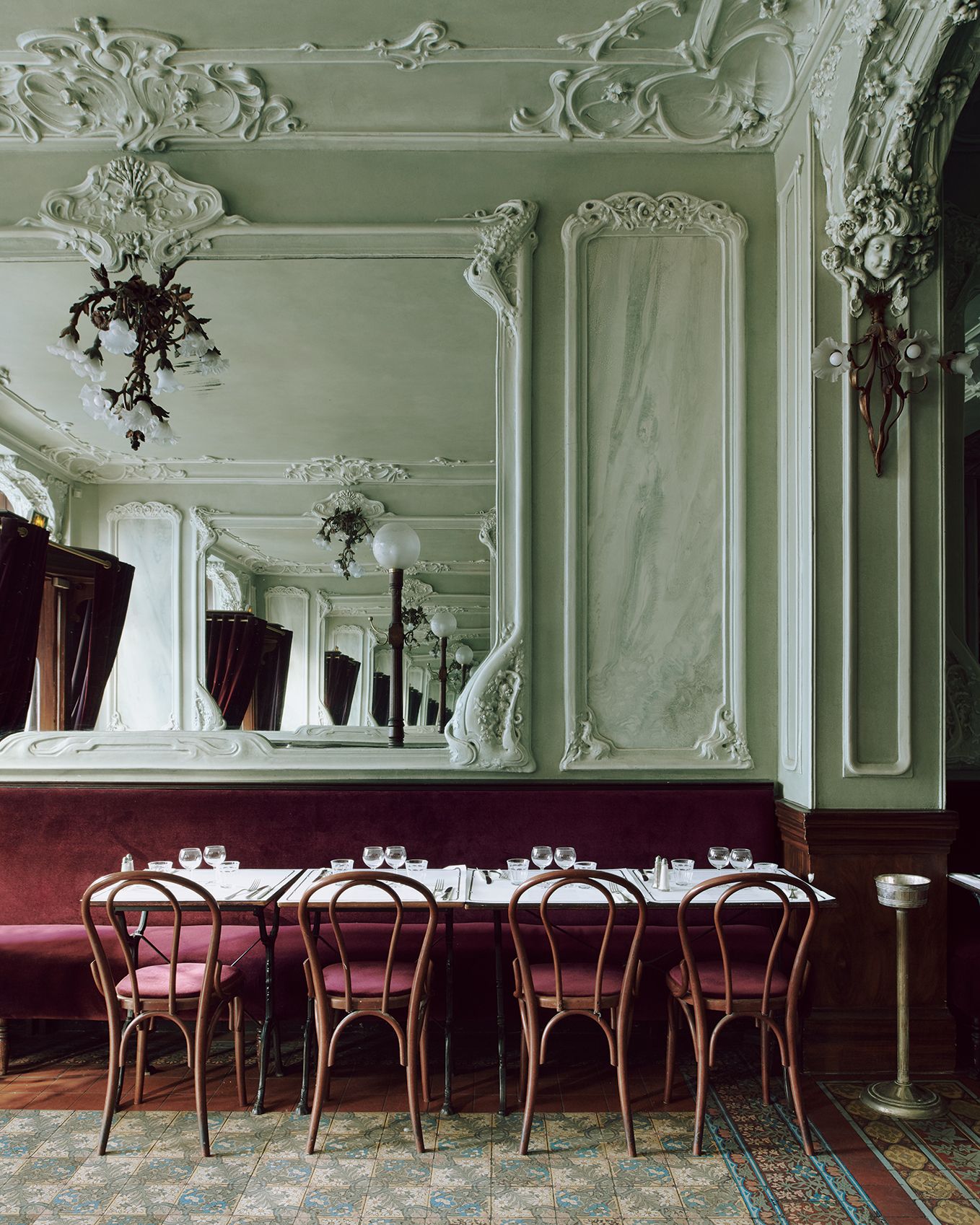
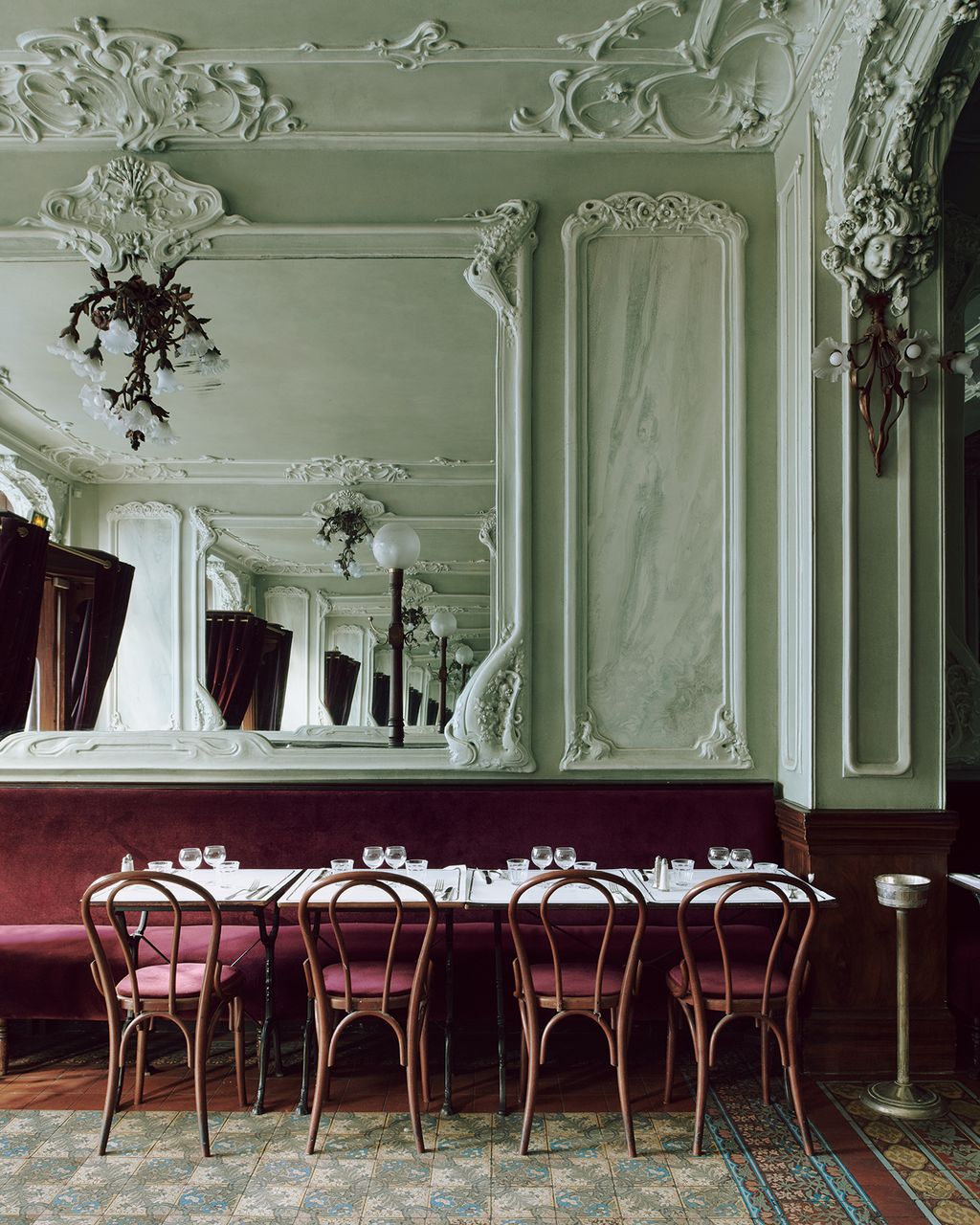
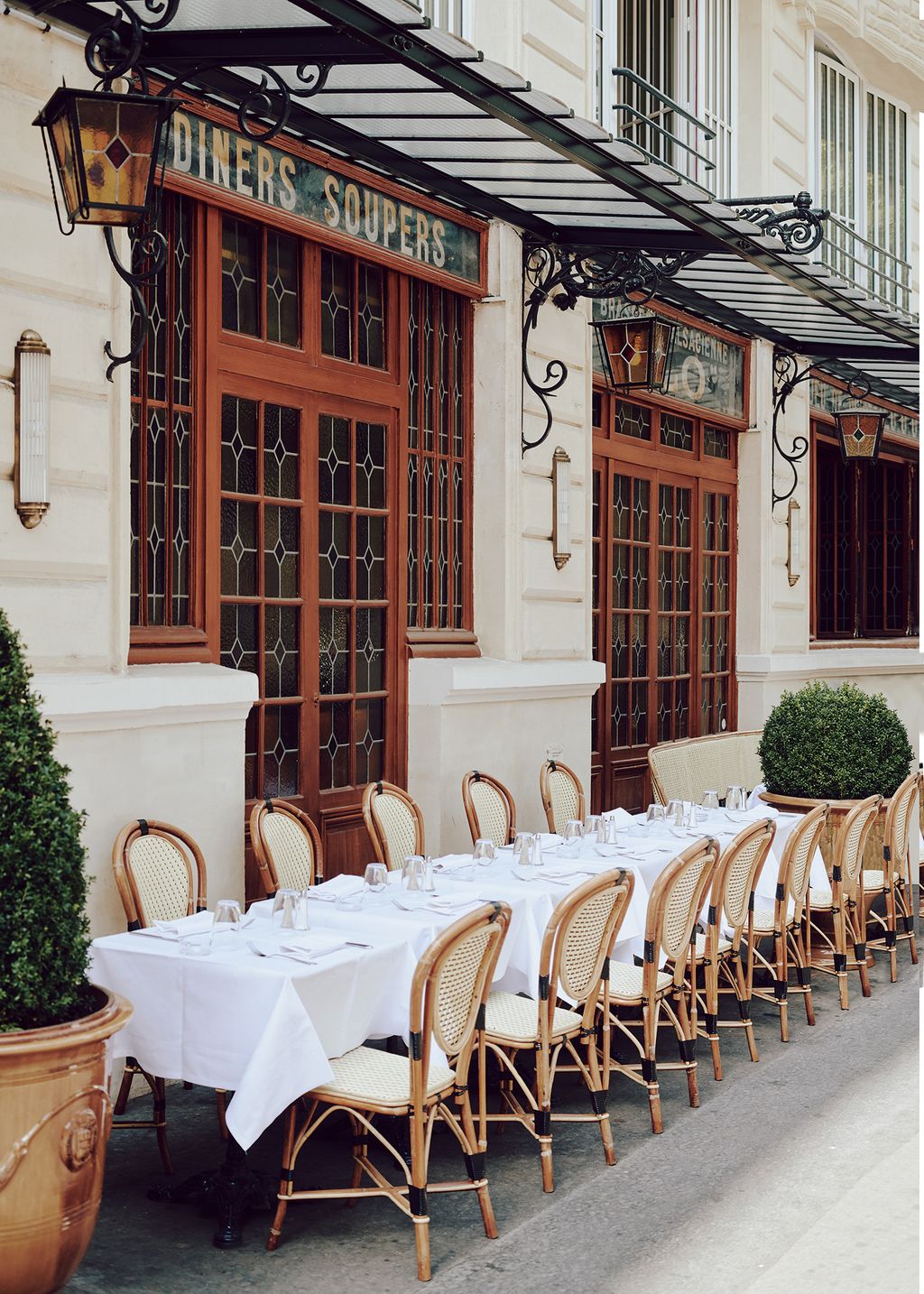
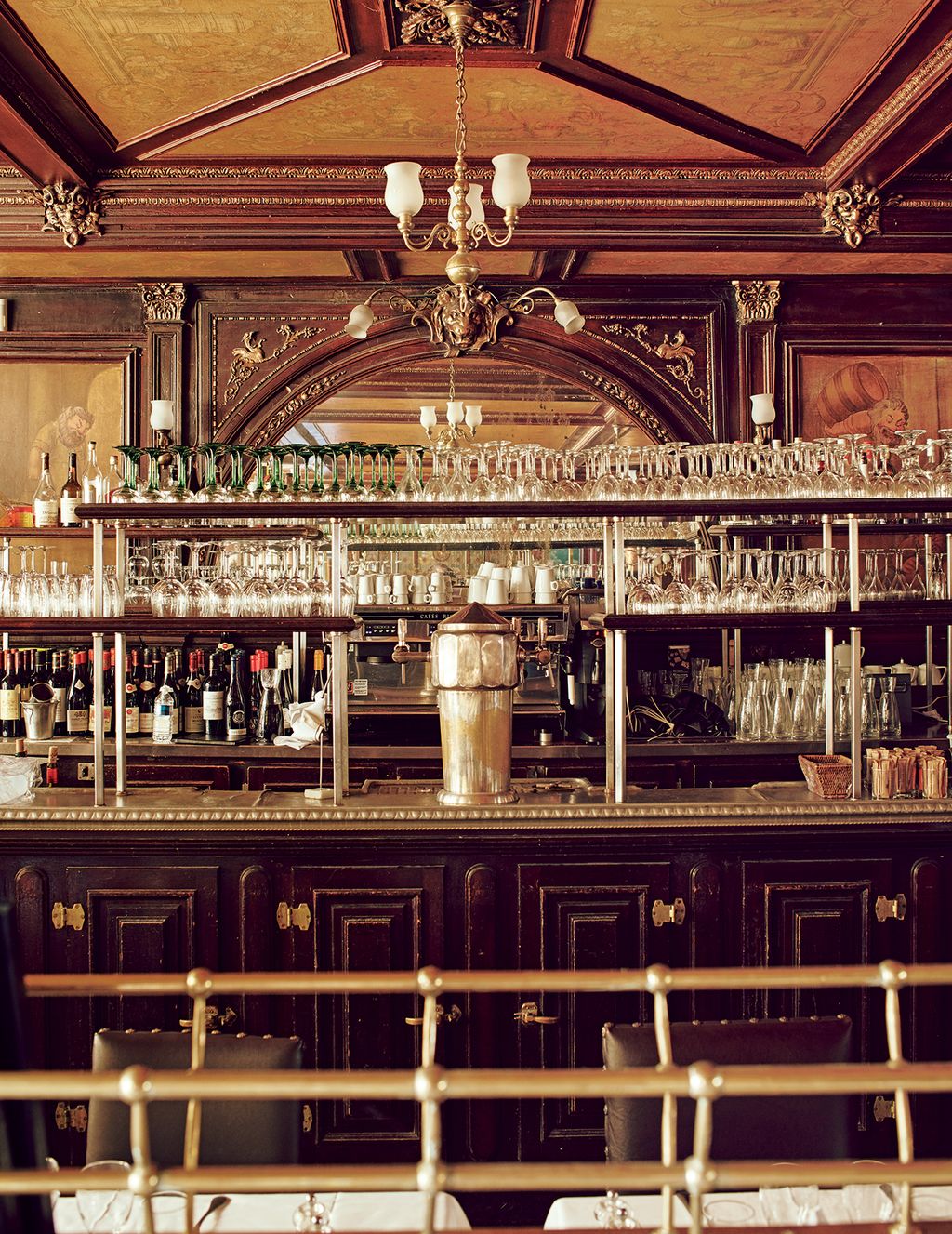
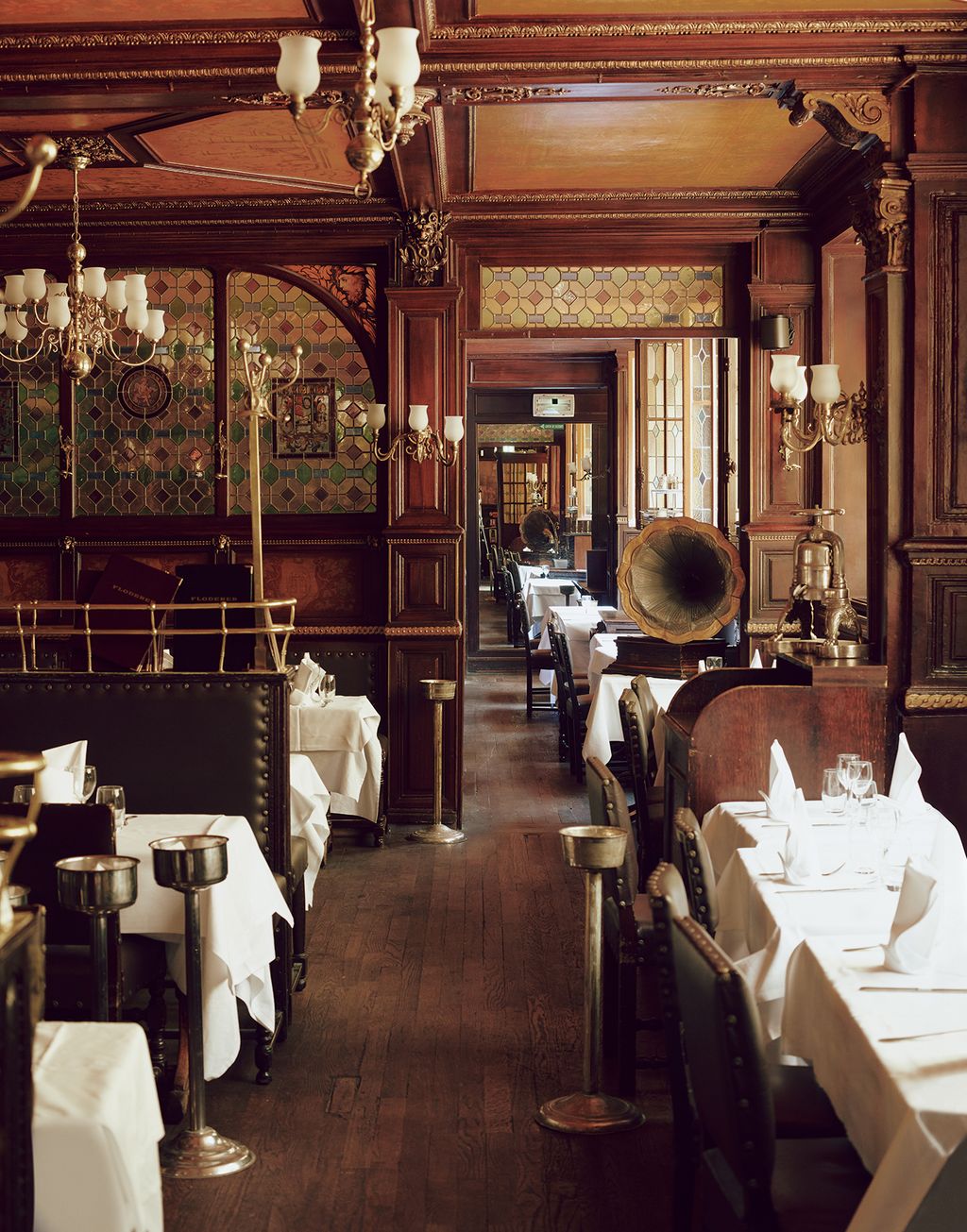
Over the years, John has made some radical choices. At Bouillon Julien, he chose sea-green paint for the walls and installed prune-coloured banquettes. ‘Are you crazy?’ said the owner, who felt brasseries should always have nicotine-yellow walls. This was how it looked in the days when Edith Piaf and Ernest Hemingway were regulars. ‘It looks a bit Wes Anderson now,’ says John. ‘And so it should. With the bright stained-glass ceiling by Charles Buffet and the art nouveau women in the wall paintings, the colour stands out.’ For other projects like Brasserie Flo (now Floderer), he simply had new rattan seats made and restored the cigarette-blackened wall paintings.
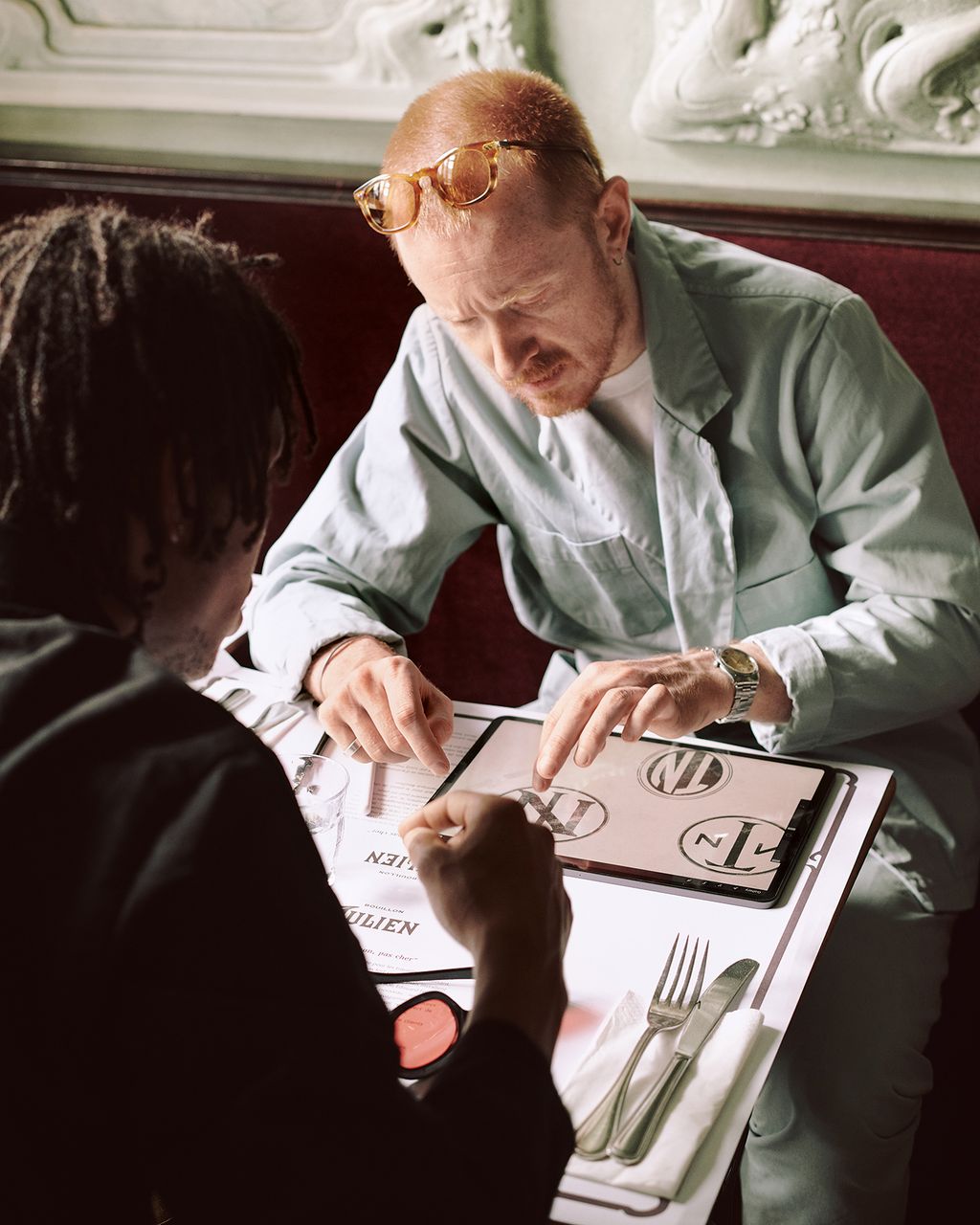
John’s set-up is flexible: there is no head office and his art director, De Rrusie, who does all the graphics for G.S.L., is currently travelling and works out of his van using an iPad. He took a job as a doorman at Faust to get a chance to show John his designs, which were better than any John already had. ‘De Rrusie is so creative – he can turn his hand to anything. We were lent a flat above one of our projects, which had a piano. After three months, I could just play Chopsticks and he was playing pieces by Dave Brubeck.’
MAY WE SUGGEST: Vincent Darré gives an insider’s guide to the Paris flea market
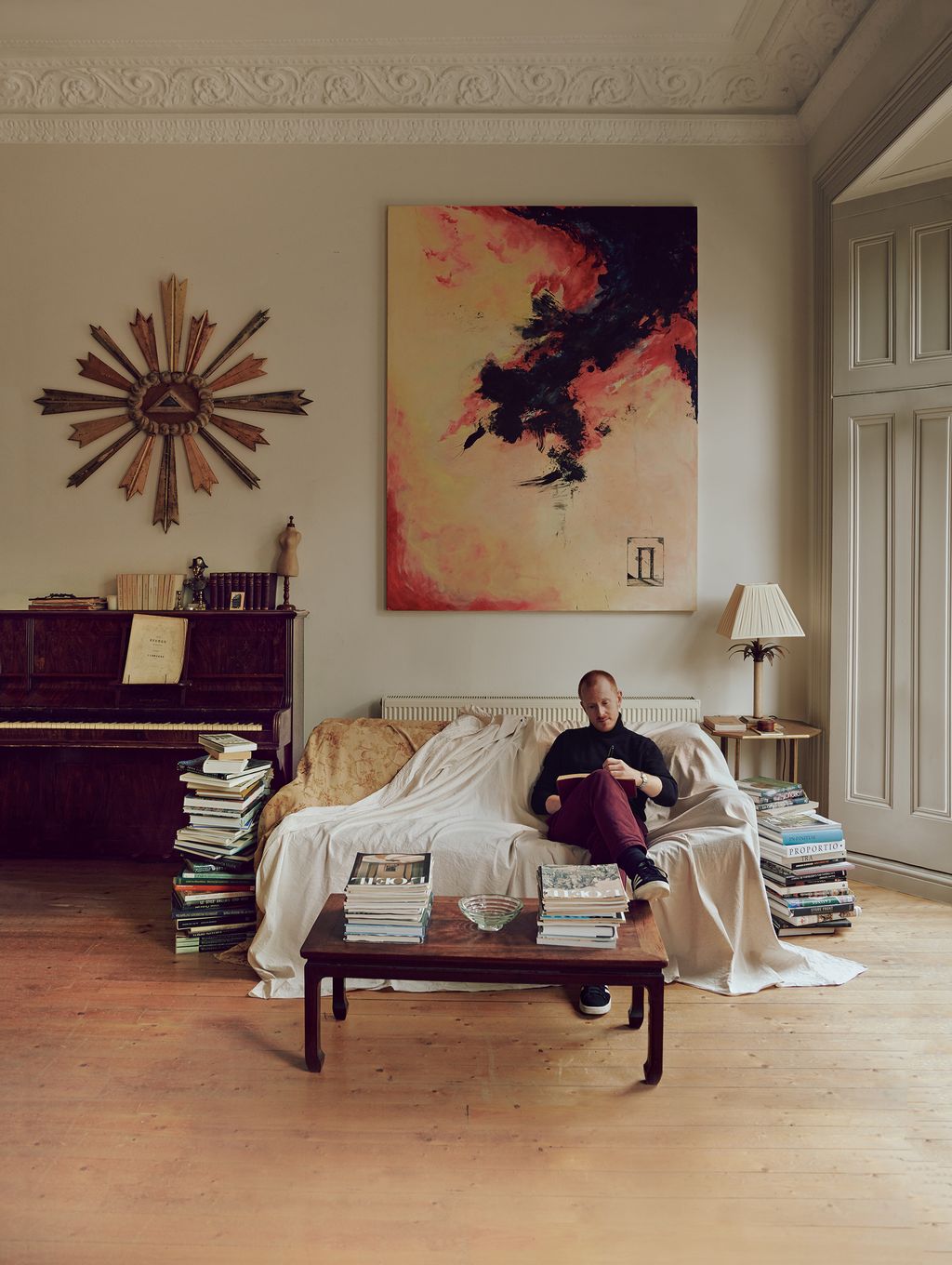
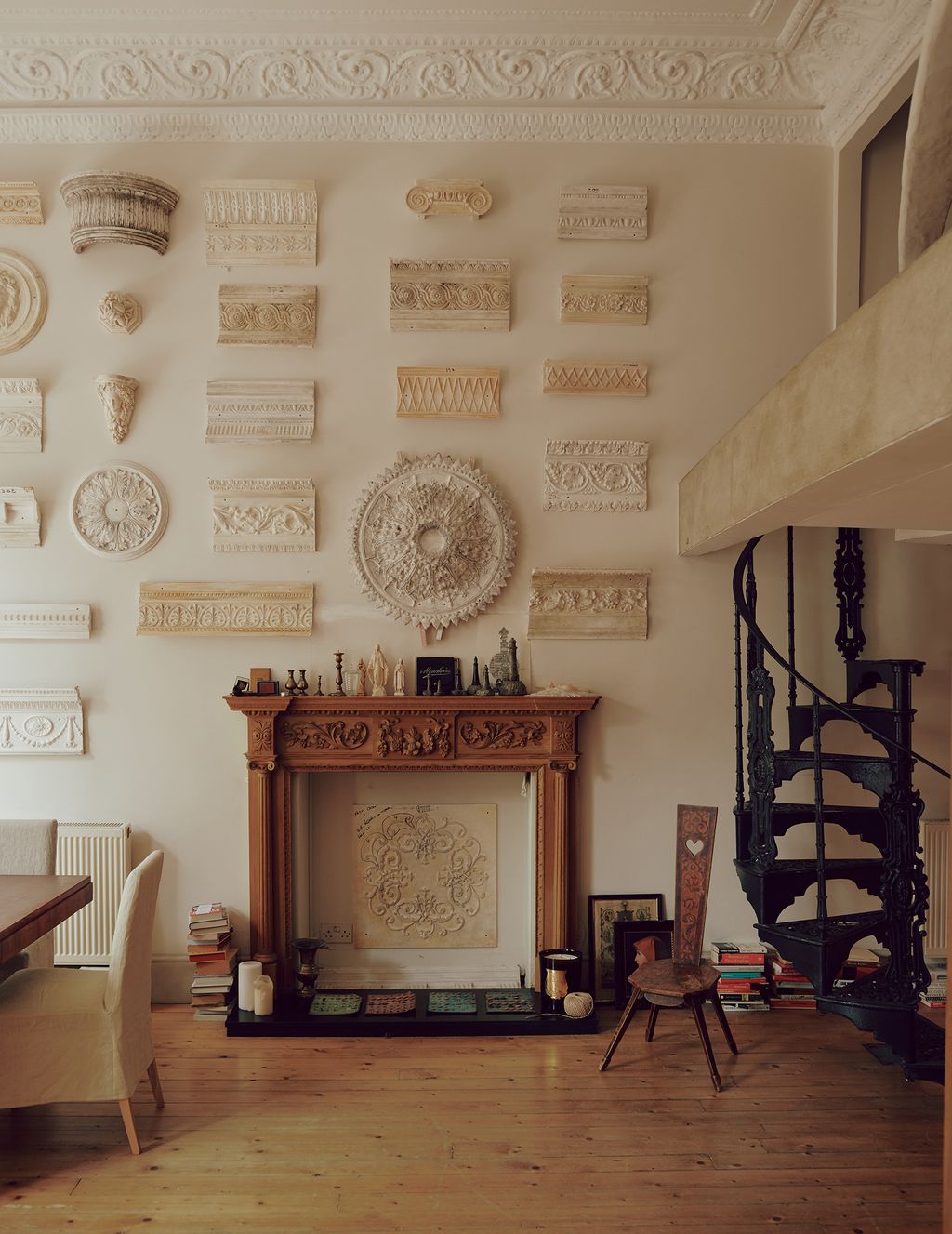
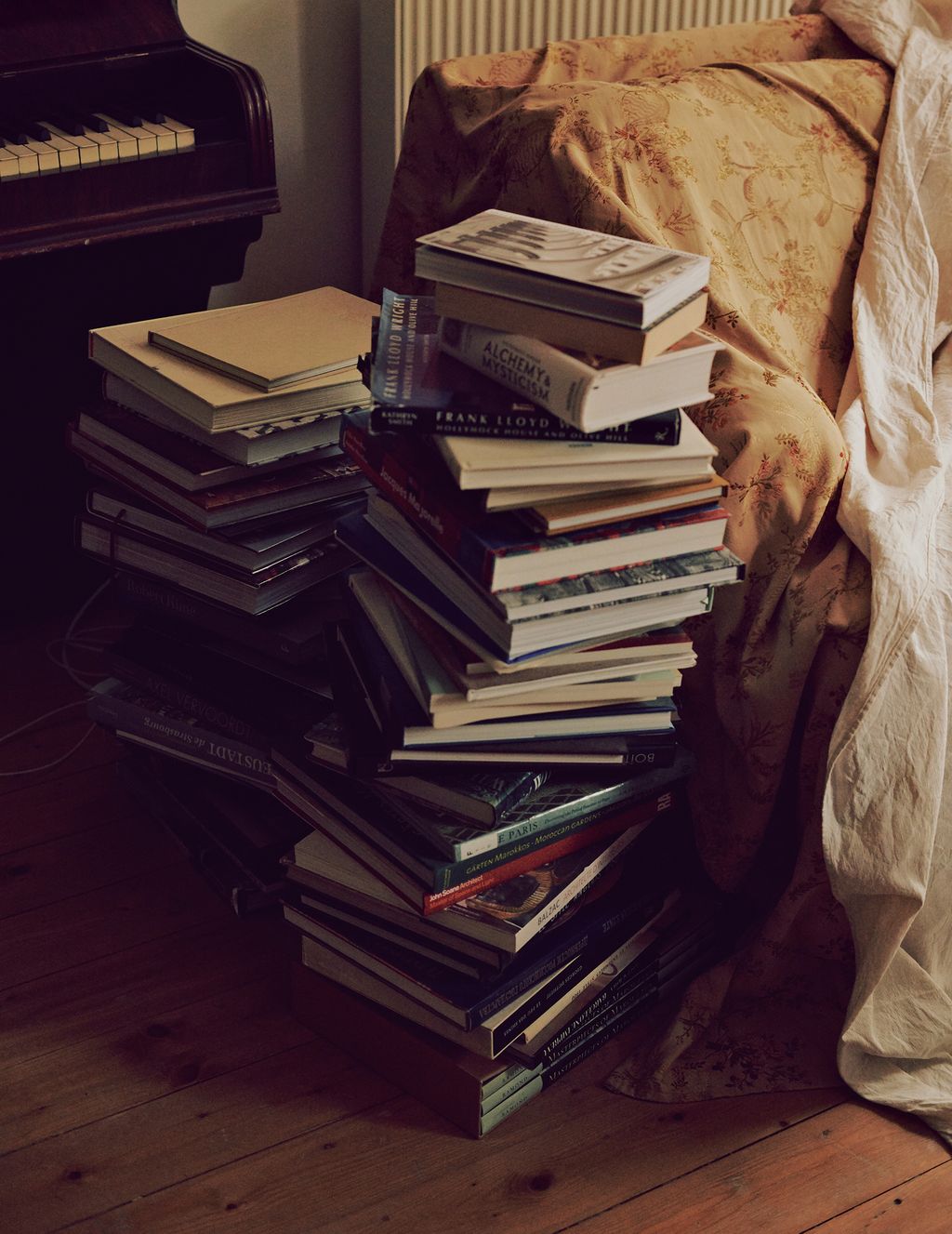
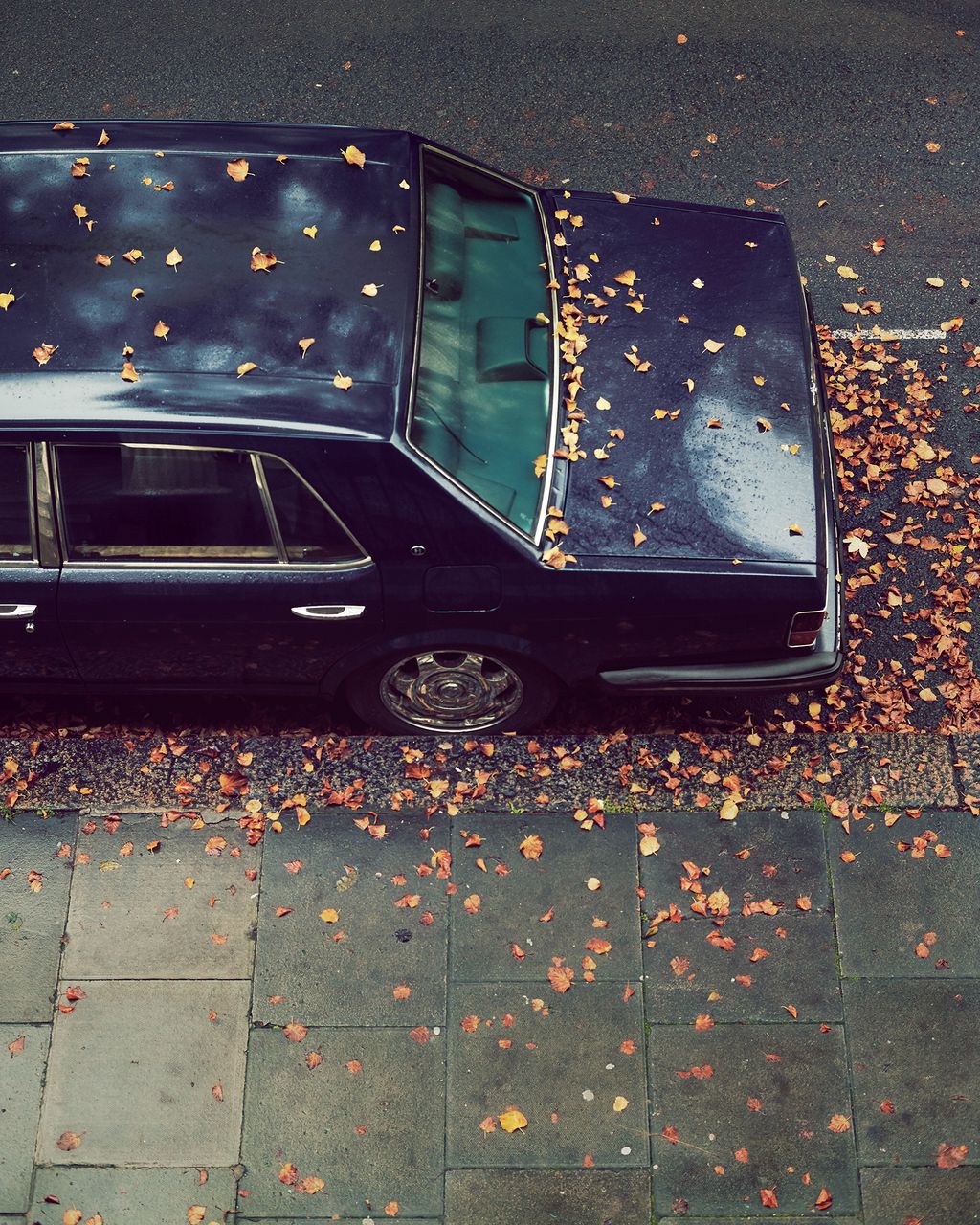
John’s living arrangements are pretty flexible, too. His London flat was carved out of the drawing-room floor of a large white stucco house, overlooking a tree-lined square. He has decorated its tall walls with plasterwork samples and there are piles everywhere of his reference books, including some by his hero John Ruskin. He and his girlfriend Leonora Chance, who works in PR, drive around occasionally in his 1981 Bentley. He bought it because that was the last moment when cars of that kind were made by hand, and for its solid chrome handles and the heavy clunk as you shut its doors. It is beautiful but temperamental and seems frequently not to be working.
When in Paris, he borrows a room in the apartment of an old friend, the designer Valérie Vais, who lives conveniently close to the Gare du Nord. ‘Restoring historic monuments is an honour and a privilege. I’ve always been inspired by the past. When I look at the Moscow metro, I can see 20 potential restaurants in there. I will never go towards anamorphic, futurist forms that are generated by computers,’ he says. With a new London project in hand – a cutting-edge restaurant in Mayfair – it seems he may not be taking the Eurostar weekly for quite some time.
 Michael Sinclair1/23
At Bouillon Julien, John repainted the original plasterwork sea green.
 Michael Sinclair2/23
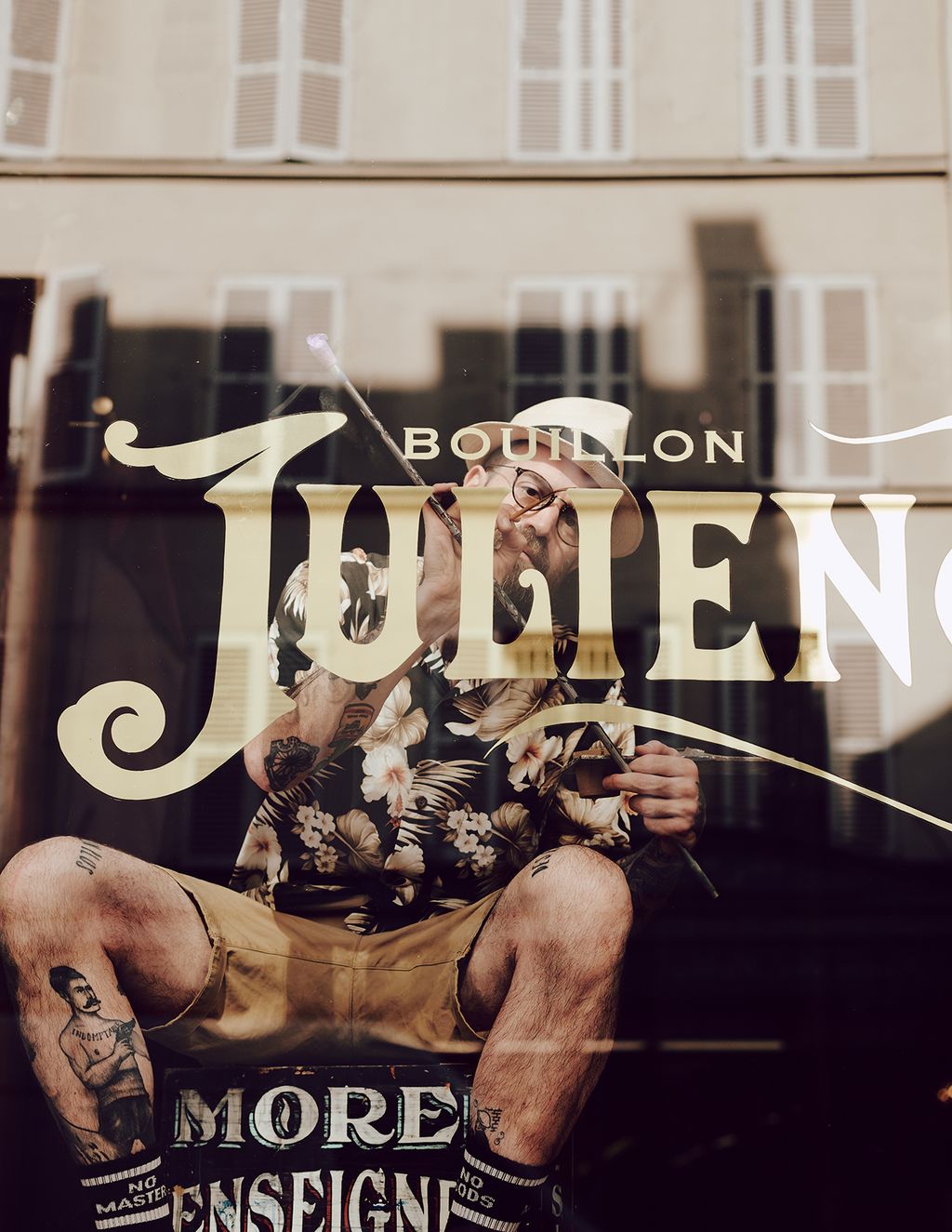
Sign painter François Morel puts the finishing touches to the restaurant window.
 Michael Sinclair3/23
New rattan chairs outside Brasserie Floderer, formerly known as Brasserie Flo.
 Michael Sinclair4/23
The bar at Floderer.


 Michael Sinclair5/23
The restaurant’s early-20th-century interior has been preserved.
 Michael Sinclair6/23
John with Denis Lesellier, who rebuilt the bar at Terminus Nord according to its original design.
 Michael Sinclair7/23
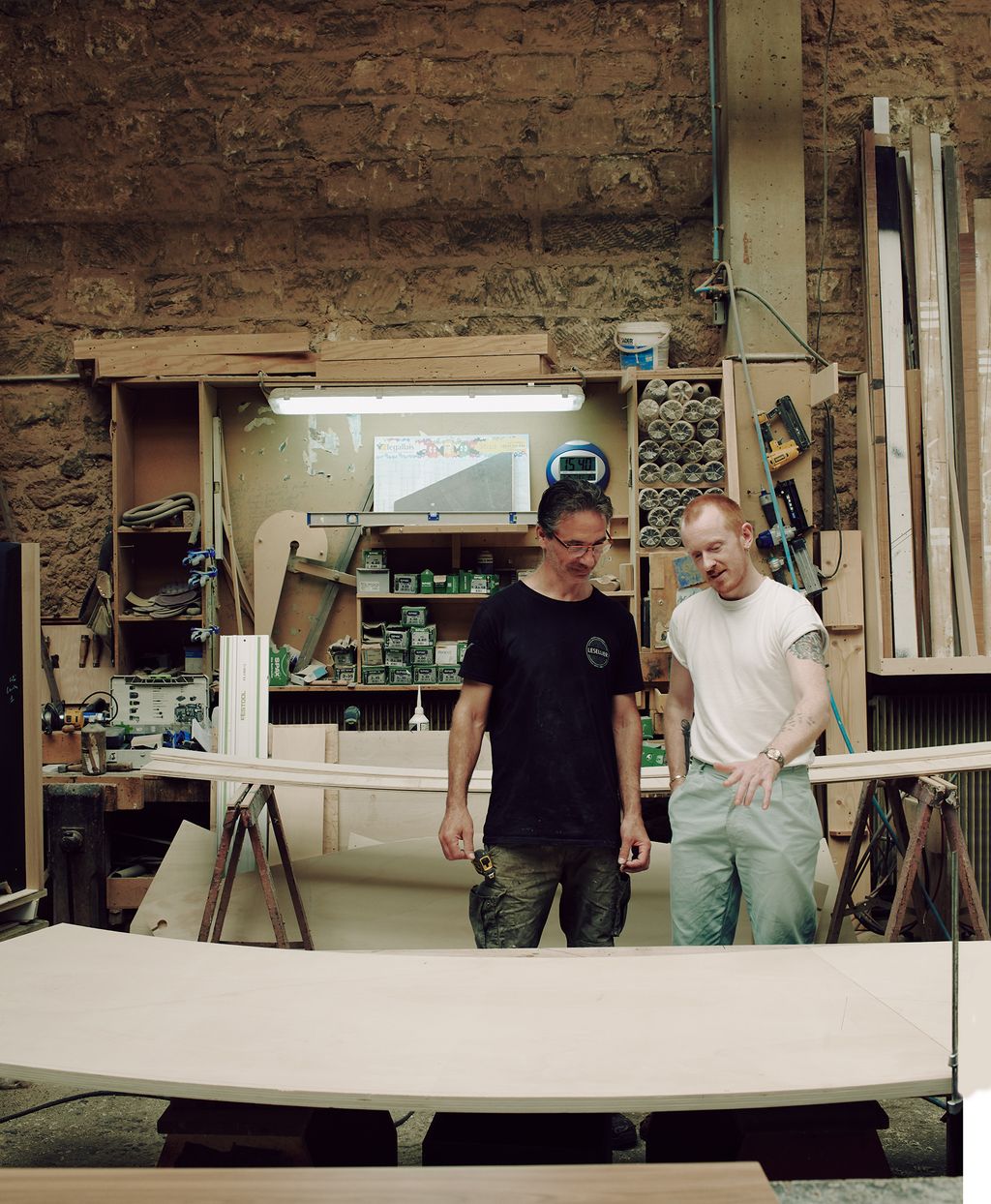
John with a joiner at the Lesellier workshop.
 Michael Sinclair8/23


 Michael Sinclair9/23
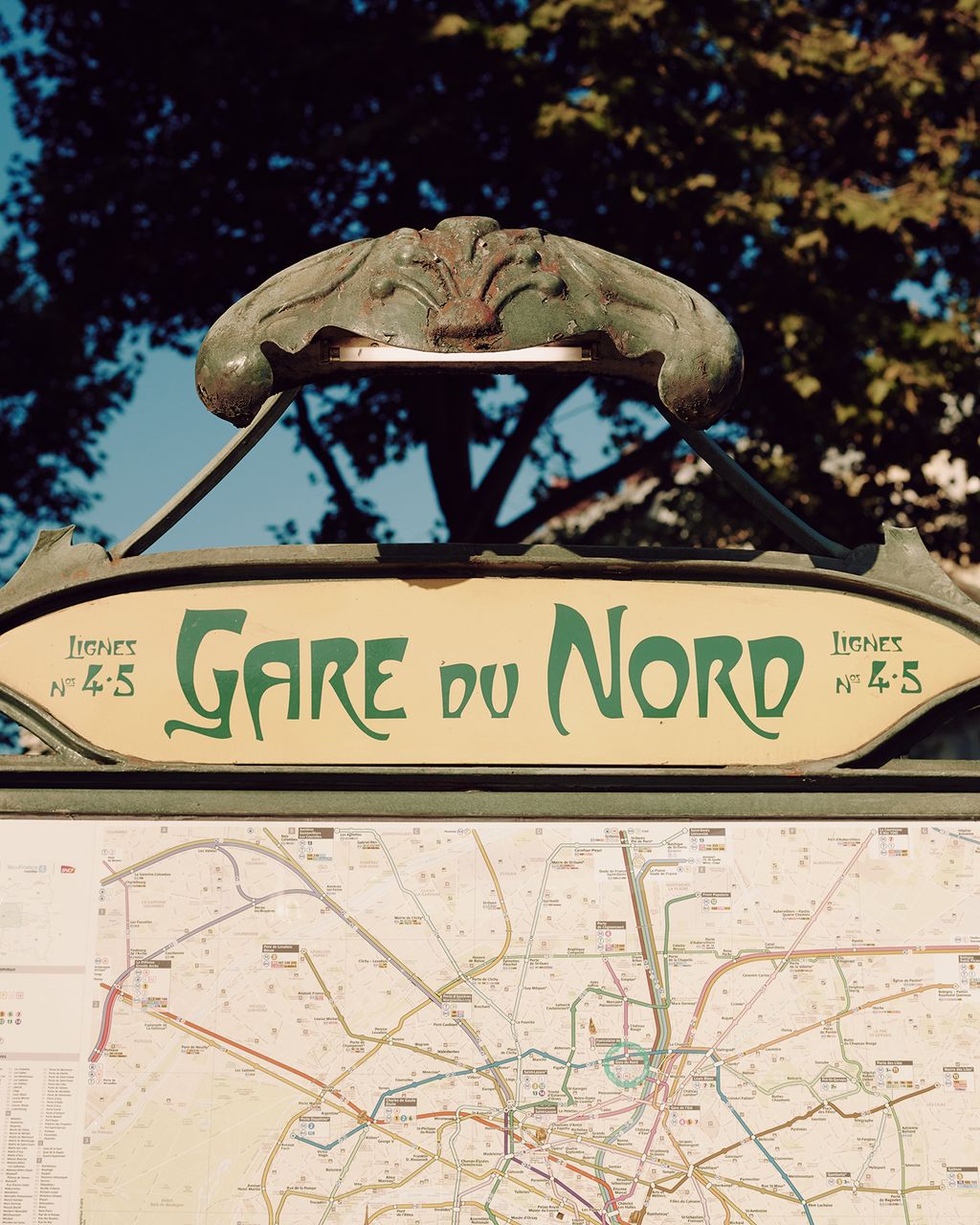
Art nouveau metalwork at the Gare du Nord metro.
 Michael Sinclair10/23
 Michael Sinclair11/23
 Michael Sinclair12/23


 Michael Sinclair13/23
 Michael Sinclair14/23
John and De Rrusie catch up over coffee.
 Michael Sinclair15/23
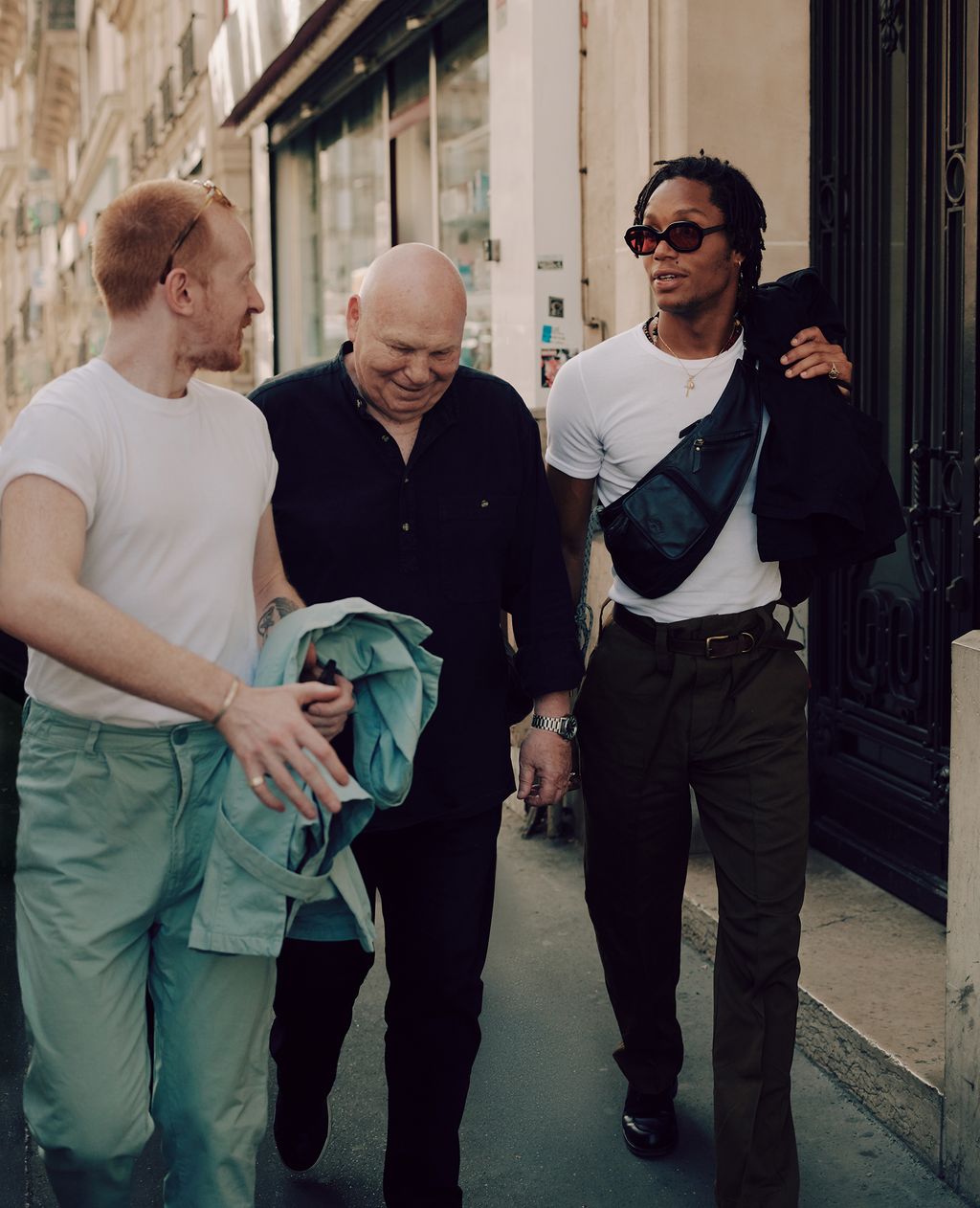
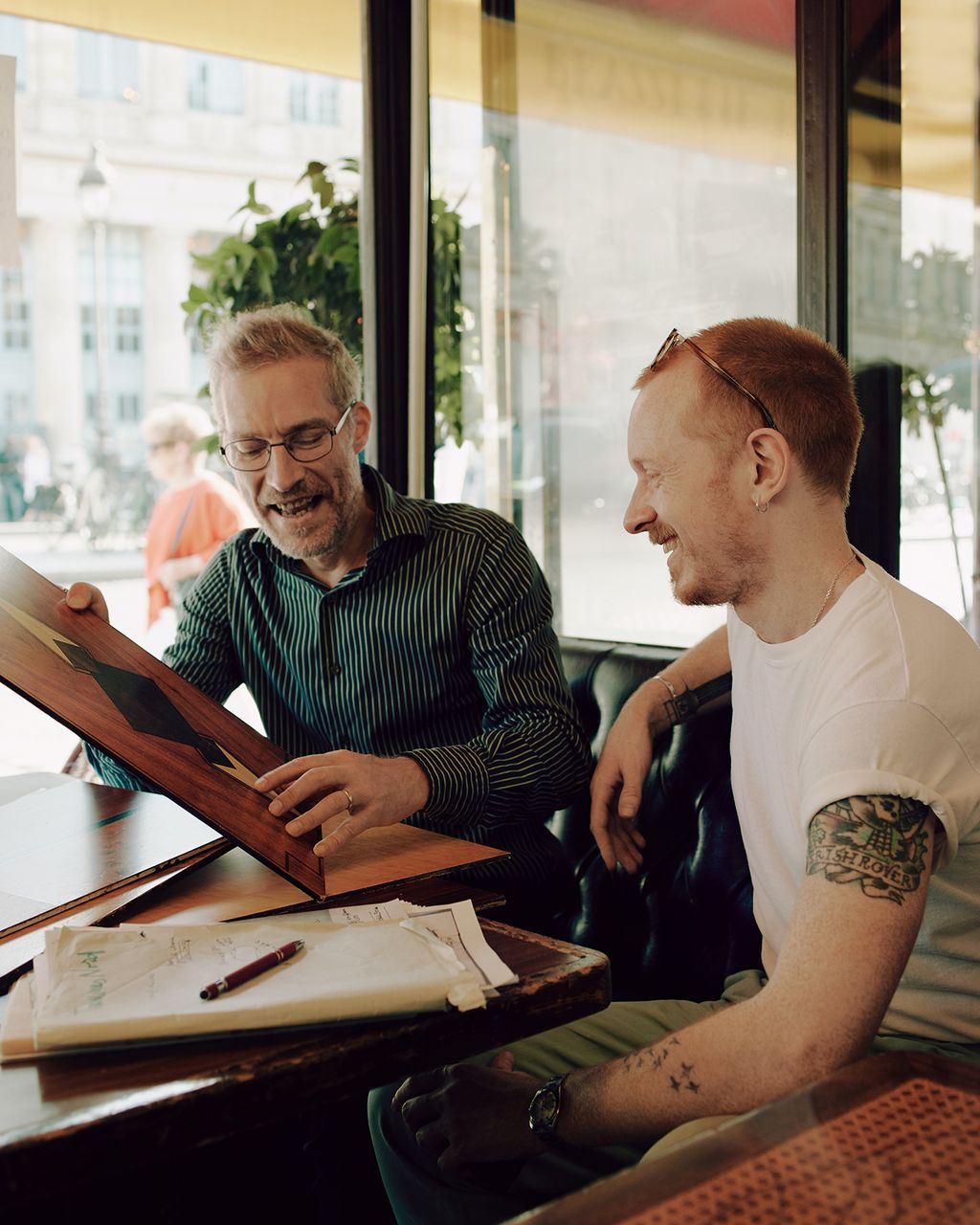
Walking to a woodworking workshop close to Terminus Nord with Jean-Pierre and De Rrusie.
 Michael Sinclair16/23


 Michael Sinclair17/23
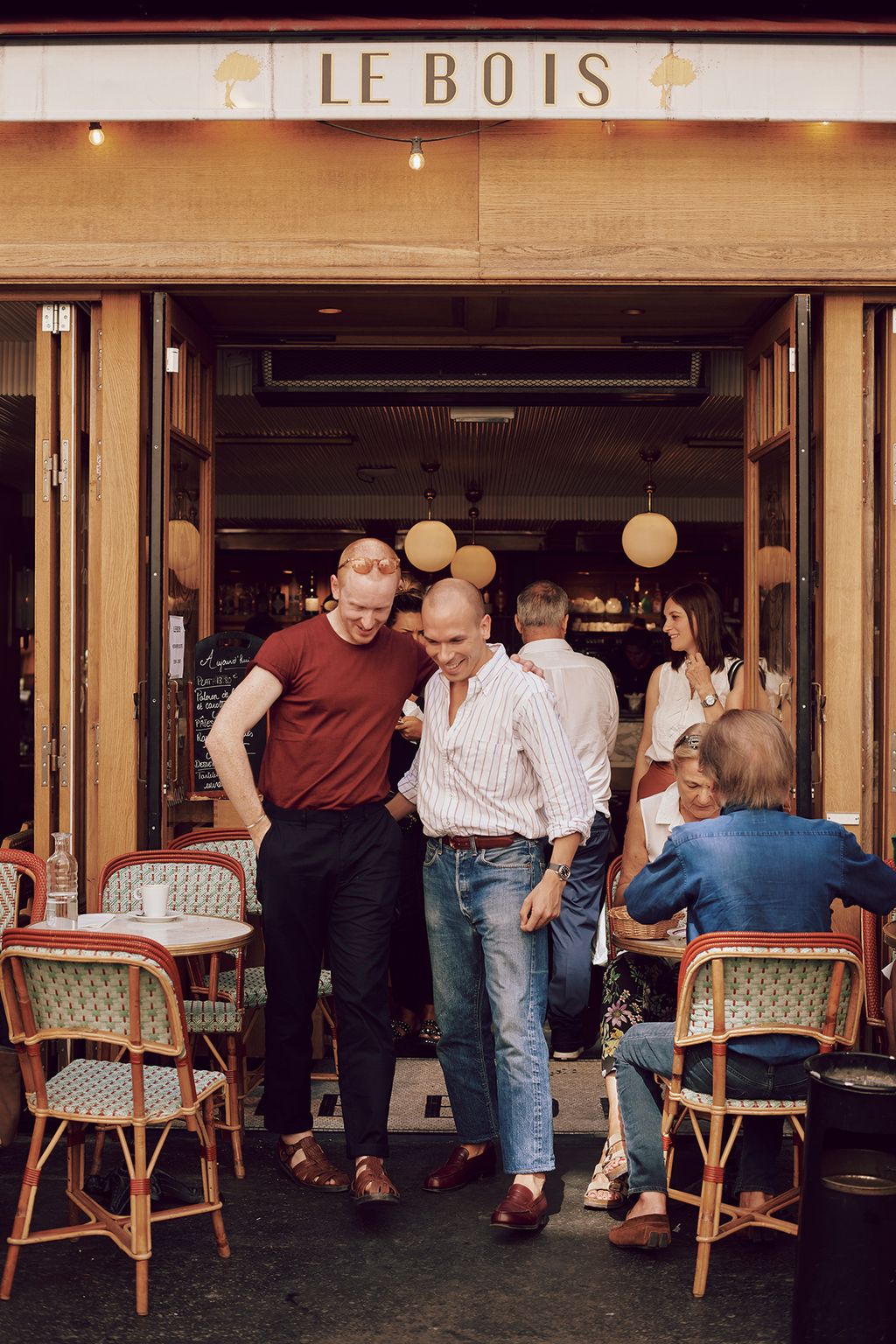
Lunch at Le Bois with Gauthier Borsarello, editor of the menswear magazine L’Etiquette.
 Michael Sinclair18/23
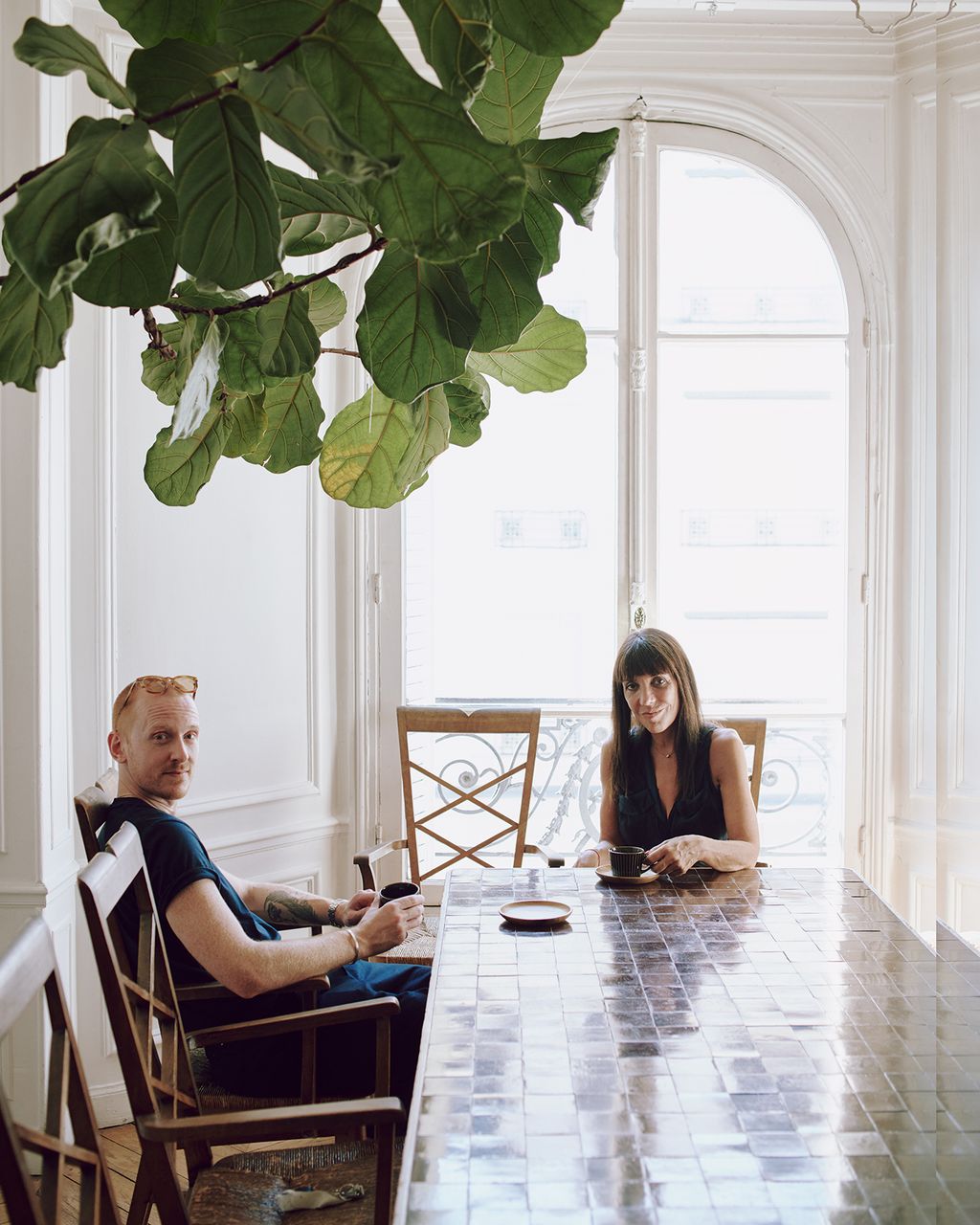
John with fellow designer Valérie Vais in her flat near the Gare du Nord, where he stays when he is working in Paris.
 Michael Sinclair19/23
John in the sitting room of his London flat, in which an 18th-century Italian altarpiece hangs beside a painting by De Rrusie, the art director of John’s company G.S.L.
 Michael Sinclair20/23
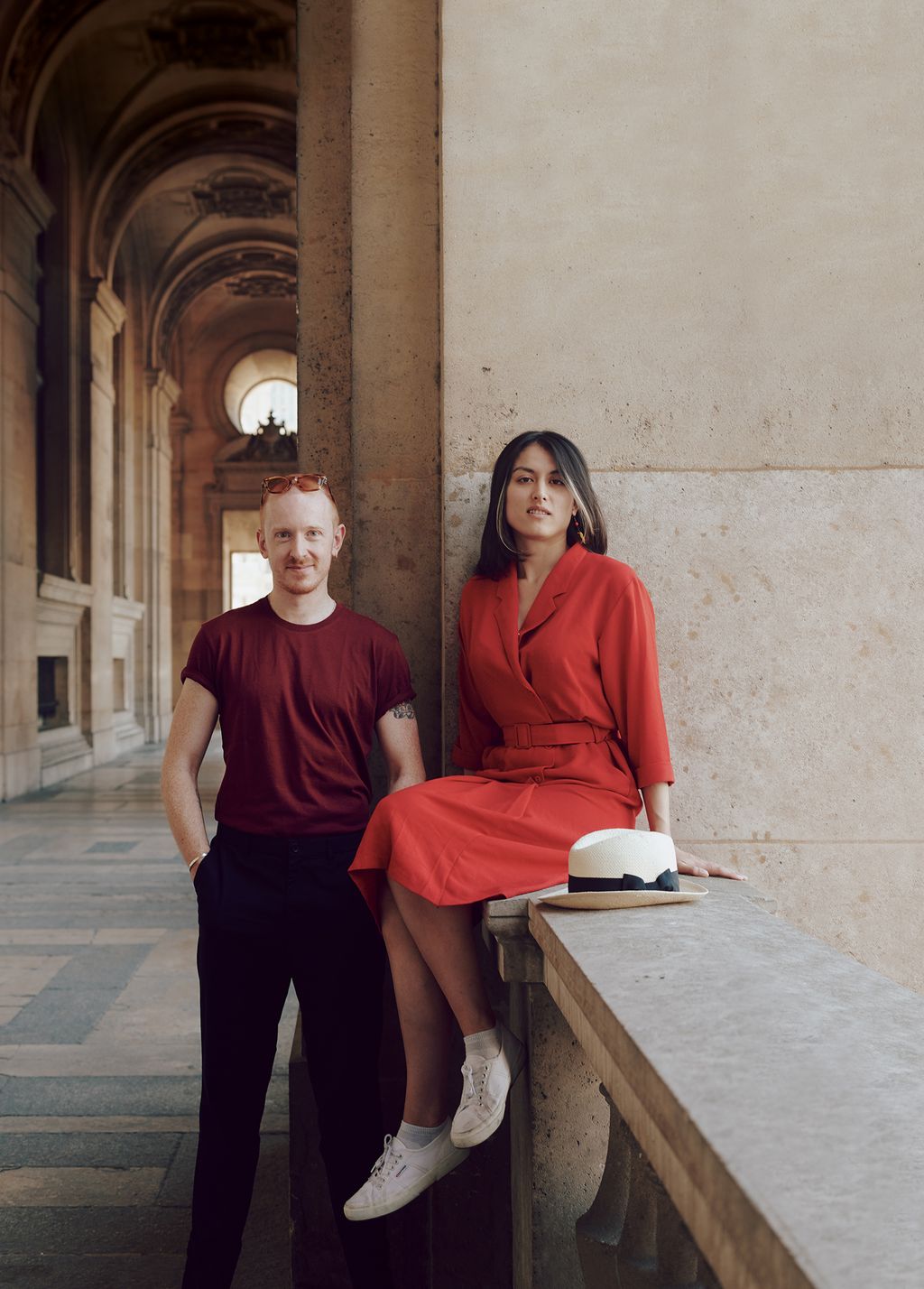
John and his girlfriend Leonora Chance, who works in PR in London, photographed near the Louvre.


 Michael Sinclair21/23
A wall of samples from the London Plaster Workshop –decorative artist Tess Newall added a painted patina to give them an aged look.
 Michael Sinclair22/23
Design books are piled high beside the sofa in the sitting room – he finds the writings of John Ruskin especially inspiring.
 Michael Sinclair23/23
John’s 1981 Bentley parked in the London square where he lives.


