
From the archive: Sophie Conran's Sussex manor house (2011)
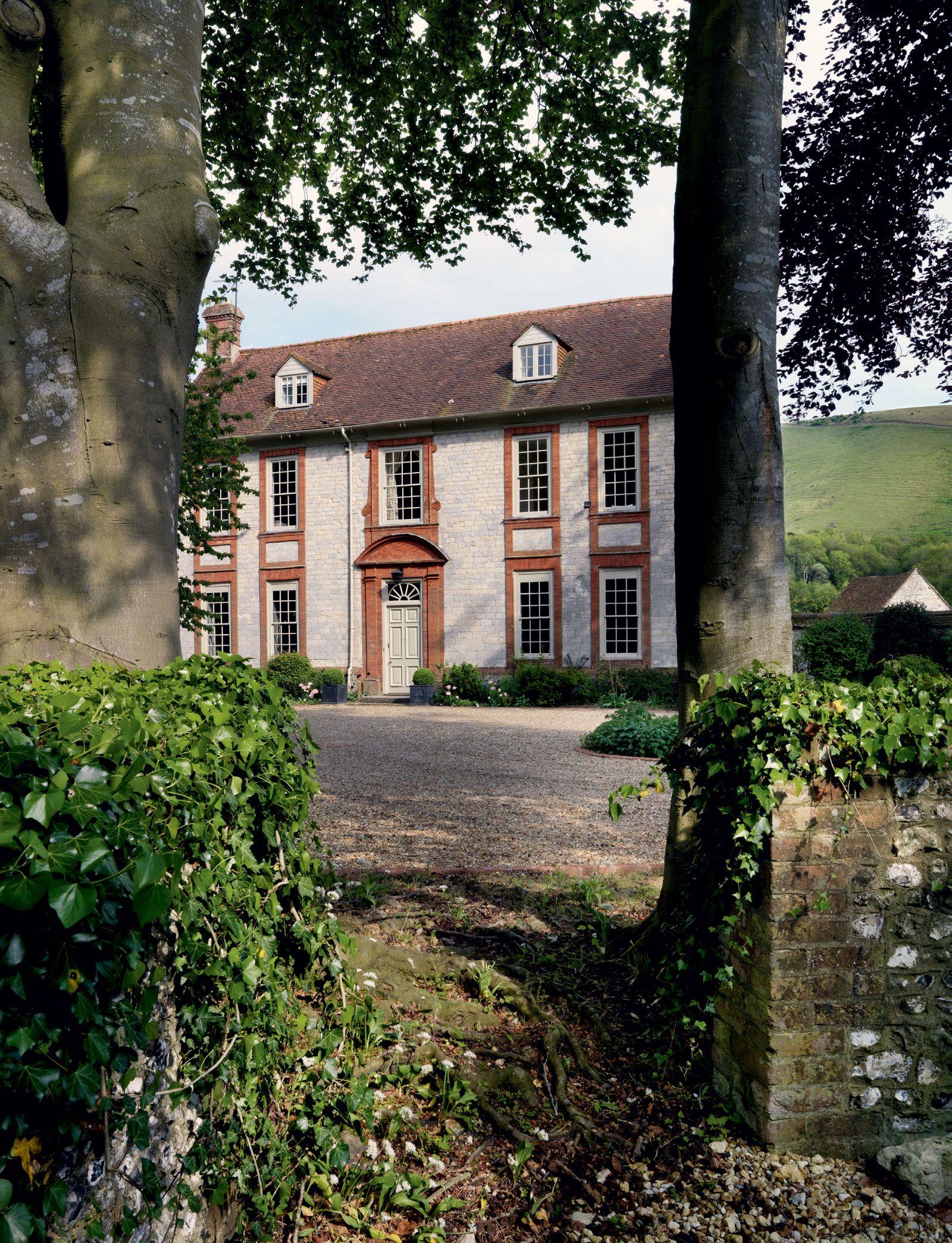
There are some families that seem to dominate a whole area of life and,just as the name Kennedy is inextricably linked with American politics, and Mitford with aristocratic dash, so Conran immediately conjures up the well-designed lifestyle. It's no great surprise, therefore, to find Sophie Conran's country house in West Sussex a microcosm of brightly burning fires, brimming vases and intriguing furnishings.
Sophie, the only daughter of Sir Terence, is herself now a celebrated name in the design world and, as well as the creative gene, has undoubtedly inherited the knack of creating a home we'd all love to live in.
Finding this particular home, however, wasn't easy. 'My two children are at school nearby and we'd been looking for ages,' she says. 'Finally, a friend rang up and said, "I've found just the place."'
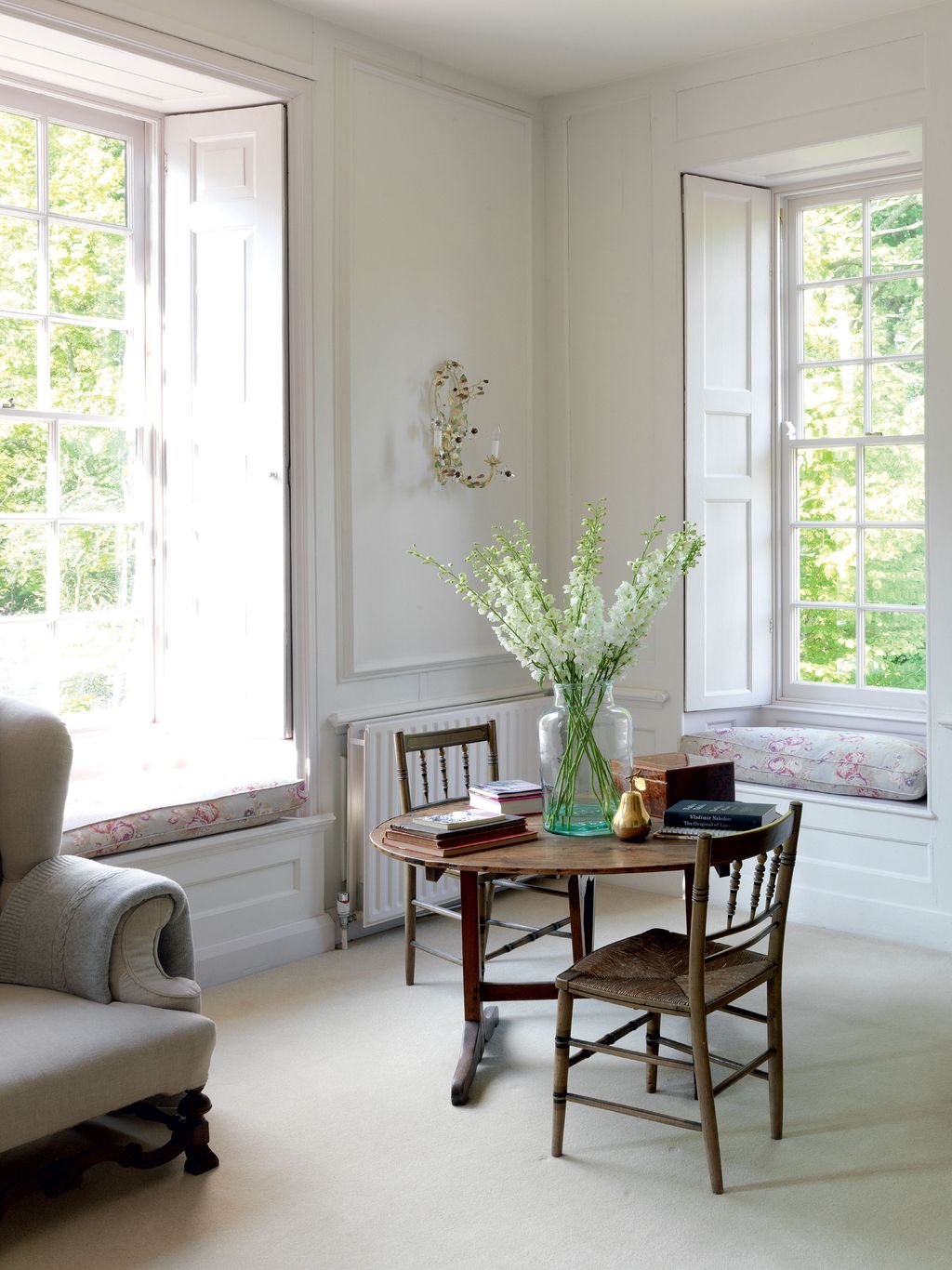
Sophie's requirements were precise. She wanted high ceilings, windows with shutters and a kitchen-warming Aga. When the tip-off led to a William and Mary manor house with all the essentials, she didn't hesitate.
The classically proportioned stone-and-brick house had been carefully renovated by its previous occupants and the tedious chores so often associated with a new acquisition, such as the plumbing and wiring, had already been addressed. All that was left to do was to kit it out in suitable style. 'The house has great lines, which dictated the decorating to some extent,' says Sophie.
Sophie's London flat in Bayswater has a modern, urban feel, so here, she was looking for something more appropriate to its country setting. 'I wanted it to be more romantic and relaxed,' she says. Her laid-back aesthetic stems from a rural childhood spent cheek by jowl with the Habitat studios. 'There were always people coming from Sweden or India,' she recalls, 'and a general excitement about design. It made me unafraid to make decisions.'
Certainly, in West Sussex there were plenty of decisions to be made. Apart from a grand piano and the odd chest of drawers, Sophie started out with little in the way of furnishing for the five-bedroom house with its expansive eighteenth-century entertaining space and beamed farmhouse kitchen.
Filling the rooms, however, was not the daunting task it might have been for others. A former antiques buyer for The Conran Shop, Sophie is completely at ease with period shopping. 'I had a fantastic time going round all the local antiques shops and markets,' she enthuses. Fortunately, too, as well as the neighbourhood resources, she was able to raid the well-stocked attics of her mother, cookery writer Caroline, and brother Jasper.
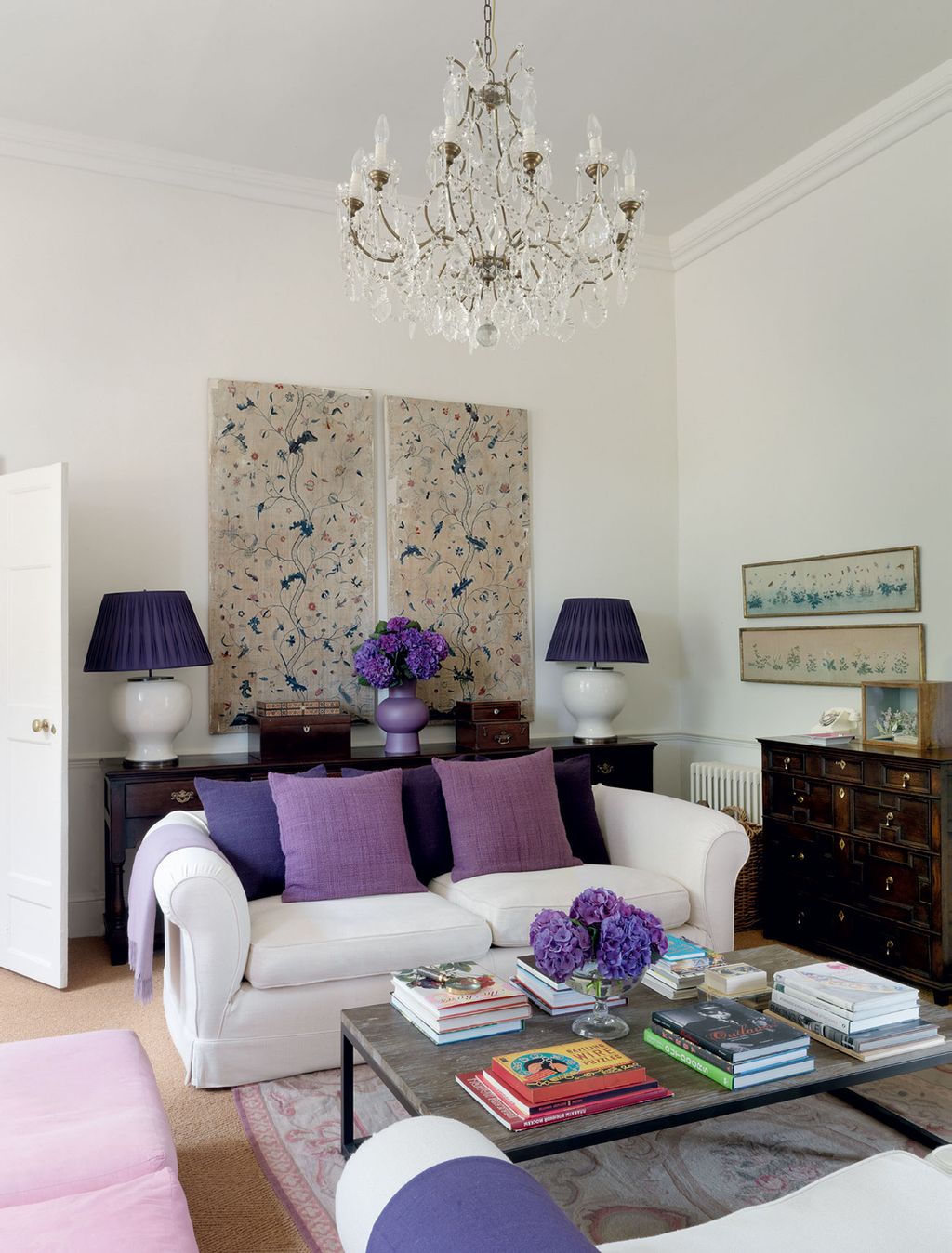
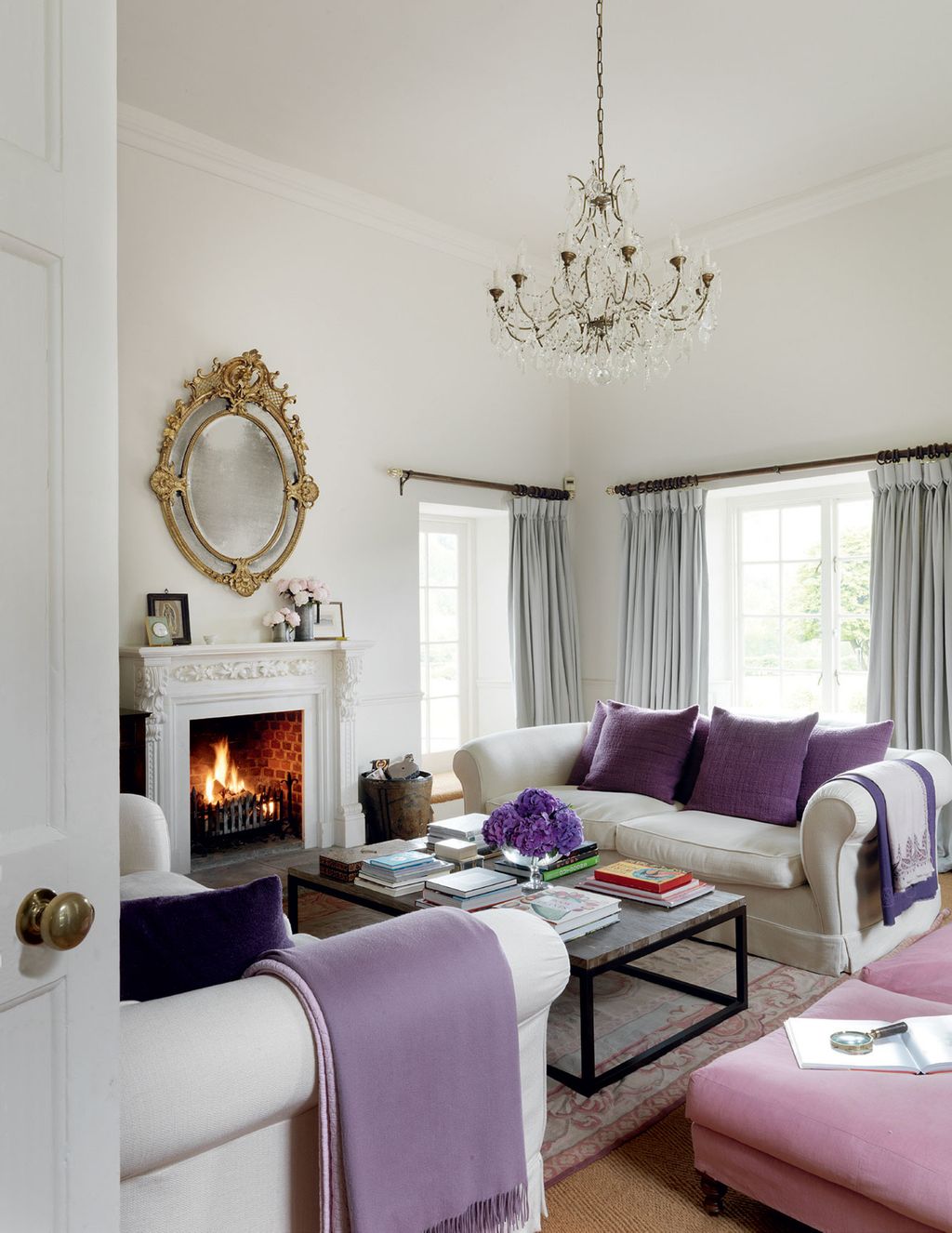
Sophie's personal style has always been 'mix and match' and her combination of old and new was ideally suited to a house whose history spans over four centuries. For Sophie, of course, the modern was as easy to tap into as the antique, and the large neoclassical drawing room is now defined by two large Terence Conran sofas.
'I have a similar pair in London, which were among the first things I ever bought- my father is a bit of a socialist, so we got the staff discount, but nothing for free,' says Sophie. 'They're wonderfully comfortable. You can use them as guest beds or push them together when you don't know what to do with small children. They think it's fantastic.'
Coming from a design dynasty has its advantages, of course, but it also means that your nearest and dearest tend to have 'views'. 'All my family have been down here and given their opinions,' says Sophie. 'Design is always a discussion point but, in the end, I decide whether I'm going to follow their advice or not. I'm secure in my own judgment.'
Her 'own judgment' has been refined by 20 or so years of professional development. After leaving school at 1 7, she started her career as an apprentice for couture milliner Stephen Jones and then became an interior designer. Later, she overhauled the Design Museum's shop and set up her own emporium, Wong SinghJones, in Notting Hill. In the Nineties, she moved to Australia, where she designed homeware for the successful fashion chain Country Road.
It is only relatively recently, however, that she has become a product designer with an international reputation. Since the launch of her awardwinning tableware for Portmeirion in 2006, she has been asked to design cutlery for Arthur Price, wallpaper for Arthouse, lighting for John Lewis and crystal for Royal Worcester.
Despite the acclaim, Sophie remains extraordinarily self-effacing. Her kitchen and dining room, not unnaturally for a cook and hostess of unusual flair, are central to her home, but even here her own design is well blended with the work of others. The kitchen table, a wedding present from her father - 'He wanted to give us a bench, but I said that's for dead people' - sits opposite a chopping board crafted by her teenage daughter, Coco; while, in the dining room, crystal by her brother Jasper nudges up to plates by William Yeoward.
Warm and humorous, Sophie is clearly less driven by having her name in lights than by the pleasure a well-designed home can bring. Her website features a quote from Dr Johnson, 'To be happy at home is the ultimate result of all ambition', and you sense she has had great fun realising her ambitions here.
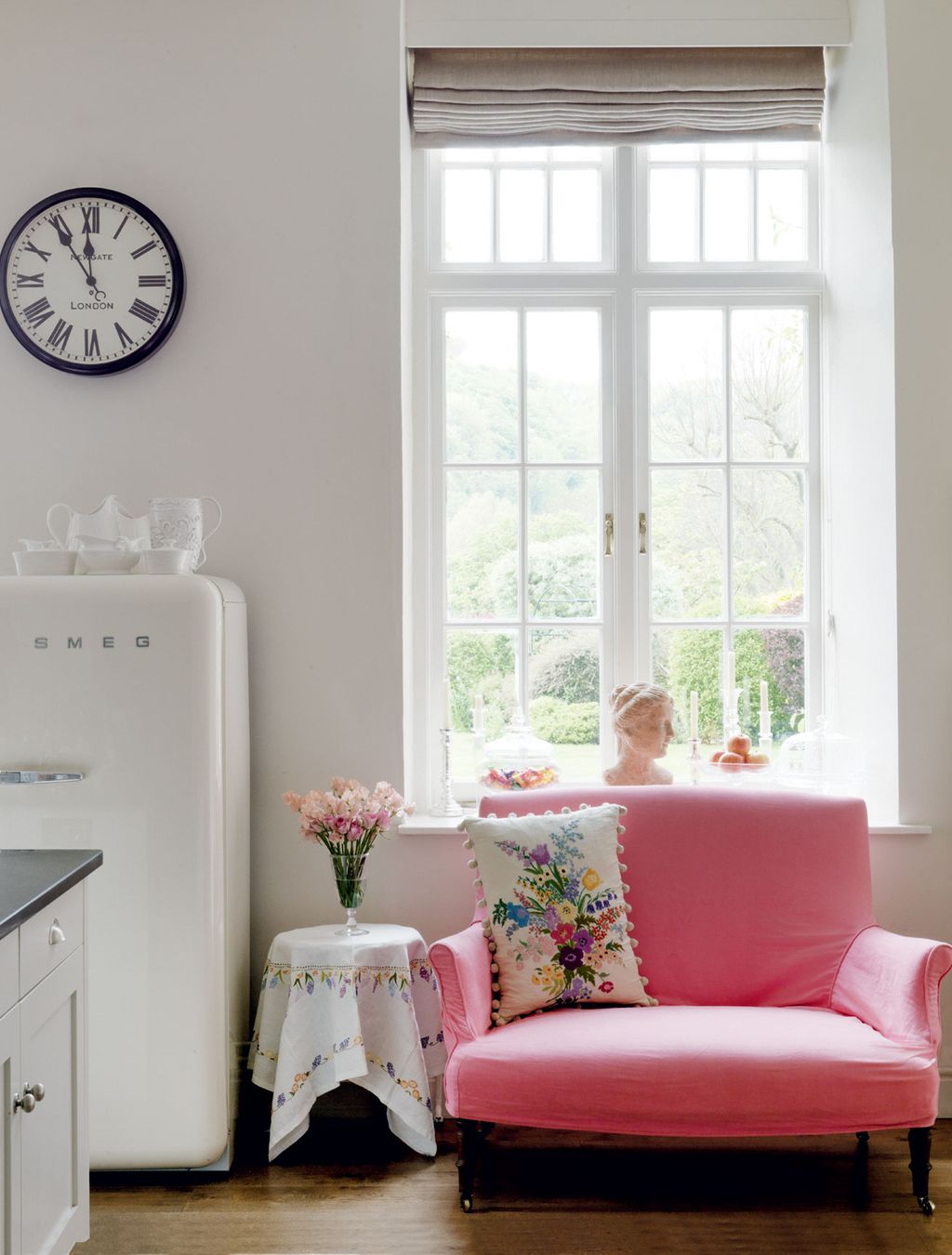
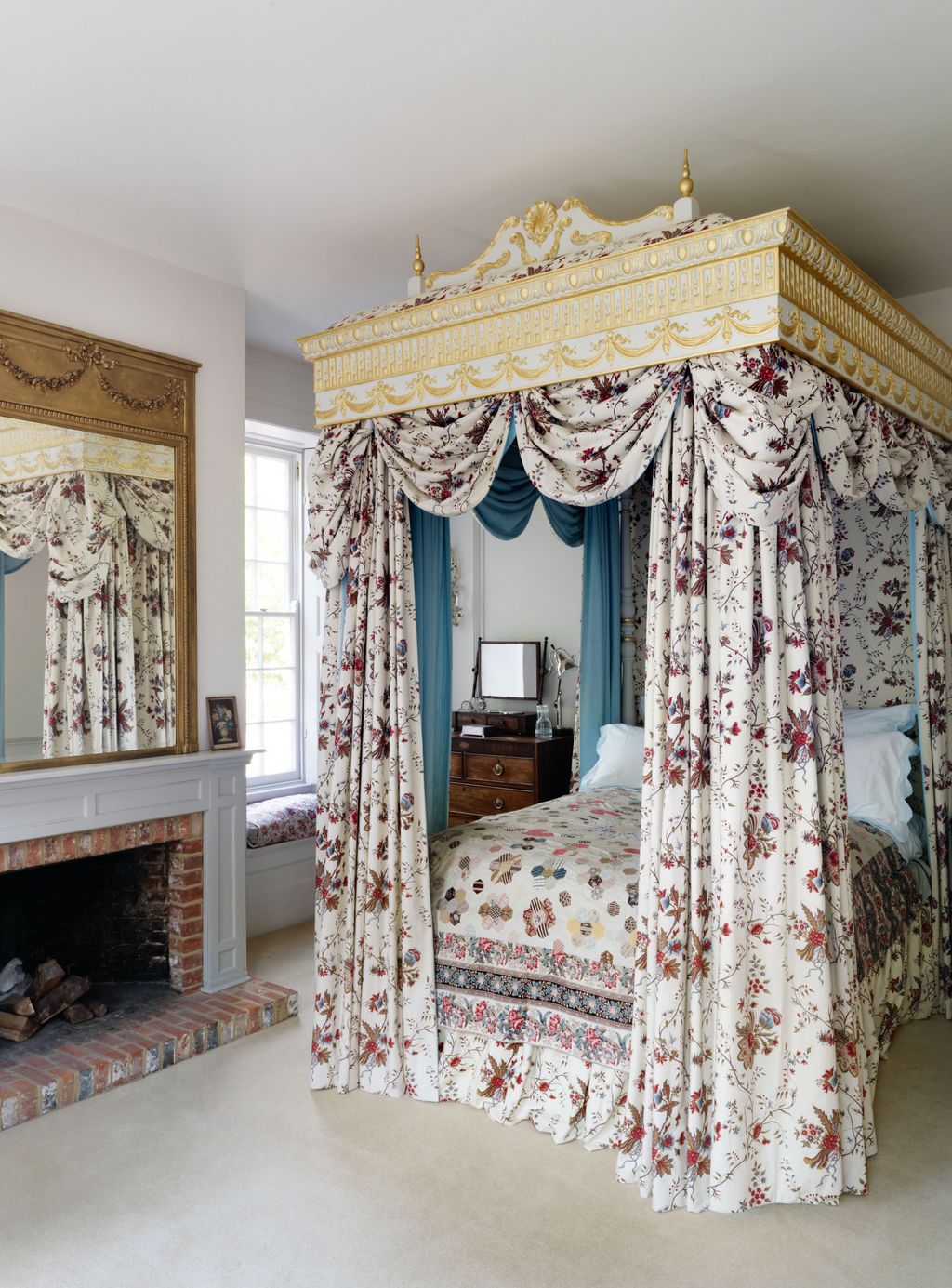
An imaginative playfulness is evident everywhere, from the central staircase, where two large, spherical chandeliers made of facet-cut glass throw rainbows round the three-floor well, to the theatrical, canopied bed, commissioned from a stage-designer friend; from the pop-art-style pink sofa in the easy-going sitting room to the manicured lawns, where fireworks are a frequent feature of summer nights.
Home is clearly where Sophie's heart is and, as a visitor, you leave this home behind you only with the greatest reluctance.
 Simon Brown1/16
Antique Portuguese sconces and French chairs flank the front door in the entrance hall.
 Simon Brown2/16
 Simon Brown3/16
For the drawing room, Sophie commissioned some pieces of furniture to be made in a period style, for example the sideboard and chest of drawers.
 Simon Brown4/16
Other pieces are modern, such as the Oka coffee table and the Terence Conran sofas.


 Simon Brown5/16
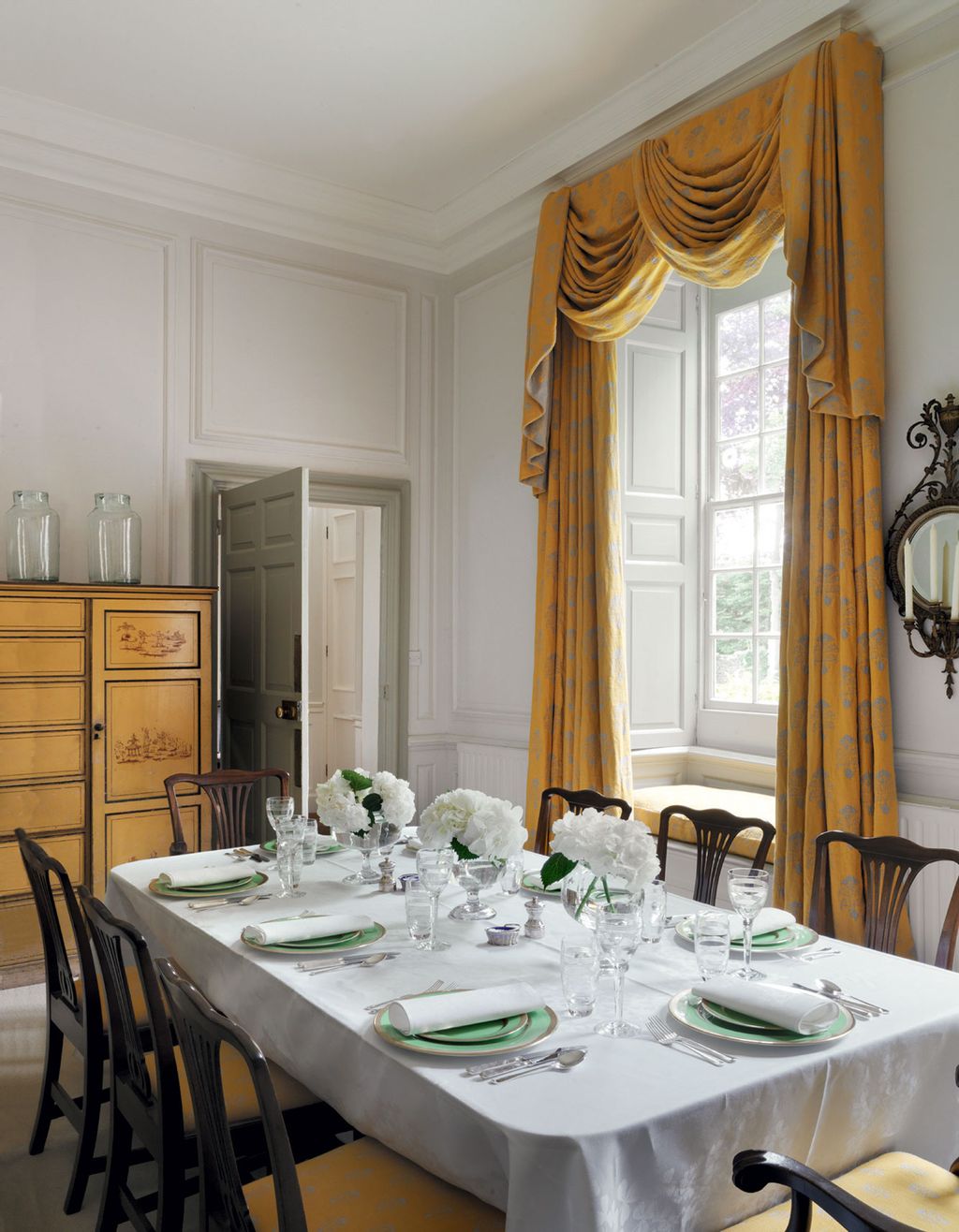
The dining room is painted in 'Elephant's Breath' by Farrow & Ball, and hung with curtains in a yellow and grey linen by Kathryn Ireland; the eighteenth-century cabinet came from John Bird Antiques in Petworth.
 Simon Brown6/16
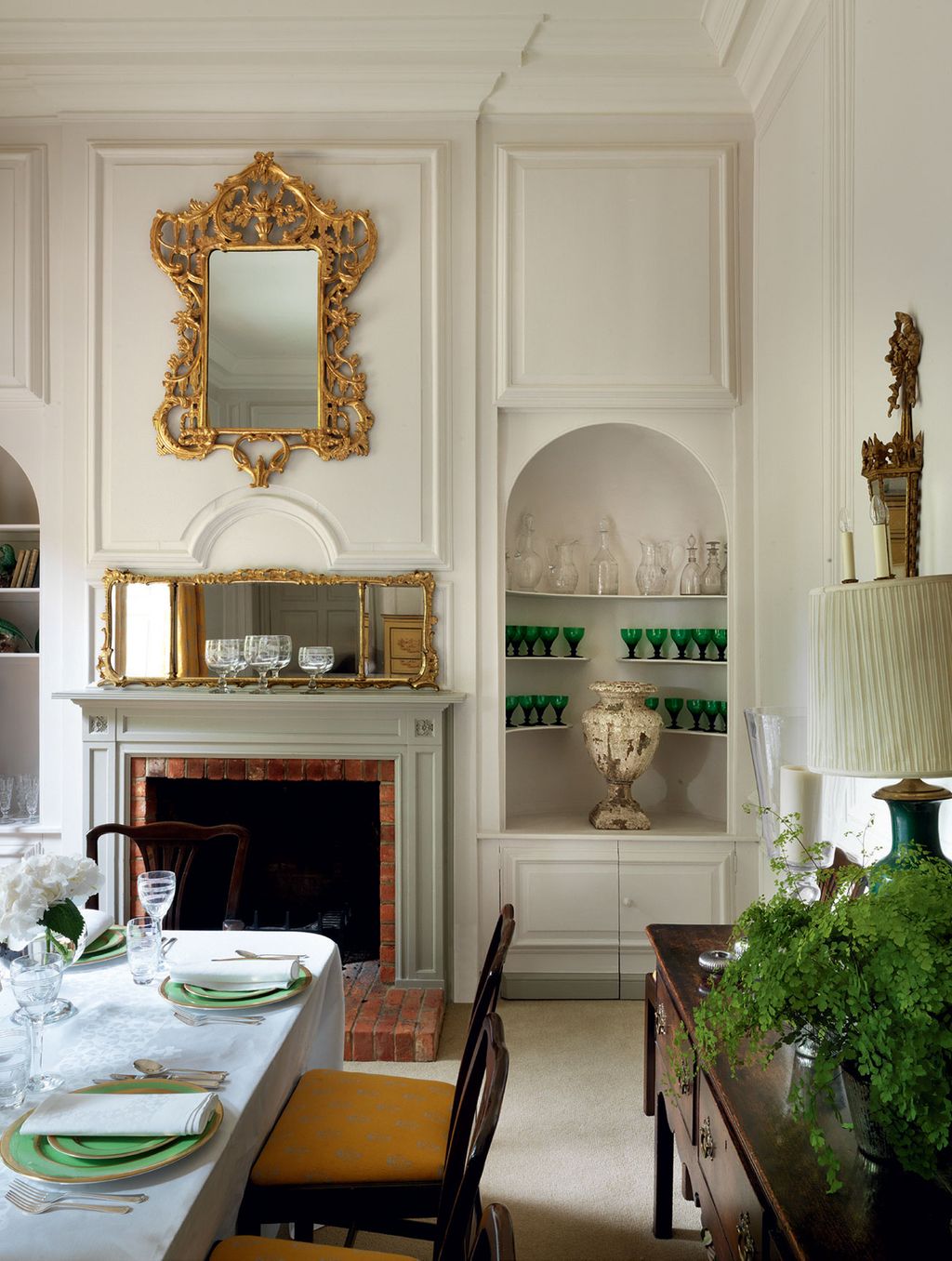
The green glasses on the shelves (bottom right) are by William Yeoward.
 Simon Brown7/16
The sitting room (top left) is part of the original sixteenth-century house; the stone floors are covered with a mix of antique and new rugs.
 Simon Brown8/16
The antique, green-painted chair flanking the arch in the kitchen was from Holly Park.


 Simon Brown9/16
The retro-style clock above the fridge is from John Lewis.
 Simon Brown10/16
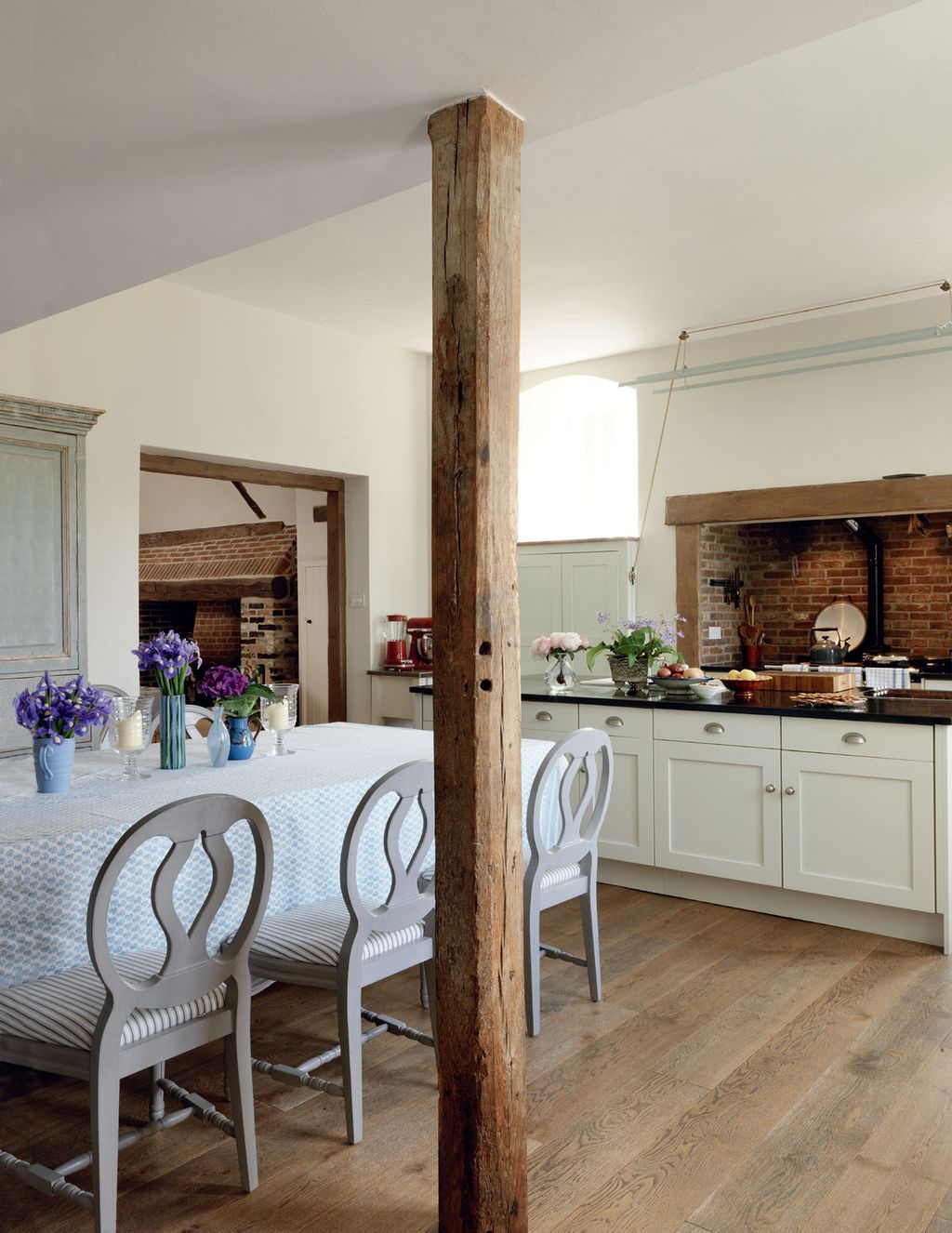
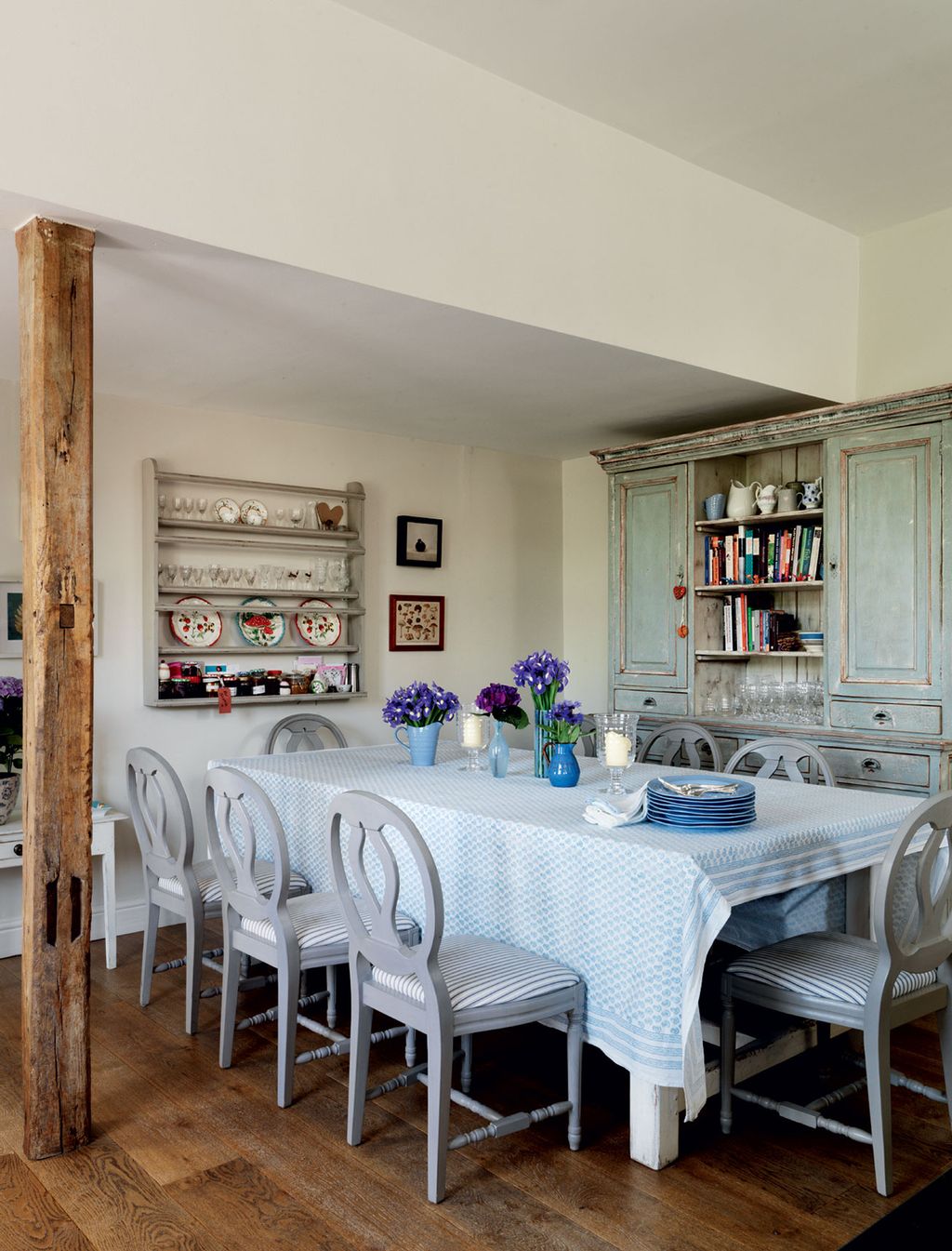
The large open-plan kitchen is perfect for entertaining.
 Simon Brown11/16
The kitchen table, a wedding present from Sophie's father, is surrounded by smart Oka chairs.
 Simon Brown12/16
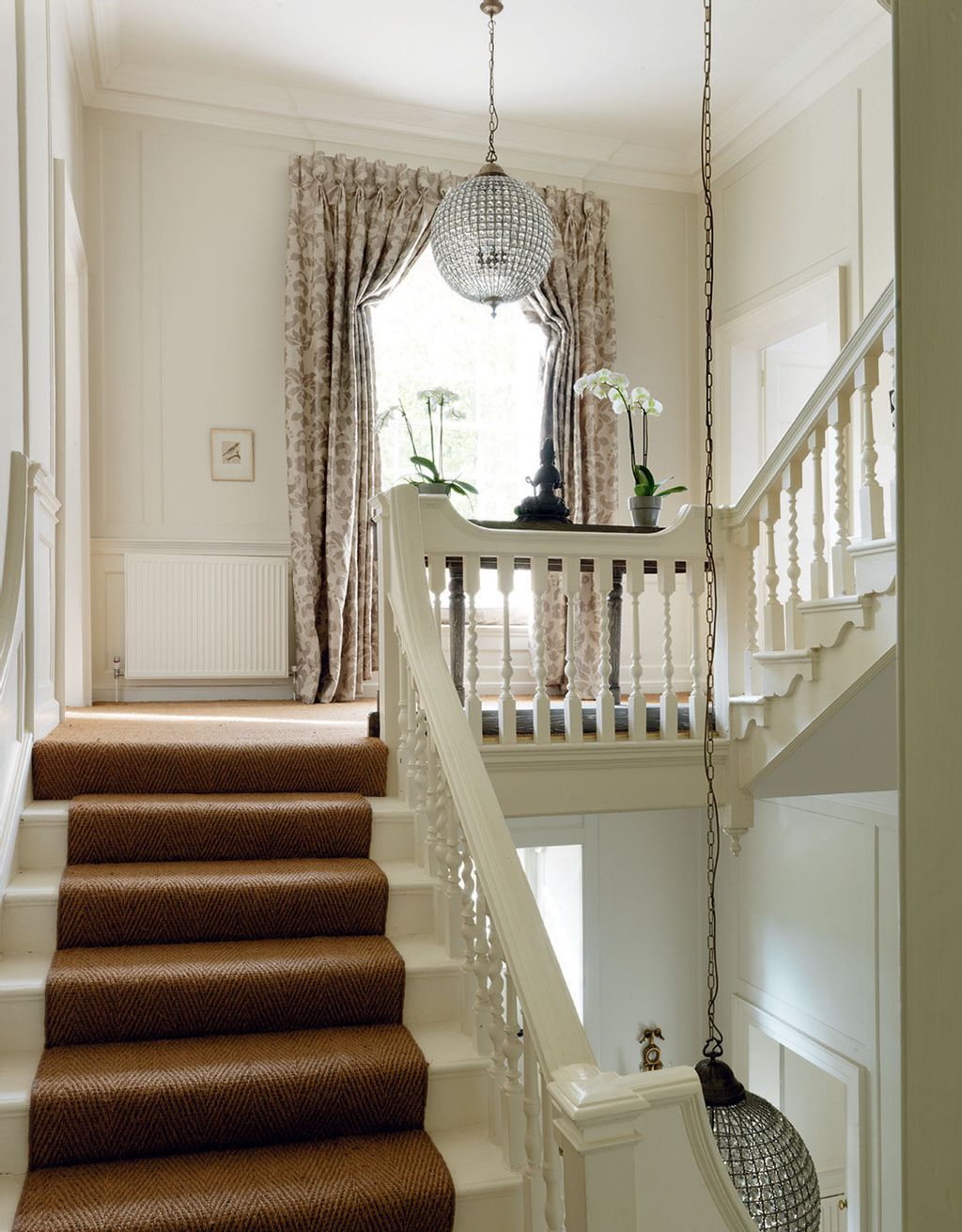
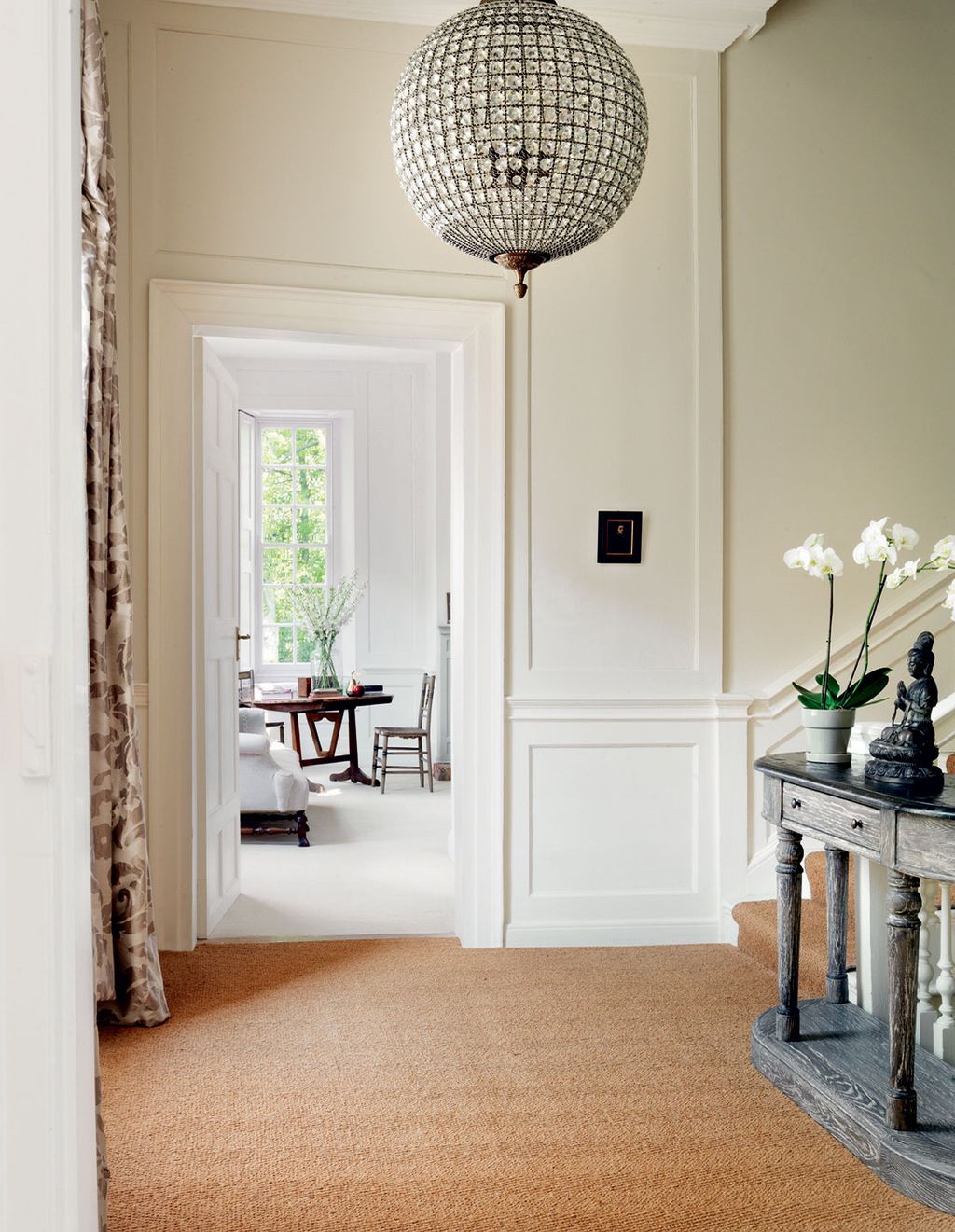
The globe chandeliers, bought at WBR in Fulham, help to define the three-floor stairwell, and 'cast wonderful rainbows when the sun shines'.


 Simon Brown13/16
The table on the landing (left) is from Holly Park in Haslemere
 Simon Brown14/16
 Simon Brown15/16
In the garden, the sixteenth-century dovecot is currently inhabited by two barn owls
 Simon Brown16/16
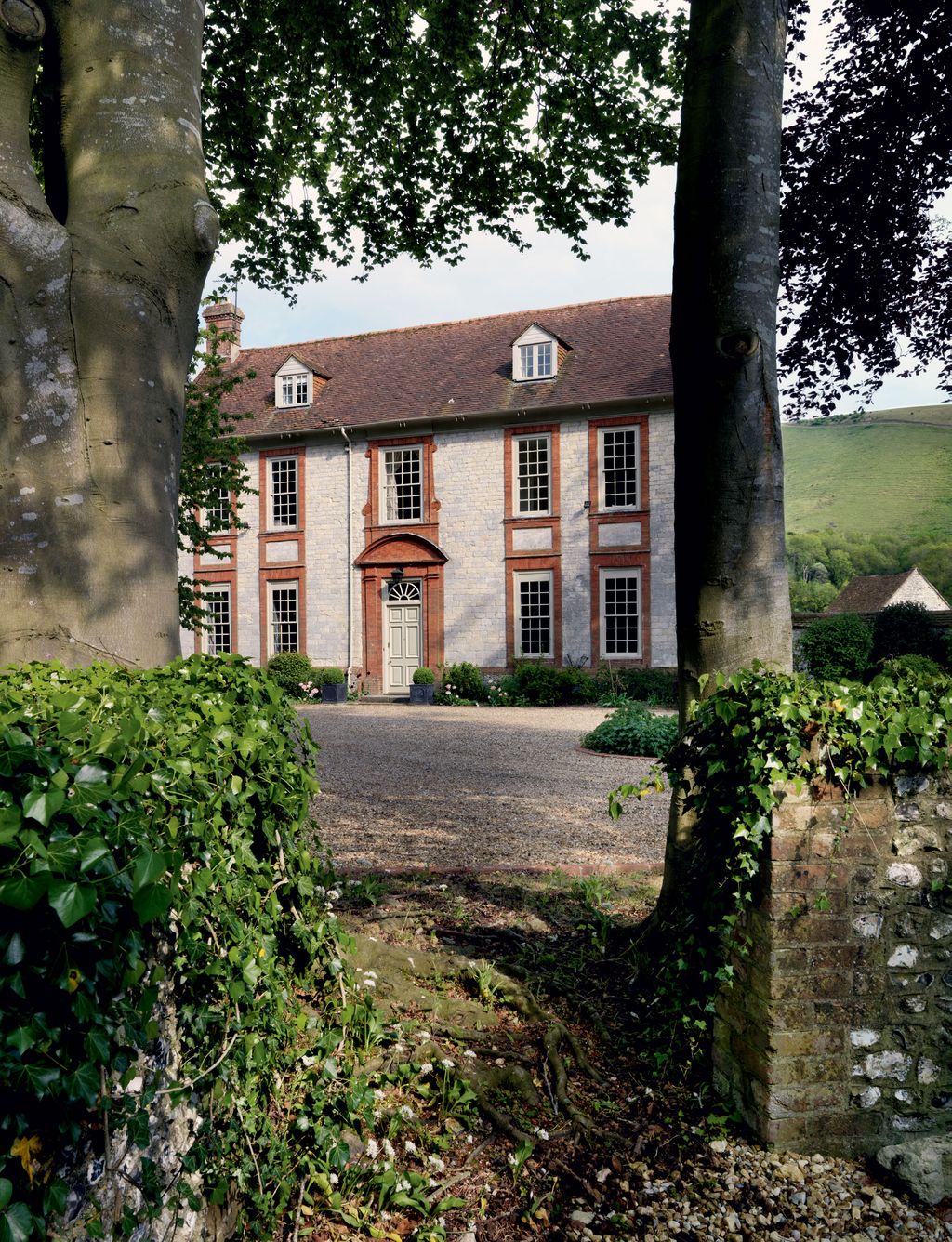
The house, which dates originally from the sixteenth century, has a stone façade added in the seventeenth century. The gardens lead on to the South Downs.


