
The homes of writer Umberto Pasti in Milan and Tangier bear witness to a life artfully lived

Writer, garden-maker, collector and aesthete, Umberto Pasti has a gift for turning dreams into reality. Twenty years ago, he went on a walk along the coast from Tangier, fell asleep under a fig tree and woke knowing he wanted to make a house and garden there on the hillside overlooking the ocean. Land ownership in rural Morocco is notoriously complicated and most people would have given up at the first hurdle, but Umberto persevered, getting to know the local community, trying to understand the people and their bureaucracy, negotiating, cajoling, and finally being granted permission to buy a slice of land. Today, the modest stone house and enchanting hillside garden at Rohuna is his spiritual home, although he also has a larger house in Tangier. ‘I divide my time between Milan and Morocco. I love Tangier, where I can be sociable, but this is where I can truly be myself,’ he says.
Umberto and his partner Stephan Janson, a French-born fashion designer and couturier, fell in love with Morocco more than 30 years ago. ‘We went to a party in Marrakech and there were lots of chichi people there who kept saying, “Darling, we’re going south” – so we went north,’ remembers Umberto. ‘We drove through the mountains towards Tangier and came across fields of irises as dramatic as an El Greco painting. It was raining and there was the most beautiful double rainbow.’
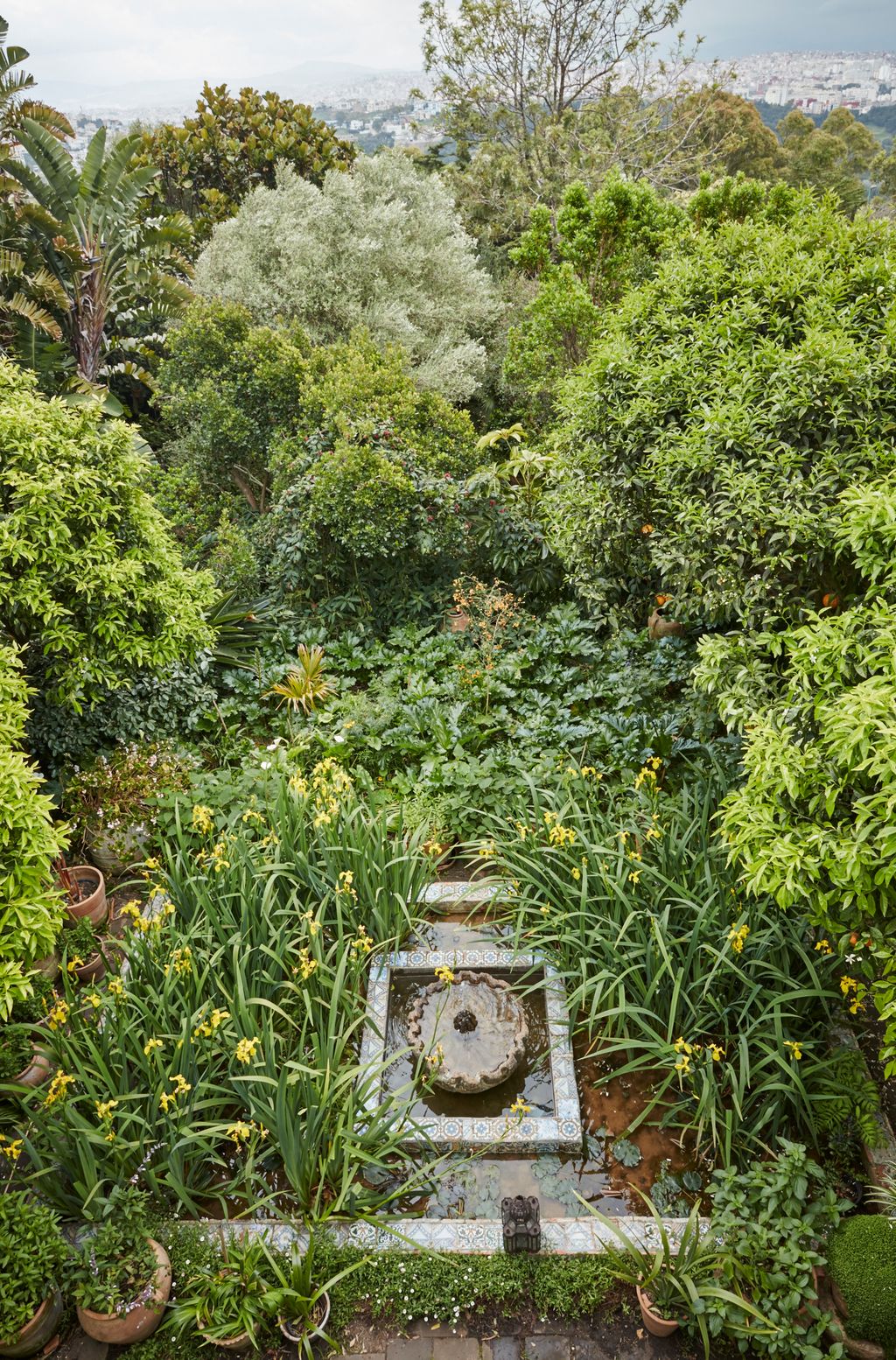
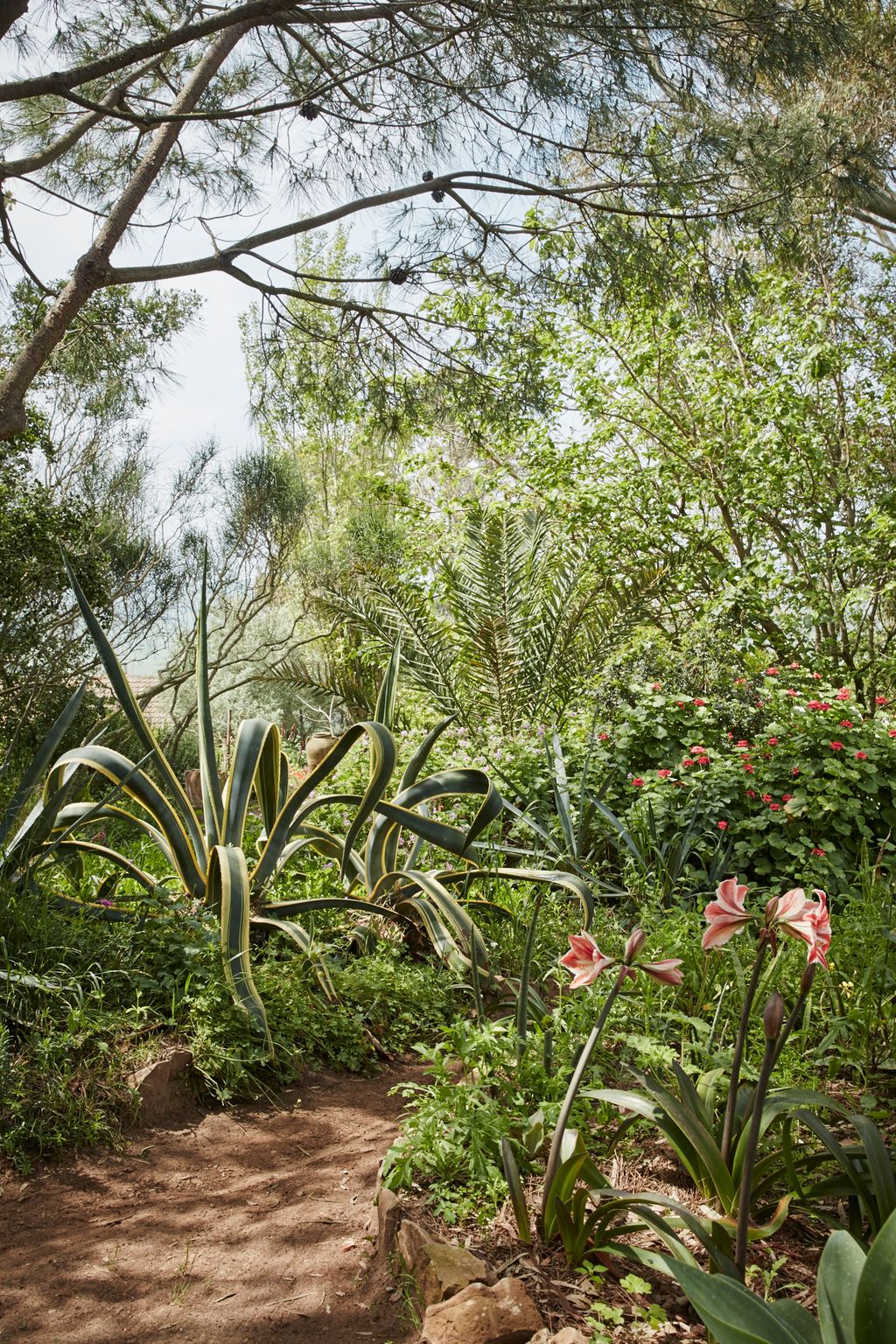
The gods were clearly pointing them towards Tangier, which in those days was like a ‘big village’, so they bought a house with some land not far from the city centre and Umberto began to make a garden there. ‘Once I start something, I have to immerse myself in it, so I read book after book and started gardening myself. Friends came and loved my garden, and then asked me to make gardens for them too.’ He now designs gardens in Morocco, Italy and France, as well as working on the constantly evolving garden at Rohuna (which appeared in the January 2018 issue of House & Garden).
He visits Morocco four times a year and spends as much time as he can at Rohuna, passionate about seeing it change from season to season. He is particularly interested in saving indigenous plants, and has rescued thousands of iris bulbs from building sites around Tangier to replant in his garden. But although Rohuna is a personal paradise, it is certainly not a solitary endeavour. From the beginning, Umberto has involved the whole village community in his project, employing gardeners and builders, and opening the garden up to what he now sees as his family. He helped build a road and has brought water into the village with a borehole and reservoir, so that the women no longer have to walk several miles to fetch water. ‘The garden is as much about the people as it is e about the plants,’ he says. ‘I wanted to give the villagers a sense of the beauty of the place and what it could be; to give them something to be proud of, to preserve. The life of the village is more important to me than anything else.’
What becomes obvious as you get to know Umberto is that as much as he collects plants for his gardens – or objects for his homes – he also collects people. Generous and big-hearted, he sees the best in everyone and has a talent for sniffing out creative genius. ‘If there is a mad or eccentric person within striking distance, they will come to Umberto with open arms,’ says Stephan. One of his most talented protégés is 26-year-old Najim Imran, who makes beautiful lacquered wooden furniture. His work is sold through the website Now on the Ocean.
Having grown up in the village of Rohuna, Najim had no formal education and was destined to become a shepherd like most of his peers. Umberto sent him off to Tangier to learn carpentry, and now his rustic furniture is being shipped all over Europe. Umberto’s cook, Sufian, makes wirework sculptures, while other villagers create toys and ornaments from wood, clay and straw. ‘Encouraging other people’s talents is one of the most important things in life,’ says Umberto, whose latest venture involves the women of the village. ‘Girls have few opportunities, particularly in rural Morocco, so I persuaded the grandmothers in the village to teach the girls how to make wooden dolls and straw animals.’ The dolls have since been exhibited in Tangier, London, Madrid and Milan and, as a result, Umberto has been able to provide money to help send the girls to school.
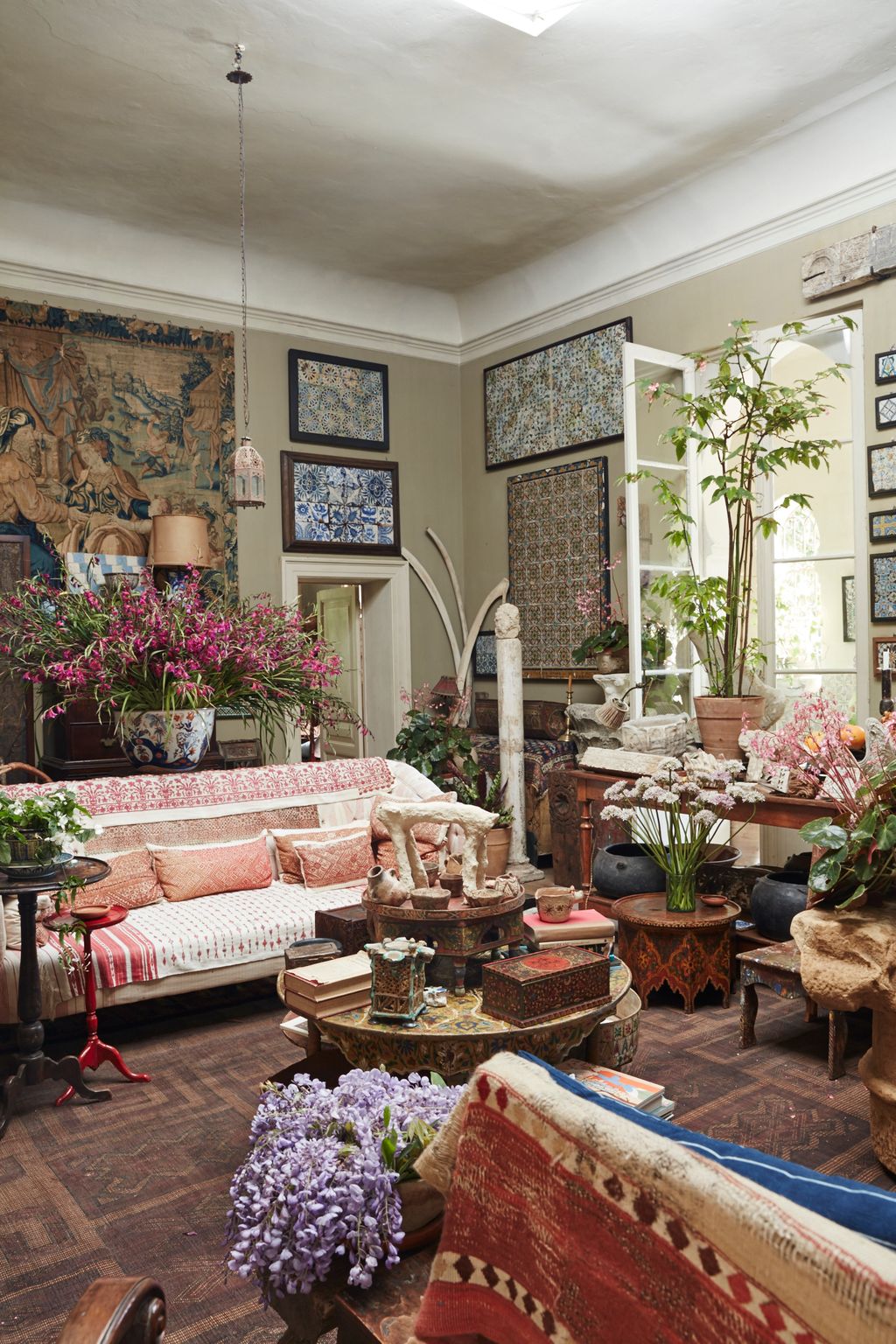
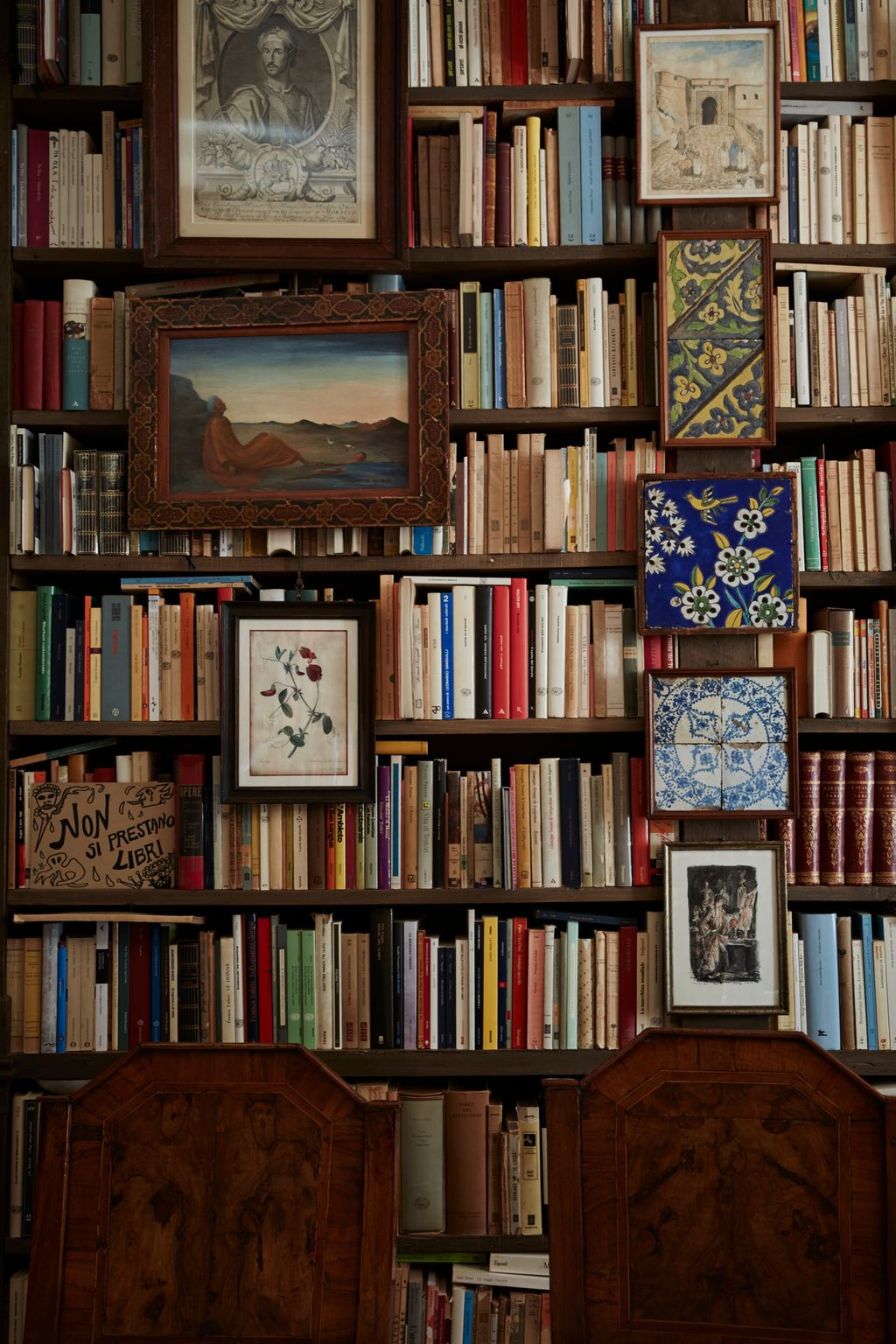
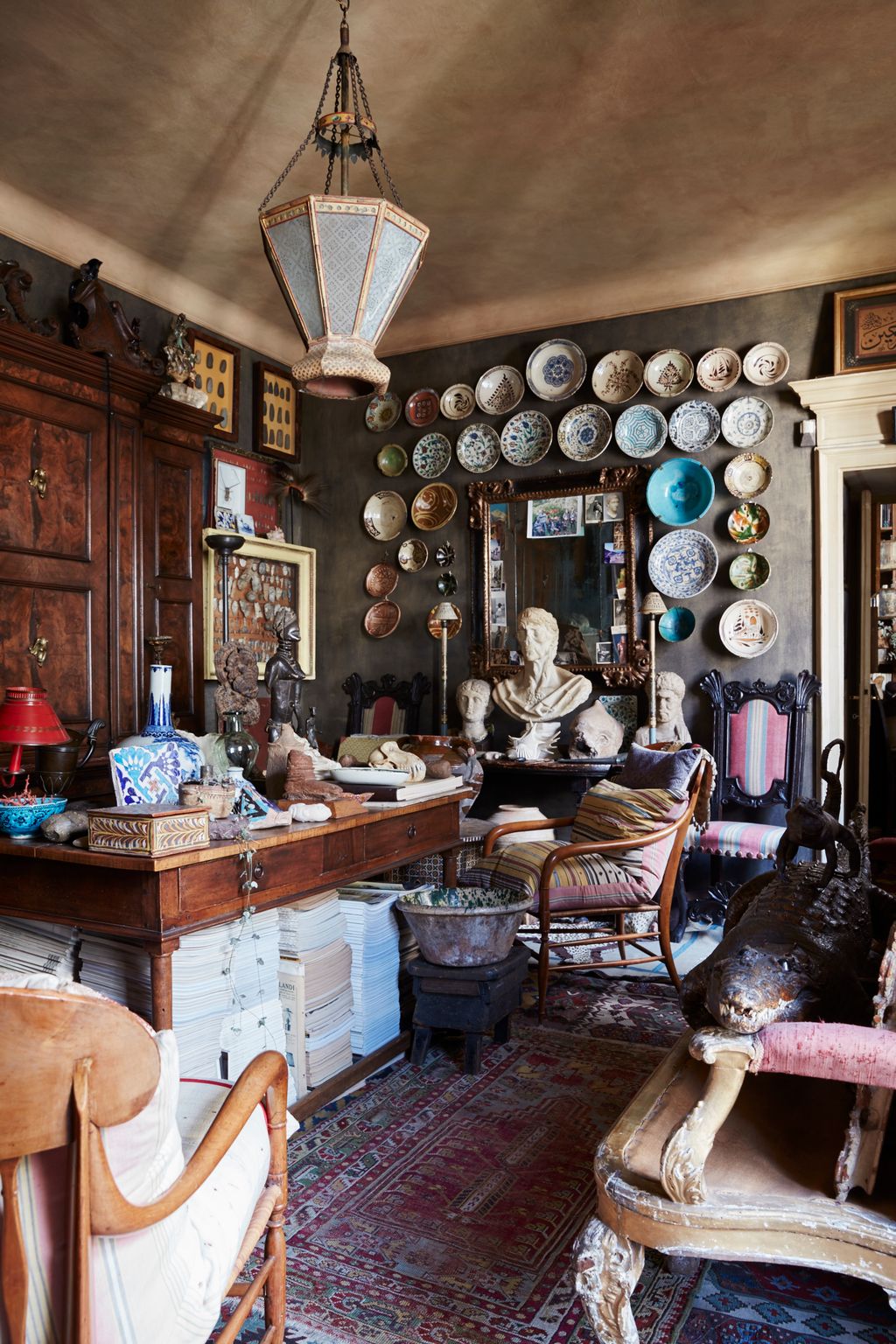
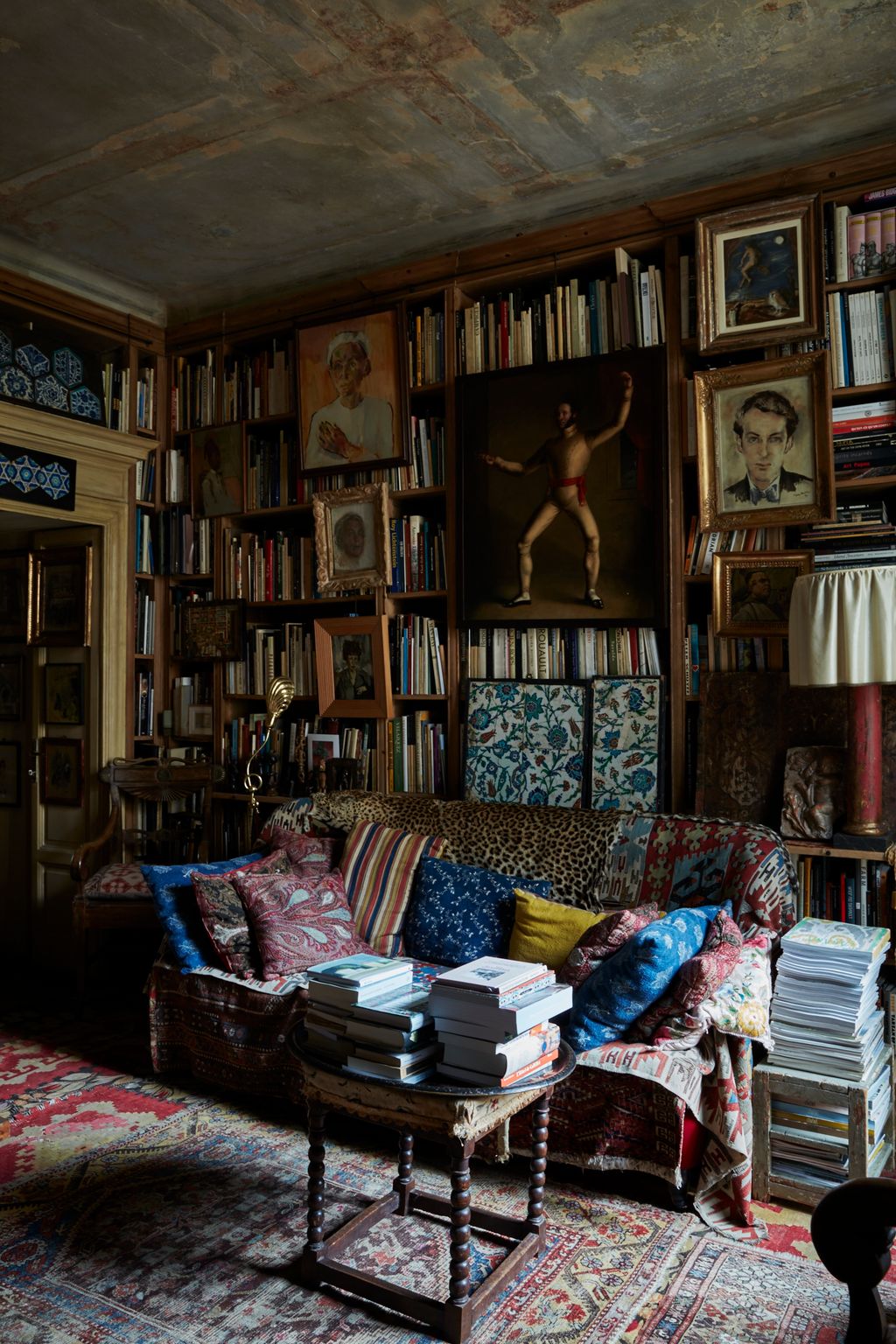
The toys have also found their way into Umberto’s eclectic displays of artefacts. His three homes – an apartment in Milan and his houses in Morocco – are filled with intriguing objects: Neolithic pottery fragments, Islamic tiles, antique textiles, Berber pots, Moroccan furniture and much more besides, making each room a cabinet of e curiosities. ‘I’ve always been a collector,’ says Umberto, whose collections are formed mainly of what he refers to as ‘neglected things’. ‘I want to preserve these unloved fragments for future generations. ‘I like to put the things I love together – a Greek sculpture next to an English sofa, next to a Moroccan table, next to whatever. It works because you love those things, and you love them because they have a beautiful shape or interesting story.’
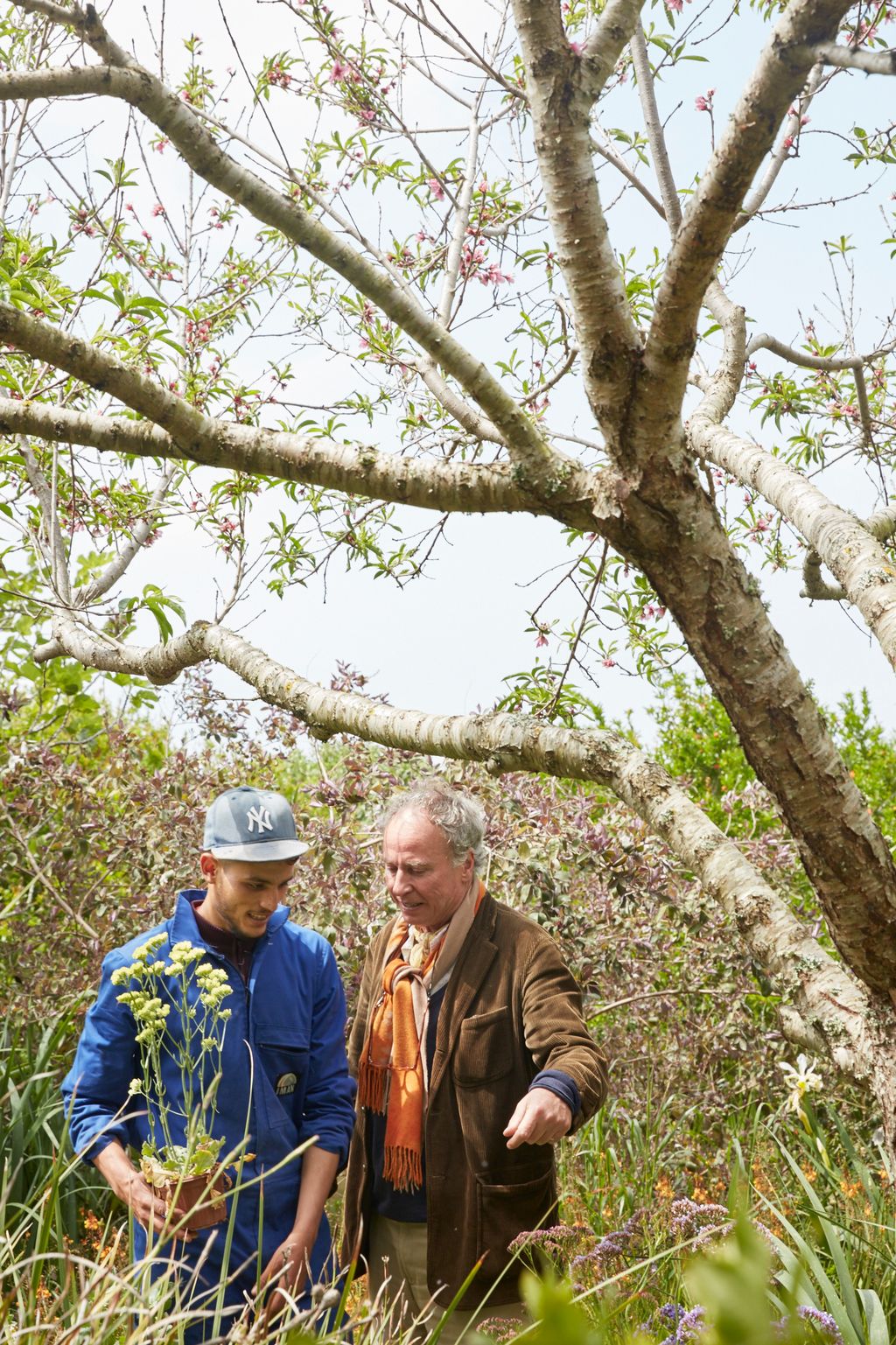
When he is not strolling around the garden at Rohuna with Belgian botanist Bernard Dogimont, who is helping him build up his plant collections, or tracking down a piece of antique furniture at an auction, Umberto writes. ‘The two things I love best in the world are writing and making gardens. They are two different aspects of craftsmanship, but both require you to be very humble in the face of something enormous – nature in one case, and imagination in the other.’ He writes in Milan, because it is quieter than Tangier: ‘When I go to Milan, I write and I rest. I like to wake up and start writing early, when my mind is more alive.’ In the afternoons he might go for a walk, visit his local bookshop or have lunch with his longtime friend and book editor Davide Tortorella, with whom he has worked on each of his book projects.
His latest book, set to be published this autumn, is a memoir of Rohuna, telling the story of the creation of his house and garden, with exquisite photographs by Ngoc Minh Ngo. ‘It’s a book about the strange relationship between destiny and man and place,’ says Umberto. ‘I think it’s the first time I’ve felt really proud of something I’ve written. It’s a book for Rohuna.’
The Spirit of Eden, A Garden in Northern Morocco by Umberto Pasti (Rizzoli, $50) will be published in October
MAY WE SUGGEST: Take a walk in Italian writer Umberto Pasti's Moroccan hillside garden
 Ngoc Minh Ngo1/49
 Ngoc Minh Ngo2/49
 Ngoc Minh Ngo3/49
Umberto’s sitting rooms in Tangier, treasures on display include Moroccan tiles, a Flemish tapestry and a Turkish kilim.
 Ngoc Minh Ngo4/49


 Ngoc Minh Ngo5/49
 Ngoc Minh Ngo6/49
 Ngoc Minh Ngo7/49
 Ngoc Minh Ngo8/49


 Ngoc Minh Ngo9/49
 Ngoc Minh Ngo10/49
 Ngoc Minh Ngo11/49
Cinerarias and ferns in the loggia.
 Ngoc Minh Ngo12/49


 Ngoc Minh Ngo13/49
 Ngoc Minh Ngo14/49
 Ngoc Minh Ngo15/49
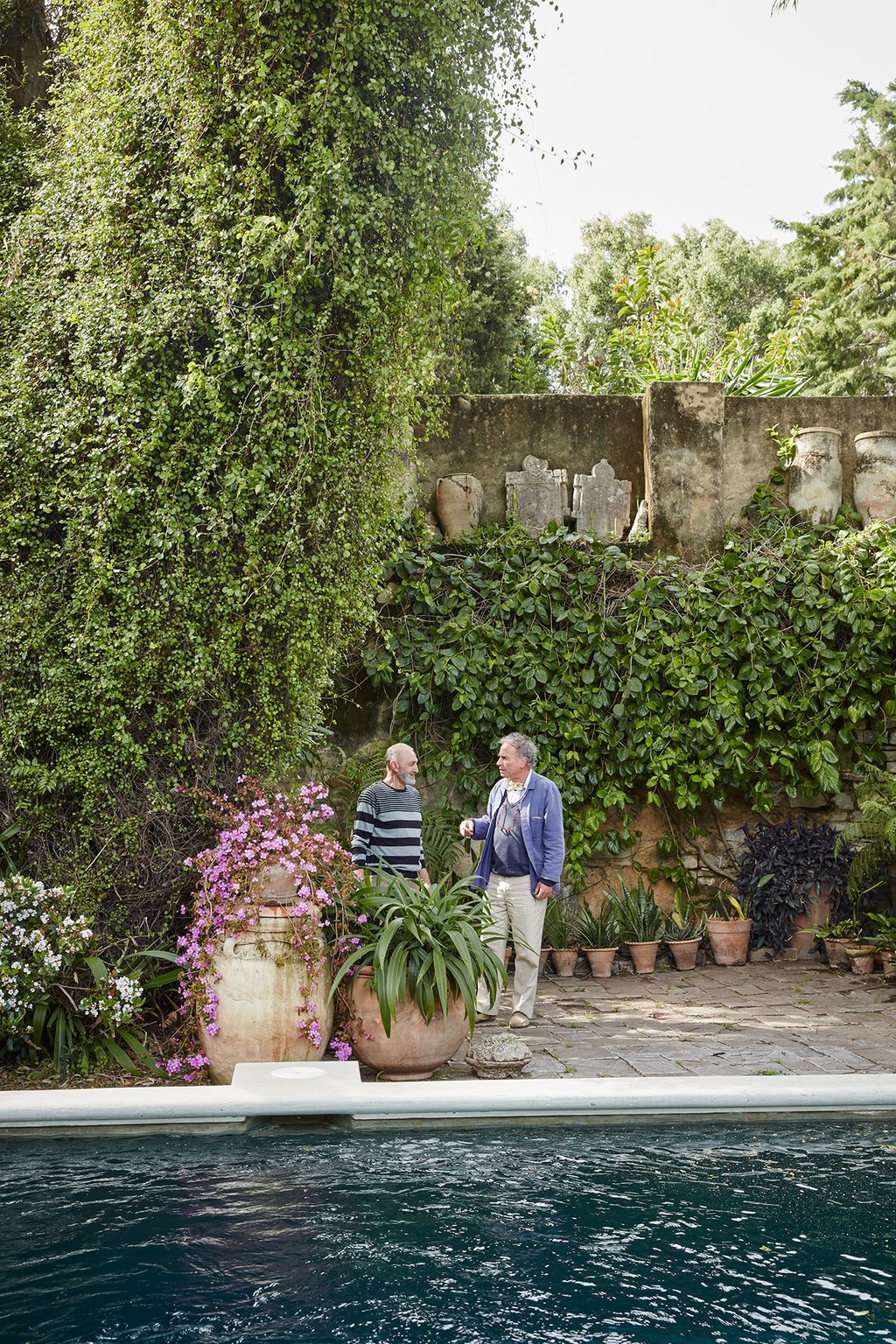
Umberto with Mohammed, the head gardener at his Tangier house.
 Ngoc Minh Ngo16/49
Umberto surrounded by a sea of wild gladioli on the hillside at Rohuna, with a view of the Atlantic Ocean in the distance.


 Ngoc Minh Ngo17/49
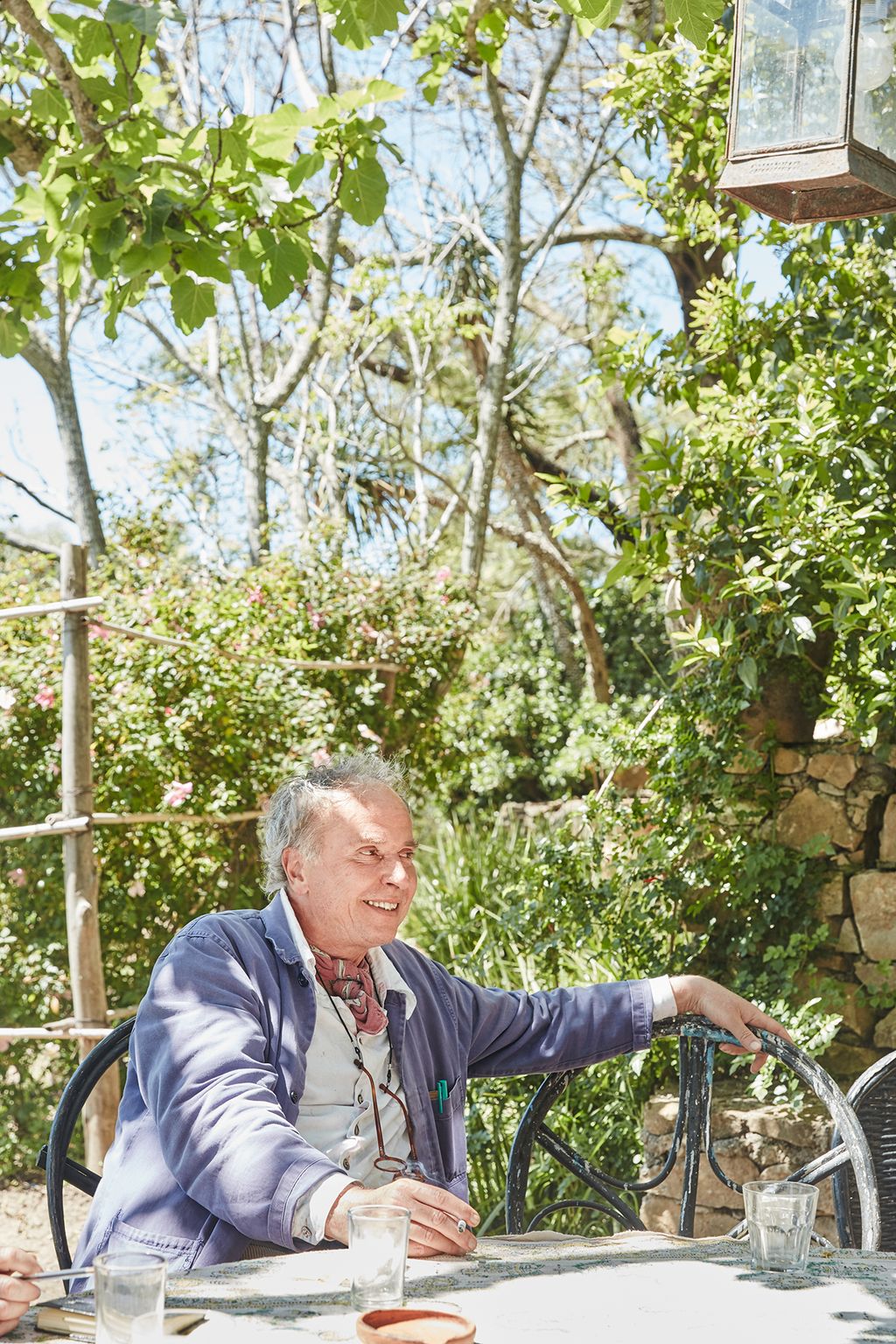
Umberto in one of the outdoor dining areas at Rohuna.
 Ngoc Minh Ngo18/49
Hamidou, Nabil and Ciniui, three of Umberto’s gardeners from the village.
 Ngoc Minh Ngo19/49
The evening sun illuminates trees and white crinum lilies.
 Ngoc Minh Ngo20/49
Exotic palms and cacti at Rohuna in an area known as Hamidou’s Garden. The lacquered furniture is designed by Umberto and made by Najim Imran, whose work is sold through the website Now on the Ocean.


 Ngoc Minh Ngo21/49
Najim at work.
 Ngoc Minh Ngo22/49
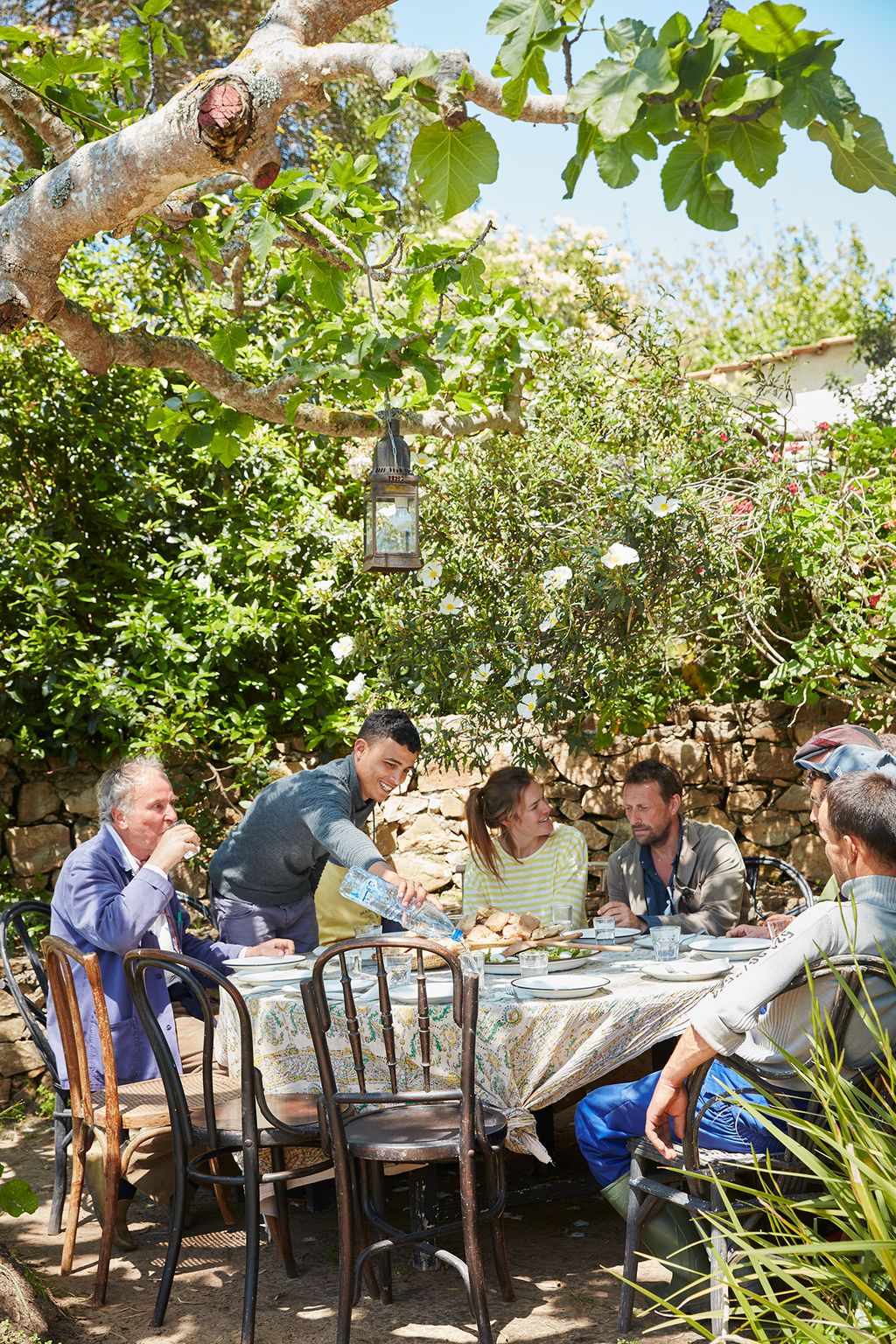
Lunch with Umberto’s garden team, Sarah Wheeler of Now on the Ocean, and botanist Bernard Dogimont.
 Ngoc Minh Ngo23/49
Dawn light shines through the branches of a stone pine tree.
 Ngoc Minh Ngo24/49


 Ngoc Minh Ngo25/49
 Ngoc Minh Ngo26/49
 Ngoc Minh Ngo27/49
 Ngoc Minh Ngo28/49


 Ngoc Minh Ngo29/49
 Ngoc Minh Ngo30/49
 Ngoc Minh Ngo31/49
 Ngoc Minh Ngo32/49


 Ngoc Minh Ngo33/49
Umberto (on the right) and his partner Stephan in the sitting room in Milan. The painting is by the nineteenth-century Spanish artist Manuel Rodríguez de Guzmán.
 Ngoc Minh Ngo34/49
In Umberto’s sitting room in Milan, two eighteenth-century Neapolitan tables are covered in archaeological finds. A painting by the Italian artist Antonio Joli depicts Castel Sant’Angelo in Rome.
 Ngoc Minh Ngo35/49
 Ngoc Minh Ngo36/49


 Ngoc Minh Ngo37/49
 Ngoc Minh Ngo38/49
 Ngoc Minh Ngo39/49
 Ngoc Minh Ngo40/49


 Ngoc Minh Ngo41/49
 Ngoc Minh Ngo42/49
 Ngoc Minh Ngo43/49
 Ngoc Minh Ngo44/49


 Ngoc Minh Ngo45/49
 Ngoc Minh Ngo46/49
The dining room features a Portuguese chandelier and nineteenth-century American furniture.
 Ngoc Minh Ngo47/49
Umberto on the balcony of the apartment with his friend and book editor Davide Tortorella.
 Ngoc Minh Ngo48/49
Stephan, a fashion designer and couturier, in his Milan atelier.


 Ngoc Minh Ngo49/49


