
At home in a remote Cumbrian cottage with the founder of cashmere brand Brora
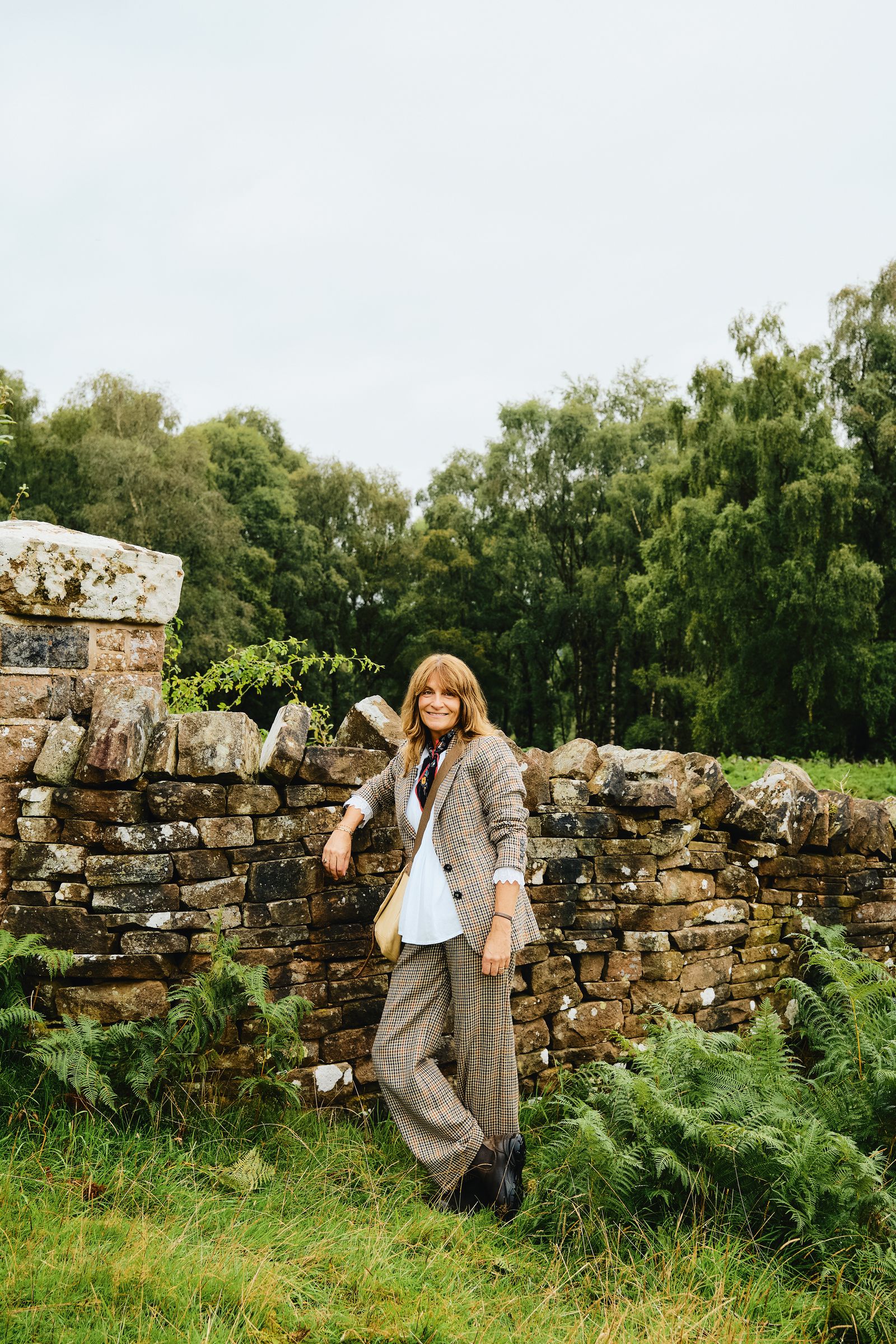
Cumbria, in England's furthest north western corner, is historically a liminal space. An inflection point between England and Scotland, its landscape has been a spiritual keystone for generations of artists, with the Lake District extending to the Irish Sea in the West and the Pennines in the East.
Victoria Stapleton, the founder of Brora, was raised on her mother's family farm in the peaty hills north of Penrith. One of four daughters born to a father who wanted sons, she says the girls had 'a very rugged and woolly childhood; lots of fishing and riding tractors'. Her father, Irish entrepreneur David Stapleton, had a smoked-salmon business in Dumfriesshire. He was the man who brought Scottish smoked salmon to the masses via Marks & Spencer in the 1970s, 'He wasn't scared of risk and didn't overthink things,' says Victoria. 'I was brought up with that attitude. You just get on your bike and ride it - you fall off and get back on.'
Brora was founded in 1993 after David saved the Scottish Highlands tweed mill Hunters of Brora from receivership. Victoria, who was then in her early twenties and having ‘quite a wild time’ in London, moved to the village of Brora to help breathe new life into the mill shop, commissioning other local suppliers to produce things that ‘might capture the imagination of the passing tourist’.
'I fell in love with Scottish textiles and met an incredible guy who ran the oldest cashmere mill up there. The rest is history,' says Victoria. She realised she could make superb-quality Scottish cashmere accessible by going straight from the mill to the customer. 'Cashmere at the time was totally out of reach for most people,' says the artist Issy Tennant, an old friend of Victoria's who has been a creative consultant of the company since its early days. 'Before that, it was Bond Street or a Chanel twinset. Victoria was the first one to bring it to the high street and to do colour.'
Not long after the launch of Brora, the Financial Times ran an article on cashmere that read, ‘Brora does wonderful crew necks in black, blue and brown, for £99’. Despite there being no photograph of said items, Victoria was inundated with orders: 'People were calling my home number, which was in the paper, to order a £99 cashmere jumper.'
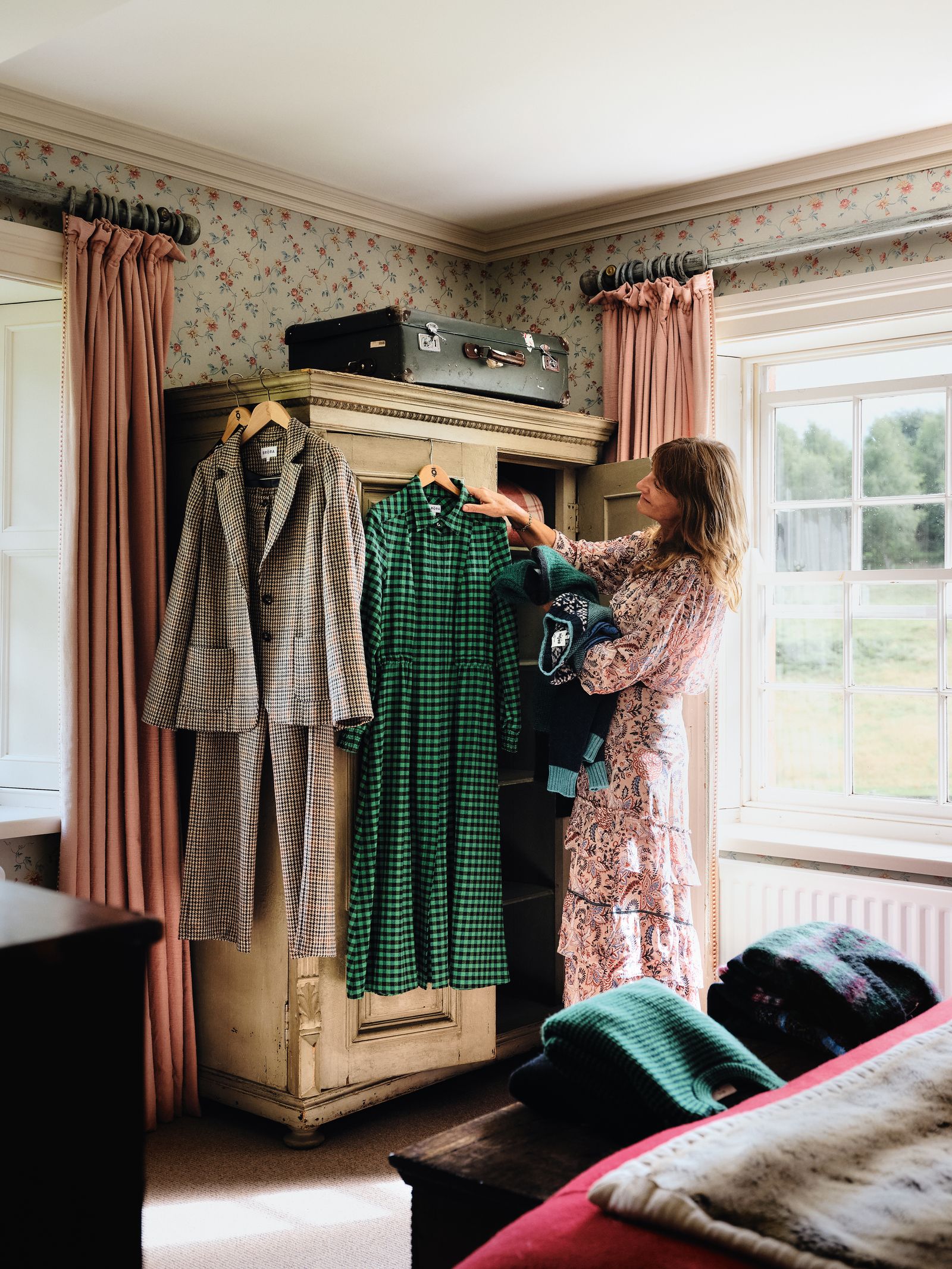
In 1995, she opened her first shop at the bottom of the King's Road, SW3. 'I knew nothing about shopkeeping,' she says with a laugh. 'I was in my late twenties and used to park my Vespa in front of the window display. You could barely tell it was a shop.' Inside, the place was constructed on a shoestring - tweed curtains and trestle tables stacked with jewel-coloured jumpers. The office of Rolling Stones bass guitarist Bill Wyman was upstairs and there was always a stream of ‘rock and roll oddities’ going in and out. Brora still has this premises, though it is now one of 10 stores - and a 'little bit more pulled-together'.With favourite Brora pieces.
'Do you remember my mother made you a rag rug for the first shop?' says Issy. Said mother is the celebrated botanical artist Emma Tennant (featured in House & Garden in June 2023), who downs her paintbrushes in the winter to make rugs. 'Victoria started coming to stay with us in the Scottish Borders when she had mill meetings,' Issy says, explaining how she got involved in the company. 'We would chat non-stop over supper about clothes. One day she said, "Look, would you like to sit in on the meetings as a sort of sounding board?" We used to take in all sorts of random bits of inspiration from vintage shops and from our parents' and grandparents' wardrobes.' That Issv's maternal grandmother was Deborah ‘Debo’ Mitford makes this a particularly tantalising grain of information.
'A little vintage cropped cardigan was one of the first ideas Issy brought to the table,' recalls Victoria. ‘This design is still in the collection today. A black one was worn by Catherine, Princess of Wales to a Christmas event a few years ago. Indeed, the Princess has become something of an unofficial ambassador for the brand. She is a wonderfully loyal fan. Anything she is pictured wearing goes mad.’ Issy and Victoria are talking to me on Zoom from the mill in Hawick, where Brora's cashmere has been made since 1993. It is the same mill in which most of the big French fashion houses now produce their cashmere and one of the last of its kind, with generations of local families working alongside each other. Brora's tweeds and woollens are mainly woven in mills around the British Isles. 'This is a crucial part of our DNA.' says Victoria.
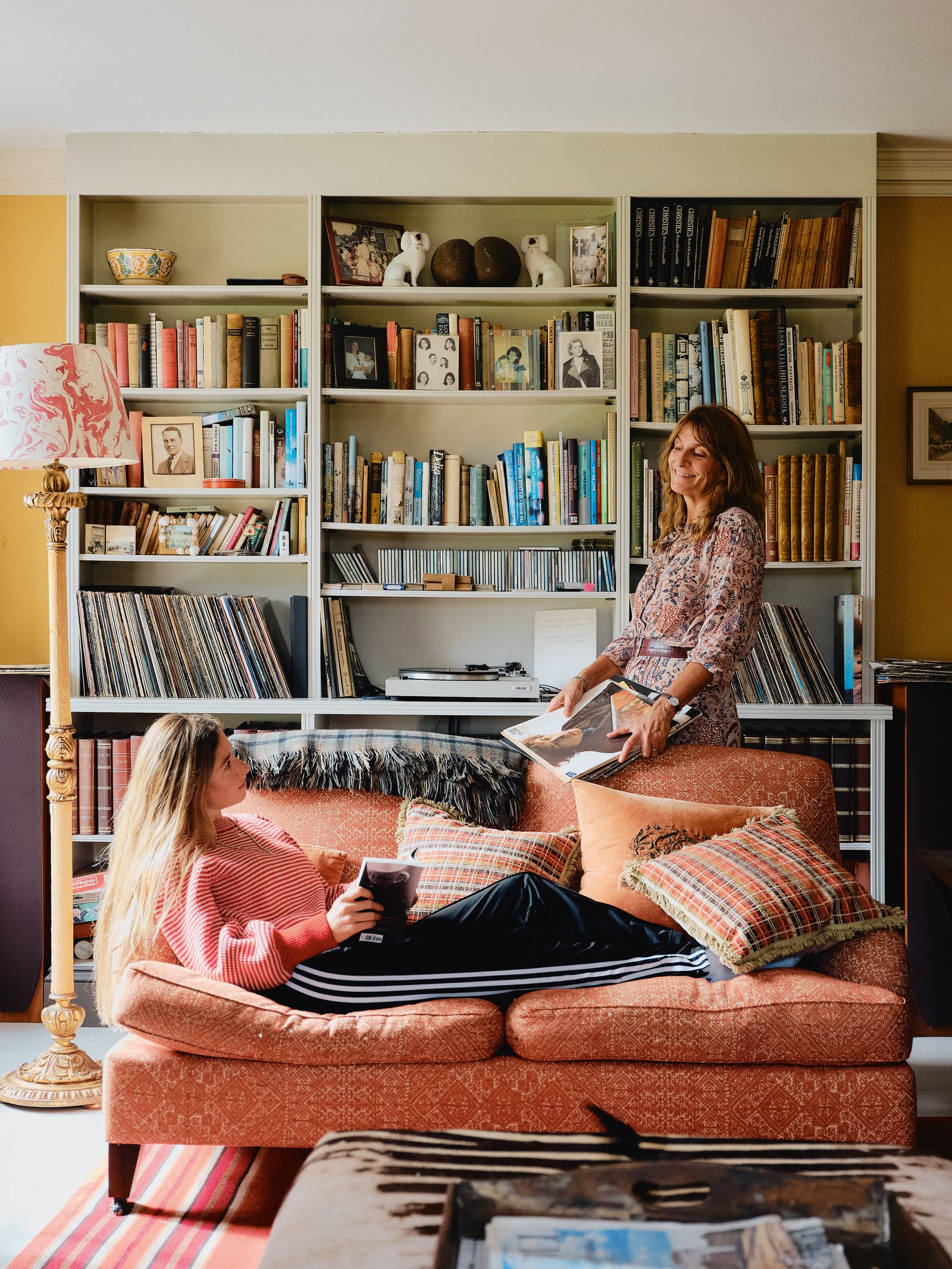
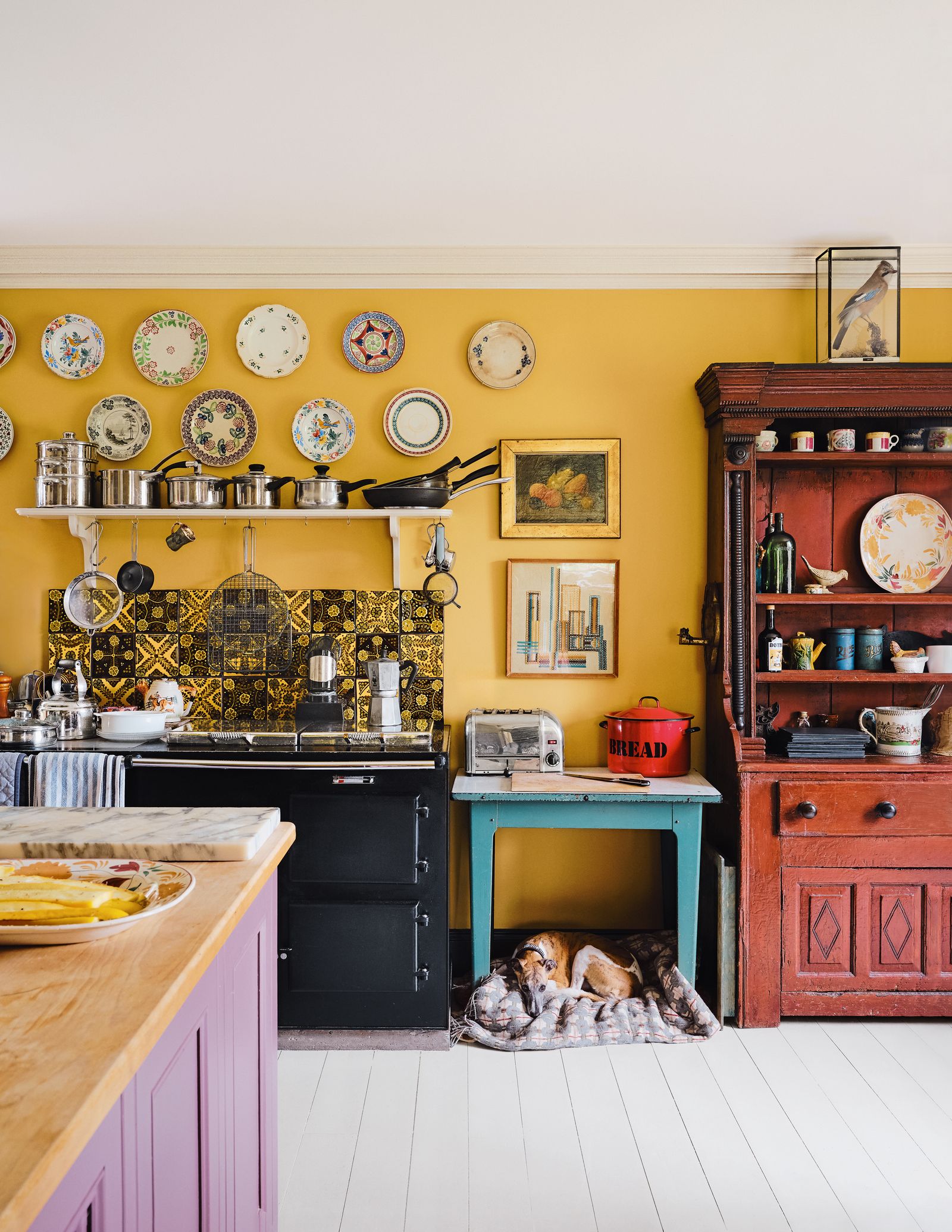
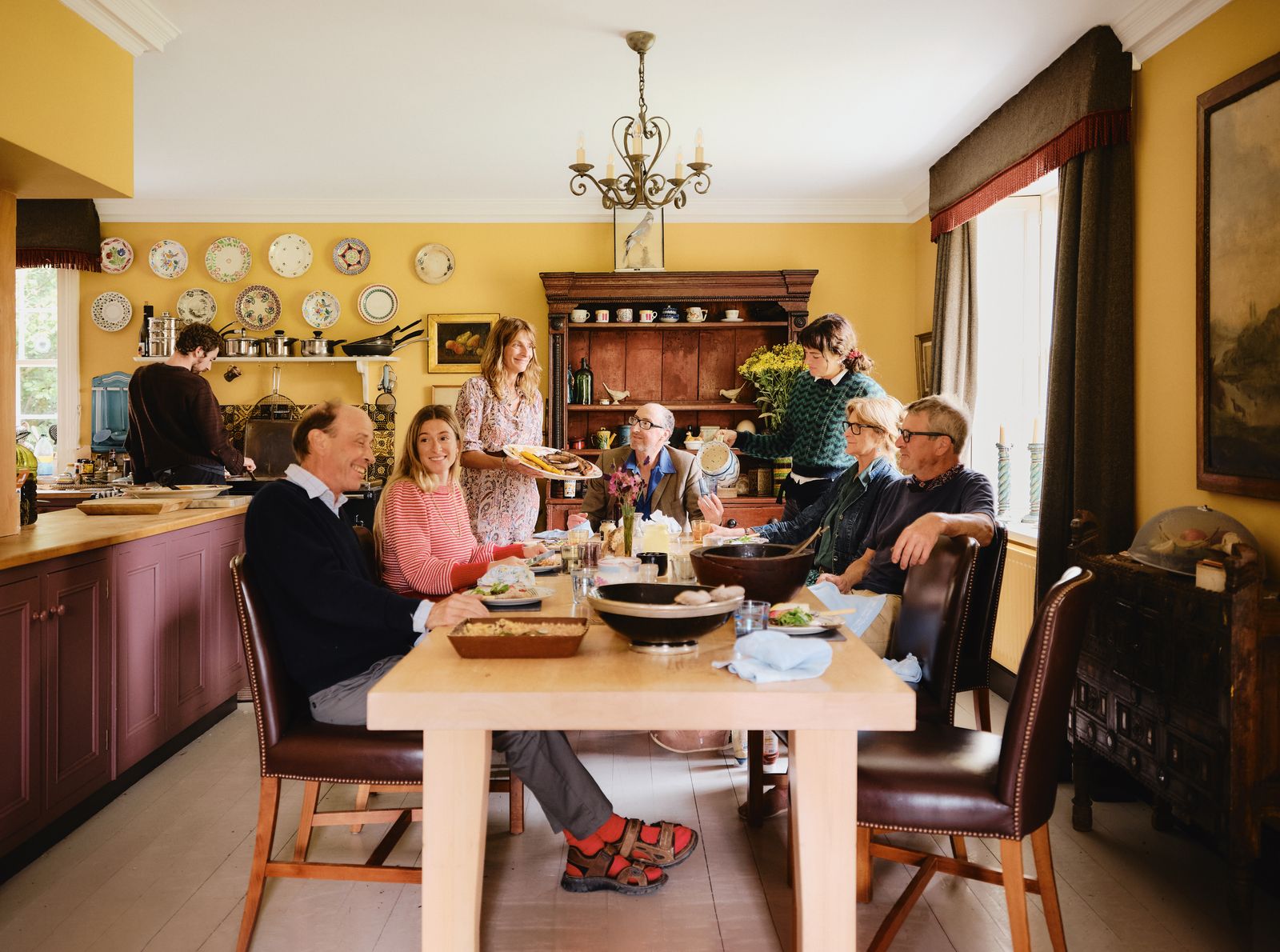
Around the same time that the brand was taking off in the late 1990s, Victoria discovered a pair of railway cottages in Cumbria. A couple of hours' drive from the cashmere mill, these are on a part of the family farm that had been sold off after her grandfather's death. Situated down a track to the River Eden, with the Carlisle to Leeds railway line running almost through the garden, the buildings had no electricity and were in need of a lot of love. 'My father and I took on this slightly mad project together,' she says. 'He was a real visionary. He had seen a fishing lodge in Canada with a conjoined central living space, which we reimagined here. It's an amazingly convivial place for big gatherings.'
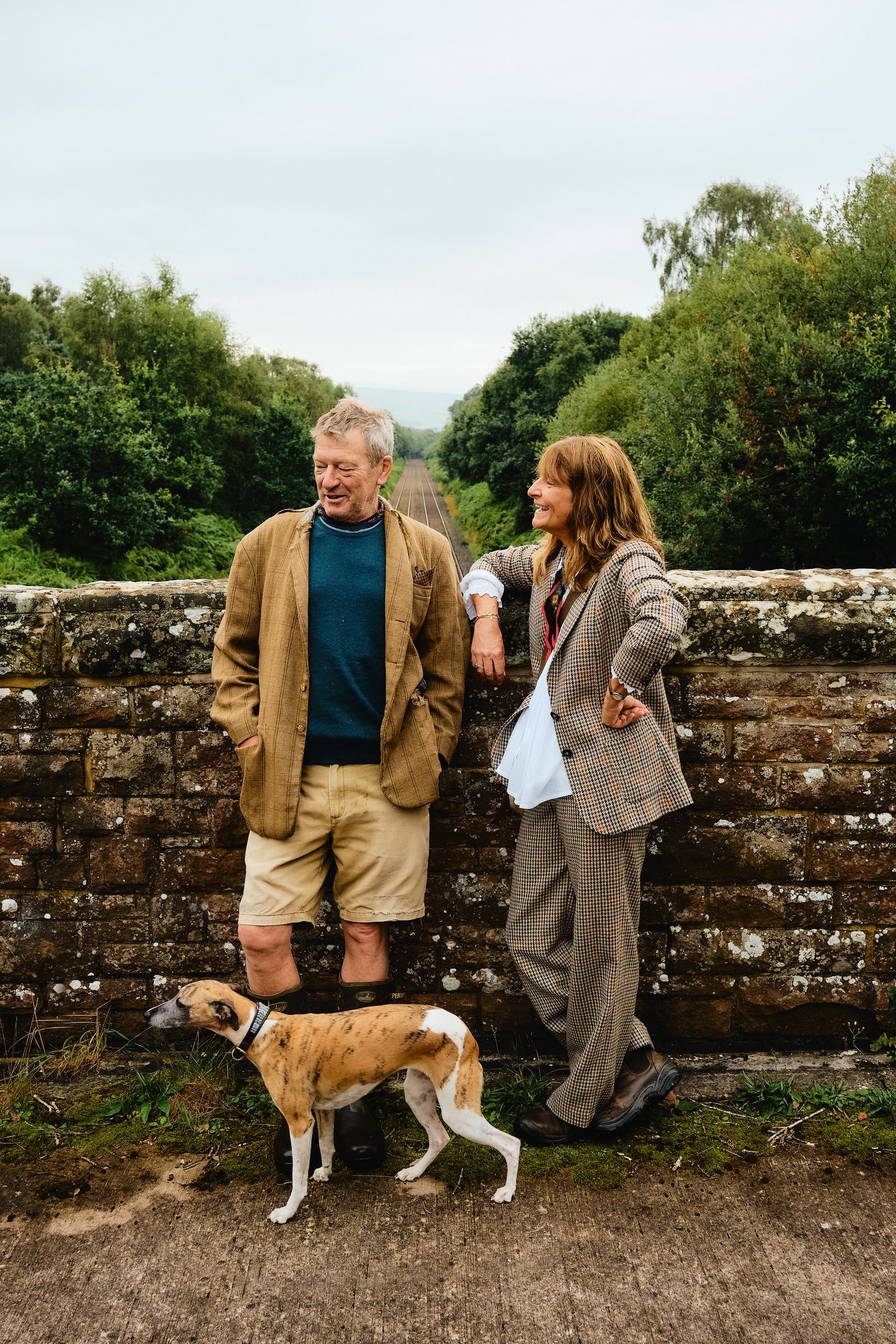
It was also around this time that Victoria met her husband Johnny Pilkington, a successful photographer. He was recently separated, with two young daughters from his previous marriage. 'As the final lick of paint went on the walls of the Cumbria house, I found out I was pregnant with our eldest daughter, Jesse. My dreams of a rave in the hills were shattered - probably a good thing,' she laughs.
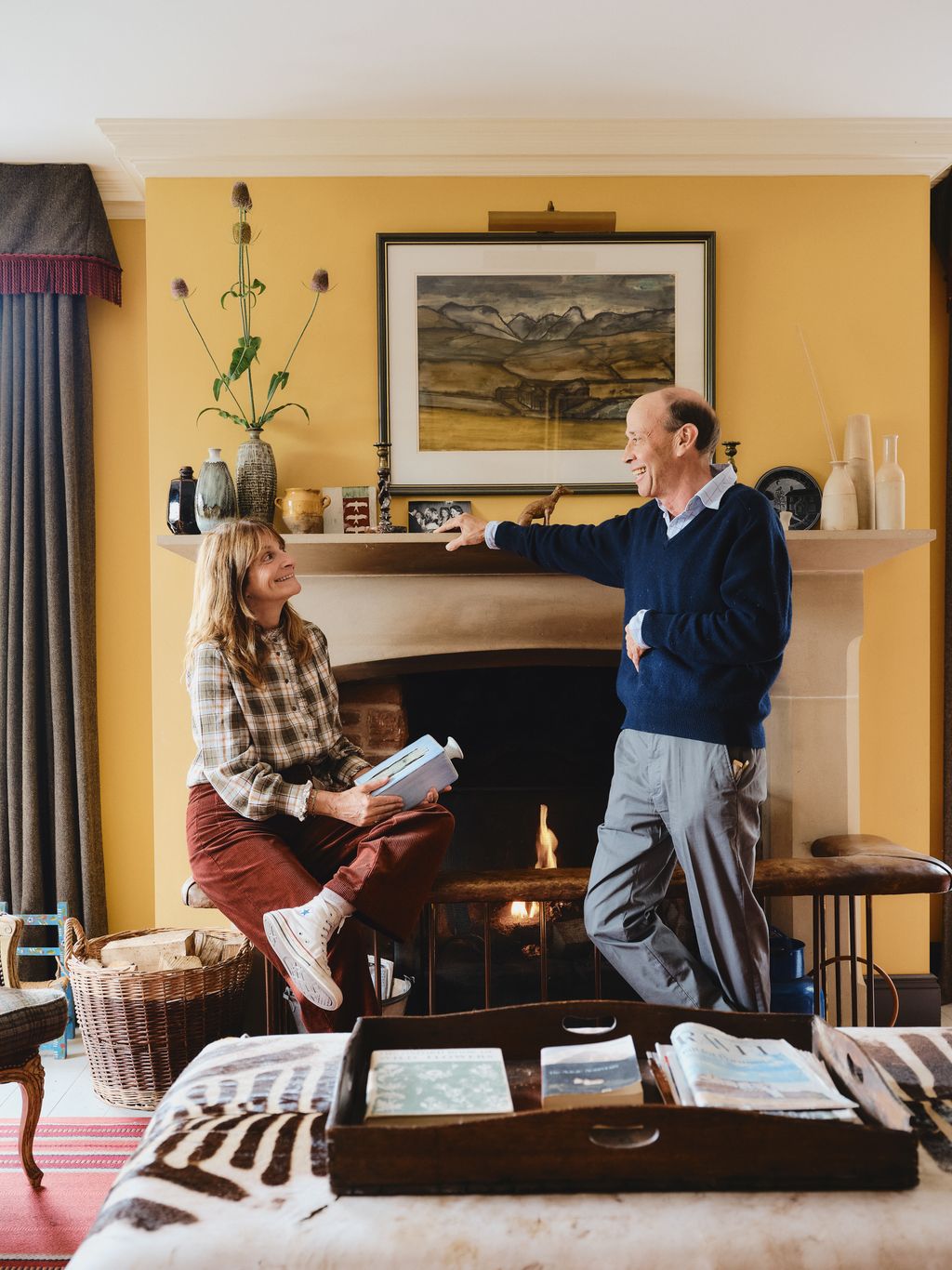
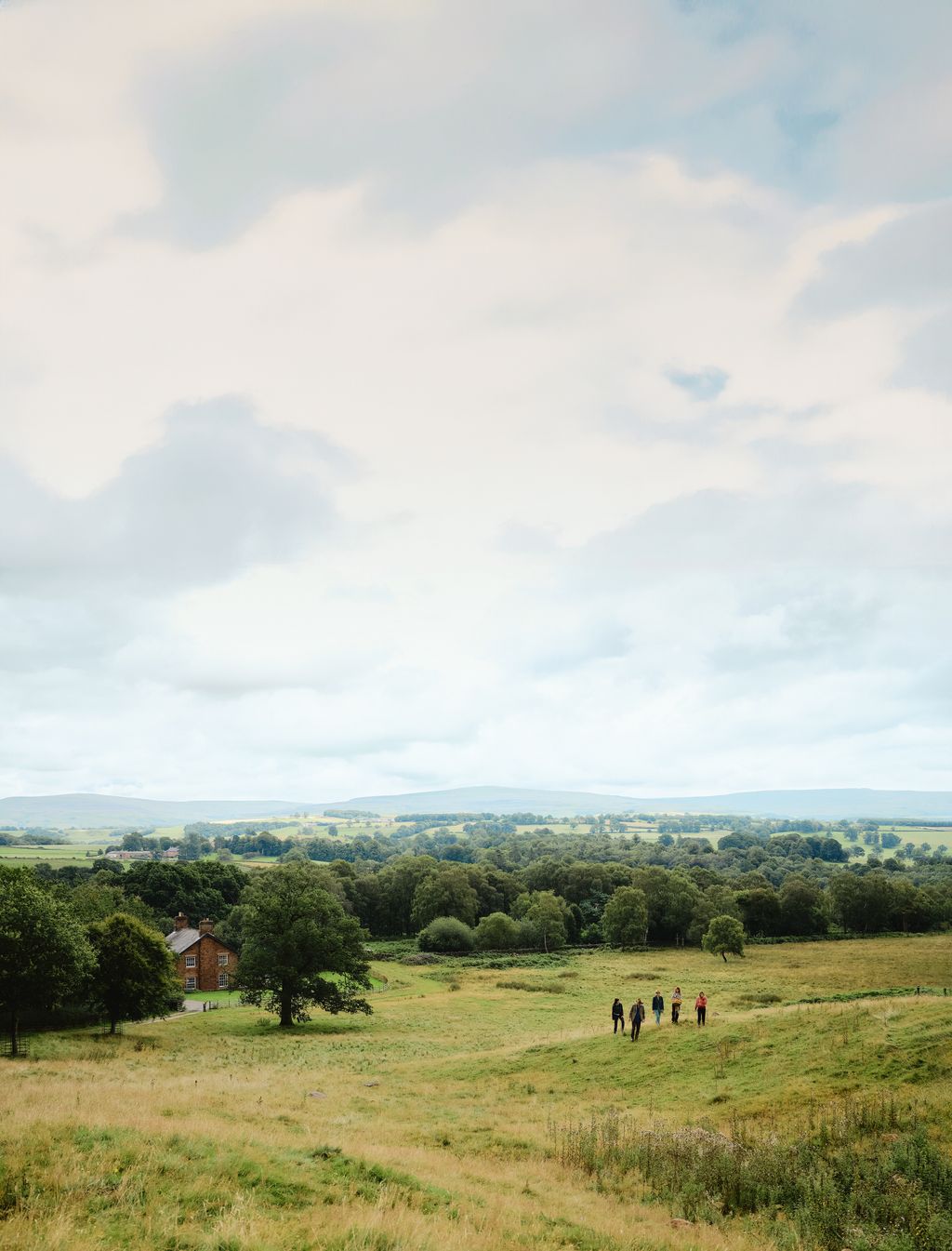
Theirs is now a large blended family with five daughters - Hermione, 35, and Allegra, 32, from Johnny's first marriage, and Jesse, 26, Nancy, 24, and Lola, 22 - and (so far) three grandchildren. The girls have, at various points, taken on creative roles at the company: Allegra has shot advertising campaigns, while Jesse and Lola produce the diffusion line Skye by Brora, which is aimed at a younger demographic. Victoria's sisters have houses nearby, and time in Cumbria is spent gathering en masse to swim in the river, fish and cook outside. 'When we're here, everyone grows in spirit,' says Victoria.
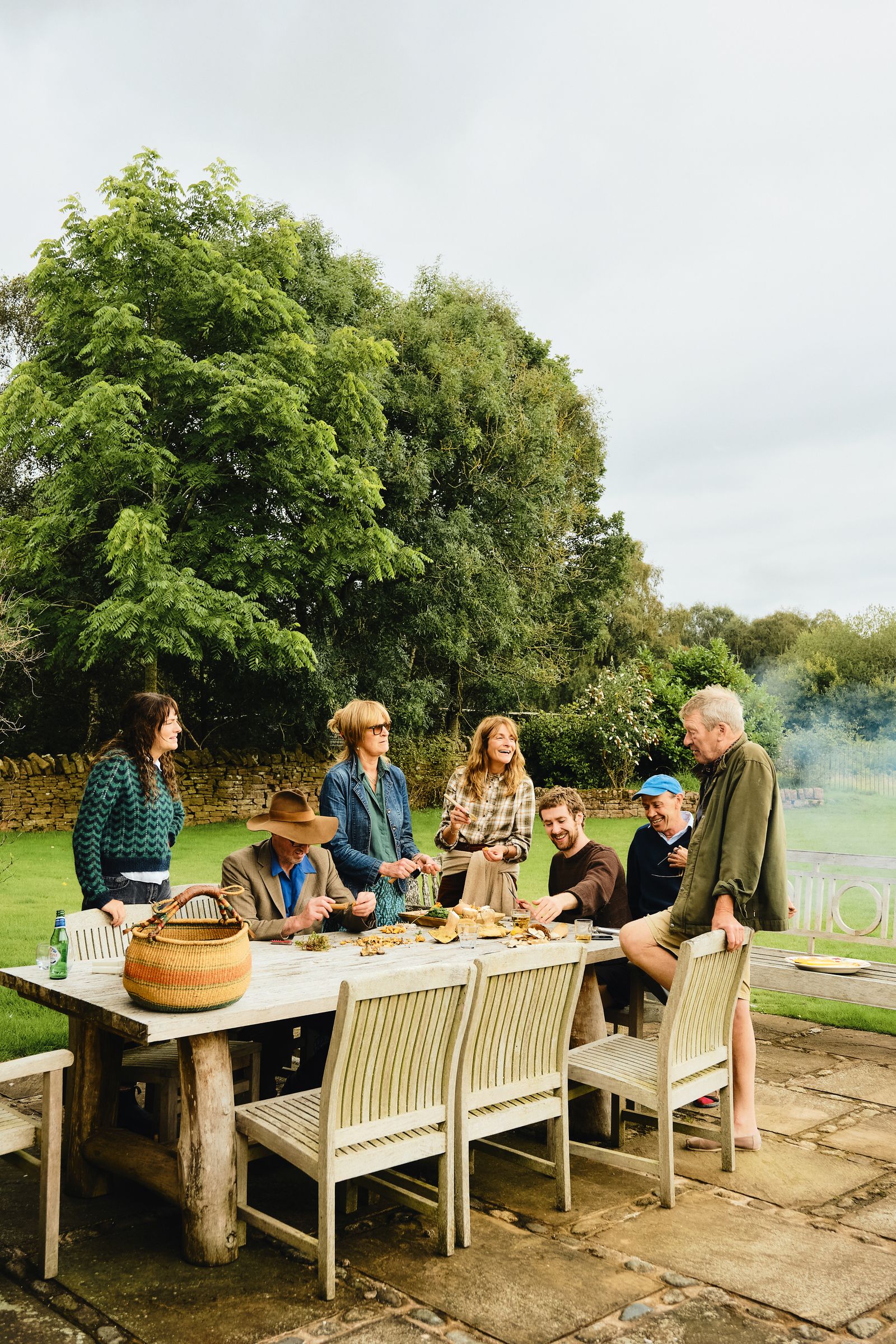
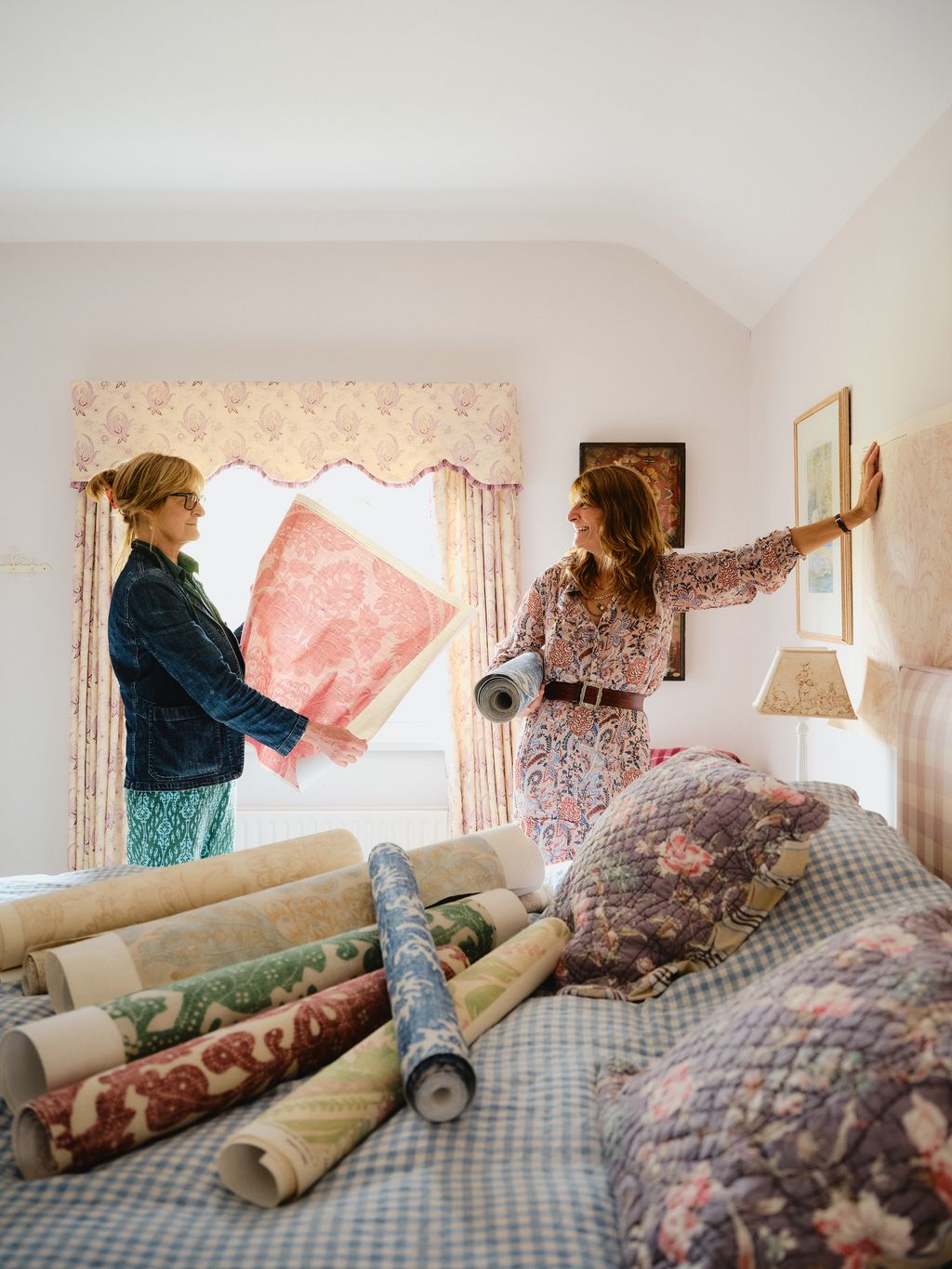
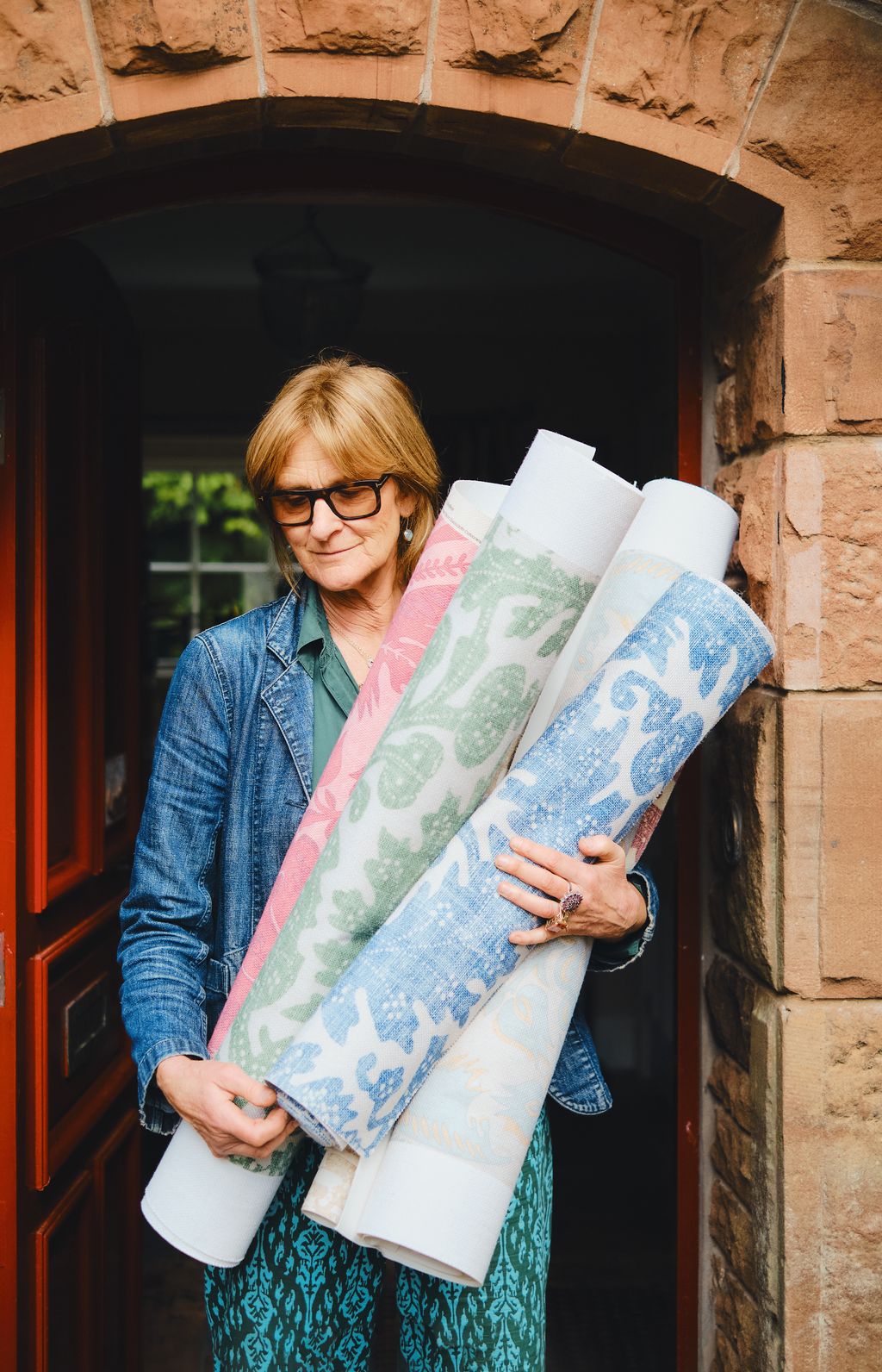
When I visit, the neighbours have been invited for lunch. Designer Totty Lowther and her husband Tom -a 'cousin of a cousin' - arrive. She is bearing armfuls of her new wallpapers to test in a spare room; he has brought a huge wicker basket of recently picked mushrooms. Johnny cooks the mushrooms over an open fire in the garden as everyone mills about and drinks beer.
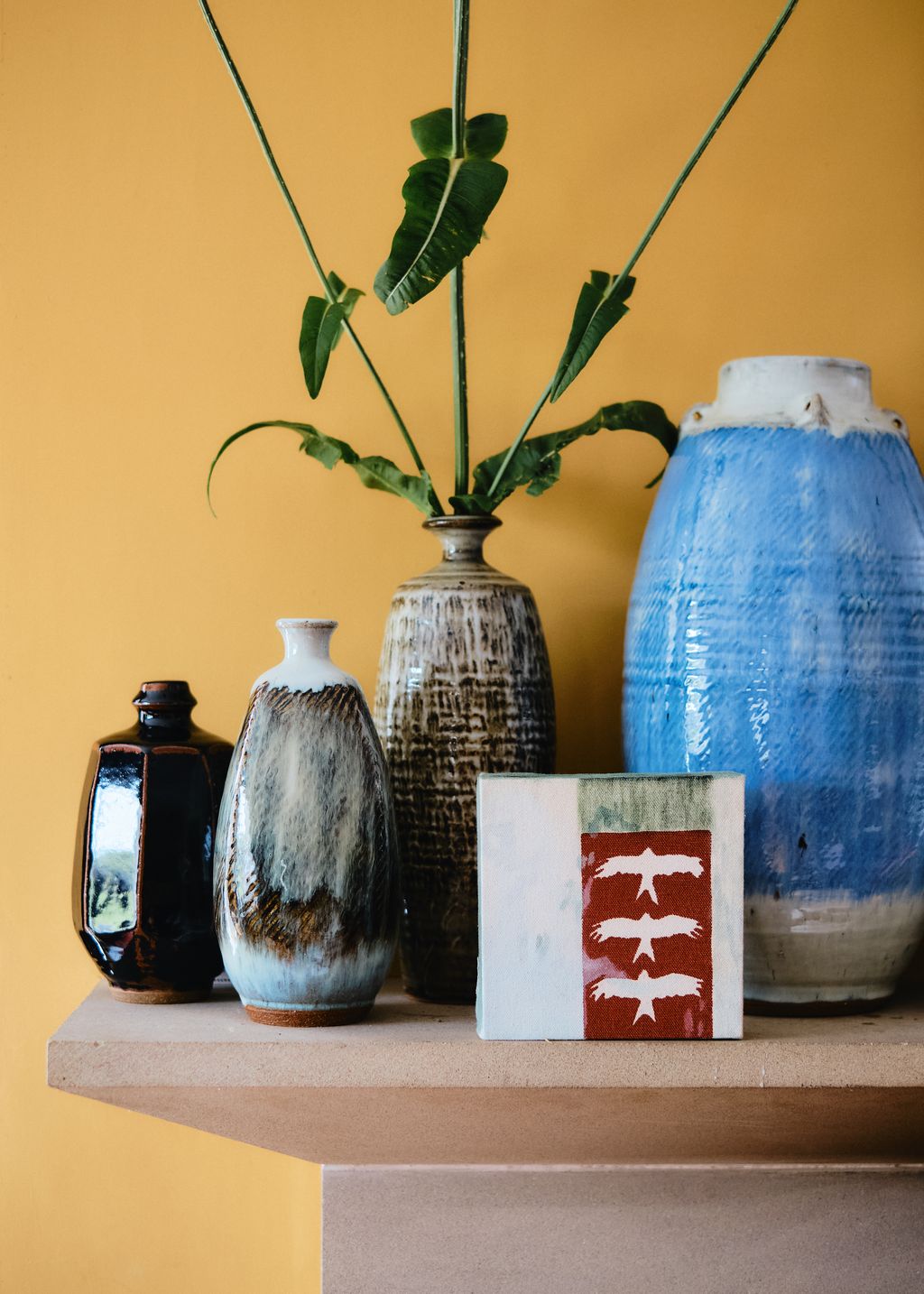
'We're a picturesque bunch,' quips the potter William Plumptre - whose Anglo-Japanese ceramics are dotted round the house - referencing the multitude of patched jackets and holey jumpers and shoes, worn with a particular kind of British insouciance that still manages to look elegant. It strikes me that this is the cosy, bohemian spirit that Victoria has managed to capture in the clothes she designs. A dichotomy of luxury and earthiness that calls to mind the late Queen in tweeds tramping through the mud at Balmoral. These are clothes that are good enough to be worn long after they are frayed and patched
 Dean Hearne1/10
Chatting to William while admiring one of his Japanese-influenced pots.
 Dean Hearne2/10
Ceramics by local friend William Plumptre
 Dean Hearne3/10
On a family walk with friends Totty and Tom Lowther.
 Dean Hearne4/10
With her friend the wallpaper designer Totty Lowther looking at options for a spare room.


 Dean Hearne5/10
Totty Lowther with her 'Pomegranate Grand' wallpaper.
 Dean Hearne6/10
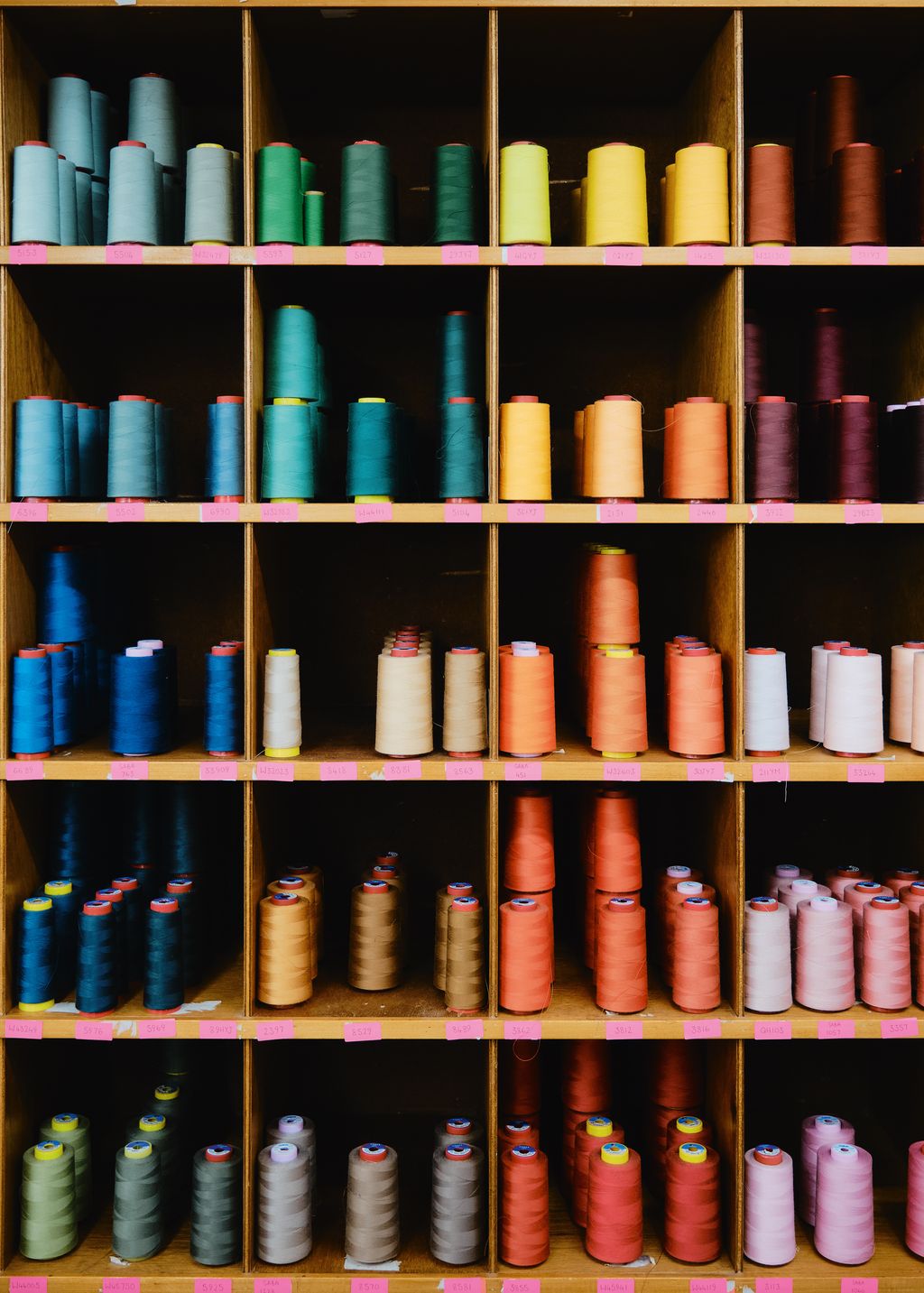
Bobbins of yarn at the mill.
 Dean Hearne7/10
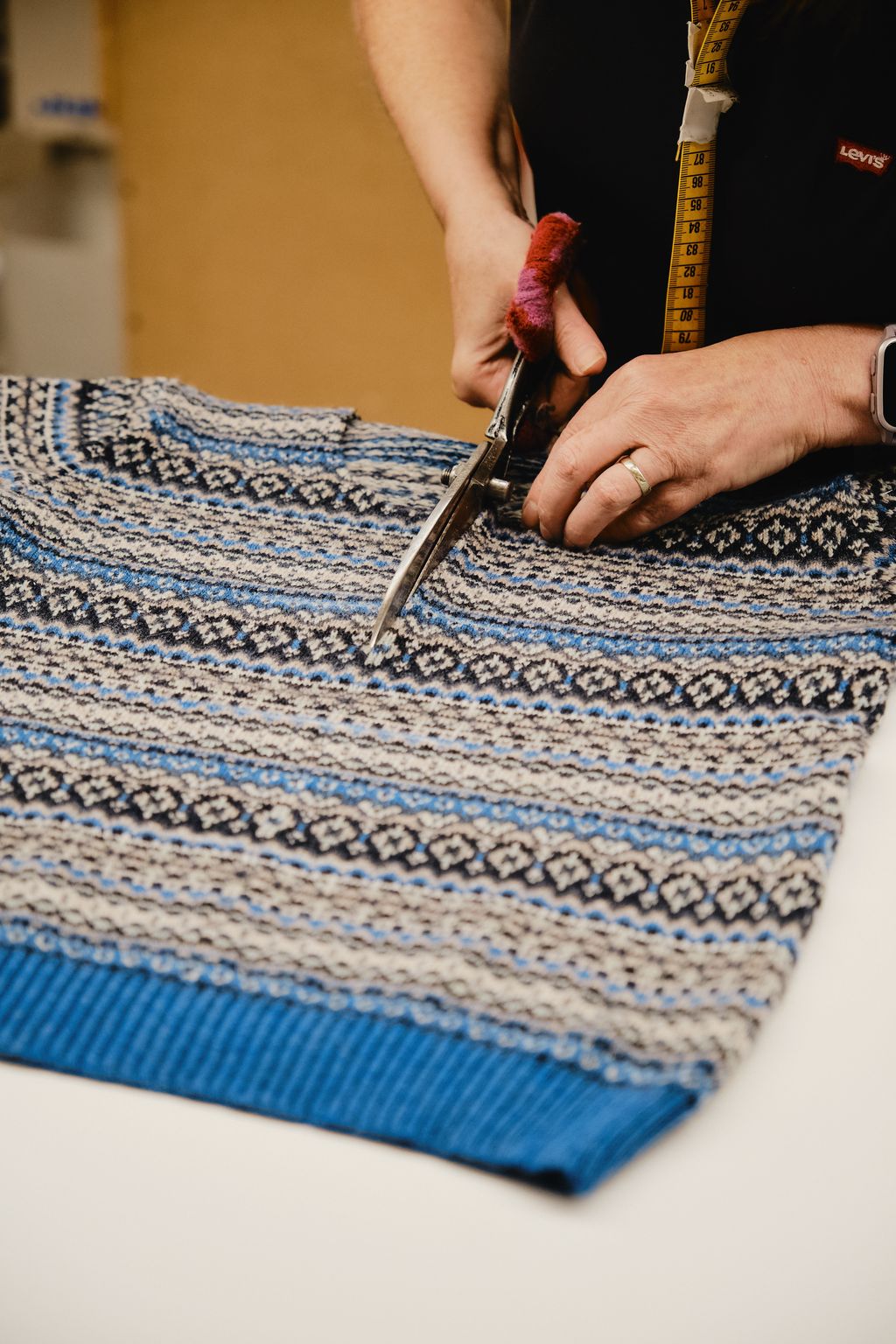
A tank being hand finished at the mill.
 Dean Hearne8/10
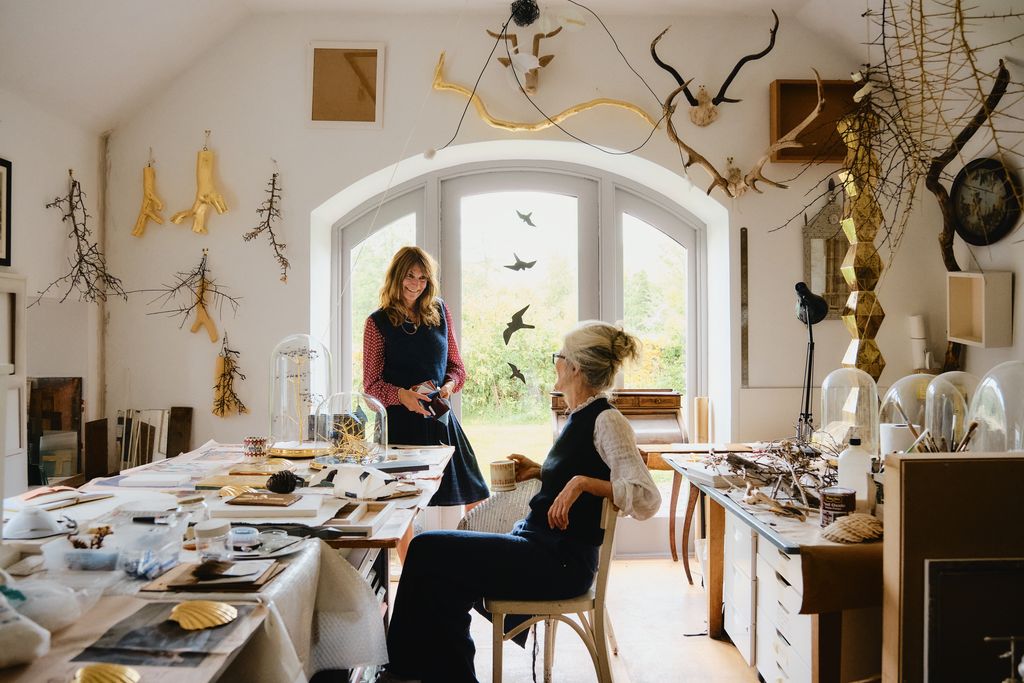
Victoria catches up with her old friend - and Brora creative consultant - artist Issy Tennant in her studio in the Scottish Borders.


 Dean Hearne9/10
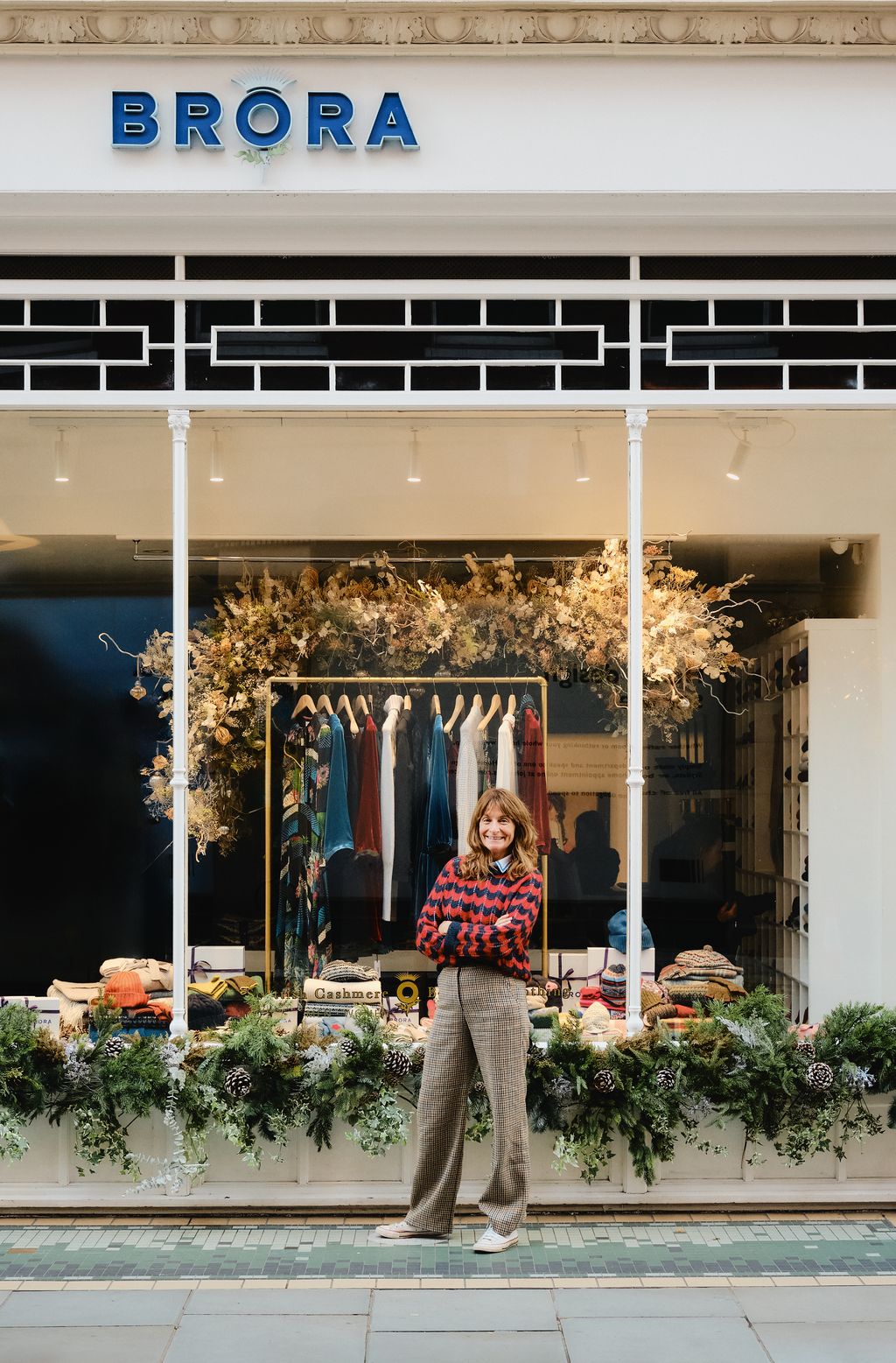
Victoria outside the Sloane Square store.
 Dean Hearne10/10
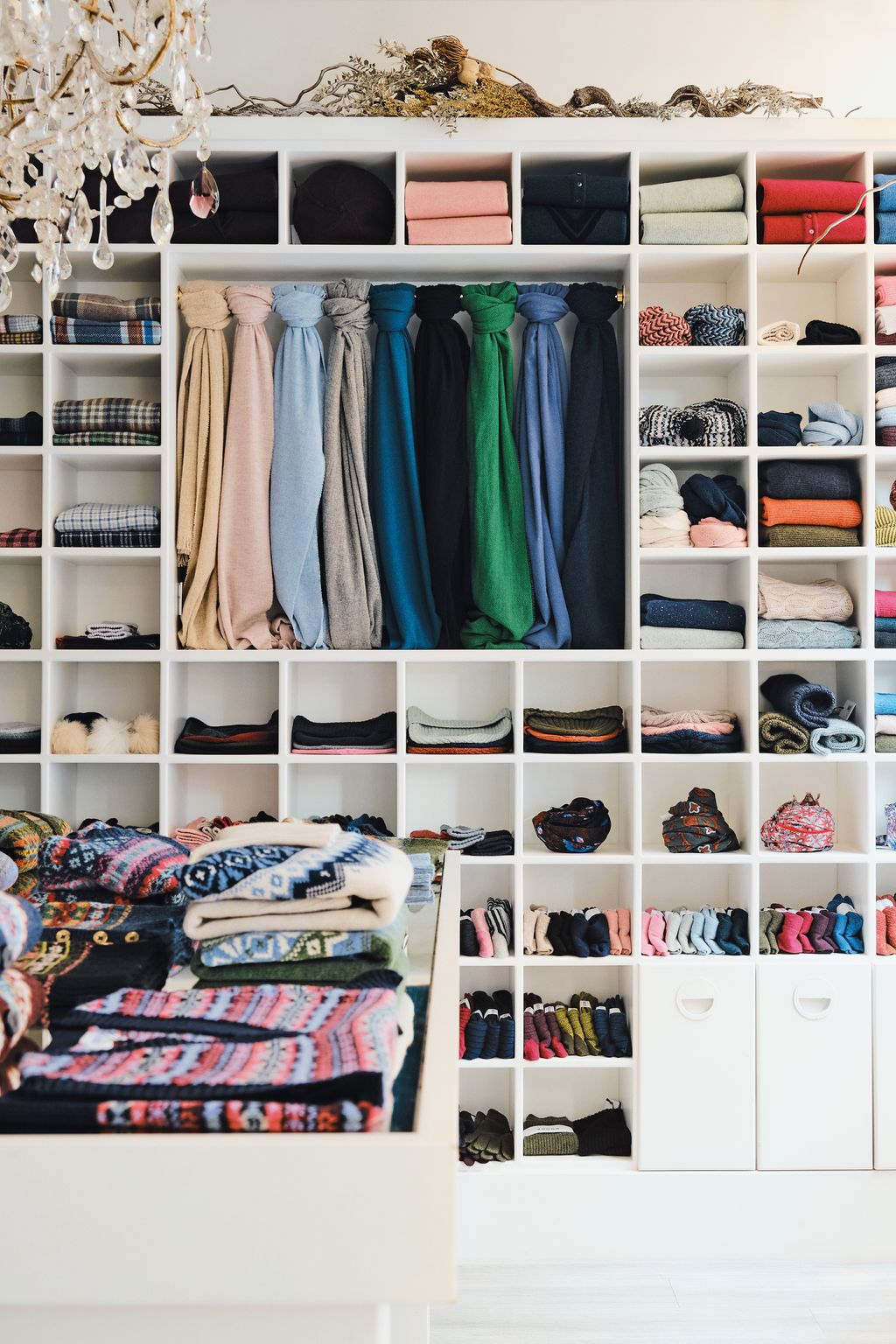
Covetable knitwear fills the shelves of the Sloane Square shop.


