What to plant in November (and other garden tasks for the month)
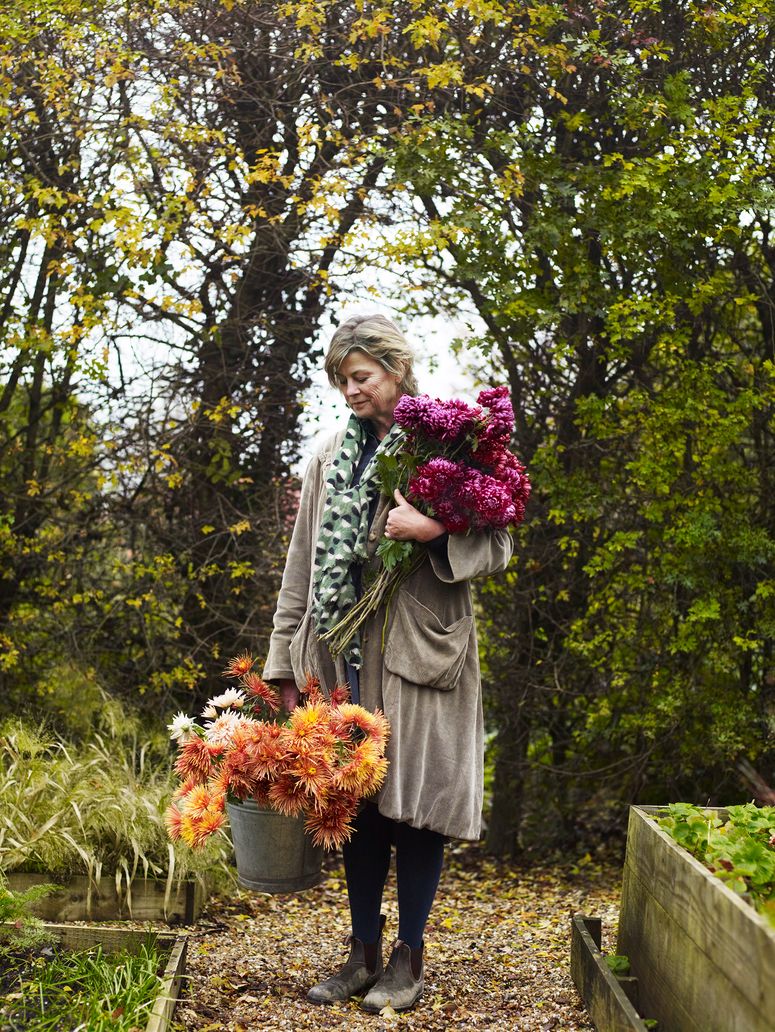
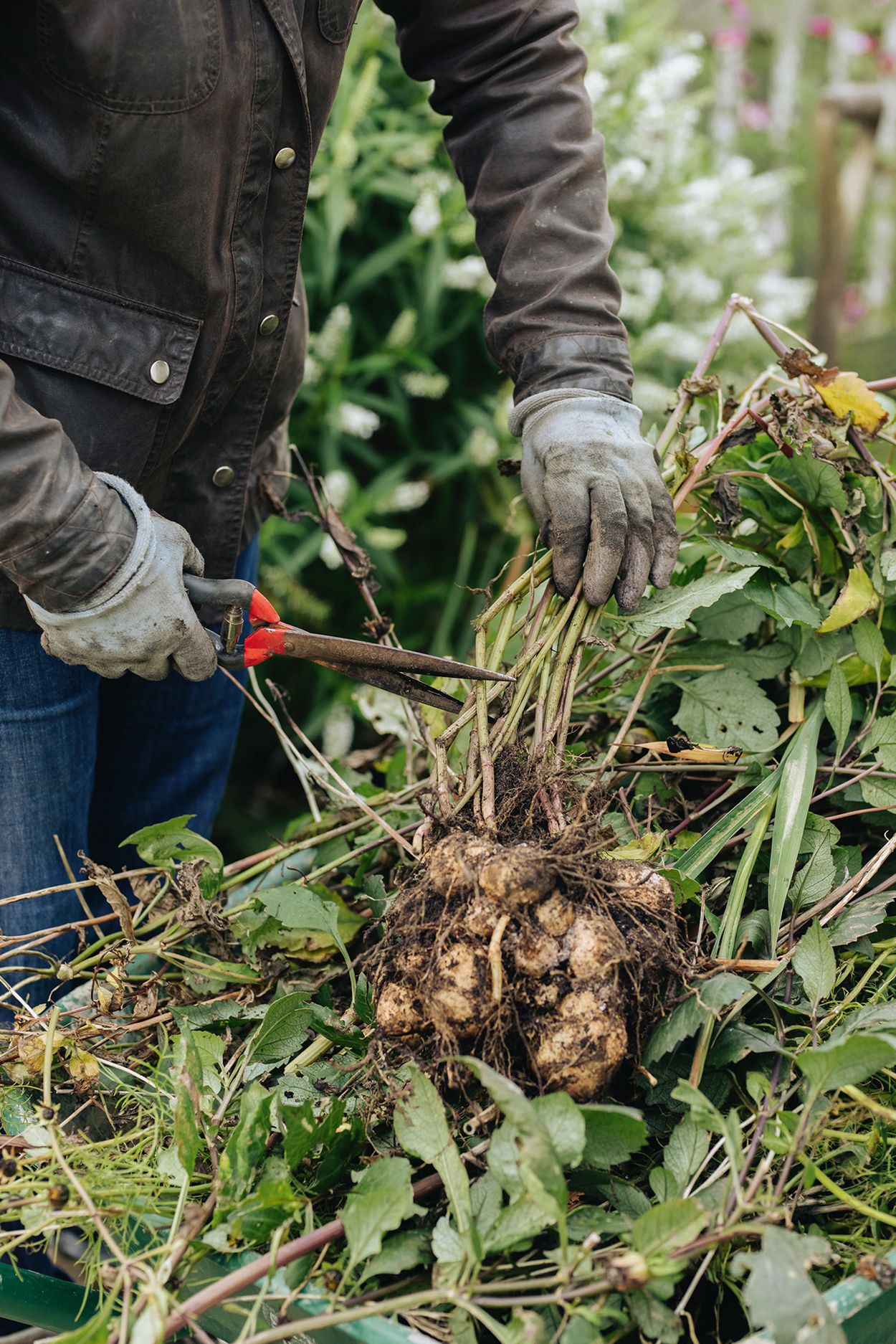
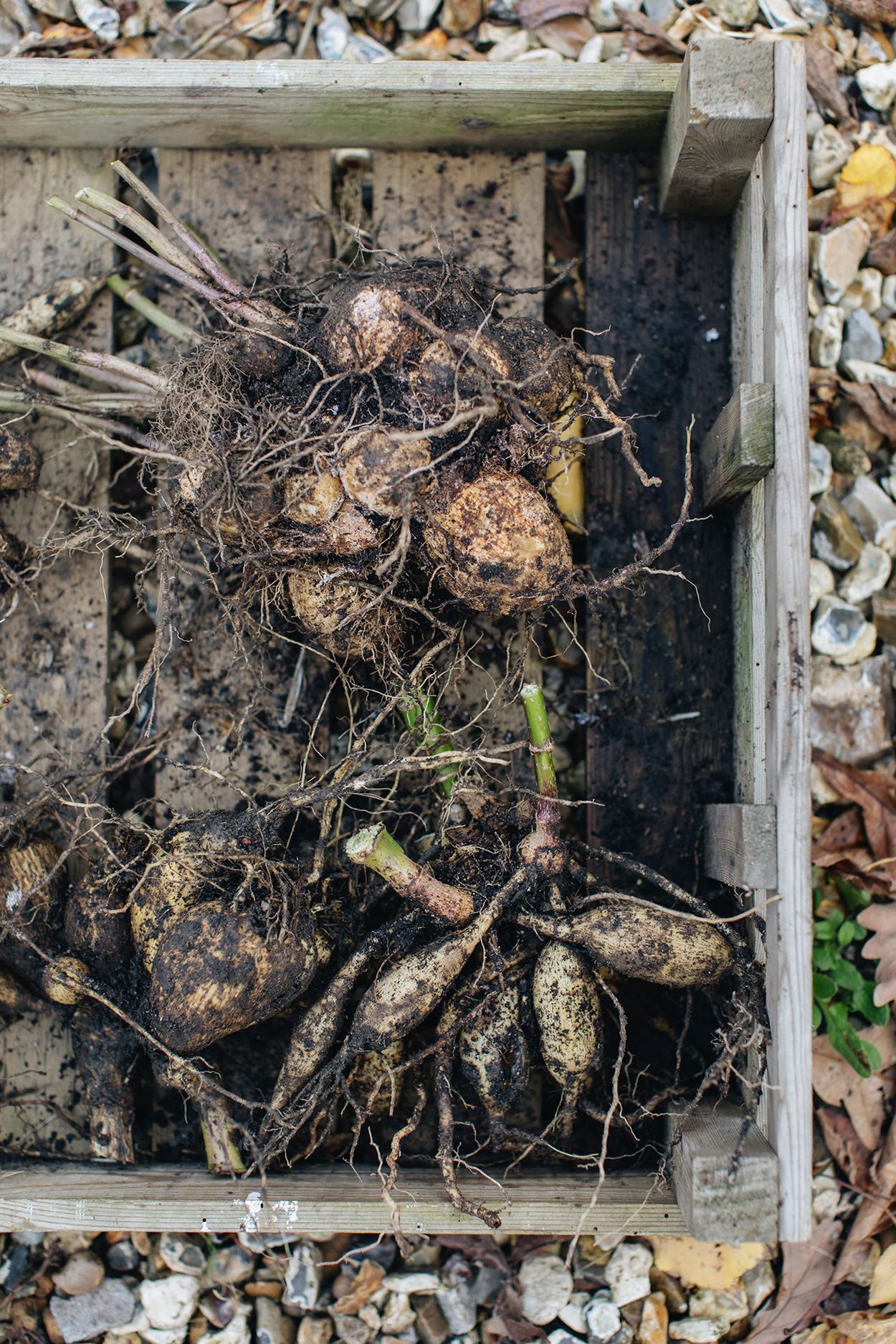
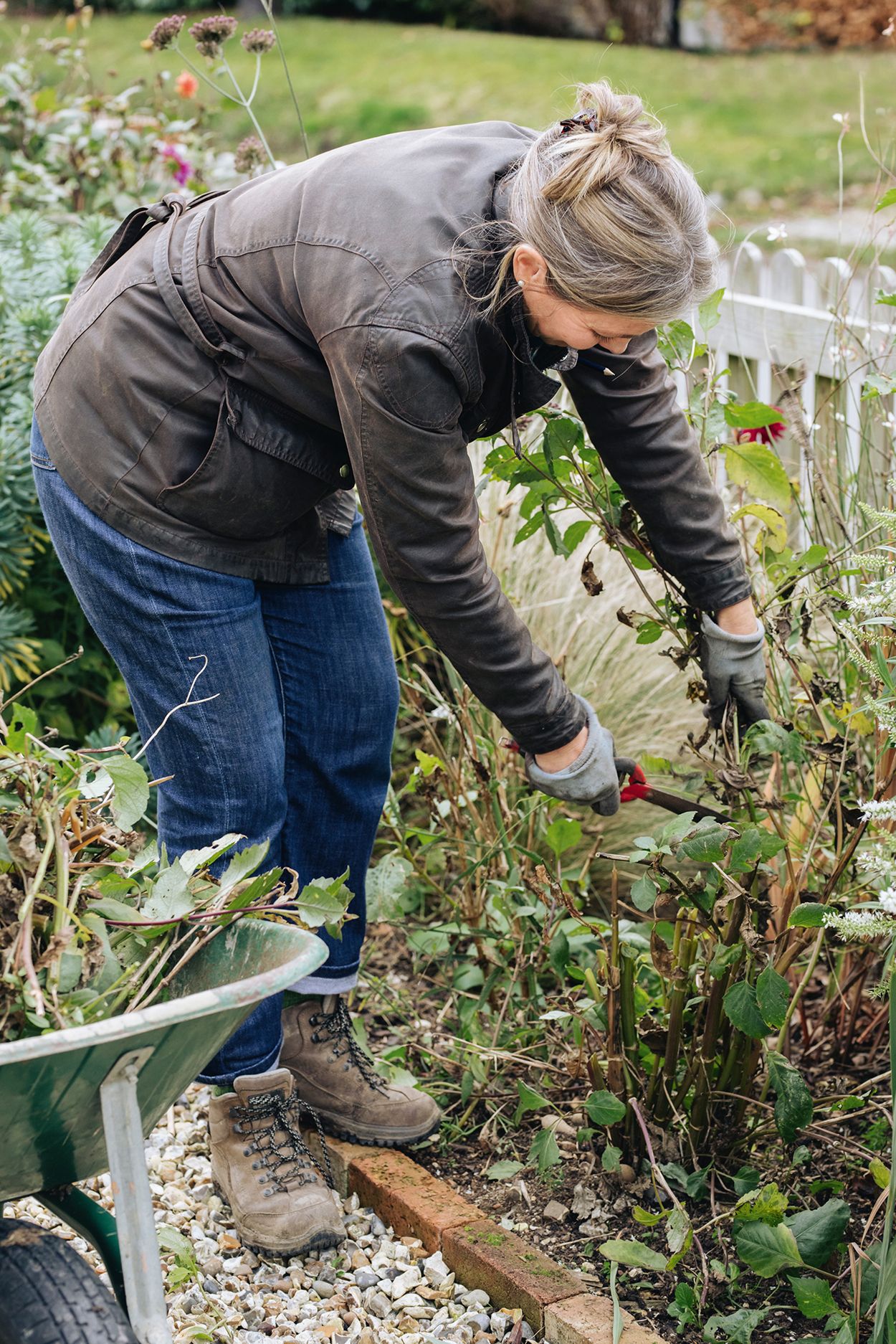
The nights are drawing in and growth is slowing down, but there is still plenty to do in the garden this month. Any colour left is now highly prized: I have rusty chrysanthemums, the odd cosmos and a few stray geranium flowers coming back for a third flush. The dahlias are usually over by the end of the month with the first frosts, when they collapse into a mushy, blackened heap, and this is the time to cut them back and lift any that I want to store over winter. I lift about half my dahlias each year as an insurance policy against the cold and wet conditions that could kill them if you leave them in the ground. Once lifted, I wash them and then leave them to dry in the greenhouse before storing in boxes of straw or dry sand over the winter. Those that are left in the ground are tucked up under a thick layer of compost to protect them against the cold. Most of them survived -6°C and prolonged rain last winter, so they are often more robust than you might think.
Planting tulips is the other priority in November; I don’t do it any earlier than this, as warm soil and damp conditions can increase the chances of fungal disease and rot. I plant tulips on a rolling basis in the garden, adding to them each year. I order most of my tulips late, so they are in perfect condition when I plant them, but this means that I sometimes can’t get the varieties I want. As I plant them in pots rather than as permanent features in the borders, I’m fairly laid-back about what I end up with and it means I can try new varieties every year. In pots, I use a loam-based, peat-free compost and make sure that there is some good, gravelly drainage at the bottom.
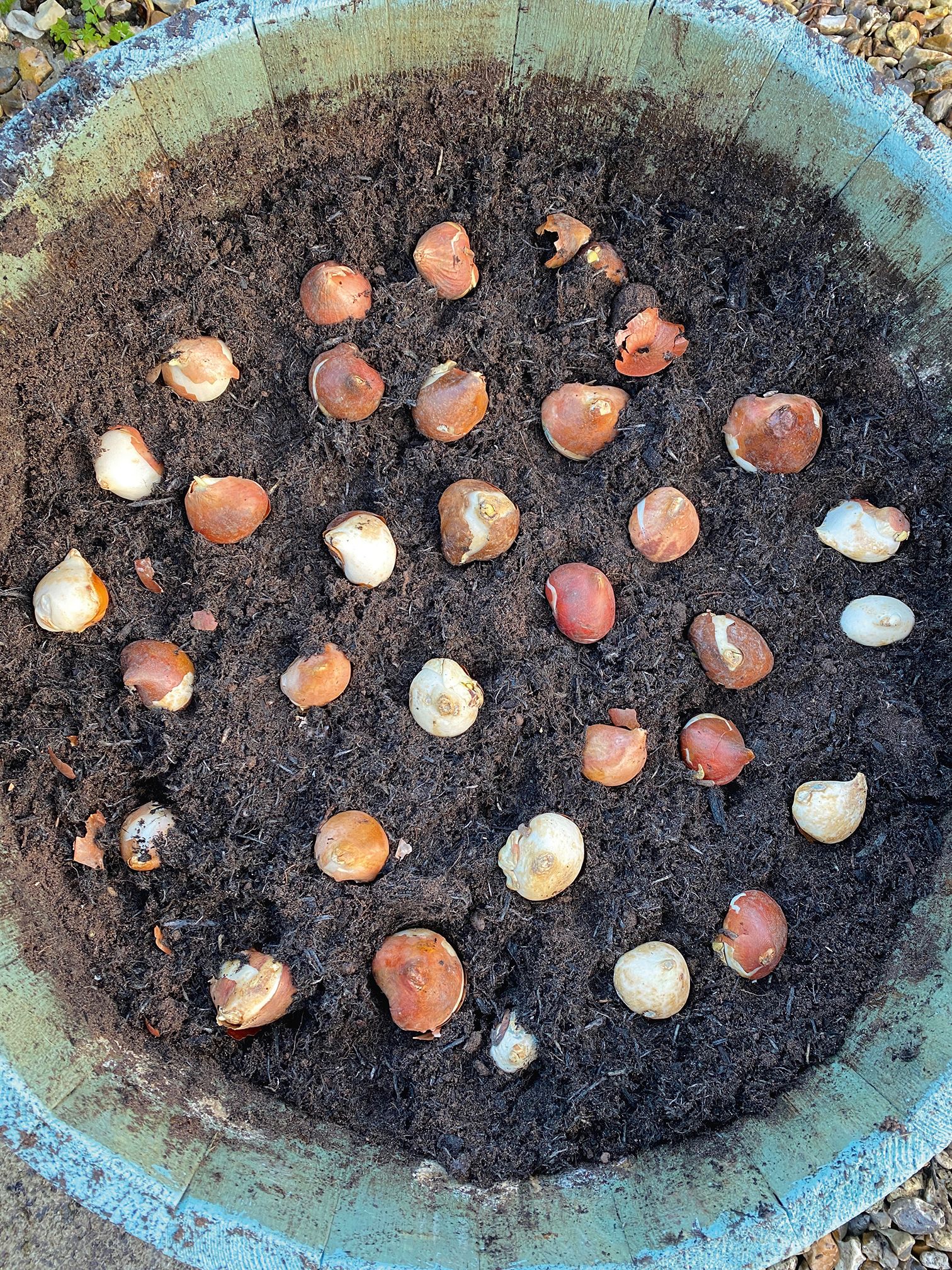
Some are still coming back strongly in their third year, including the wonderful ‘La Belle Époque’, which I wrongly thought would be a one-hit wonder. Others, such as ‘Ballerina’ and ‘Spring Green’, are known to be more perennial, and will keep flowering for years. However, most tulip hybrids will come back smaller and weaker each year, so it is best to keep adding to them if you want to maintain the show. In pots, I plant them in layers with the earlier-flowering Iris reticulata to create a double display.
-2.jpg)
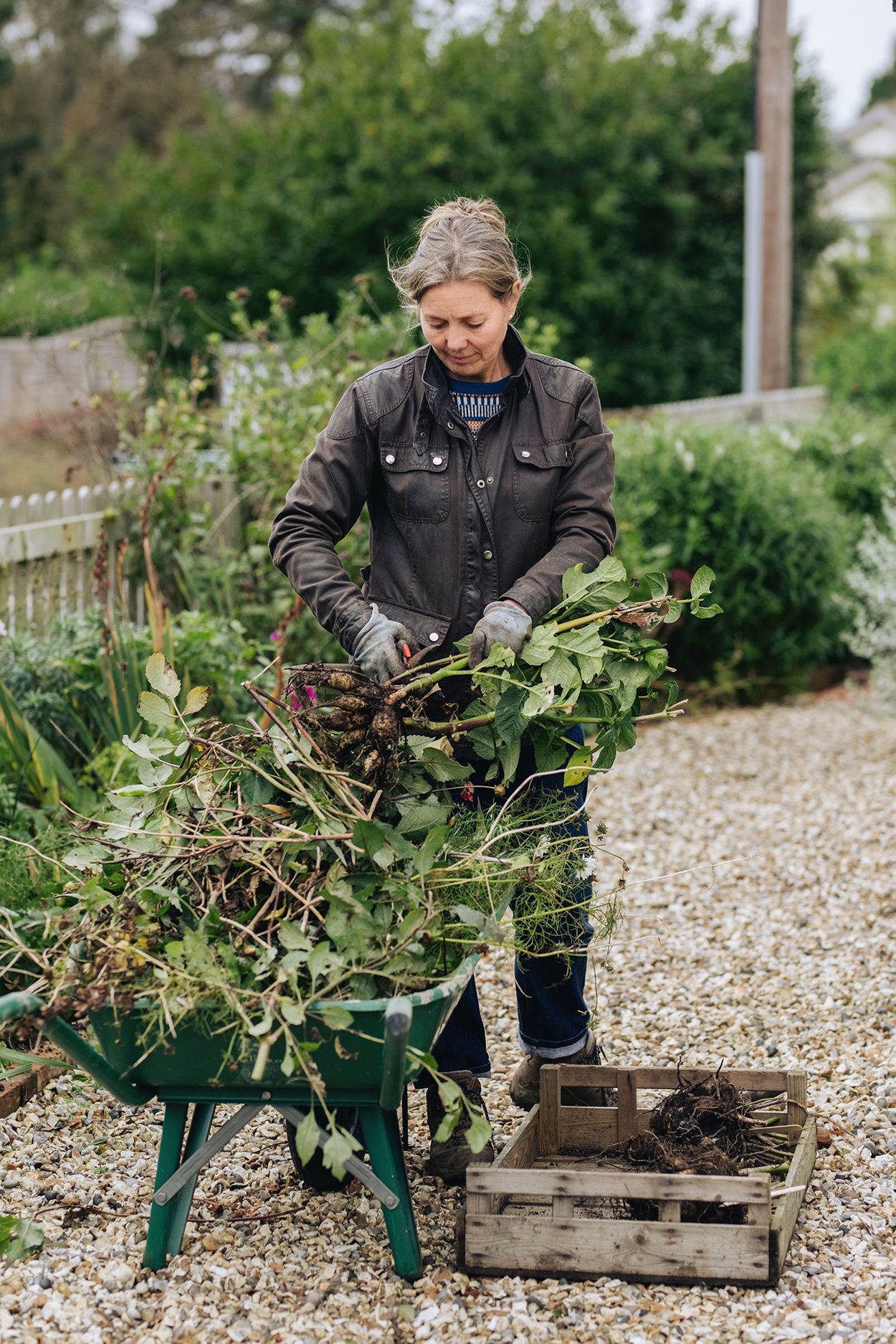
So many of my dahlias have succumbed to winter wet over the last couple of years that, in retrospect, it would have been better to lift them. If you do choose to lift your dahlias rather than leave them in the ground, now is a good time to do it. Wait until the stems have slightly blackened from a light frost and then cut off the stems and the leaf debris, before digging the tubers carefully out of the soil with a garden fork. Wash the tubers and leave them to dry thoroughly before storing them in dry compost or sand over the winter.
I have several big clumps of campanulas and phlox that need dividing this year and this is the best time to do it, as long as the ground remains unfrozen. Any early-summer-flowering perennials can be divided now; for later-flowering plants such as asters, it is better to wait until the spring. Over a period of several years, clump-forming perennials often become congested and will be reinvigorated by division. Sometimes, the plant will pull apart easily to make a number of smaller plants. Others can be prised apart using two garden forks back to back, while some form solid roots that need to be separated with a knife.
Store the pots in a cool, dark place, until new growth emerges from the soil and then move them to a bright window. Hyacinths, amaryllis and narcissus are easy to grow and make a fun rainy-day planting project for children.
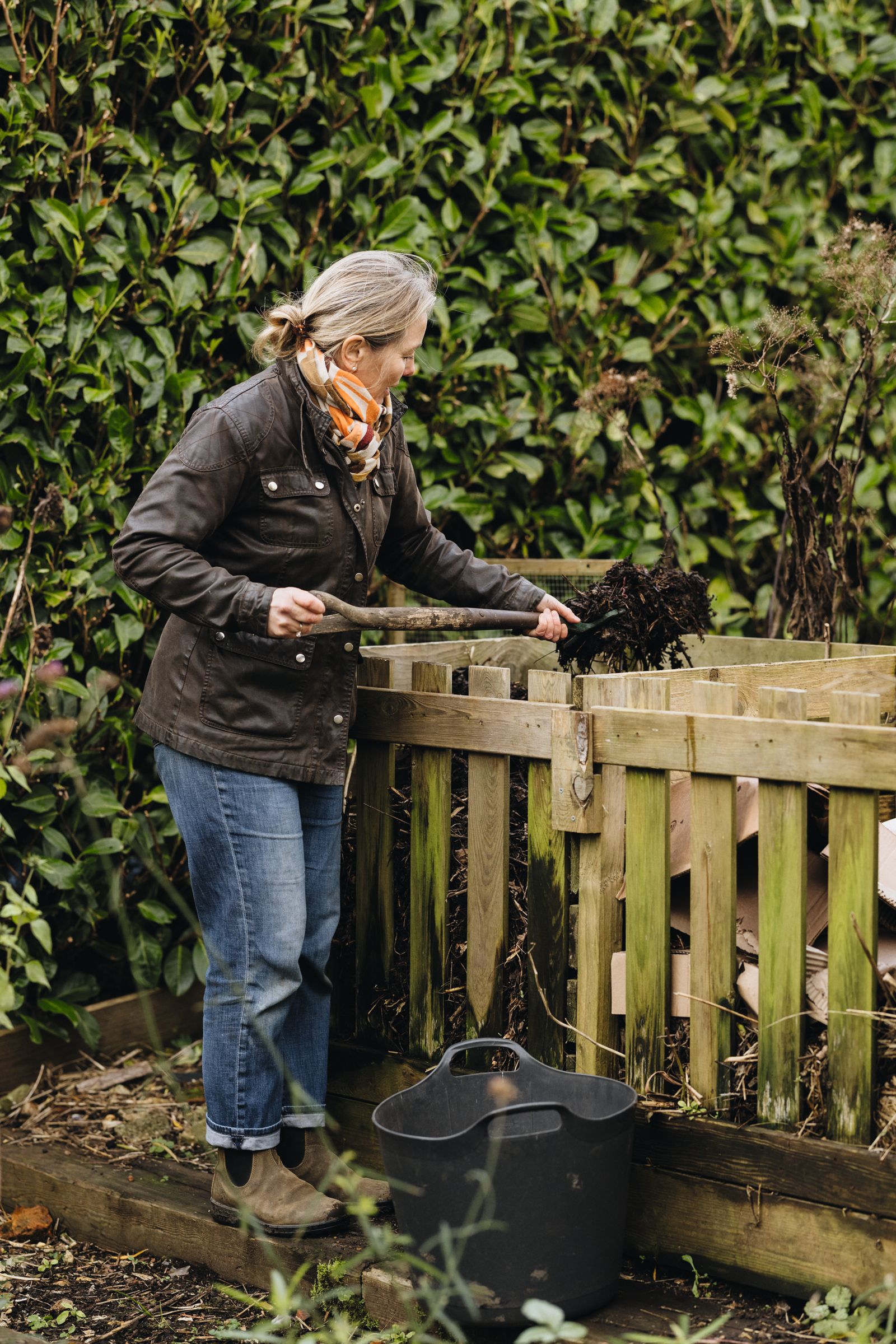
Put your fallen leaves to good use by turning them into leaf mould. We rake up all the leaves from our oak tree and then pile them into a cubic-metre compost bag, then simply leave them in there to rot down slowly over the course of a year. The leaf mould makes a good mulch, as does my own homemade compost, and I use both to cover my vegetable beds at this time of year, adding a 10cm-deep layer.
Autumn is a great time to plant perennials and ornamental grasses, so if you are thinking of replanting or redesigning an area of your garden, now is the time to do it. If you’re buying plants in bulk, it is worth seeking out a wholesale nursery such as Babylon Plants, near Watlington in Oxfordshire. Primarily wholesale, the nursery opens to the public on the first Saturday of each month and it will process orders worth over £200 for collection.
Clare's top jobs for November
- Clear up leaves as they fall
- Protect tender plants from frost
- Raise containers up on bricks to prevent waterlogging
- Prune roses to prevent wind rock
- Cut back geraniums and other soft-stemmed plants
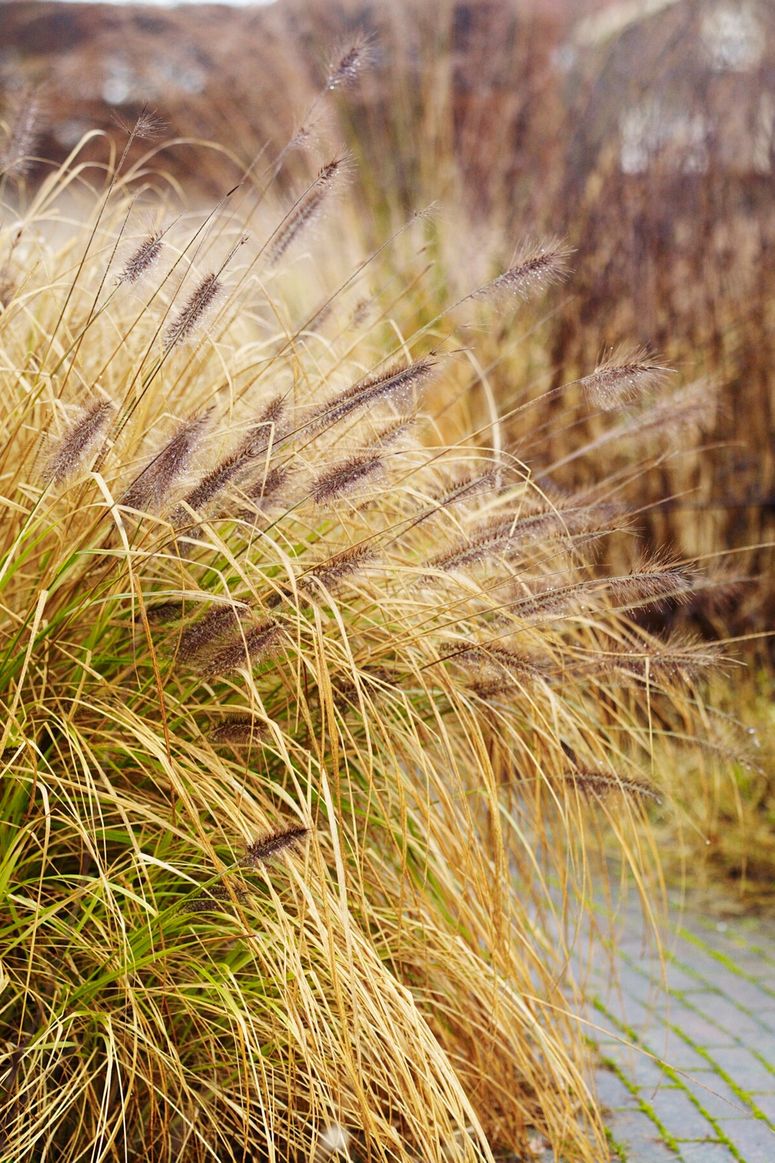
- Leave robust seed heads for the birds and to provide a good winter display
- Have an autumn tidy-up and a bonfire
Seven more gardening jobs for November:
- Winter heating dries the air out in your home. Help your house plants survive by misting them or placing the pots on a pebble-filled tray of water to ensure adequate humidity and moisture. Avoid placing larger houseplants directly on tiles where underfloor heating is present, as this will cause them to dry out considerably.
- Clean and oil your garden tools for winter storage. Place some sand and some oil in a large bucket, then slide your garden tools in and out of the sand. This will do an excellent job of cleaning them, as well as applying a light coat of oil to prevent rusting. Clean any empty pots that have been hanging around in the garden before storing them in the shed over winter.
- It's time to fill your bird feeders for winter. Ensure that they are kept clean and well stocked over the coming months to encourage repeat visits from garden birds.
- You can start to prune your apple trees and pear trees as soon as they become dormant. Leave plum and cherry trees until next summer as winter pruning leaves them susceptible to disease, such as silver leaf.
- Protect your half-hardy plants such as Gunnera and Dicksonia (Tree Fern) by packing the crown straw and securing it in place with a layer of horticultural fleece or hessian sacks. Alternatively bring your plants into a greenhouse or conservatory if you have the space.
- Gather the last remaining blooms from the garden earlier in the month (if you haven't had a visit from Jack Frost!). Prune back chrysanthemums almost to the ground after blooming.