.jpg)
About
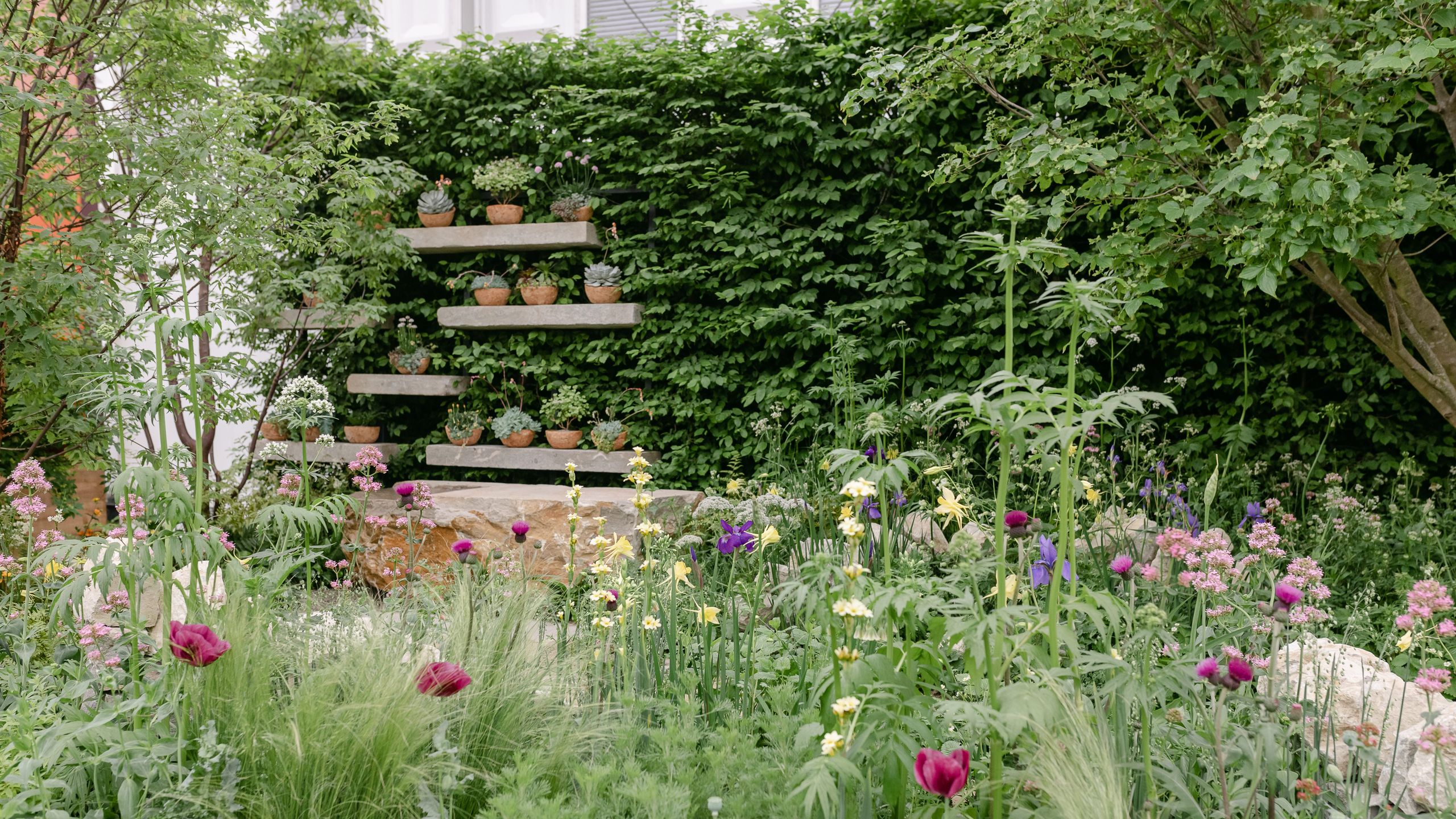
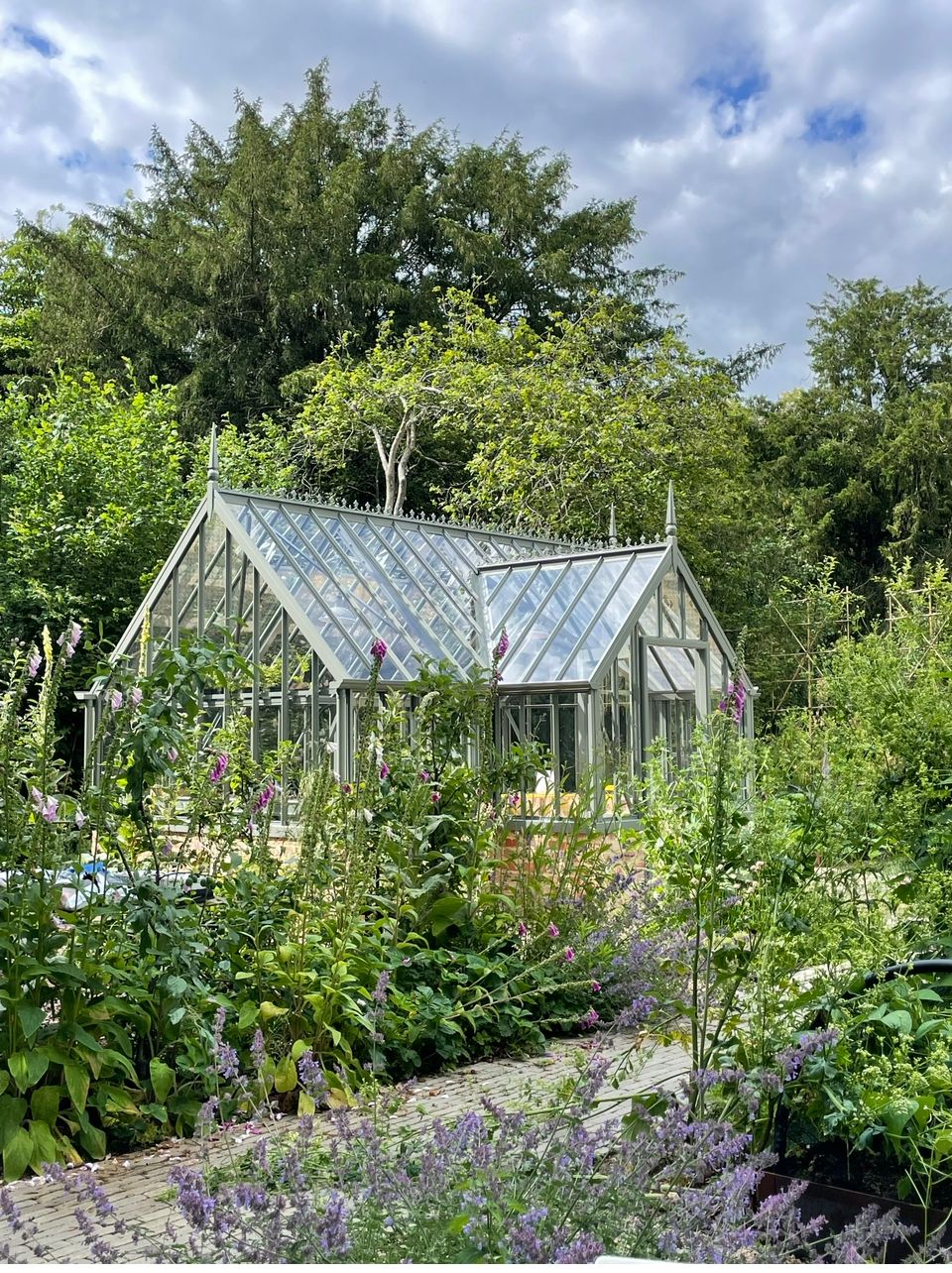
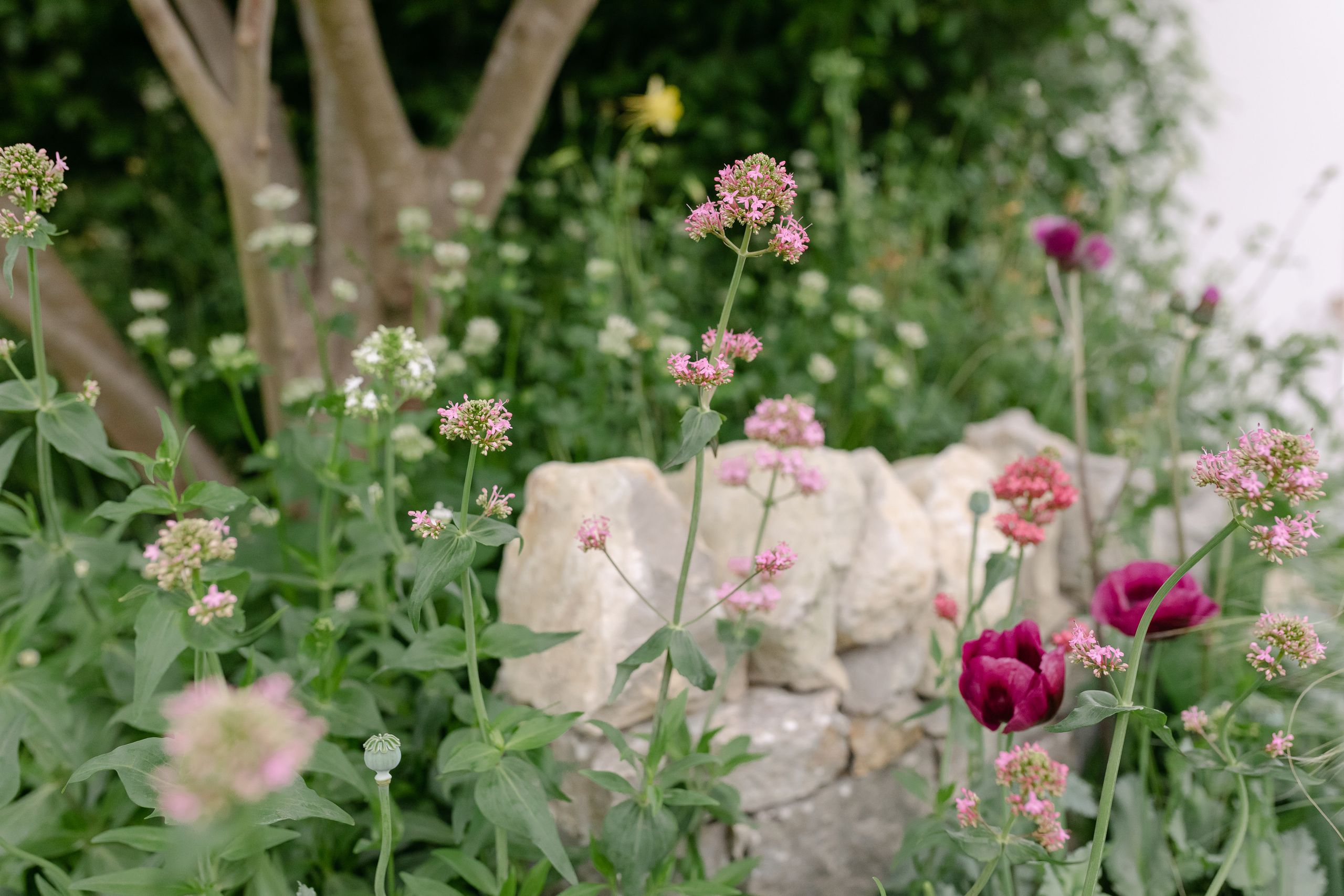
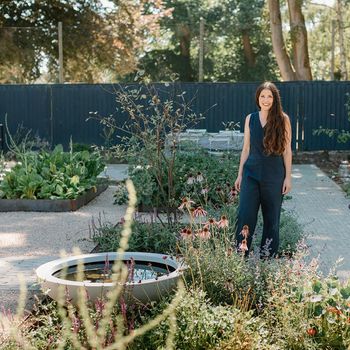
The Garden Taylor is a design-led landscape and garden practice rooted in the belief that outdoor spaces should be both beautiful and meaningful. Founded by Camellia Taylor, a designer qualified in both garden design and landscape architecture, with a background in psychology, the practice brings a unique sensitivity to how spaces make people feel and behave.Working across private gardens, community projects and public landscapes, The Garden Taylor takes a site-specific, people-focused approach. Every project begins with listening: to the client, the land and the layers of history, ecology and use that shape the site. The resulting designs are thoughtful, layered and responsive, balancing structure with softness, and aesthetics with environmental care.With qualifications in both garden design and landscape architecture, The Garden Taylor is equally comfortable shaping a small courtyard or guiding a larger strategic landscape vision. The work is guided by ecological awareness, craft and a quiet confidence in planting and materials, always with an emphasis on places that invite people in and grow more characterful with time.Whether designing a sanctuary for one household or a shared space for many, The Garden Taylor aims to create grounded, generous landscapes that connect people to nature, to each other and to a deeper sense of home.How do you define your signature style?My signature style is quietly confident and deeply responsive, shaped by the belief that gardens should feel lived in, not just looked at. I combine structured, architectural forms with naturalistic, expressive planting to create spaces that feel grounded, layered and emotionally resonant.With a background in both garden design and landscape architecture, my work often bridges domestic intimacy and wider landscape thinking. I’m drawn to materials that age well, planting that moves with the seasons and a soft palette that allows the architecture of both house and garden to breathe. There’s often a strong narrative running through the design, whether it's responding to history, ecology, or the way a family lives and moves through the space.Ultimately, I want my gardens to offer connection and a sense of place.What is your design ethos? What values are important to you in your work?"My design ethos is rooted in connection. With a background in psychology and landscape architecture, I value sensitivity to site, careful listening and thoughtful collaboration. I aim to create gardens that are timeless, sustainable and grounded in a strong sense of place.Above all, I want my designs to offer comfort, beauty and a quiet sense of belonging."In your opinion, what makes a design timeless?"For me, a timeless design is one that feels rooted in its place and in how people actually live. It doesn’t follow trends but draws on lasting principles: proportion, rhythm and sensitivity to texture, planting and atmosphere.I think timeless gardens evolve gently with the seasons. It’s also about restraint, knowing when to edit and when to let nature take the lead."Why do your clients come to you? What do they value about your work?"Clients come to me because they want a space that feels personal, thoughtful and grounded. Many are drawn to the emotional and sensory qualities of my work, how it connects with how they live, how they feel and what they need from their outdoor space.I think they value my ability to listen, to understand a site and to bring a sense of calm clarity to the design process. My background in psychology and experience working on community-focused projects like Aspens Charities, means I’m attuned to how outdoor spaces can support wellbeing, inclusion and connection.Whether I’m designing for a family home or a shared space, I think what resonates is the care in my work in designing gardens that aren’t about spectacle, but about longevity, meaning and a strong sense of place."How do you stay inspired and keep evolving your ideas?"I stay inspired by staying curious. I’m always observing how people use space, how plants move through the seasons, how light and texture create mood. My training in landscape architecture continues to push me to think more strategically and spatially, while my degree in psychology and courses like Eco-Sensory Design have deepened my understanding of how gardens can support emotional and sensory wellbeing.I read widely and stay connected to the natural world, but I also learn a huge amount through conversation, with clients, craftspeople and communities. Every project is an opportunity to ask new questions and explore fresh ideas.For me, inspiration is about paying attention, staying open and allowing the landscape, the people and the process to guide the work."