


It's all too easy to be a bit snobby about certain pieces of furniture: to slip into the trap of thinking your space is ‘too good’ to bow to a trend or current style of furnishing. We're all guilty of it, and the poor beanbag has suffered this fate too many times as a consequence. Sure, it might conjure images of a teenager's den in their parents' basement, or a video gamer's seat of choice, but the humble beanbag actually has quite the design pedigree.
To look at the beanbag's future, we must first consider its past–and it turns out it has a long one. In 2000BC the Ancient Egyptians came up with the first iteration of the beanbag as we know it. Filling leather pouches with dried beans, the Egyptians used their invention for games and recreational activities, namely juggling. The Native Americans also used a similar item for games, though their version was a filled pig bladder. Where the Egyptians preferred juggling with their bean bags, the Native Americans played an early version of cornhole.
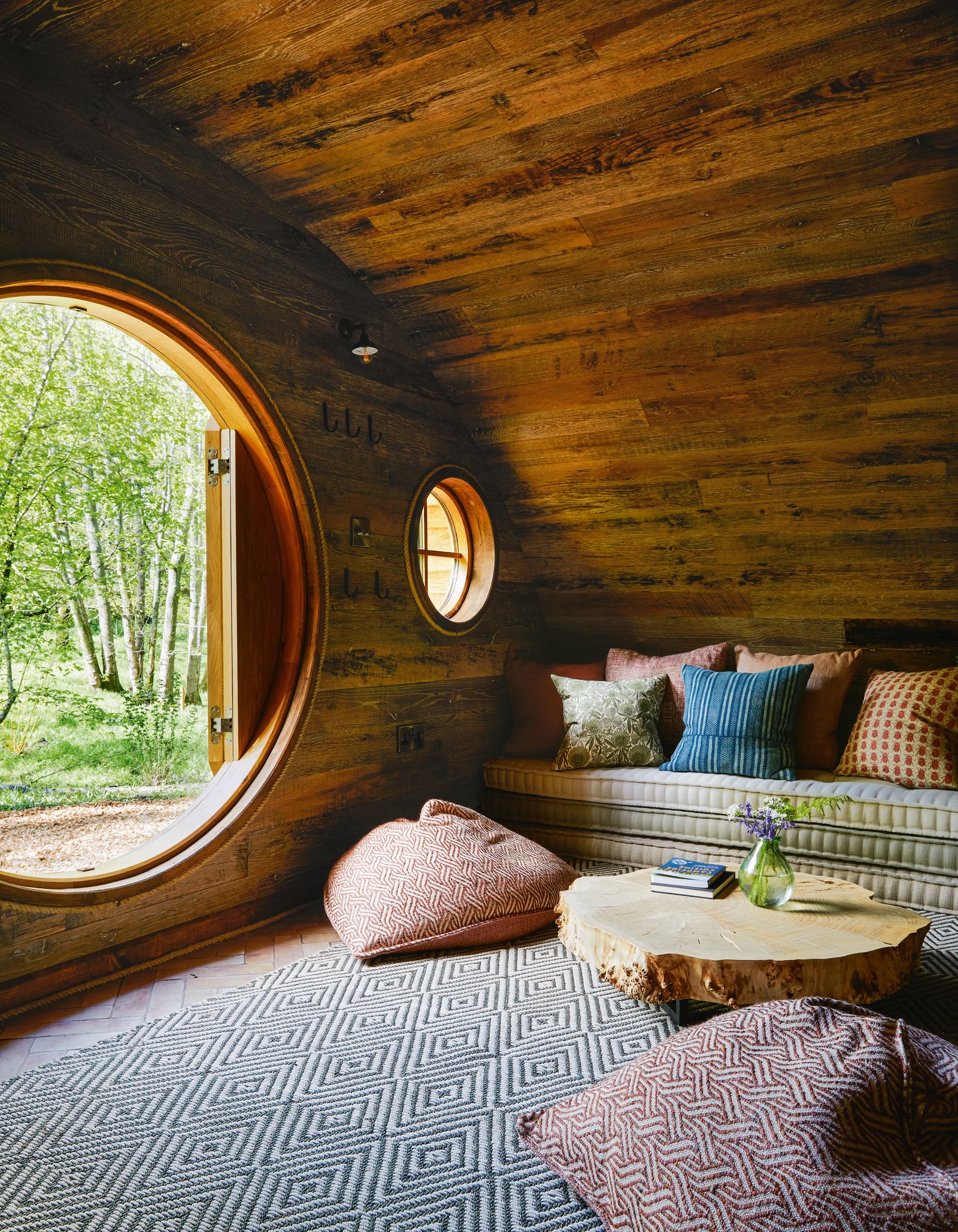
Despite this, it wasn't until the 1960s that the beanbag was made into a piece of furniture. The earliest design on record is from a patent filed by Roger Dean, an artist working at the Royal College of Art. Titled the ‘Sea Urchin Chair’, the chair wasn't actually filled with beans. Instead, it was made up of individual blocks of foam that adapted and moulded around the user in a similar vein to the beanbag chair. Regardless, the form is still recognisable and the chair is now part of the Victoria and Albert museum's private collection.

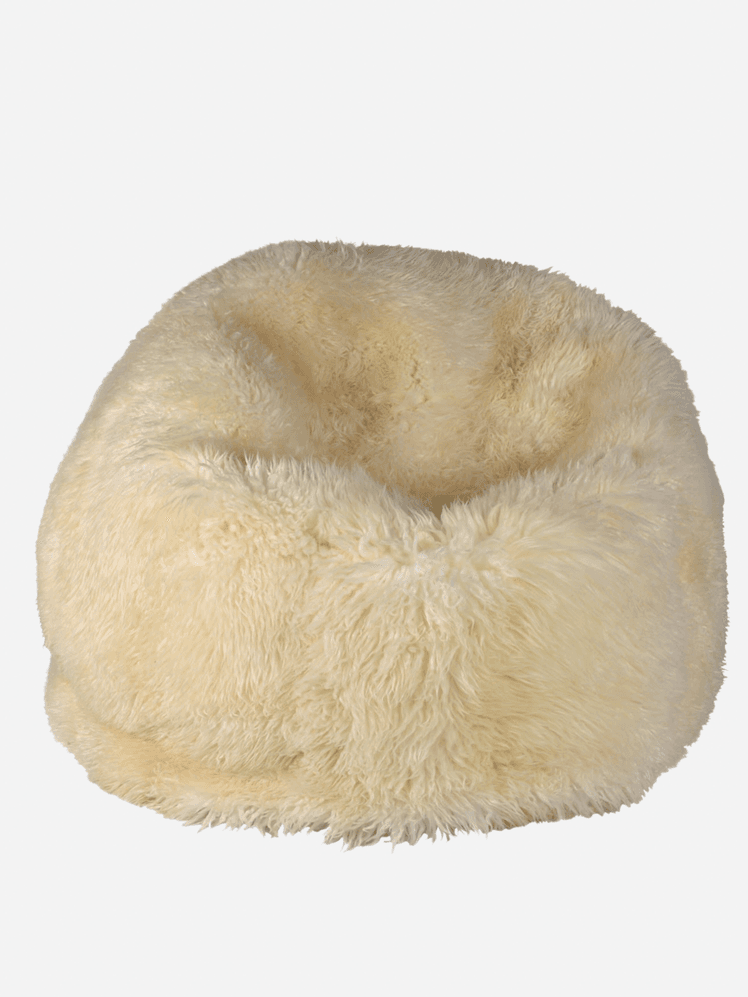
Later, in 1969, a group of Italian designers were commissioned by Zanotta Design to create a visually pleasing, comfortable chair that could be approached from any angle. The result was the first true beanbag chair, named the 'Sacco'. Wanting it be to quintessentially Italian, leather was chosen as the material of choice for the beanbag's casing, despite the rise of plastics and other man made fabrics that were the materials of choice for many of the other leaders within the Italian modernism movement.
Even with these storied beginnings, the beanbag fell out of favour with the design crowd just a decade after its conception. Having targeted young people in America, the chair was quickly adopted by the hippie crowds of the 1970s, gaining associations that the style set du jour did not want to be adjacent to.

Fast forward to today and we are seeing a slow but certain resurgence of the beanbag, with many high street shops and furniture retailers now introducing the chair into their offering. House & Garden itself has even been subject to the beanbag's allure now and then, with sheepskin covered versions featured in projects by Retrouvius and Turner Pocock.


And it's not just the high street, with interior designers like Sophie Ashby creating chairs that subtly nod to the beanbag. Take her ‘Cinema Chair’ for instance. Much like the beanbag, it offers no clues to its internal workings when not in use. There is no visible frame, or legs, or ‘skeleton’ to be seen. Perhaps the future of the beanbag lies in these slightly more structured forms.
.png)
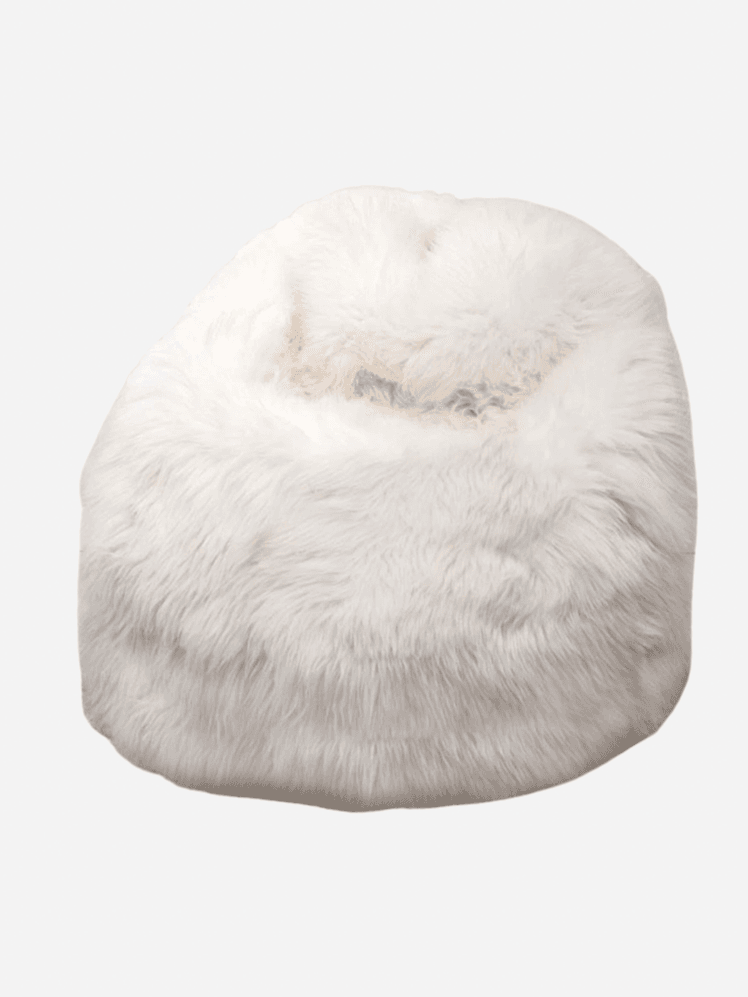
If you've made it this far, then I'll reward you with a confession. I have an ulterior motive for exalting the ‘design pedigree' of the beanbag: I am the proud owner of a beanbag. It seats two, is covered in a plush sheepskin case, and is by far the most comfortable piece of furniture I own. Truly, there is no cosier way to watch a film than curled up in a beanbag. Sure, it's not the most attractive furnishing, and I do hide it away in the corner when not in use, but I've never looked back since using it.
.png)


