

“There I was, crawling around on hands and knees at The Strand, a famous book shop in New York, almost on the verge of tears,” Gillian* recalls, continuing“it was my fifth time there that week, and I had the sneaking suspicion that I'd be back again for a sixth go around. My client's husband, a famous music producer, had rejected nearly every Taschen, Rizzoli and Assouline book, saying he absolutely did not want books on – and I quote – ‘piddly people’, or any person, for that matter, even remotely linked to the music industry – including, it seemed to me, even those who listened to the radio. Somehow, though, I got it done – and he now sends me selfies with the books he's reading (from his curated shelves).” Gillian, apart from her primary job as a speciality antiques and art dealer in New York, is a book stylist – and a very good one, at that. She's curated the libraries of many a 5th Avenue penthouse and Malibu bachelor pad; nearly all the coffee tables and bookshelves across the million-dollar lofts of Soho feature titles hand-selected by Gillian.
Perhaps surprisingly, the life of a book stylist is tricky. It goes beyond swinging by the bargain bin at a local bookshop (though there's no shame in that) looking for the prettiest spines; it involves lots of research and organisation and, for certain clients, the curatorial skills of Klaus Biesenbach. “There are a lot of people who might think, ‘Hey, I could do this!’, and, you know, they do!” she laughs, “Any time you go to a bookshop, you're curating your own collection. Usually, though, the books you choose are simply ones you want to read – or, maybe, if we're being honest, sometimes just have pretty covers. But for us book stylists, it is so much more than that… we have to ask ‘Who are our clients?’ and beyond that, ‘Who will see their books? What messages should each book convey and what will each say about them?’”
What is it like being a book stylist?
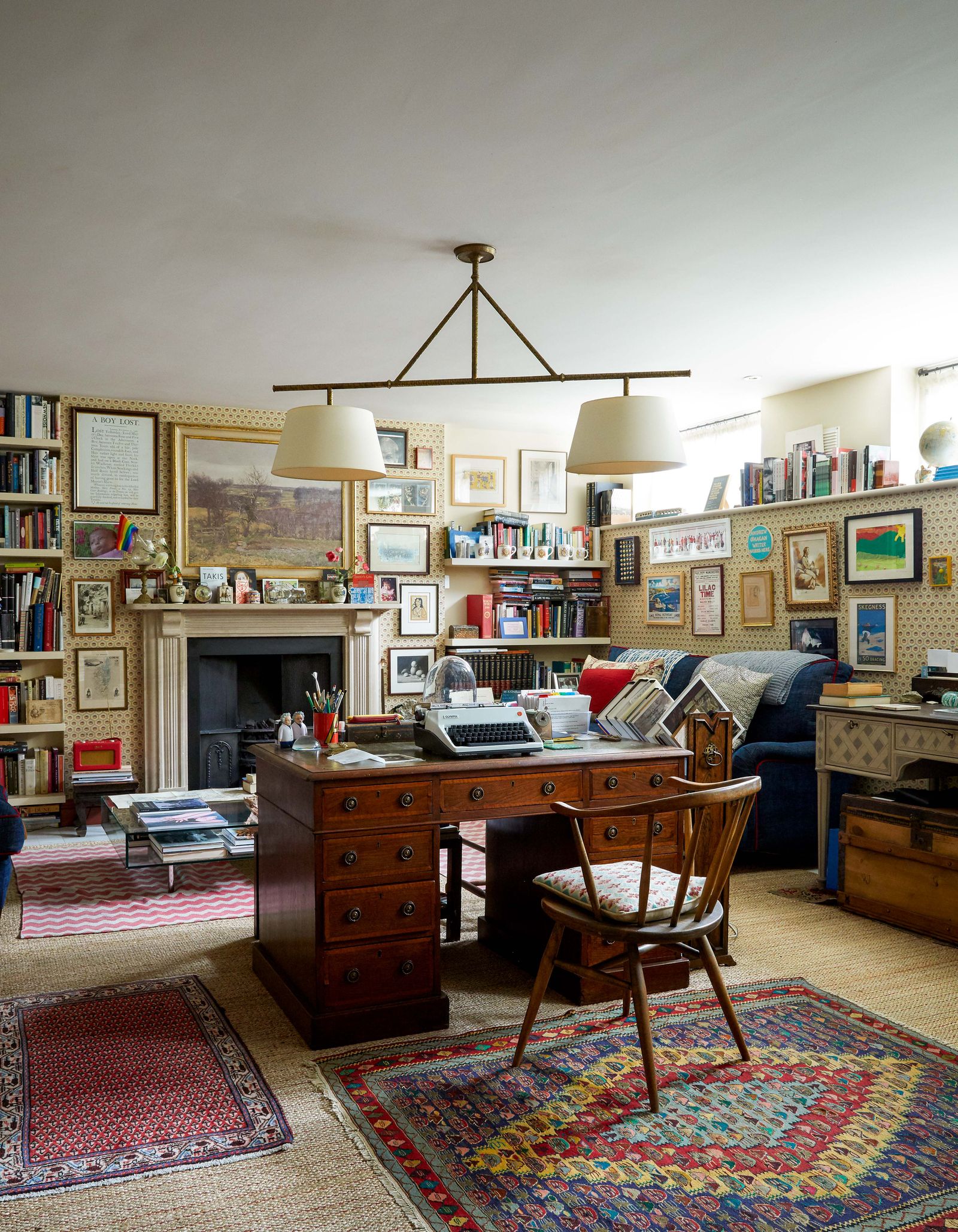
The day-to-day of a book stylist is at once a simple and fiercely difficult task. Alice*, a New York-based interior designer and book stylist, says that she often spends “months at a time” curating a client's entire book collection: “Styling books goes beyond just matching them to an interior for a photoshoot,” she says, “I usually spend a long time with my clients – even if they aren't big readers – picking and choosing either the kinds of titles they want in their house, or the overall themes of the books.”
Sometimes, this consultation process goes on for weeks: for a recent project of Gillian's, for example, the stylist was tasked with curating the books for the bathrooms – and only the bathrooms – of a client's boat. “There was a lengthy back-and-forth on having boat-themed literature in the bathrooms – I wanted to go beyond Moby Dick, but my client insisted on a nautical theme. He also wanted something that was actually readable and not just for show, so we settled on older editions of classics like The Old Man and the Sea and Huckleberry Finn, as well as a few contemporary art books whose subjects focused on explorers and the sea.”
Back on dry land, Alice calls Gillian's post-consultation efforts “book sifting”, wherein the book stylist curates a bespoke collection of books for her client, usually a mix of her clients' existing collections and titles tracked down by the stylist herself. The next phase, as Alice calls it, is the arranging process, during which the stylist assigns the titles to each room in her client's house and arranges the titles according to their specifications, something Alice says is a “true insight into the human brain,” as some of her clients opt for a rainbow arrangement of books, whereas others want the spines arranged in height order or have their “own methods to their madness.”
How to curate your literary collection like a book stylist

“The first thing I consider when book styling is the room's overall scheme,” says Alice, “I want to make sure that the books I choose for my clients work well with the rooms' vibes – which usually corresponds to my clients' personalities, too.” For example, if your room's scheme is more modern than traditional, opt for more contemporary additions rather than leather-bound tomes. The books featured in your living spaces or study will likely be the books most visible to both yourself and to guests, so pay the most attention to the book collections featured in each. Crucially, Gillian advises that “judging books by their covers” is paramount in these spaces: “Substance of course matters, however, if you are drawn to a colourful spine or particularly pretty cover, try working it into the space.” And for the books you love, regardless of their covers? “Spare rooms are ideal for any overflow you may have – or for stashing your favourite books you've read again and again but cannot bear to part with,” advises Alice.
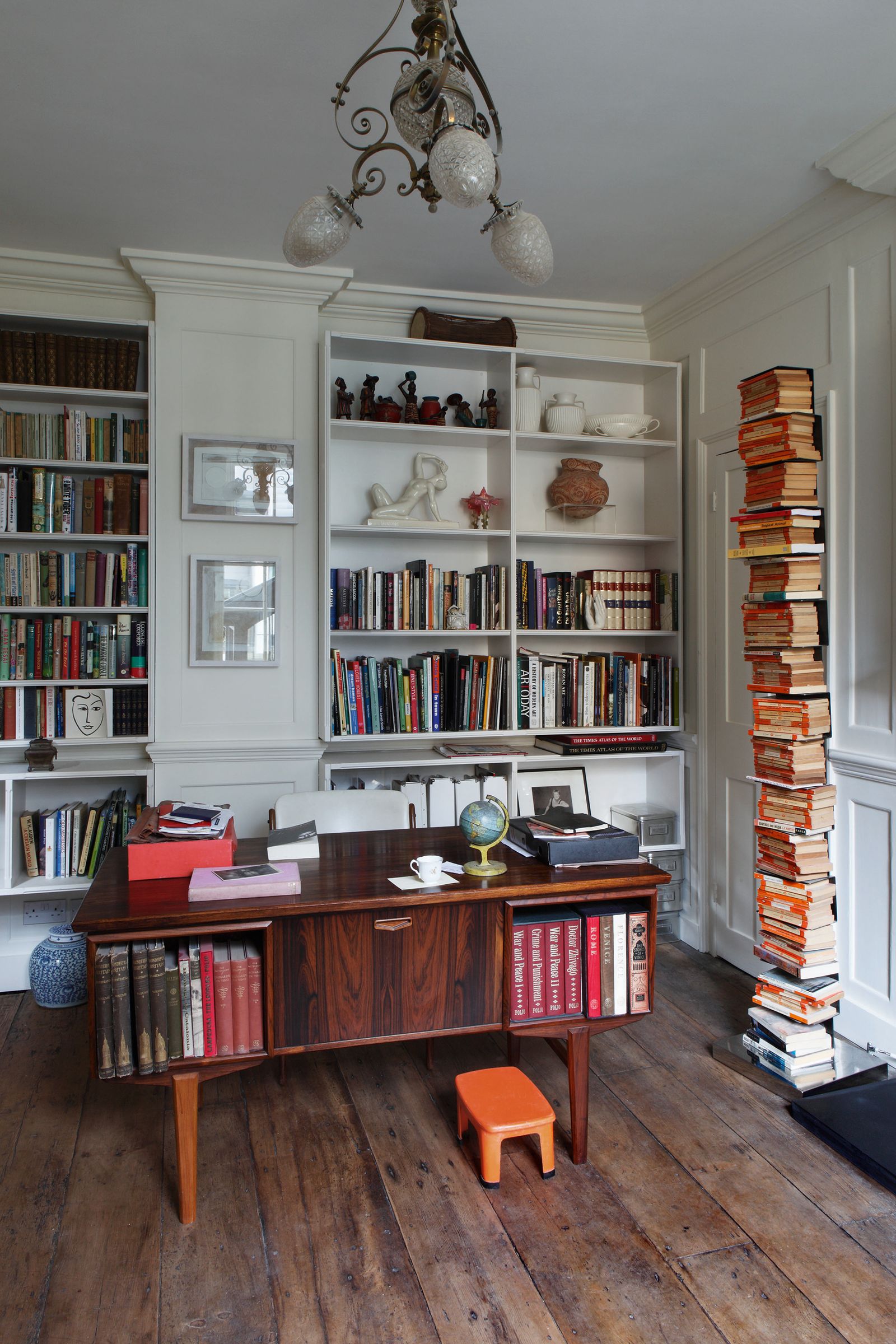
When it comes to proper book styling, genre is one of the most important factors when considering their place in your house. “Books are a very personal thing,” says Gillian. “Everyone has their own favourite genre or author, which makes it difficult to curate a great collection – especially if you have ‘kooky’ books on your shelves.” A pair of Gillian's clients – an actress and a comedy writer, – for example, had “piles” of medical textbooks that the writer had inherited from a relative. The couple couldn't bear parting with the textbooks, but were clueless as to how they might integrate their eclectic book collection into their house. “I told them to embrace their inheritance, and built an entire theme around it,” she says. “The other books I chose – mostly art or coffee table books – were somehow related to the human body, from photography books with sexy, 'fashion-y' nudes to books with Leonardo DaVinci's medical illustrations.” The takeaway? Don't be afraid to display books with subjects personal to you or embrace a pre-existing collection; instead, work with your interests to curate your perfect bookshelf.
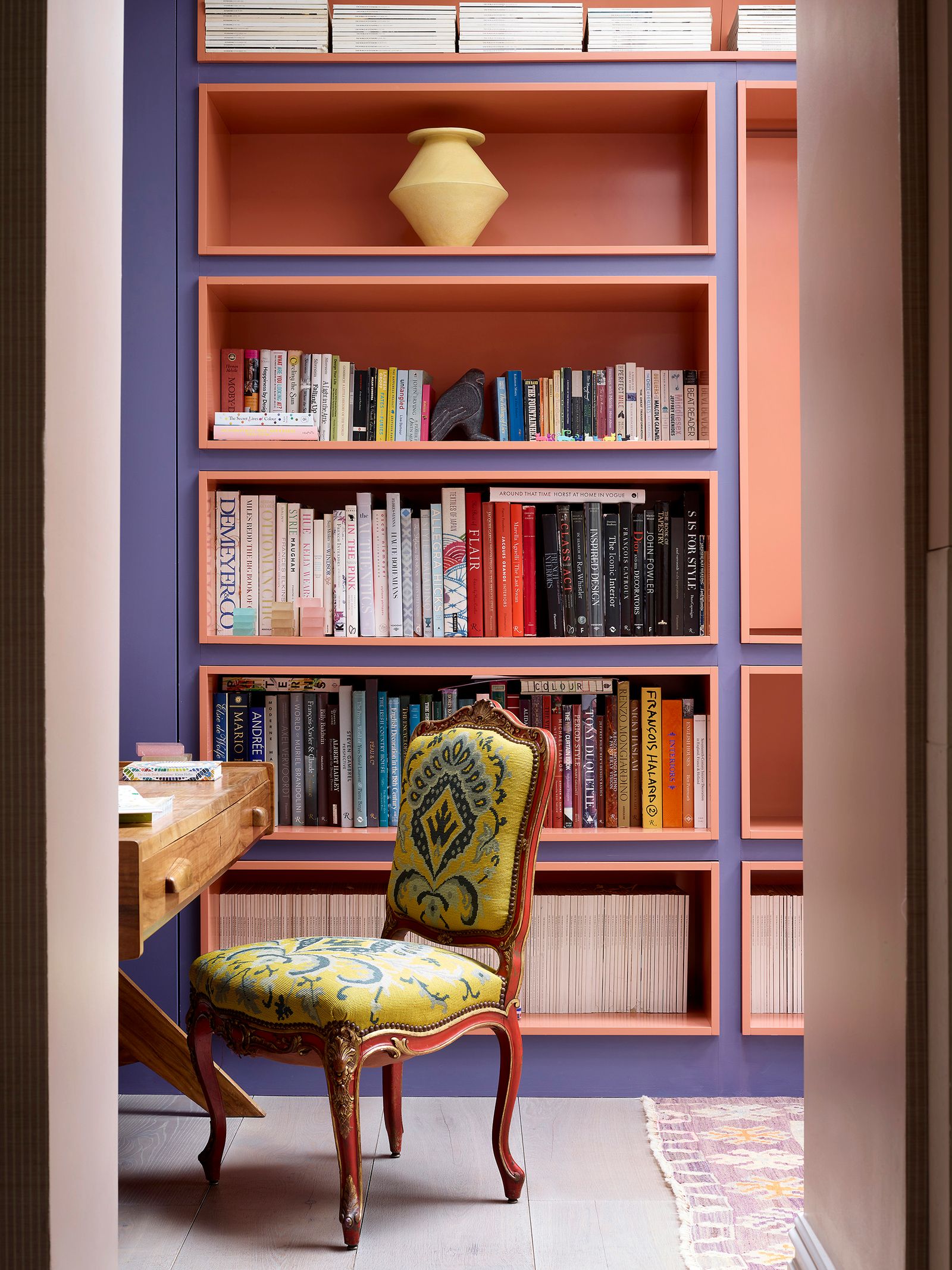
As with curating your own personal style, curating your book collection is a deeply personal venture that should never pay too much attention to trends. “One thing I find myself telling my clients over and over again is that having ‘cool’ or ‘popular’ books might not be in their house's best interest,” says Alice. One of Alice's clients, for instance, had purchased every single edition of a certain publisher's über-popular, colourful coffee table books on travel after seeing them in a bookstore window; however, her house was “white on white on white – as minimalist as it gets” says Alice, “and not only did they not fit in, she also hated them!”
Stay true to yourself when styling your bookshelves and do your best to cut out the influencer noise of what books are right for you, be they colourful travel books or collector's edition novels.
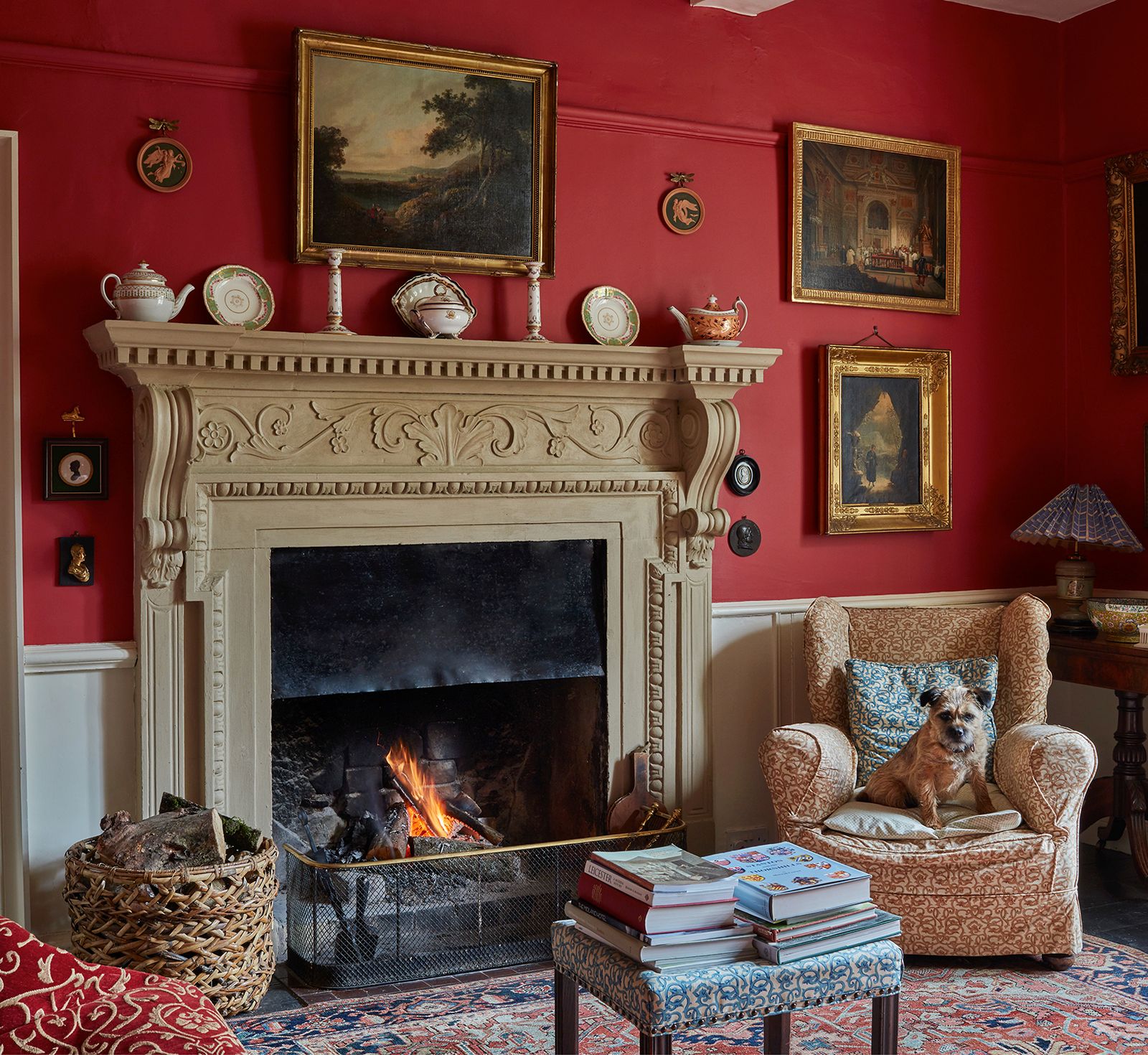
After they've finished the bulk of their styling project, both Alice and Gillian will head to their favourite local bookshops' bargain bins to rummage for books with either interesting covers or whose subjects match perfectly with their overall schemes. “It is amazing what you'll find, if you look hard enough,” says Gillian, who curated a friend's cabin with books solely found in bargain bins or charity shops. “We even found a second edition Joyce, my client's favourite author!” she adds. Alice will troll the websites World of Books or AbeBooks for second-hand coffee table books and harder-to-find titles, a practice which not only saves her clients money, but also is “one of the best ways to spend an afternoon.” When searching for books for her clients' children, Gillian will first head online to find second-hand versions of “exorbitantly priced” children's books, as “kids will run through them anyway, so save here so you can spend more later.”
*For client confidentiality purposes, Gillian and Alice have asked to remain anonymous and their name has been changed.


