
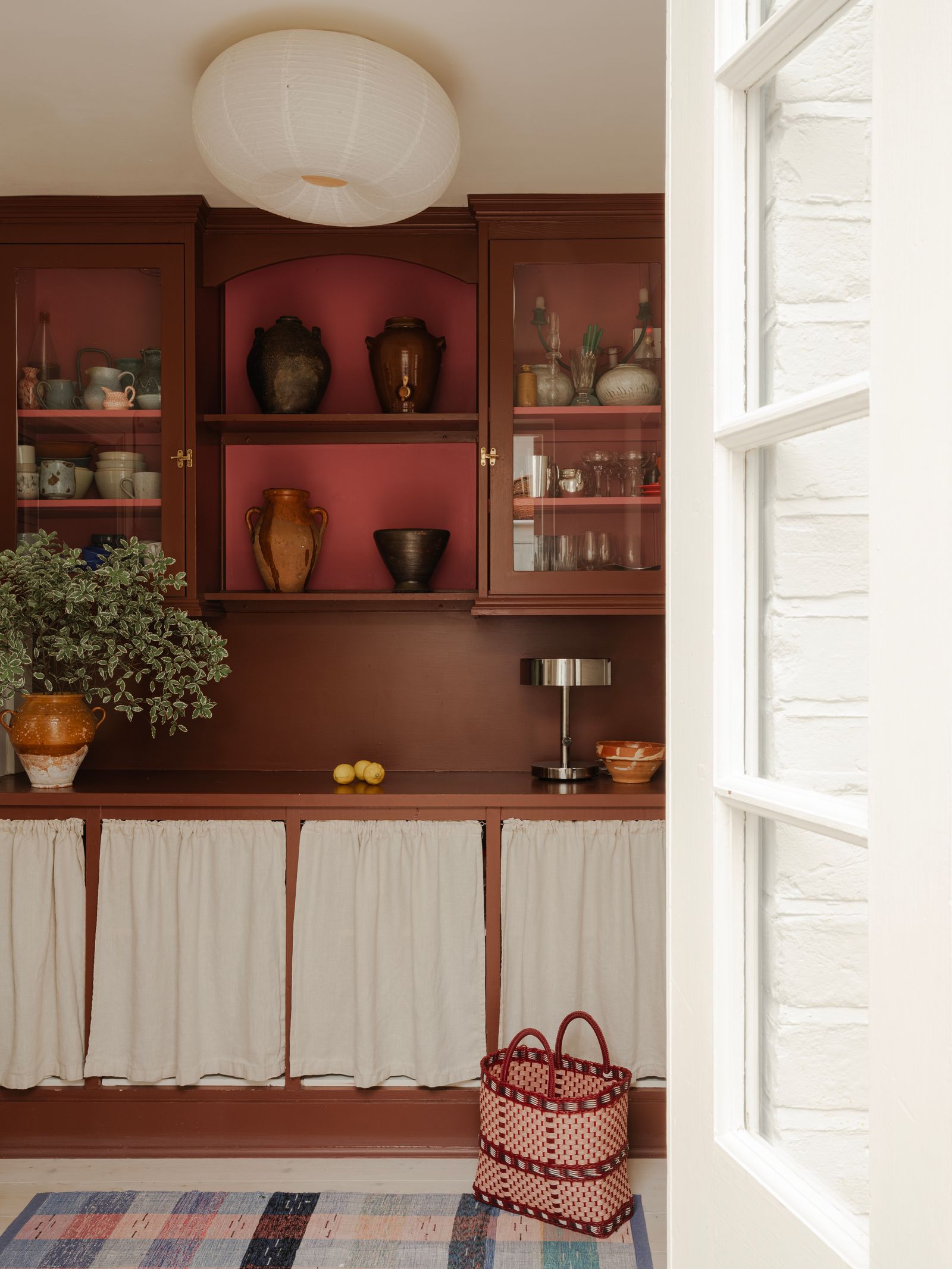
When talking to designers about their paint colour choices, one of the things that we at House & Garden hear most often is ‘Oh that? I just mixed it up myself’. It is, of course, very admirable but such a statement, for many of us, is immediately filed away in the ‘I wouldn’t know where to start’ box and exchanged for a colour card of ready-to-go shades. We have decided that the time has come to get to the bottom of mixing your own colours: discovering the dos and don’ts along the way so that one day we (and you) might be able to create your own truly bespoke colour too.
‘I am always mixing my own colours,‘ says colour consultant Harriet Slaughter. ‘I am a bit of a paint hoarder, so I never throw away old tins. They are perfect for experimenting. Among various experiments, I have had success lightening deep creams by adding a little white to get the perfect colour to match in with some cream tiles, and blending greens and blues to get the exact green-blue I wanted for a beautiful old housekeeper’s cupboard.’
Interior designer Joshua Hale had a very happy time mixing two half tins of Edward Bulmer’s ‘Nicaragua’ and Farrow and Ball’s ‘Smoked Trout’, both of which he had bought for the same room and neither of which ‘quite worked’. ‘Together, they made a wonderful sort of plum fool colour that is still up today,’ he says.
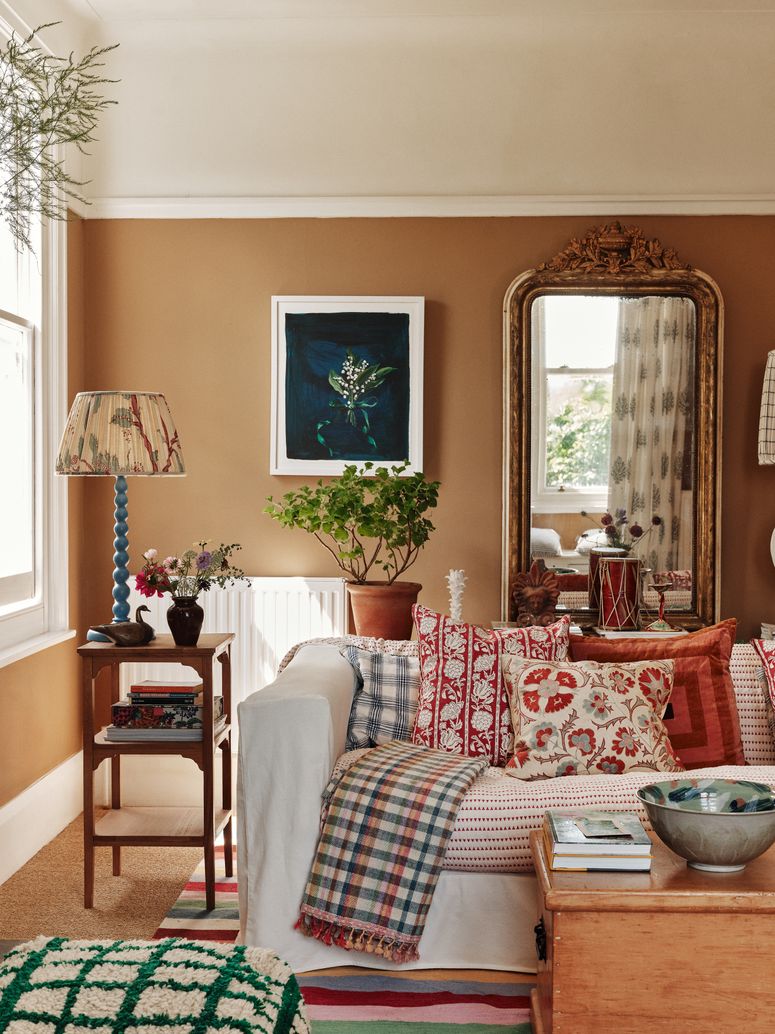
The appeal (and fun) of mixing your own paint colour lies in the creativity it allows: you can start slowly, mixing a small amount of one paint into another (Harriet reminds us to always make a note of the quantities you are mixing) and see how it turns out. It might not be perfect the first time, but be patient: ‘For each colour I found, I mixed up four or so iterations,’ says Harriet. ‘I tend to do mini versions of ratios by weight in a small cup on a weighing scale – say three parts blue to one part green – and try a few of these on lining paper.’ Once dry, make a note on the paper of your ratio and see how the colour works against your walls.
It is hardly surprising that such an experienced pair has seen success with their paint mixing, but what are the rules that the rest of us might not know? ‘When you mix colours in equal parts that sit opposite each other on the colour wheel, such as green with red or purple with yellow, you will create a brown,’ says Harriet. ‘That might be the effect you want, but it’s worth knowing!’. She also reminds us that it is best to mix paint colours with the same finish and never mix oil- and water-based paints. I need hardly point out that the two would simply not mix, and would separate, resulting in a lumpy mess that will peel off your walls (if you get as far as painting it on).
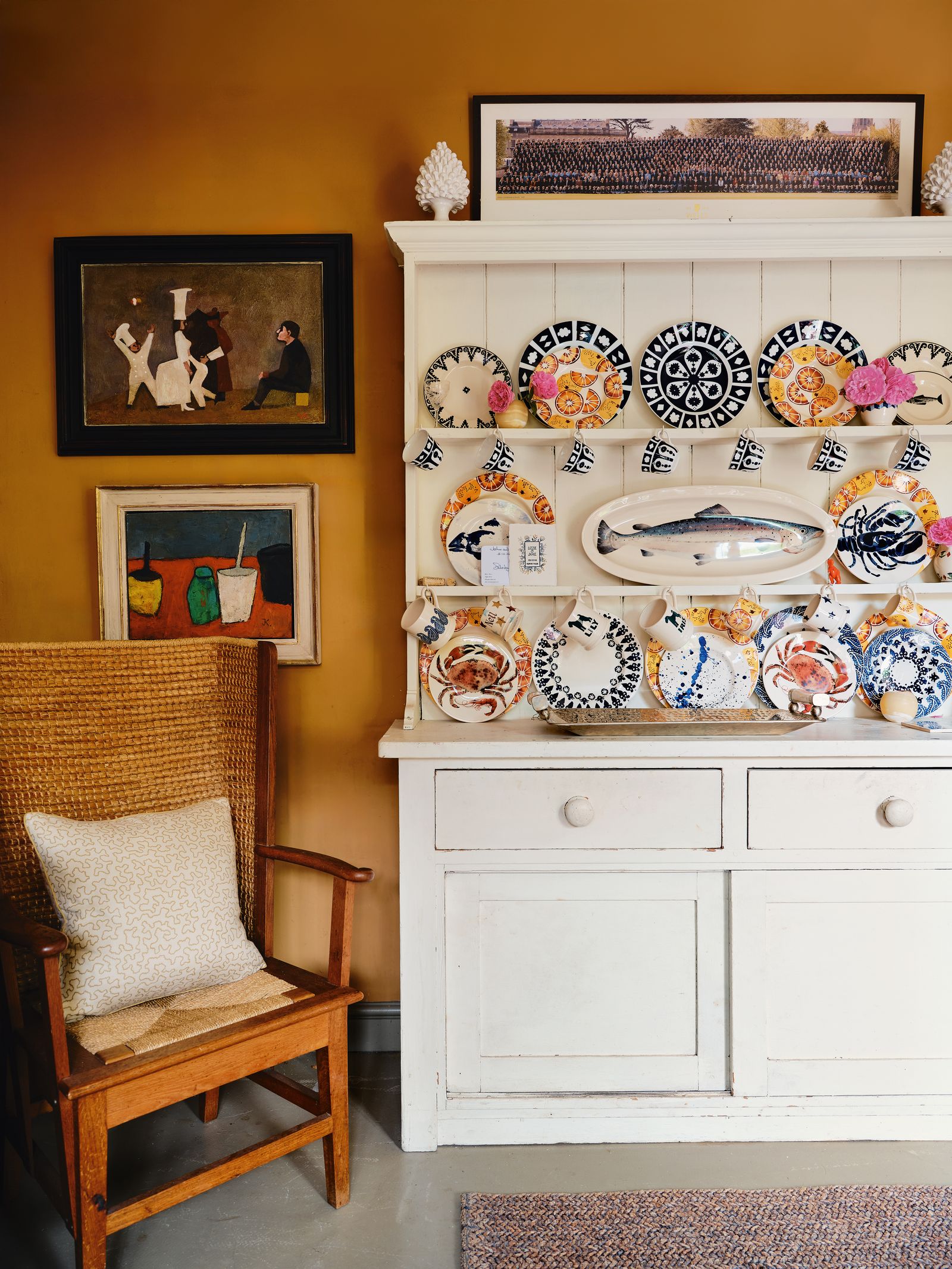
Joshua, meanwhile, points out ‘if you want to strengthen a colour, add the dark to the light, and vice versa if you are trying to go lighter. Don’t forget that white often only weakens the colour, rather than lightening it so play around with using lighter versions of the same colour to “lift” it.’
Both Joshua and Harriet insist that the number one thing to remember is that it is crucial to remember the exact ratios that you have mixed. ‘Always, always document what you have done; write down your ratios, label all your test swatches and perhaps make notes on your phone of what you have tried. And when you land on the shade you like, make sure to record how you made it,’ says Harriet. Even when taking a mathematical approach, it will be tricky to exactly recreate the colour every time: there is always a risk of a slight variation within your sample colours or not getting it bang on the second time you try, so Joshua suggests you ‘make enough the first time that you won’t run out ¾ of the way around the room, and then put the the leftover paint in a jar to keep it “fresh” for touching up in the future’.
There is certainly fun to be found in creating your own bespoke palette, but as with so many interior-design experiments, the best way to avoid the whole thing ending in tears is by carefully planning and diligently following instructions. From there, the floor (and the wall) is yours.


