

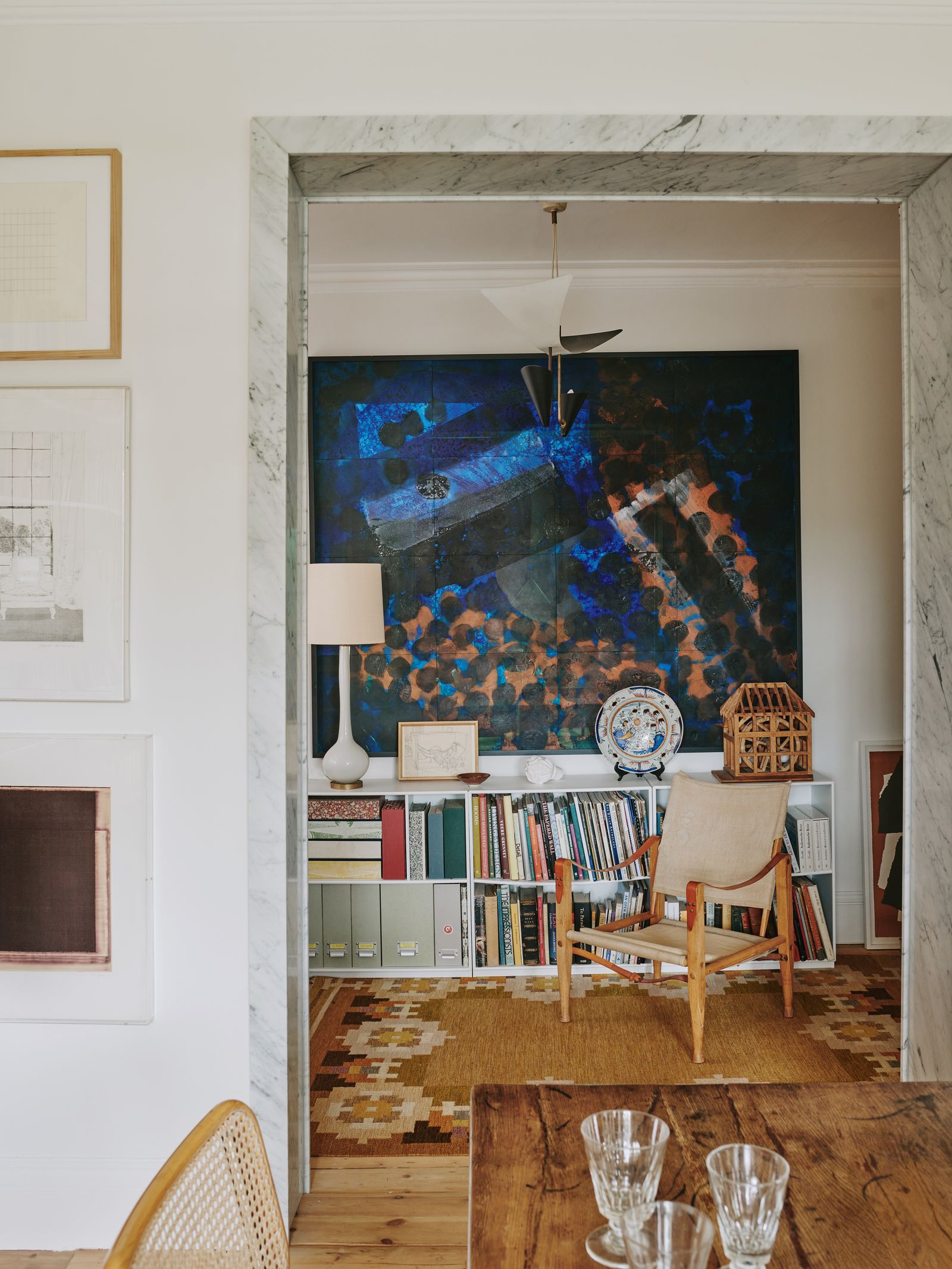
Full height bookshelves, are, understandably, a popular choice. Whether built in, freestanding or wall-mounted, they are an efficient use of space for storage and also an excellent focal point for a room. For the bookworms among us, they're also something of a status symbol (look at my massive wall of books!). But we're here to make the case that they shouldn't be the default option. Consider the low or half-height bookcase instead: it's a beautiful thing, allowing for plenty of storage but with space above to hang pictures, and a shelf on top where you can display objects. It's also a way to incorporate books in a relatively low-impact way. As interior designer Virginia White says, ‘books add a great deal of decoration to a room, but in going full height you're committing to a library look, while low shelving reads more as part of the furniture.’
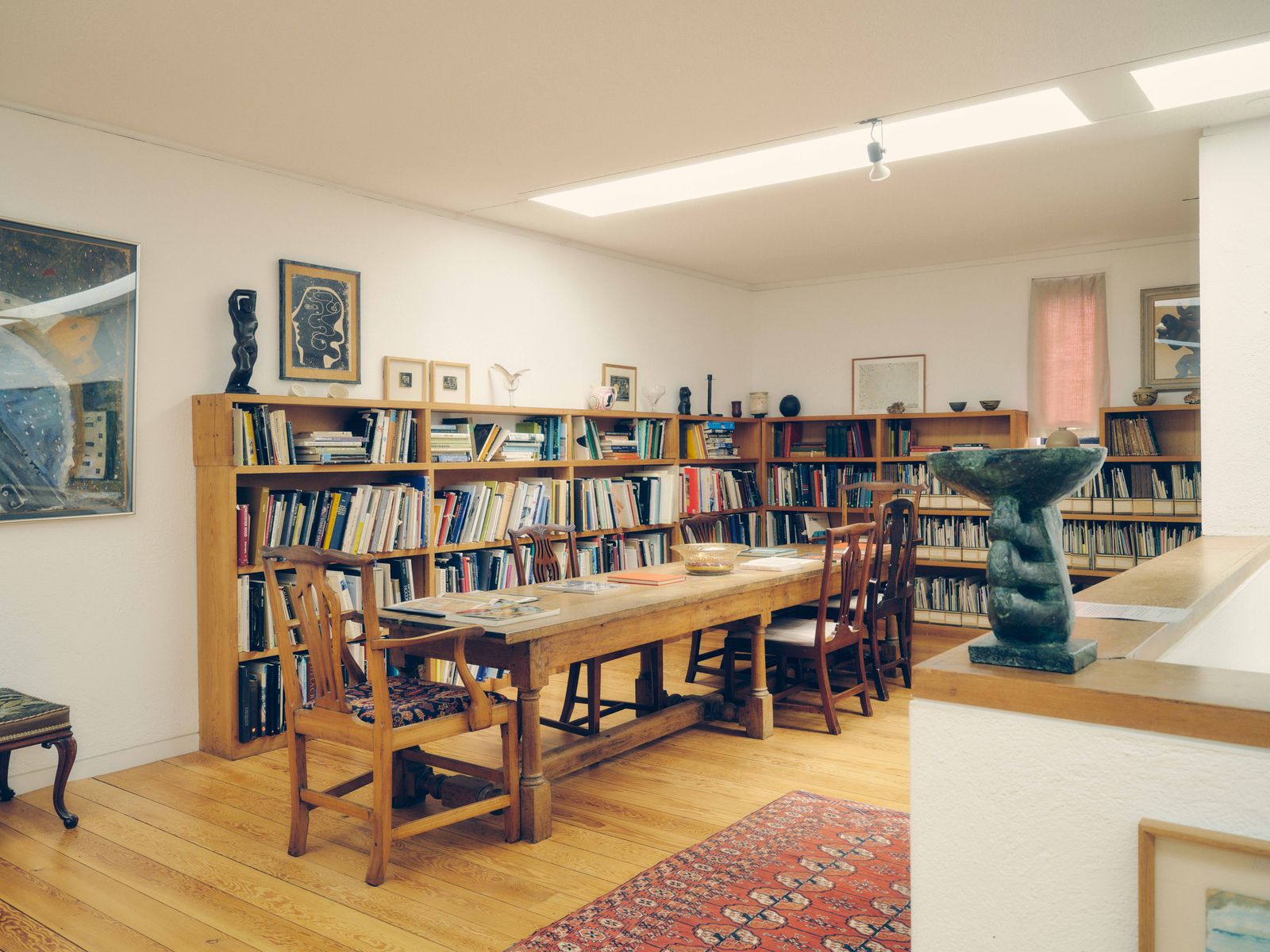
Our favourite examples are largely modernist styles, with slender silhouettes in oak, plywood or a white veneer. Perhaps the most iconic comes from Kettle's Yard, where half (or two-third) height bookcases are used in several spaces, most prominently the library space (above) where academic texts are gathered around a long farmhouse table and pictures and ceramics from Jim and Helen Ede's modern art collection stand on top. It's a simple but lovely arrangement, and allows for empty space and a lighter, more casual look than a full wall of bookshelves would have done. The simple, modernist design of the bookcases themselves, with their slender oak shelves, also helps with the lightness of the look.
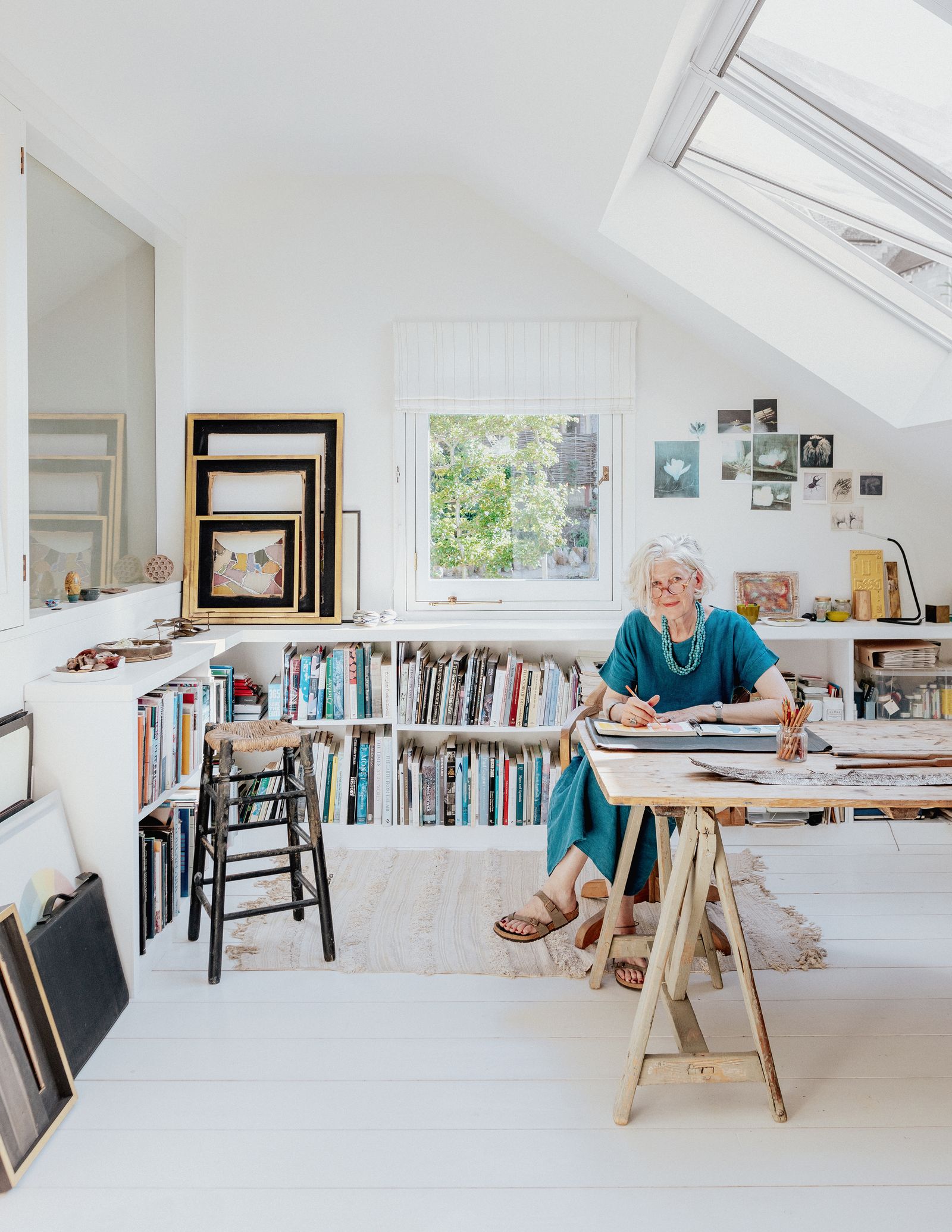
Part of the appeal lies in the way these bookshelves occupy the greater part of whatever wall they're placed against – they have a greater effect when they are long, or when several of them are lined up together, rather than just being a single bookcase marooned in the middle of an expanse of space. ‘In small spaces,’ notes Virginia, ‘a low bookshelf expands the sense of width in a room. A full height or tall bookcase would reduce the sense of width of room by creating towering verticals. It's less comfortable.’ There is also something about the regularity of the shelves in these examples that is pleasing – these are not gimmicky designs with differently sized apertures, but simple, consistent shelves that are, crucially, filled with books, and not broken up by other objects.
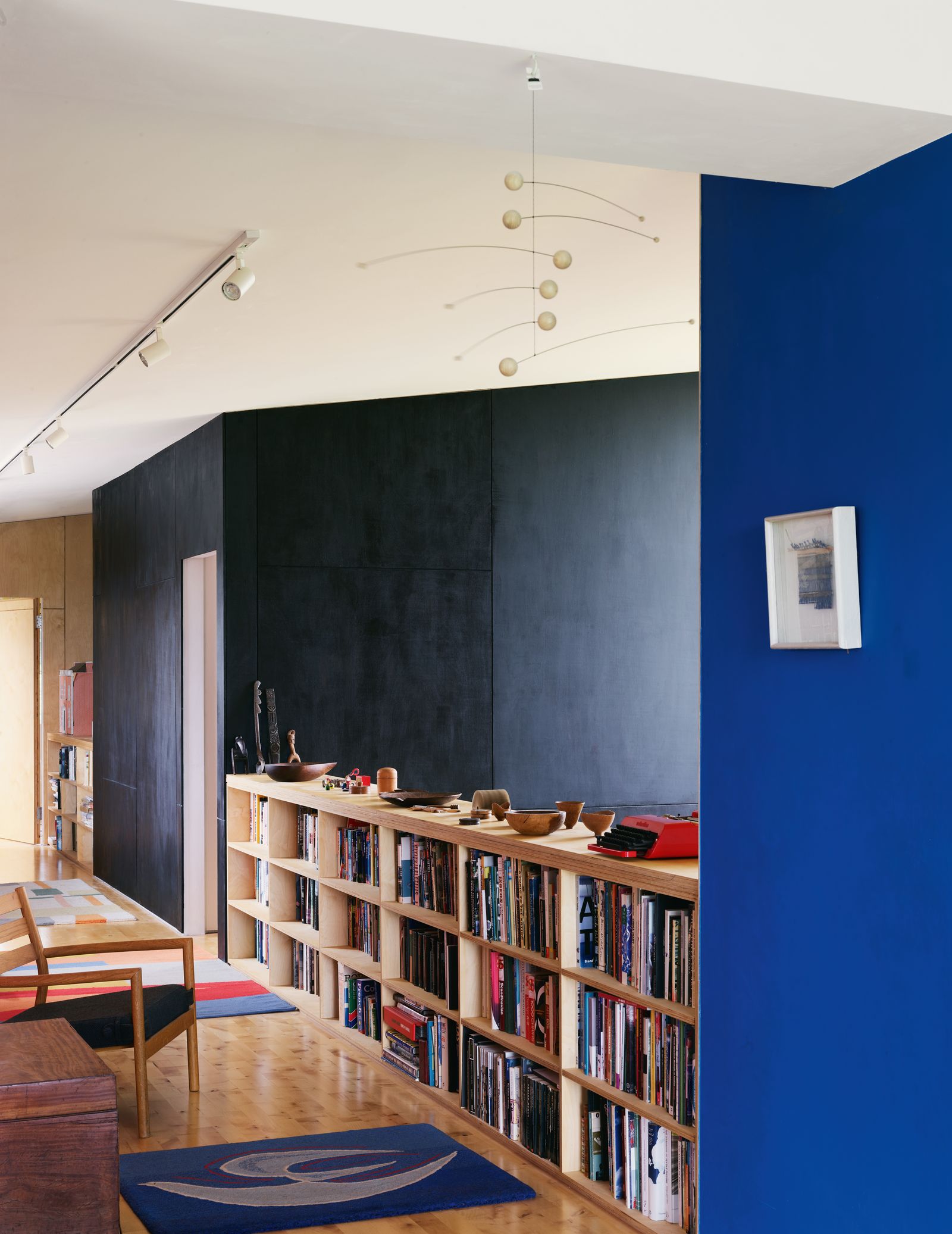
Bookshelves like this can be brilliant for awkward spaces – they can be installed underneath windows to make the most of otherwise redundant wall space, and can look fabulous in hallways and on landings. In the Somerset house above, they have even been used as a half-wall, separating the landing from the double-height space beyond. What makes them particularly useful is that they provide, as Gabby Deeming noted when she used one in her Bloomsbury flat, another surface. If you live in a small house or one without many architectural features such as mantelpieces or deep window recesses, having a surface on which to put flowers, candles and ceramics, without cluttering up desks and dining tables, is a joy. And finally there is the advantage that you can access all of your books without having to get a ladder involved.


Where to find these designs, if you're on the hunt? For an affordable option, IKEA's famous ‘Billy’ design comes in a low height, long length option, which, in an oak veneer, can do a passable imitation of the Kettle's Yard design. For something that perfectly fits your space, it may be worthwhile to design something that a joiner or carpenter can build for you, but there are companies out there that offer semi-bespoke designs. We love Jali, which allows you to design your own shelving units in a range of styles, and have them finished in a paint colour of your choice, and Pickawood, which has a range of simple, customisable designs in solid wood or MDF. The joy of a bespoke or semi-bespoke option is that you can make the shelves the exact height you need for the books or magazines you plan to store.


