

A trip to the V&A’s new Marie Antoinette exhibition sent me down an unexpected rabbit hole. I found myself rewatching Sofia Coppola’s cult film, leafing through books on the queen’s forward-looking fashion taste and her world of decoration – a subject the show only touched on, apart from a few tantalising objects such as a die for an armchair likely designed for her by Jean-Baptiste-Claude Sené. Yet more than the perfectly judged grey boiseries or the rolls of Pierre Frey Braquenié fabric, what really stayed with me were the folding screens scattered through her rooms. Modest at first compared with the great suites of furniture, they seemed to knit the spaces together, and I began to wonder about the decorative life of this once-essential piece, which can still find its place in contemporary living.
That story begins in China, where folding screens first appeared in the Han dynasty around the 2nd Century BC. These early examples were not the portable versions we know today but monumental objects, carved in wood and fixed in place. By the time the Tang dynasty arrived in the 7th Century, the form had become more refined: folding panels covered with silk, painted with landscapes, calligraphy and poetry. One can imagine a scholar at his desk, a painted screen behind him offering not only shelter but also a backdrop of mountains and clouds. To own such a piece was to signal cultivation and status as much as to enjoy its practical use.
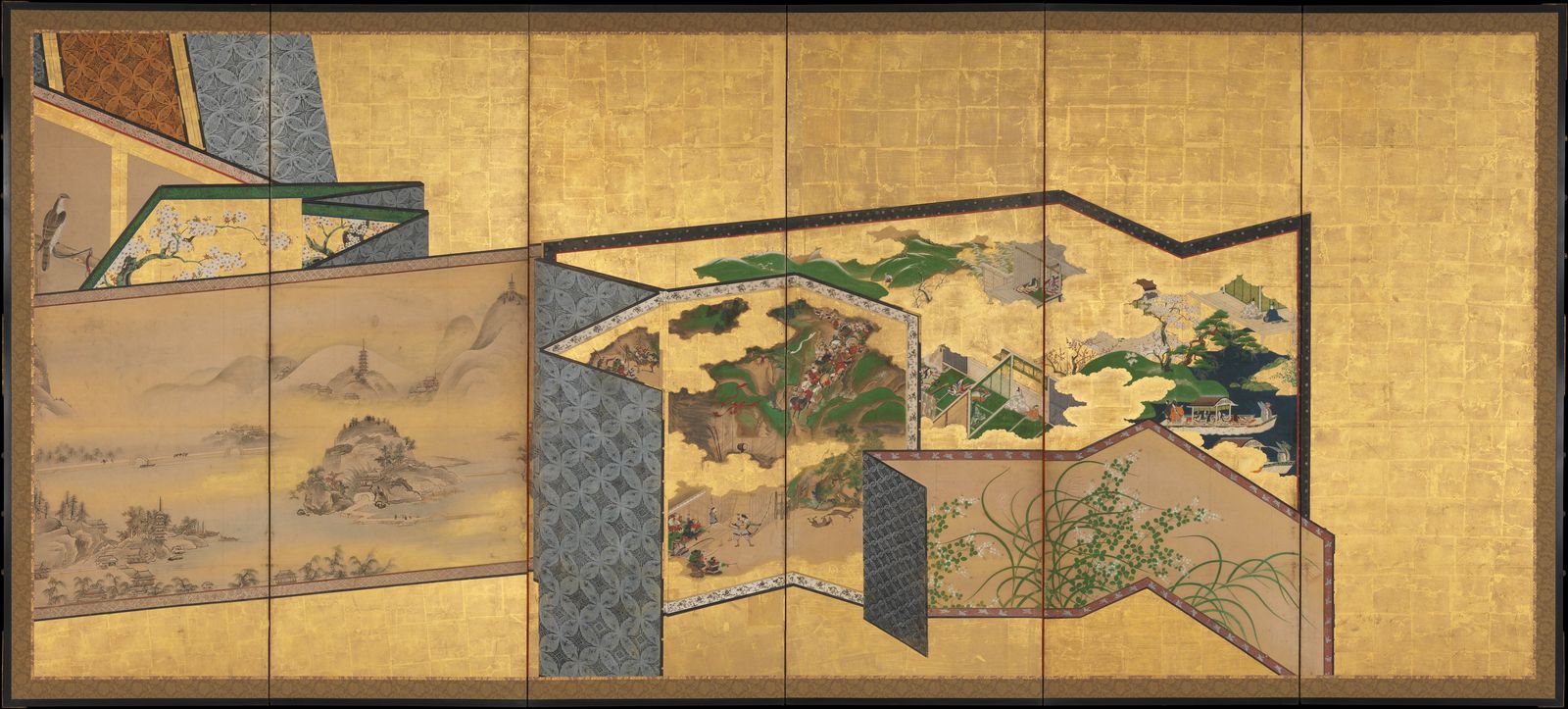
Through trade with Japan and Europe, the screen began its journey westward. Japanese byōbu – literally ‘wind walls’ – reached the continent in the 16th century with Portuguese traders, followed some 100 years later by the great coromandel lacquer screens exported from China. These vast panels, deeply incised and gilded, caused a sensation in baroque and rococo interiors.
At Versailles, screens became a staple of demeure sophistication in the royal apartments, lending a touch of intimacy to all that gilding. And in Britain, they were just as fashionable, finding their way into country houses as part of the new ‘Chinese taste’, admired as much for their exotic allure as for their usefulness. A coromandel screen could anchor a cavernous drawing room or simply keep the chill out of a corridor. They spoke of refinement, certainly, but also of a curiosity about the wider world that was being folded into European decoration.
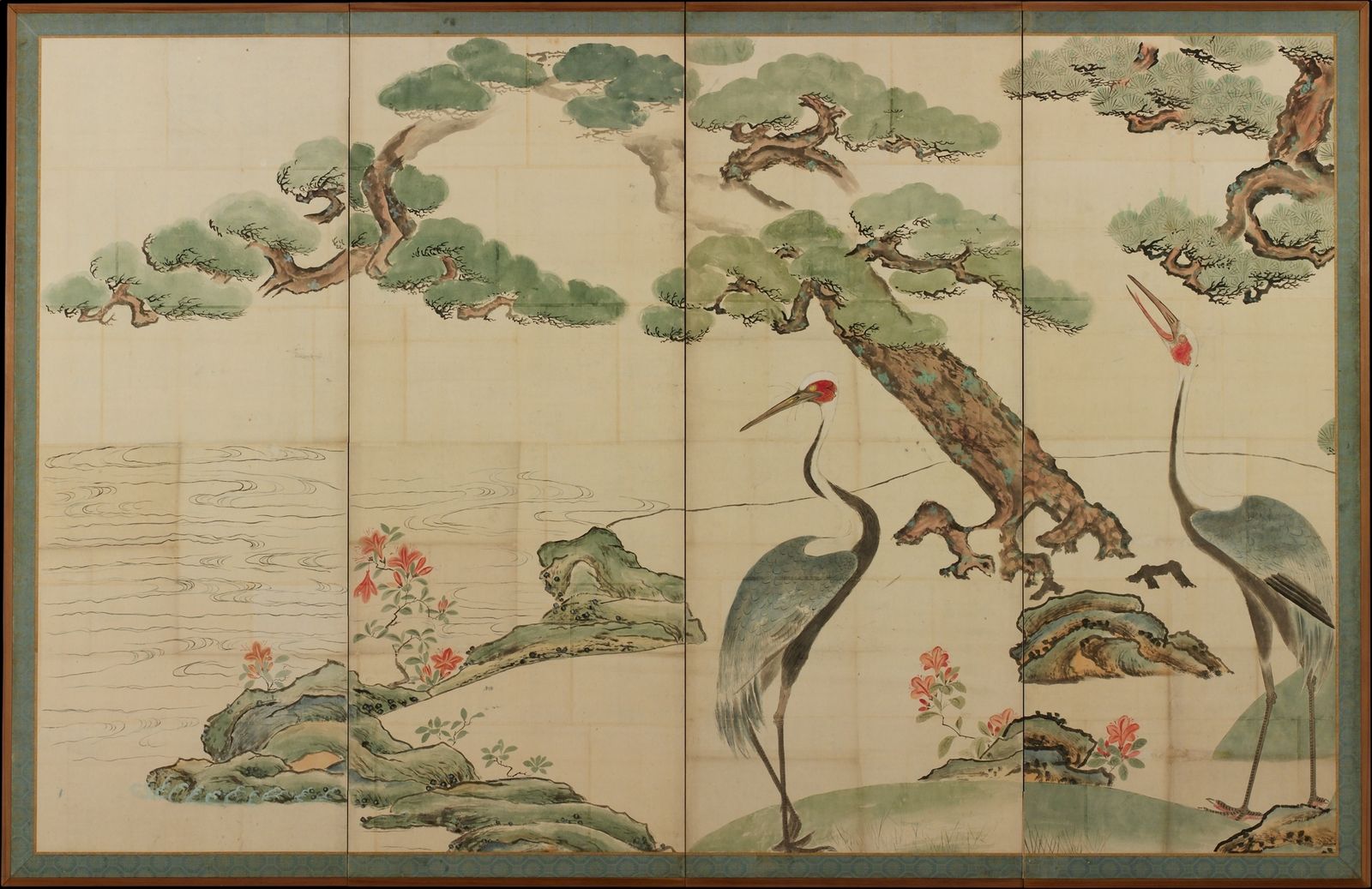
By the late 18th century, screens had entered the domestic life of a larger bourgeois audience. Portraits of the period sometimes show sitters posed beside painted or gilded panels, a discreet marker of refinement and intimacy. In Regency and Victorian houses, screens grew more adaptable. Some were upholstered in tapestry or silk, others painted with botanical motifs or chinoiserie scenes. They appeared in libraries and boudoirs, but were just as common in corridors and dressing rooms.
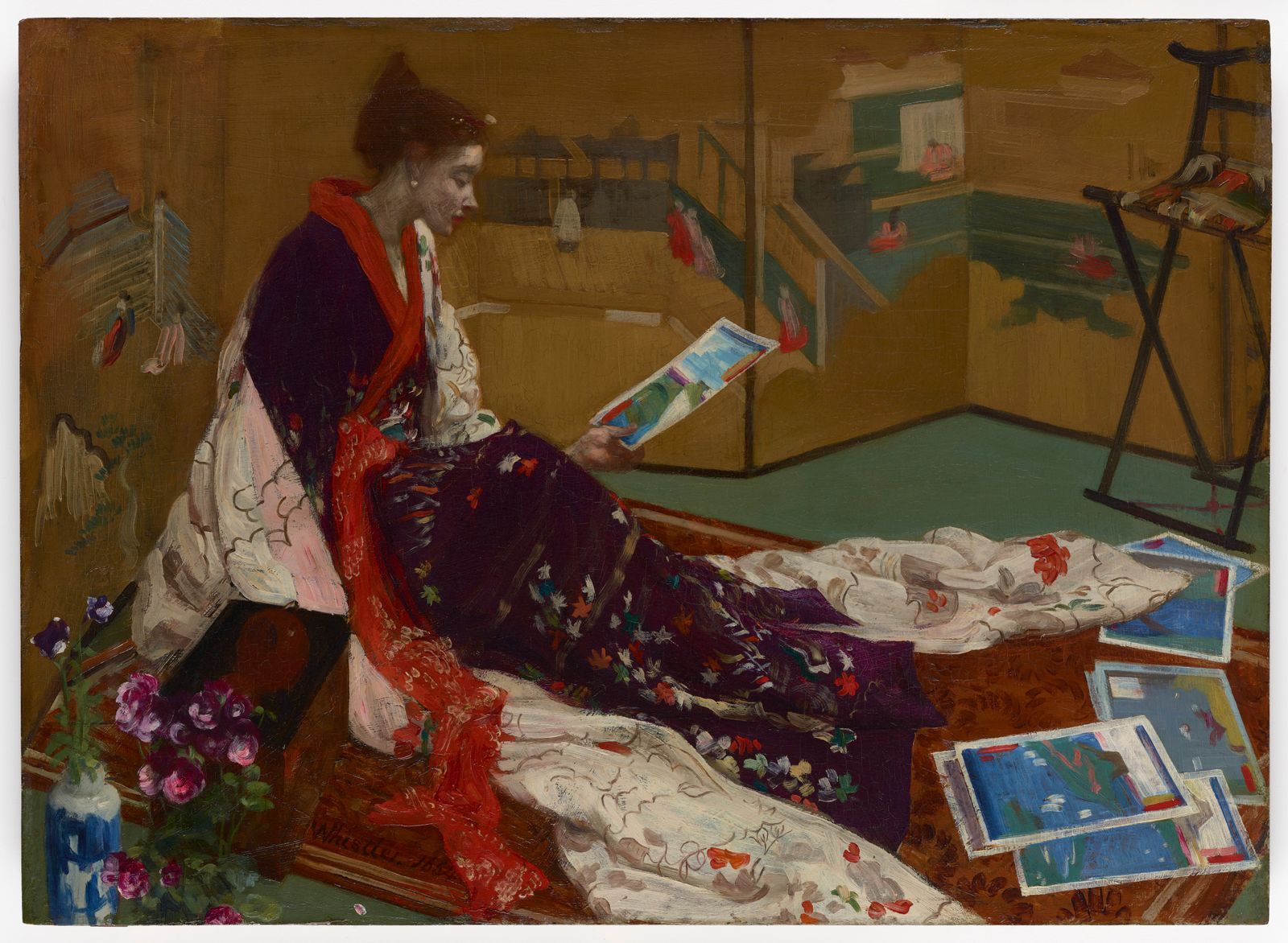
Artists such as Whistler incorporated them into their work, while the Bloomsbury circle turned them into experimental canvases, covering panels with bold patterns that blurred the line between art and decoration.
The 20th century brought another reinvention. In Paris, Eileen Gray designed sleek lacquered screens that folded like miniature pieces of architecture, while Jean Dunand created dazzling Art Deco versions in eggshell and metal that shimmered like jewellery on a monumental scale. Coco Chanel was perhaps the screen’s most devoted collector, surrounding herself with coromandel panels in her rue Cambon apartment, layering them against walls so that lacquered landscapes seemed to unfold from one room to the next. She even had them moved to the Ritz when she stayed there.
Decorators across the mid-20th century shared that enthusiasm: Syrie Maugham angled screens into corners to animate her all-white rooms; Madeleine Castaing used them to add pattern and theatre; and David Hicks gave the form a sharp modern twist, upholstering panels in bold geometrics that turned them into statements of their own. A well-placed screen could enliven a forgotten corner or stand as a freestanding wall, instantly creating intimacy and drama.
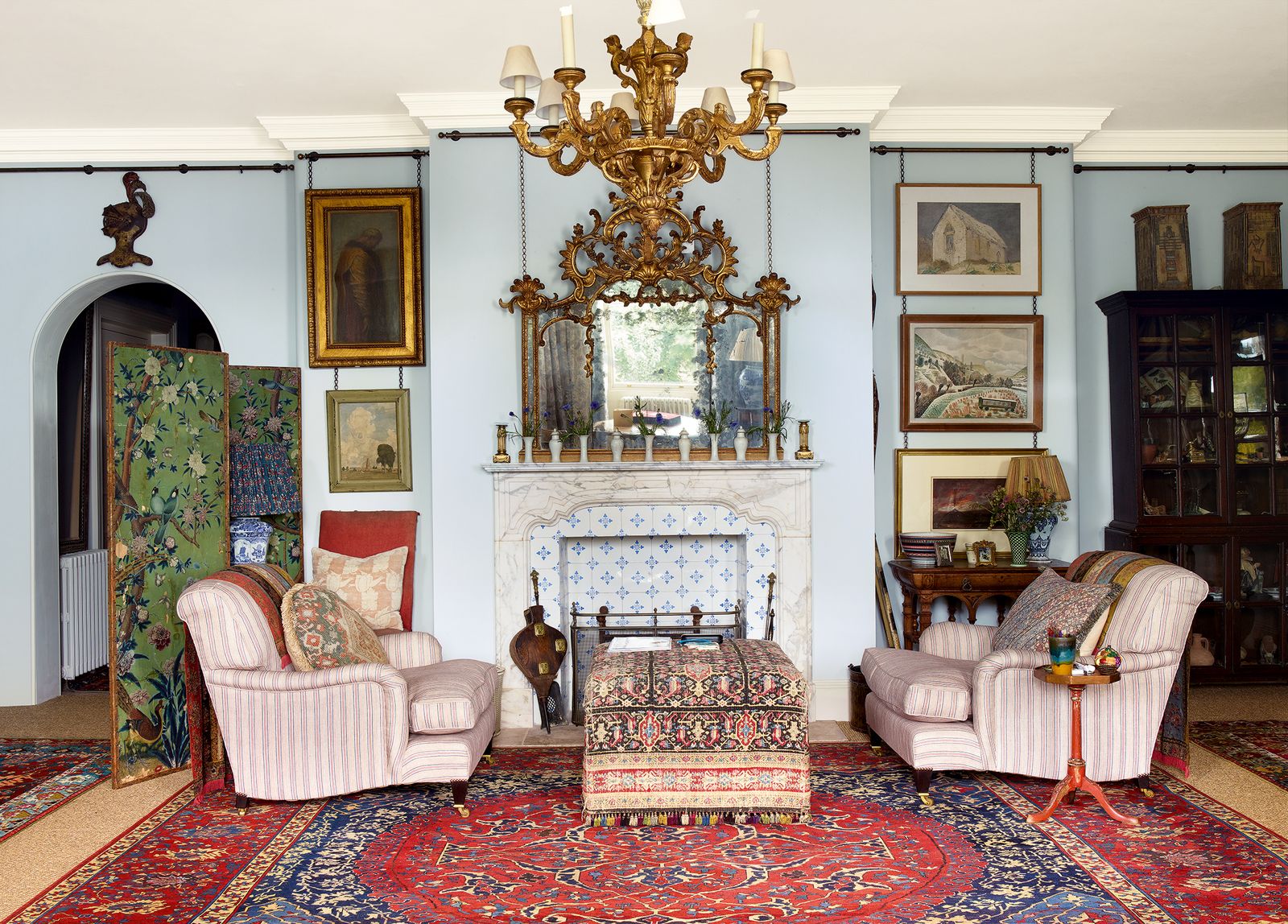
By the later decades, screens slipped out of favour, dismissed as relics of draughty houses and elaborate boudoirs. But their virtues are hard to ignore. A folding screen can still work wonders: dividing an open-plan flat without building a wall, tucking a home office discreetly out of sight, or bringing pattern and scale to an otherwise bare corner. Unlike most furniture, it can be moved on a whim, folded away when not needed, or set at an angle to change the feel of a whole room.
Which is why they are ripe for revival. Whether you’re channelling Marie Antoinette at the Petit Trianon or simply adding a dash of theatre to a sitting room, it might just be time to bring the folding screen back into vogue.


