
Interiors have an important place in children's books. Think, for example of C.S. Lewis's The Lion, The Witch and The Wardrobe, where the eponymous wardrobe, filled with fur coats, offers Lucy a portal to the magical world of Narnia. And although our exact memory of a book can become hazy, certain images and objects stay alive in our imaginations, and fill us with a sense of comfort even decades later. In celebration of all the wonderful interiors that children's literature has to offer, we asked the House & Garden team to look back at their favourites.
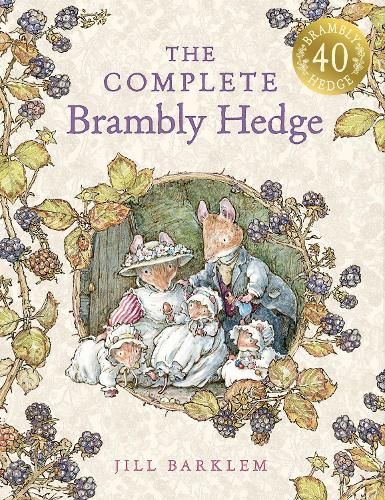
I always loved the gloriously detailed images of the mice's interiors. Sometimes grand palaces, sometimes cosy cottages, they are always appealing and totally glorious in the detail captured. As children we had a hedgerow that we called Brambly Hedge and each had a 'house' in it! A friend of mine's mother uses the kitchen and pantry illustrations as a starting point for her own kitchens!
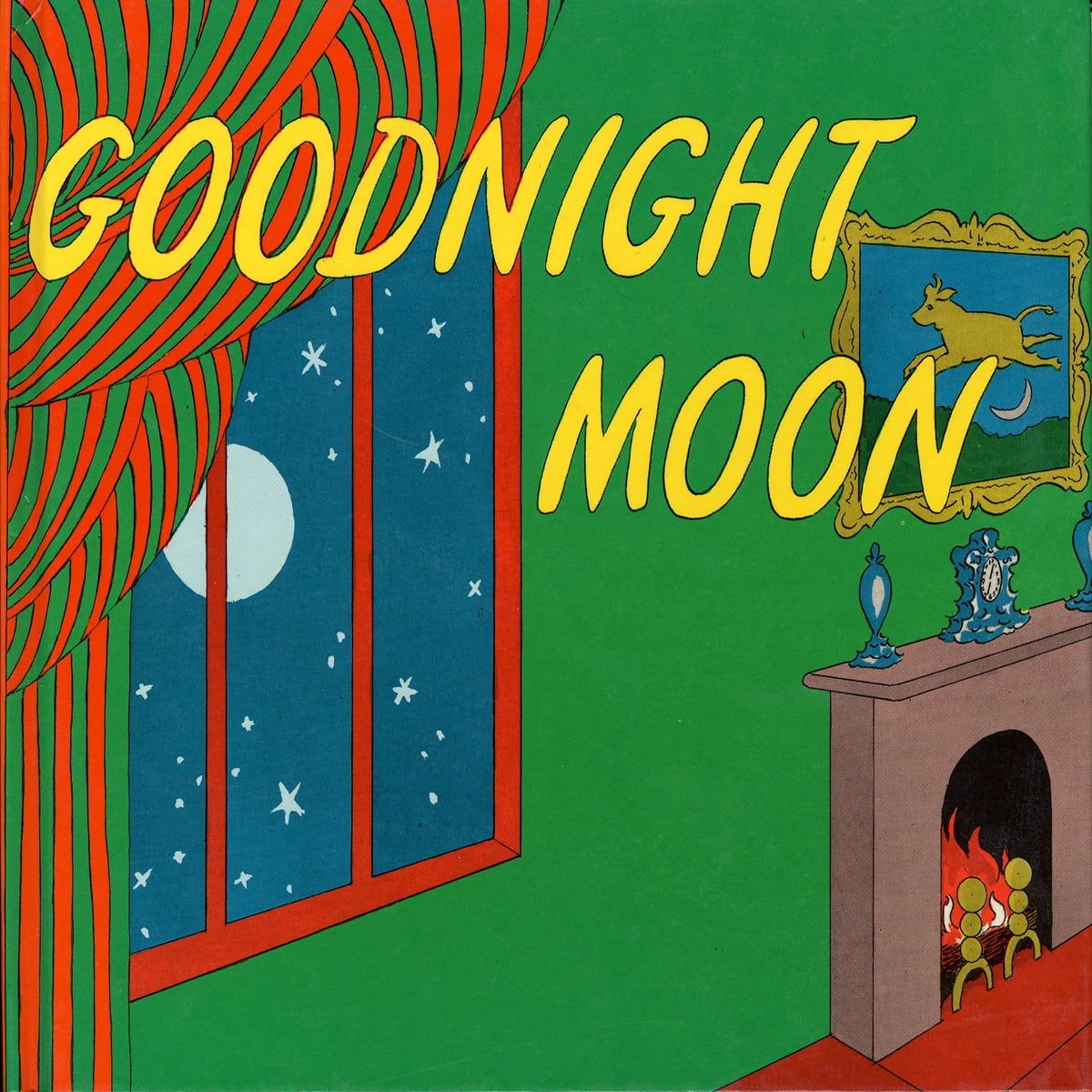
The room that springs to mind is the bedroom in Goodnight Moon by Margaret Wise Brown. It feels unusual to go for such a young child's book, but I have always loved it. It felt so old fashioned: a log fire, a mouse, and a rocking chair, and yet at the same time so modern in the bold style of drawing and the graphic, red, green and yellow colour scheme. The Room in which our rabbit-child falls asleep, bidding 'goodnight' to everything he sees, feels like a modernist rendering: spare and simple, of the cosiest, most timeless room ever. The clever thing about the book is the way that each page shows us the same room, but as the book goes on, that room gets shaded gradually darker and darker, until it all but disappears. What a way to fade to sleep!
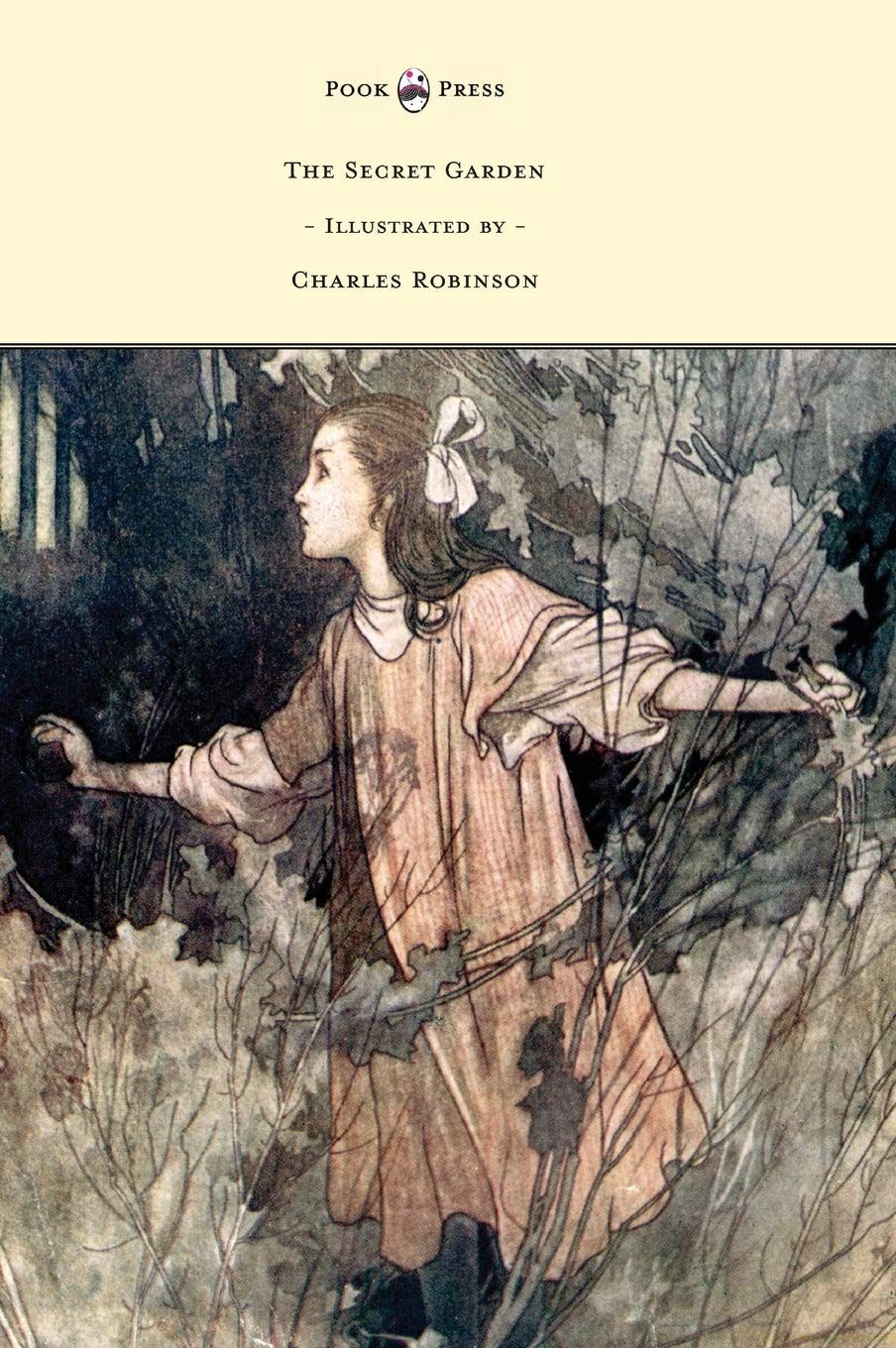
My mother had a copy of Frances Hodgson Burnett’s The Secret Garden. The book was first published in 1914 and illustrated by Charles Robinson (less well known than his brother Heath Robinson). My mother read the book to me each evening chapter by chapter , and although the story is wonderfully evocative of those times it was the illustrations that I pored over as she read.
The story is of an orphan Mary Lennox is sent home from India, in the days that we had an empire, and ends up in a large house in Yorkshire belonging to her uncle. She has no friends and bit by bit explores the grounds , discovering a walled garden which has not been entered since her aunt had died. She befriends a boy called Dickon (I have always loved the name ) and a sick cousin who, needless to say, she rescues by introducing him to the garden. As they say, the rest is history.
The interior of the large country house is contemporary with the time, and I always remember a beautifully rendered picture of Mary walking down a long dark corridor hung with tapestries (to keep out the draughts) and portraits all eerily lit by the candle she holds in one hand , the other hand clutching a rather beautiful paisley shawl around her shoulders.
At the age of seven I was sent to boarding school which had similar, though not so luxuriously hung corridors, and as I shuffled my way down them towards the communal bathrooms , I would clutch my dressing gown around my shoulders miraculously transformed to paisley in my mind.
The older I get, the more I aim to base my lifestyle around the wholesome mice of Brambly Hedge. I will have completed my goal when I have my own 'Store Stump', complete with fireside chair. The A Year in Brambly Hedge books have a way of conveying the seasons in such a magical way that it could charm any reader regardless of age and they are deeply, deeply comforting.
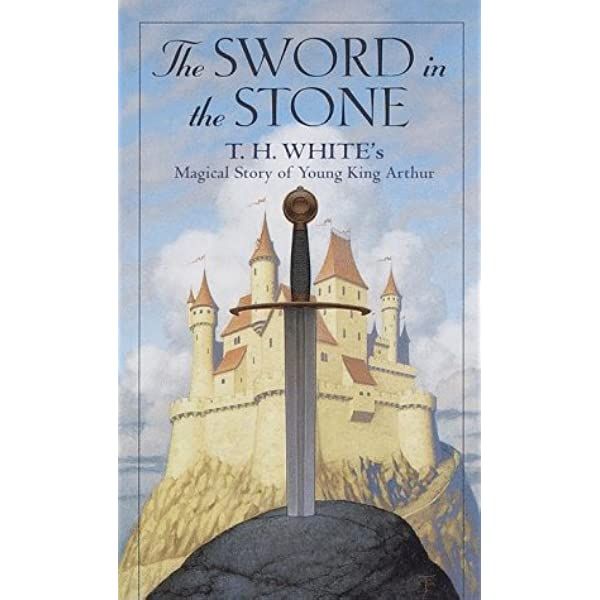
I read T. H. White's The Sword in the Stone when I was about nine, and Merlyn's cottage made quite the impression on me. It's an obvious precursor to Dumbledore's office at Hogwarts in the Harry Potter series, but much, much more amusing. A 'snug little cottage' in a forest clearing, it contains 'the most marvellous room that the Wart had ever been in.' The introduction to this room is simply a list of all the things in it, which is incredibly funny, as lists are that just keep going on and on. Everything is alive, from the unexplained corkindrill that winks at Merlyn ('although it was stuffed') to the mustard-pot that is 'inclined to give itself airs.' Merlyn's owl Archimedes is a highlight; when the Wart goes up to him and exclaims at how lovely he is, he simply draws himself up and says ('in a doubtful voice') 'there is no owl.'
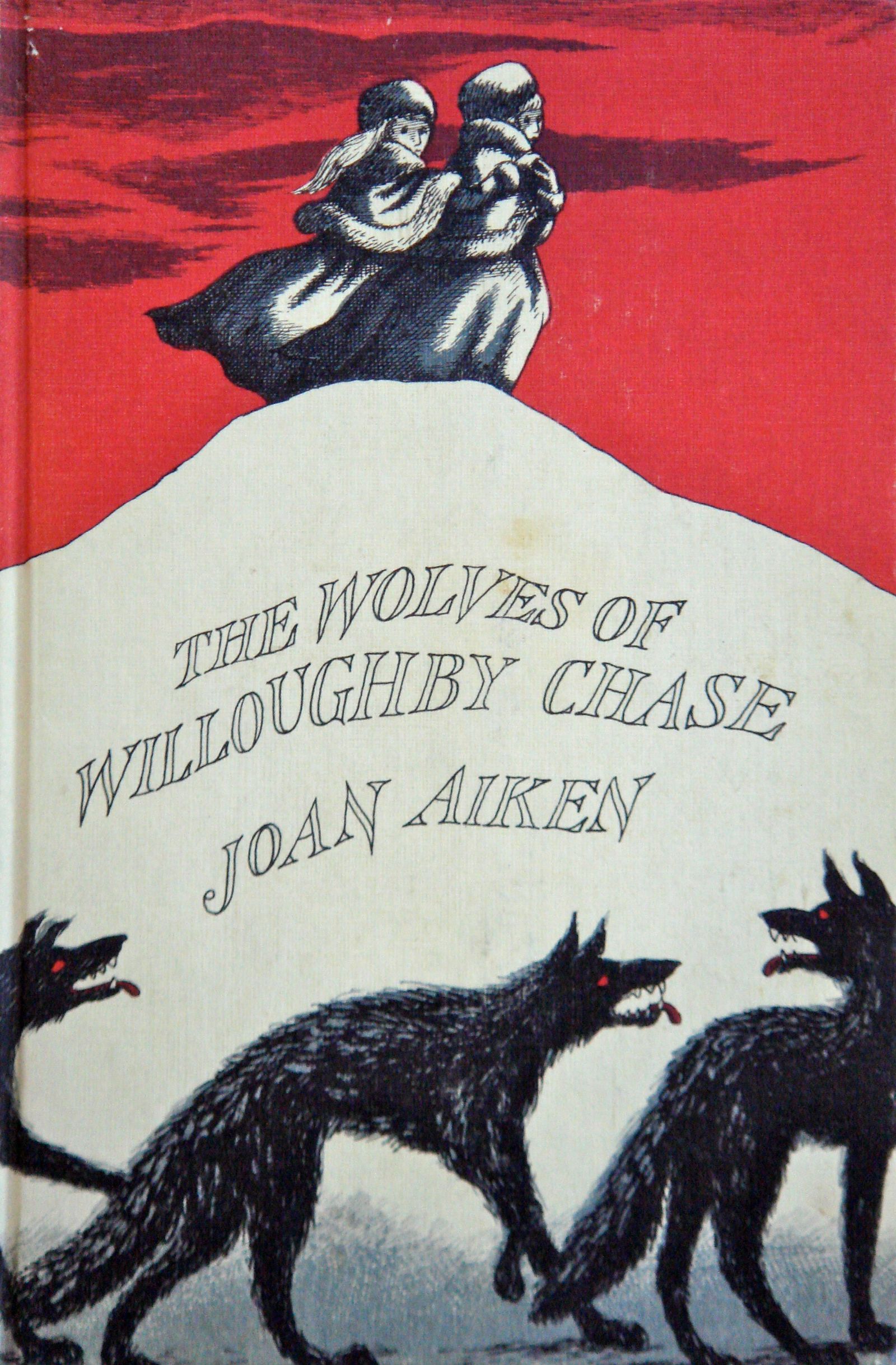
I had just turned 10 years old when my family moved back from Egypt, the country where I spent the majority of my childhood. Winter was approaching and I was feeling deeply spiteful towards England. In my opinion it was always dark, always pretty miserable and had nothing of the magic that Egypt’s history could offer me. Pyramids! Pharaohs! Gods! Feeling low, I did what so many children do and turned to my new school’s library for support, which was how I stumbled across the Wolves of Willoughby Chase by Joan Aiken. The book is an adventure novel that takes place in a reimagined historical England where wolves now terrorise rural areas. It’s centred around Bonnie, a gusty and clever young heroine, whose orphaned cousin comes to stay at Willoughby Chase. It has all the hallmarks needed for a classic children’s novel; a suitably grand house, a minor level of threat and a mean governess.
Whilst I can’t remember much of the plot, what I do remember is the sense of enchantment surrounding Willoughby Chase. The grandeur of the interiors, the secret passages, forbidden rooms and giant library. Aiken’s writing is so painfully evocative that it leaves you longing for a place you’ve never been–and never existed either. I will always be grateful to the novel, and to Joan, for making me fall back in love with England, for placing the magic of snowy forests, gothic darkness and the English countryside right in my lap.
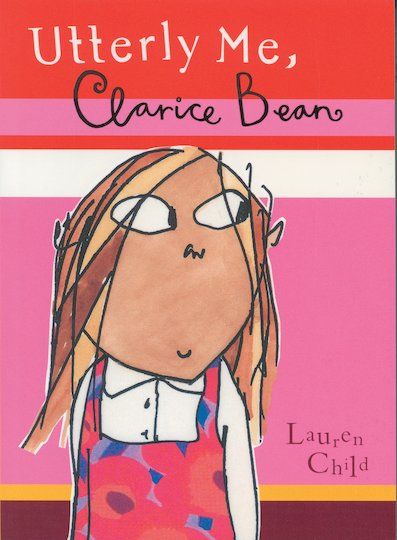
When I was little, I was utterly obsessed with Lauren Child’s Clarice Bean series. Like me, Clarice is a younger child in part of a big family, and I identified with the chaotic mess of the Bean family kitchen table at breakfast, and Clarice’s resentment at not having her own bedroom (her best friend meanwhile, is an only child who calls her parents by their first name and lives in a pristinely tidy house). In search of peace and quiet, Clarice reads her book in the airing cupboard and I remember once – unsuccessfully – trying to do the same. But despite the chaos, Child’s interiors – in the Clarice series as well as the rest of her books – are always tasteful. Before writing books, Child ran a short-lived lampshade business called Chandeliers for the People and it comes through in her illustrations. Some of the design and furniture now feels trendily Y2K, with beanbags, horizontal stripes and light wood floors. But what I really remember are the fantastic wallpapers and fabrics, often used in collage – which are graphic and Scandinavian as well as chintzy and floral.
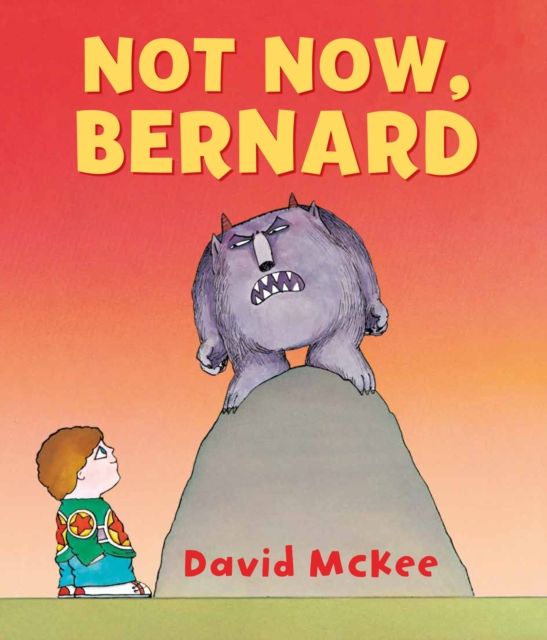
Taking up most of the page, the wallpaper and flooring in this book are so much part of the story, and of the time it was written in 1980.
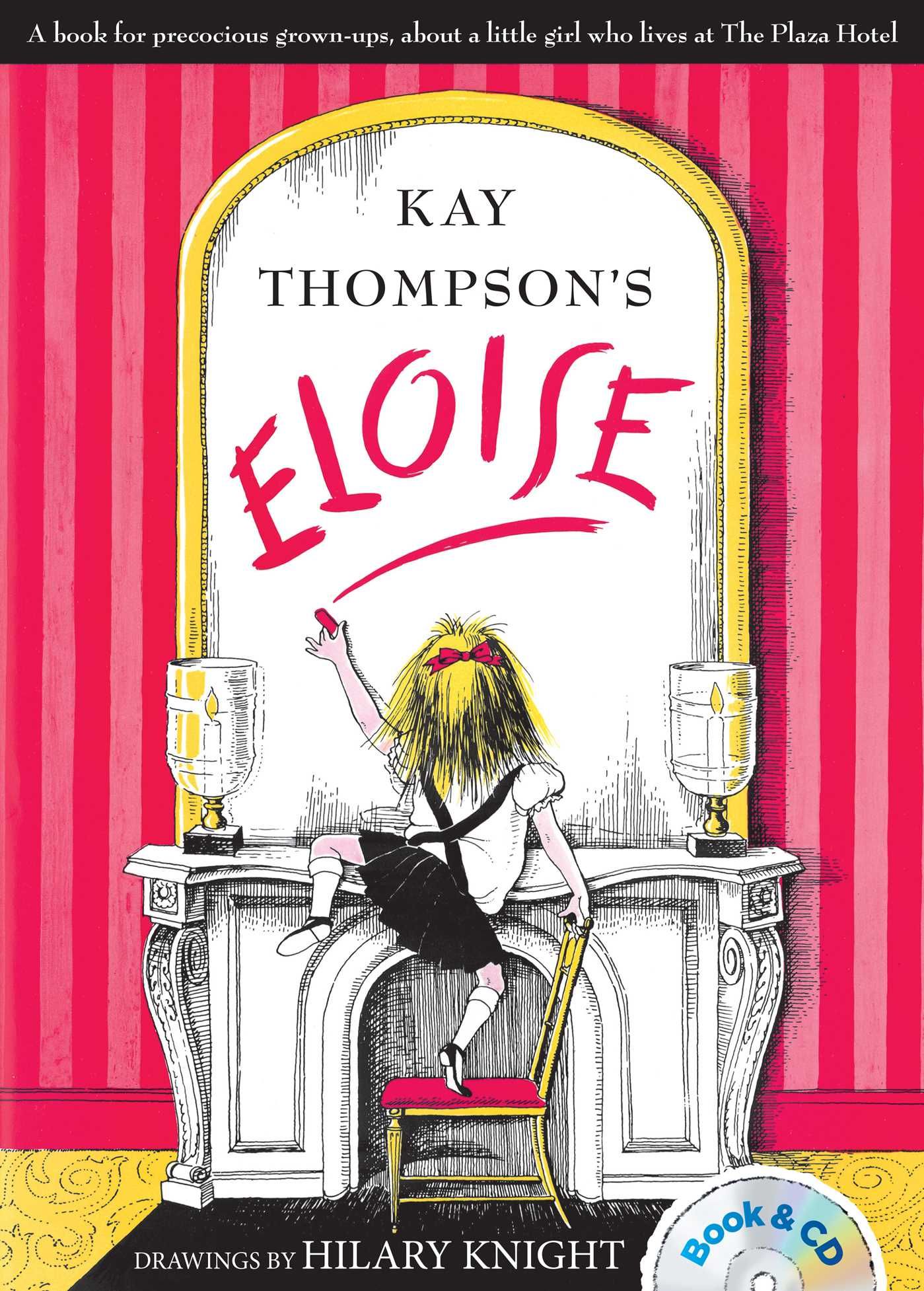
The most memorable interior for me is from the Eloise at the Plaza series by Kay Thompson and illustrated by Hilary Knight (who also happened to make illustrations for House & Garden when it was published in the US!).
Eloise lives at the 'tippy top floor' of the Plaza Hotel in New York City. Her apartment is a 'classic six' with views over Central Park, fabulously furnished but not too pristine (toys strewn about, 'ELOISE' written in lipstick on the walls). As a child, I loved the fact that she effectively had free reign over the hotel – the Palm Court was her dining room, the grand ballroom her playground, etc... The book captured the joys of being six – and that specific decorative style of 1950s New York that I love so much.
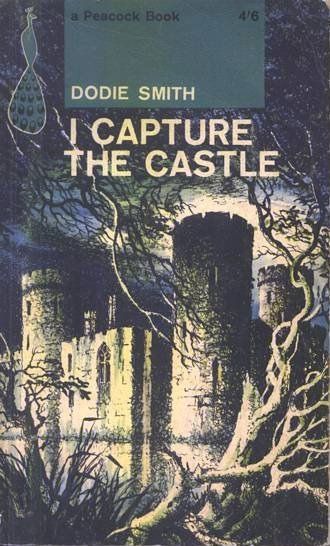
It’s impossible not to be charmed by the crumbling charm of the Mortmains' castle in rural Suffolk. The roof leaks, the family are forced to sell off furniture to make ends meet (the dining room is completely empty) and they are just about surviving on what vegetables the garden produces. Yet, it still is a happy, warm (metaphorically rather than actually) house where there is a certain generosity of spirit. The family gather in the kitchen (‘much the warmest place in the house’) and it’s all whitewashed walls, dark beams and atmospheric candlelight. Its protagonist, Cassandra, spends a good portion of her time sitting in the kitchen sink – what’s not to love?
I've always looked back with great fondness to the interiors that Roald Dahl imagined, from the majestic gypsy caravan in Danny the Champion of the World, to the lofty heights of the hotel from The Witches. Miss Honey’s childhood home in Matilda and the writing shed in Boy leapt from the page and made my imagination blossom and soar. Isn’t it mad that we still don’t have lickable wallpaper? A travesty - perhaps the decoration team can come up with some clever solutions?
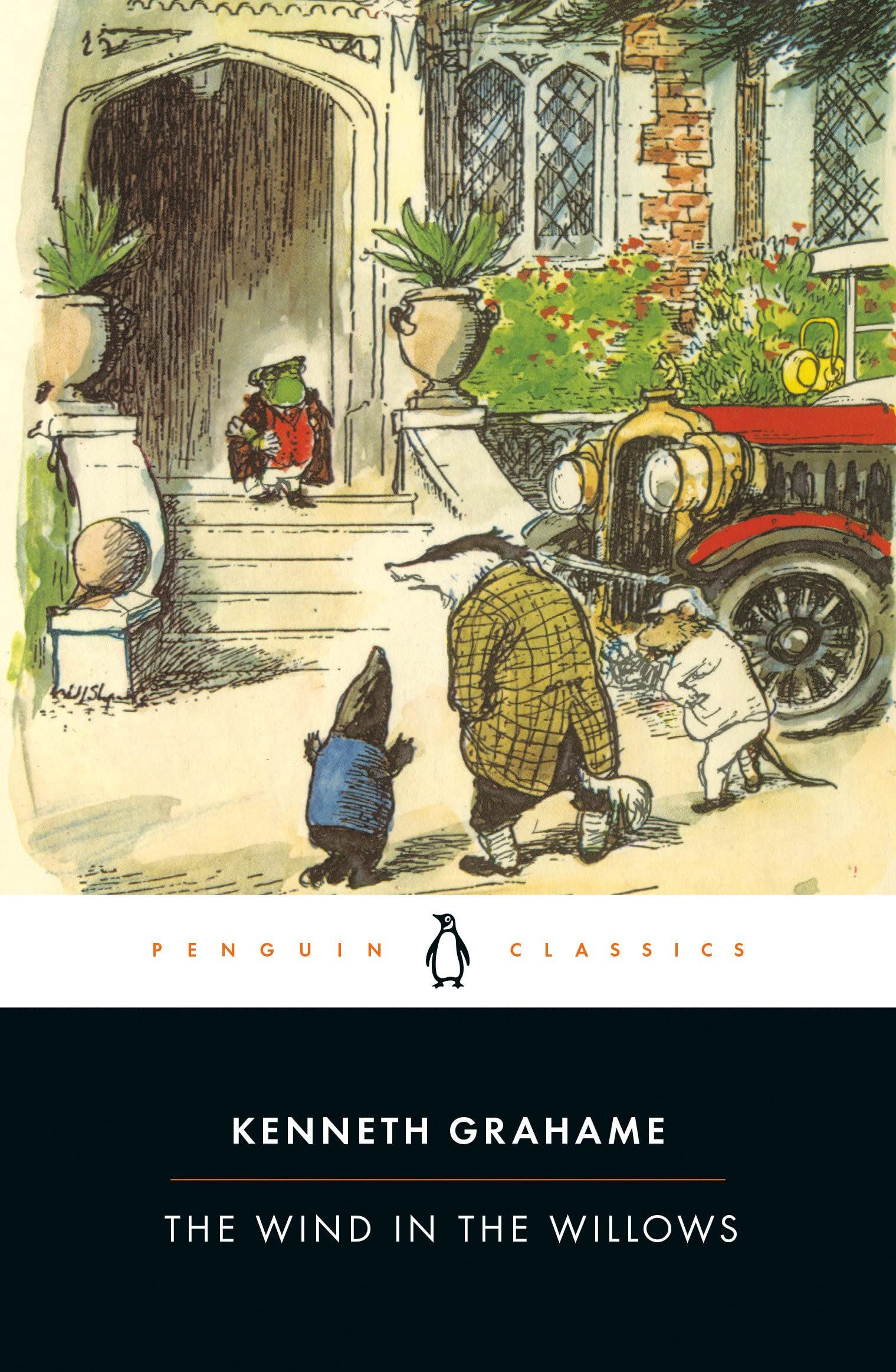
I also always fancied owning Toad Hall, from Kenneth Grahame’s The Wind in the Willows. Equally as magical in my mind as the houses said to have inspired it: Fawley Court in Buckinghamshire, Foxwarren Park in Surrey and Mapledurham House in Oxfordshire. All sound like places where it’s perfectly possible the inhabitants could be animals. Perhaps that’s why I have such an affinity to it.
There are few things more memorable from my childhood reading than Miss Honey's cottage in Roald Dahl's Matilda. Though the interiors demonstrate the very humble life led by the heroine school teacher, the tucked-away idyll of the wild exterior is something which is recalled in today's cottage-core houses: "The cottage was so small it looked more like a dolls house than a human dwelling […] It seemed so unreal and remote and fantastic and so totally away from this earth.'


