


Artisanal pieces often boast a price tag which is reflective of the time, care and materials used in making them, as well as their often limited edition nature. This can mean that beautiful homeware made by hand, using traditional techniques, can feel inaccessible to many people. For such people, there is a temptation to turn to mass-produced imitations of craft to achieve a similar look. But as antiques dealer and interior designer Birdie Fortescue says, ‘crafted doesn’t have to mean costly…a simple, well-made chair or a hand-thrown vase can be surprisingly affordable, and these pieces have character that mass production struggles to replicate.’
Even if buying well designed, well made craft does sometimes mean opting for a slightly higher ticket item, then it is important to remember that purchasing from independent, small-scale makers working with local materials is far more cost-effective and environmentally positive in the long term. Judith Harris, Head of Home at Toast, agrees: ‘from what I see out on the high street, beautifully crafted and thoughtfully designed homeware can largely be found at most price points. Ultimately, though, I think the true worth lies not in the cost, but in the personal connection and meaning it holds for its owner; mindful shopping does not need to be limited by budget, nor does a love for craftsmanship and design.’ So whether it's a high street shop shining a spotlight on an unknown designer, or you yourself that is doing the discovering at a market, gallery or independent boutique, we're revealing our top tips for where to shop artisanal items, and delving into what ‘craft’ means today: whether you're making it, selling it or buying it.
What is craft?

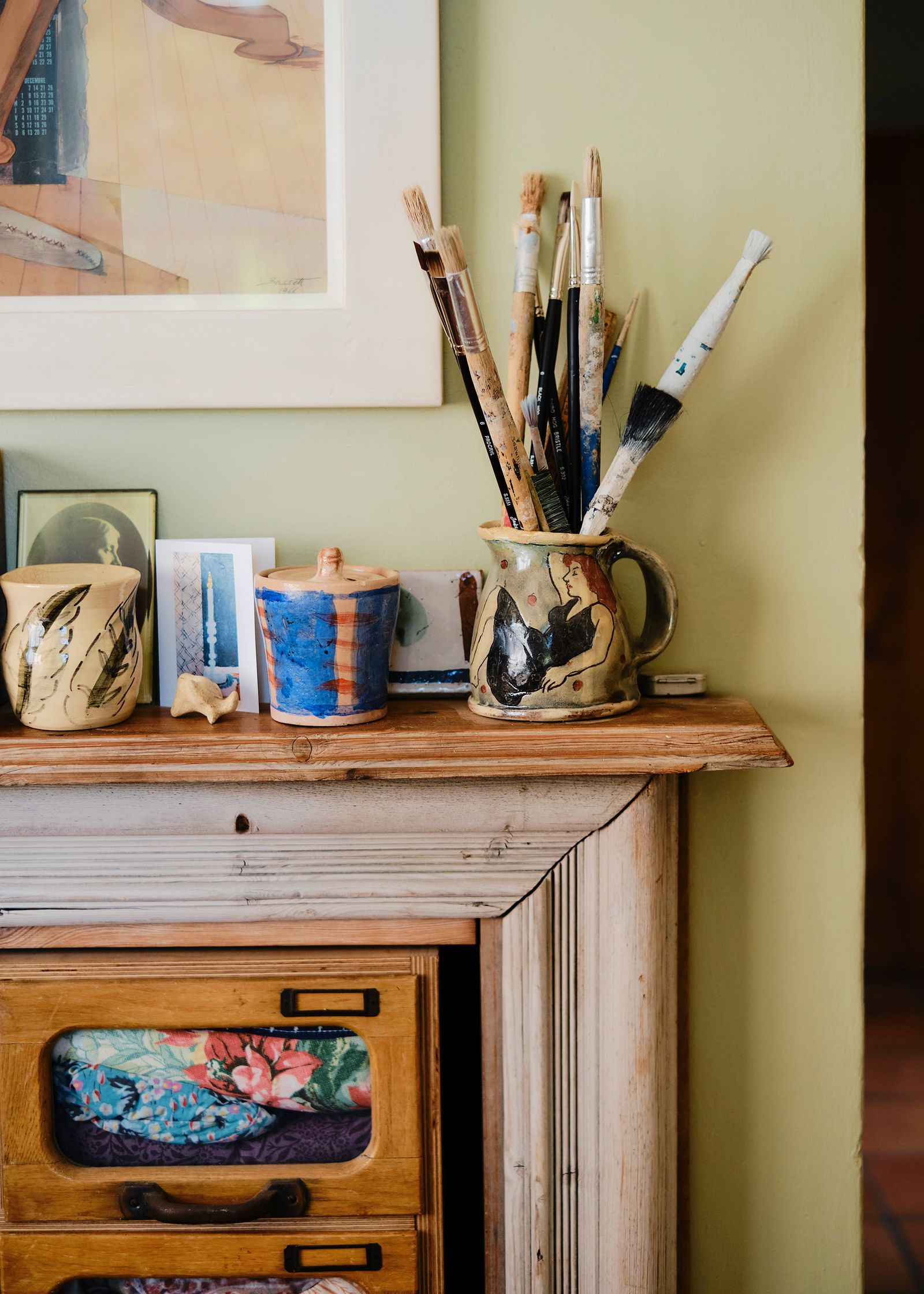
According to the Cambridge English Dictionary, the word ‘craft’ in its verb form means ‘to make objects, especially in a skilled way.’ The ‘skilled’ element leads us to think about how important the people behind crafted objects are. For Drew Harriman, founder of Harriman & Co. (one of House & Garden's best UK independent design shops) ‘craft is a combination of process, intention, and soul. It’s not just about how something is made, it’s about why it’s made and who made it… when you hold a crafted object, you’re holding someone’s time, skill, and care. That’s what gives it meaning.’ Similarly, Judith muses that craft is ‘a harmonious blend of material integrity, lasting quality… and the narrative thread connecting past, present, and place.’ She adds that crafted objects ‘carry stories, culture, and meaning, transforming a house into a home.’

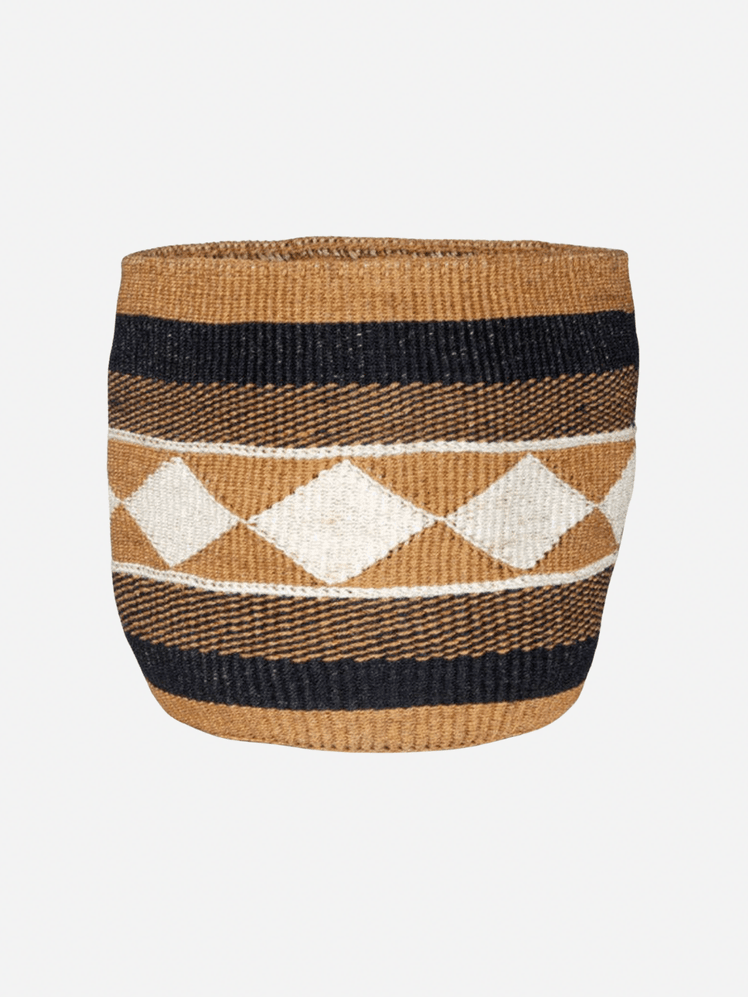
In terms of the aesthetics of craft, if we look at rugged hand-knotted rugs, wonky ceramics or mouth blown glassware in organic shapes, these are items that can be associated with being ‘crafty’ in nature, due to the human touch embedded in their specific means of production. Antiques dealer and interior designer Birdie Fortescue agrees that it's about ‘a nuance of colour, shape or texture which cannot be replicated by machine, and quality materials. Details such as the subtle variations in a glaze, the way a piece of wood has been shaped, or the stitch of a hand-sewn cushion set them apart. They are often perfectly imperfect – a quiet signifier that something has been made by hand rather than mass produced.’
Craft on the high street

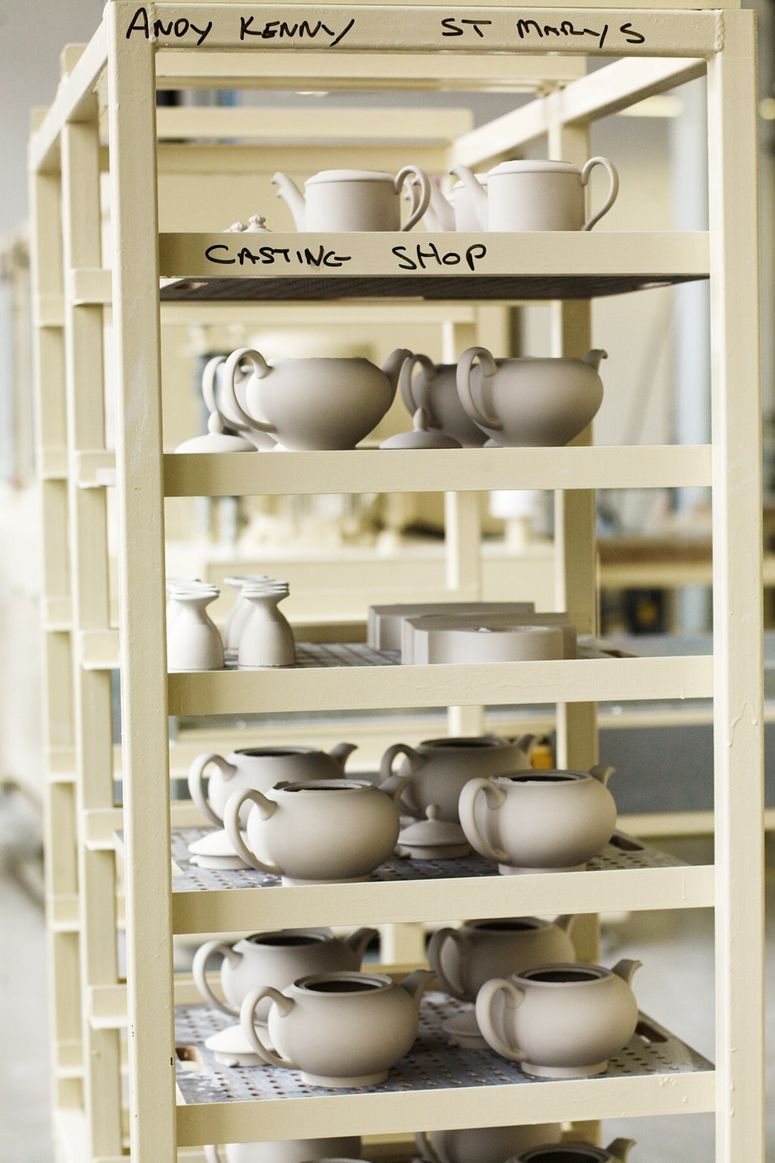
Interior designer Christian Bense, in a recent piece for H&G on high street shopping, explained that ‘you don’t need to avoid the high street if you want a high end interior, you just have to know how to make it work for you.’ For more affordable buys, looking for craft on the high street can be a great idea, as handmade pieces often have a timeless look due to the traditional techniques that are frequently used in their manufacture, so are less likely to be aligned with any sort of trend-led aesthetic that could quickly become dated. According to Judith, to find authentic pieces with personality on the high street, ‘the key lies in embracing craftsmanship, a thoughtful and considered approach, and immersive experiences.’ Sometimes, picking up the objects in a shop adds a tactility to the experience that shopping online cannot replicate.
Historically, the high street has been seen as being locked in a David and Goliath style battle with small designers (we have all seen the side by sides of retail behemoths' ‘original’ designs next to an indie designer or maker's staggeringly similar design that predates it), and that certainly something to be wary of. However, some shops with a national or international presence either stock smaller brands, or collaborate directly on capsule collections with craftspeople. Some of Birdie's handmade pieces are stocked by Anthropologie, for example, and Liberty sells lovely artisanal homeware from European brands such as Astier de Villatte and Bitossi. Abask are great for curating a vast range of indie designers, though the pieces are often situated at quite a high price point. Drew also recommends Arket, who ‘occasionally feature crafted homeware with Scandinavian simplicity.’
.png)
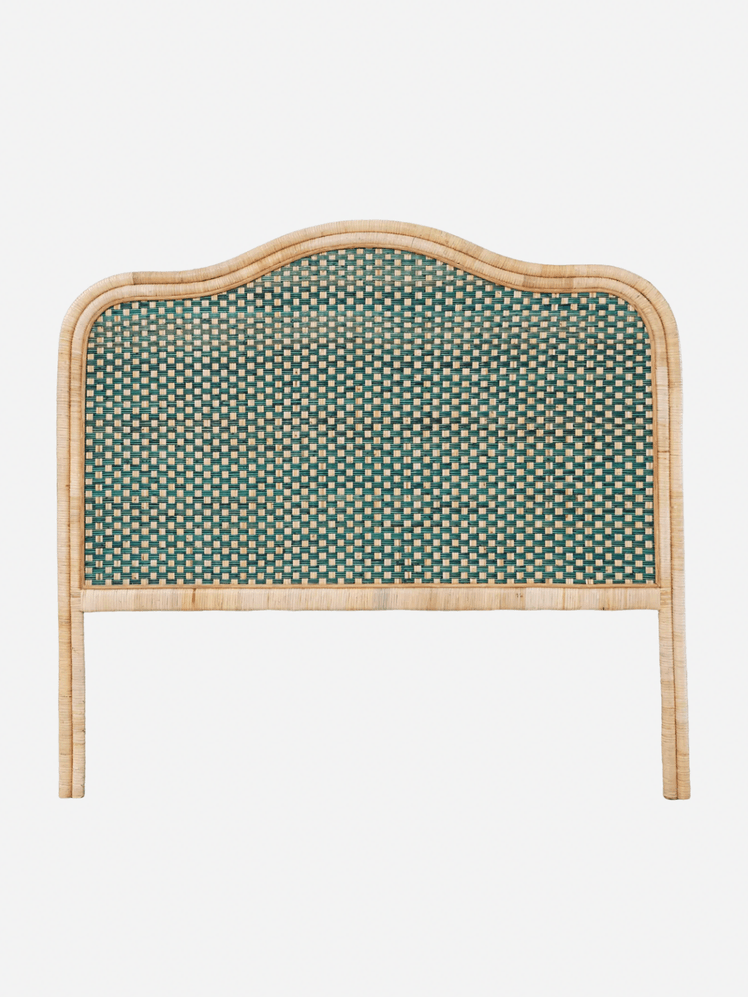
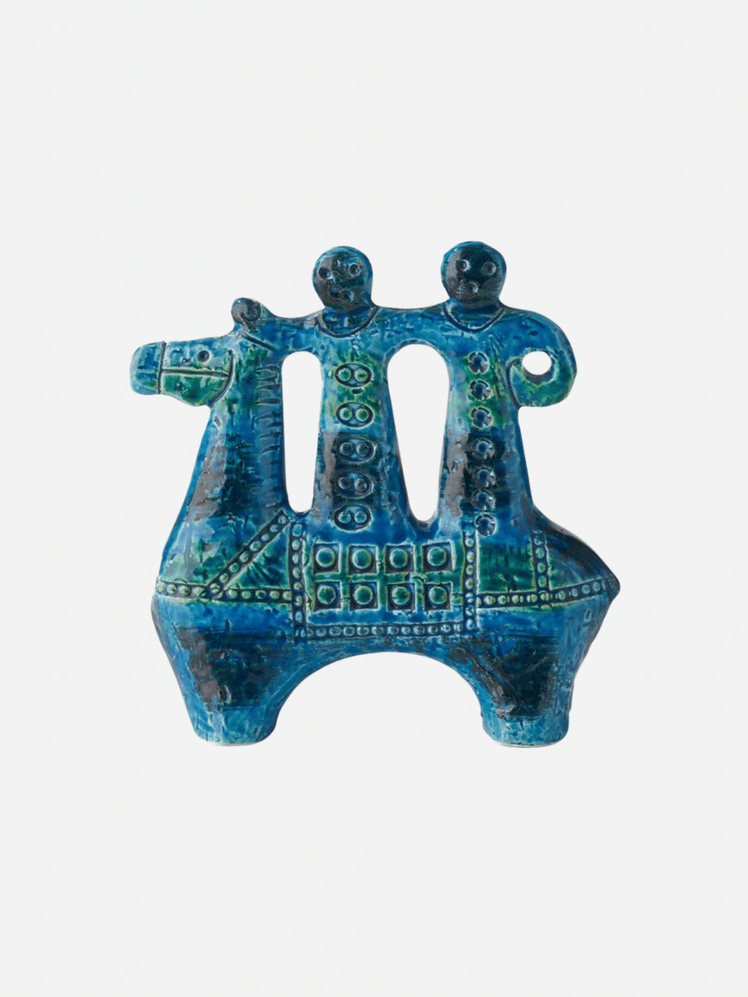

A leading light in terms of spotlighting small scale British and international craft is Toast, the brand which began in Wales as a small mail order business supplying pyjamas and loungewear in the late 90s so has had a firm alignment with craft for many years. Judith explains how Toast have always ‘championed a slow and considered way of life, creating homeware products that are durable - both in their life cycle and in their style - making it possible to use them for many years’.
Their New Makers initiative started in 2019; each year they select five makers and stock a curated selection of their pieces on their website, with all profits going straight back to the craftspeople. The makers, all of whom ‘demonstrate excellence in their discipline, have an appreciation for materials and texture, and are committed to sustainable techniques and production’, also receive ‘expert guidance on growing their emerging businesses’, as Judith describes.
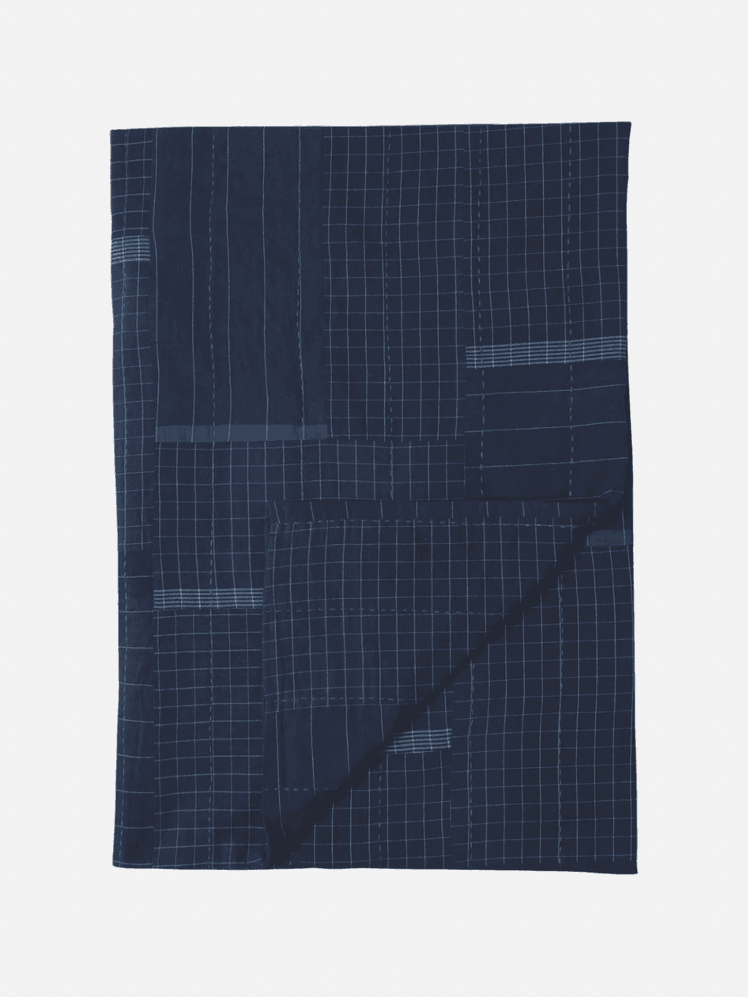
It's a collaboration that continues to work so well because of its seamlessness: the designers' pieces always feel right at home in amongst the main Toast homeware collection, which also places an emphasis on ethically handmade pieces ‘produced in collaboration with artisans, weavers, and mills from across the globe’, including their kantha quilts crafted in India and their rustic hogla grass baskets handwoven by FairTrade artisans in Bangladesh. Whether browsing one of their stores or scrolling the website, the overall ethos feels cohesive and curated. The marriage of Toast and craft just makes sense. 2025's New Makers are: Lærke Møller Hansen, Amy Leeworthy, Elise McLauchlan, Lindey Tydeman and Sabine Van der Sande, and every piece offered by Toast is handmade to order. Judith adds that ‘while varied in their approach, all our new makers show commonalities in tune with our ethos - thoughtfulness and simplicity, and the celebration of traditional techniques.’




Shop independent
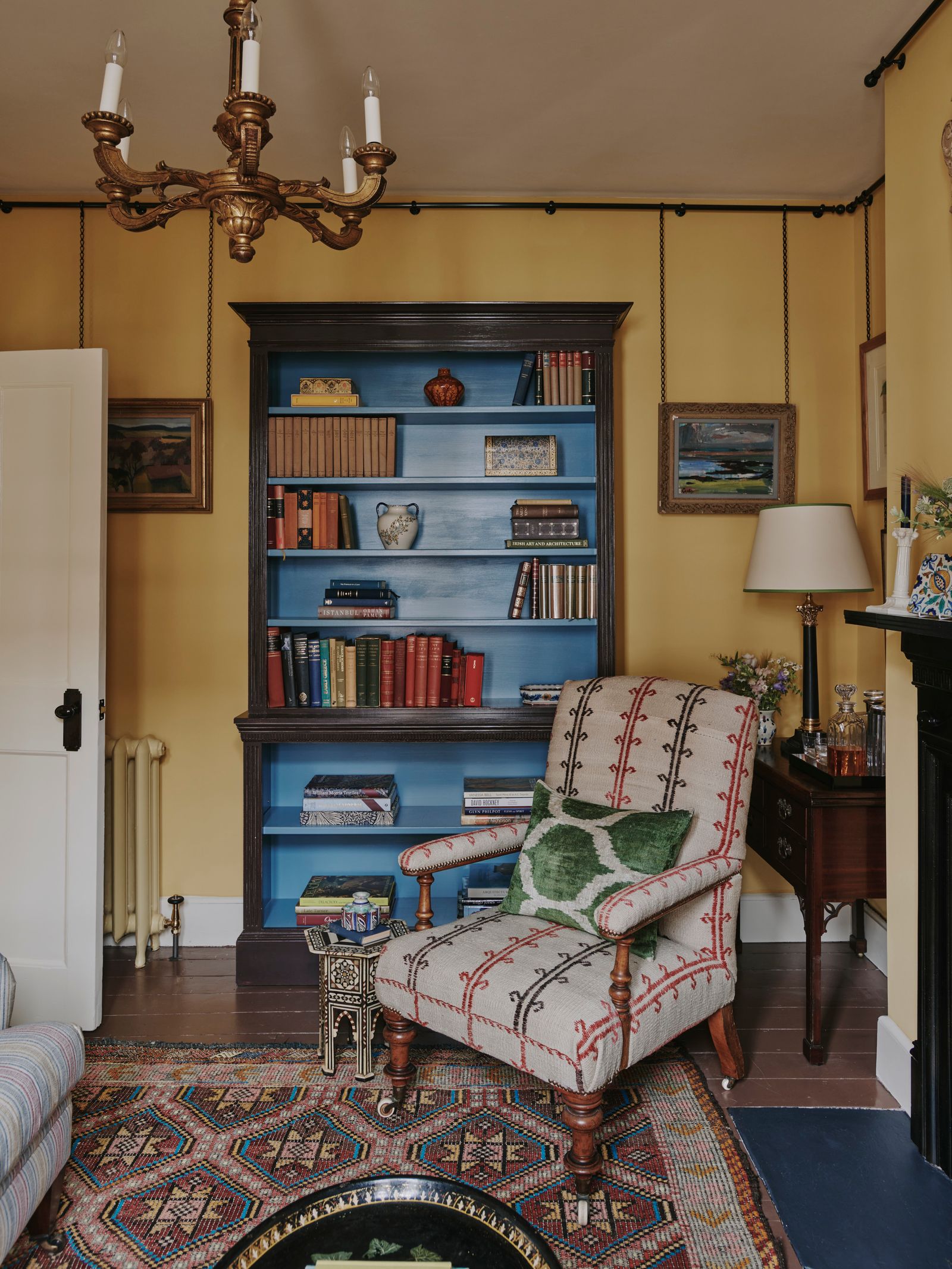
Shopping smaller and local, both at bricks-and-mortar stores or online, is of course another wonderful means of discovering unique pieces that could otherwise fly under the radar, and serendipitously means you are also supporting the small business that stocks the maker whose work you are investing in. Drew cites Shoreditch-based Labour and Wait, a fellow independent shop from our top 50, as ‘brilliant for utilitarian craft with timeless appeal’, and adds that ‘independent markets and pop-ups are treasure troves - these destinations are great because they balance accessibility with authenticity.’ Birdie mentions online marketplace Etsy, ‘where you can find unique, handmade pieces directly from the maker’, additionally recommending ‘antiques markets, charity shops, and small design stores’ for finding affordable crafted pieces.

.png)
When stocking handcrafted homeware and furniture for his own shop in Leicester, Drew explains the awareness of ethics that is needed: ‘transparency is key. As a shop owner, I ask questions about sourcing, materials, and production methods. Is the wood sustainably harvested? Are the dyes non-toxic? Are makers paid fairly? As a consumer, it’s worth looking beyond labels and marketing, seek out the story. Craft should never come at the cost of exploitation or environmental harm. The beauty of craft is that it can be both ethical and enduring, but it requires vigilance and care.’
Similarly, Birdie thinks that ‘it’s always important to ask where and how something was made and ideally meet the maker first hand. Supporting a local maker can make such a difference, and their work will be unique in a way that something mass produced cannot replicate. When looking to buy a crafted piece, look out for natural materials - investing in quality ensures pieces last longer and reduces waste. Slow decorating and adding pieces over time is also both more sustainable and satisfying.’

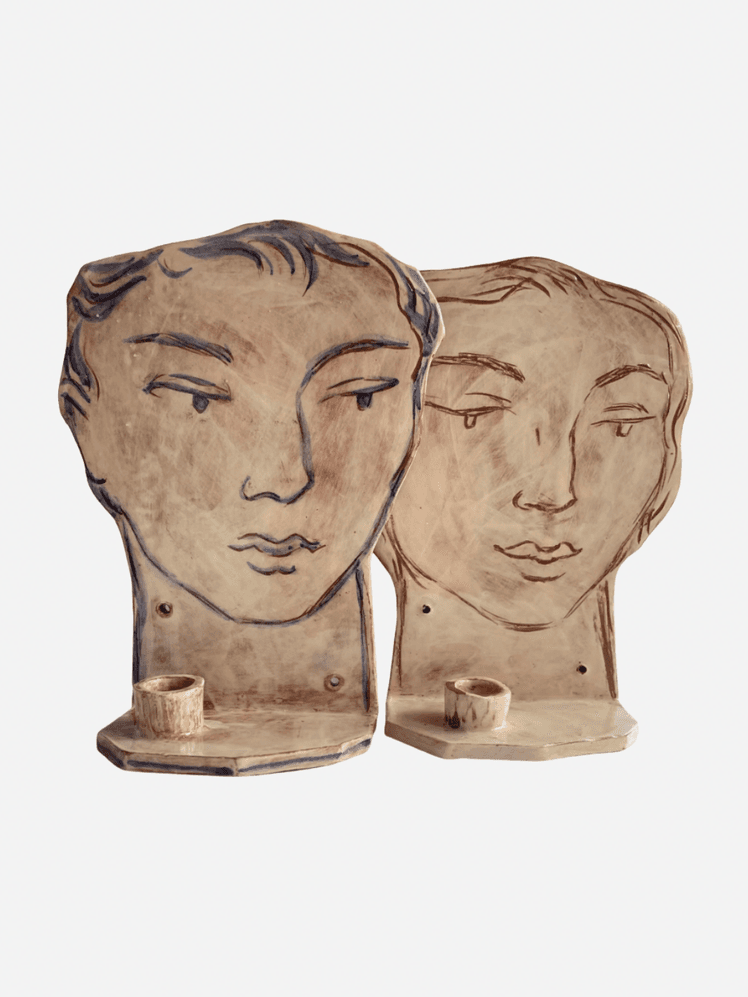
Museum and gallery shops can also be wonderful places to purchase one-offs from artists and designers. The shops at Kettle's Yard in Cambridge, or Charleston in Sussex, are just a couple that come to mind as they are beautifully curated and also stock pieces by independent or local designers that have a connection to the museum. Or sometimes, editions of works by the artists that are on display in the museum can also be sourced in gift shops.
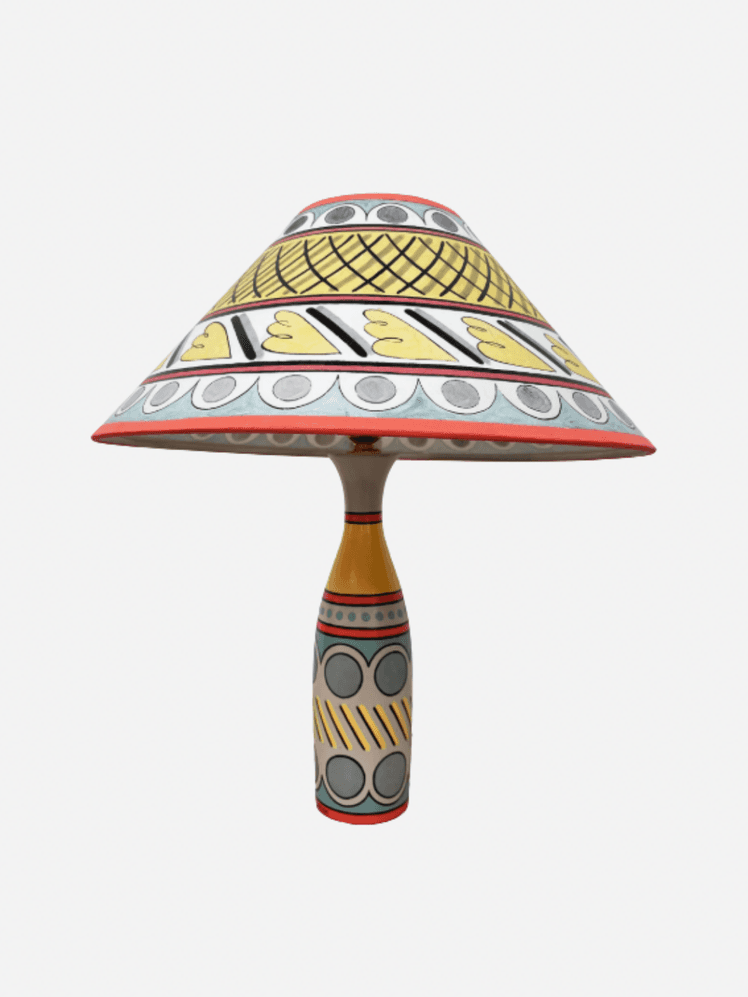
Sometimes it might a take a little bit of patience and looking in a less obvious place, but surely that journey is all part of the fun of hunting for a special piece to live in your home. As Birdie says, ‘if you find something that speaks to you personally and is well made, it will stay with you for a very long time.’


