London has more members’ clubs than anywhere else in the world, with about 133 in operation today. Some of the oldest names, like Brooks’s and Boodle’s, have anchored St James’s since the 18th century, but the phenomenon is anything but a relic. New clubs continue to appear, stretching well beyond the historic heart of the capital’s clubland into places as unexpected as Brixton. Membership ranges from aristocracy and old-money industrialists to technocrats and creative types, but what unites them is privacy. That seclusion has never stopped clubs from influencing life at home.
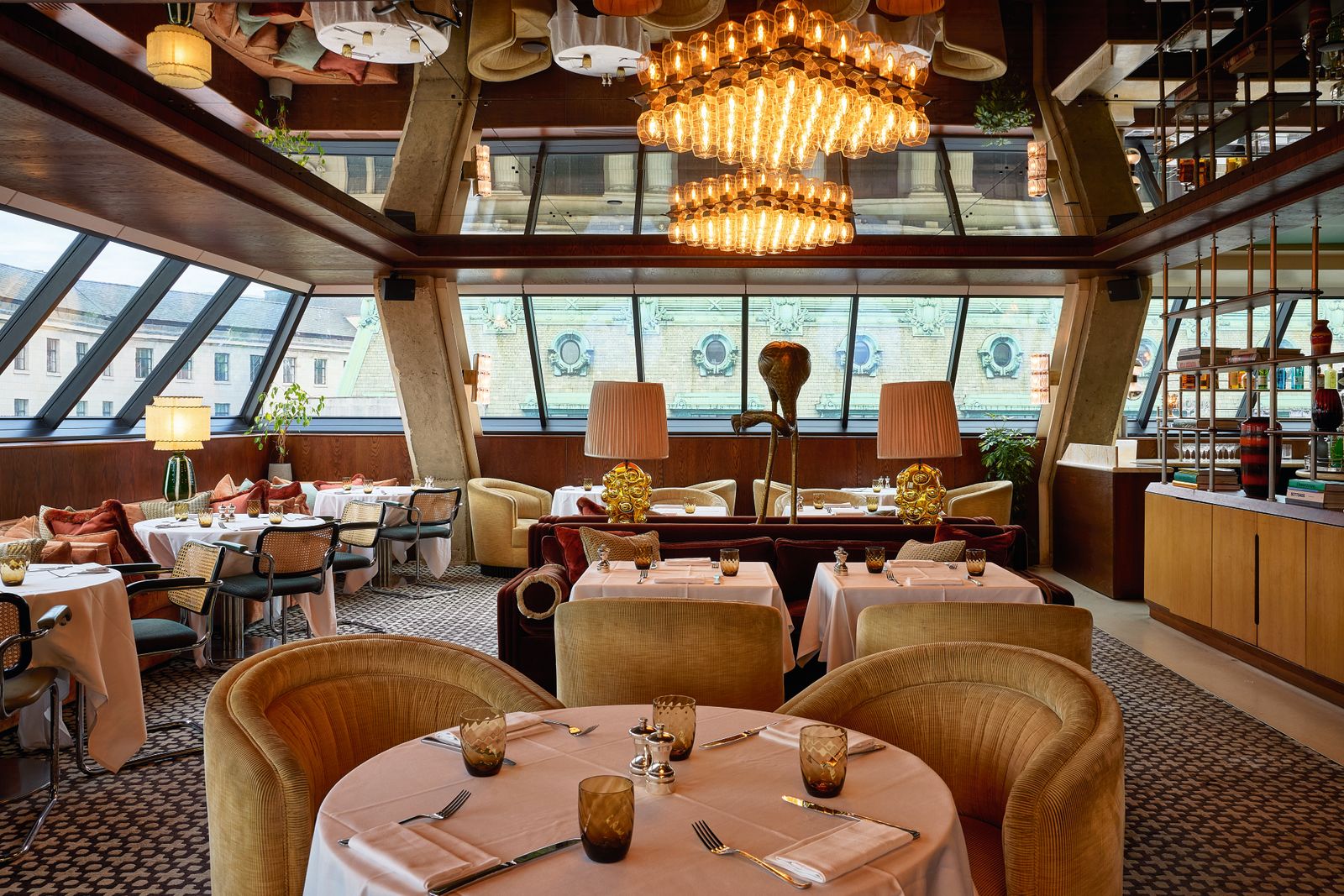
At the turn of the 20th century, hotels such as the Ritz in Paris and London popularised a grand style that the aspiring bourgeoisie were quick to imitate. Today it is clubs that set the pace, whether the mood leans towards exuberant maximalism or the polish of modern sleekness. Designers have played an important role. Martin Brudnizki’s £55 million transformation of Annabel’s turned it into one of the most talked-about interiors of recent years, while Soho House has gone further still, opening showrooms where customers can buy into its signature mid-century aesthetic, even if they have never set foot inside a club.
The appetite for a club look at home is undeniable, but the question is why. To explore this, I spoke with Andrew Jones, whose book The London Club: Architecture, Interiors, Art is a lavishly illustrated and wittily written study of one of the capital’s most distinctive – and most secretive – institutions.
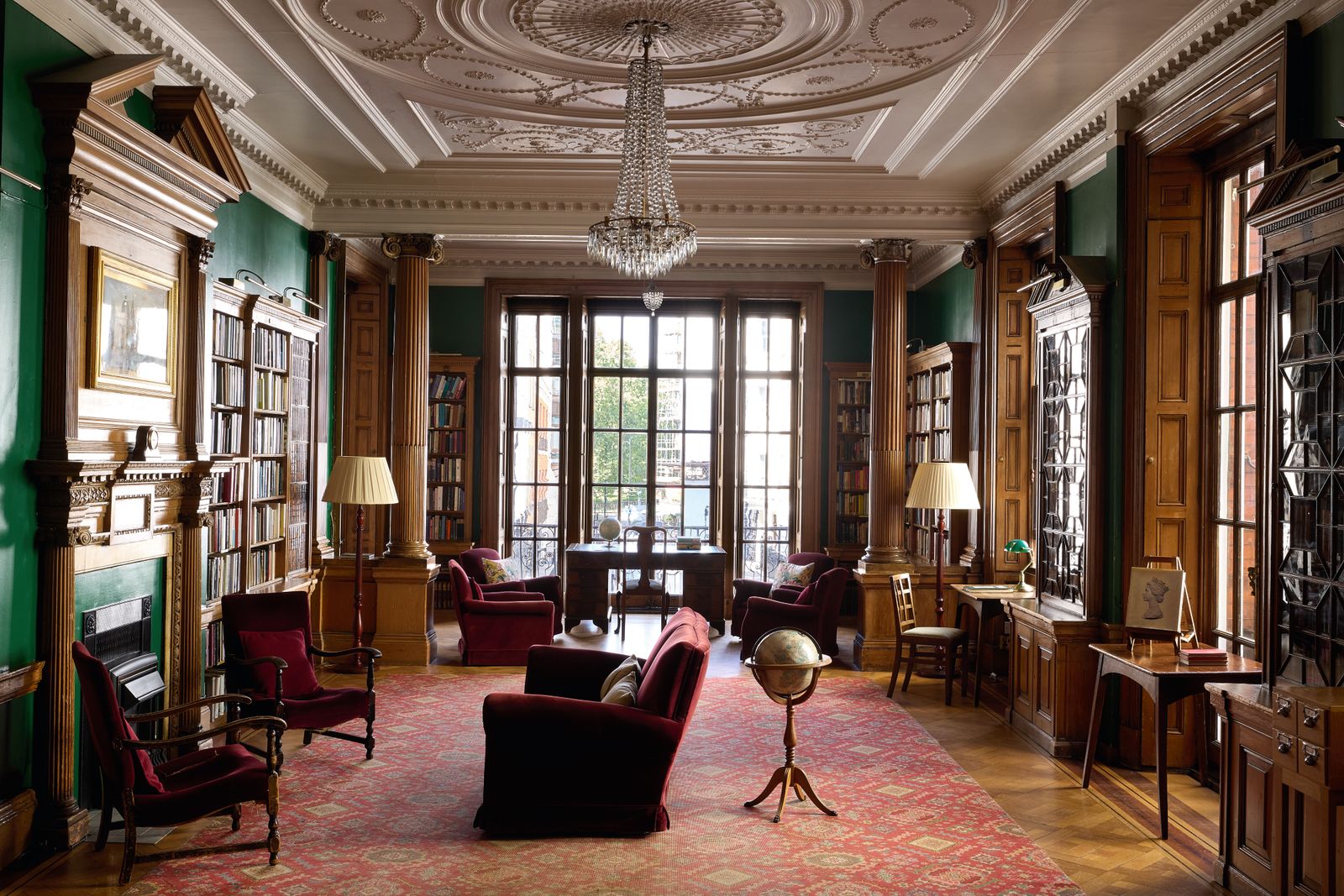
‘There has always been a dialogue between members’ clubs and domestic interiors,’ Andrew explained. ‘If you look at the early Regency clubs, like the Athenaeum or the Reform, they had enormous libraries modelled on the ones a gentleman would have in a big country house, covering similar subjects and using the same furniture types. From the beginning, clubs were imitating the home, and the dialogue has just continued.’
If in the past clubs often borrowed their decoration from the domestic sphere, today the trend seems reversed, and it may form part of a broader desire to bring a lifestyle element into decoration. ‘Think of hotels: how many chains now sell homeware, from sheets to furniture? People want to live at home the way they live when they travel,’ Andrew pointed out. ‘Clubs fit into that context, but in a cosier way. You see it with Soho Home, where the design language has carried directly into people’s homes, or with Robin Birley’s Studio range.’
That impulse is not limited to what can be bought at retail. ‘I once saw a member’s wife come into an 18th-century club to measure her husband’s favourite armchair so she could have one made for their house,’ Andrew recalled. ‘That was just one example, but it shows how people respond to the atmosphere and want to bring it back with them.’

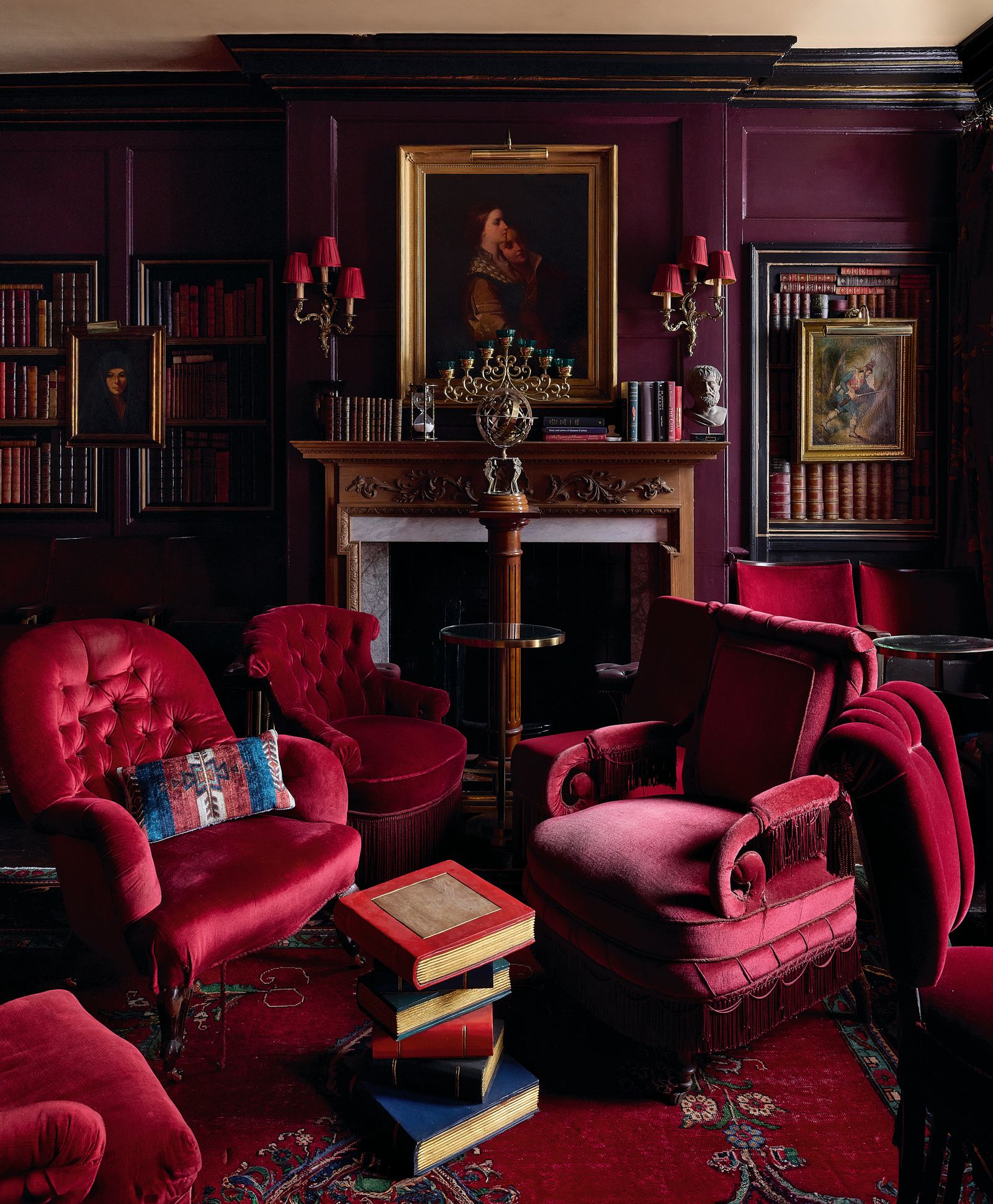
And if the cocooning element of many clubs’ interiors – 5 Hertford Street’s drawing rooms are nothing if not cosy – is part of the attraction, exclusivity also plays a role. ‘It is more esoteric to have something with a kind of club provenance than something you can pick up on the high street. There is an extra edge when a look or an object can be tied back to a club.’
Nostalgia is another factor. ‘I remembered Nina Campbell’s cork wallpaper backed in gold from the original Annabel’s in the 1960s. I had seen it years ago and it stayed with me. So when I redid my study, I finally used it at home.’
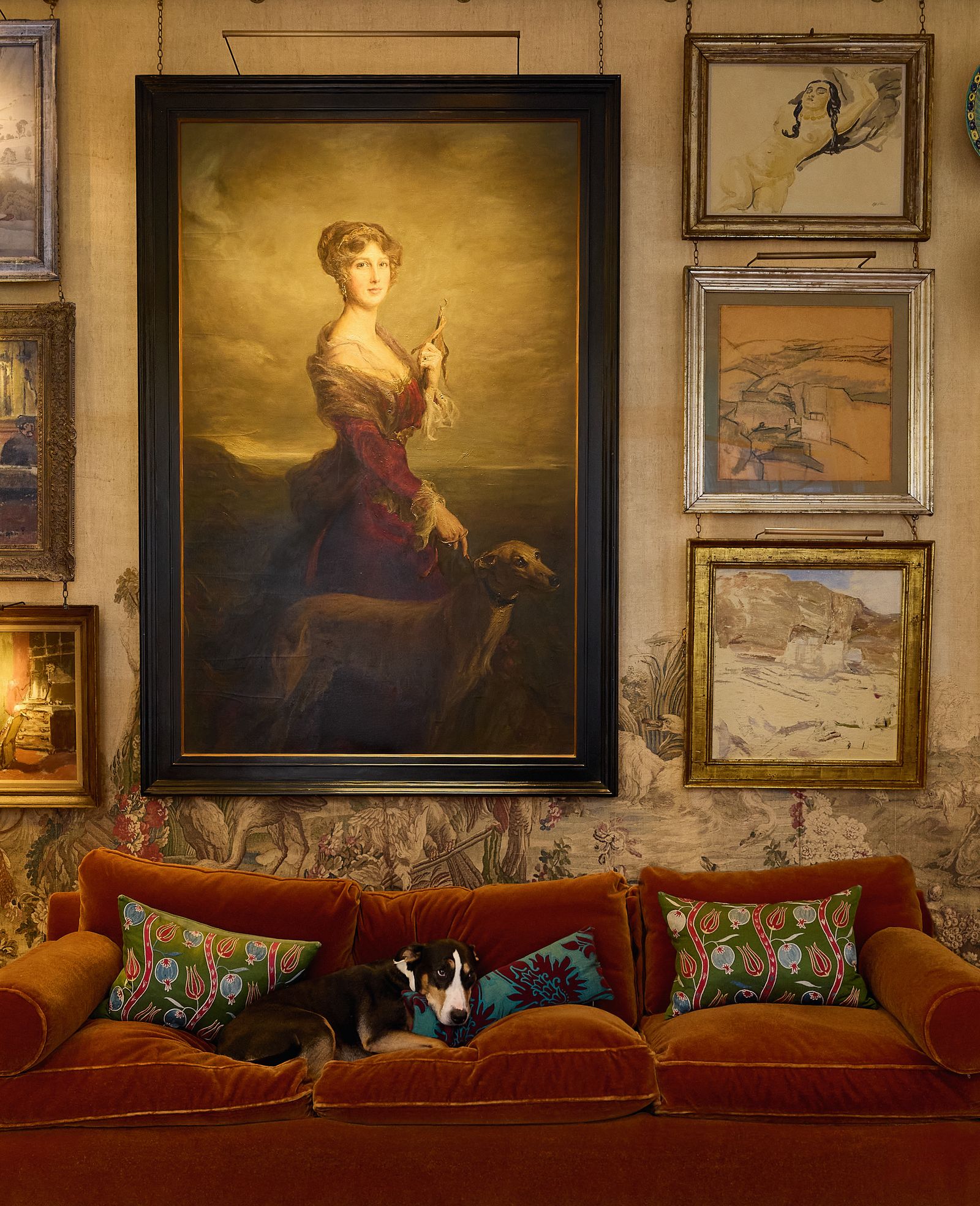
The final question is whether buying into a club’s aesthetic can also bring its atmosphere into a domestic setting. Given their semi-private, social nature, Andrew is doubtful. ‘The atmosphere of a club is defined as much by the people who use it as by the decoration. Even if you replicate the interiors exactly, you will never achieve the same feeling in a domestic context, unless you live in a very social household.’
Whatever its origins, and however varied the reasons behind its appeal, one thing is clear: the influence of London’s clubs will endure, along with the discreet allure of the worlds concealed behind their guarded doors.