
Why are we so obsessed with shutters – and is it time to let them go?

If you take a walk down one of London's residential streets – the fairly typical kind that's lined with Victorian and Edwardian terraced houses, we'd like to bet that many, if not most will feature white louvre shutters on the interiors of their windows. Otherwise known as plantation shutters, since they are associated with the colonial architecture of the Caribbean and the United States, they have become a ubiquitous feature of British houses and practically a default option for modern renovations. But why? What makes them more appealing than blinds or curtains? And is it time to to slow down?
The style of shutters we're referring to is a very particular one, and bears little resemblance to the those that would be original to British period houses. Well-preserved Georgian and Victorian buildings may still have their original interior shutters intact – these would be solid wood designs with panelled details, designed to be completely closed at night. Janie Money, director at Sibyl Colefax & John Fowler, notes how very practical this kind of shutter can be. ‘Traditional shutters are invaluable for both warmth and security, especially in country houses which tend to be less insulated,’ she says. ‘If shutters have been removed or painted into their shutter cases, it pays untold dividends to reinstate them. They are easy to operate and invaluable for keeping the heat out in the summer and the heat in during the winter.’
MAY WE SUGGEST: How to choose between cafe curtains, sheer curtains, blinds and shutters
It is very uncommon, however, for this kind of shutter to be installed in a modern renovation. Since they don't let any light in they are not the most practical option compared to other kinds of window treatment. As such, their louvered or plantation cousins have much more to recommend them, including ‘a timeless appeal,’ says London-based interior designer Rebecca Hughes. ‘They offer privacy, light control, and a structured, clean look that can complement almost any style of home,’ she explains. Sarah and Liz Hellmers, directors of interior design studio Lathams, agree, saying that shutters ‘have such enduring appeal because they strike the perfect balance between practicality and style.’
Despite this apparent popularity, there are critics who look beyond shutters, favouring alternative window treatments in their place. Hitch Derras, associate designer at David Collins Studio notes some of the downsides that could make shutters seem an impractical choice. ‘They are not always the most cost-effective option. Properly made shutters, tailored to your windows, are an investment.' This is not to say that shutter-alternatives cannot still be expensive, but do not make the mistake of thinking that shutters are the budget-friendly option. Then there is their occasional impracticality. ‘They can be more awkward to operate than blinds, particularly on large or hard-to-reach windows, and they do require maintenance to keep the slats clean.’
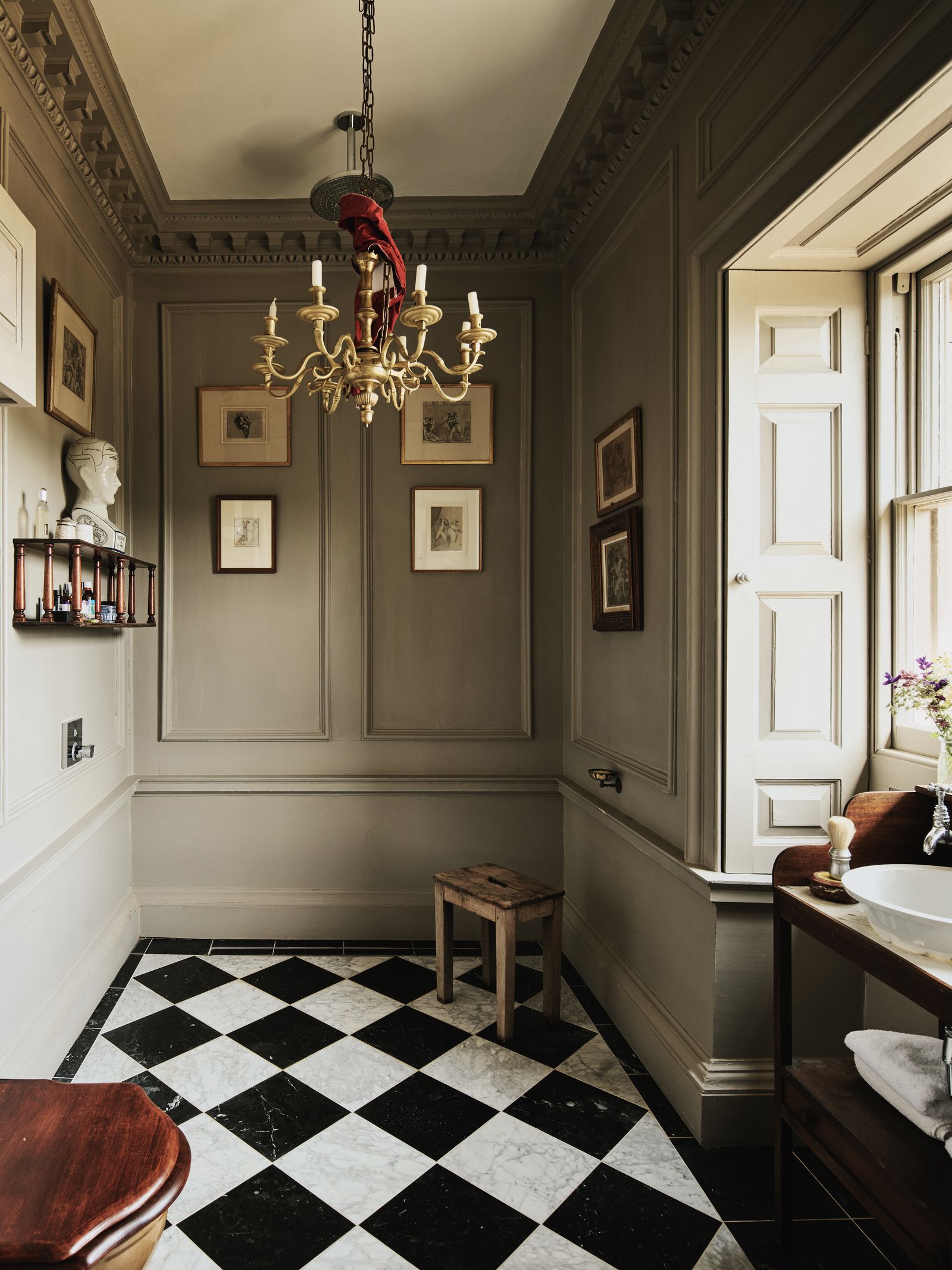
While Hitch admires louvred shutters for their elegance, he suggests their ubiquity may dull their impact. ‘They have become so widespread that they can sometimes feel like a “safe choice” rather than a considered one,’ he suggests. ‘Used thoughtfully, they are classic and enduring; used without real purpose, they risk looking generic.’
In an effort to dress your windows with something a little more inventive, there are plenty of alternatives that can offer similar functionality, without some of the drawbacks. ‘Layering sheer and heavier curtains, introducing Roman blinds in natural textures, or choosing louvred blinds can have a similar effect to shutters,’ say Sarah and Liz. ‘Semi-sheer privacy blinds are also an excellent, modern option, providing daytime privacy while filtering sunlight to create a softer, more atmospheric light. These solutions allow you to play with light, maintain privacy, and bring a tailored finish to a room — while keeping flexibility if your style or needs evolve over time.’ For Rebecca, flexibility is crucial, as not only do styles change, but importantly, fabric window dressings can be altered and reinstalled should you move house. Lie Sarah and Liz, layering textiles helps to ‘achieve the same sense of light control and style.’
For Angelica Squire, of Studio Squire, blinds are the way to go. ‘A well-designed blind can filter light beautifully, casting a gentle glow, while shutters tend to block or admit light in a much more binary way,’ she says. ‘Blinds also allow you to play with materials, adding depth and texture without the bulk of a shutter.'
Laura Hammett, Creative Director of the eponymous luxury design studio, recommends curtains for ‘a softer, more versatile finish’. ‘I love full-height, floor-to-ceiling curtains, even in rooms with smaller windows, as they create the illusion of height and add a luxurious sense of proportion,’ she says. ‘Unlike shutters, which have a fixed presence, curtains can be styled to feel tailored and minimal, or more opulent depending on the scheme, making them a timeless solution that works across both contemporary and traditional schemes.’
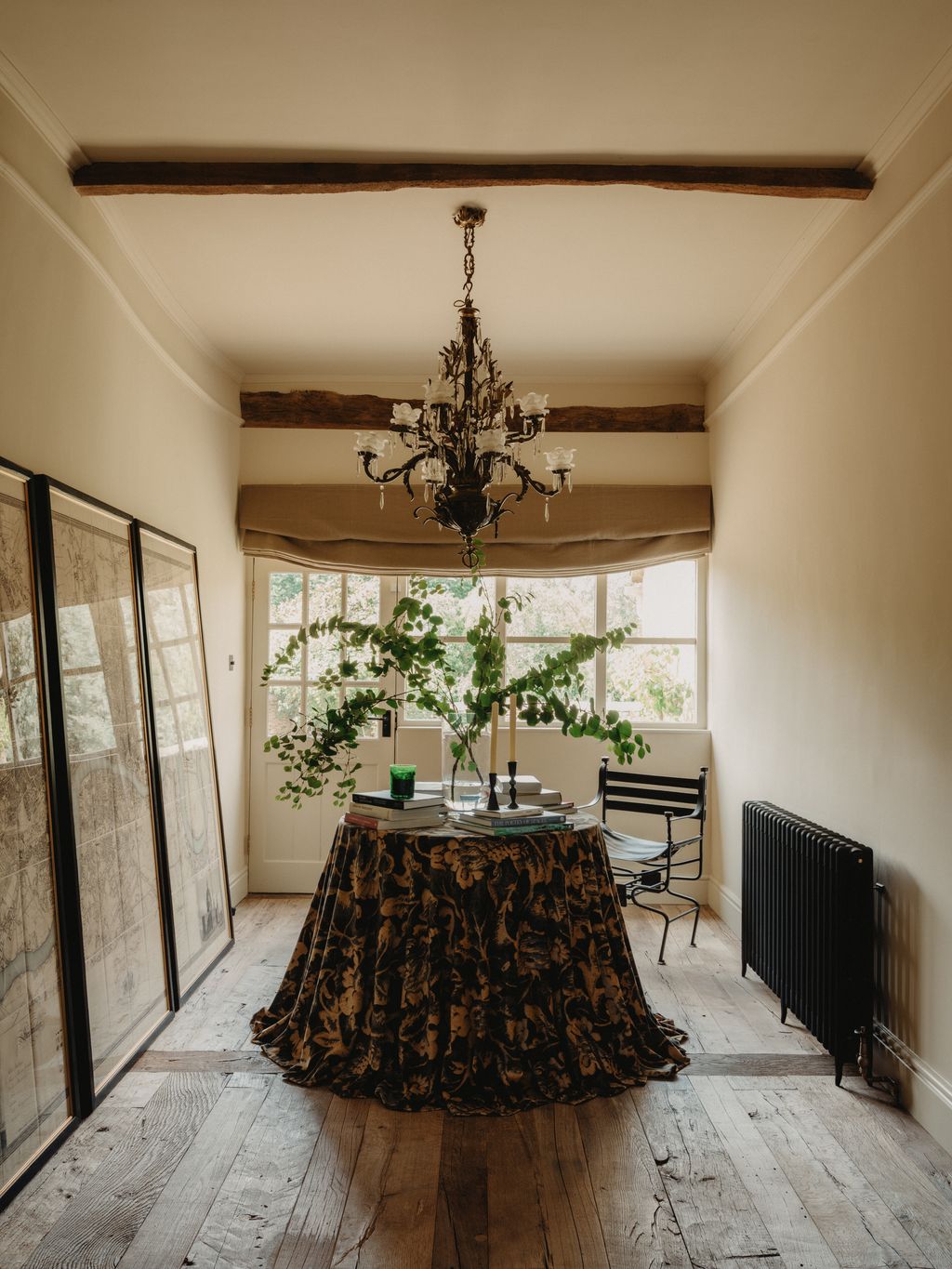 Mark Anthony Fox1/10
In the entrance hall of this Cotswold barn decorated by mother-daughter-run design studio Berkeley Hawkes, a clever roman blind covers the windows and the door, offering both insulation and a layer of softness to the space.
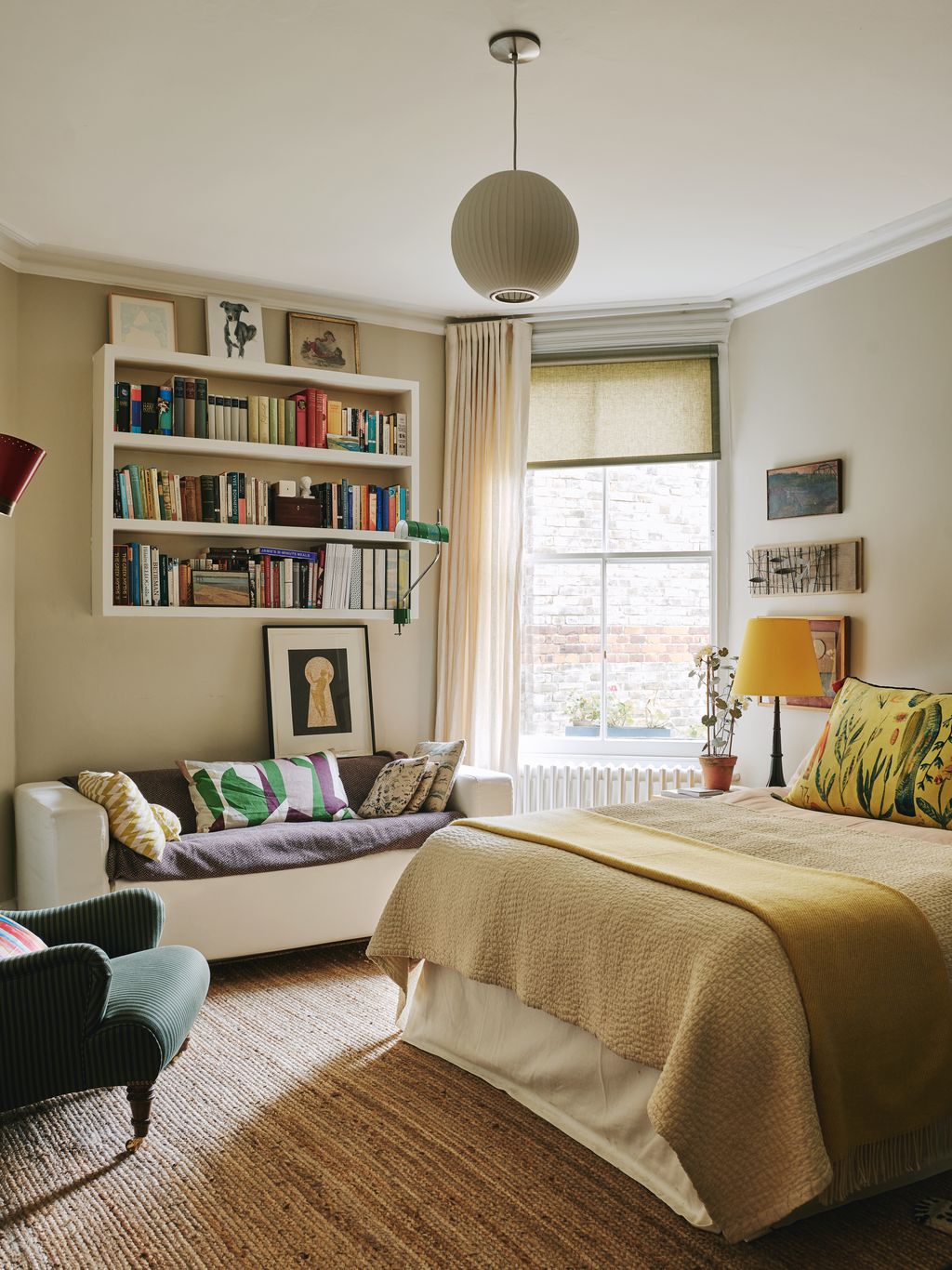 Christopher Horwood2/10
Layers of textiles and sheer curtains offer a practical and flexible alternative to shutters, such as in Virginia White's flat in Hampstead Heath.
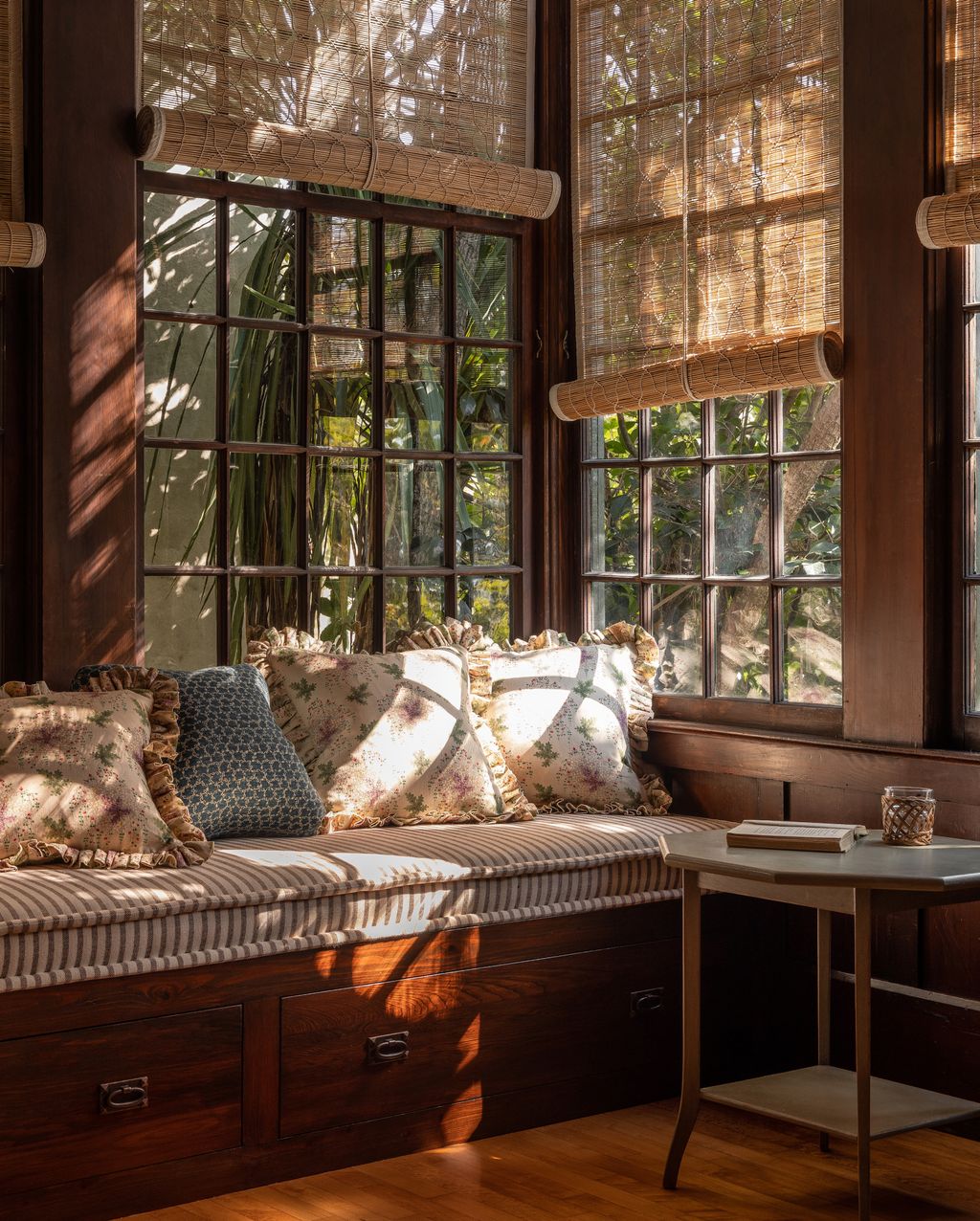 Haris Kenjar3/10
Bamboo blinds create a calming dappled effect in the listening room of this 1920s house in Berkeley, California designed by Heidi Caillier. Also known as ‘chik’ blinds, these elegant window treatments originated in India and are a favoured by many interior designers
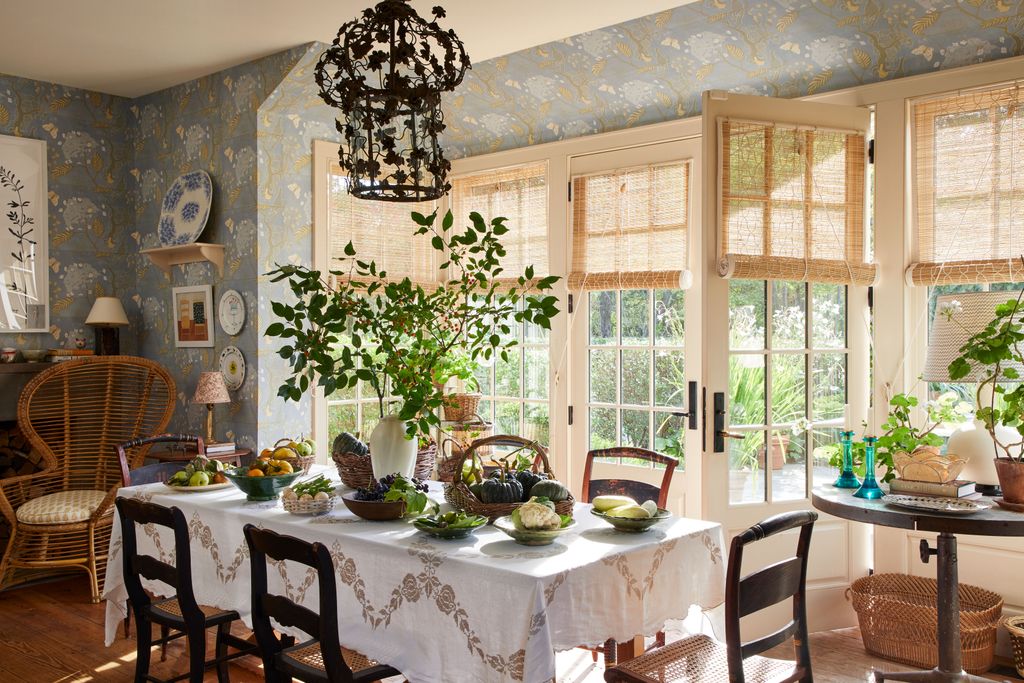 Miguel Flores-Vianna4/10
Interior designer Rita Konig uses light-coloured bamboo blinds in the dining room of Deborah Needleman's cottage in upstate New York.


 5/10
5/10In this sitting room in California designed by Rita Konig, a sheer pinoleum blind (pinoleum is a type of woven wood blind) allows floods of natural light
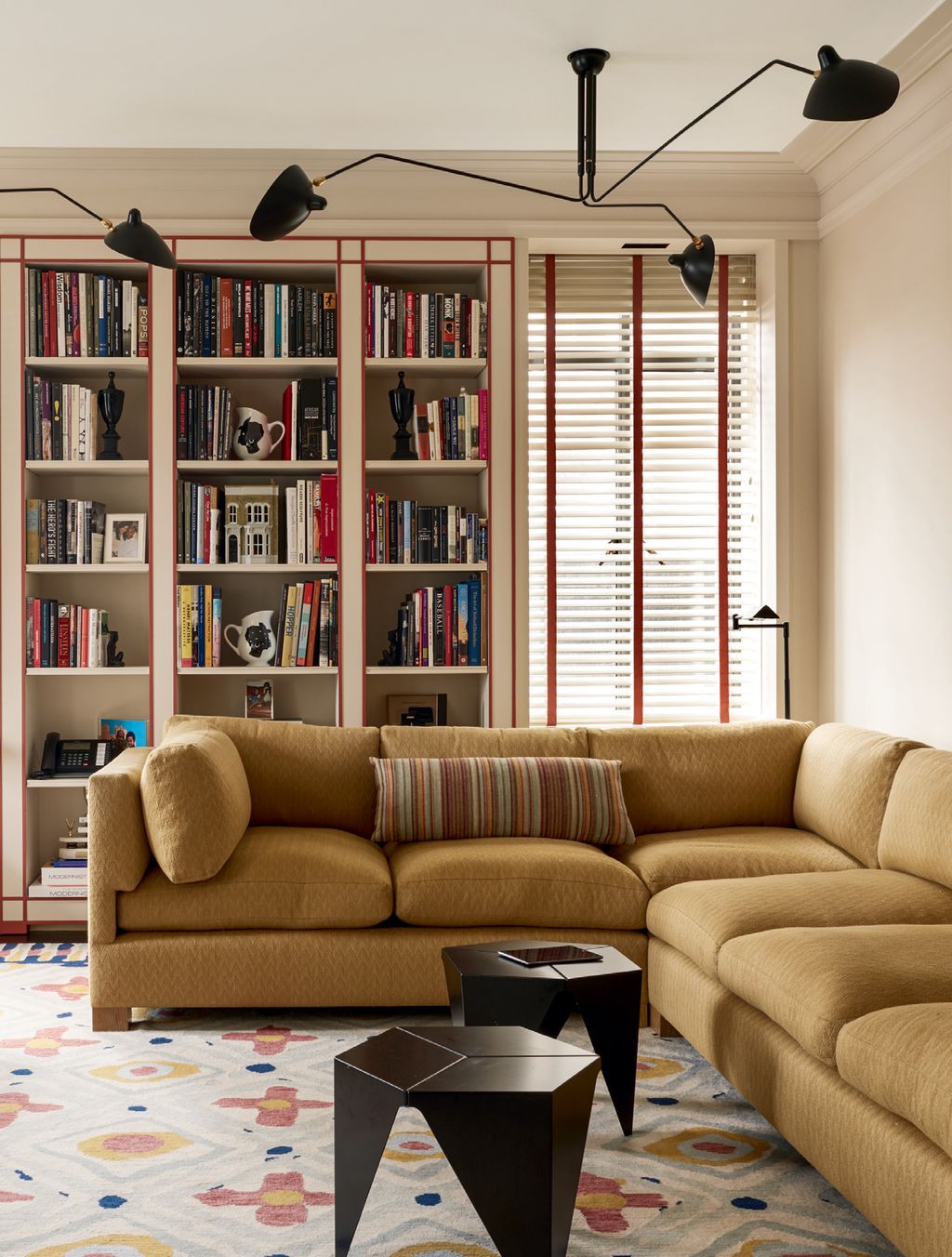 Simon Upton6/10
In this room by Mlinaric, Henry and Zervudachi, a wonderful pair of Venetian blinds with eye-catching red detailing provide a smart backdrop
 Michael Sinclair7/10
Subtly striped sheer blinds cover the windows of this grand London townhouse designed by Studio LO2.
 Dean Hearne8/10
In the main bathroom of Tanya Burr’s north London house, café curtains bestow a sense of softness to a light and airy room


 Christopher Horwood10/10
In the main bathroom of Virginia White’s mansion flat, the latticed design of the wooden window screen provides a very clever light and privacy solution for the window


