
Behind the scenes with the owners of an extraordinary farm, pub and collective in rural Devon
There is a postcard on the bedside table of my room at The Bull Inn. Bold black type on recycled pink card asks the question: ‘Who’s Getting Your Money?’ and suggests that the reader chooses to ‘deal with cooperatives, charities, social enterprises… NOT tax-dodgers’. It is the first sign that The Bull Inn, in Totnes above Devon’s meandering River Dart, is no ordinary pub with rooms.
Speaking of signs, there is also one downstairs apologising that the outside area is temporarily closed due to shortage of staff. ‘Thanks Brexit,’ it chirps. Above the serving hatch to the kitchen there are two neatly written chalkboards, each with a nine-point list. ‘No-Bull Rules to Trade By’ include choosing green-energy suppliers and reducing packaging. ‘No-Bull Rules to Dine By’ promote produce that is field grown, not flown over. It is no wonder that one of their guests reportedly said they wanted to visit The Bull Inn because they had heard so much about ‘this gobby little pub in Devon’.
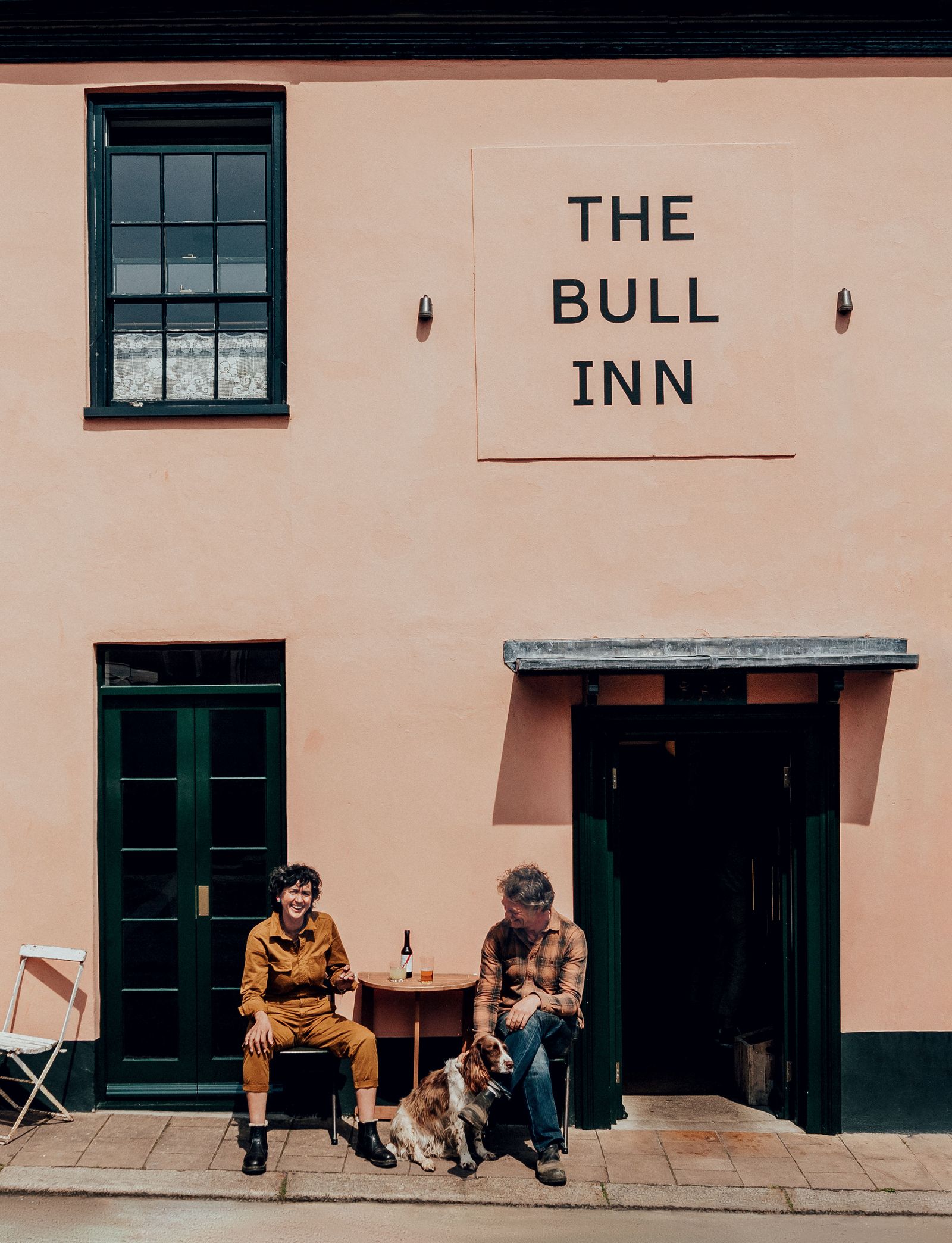
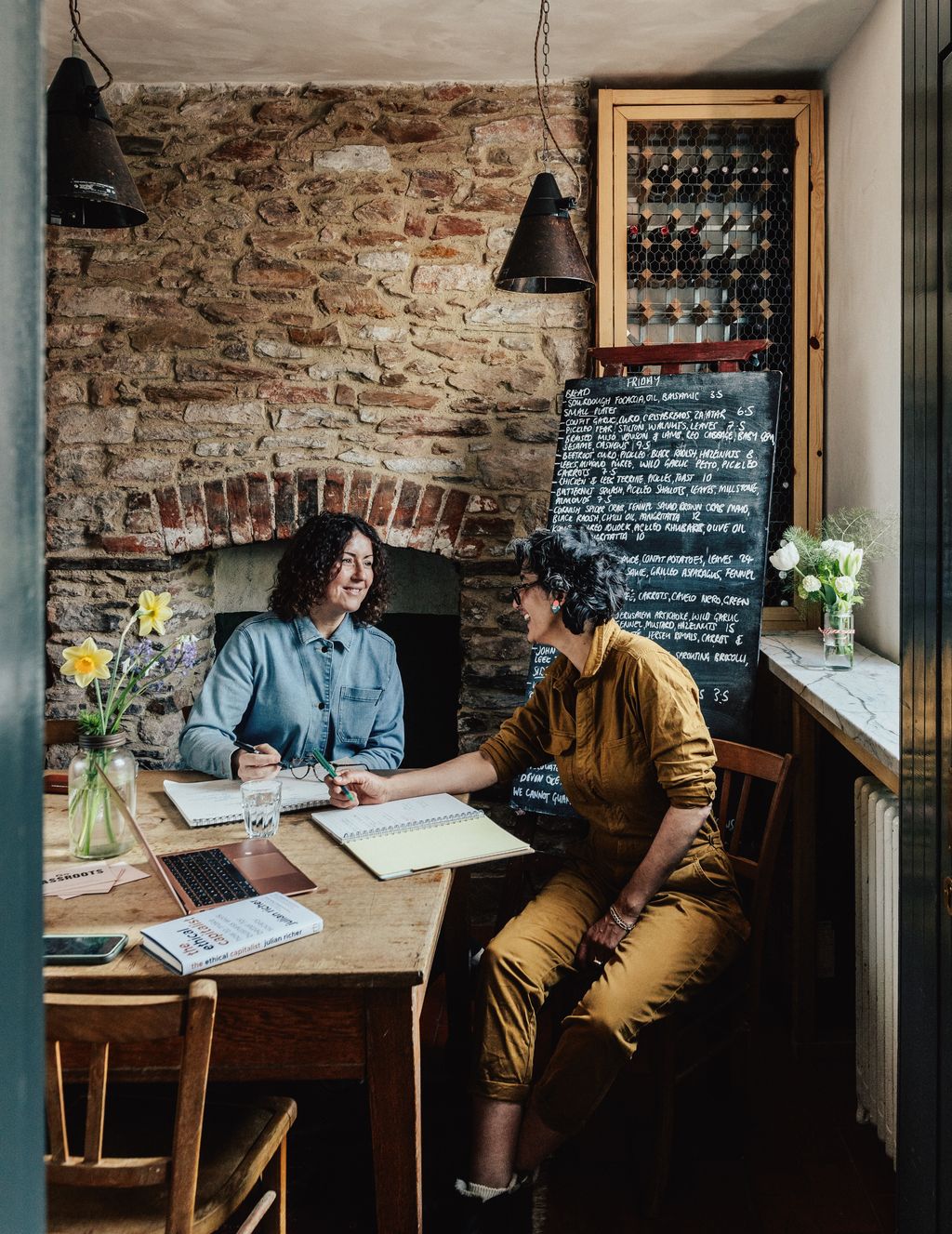
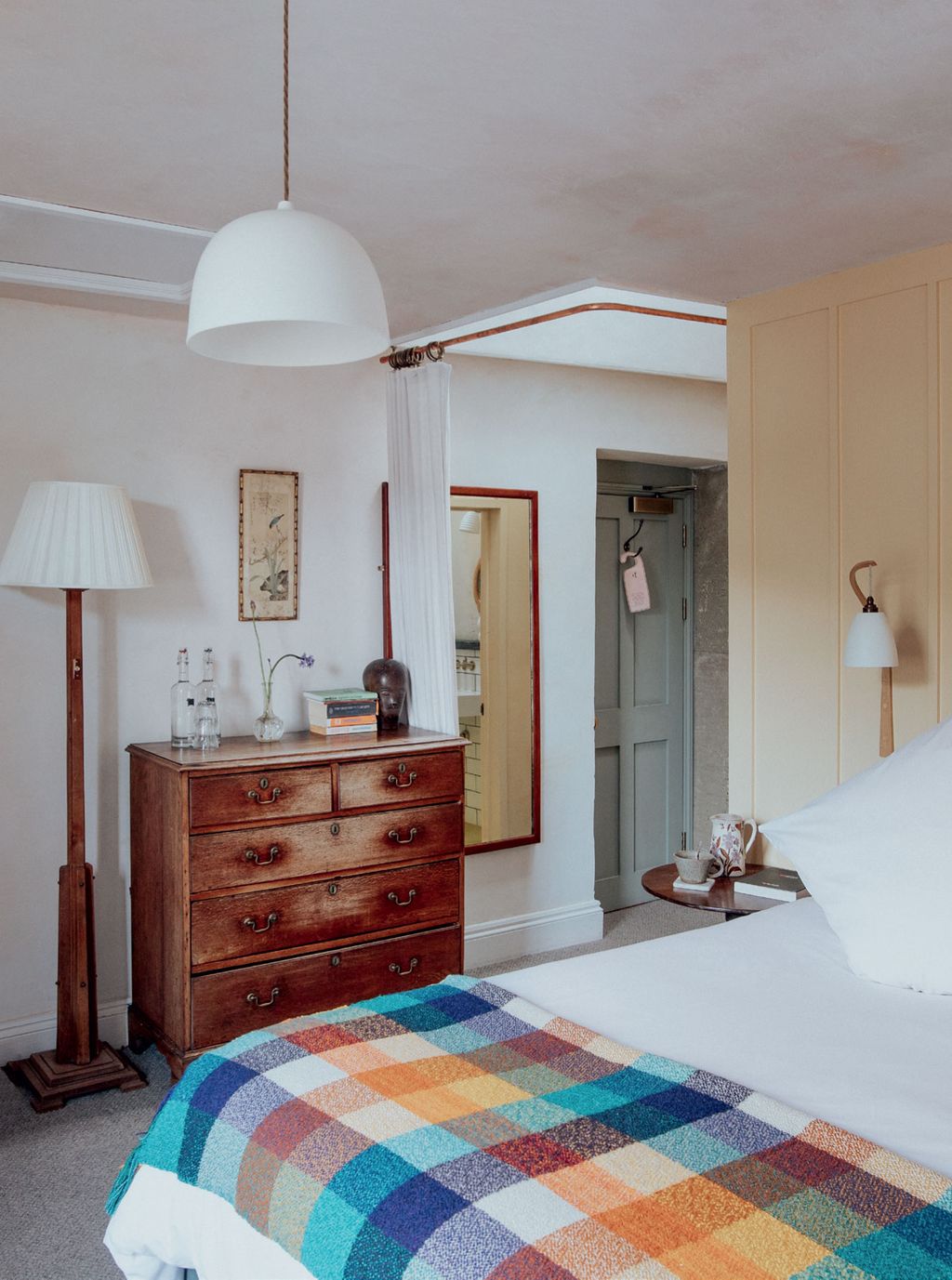
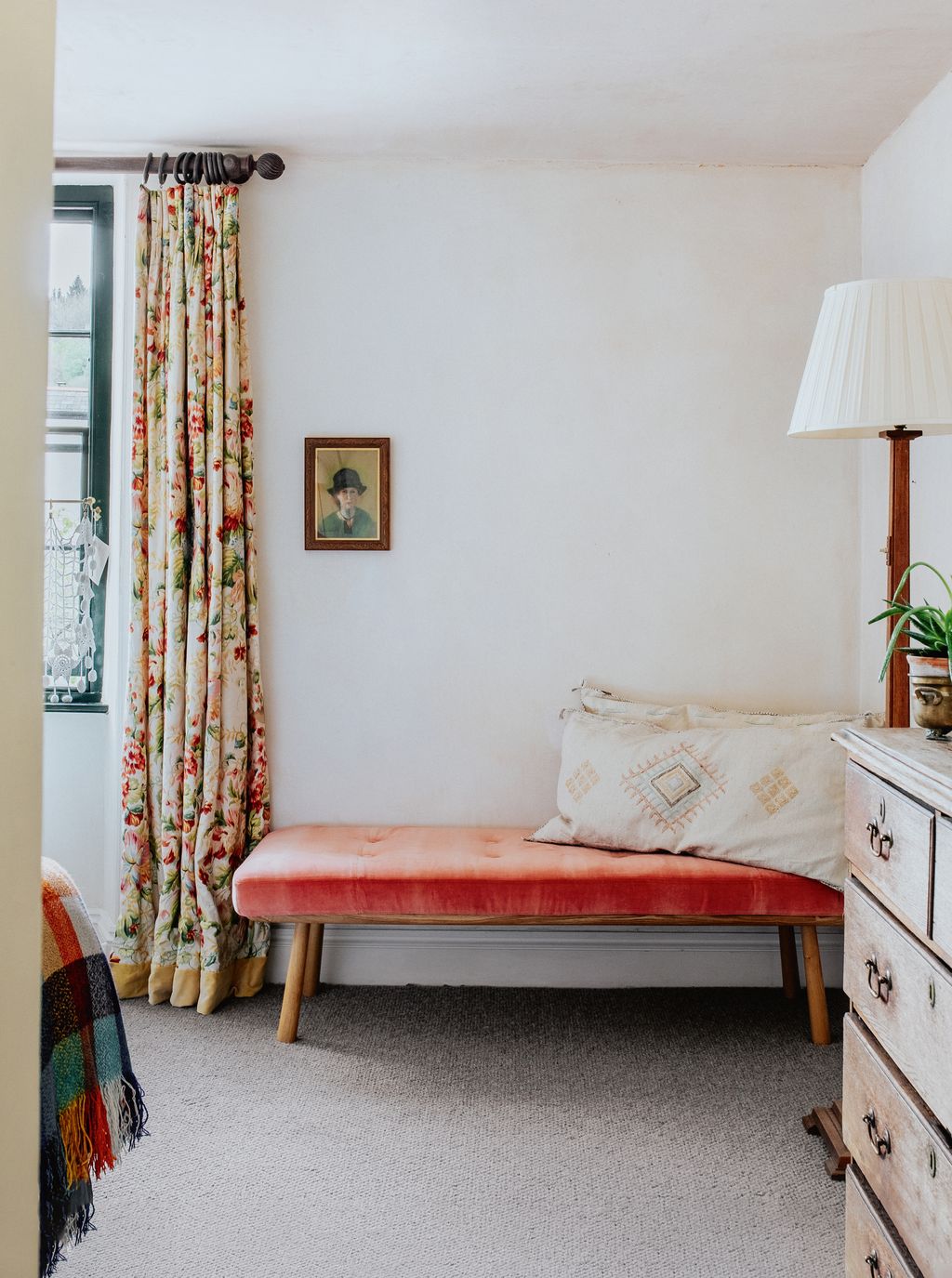
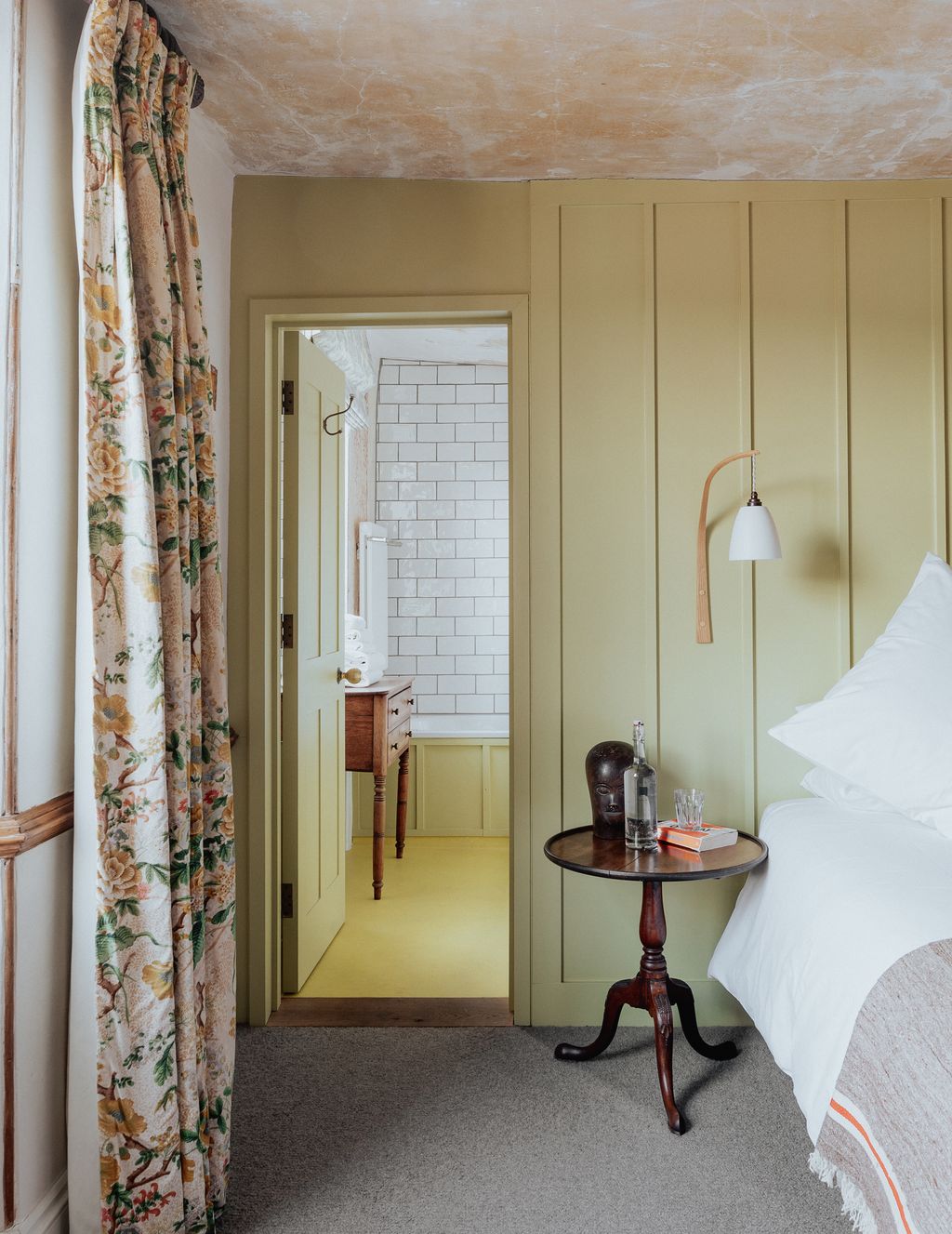
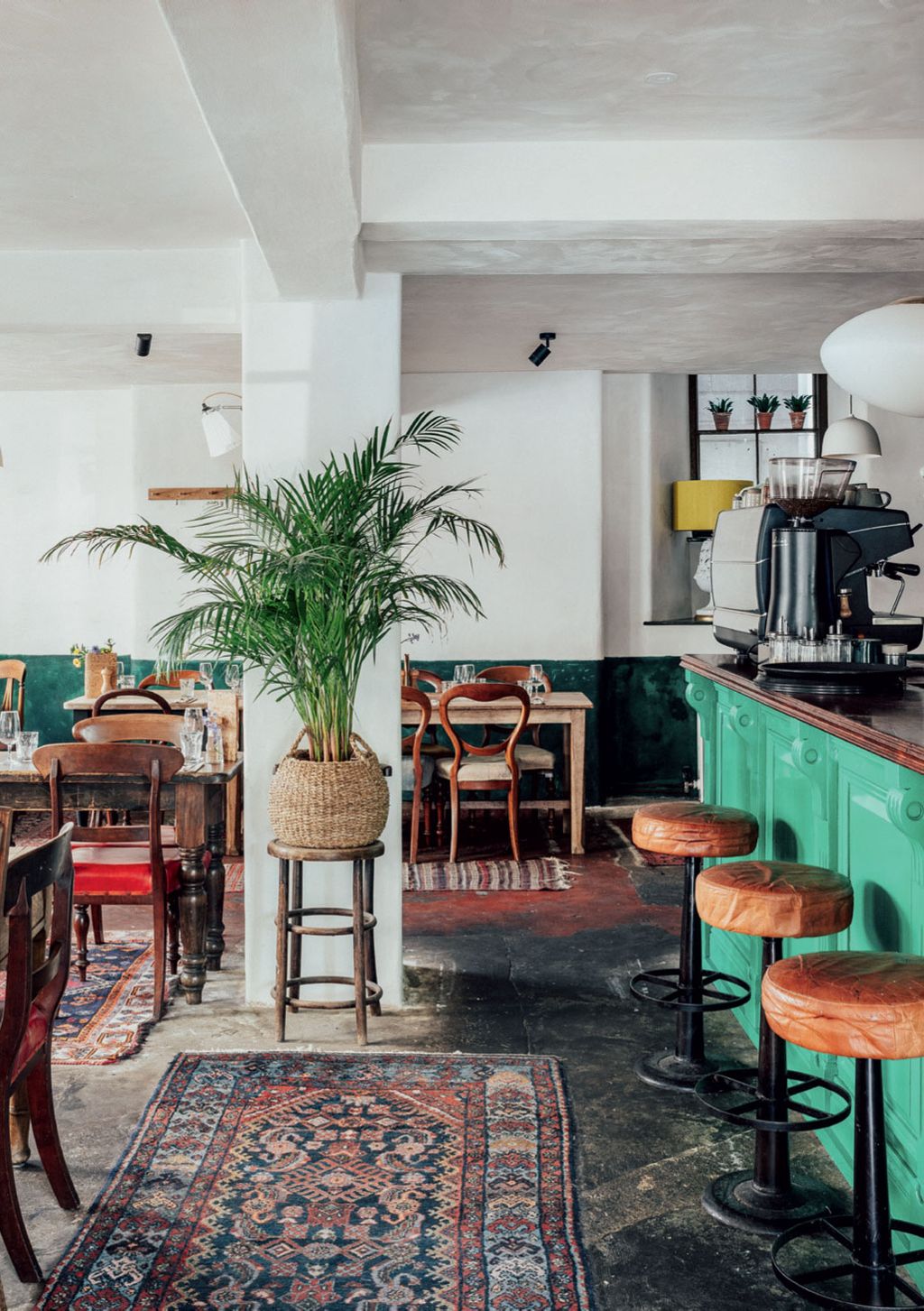
The menu at The Bull Inn, a historic pub that she re-opened just before the pandemic, is billed as ‘ingredient-led organic dishes, cooked from scratch and honestly sourced from likeminded suppliers’, and the interiors have been decorated with the same ethos. There are reclaimed lace curtains and vintage furniture, the ceilings and walls are mostly the original lathe and plaster and, where new pieces have been bought, Geetie has chosen her suppliers with great care. The mattresses and pillows, for example, are from Devon-based Naturalmat, which uses organic materials from sustainable sources. The breadboards are made by LandWorks, a local charity based at the nearby Dartington Estate, which gives training and work to those who are in – or have been through – the prison system.
It is a world view that informs so much of her life and that of her husband Guy Singh-Watson – a Devon farmer and a titan of the organic vegetable world. In the Eighties, he turned his family’s Totnes farm, Riverford, organic and pioneered vegetable box deliveries. A few years ago, Guy sold 74 per cent of Riverford to its employees for a quarter of the market value. The next year, he was given an industry award for Responsible Capitalism – a concept that he personally struggles with – but which acknowledged his belief that organic food should be accessible to all. He later wrote in his blog for Wicked Leeks, which is published by Riverford Organic Farmers, of the ‘disruption that will be needed if we are to avoid blindly charging over the environmental and social cliffs that unbridled capitalism is leading us towards’.
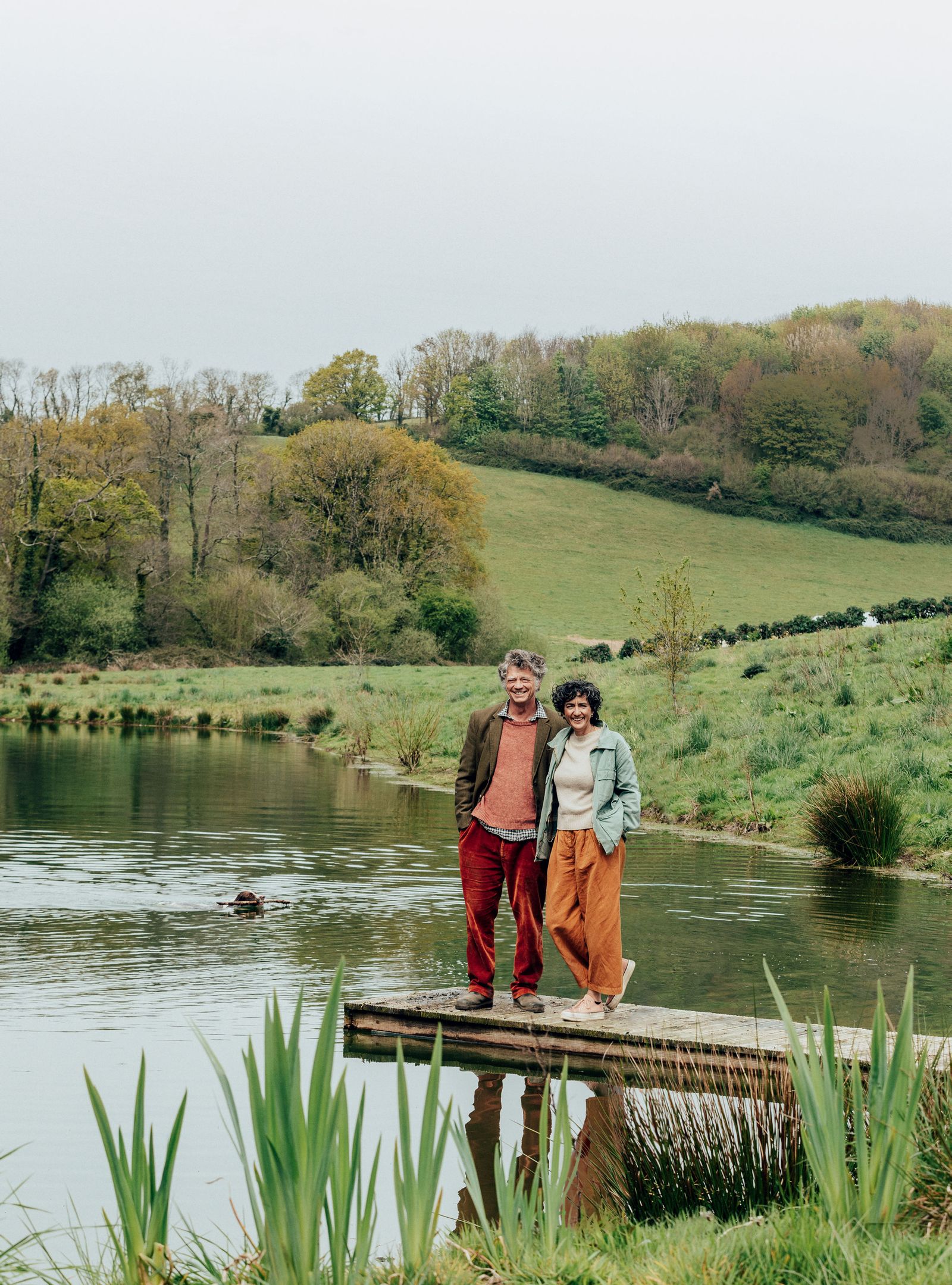
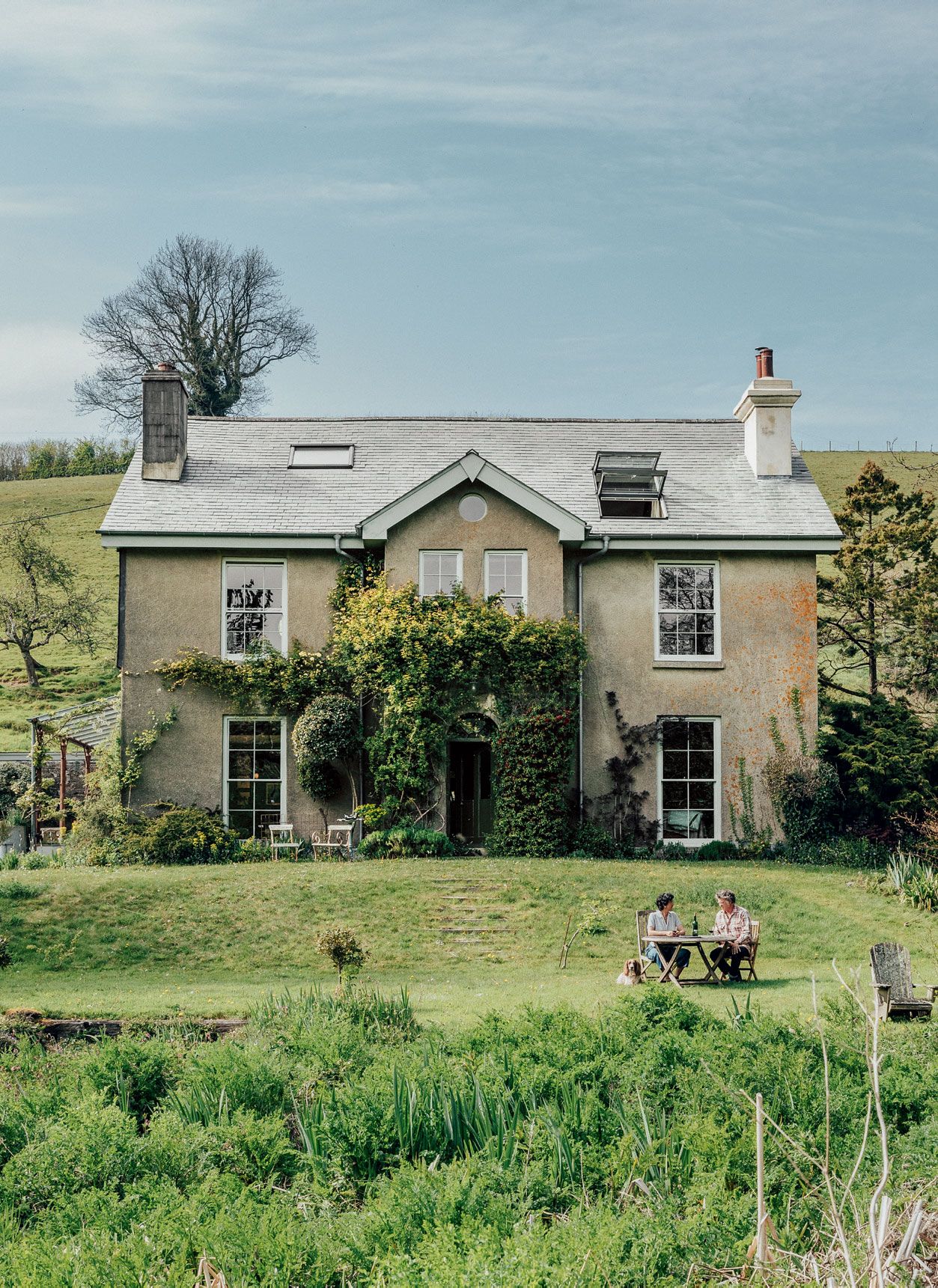
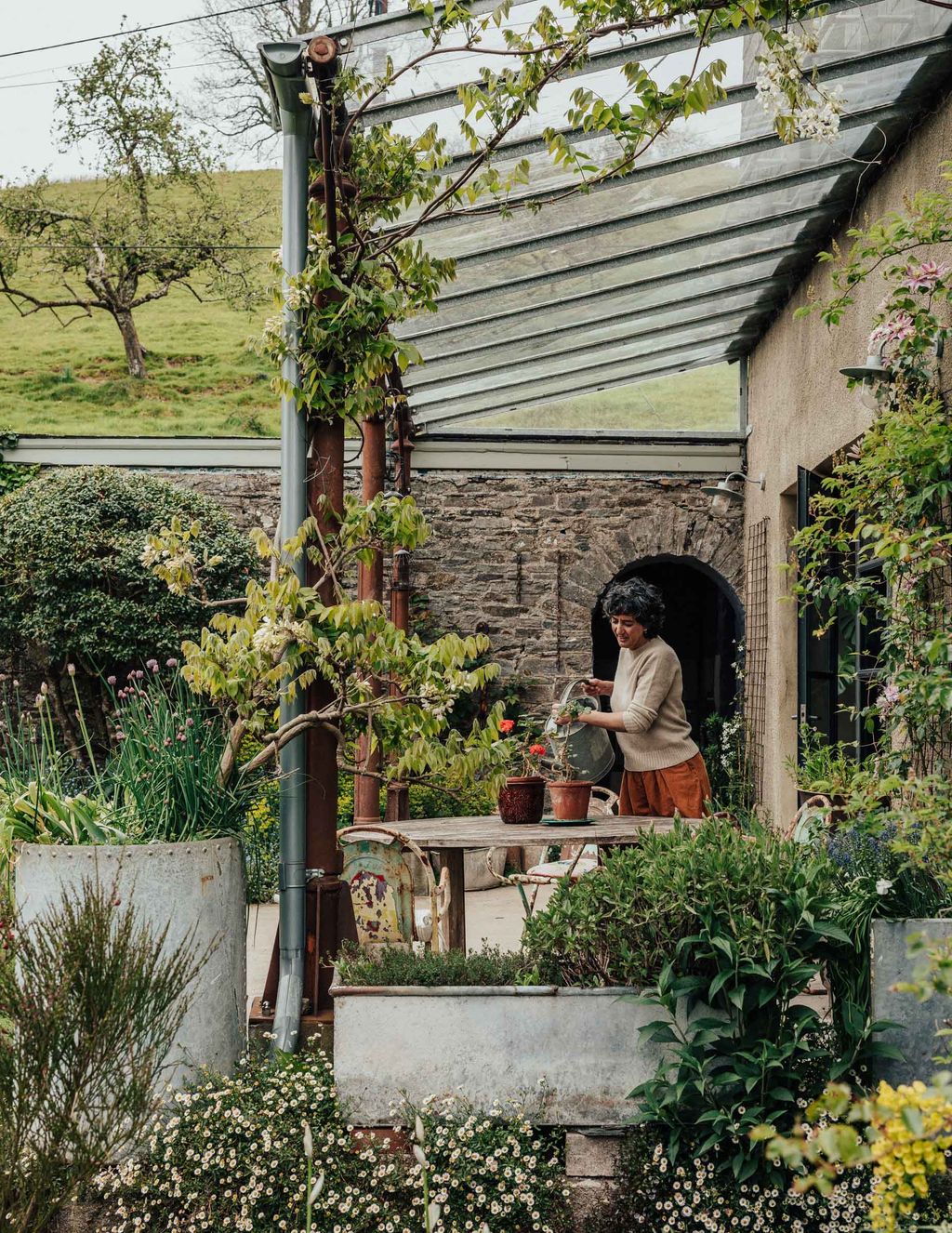
Like many a great romance, theirs began with a meeting through the Organic Soil Association. ‘She was an organic publican and I was an organic grower with an eye to opening a pub for our customers in London,’ Guy explains. ‘She was frosty and I was awkward, and probably a bit of a twat – the attraction was there but we couldn’t find it below the tension and defensiveness. Anyway, I did fancy her. And then we saw each other in a field in Devon…’ They married in 2014, with Geetie and her daughter Mabel (now 13) moving from London to Devon. They lived in Totnes for a couple of years, which is when Geetie initially looked into buying The Bull Inn. It was not until 2018, however, that the owners were ready to sell. But at this point, she and Guy had bought Baddaford Farm, where they now live, about a 20-minute drive away.
Guy is still a farmer, innovating, experimenting and trying out new things on Baddaford’s 150 acres. It is next door to Riverford, which is convenient because now Guy supplies his alma mater with the organic fruit and vegetables he grows. Also on the farm is a number of small independent businesses known as The Baddaford Collective, which he and Geetie set up this year. These include Vital Seeds, run by Fred Groom and Ronja Schlumberger, which produces and sells organic and openpollinated seeds to the grow-your-own market; Incredible Vegetables, founded by Mandy Barber to research, grow and sell perennial vegetables; and Aidan Vey’s Green Ginger Organics, a market garden that supplies local businesses.
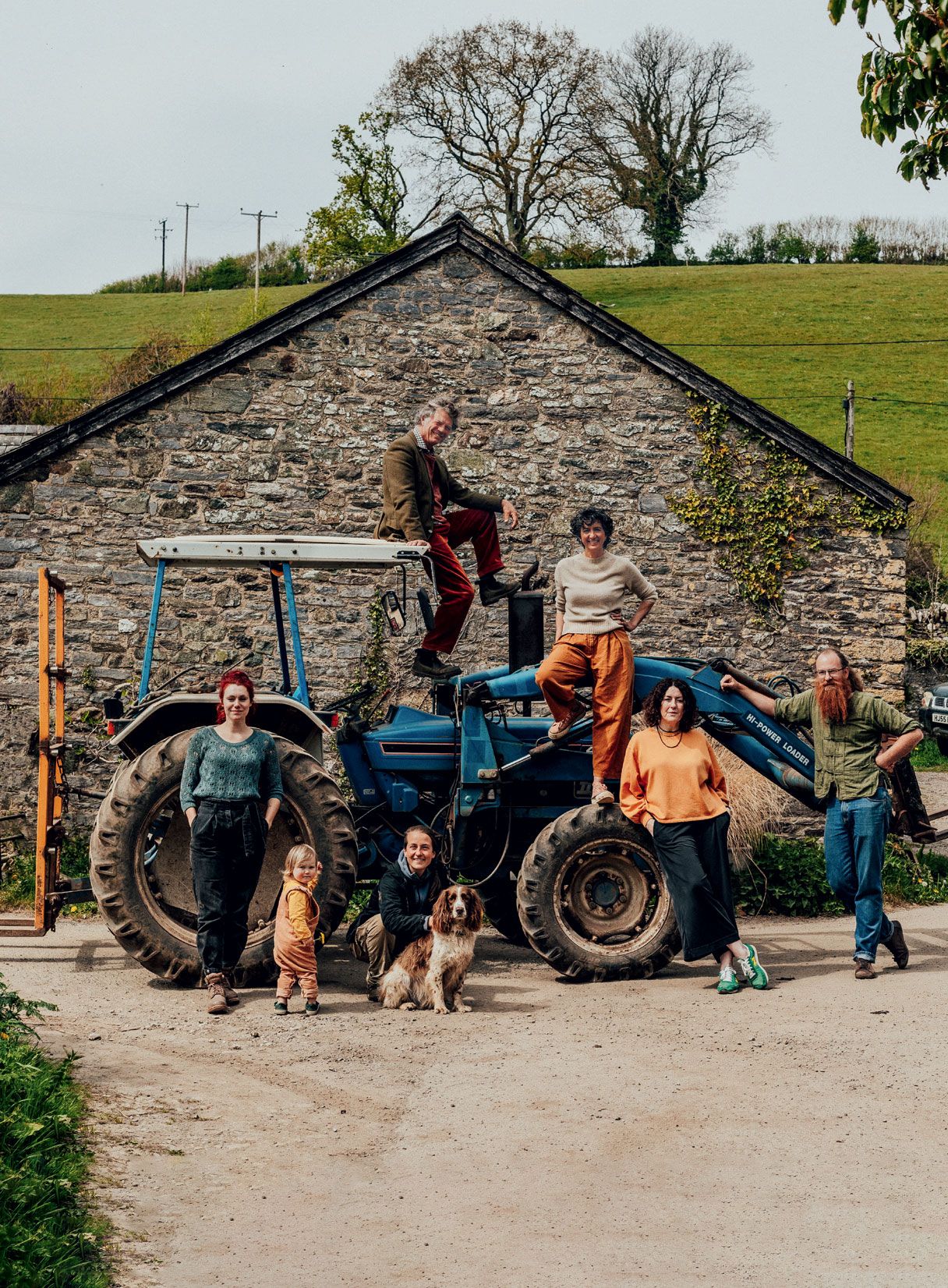
‘I like people on the land producing good food, without chemicals and without the intense, relentless drive for scale,’ says Guy. ‘And without the dehumanisation of everything – of food and the landscape.’ Stepping away from Riverford has been liberating for him, freeing him from having to provide the ‘economic rationale’ for every decision that gets made. It has allowed him to be a facilitator and an enabler for other farmers and producers to work ethically and sustainably. ‘The reality of creating these landscapes by today’s standards is that it is very, very expensive,’ he explains.
On the day of my visit, the collective was meeting to discuss formalising its shared principles. ‘To make a small part of the world more like the world we want to live in’ was how an early draft started. Cooperating, collaborating and knowledge sharing are to be encouraged. Geetie grew up in a commune in the Malvern Hills, and learned earlier than most the value of a shared endeavour. There is more to it than that, however.
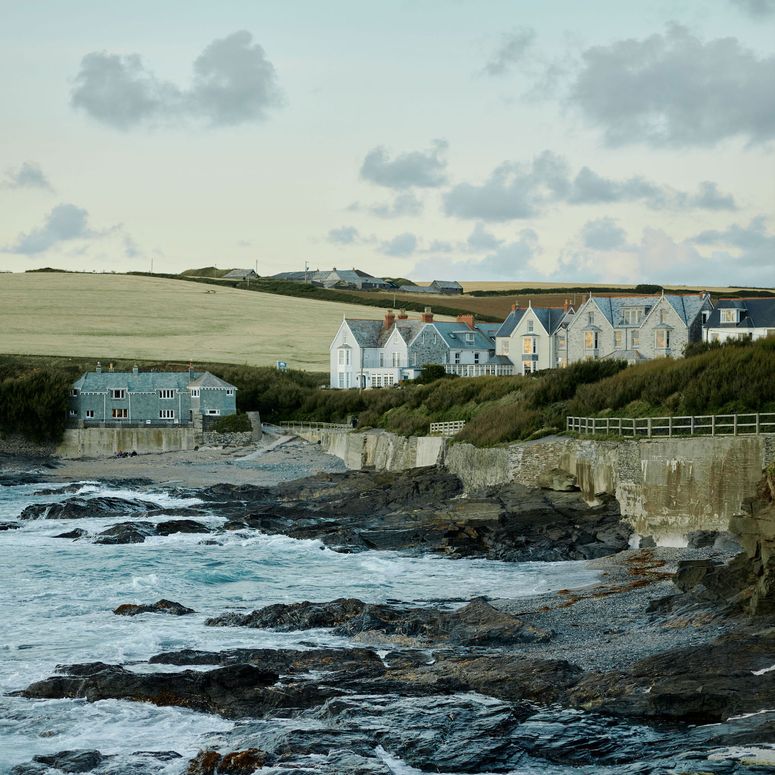
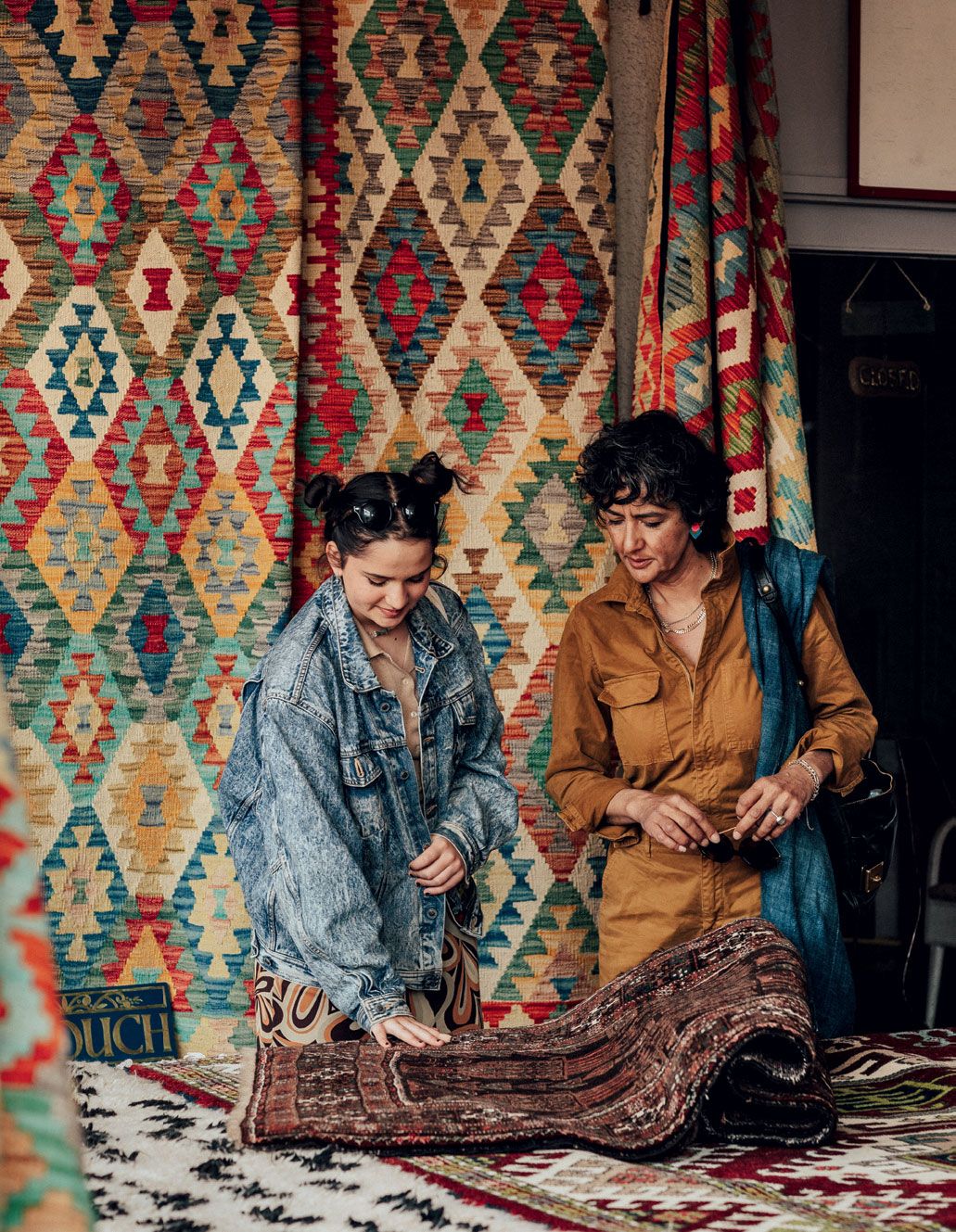
The following day, we visit Totnes Market, where Geetie has bought plenty of furniture and textiles for The Bull Inn and for their house. She is distracted by some vintage curtain pole rings that have caught her eye, but she wants to make a point. ‘Guy and I both feel we have a moral duty to demonstrate how wealthy people should behave. Because with wealth comes huge responsibility,’ she says. ‘The more money you earn, the more money you can earn and you can get sucked into a funnel of greed and expanding your wealth.’ With The Baddaford Collective, The Bull Inn, and, I suspect, so many touchpoints in their lives, she and Guy want to demonstrate that, with money, ‘You can do great things for society rather than just generate more consumption, more waste and self-indulgence’.
To spend time with them is to understand how deeply they hold this view. My shameless snoop through their bookshelves confirms their journey of self-education in how to put these ideas into action: Julian Richer’s The Ethical Capitalist: How to Make Business Work Better for Society; How Change Happens by Cass R Sunstein; and Hungry City: How Food Shapes Our Lives by Carolyn Steel. Reading material in the loo includes a stack of Resurgence & Ecologist magazines.
Totnes has long held a reputation for being one of the more eccentric towns in Britain – reputedly ‘twinned with Narnia’. Time magazine once described it as the capital of New Age chic. It is a completely charming place, with wonky buildings and barefoot hippies with wonky haircuts padding down the high street, which is lined with independent shops and curves down to the waterfront. But such descriptions can trivialise the radical nature of the place. You get the sense this is somewhere that change can happen and that can inspire change elsewhere. Geetie and her team at The Bull Inn and the members of The Baddaford Collective are important parts of this. The sense of ambition is contagious, which you might say is the point.
The Bull Inn: bullinntotnes.co.uk The Baddaford Collective: @baddafordcollective
 Taran Wilkhu1/21
 Taran Wilkhu2/21
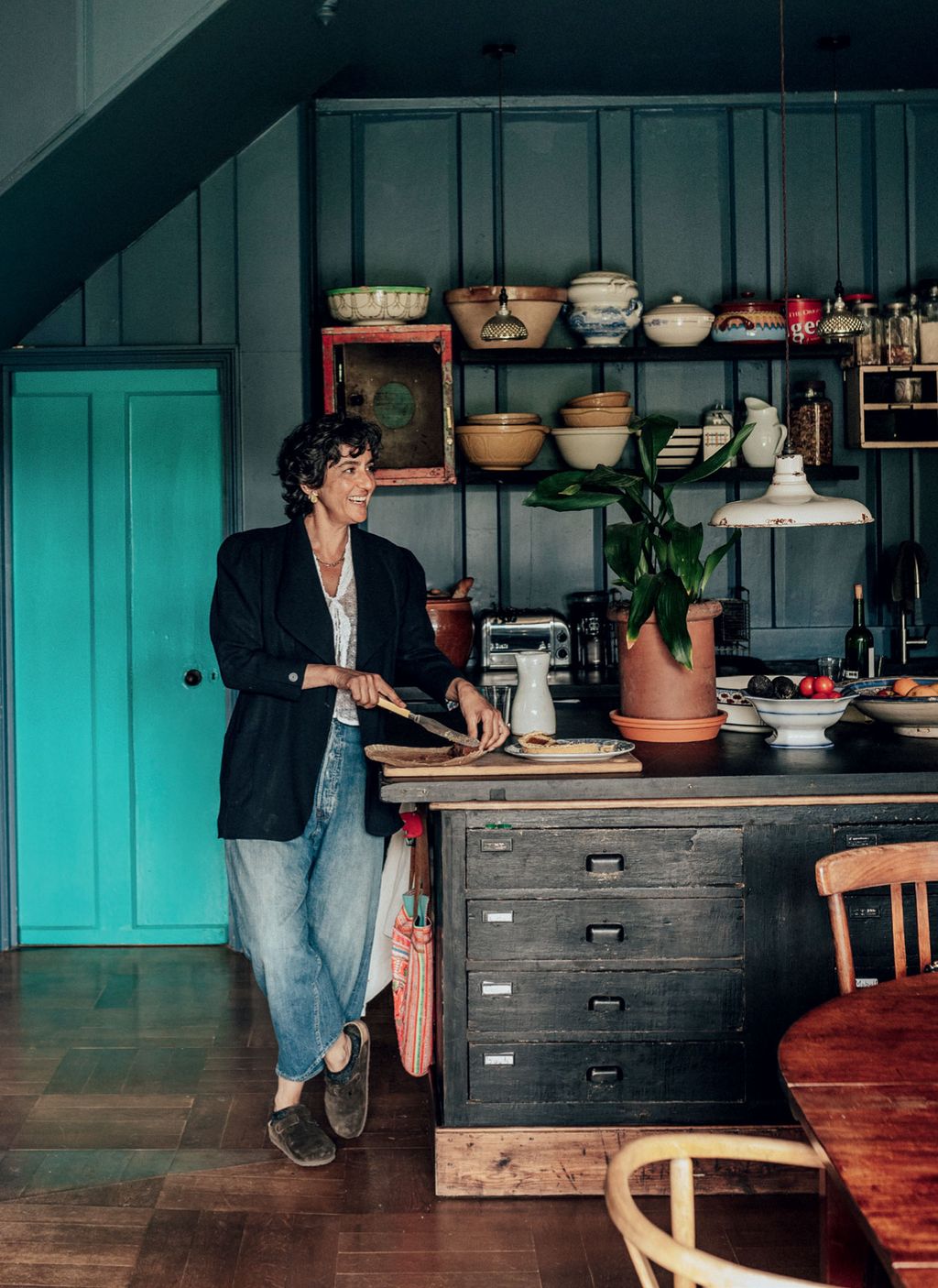
In the farmhouse kitchen, a repurposed shop fitting with a slate top from an old snooker table provides ample preparation space.
 Taran Wilkhu3/21
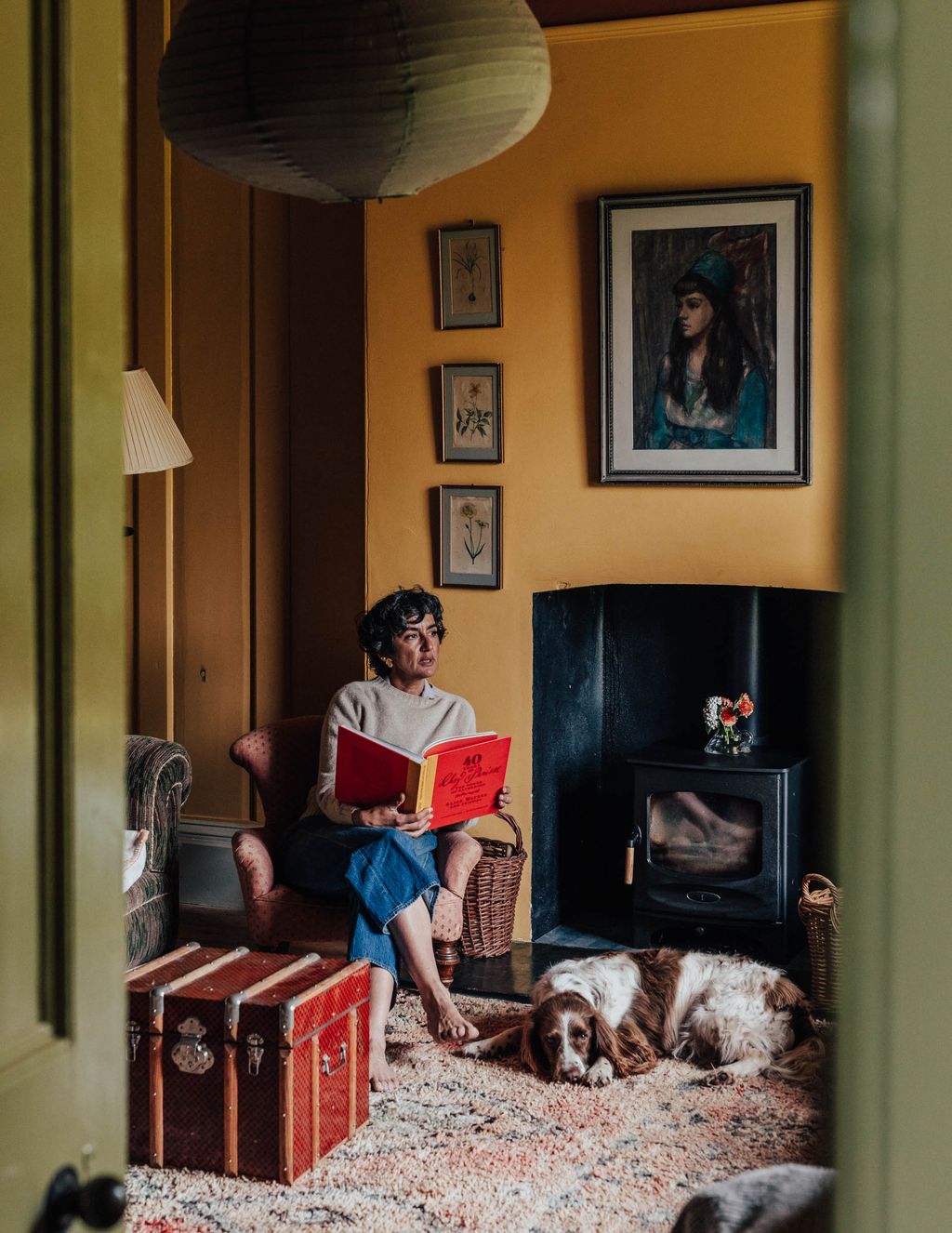
The elegant sitting room is furnished entirely with pieces from junk shops, local auctions and brocantes in France.
 Taran Wilkhu4/21
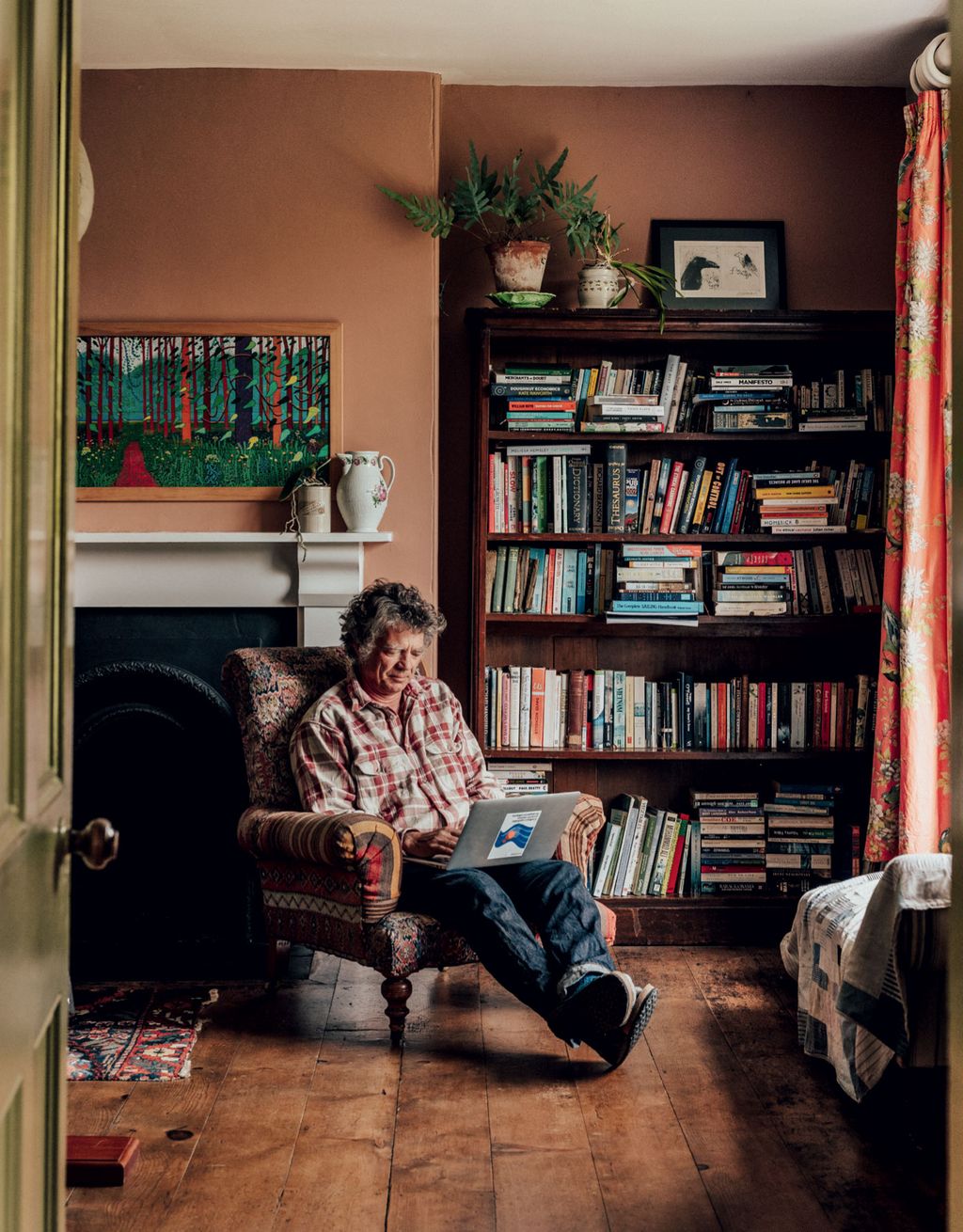
Guy works in the study, where a print of Hockney’s The Arrival of Spring in Woldgate, East Yorkshire in 2011 hangs above the mantelpiece. ‘I bought it at the exhibition,’ remembers Geetie. ‘Mabel was four and was mesmerised by it’.


 Taran Wilkhu5/21
 Taran Wilkhu6/21
 Taran Wilkhu7/21
 Taran Wilkhu8/21
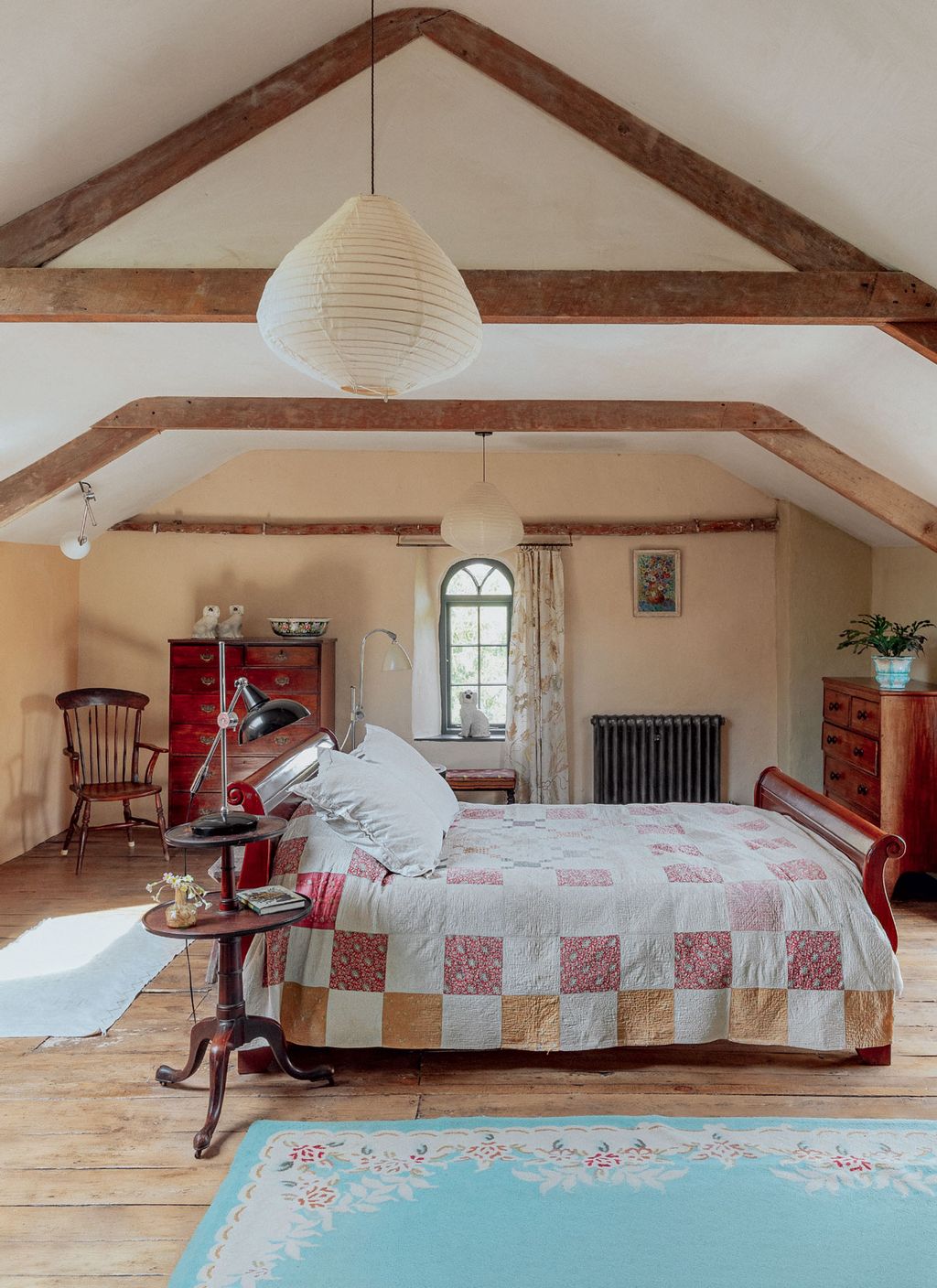
Geetie and Guy’s attic bedroom was derelict when they moved in, but is now a charming space filled with auction finds.


 Taran Wilkhu9/21
 Taran Wilkhu10/21
 Taran Wilkhu11/21
Geetie talks ‘general gorgeous comfort and sourcing’ with The Bull's managing director, Philippa Hughes, an ethos that is reflected in each of the nine individually designed, sustainably furnished rooms.
 Taran Wilkhu12/21


 Taran Wilkhu13/21
 Taran Wilkhu14/21
 Taran Wilkhu15/21
A daily changing menu of ingredient-led, organic, seasonal dishes is served in the inviting dining room, below.
 Taran Wilkhu16/21


 Taran Wilkhu17/21
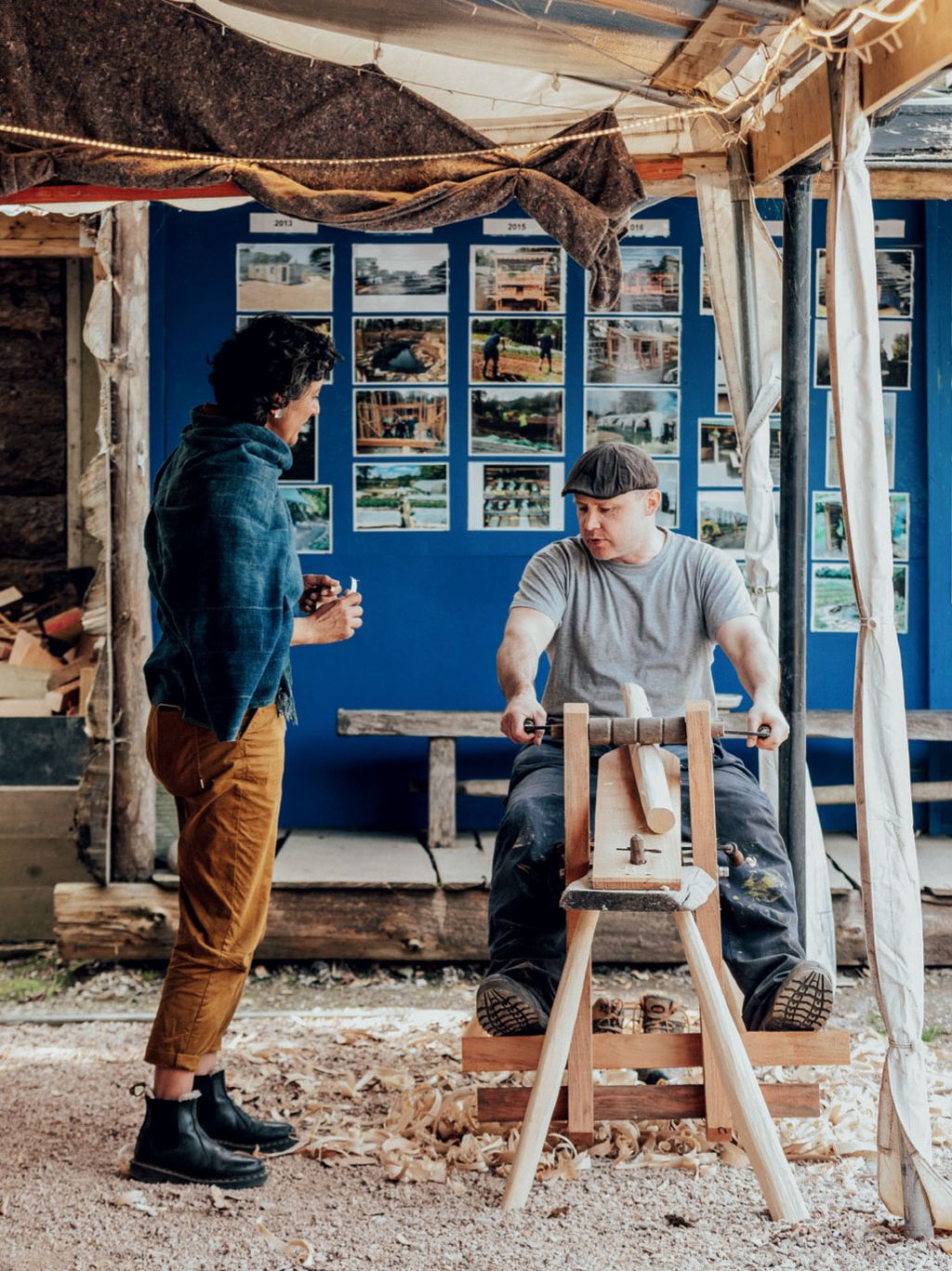
In the workshop at local charity LandWorks, one of the trainees gives Geetie a demonstration of the refurbished wood planer.
 Taran Wilkhu18/21
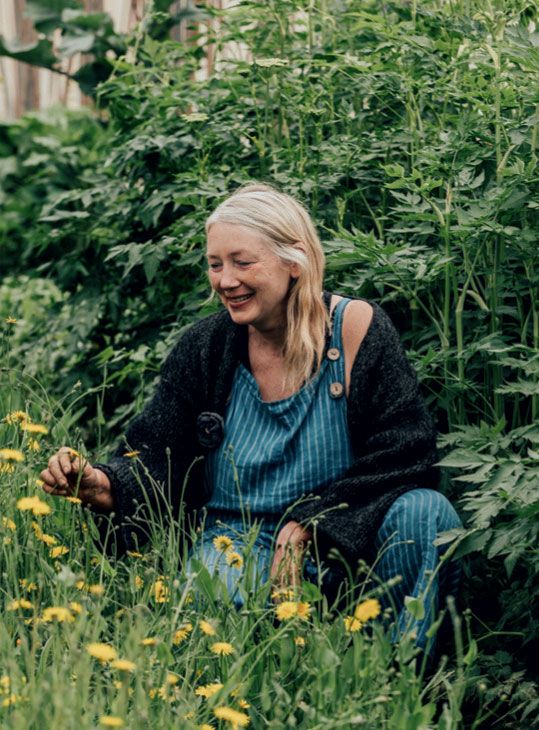
Incredible Vegetables founder Mandy Barber.
 Taran Wilkhu19/21
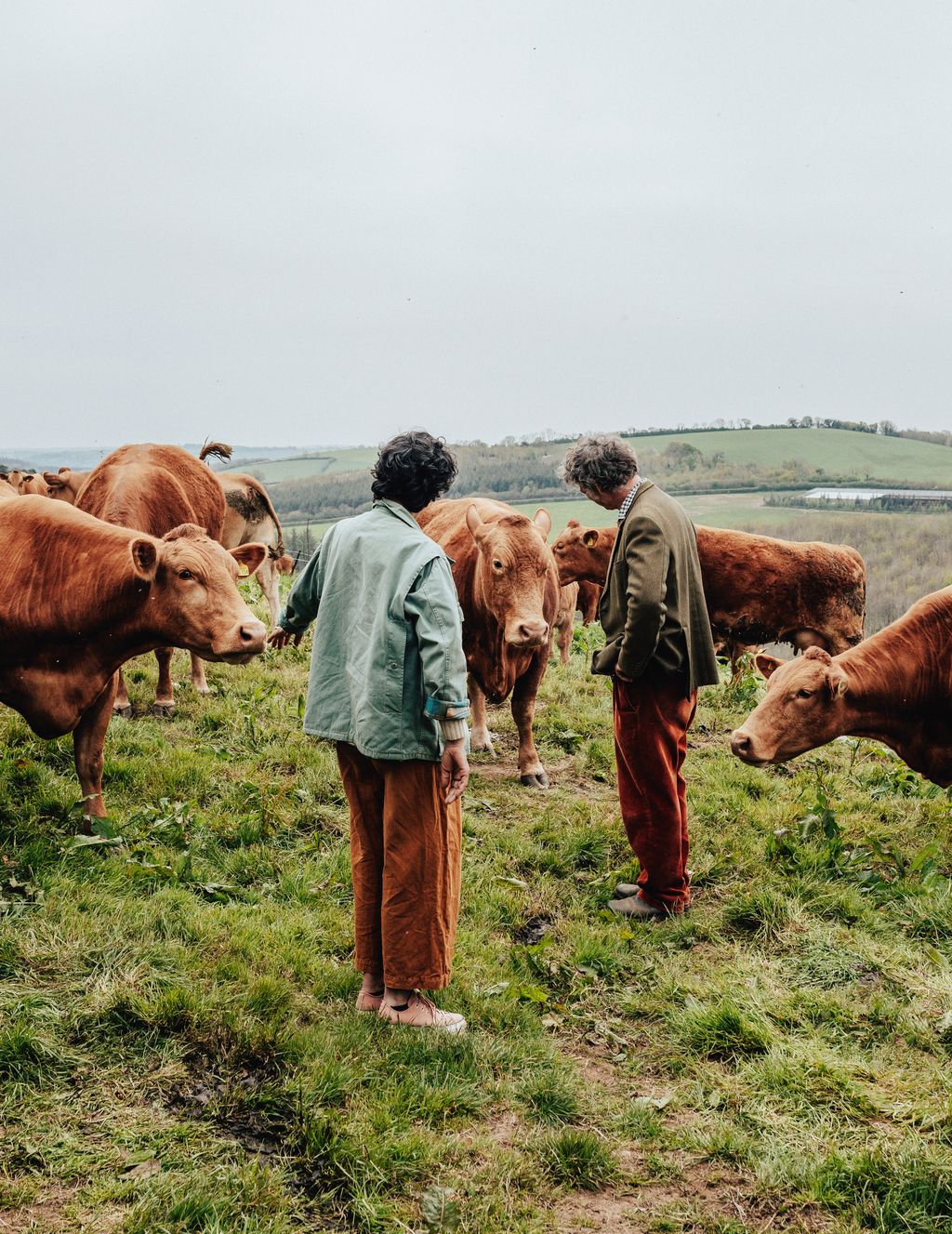
Red Devon cattle graze the Agroforestry fields where Guy is growing thousands of walnuts and hazelnuts.
 Taran Wilkhu20/21
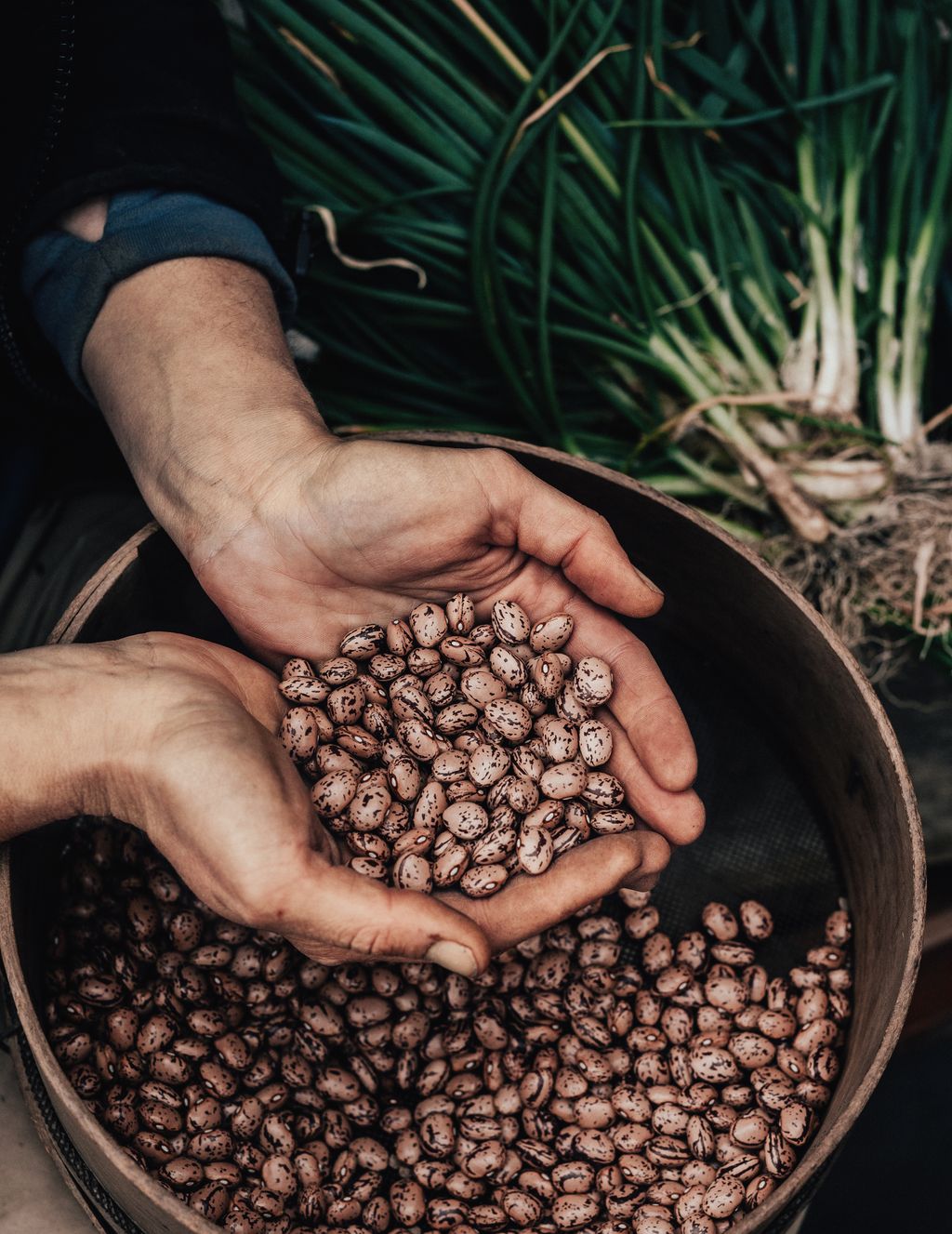
Ronja Schlumberger gathers a handful of Vital Seeds’ borlotti beans.


 Taran Wilkhu21/21
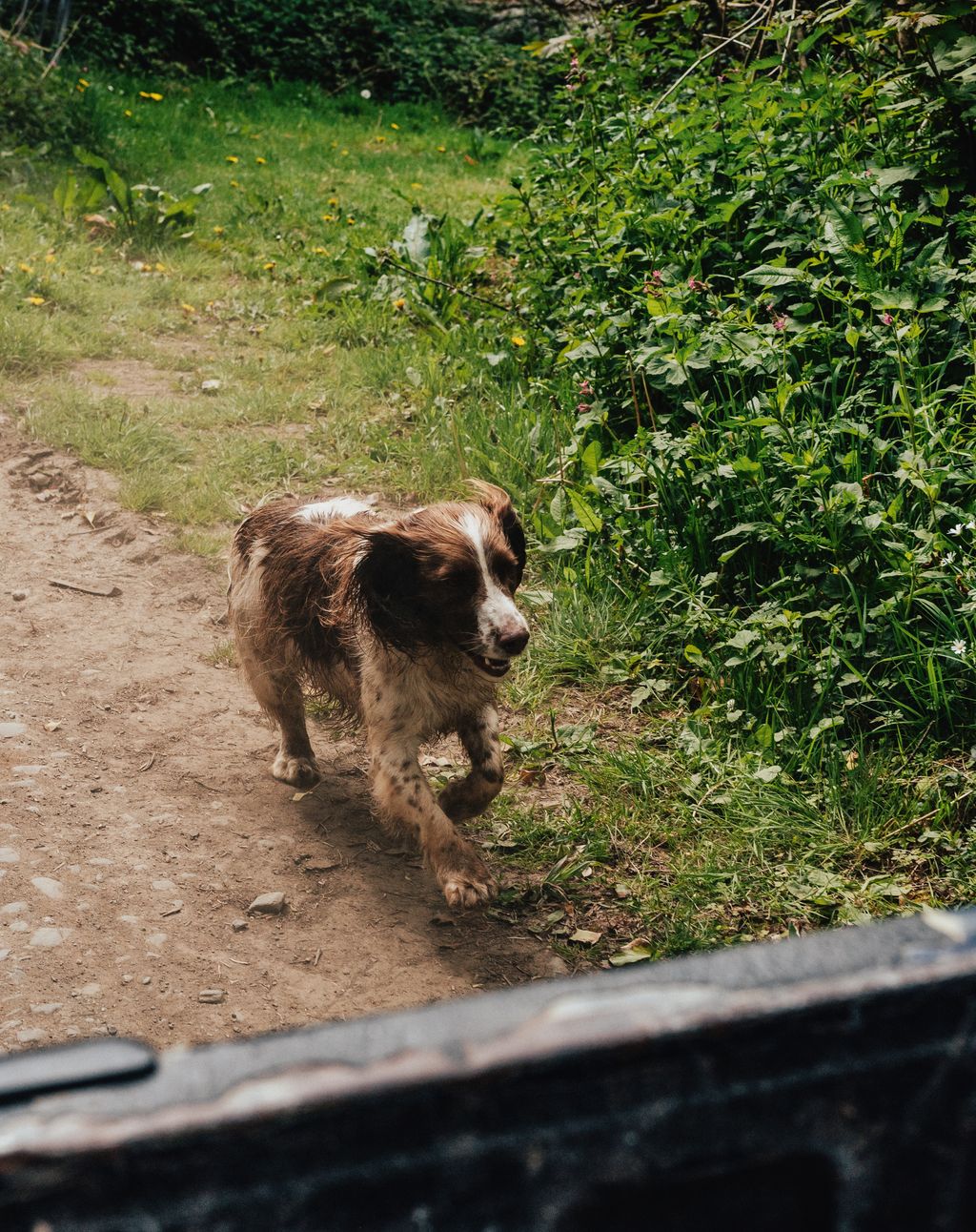
Springer spaniel Artichoke wanders the farm freely and has a good relationship with the cattle.


