
In Belgium a renowned witch hazel collection harks at the hope of spring
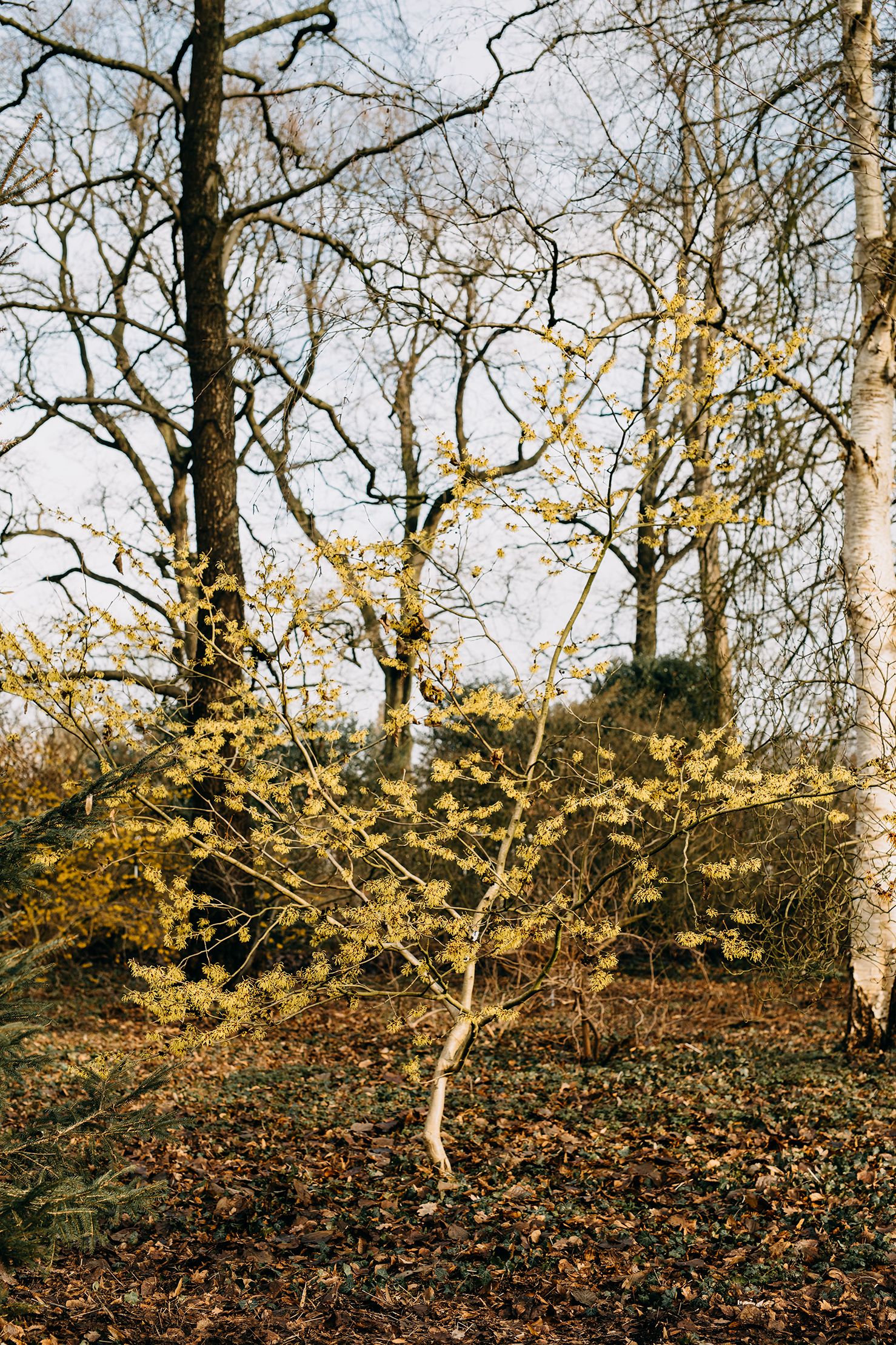
Witch hazels are curious creatures, but there is no doubt that their delicate, spice-scented flowers bring added value to the winter garden. In shades of copper, citrus and rusty red, the spidery blooms adorn bare branches from Christmas through to early March, introducing daubs of warm colour to the garden. Close up, the clusters of flowers are weirdly fascinating, unfurling from tight buds to reveal twisted, elongated petals like slivers of orange or lemon peel – and then rolling themselves up again at night and on cold, dark days to protect themselves from the frost. Each plant has its own subtle fragrance, often appropriate to its colour, with darker-flowered forms offering dusky, spicy notes and pale, yellowy varieties smelling more citrusy. Requiring a deep, humus-rich soil and a sheltered, sunny spot to do their best, they dislike extremes of wet and dry, and will not thrive either in very heavy clay soils that get waterlogged in the winter, or in light soils that dry out too much in summer. If this makes them sound fussy, they are – slightly – but if you have a reasonable soil that can be improved with lots of compost they can usually be kept happy, especially if you add a generous layer of mulch each spring.
The largest collection of witch hazels (hamamelis) in Europe can be found at Kalmthout Arboretum near Antwerp. This historic collection dates back to 1856, when the garden was founded by nurseryman Charles Van Geert. Towards the end of the 19th century, his nursery business, including a sizeable collection of unusual trees and shrubs, was acquired by another plantsman, Antoine Kort, who had a particular interest in hamamelis. One of his cultivars, ‘Ruby Glow’ – the first red variety – is still available today, and can be seen in the garden at Kalmthout. Following the demise of Kort’s nursery business in the Thirties, the garden was abandoned for many years, until it was rediscovered in the Fifties by a local family, the De Belders, who bought the land in 1952 to protect the collection of trees and shrubs from local development.
Two years later, the fate of the garden was sealed by the arrival of a Slovenian horticultural student called Jelena Kovacic, who had cycled all the way from Holland, where she was based, to see the collection of historic and rare Stewartia pseudocamellia trees. While in the garden, she got chatting to Robert De Belder, who as the story goes, let her believe he was one of the gardeners. Within a year, they were married and, with Jelena’s horticultural knowledge and enthusiasm, the arboretum was slowly brought back to life.
MAY WE SUGGEST: Hortus Bulborum, a secret garden with 2,500 varieties of rare and historic tulips
As the couple cleared the garden, they found a treasure trove of plants, tangled and overgrown, including specimens of Kort’s beloved hamamelis.The arboretum and especially the witch hazels became Jelena’s lifelong passion, and she continued where Kort had left off, going on to develop new cultivars that are today some of the best known and most beautiful varieties available to grow. Most of these are Hamamelis x intermedia, a cross between the Chinese H. mollis and Japanese H. japonica, and the form that is most suited to the climate of northern Europe. Discovered growing in the garden when the De Belders arrived, the cultivar ‘Jelena’, named by Robert after his wife, is still one of the best orange-flowered varieties, with vibrant, copper-hued blooms. Others such as ‘Diane’, which takes its name from their daughter and has flowers even deeper red than ‘Ruby Glow’, and bright orange ‘Frederic’, with its clean-linen scent, were introduced by the De Belders from the Sixties onwards.
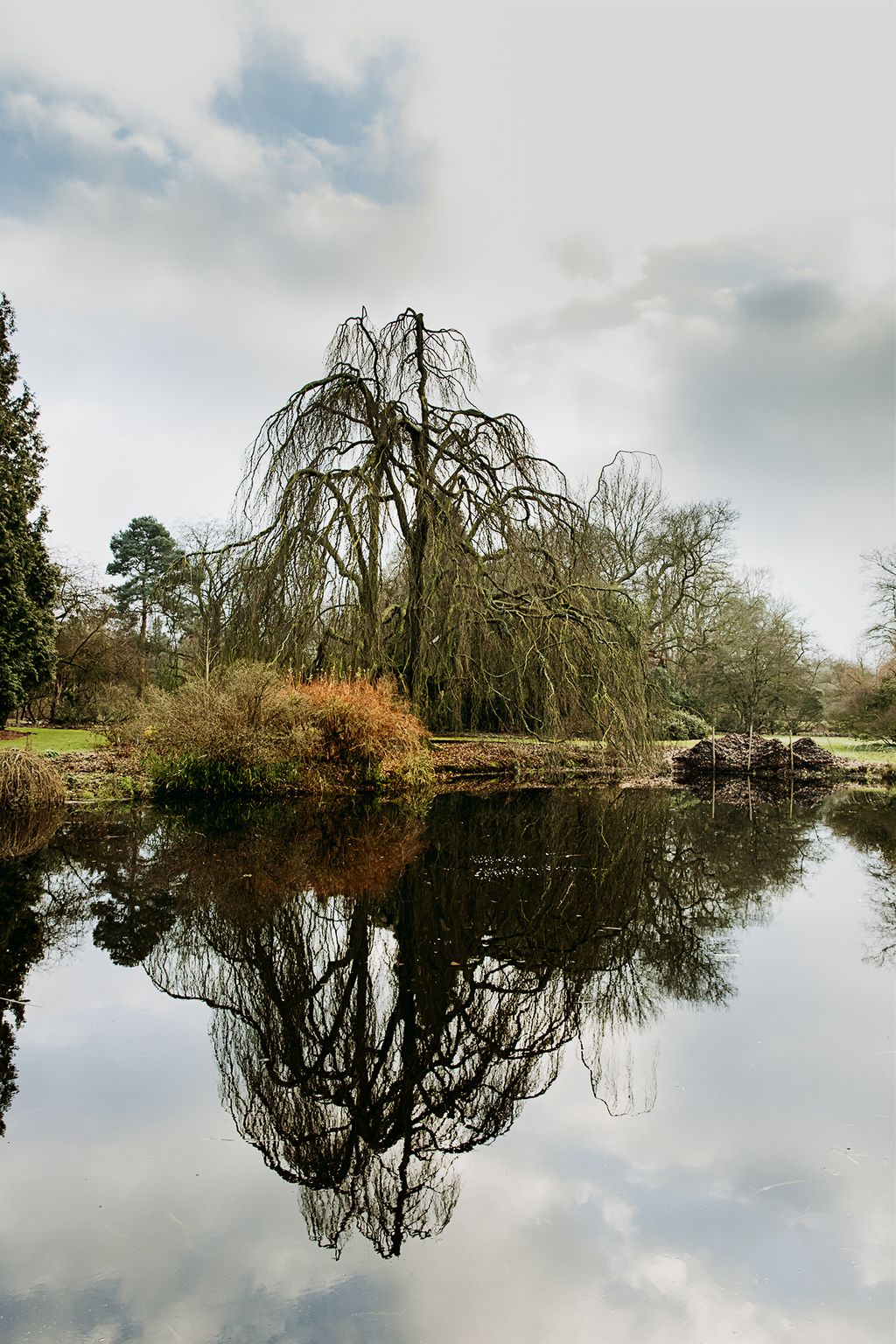
Today the Kalmthout witch hazels grow in a delightful garden setting with a picturesque lake at its heart. With just under 100 cultivars to see – some newly planted, others decades old – the arboretum is well worth a visit between mid January and the end of February to lift the gloom of winter, and to appreciate the scent and subtleties of this unique group of plants.
Kalmthout Arboretum: arboretumkalmthout.be
 Eva Nemeth1/11
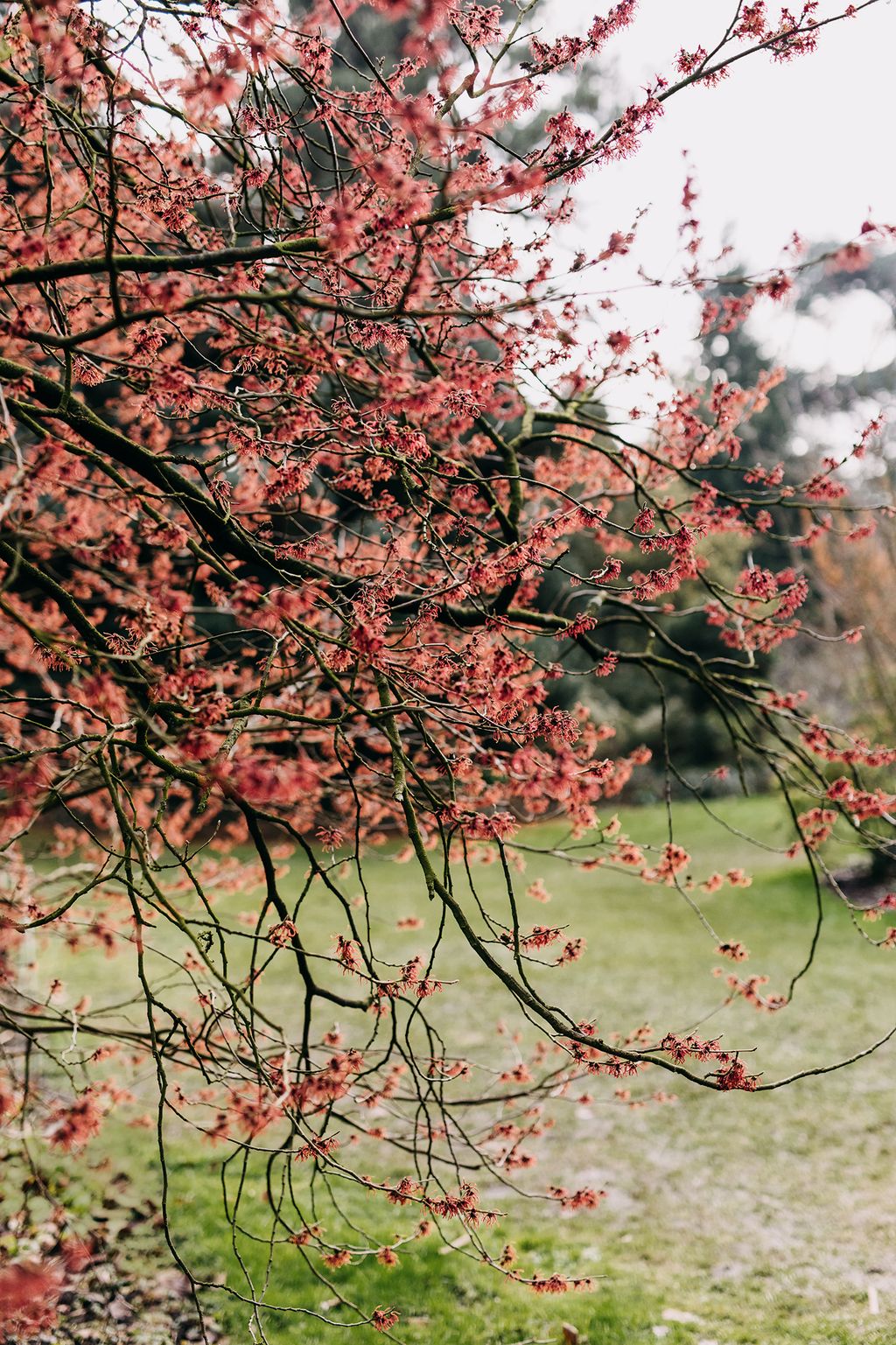
Hamamelis x intermedia ‘Ruby Glow’, a plant selected by Antoine Kort, who started the original collection in the 19th century.
 Eva Nemeth2/11
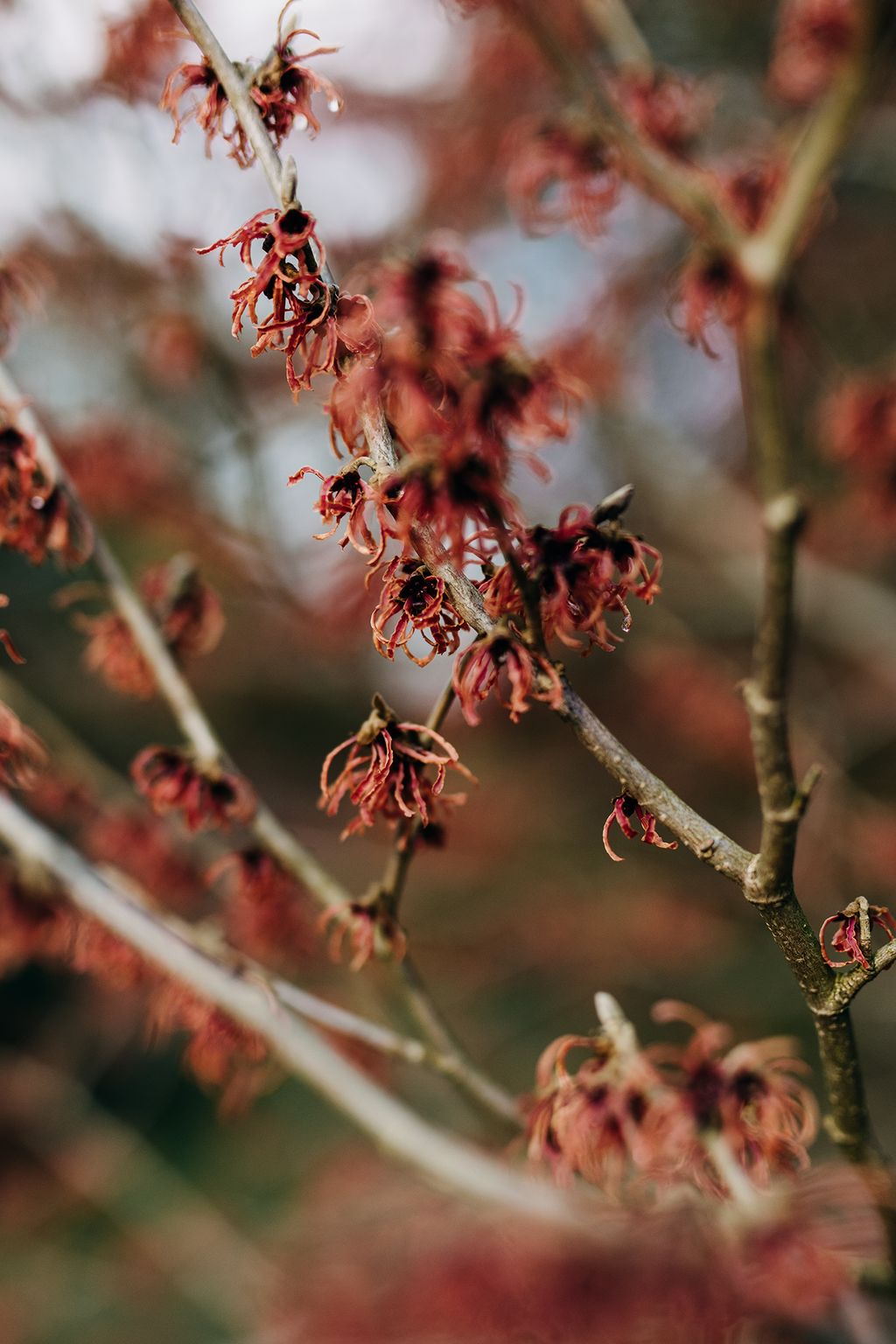
‘Antoine Kort’ has deep red petals with rusty orange tips and is sweetly scented.
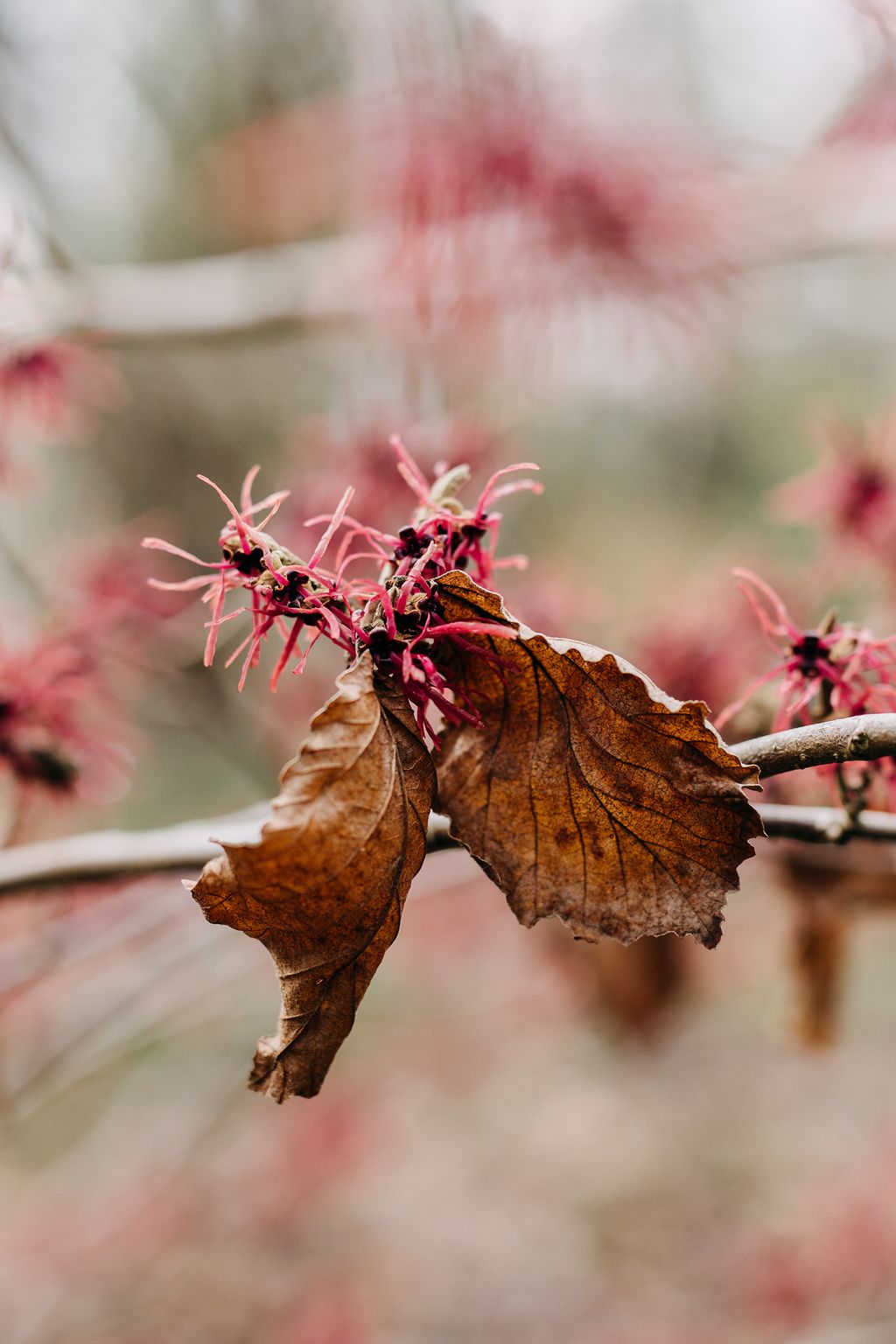 Eva Nemeth3/11
H. x intermedia ‘Livia’ was named by Robert and Jelena De Belder, founders of the arboretum, after their granddaughter.
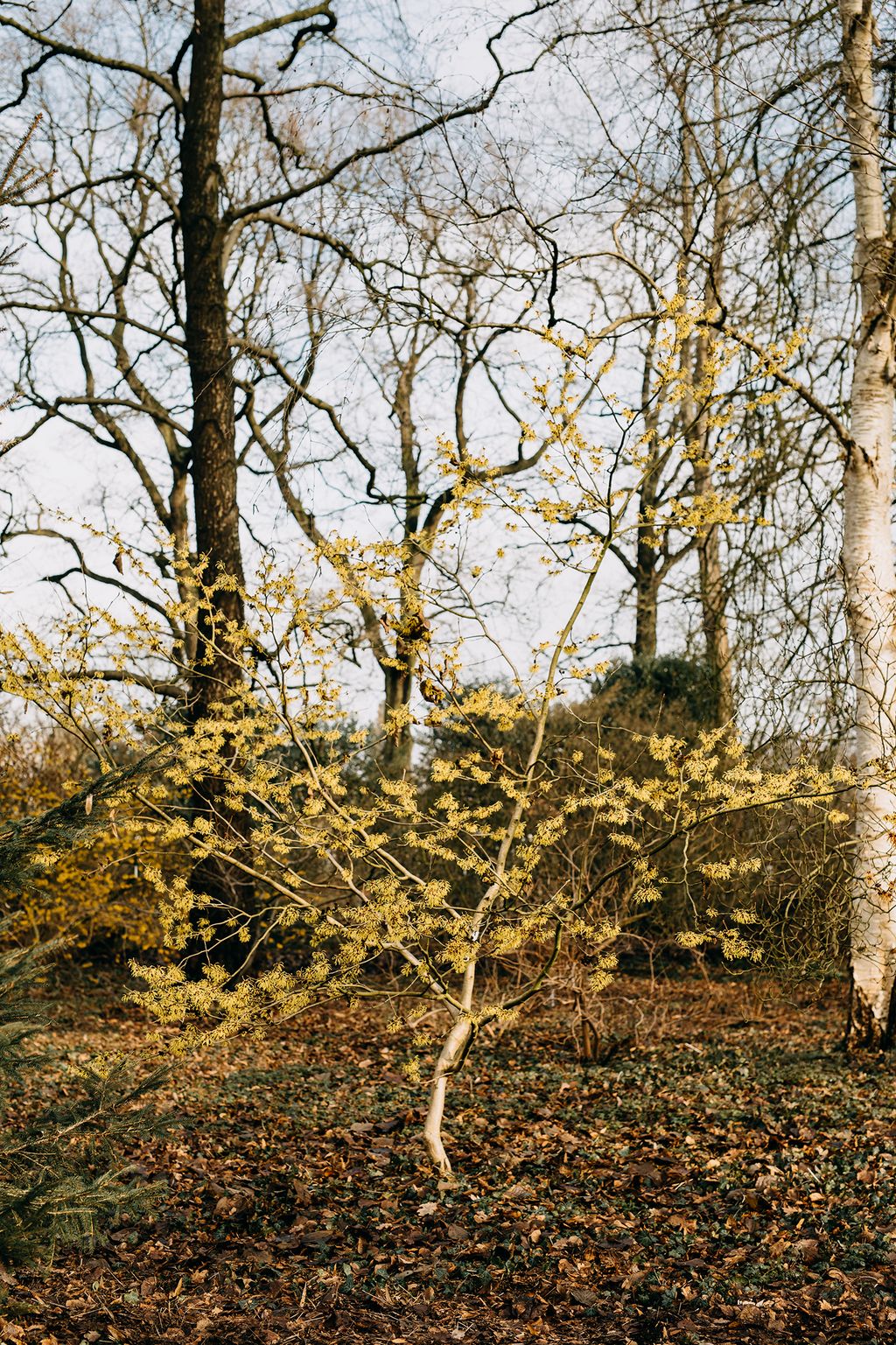 Eva Nemeth4/11
‘Amanon’ (also below) is another rare cultivar with pale yellow flowers.


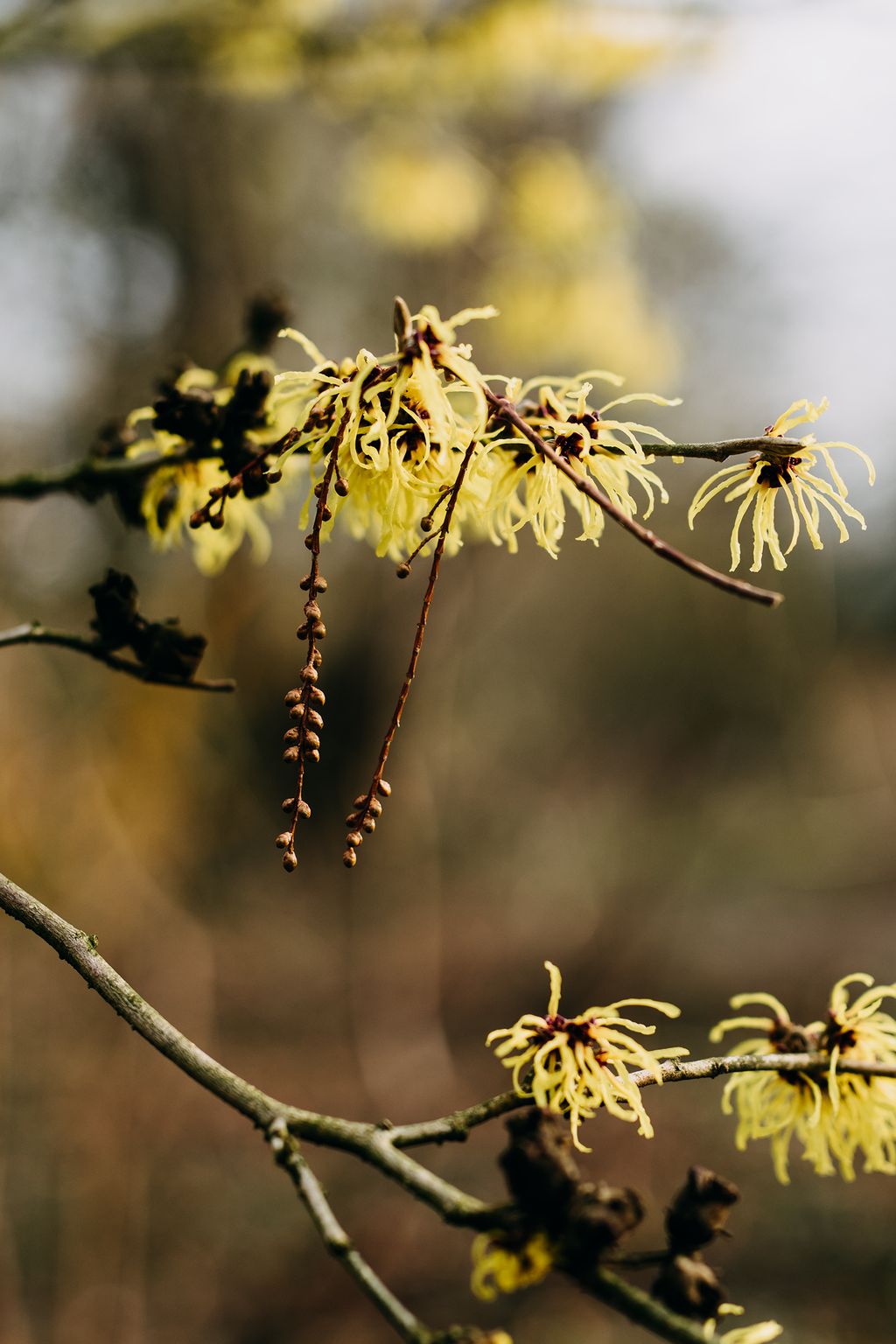 Eva Nemeth5/11
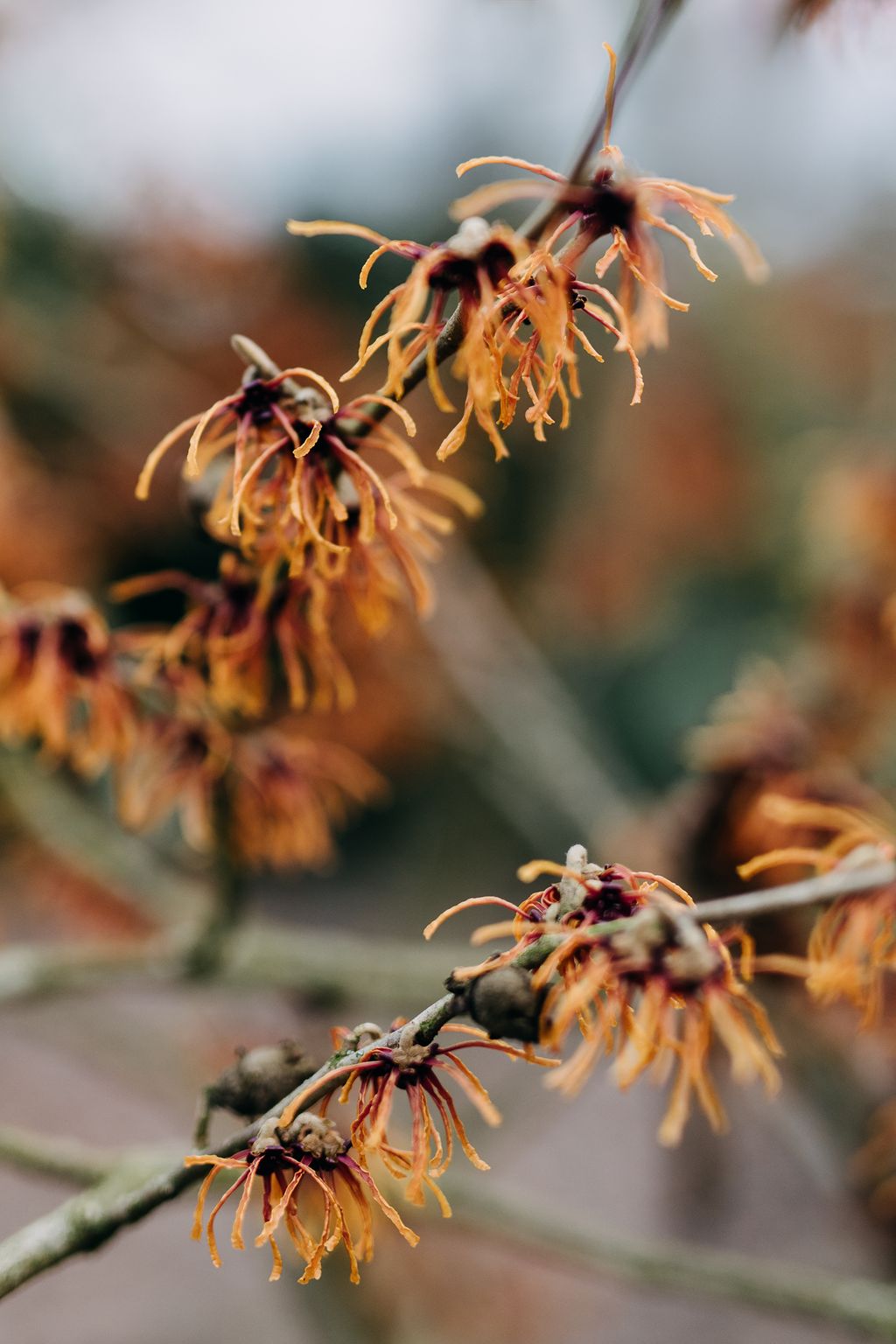 Eva Nemeth6/11
‘Rolena’, with delicate coppery petals, was introduced in 2013 and is not yet widely available.
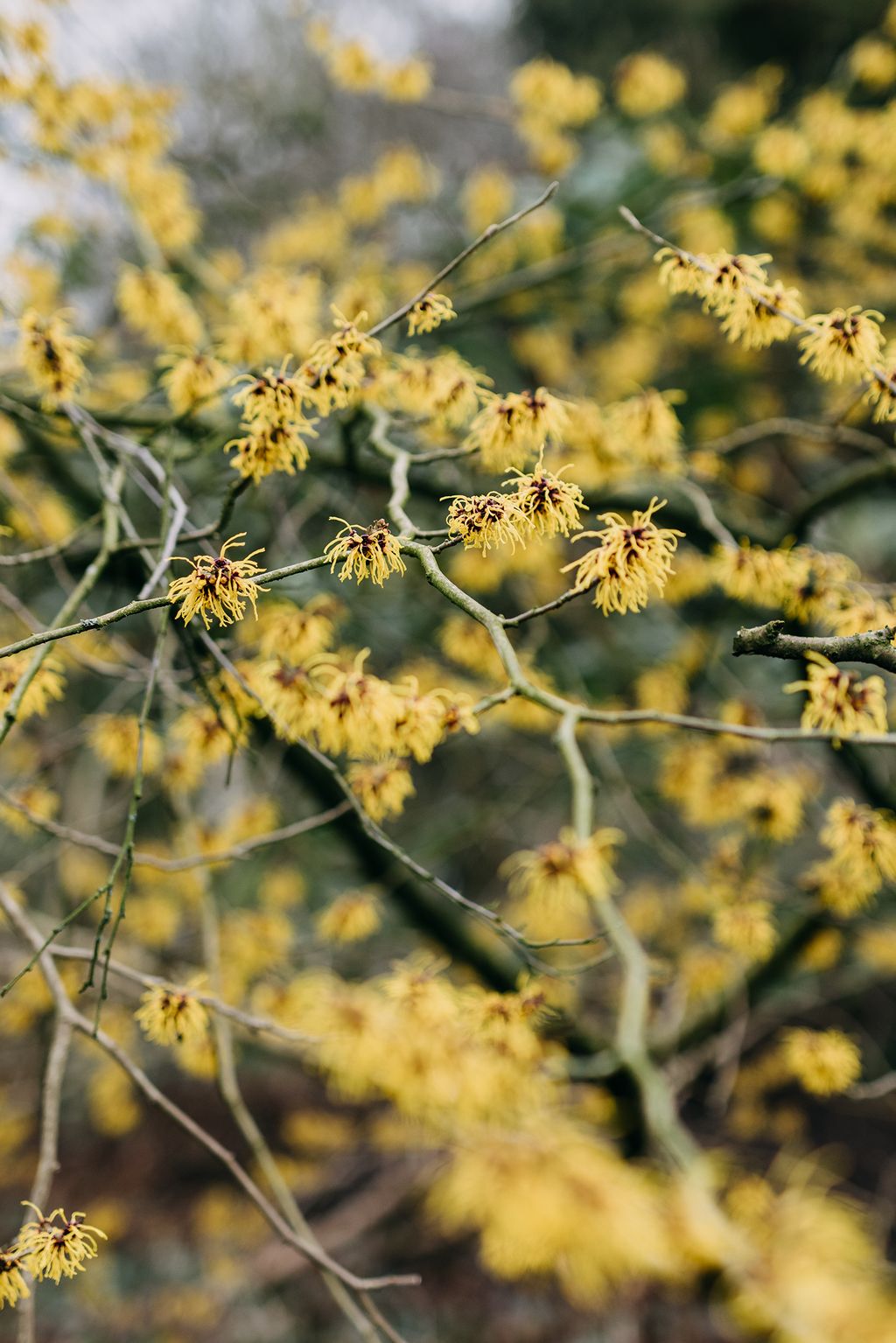 Eva Nemeth7/11
Hamamelis x intermedia ‘Barmstedt Gold’ is a popular, widely available variety with richly fragrant lemon-yellow flowers.
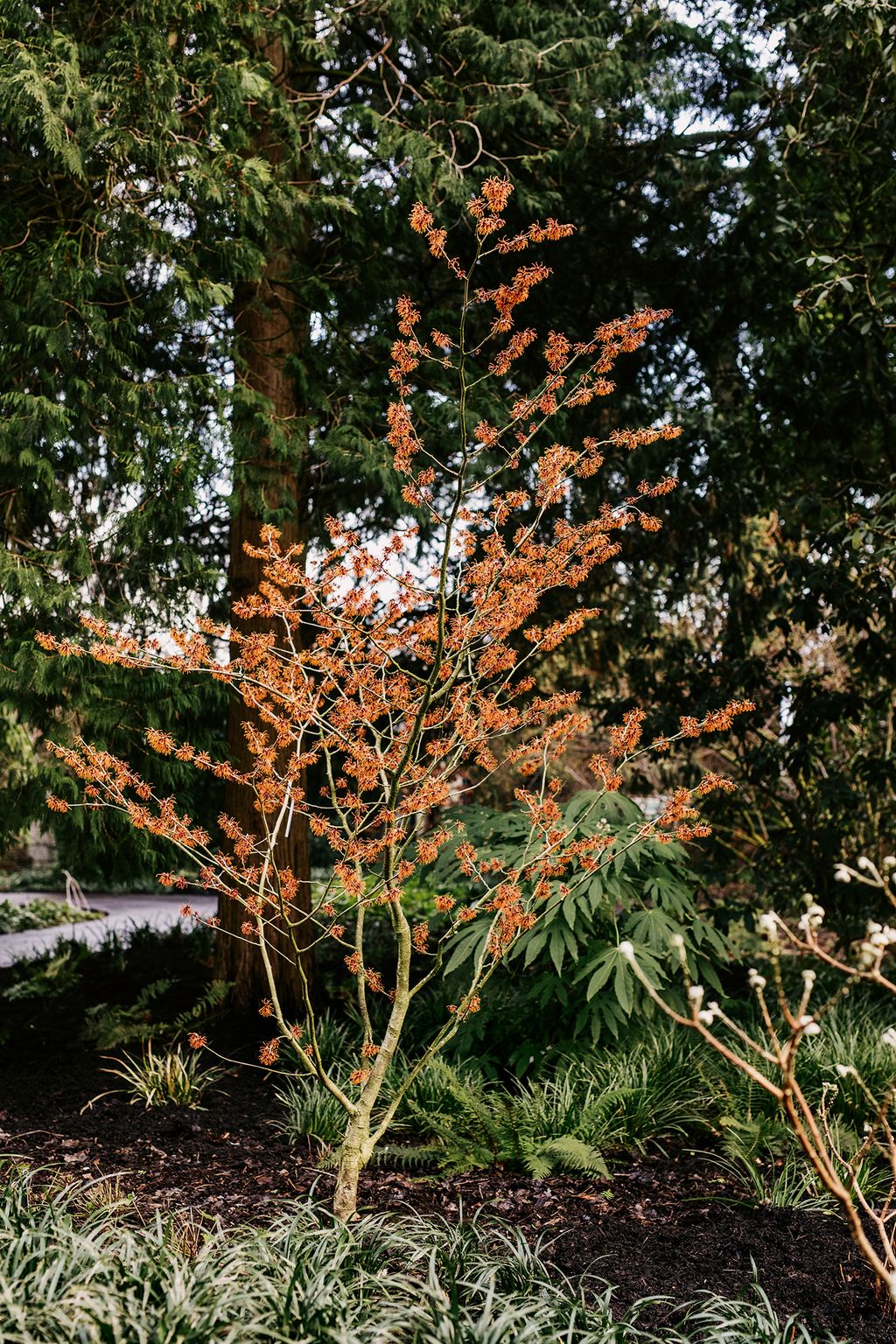 Eva Nemeth8/11
One of the best loved and oldest of the x intermedia cultivars, ‘Jelena’ was introduced by the De Belders in 1954 and has fragrant coppery orange flowers.


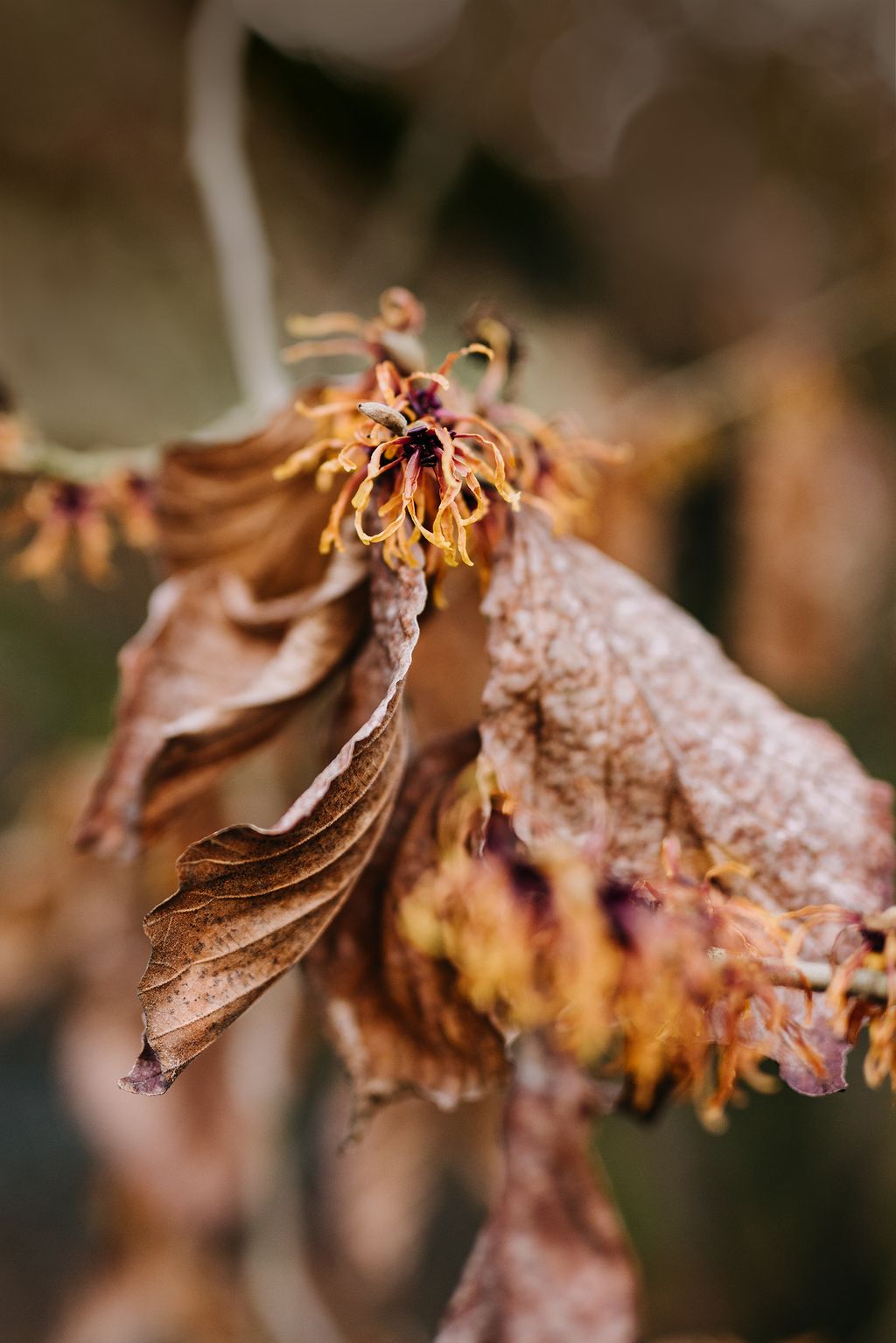 Eva Nemeth9/11
As its name suggests, ‘Sister Jelena’ is a selection from ‘Jelena’.
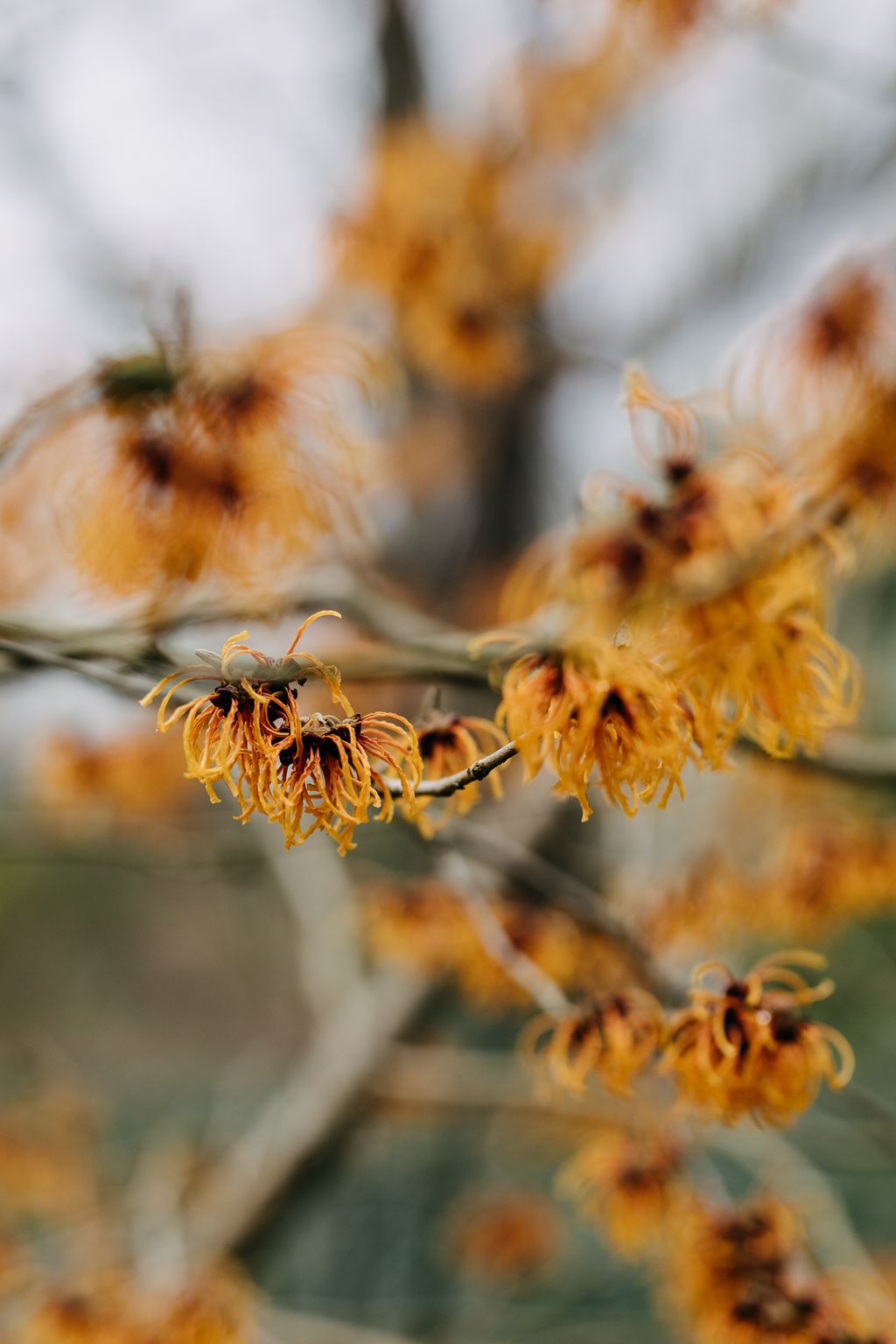 Eva Nemeth10/11
‘Frederic’ has a fresh scent and clear orange petals.
 Eva Nemeth11/11
The arboretum has a lake at its heart with a distinctive weeping beech at one end.


