
How to choose the right colour for your kitchen

When choosing the perfect paint colour for your kitchen there are a number of things to consider. Think about the look & style you want for your kitchen–maybe it is a classic timeless look or perhaps your prefer a more contemporary or industrial style. How much natural light do you have? Are you starting with a blank canvas or with existing elements in the room? Here are a few pointers that might set you off in the right direction.
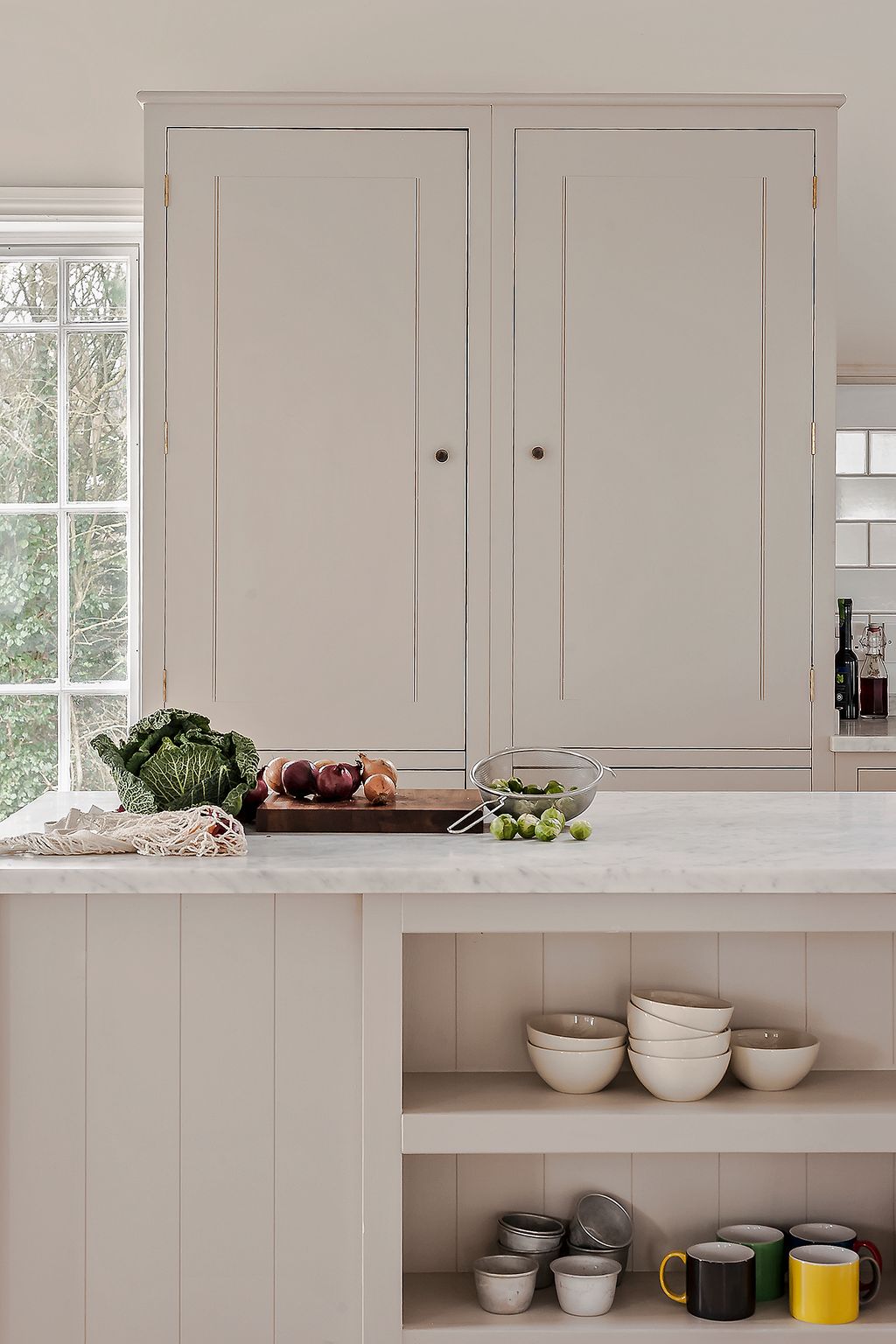 British Standard by Plain English1/7
Reference and research
There are plenty of online resources for you to use, including Pinterest, Instagram, Remodelista and Houzz, not to mention the House & Garden gallery of kitchen designs. It's a good idea start by creating a mood board with any existing colours in the room that you would like to retain. From here you can build up to include paint colours for your cupboards.
 British Standard by Plain English2/7
Details
As a starting point – are there any architectural details you want to reference in the design & colour palette? Alternatively, maybe it is a new blank space in which you can add interest through colour. Make sure that you look at all your colour choices on a vertical plane placing your swatches up against any worktop samples, handles and ironmongery to give you its true tone.
 British Standard by Plain English3/7
Lighting
Every room will also have its own quality of natural light and it’s important to take this into consideration. If the room points north the light will have a constant cool blue quality whereas a south facing room can become flooded with strong sunlight which can bleach out lighter colours. The light in east and west facing rooms will move throughout the day so be aware of how it changes and its effect on the colours you choose. Likewise think about the artificial light in your kitchen. Whilst LED will give a crisp white light this can be much cooler than the more traditional vintage style lights currently in fashion. Make sure you are reviewing your colour choices in the room with relevant lighting.
 British Standard by Plain English4/7
Flooring
Says Katie Fontana, Co-Founder and Creative Director of British Standard and Plain English: 'I find that whilst there is no set way to pick your colours, it always helps if you have already chosen your flooring as this is likely to have a big impact on the look of your kitchen. Once you have made your choice of timber, tile, concrete, rubber etc you can then start working up & looking at your cupboard colours, handles, wall colours, other furniture & light fittings. So take time to consider the floor – do you want it to blend in with your colour palette? Or is it instead going to be a bold statement, in which case you might want to go for paint colours that complement rather than clash.'


 British Standard by Plain English5/7
Worktops
Your choice of worktop is also important as this can also change the feel of the kitchen and possibly dictate which colour you paint the cupboards. As always there are no hard and fast rules, a dark timber or stone will always contrast beautifully with a lighter colour on the cupboards, whereas a strong deep colour will create a bolder punchier feel. It really depends on what look you want to create. Light-coloured worktops always look amazing with a rich dark paint colour but are also perfect if you are looking to create a crisp seamless look with a lighter palette.
 British Standard by Plain English6/7
Mixing colour palettes
You can mix in a number of colours if you wish as you will potentially have the walls, woodwork & ceiling to paint; you may also have a beautiful tile that you want to incorporate. Check your cupboard colour against all these tones before making your final choice & remember to paint your tester swatch onto a piece of card so you can move it about in the room. As always, you don’t have to paint all your cupboards the same colour. For example you could paint wall cupboards a different colour or select a darker shade for an island or freestanding piece - both of these are great ways of introducing additional colour and a fun element to the space.
 British Standard by Plain English7/7
The paint
Other things to consider are the type of paint you are going to use. A traditional paint will have more pigment in it & will give you a gorgeous deep chalky look whereas a lighter contemporary colour in gloss will make for a stunning modern finish. Whichever you choose, there is no right or wrong, just whatever suits you, your kitchen and your style. Enjoy choosing your colours, do not be afraid to experiment and remember it can always be painted again in a few years if you feel you want to update the room.


