
How to make a house a home
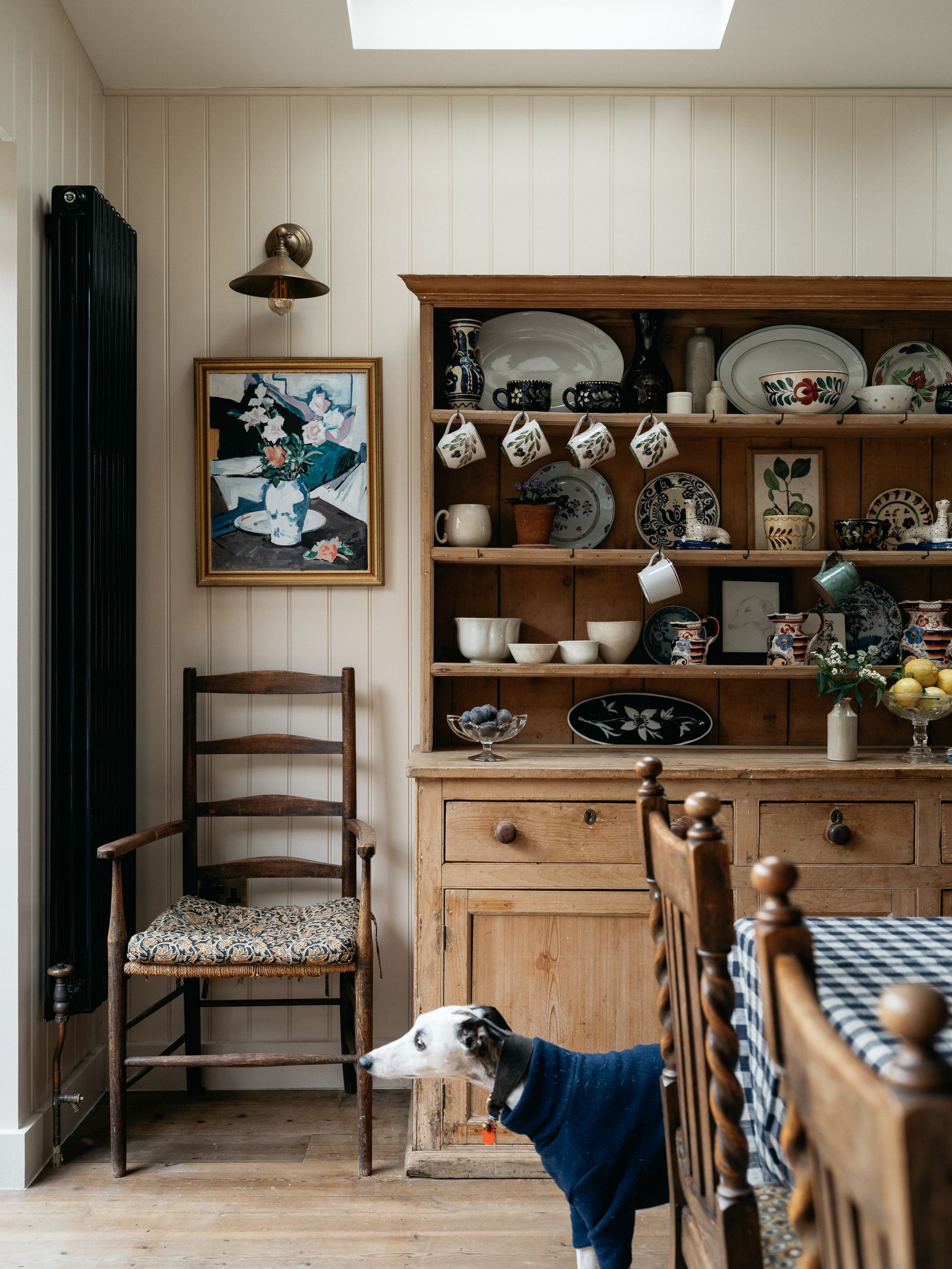
Almost anyone can have a house. After all, technically speaking, it is can simply be a place to rest one's head, to eat a quick meal, to read a book or watch a series. However, rarer it is to have a true home, an oasis away from the exterior hustle and bustle and daily worries. That transformation, however, from house to home, can be tricky to execute – not only is it a highly personal endeavour, it also requires an innate appreciation for one's space and a keen self-knowledge of one's tastes and proclivities.
We've gathered design ideas and sage wisdom from our favourite designers and taken inspiration from the best homes in the House & Garden archive to inspire the coveted house-to-home metamorphosis.
Make it functional for you

A good house needs to be serviceable, this is true, but functionality is not just one-size-fits-all. It is a personal thing, totally dependent on how you live your daily life (and it has nothing to do with trends). “Don't try to copy a look for a completely different house than yours,” says interior designer Susan Deliss, “Remember that what looks great in photos may not be liveable. Decorate your home for the longer term rather than just with trends in mind.” Interior designer Edward Bulmer agrees: “Never follow [trends] unless you know you will still like your choice when it is out of fashion.”
Do you tend to stay in on the weekends? Pay extra attention to your living room and make it comfortable for you. “The recipe for a perfectly furnished living room depends largely on what kind of space you have, and the type of person you are,” says House & Garden's decoration editor, Ruth Sleightholme, “Are you someone who will use the space for lounging around with a drink and a book in the evening? If yes, you'll probably want a side table to rest your glass on by the sofa, and a decent lamp (floor or table) to read by." The type of furniture with which you appoint your space is also dependent on your personal preferences: “If you are more of a percher than a lounger, like me," Ruth continues, "you can get away with the more pert, upright [sofa] shapes influenced either by mid-century modernism (for example the little two-seaters that Designers Guild sell), or Georgian shapes”.
For those likely to spend every night out and about, restaurant hopping, there's probably little need for a formal dining room; instead, consider using this likely smaller-sized room as a cosy reception room or home office. Designer Penny Morrison, for example, thinks the dining room to be the most boring room in the house: “it tends to look rather dead without people in it,” she says, advising to “double it up as a library” and to fill the room with “books and flowers” to let it come to life.
Meaningful objects
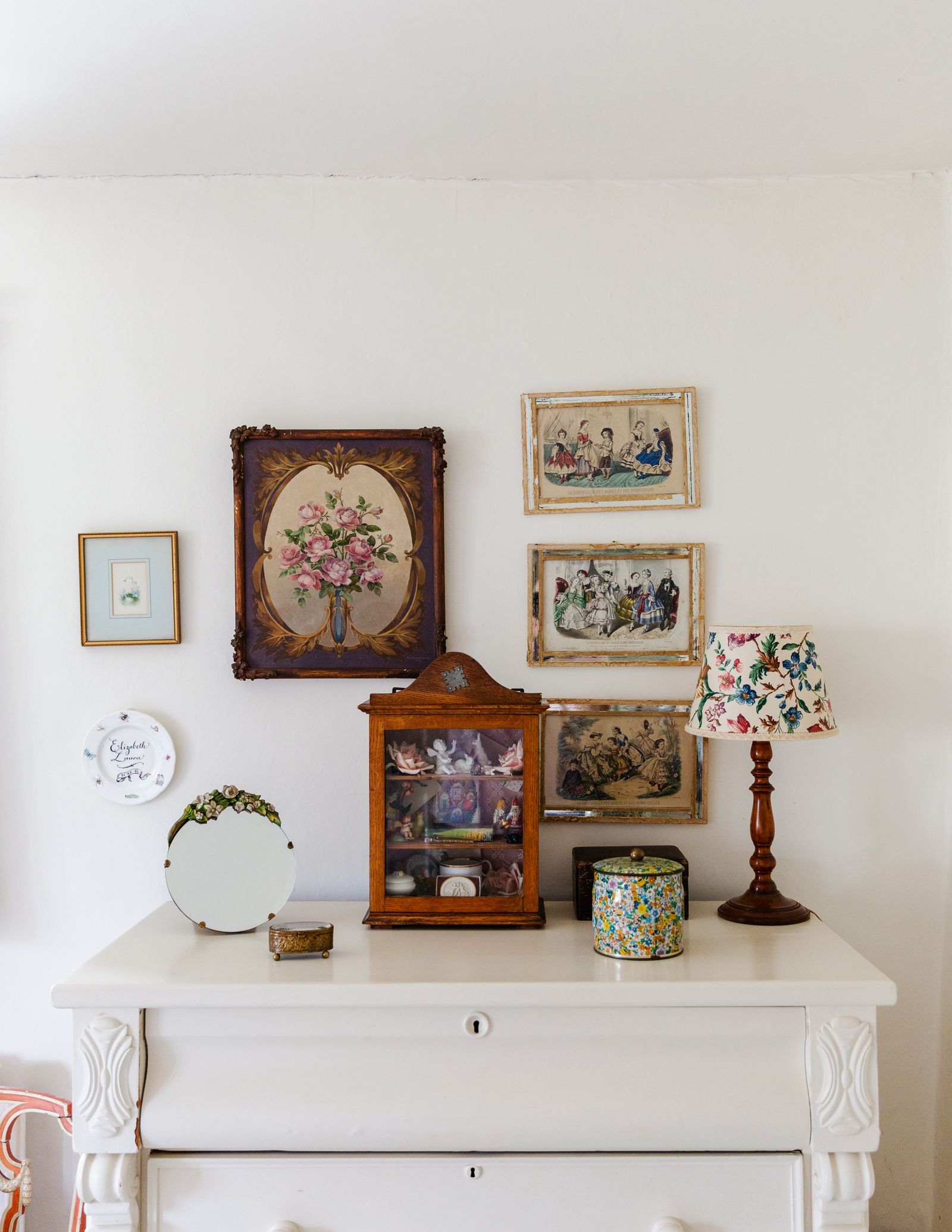
“Remember that your home is meant to please you and reflect your own personality – not impress your friends – so have fun with it and don’t worry about anything too much,” says interior designer Joanna Plant. A closet fan of kitsch? Decorate your home with the gaudiest of baubles. A novice ceramicist? Display your wonky clay bowls, pots and plates proudly. Whatever they be, display the objects that fill you with joy and mean the most to you. Gifts from friends or pieces with a hidden – but fabulous! – story behind them, too, should go on display. When it comes to collecting meaningful bits and bobs, follow the late Robert Kime's lead: “simply be open and interested”, for it's a thing that “happens very much in the moment and without a lot of second guessing”.

Any object, be it the most resplendent chandelier or simply a humble footstool, can take on meaning given the right context. Whether you've discovered the most charming set of martini glasses at an antiques market on a trip to Paris, made your own dinnerware in a pottery class or commissioned a local artist to create personalised pieces, decorating your house in objects that tell a story is the perfect way to make it feel like home.
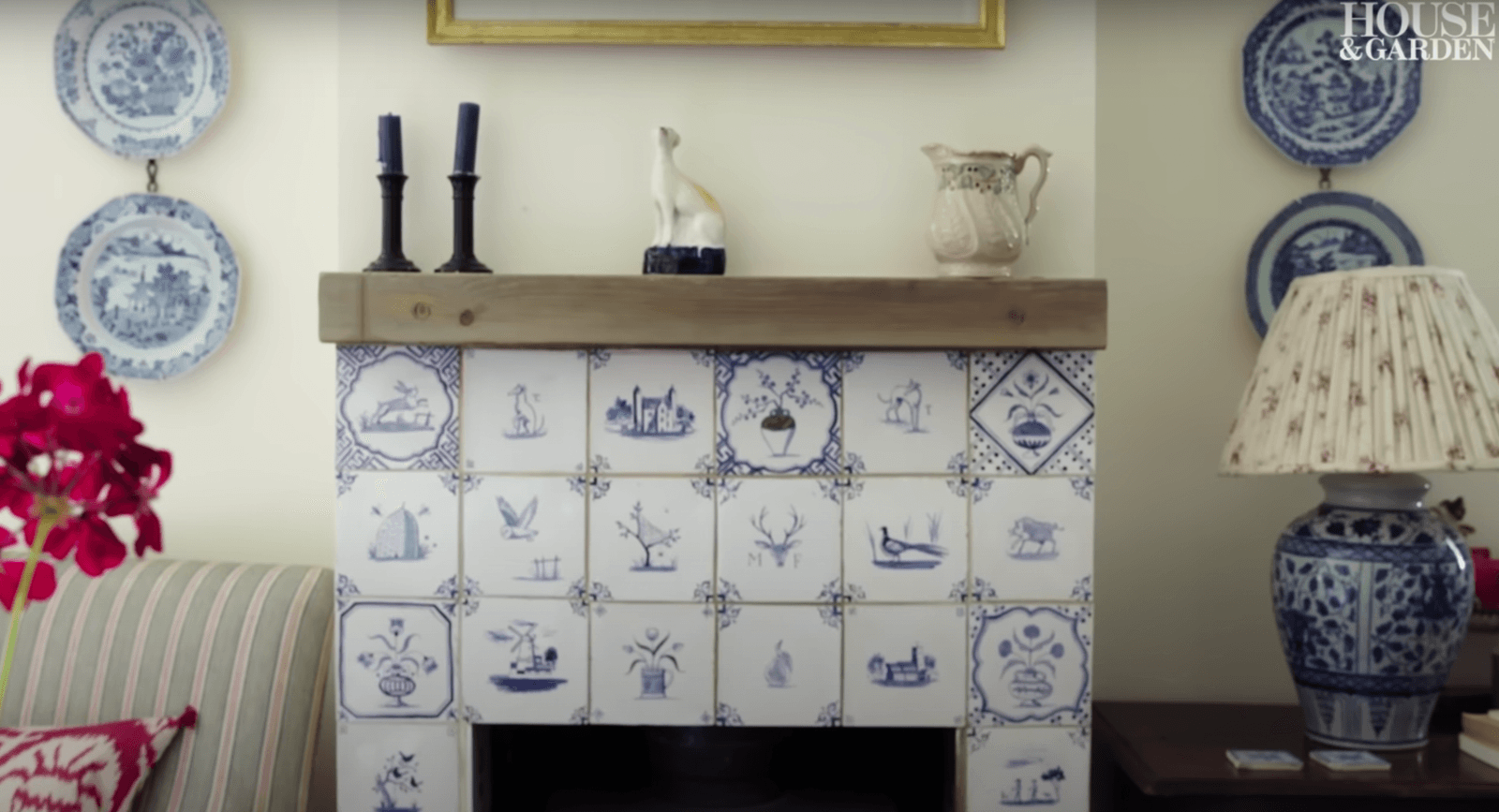
For a chimneypiece in their 17th-century country manor in Norfolk, Carlos Garcia and his partner commissioned a local ceramicist to produce a set of Delft tiles, each of them “individually painted with things that mean something to [me and my partner]… from our dogs, to the gate of the castle just down the road".
Also, don't forget that any piece can become an antique or particularly special heirloom in time: ask an artisan to make something bespoke for you ("hugely satisfying", says Rachel). When the time is right, the piece can be passed down to a future generation or given to a friend.
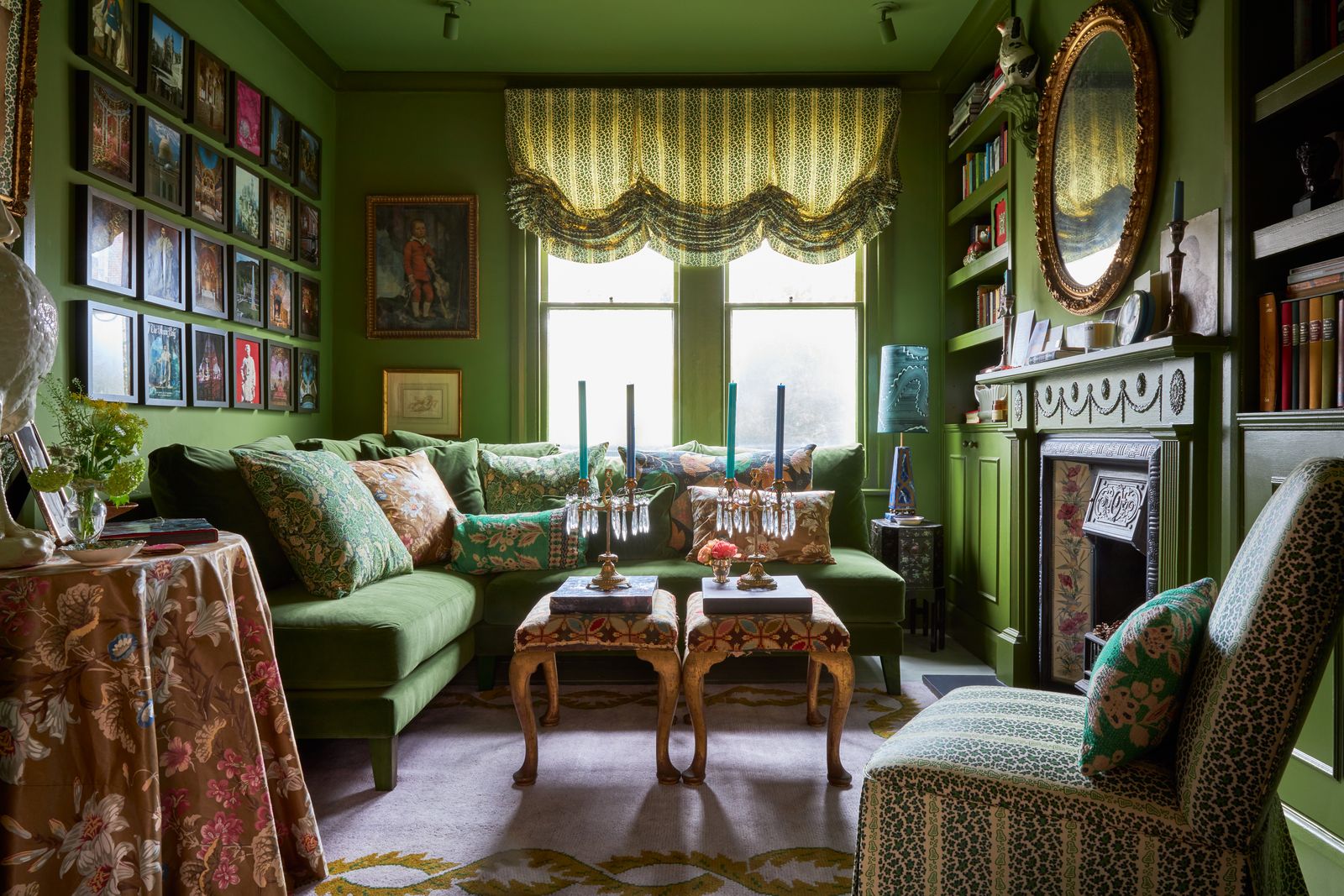
Is there anything better than a homemade gift or thoughtful “made-me-think-of-you” present from a friend or partner? Displaying these pieces is one of the best ways to make a house a home. Such objects needn't be costly or extravagant; indeed, their presence merely serves as a quiet, gentle reminder that someone's thinking of you. In Max Hurd's flamboyant London terrace house, for example, nearly all the decoration from pillows to curtains to artwork was produced by creative friends; certain, other objects are presents from family. The gilt stools and crystal-drop candlesticks in Max's sitting room, for example, come from Hartwell House in Buckinghamshire and were gifts from Max's grandmother.
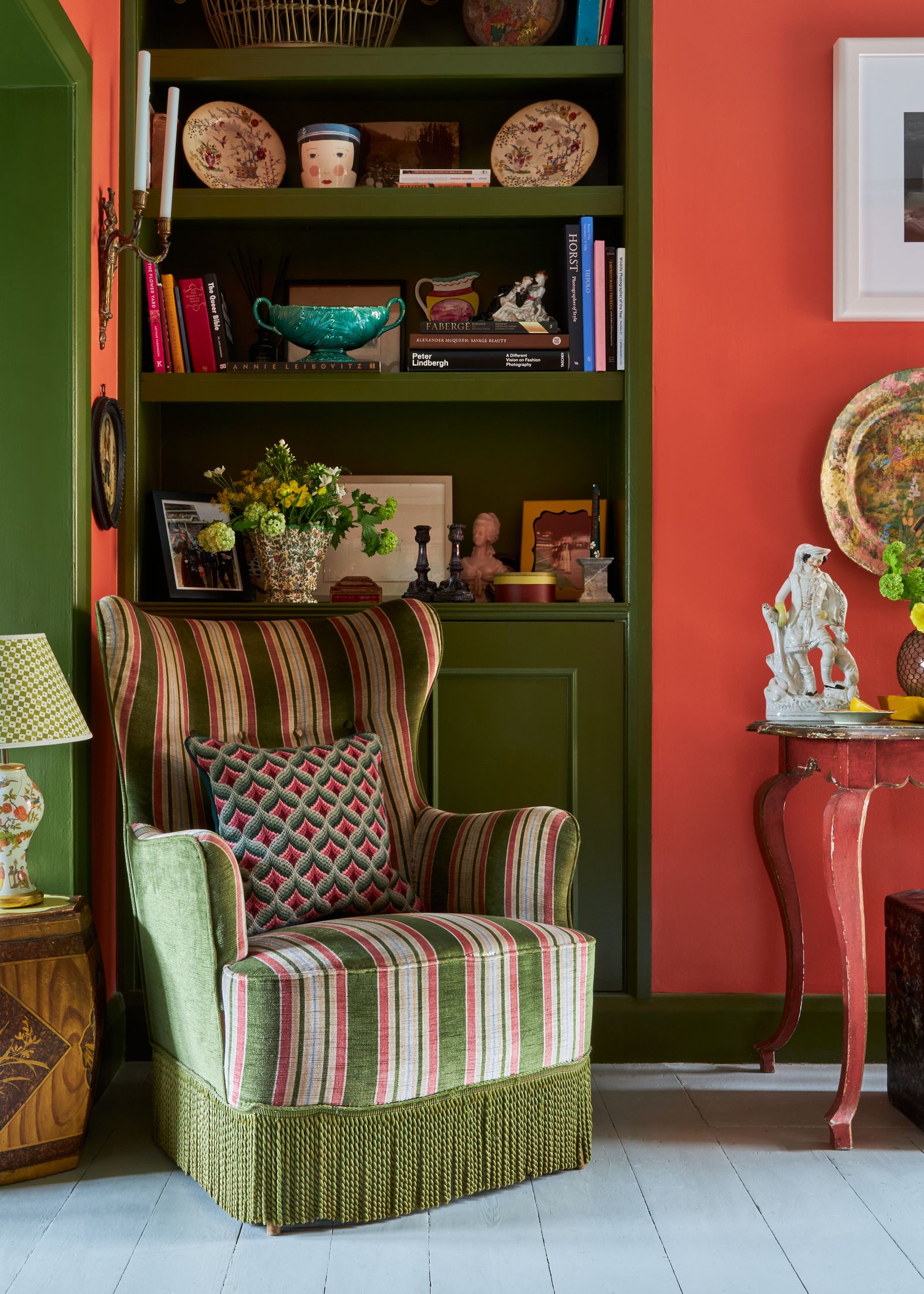
There's almost always a story behind finding an antique or vintage piece, which, as Joanna says, “help ground a room, knocking the edges off a newly decorated room helping it feel settled and easy to be in. Good things get better with age…” Indeed, the objects that weren't gifts from designer and artist friends in Max's terrace house were vintage pieces found either by Max himself or by his decorator, Benedict Foley. In the main drawing room of the Victorian house sits a vintage striped chair with bullion fringe, found by Max in Golborne Road. Follow suit – you never know what you'll find – and remember: “something old, something new is not just for weddings!” says Susan.
For the best vintage, antique and flea markets near London, Jo and Scott recommend rising early and heading to Kempton Antiques market, "a great source for quirky accessories and occasional furniture that won't blow your budget”. For other markets, Penny recommends Guinevere in London and Lorford's in Tetbury.
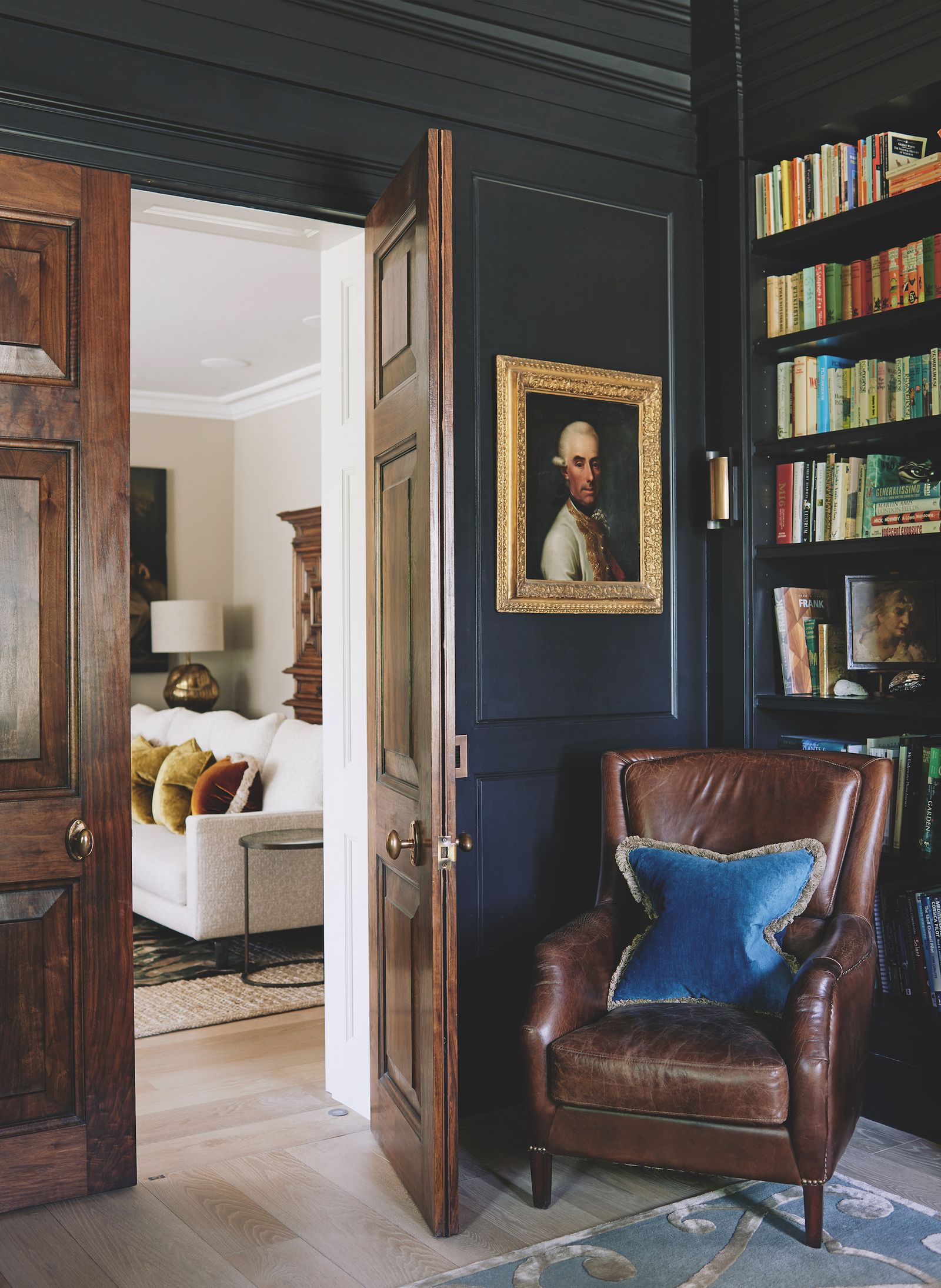
Every pastime deserves a dedicated space and “each area should have its own visual identity”, say Jo leGleud and Scott Maddux, the driving forces behind Maddux Creative. Indeed, doing the things you love in the comfort of your home is one of life's best luxuries. “When looking at a room for the first time, I try to think of the areas I would like to celebrate, the spaces that will give the clients the most joy,” muses interior designer Rachel Chudley. Whether you're a voracious reader, a budding chef and baker or a wizard with crocheting needles, making space for you to see out and explore your hobbies and interests is crucial in making any house a home.
Setting up a reading nook complete with comfortable armchair, floor lamp and a bookshelf in arm's reach is perfect for bookworms, for example. Further, home bakers may consider investing in great appliances (go on, buy that shiny stand-mixer or chrome immersion blender!) and creating space in the kitchen to roll out swaths of flaky shortcrust.
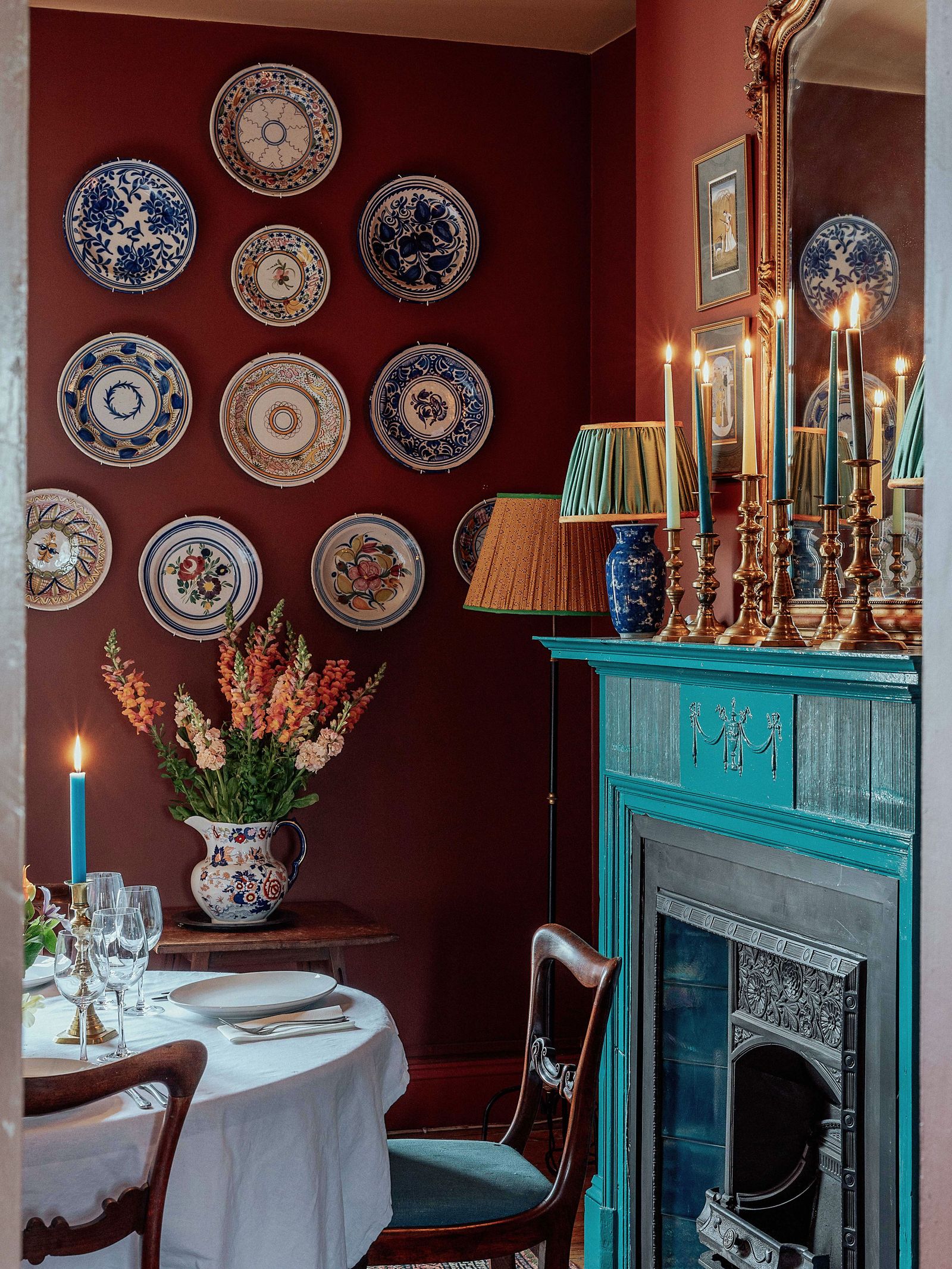
“Allow yourself some indulgences if they bring you joy,” says Angus Buchanan of Buchanan Studio. Whether it's the fragrant waft of your favourite high-end, scented candle or splashes of your favourite colour throughout your house, these are the small ways to make your space not just joyful, but also tailor-made to your personality.
“Buying a scented candle… can be a little daunting, after all, scents are so personal," says House & Garden commerce writer Arabella Bowes. However, “a scented candle is really a cut above all other types of home accessory,” she continues, "choose one in a beautiful pot and you've got a keepsake for life.” Whether you're a fan of lemon verbena or patchouli-obsessed, scented candles are the perfect way to personalise your space and make your house your home.
For those unsure where to begin when it comes to colour, Rachel recommends using “mood boards and physical samples in the relevant rooms. “Play around with colour, and the different way light reflects off it,” she advises, “Use colour to enhance the lives of people at home, [as it affects] the way you feel in a room and [produces] luminous interior atmospheres.” Not keen on a full repaint? Consider throw pillows or drapery upholstered in your favourite colours, be they chintz, silk or velvet. “Don't be scared of colourful fabrics!” say Jo and Scott – if they feel like you, then they're perfect for your house.
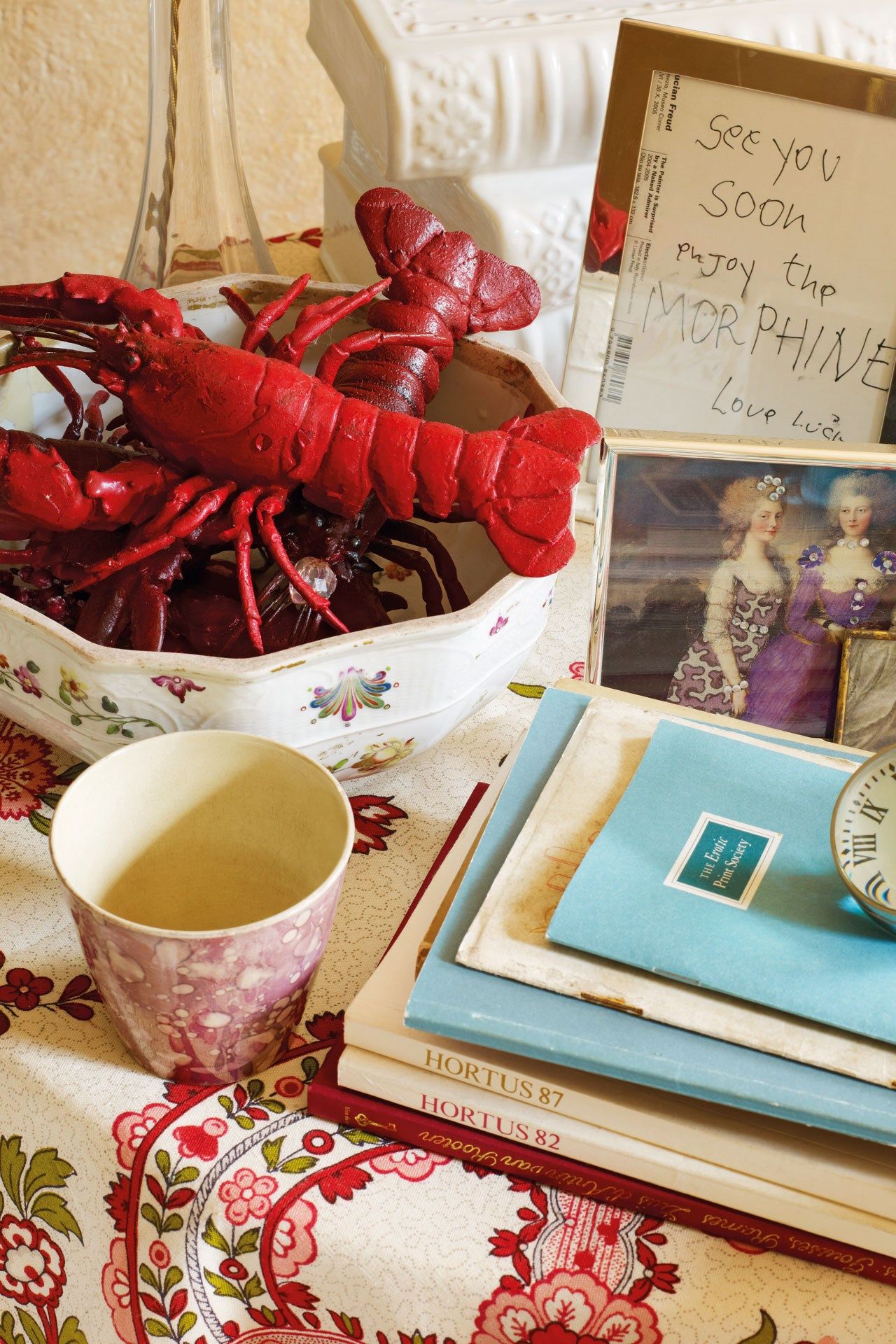

The main difference between an ascetic rental house and one's own, cosy home? Artwork. However, you needn't be a worldly collector of Picassos and Renoirs – by putting up anything fit for a frame, be it postcards or children's drawings – you can create a more intimate quality in a room. Before you hang anything, Penny advises that “pictures should be big, or there should be lots of them. There's nothing worse than a painting the size of a postage stamp on the wall”.
In Nicky Haslam's Hampshire hunting lodge, framed letters – including a get-well card from Lucian Freud – are dotted round the house and “a motley crew of [Nicky's] favourite people adorn [the] mantelpiece”. Similarly, in her design for a house in Ibiza, Joanna used framed antique sheet music as decoration in the front hall of the home. The music had special significance for the homeowners, making for meaningful decoration.

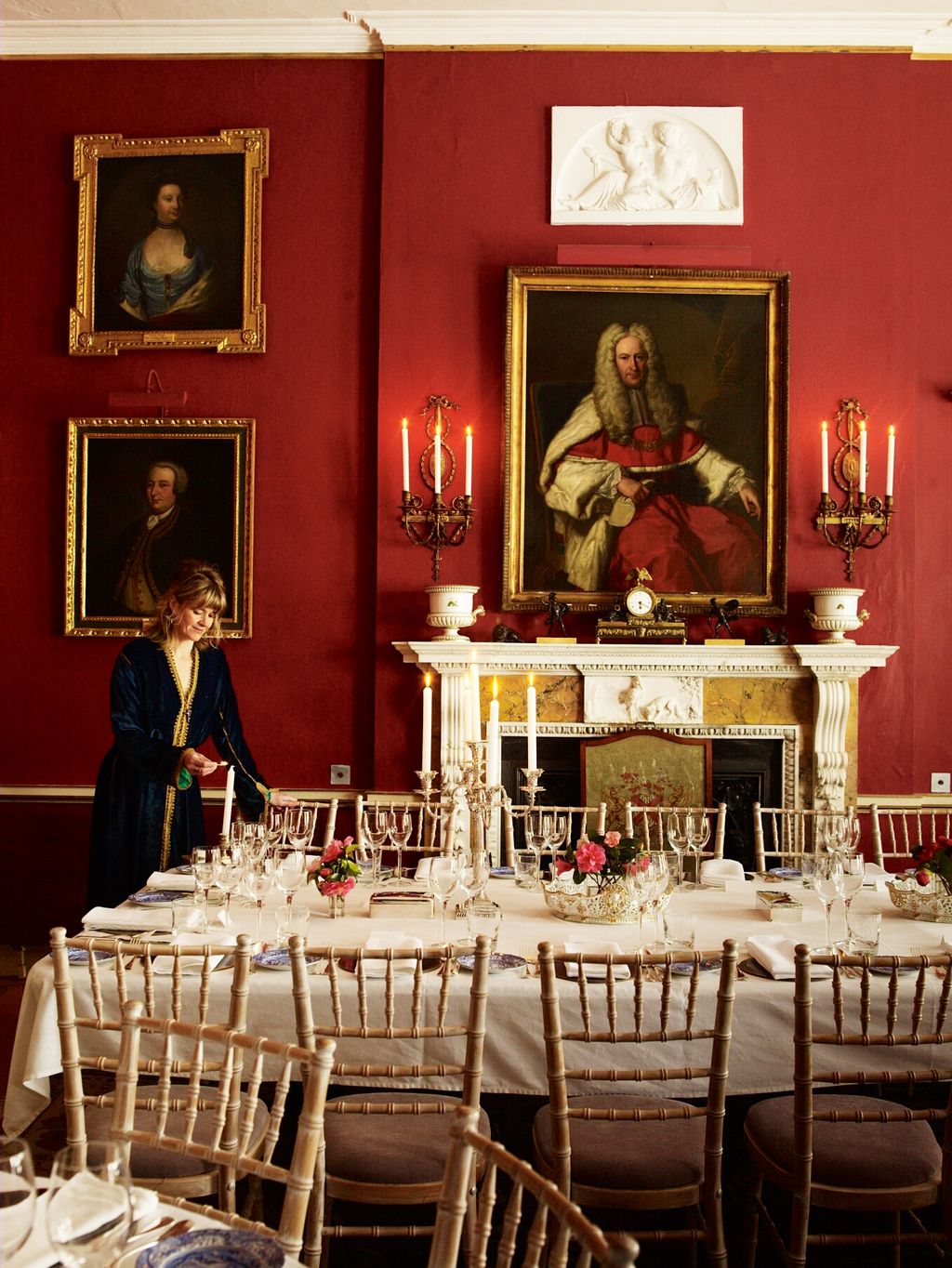
While not exactly “decoration”, there is perhaps nothing that makes a house a home more than hosting friends and family for dinner or a party. With a table set with antique silver cutlery and candelabras weighted by tonnes of dripping wax candles, bursts of laughter and plentiful wine pouring into glasses is set to make a host feel calm and, yes, quite at home. Opt for great cutlery, glassware and tablecloths; this needn't be an investment, as all can easily be found at a local flea market or antiques shop.
As for throwing a party that'll have your guests returning to your home for more, we'd recommend going retro and entertaining à la the glorious decade that was the 1970s. “Jelly moulds, cheese fondue, and plenty of martinis - sounds like a party to me!” says House & Garden digital editor, Virginia Clark.
 Mark Fox1/8
In his Art Deco flat in Hackney, Alfred Bramsen has used both favourite colours and lovely candles to convey a sense of home.
 Ollie Tomlinson2/8
In this Regency-era house in Marylebone, the dining room is multi-purpose, also serving as a reading room when not in use during mealtimes.
 Owen Gale3/8
Meaningful objects
The larder in this 16th-century house in Devon is the oldest room, filled with antiques and found objects, including slate flags, a painted wooden fish sign, as well as bottles, jars and jugs (the latter of which is collected by the homeowner).
 Helen Cathcart4/8
In the kitchen of this tiny seaside mews house, designer Isabella Worsely took the client's lead. A large chef's kitchen didn't match her clients' lifestyle, so she designed a rather compact British Standard kitchen (painted in Paint and Paper Library's ‘Elizabethan Red’).


 TARAN WILKHU5/8
The designer behind one of the UK's most beloved pubs, Tasmin Saunders (pictured right), sits in her living room, admiring a work by artist friend Rosie Copeland. Another of Rosie's pieces hangs on the wall. How lovely to display the artwork of friends!
 Mark Anthony Fox6/8
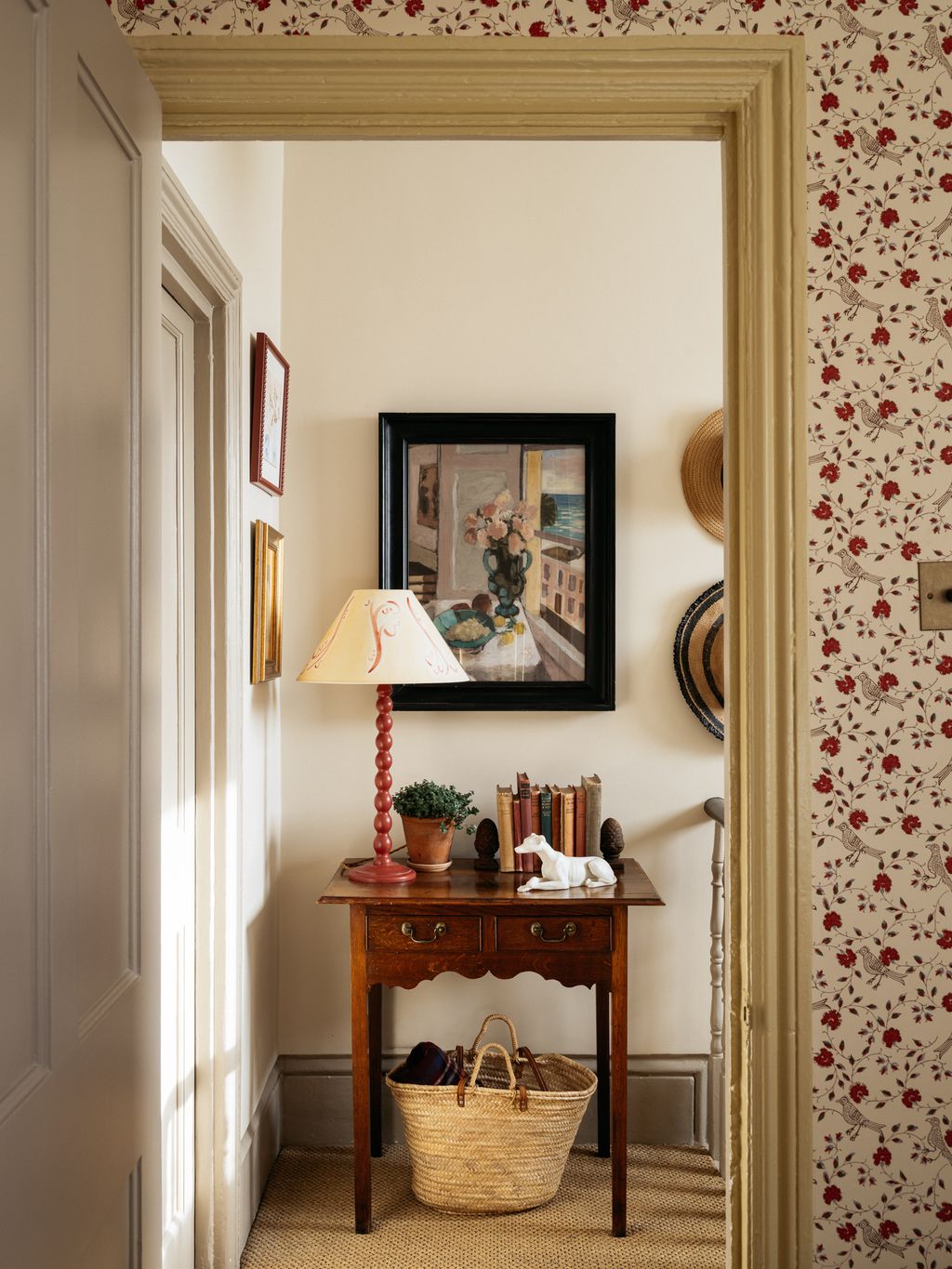
The landing in Charlotte Boundy's house is a perfect showcase of how to make a house a home. The vintage red table was found by Charlotte on eBay years ago. Above it, a Matisse print hangs. The bobbin lamp is by Alfred Newall, with a hand-painted shade by his wife, Tess Newall.
 Andrew Montgomery7/8
At Glin Castle in Ireland, the expansive dining tables are set for a fabulous dinner, guaranteed to make the guests feel at home.
 Simon Upton8/8
In Nicky Haslam's hunting lodge, “a motley crew of [his] favourite people adorns [the] mantelpiece” – personal and touching, arguably better than any high-end artwork.


