
Delft tiles: their history and how to decorate with them
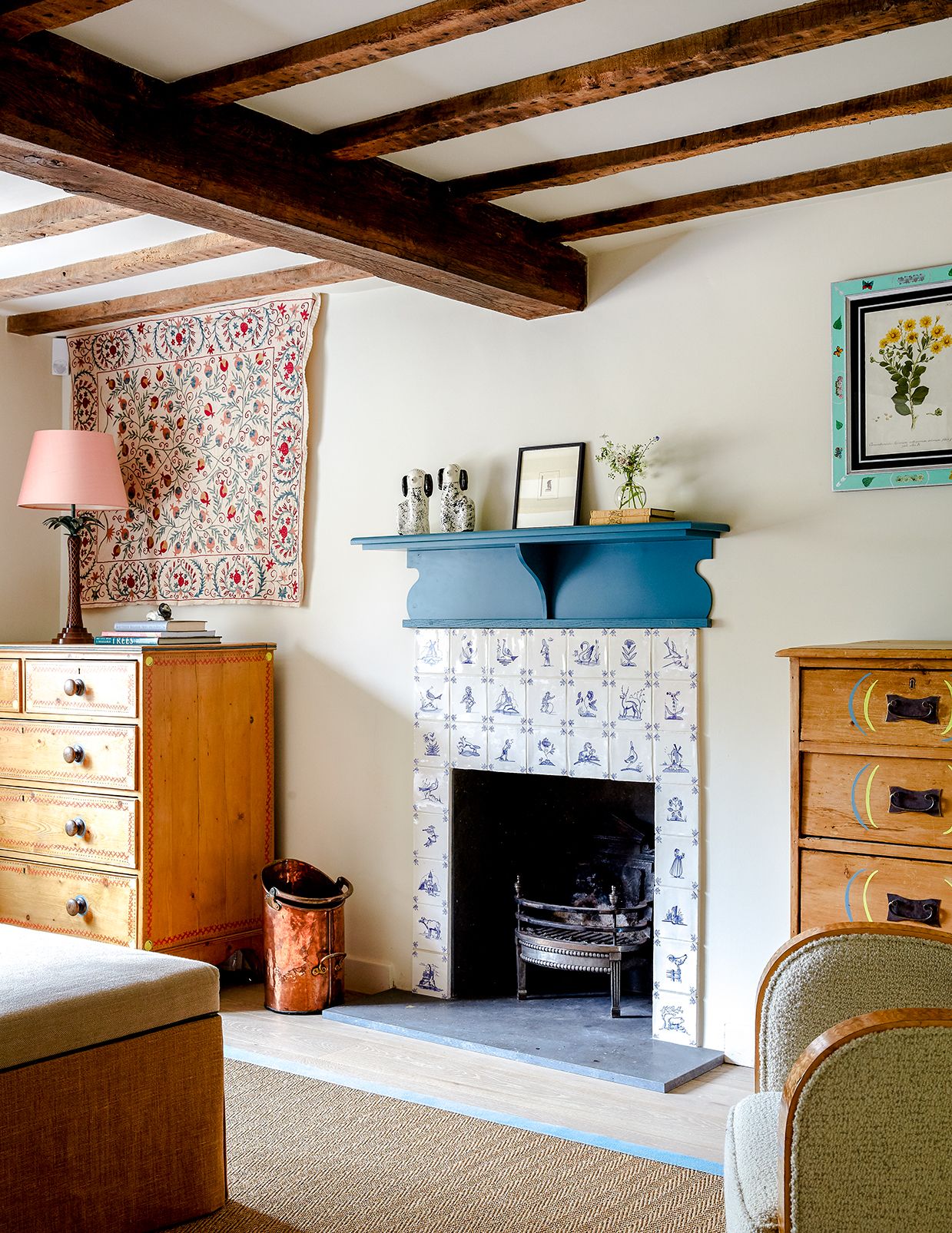
Few tiles are as distinctive, or loaded with as much history, as Delft tiles. In their characteristic blue and white, with elaborately painted portraits and pictures of everyday life, the tiles, whether antique or modern, are instantly recognisable. Unlike many other tile traditions, the appeal lies in their individuality: almost anything can be represented on a Delft tile, from mythological depictions of gods to bawdy scenes of drunkenness.
Sandwiched between the port of Rotterdam and the coastal city of The Hague, Delft is a relatively small town now, but in the seventeenth century, at the height of the Dutch Golden Age, it was brimming with importance. Around the city the Netherlands at large was reaching the height of its powers, dominating European trade, setting up an outpost in Japan, founding universities, and fighting to become a Protestant state against the forces of Catholic Spain. Delft had been the base for William of Orange, the hero of Dutch resistance to Spain. Johannes Vermeer was also born in the city in 1632, spending his life painting its residents and their house
The invention of Delft pottery in the mid-1600s was a response to the popularity of Chinese blue and white porcelain, the technique for which would not be mastered in Europe until the beginning of the eighteenth century. Potters around the Netherlands had already begun developing the art of tin-glazed earthenware to mimic the glossy white surface of porcelain, but in the 1640s and 50s it was Delft potters who started to use personal monograms and factory marks, and the tiles became works of art in their own right. The trend for Delftware had already spread to Britain, where the new technique of transfer printing allowed for Delft-style tiles to be mass produced, some with uniform designs.
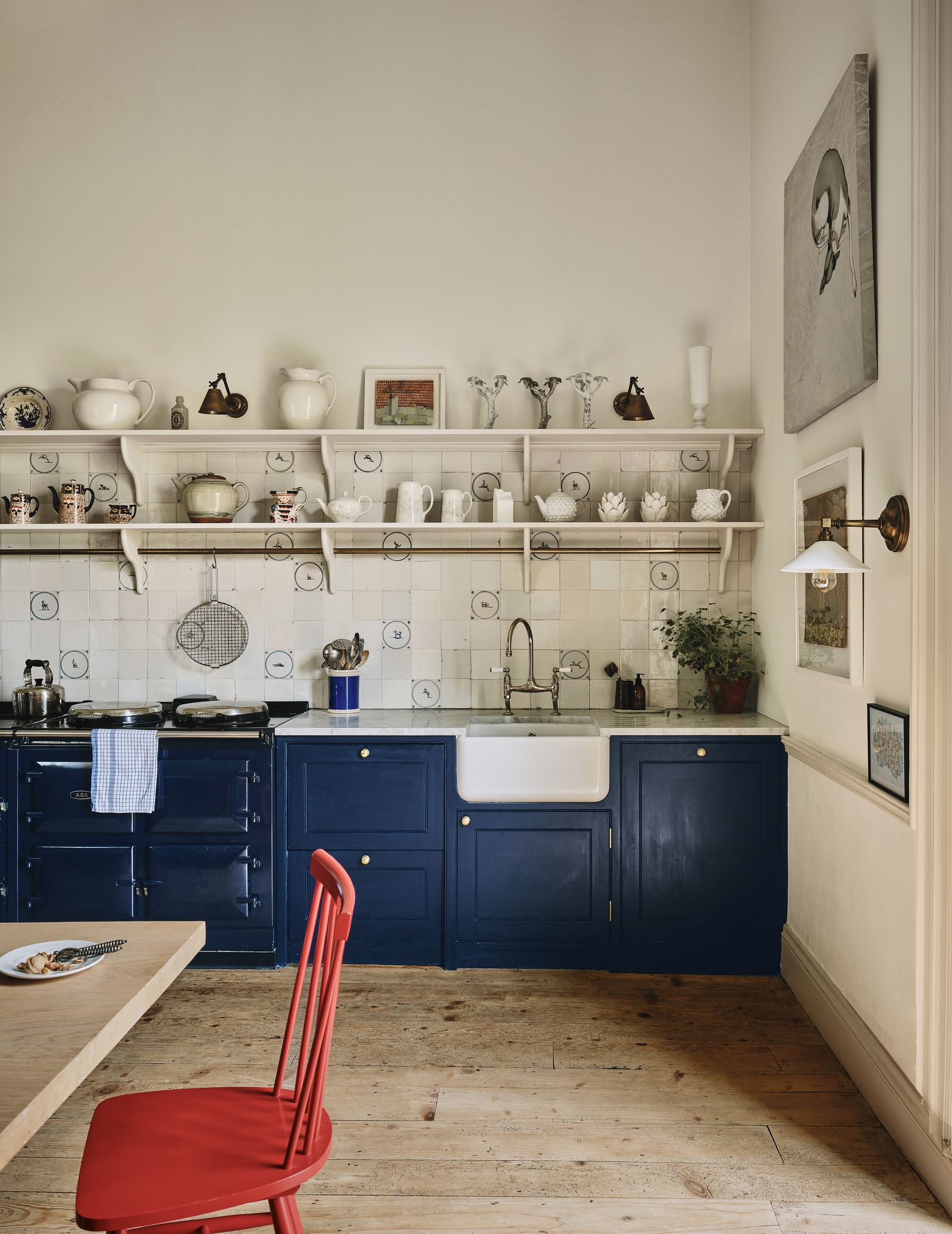
The pictorial representations on Delft tiles imitated the patterns and images on Chinese porcelain, which had been imported in great quantities via the activities of the Dutch East India Company. However they soon started to incorporate scenes from Dutch life - farm workers, windmills, tulips and sailing ships taken from the local landscape – alongside images of everything from biblical stories to mythological creatures. One antique tile dealer recently sold a tile from 1650 that featured a merman wearing a top hat.
As wealth spread among the merchants of the Netherlands, the glazed Delft tiles were increasingly popular for fireplaces and damp, smoky rooms like kitchens, where they could be easily cleaned. Their appeal was widespread, from moderately wealthy middle-class houses who might have bought very simply decorated tiles or even factory seconds, to aristocratic families commissioning vast tiled rooms.
Some of the great houses of Europe from the eighteenth century have bathrooms, swimming pools and kitchens covered in Delft tiles, sometimes in spectacular decorative panels, like the Chateau de Rambouillet in Île-de-France, once owned by Louis XVI, or the Schloss Nymphenburg in Munich, where you might have caught the extravagantly bewigged Maximilian II Emanuel, Elector of Bavaria, frolicking in his newly built, entirely Delft-lined swimming pool after being defeated at the Battle of Blenheim.
At the end of the eighteenth century, the production of ‘Delft Blauw’ in Delft itself almost ground to a halt, as similar tiles could be manufactured more cheaply in Britain. Only a few factories in the town have continuously produced in the tradition since the sixteenth century. In Britain, Delftware went out of style over the course of the nineteenth century as the industrial potteries in Staffordshire developed new techniques for making blue and white ceramics that were lighter and more durable than tin glazing.
Now a new generation of craftsmen are producing hand-painted Delft-style tiles, often with irreverent and witty depictions of contemporary life. Paul Bommer, a Norfolk-based artist, experimented with various methods of glazing, before concluding that the original Dutch way really is the best. ‘I’m drawn to the flaws and the individuality, the crackle of the glaze that adds a kind of instant age. It’s a traditional medium, but you can put anything you like onto them, and it will still make sense.’
Where to buy Delft tiles:
- Regts Antique Tiles: A huge selection of antique tiles, including many collectibles.
- Norton Tiles: bespoke modern Delft-style tiles made in Sussex
- Douglas Watson Studio: collections of customisable tiles made in Oxfordshire, including landscapes and figurative images.
- Petra Palumbo: modern twists on Delft designs, including bespoke commissions
- Paul Bommer: rude and subversive one-off designs made in Norfolk
 Owen Gale1/19
The Delft tiles in this Cornish house are from Fired Earth. They've been used in a very traditional way, creating a pretty splashback for a small sink.
 Paul Massey2/19
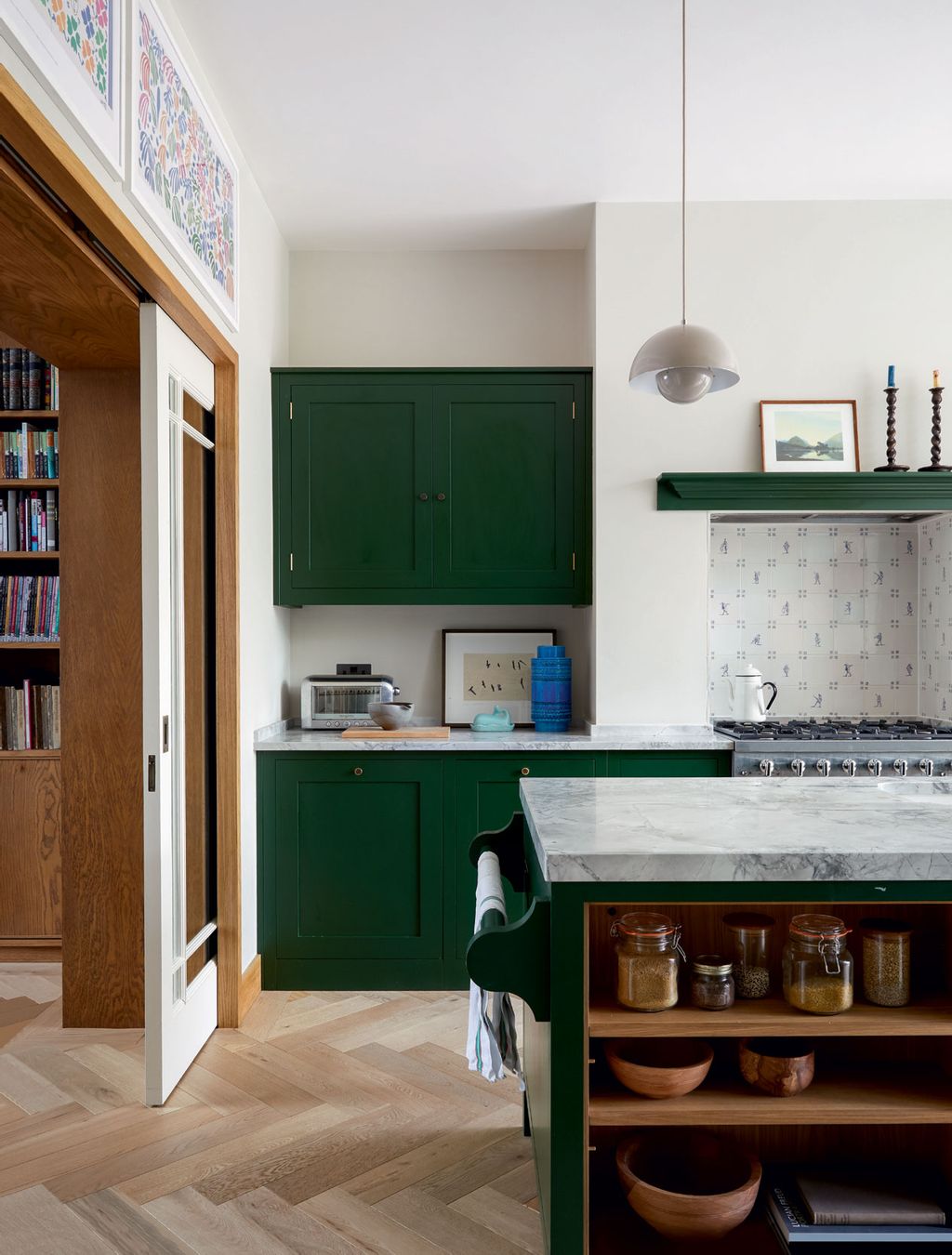
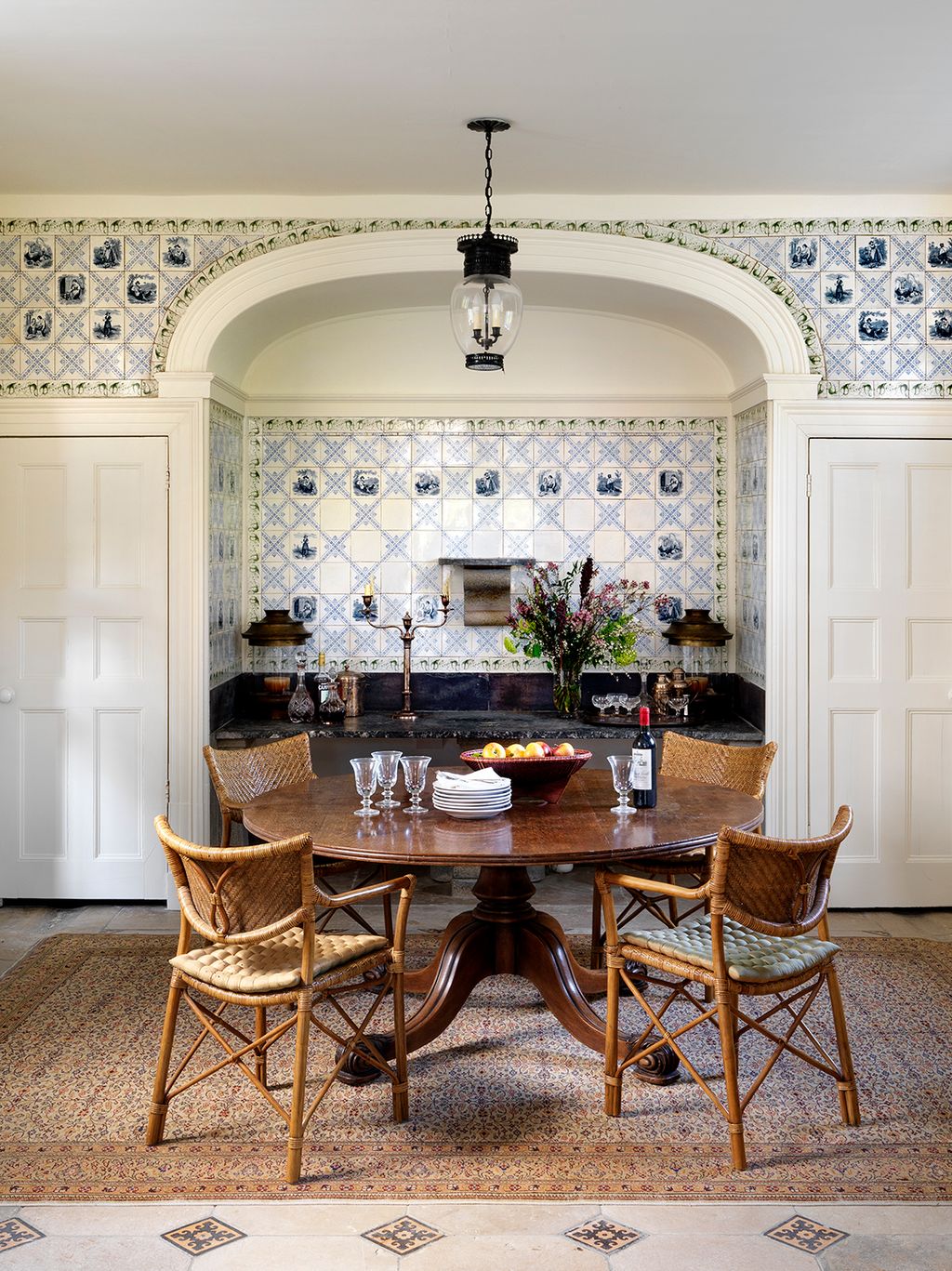
The kitchen of this Tom Morris project, kitted out with Plain English units, is traditional, with a cooker niche lined with bespoke Delft tiles by Douglas Watson, which feature musicians – a nod to the husband’s extensive record collection.
 Simon Brown3/19
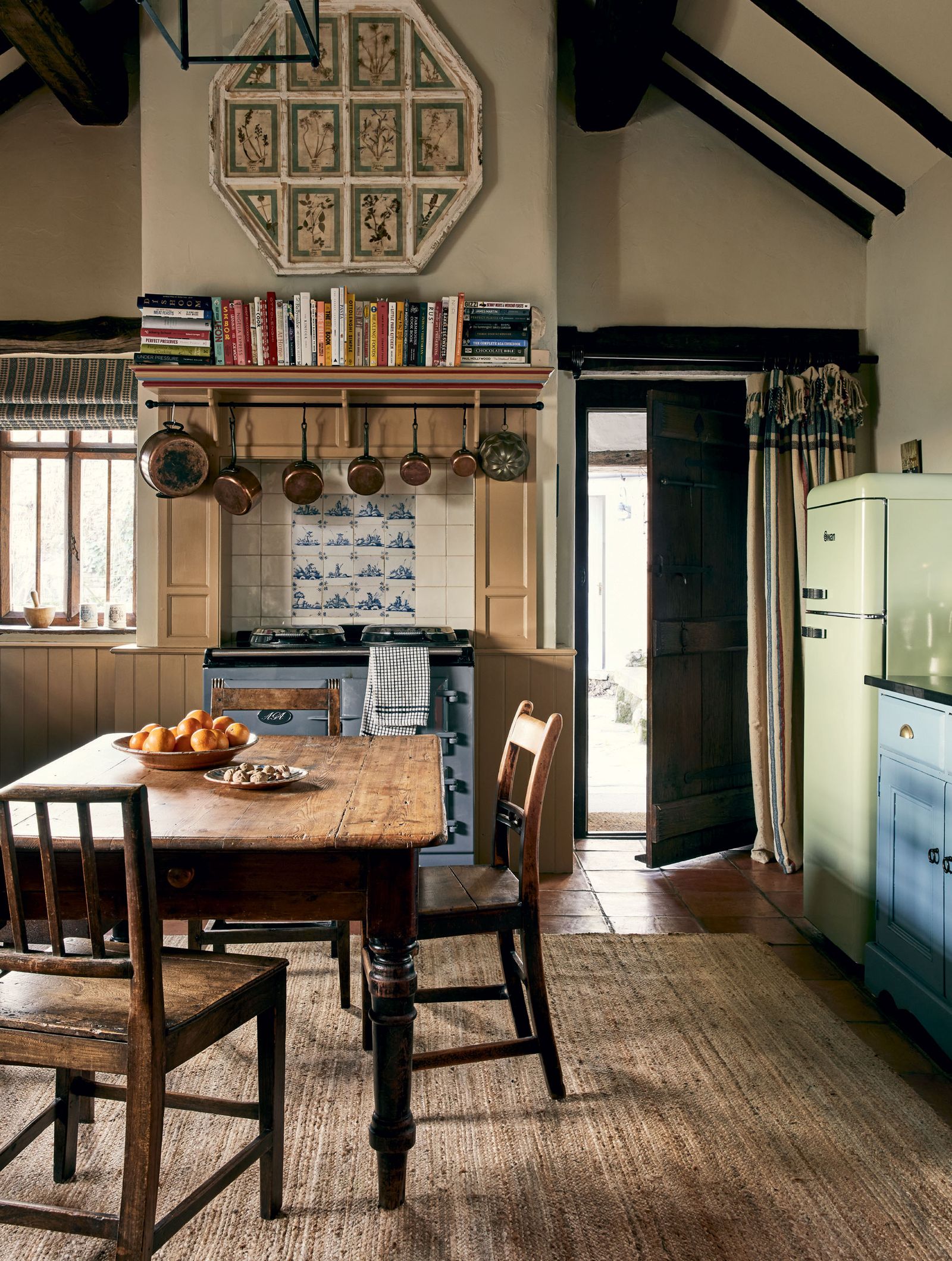
This house was formerly a working dairy and still retains some of its characterful past. One such way is via the Delft tiles in what is now the summer sitting room, which line a sink area.
 Martin Morrell4/19
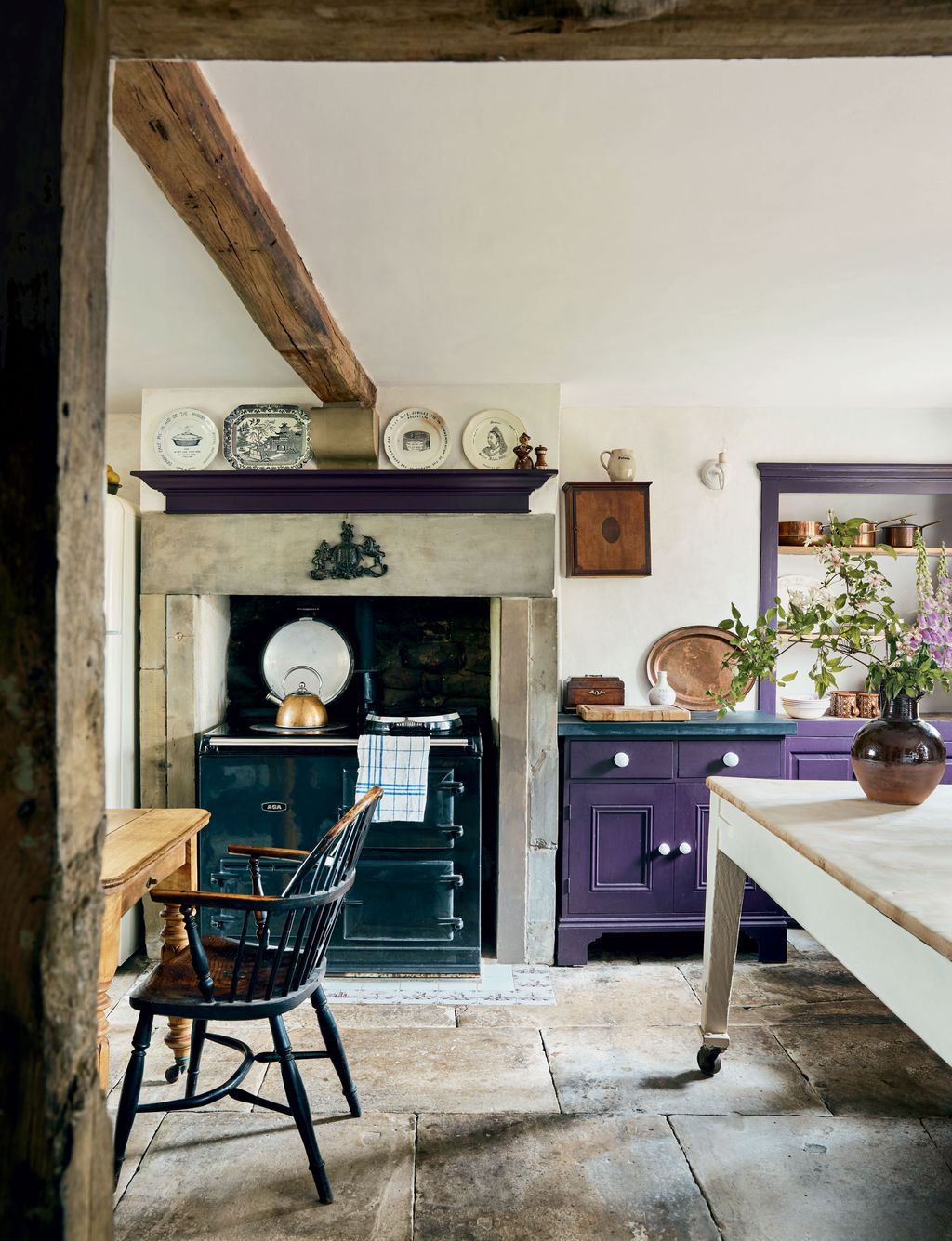
Cabinets and woodwork in Farrow & Ball’s ‘Pelt’ pick up on the colour of Delft tiles from Fisher London, which were laid as a hearth in front of the Aga in this 17th-century cottage. It goes to show that they can be used in many ways and add a brilliant decorative note to this country kitchen.


 Chris Horwood5/19
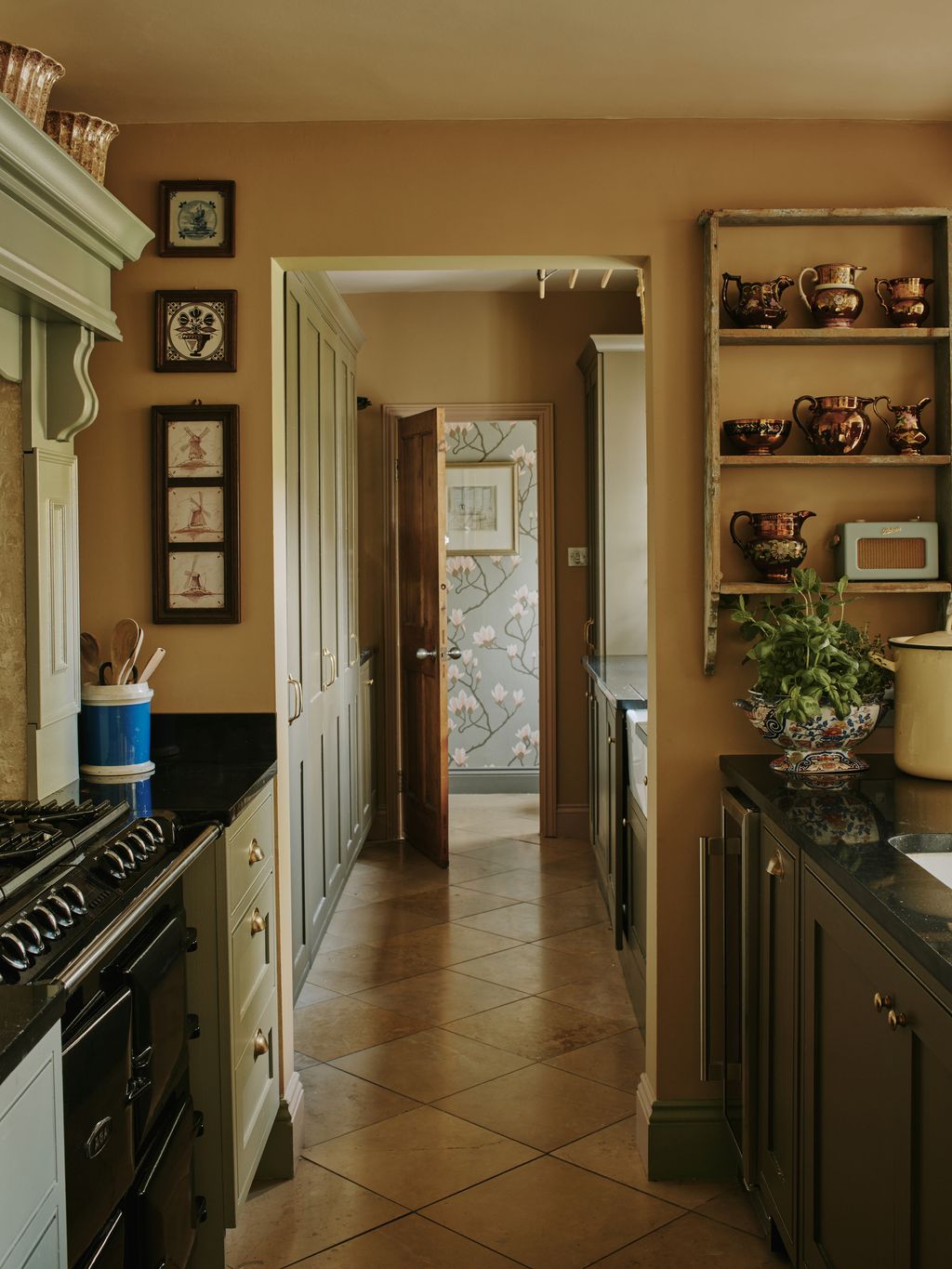
Delft tiles aren't exclusively for tiling with, as Tamsin Saunders of Home & Found demonstrates in this London house she decorated. The 18th-century Delft tiles on the wall here were found in markets.
 Christopher Horwood6/19
This London house, once a nine bedroom bedsit has been transformed by Natasha Howard, the designer behind Instagram's 'Philamena', into an elegant and inviting family home. The shower has been lined in a mixture of plain white tiles and delft tiles; the latter are a bespoke commission from Petra Palumbo, telling the owners' life through a series of images and featuring everything from animals to flowers.
 Simon Upton7/19
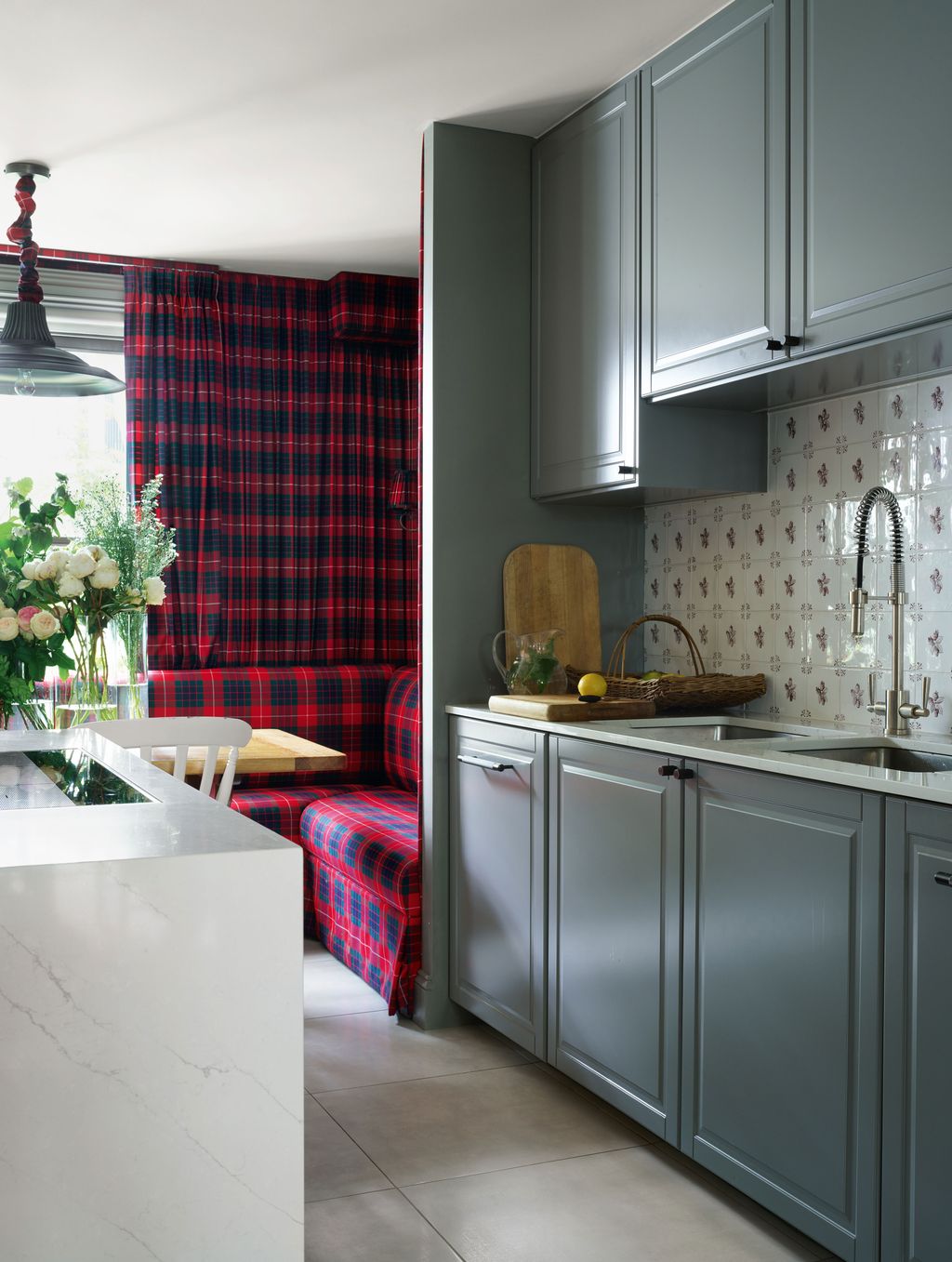
Nicky Haslam teamed up with his former protegées, Jena Quinn and Lucy Derbyshire of Studio QD, to renovate this London house previously split into two flats to create an exuberantly elegant single home. In the kitchen, Fraser tartan from Lochcarron brings drama to the seating area of this basement room, in which grey Ikea units are paired with Delft tiles by Petra Palumbo.
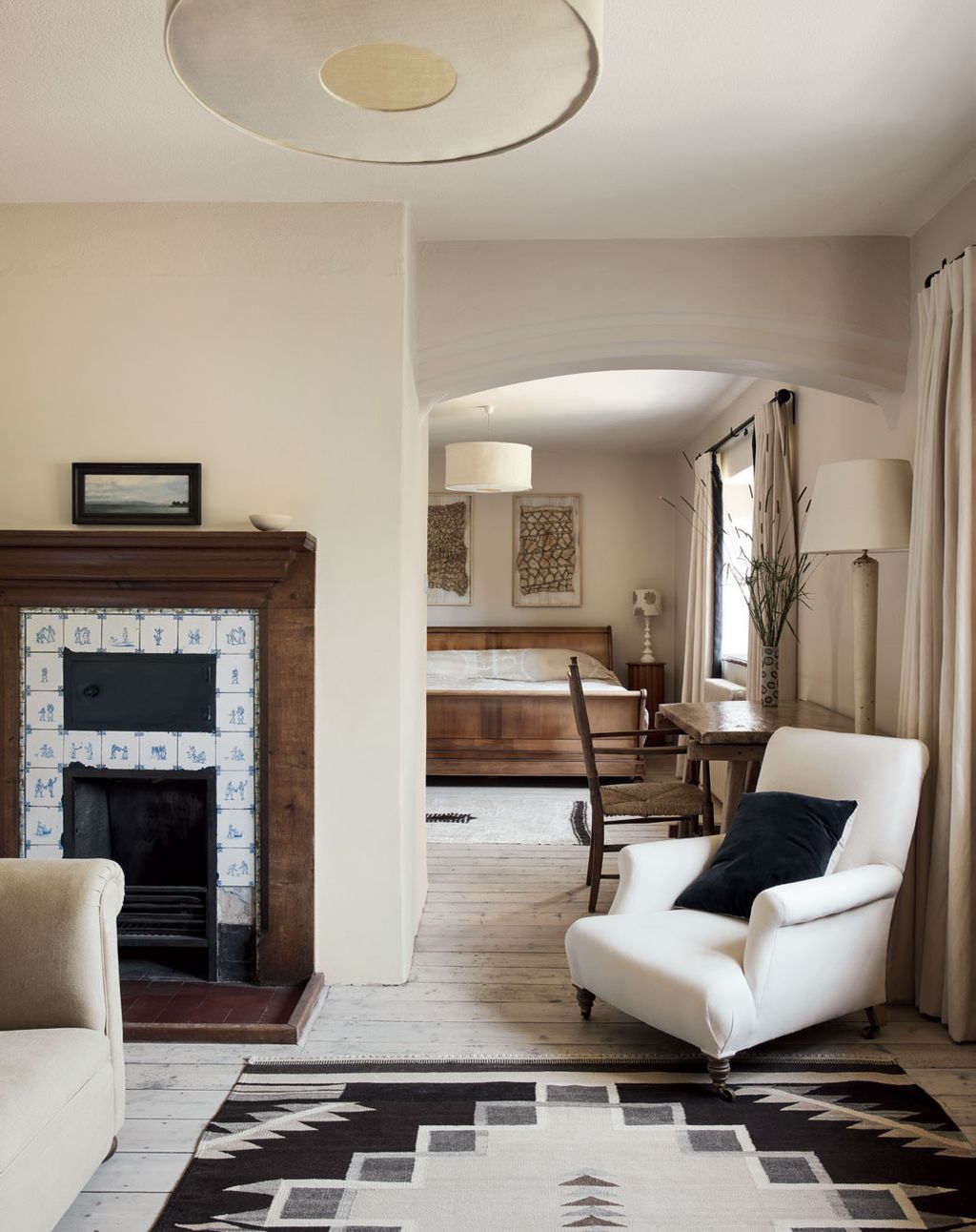 Martin Morrell8/19
With its stone mullioned windows and roof peaked with gables, there is something of the fantastical about this Dartmoor house. And now the fairy-tale façade is echoed by its interiors, brilliantly conjured into life by architectural salvage experts Maria Speake and Adam Hills of Retrouvius. Original Delft tiles line the chimneypiece in the sitting room area.


 Simon Brown9/19
Alexandra Tolstoy's Oxfordshire cottage has a charming tiny backsplash of antique Delft tiles, perfect for a small kitchen.
 Simon Brown10/19
The 'Dutch loo' in a North London house designed by Christopher Leach has Delft-style tiles by Douglas Watson.
 11/19
11/19Packwood House in Warwickshire has a 1930s bathroom lined with old Delft tiles: the more densely decorated tiles are towards the bottom of the room, with more sparse tiles towards the top, creating a kind of ombre effect.
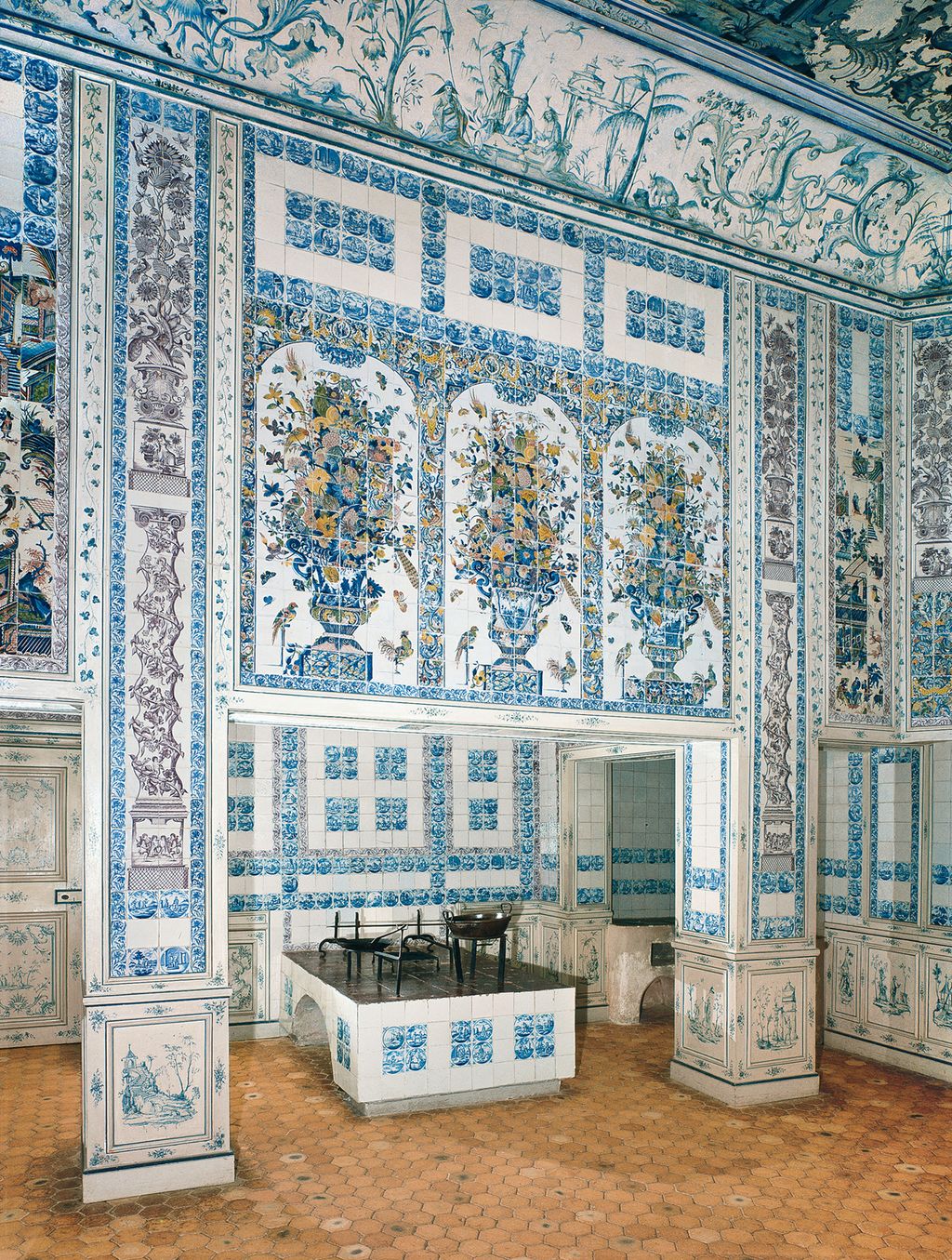 12/19
12/19The kitchen at the Amalienburg, the hunting lodge at Munich's Nymphenburg Palace


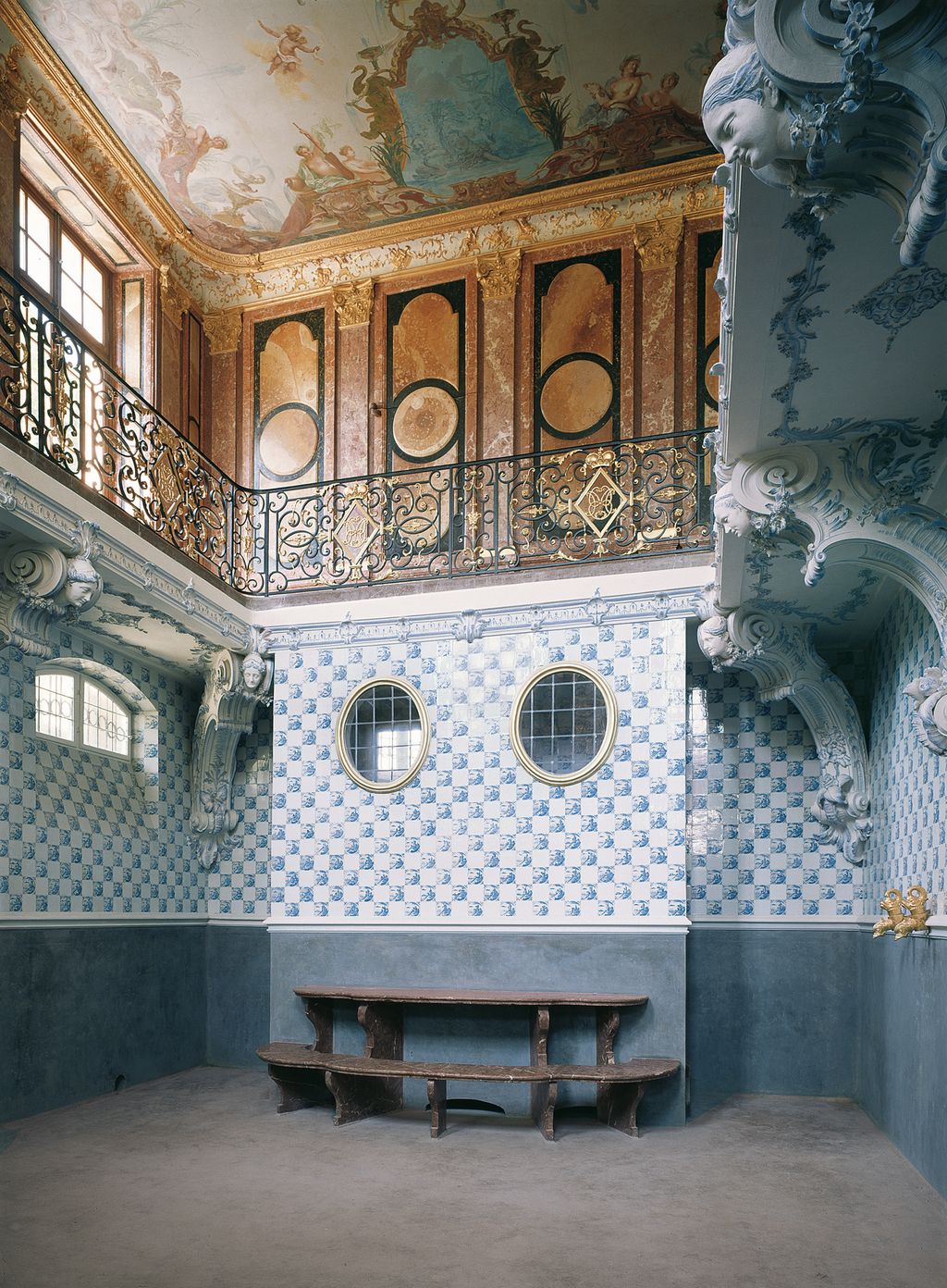 13/19
13/19The Badenburg, a two-storey royal bathing pavilion furnished with Delft tiles at Schloss Nymphenburg in Munich.
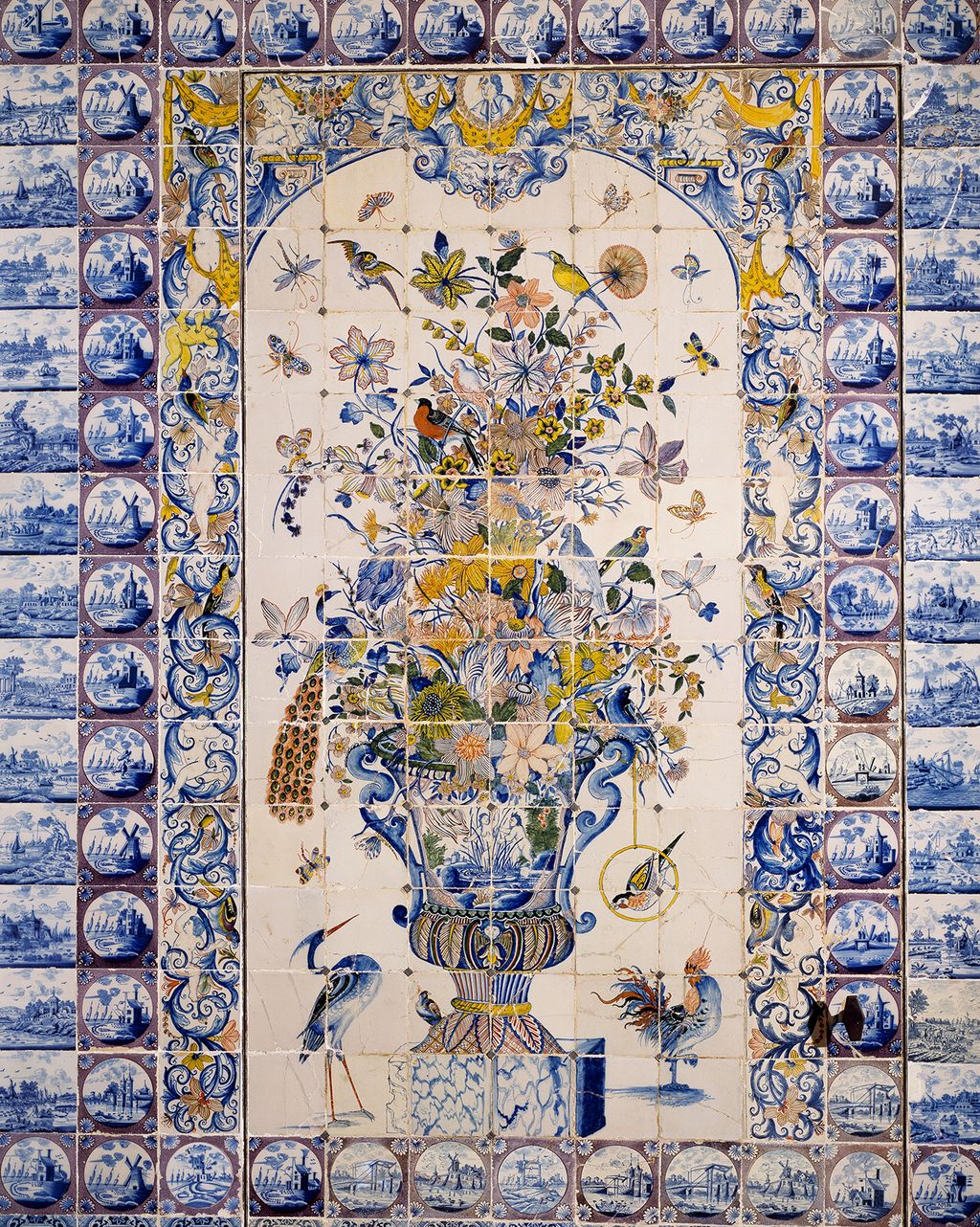 DeAgostini/Getty Images14/19
A Delft tile tableau at Chateau de Rambouillet, Ile-de-France.
 15/19
15/19A modern take on Delft tiles by Paul Bommer, featuring names for animals in Norfolk dialect.
 16/19
16/19Delft tiles with scenes of everyday life from Norton Tile Company.


- 17/19
Adam and Eve being cast from the Garden of Eden, ca. 1700. £244.44 from Regts Antique Tiles
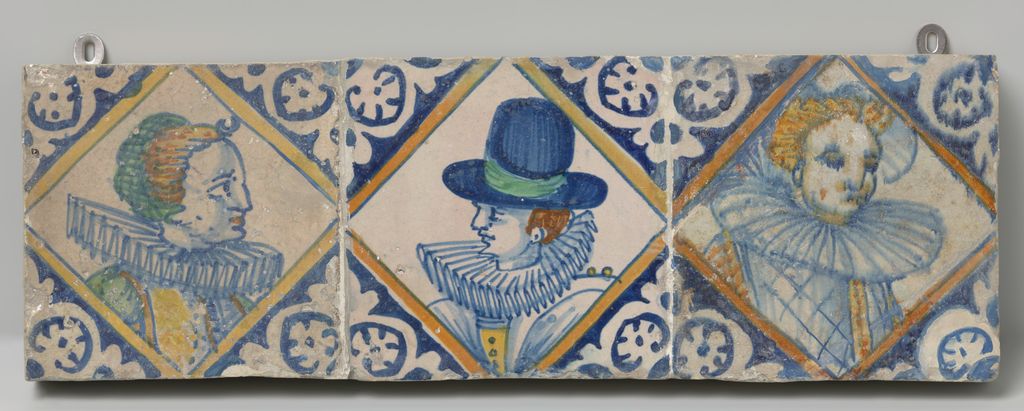 Rijksmuseum18/19
Set of portrait tiles, ca. 1580 - 1625
 19/19
19/19Tulip tiles by Paul Bommer.


Comments
Back to Top


